
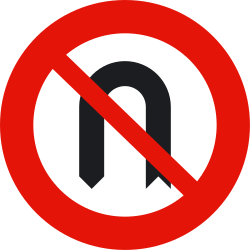
The R-304 traffic sign is a prohibition sign indicating that U-turns are not permitted. You must obey this restriction from the point it is displayed until you pass a sign that cancels it, or reach a junction. This sign is crucial for maintaining traffic flow and preventing dangerous situations on Spanish roads.
Mastering the R-304 'No U-turn' sign is crucial for your Spanish driving theory test revision, as it directly prohibits a specific manoeuvre. Understanding its meaning ensures you adhere to traffic rules and avoid penalties during your licence process.
The sign for no u-turn is part of the Spanish regulatory system that creates a direct restriction on how the road may be used. Depending on the symbol or measurement shown, it can ban entry, cap a physical dimension, limit a maneuver, or prohibit a behavior such as speeding, overtaking, stopping, or parking. Drivers must obey it from the point where the sign applies until the condition ends, whether by an end sign, a junction, or a different signed rule. Any figures, vehicle symbols, time limits, or additional panels shown with the sign are legally important and can narrow or widen who the restriction affects.
This restriction sign applies to no u-turn. It creates a direct rule that drivers must obey until the restriction ends or another sign changes the condition.
Get clear, practical answers to the most common questions about the R-304 - No U-turn road sign. Learn how the sign works, what rules it represents, and how it affects real driving situations. This FAQ strengthens your understanding and supports accurate decision making for the Spanish driving theory exam in Spain.
The R-304 sign specifically prohibits drivers from making a U-turn. This means you cannot turn around to go in the opposite direction at this point on the road. You must continue on your current path or look for an alternative, permitted route.
The restriction imposed by the R-304 'No U-turn' sign remains in effect until you encounter a sign that cancels the prohibition, or until you reach a junction or intersection where other traffic rules apply. Always be aware of your surroundings and look for the end of the restriction.
Generally, the R-304 sign indicates a strict prohibition. However, always check for any additional panels accompanying the sign, as these might specify exceptions based on vehicle type, time of day, or specific road conditions. Without such panels, assume a U-turn is strictly forbidden.
A common mistake is assuming you can make a U-turn after a junction if the 'No U-turn' sign is still visible. The restriction typically continues past the junction unless a specific 'end of restriction' sign is present. Another error is confusing it with 'No entry' or 'No stopping' signs. Always remember R-304 is exclusively about U-turns.
If you see the R-304 'No U-turn' sign and need to reverse your direction, you must find a permitted alternative. This usually means continuing to the next junction or a designated turning point where U-turns are allowed, or exiting the road and finding a safe place to re-enter in the desired direction.
A clear reference image of the R-304 - No U-turn road sign used in Spain.
The R-304 - No U-turn road sign may also be known by these alternative names or terms.
The R-304 - No U-turn road sign is part of the Other Prohibition or Restriction Signs category, which groups together signs with similar rules and functions.
Studying related road signs like the 'No U-turn' helps cement your understanding. Comparing similar traffic signs improves recognition and reduces mistakes during your theory test revision.
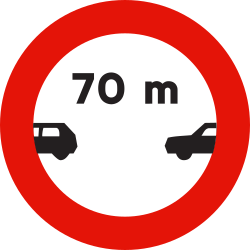
Understand the R-300 'Minimum Separation' road sign and maintain safe distances.
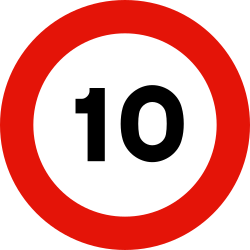
Understand the R-301 sign: Strict 10 km/h Speed Limit Ahead
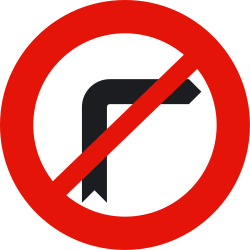
Understand the 'No Right Turn' (R-302) Traffic Sign
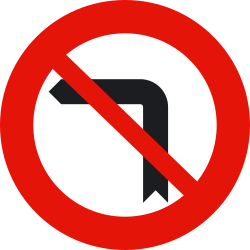
Understand the R-303 'No Left Turn' Prohibition Sign
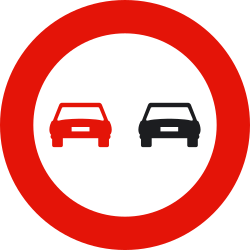
R-305: Prohibited Overtaking Traffic Sign
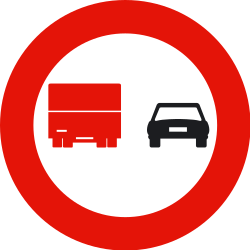
R-306: No Overtaking for Heavy Goods Vehicles
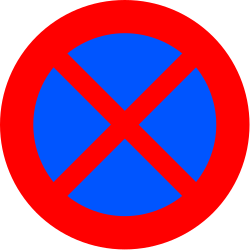
R-307: Understand Spain's 'No Stopping and Parking' Road Sign
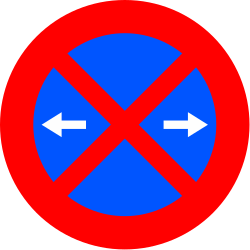
Understand the R-307a Sign: No Stopping or Parking on Either Side
Connect visual signage with the specific Spanish traffic laws and priority rules required to pass your theory test. Explore detailed articles and practice sets that explain how these regulatory markers influence daily driving on local roads.
Learn how Spanish traffic law considers a group of cyclists as a single entity, significantly affecting priority at junctions and roundabouts. This understanding is essential for passing your DGT theory test, as specific exam questions focus on drivers yielding to the entire group once the first cyclist has entered. Master this rule to ensure road safety and exam success.
Master Tunnel Safety Distances for a Safer Drive and a Guaranteed Pass
If you are an EU or EEA citizen residing in Spain, this article will guide you through the process of exchanging your current driving licence for a Spanish equivalent. We cover the voluntary nature of this exchange, the mandatory renewal timelines based on your residency status, and what you need to know to comply with Spanish traffic laws administered by the DGT.
Master the A and S of PAS: Your crucial role in accident response and legal obligations for the Spanish DGT exam.
The sign for no stopping and parking is part of the Spanish regulatory system that creates a direct restriction on how the road may be used. Depending on the symbol or measurement shown, it can ban entry, cap a physical dimension, limit a maneuver, or prohibit a behavior such as speeding, overtaking, stopping, or parking. Drivers must obey it from the point where the sign applies until the condition ends, whether by an end sign, a junction, or a different signed rule. Any figures, vehicle symbols, time limits, or additional panels shown with the sign are legally important and can narrow or widen who the restriction affects.
The sign for no stopping and parking (both sides) is part of the Spanish regulatory system that creates a direct restriction on how the road may be used. Depending on the symbol or measurement shown, it can ban entry, cap a physical dimension, limit a maneuver, or prohibit a behavior such as speeding, overtaking, stopping, or parking. Drivers must obey it from the point where the sign applies until the condition ends, whether by an end sign, a junction, or a different signed rule. Any figures, vehicle symbols, time limits, or additional panels shown with the sign are legally important and can narrow or widen who the restriction affects.
You've explored the complete list of Spanish road signs. Now, deepen your understanding by reviewing specific sign groups or testing your knowledge with practice questions. Fully prepare for your DGT driving theory exam and confidently navigate Spanish roads.
Browse All Spanish Road Signs