
Explore a complete collection of Spanish driving theory topics covering all aspects of DGT road legislation, traffic signs, and safe driving practices. This hub provides detailed explanations designed to build your foundational knowledge and ensure a thorough understanding of the rules applied across Spain's unique road network. Prepare effectively for your licence exam by mastering critical concepts.
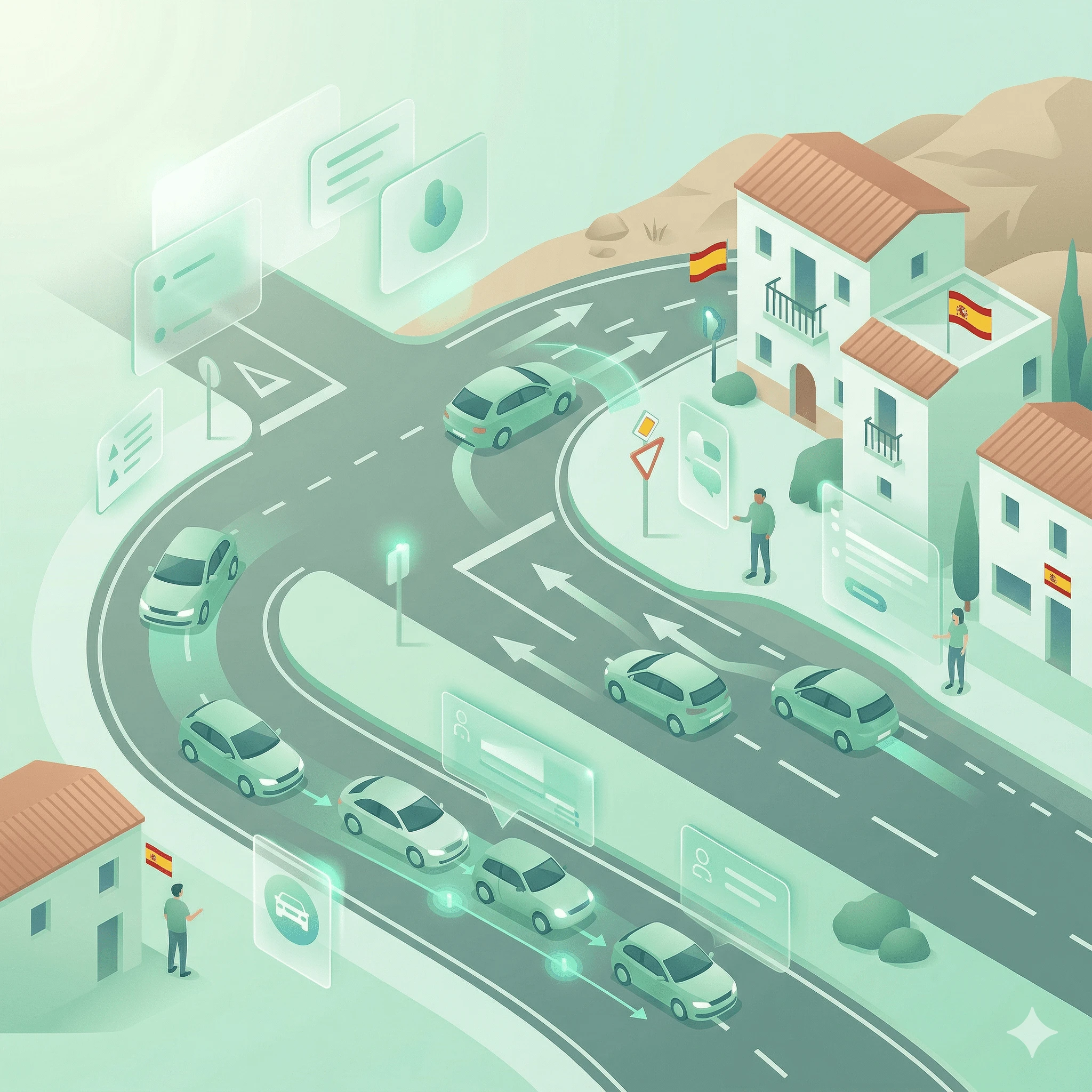
Navigate the Spanish driving theory by isolating essential topics like complex road signs, priority at roundabouts, and motorway speed limits. Our structured curriculum allows you to target specific traffic rules and safety regulations required to pass.
11 topics
6 topics
5 topics
4 topics
3 topics
3 topics
3 topics
2 topics
2 topics
1 topic
1 topic
1 topic
Dive into comprehensive driving theory topics covering official Spanish traffic rules, road signs, and DGT regulations. Use our search to quickly find specific information or browse subjects to strengthen your overall exam study.
Filter by category
11 theory topics found
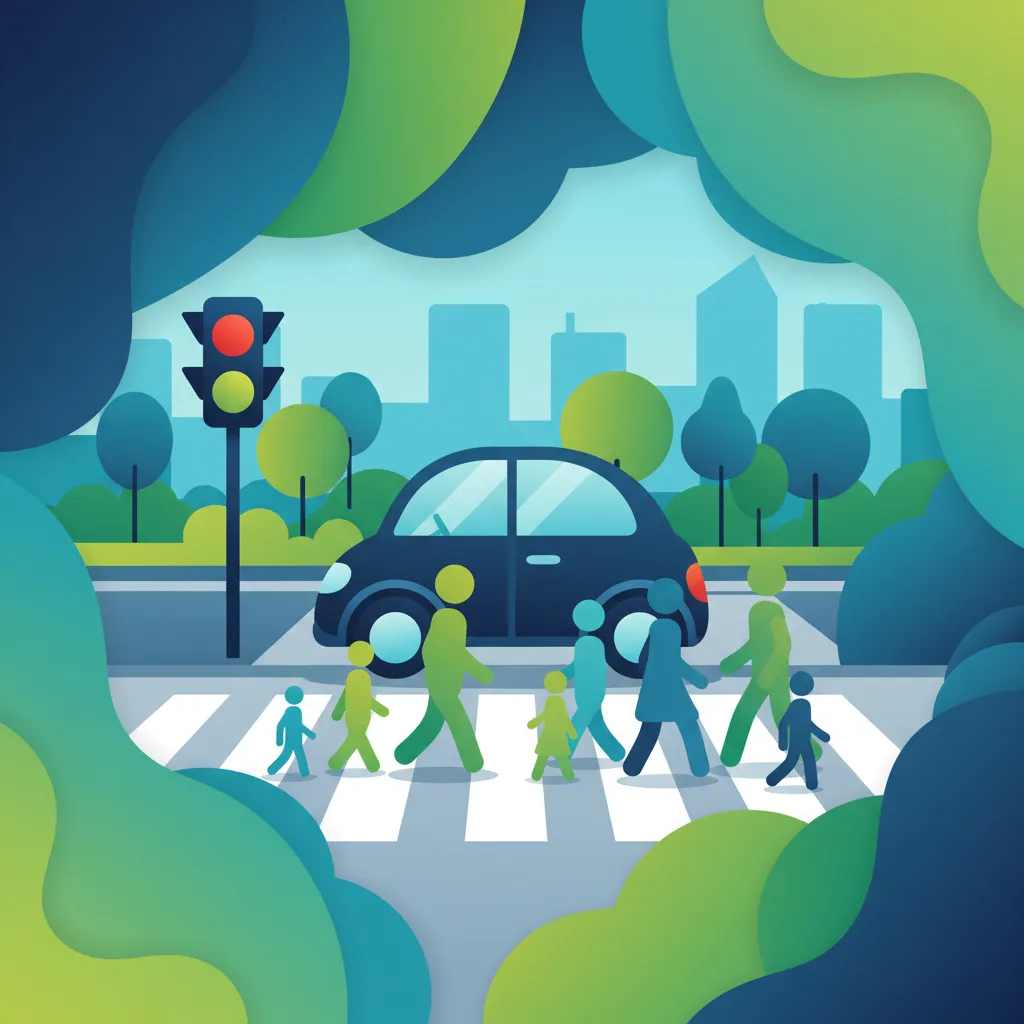
In Spain, drivers hold a significant responsibility towards pedestrians, who are among the most vulnerable road users. This page explains the specific situations, as defined by DGT regulations, where vehicles must yield priority to people on foot. Recognizing these rules is crucial for both passing your driving theory test and ensuring safety on Spanish roads.
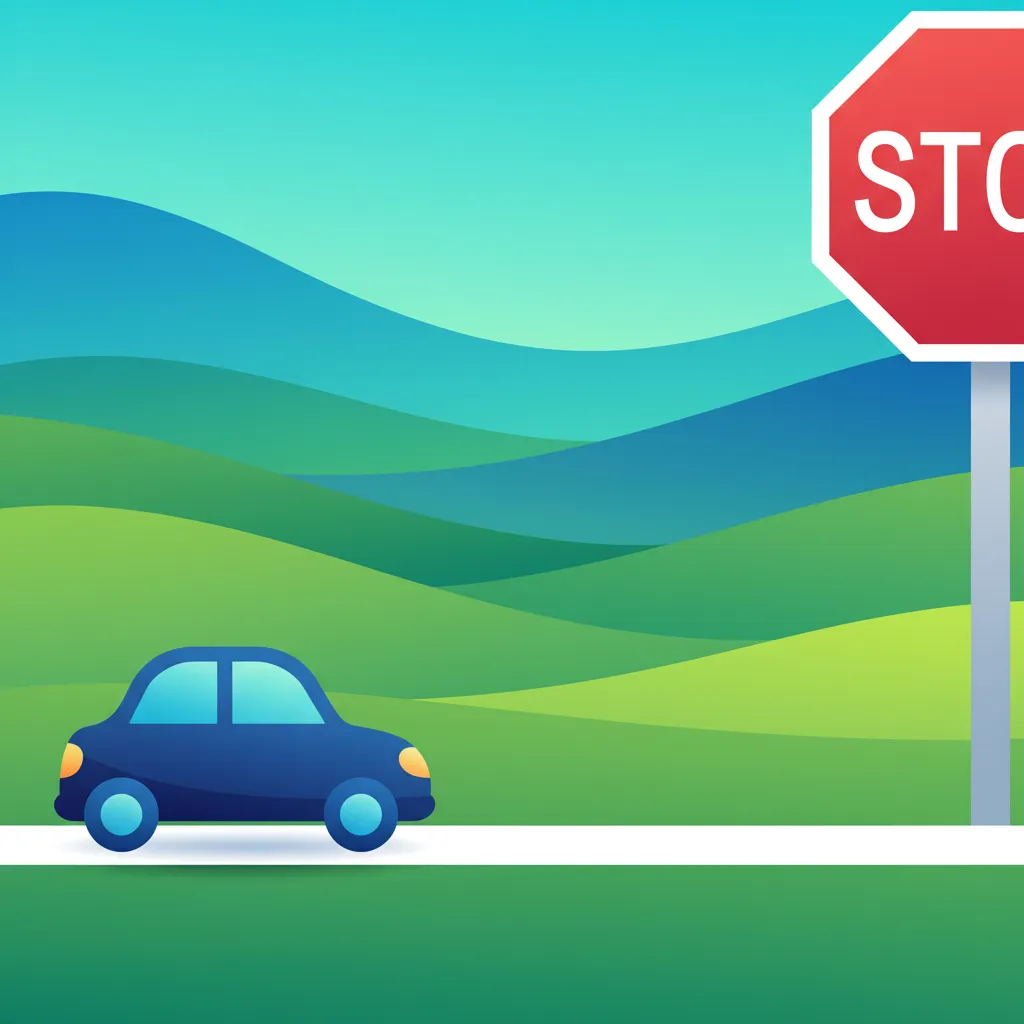
The Stop sign (or 'Señal de Stop' in Spain) is one of the most critical regulatory traffic signs, demanding a complete halt before proceeding. This page details the legal obligations, the precise stopping procedure, and how it differs significantly from other priority signs like 'Ceda el Paso' (Yield) in Spanish road regulations. Always be prepared to stop and assess traffic carefully.
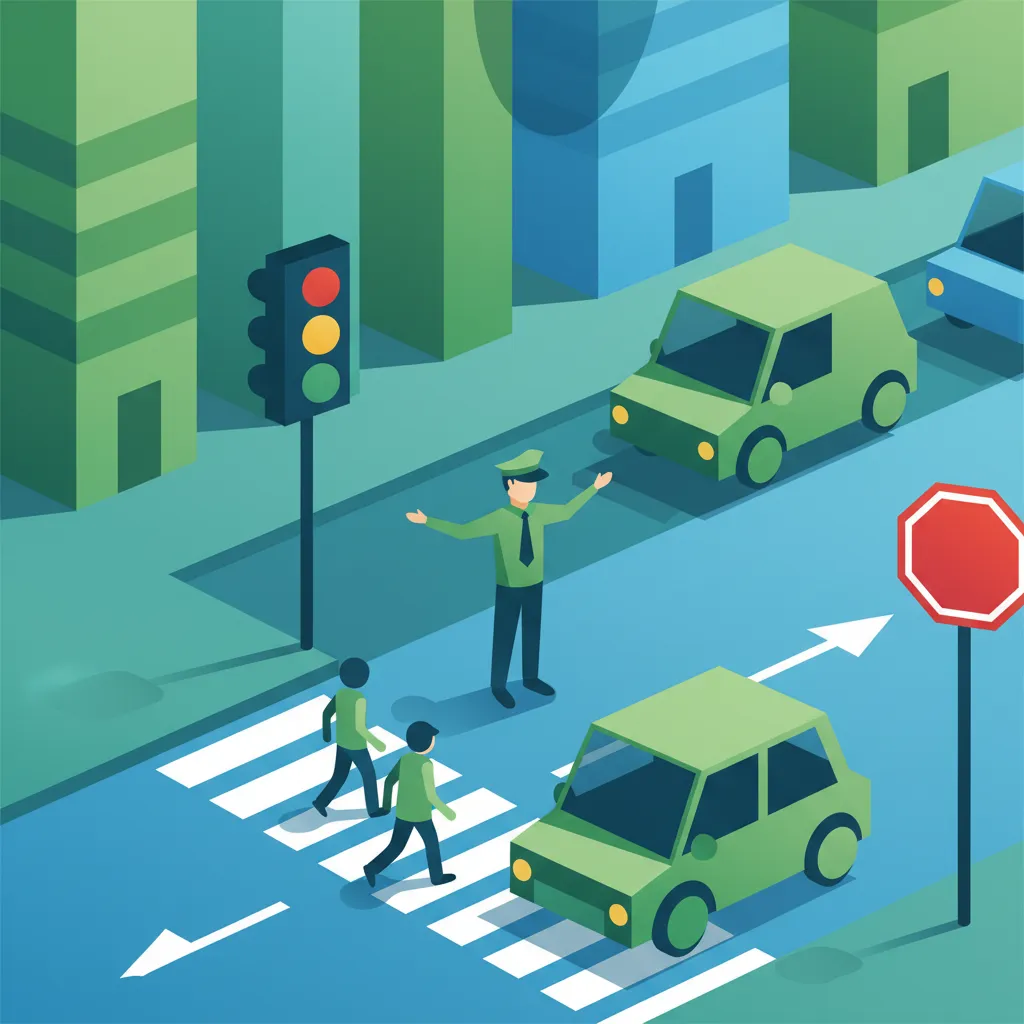
Right of way, or "prioridad de paso" in Spain, dictates which road user has the legal right to proceed first when paths conflict. This fundamental principle prevents collisions and ensures smooth traffic flow. Understanding the precise hierarchy of rules – from traffic agents to general norms – is vital for every driver navigating Spanish roads.

Pedestrian crossings, or "pasos de peatones" in Spain, are designated areas designed to allow pedestrians to cross the road safely. As a driver, it is your responsibility to understand and strictly adhere to the rules governing these areas. This ensures the safety of vulnerable road users and promotes smooth traffic flow according to DGT regulations.
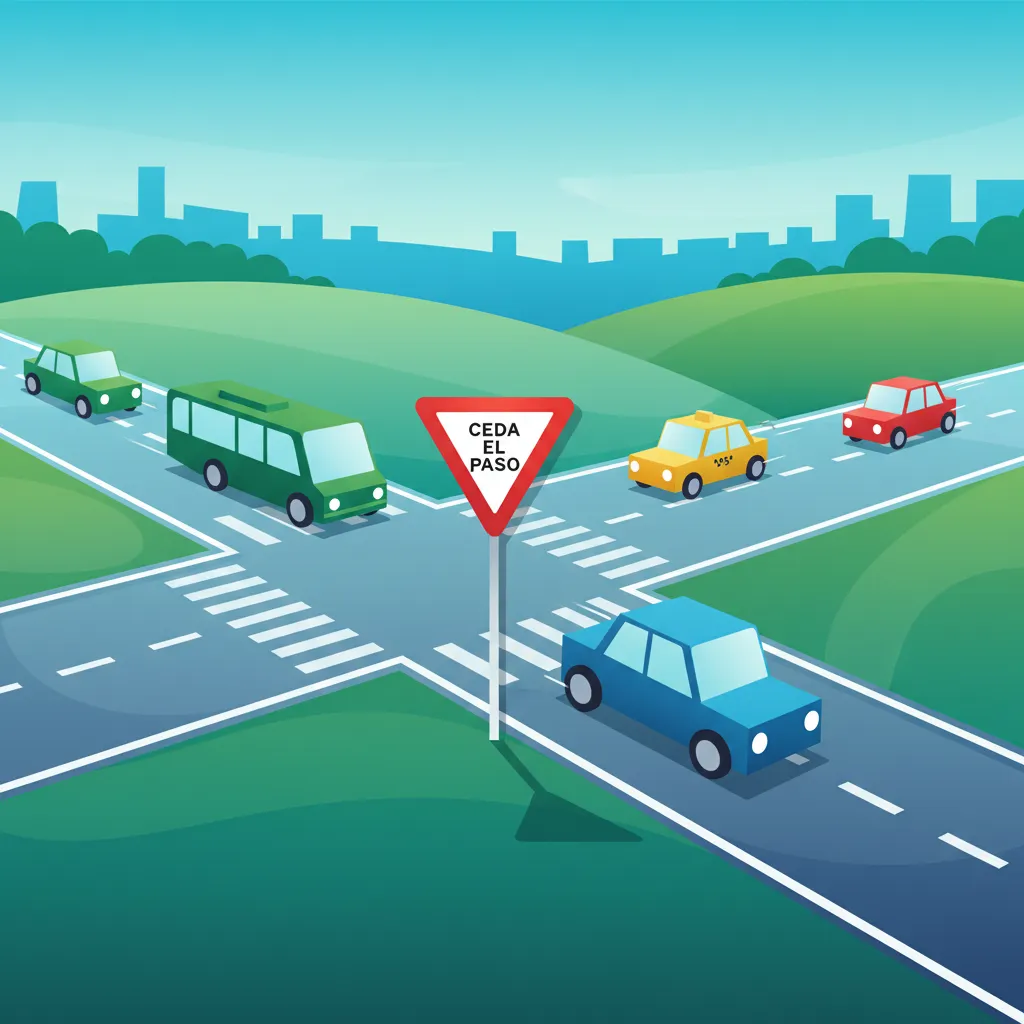
The Give Way sign, or 'Ceda el Paso' (R-1) in Spain, is a triangular sign that requires drivers to yield priority to vehicles on the intersecting road or lane. Unlike a Stop sign, a complete stop is not always mandatory, but you must be prepared to stop and only proceed when it is safe to do so without interrupting other traffic flow. Mastering this rule is fundamental for safe driving and passing the Spanish theory exam.
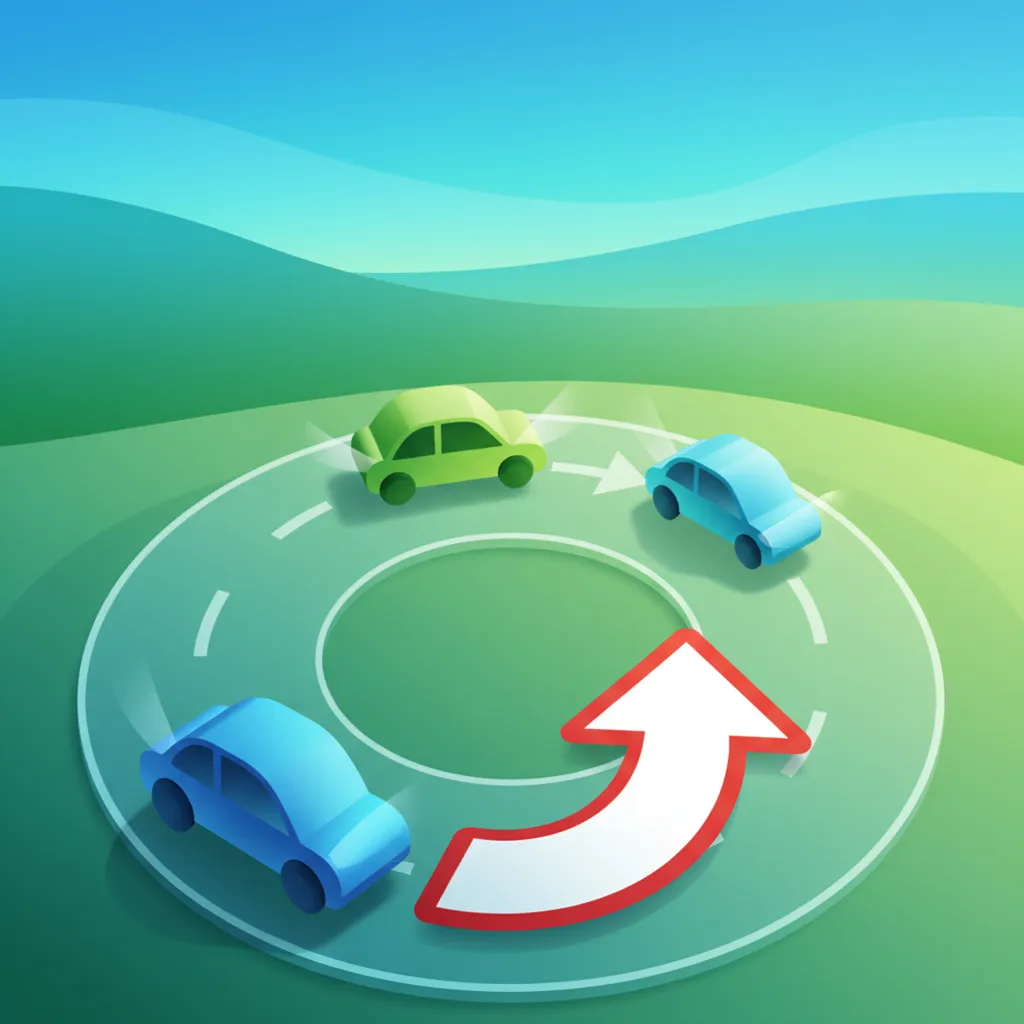
In Spain, roundabouts (known as 'glorietas') are common intersections designed to keep traffic flowing. However, priority rules here differ significantly from standard intersections. This page explains the fundamental principle: vehicles already inside the roundabout usually have priority, and clarifies how to approach, enter, circulate, and exit safely while adhering to DGT regulations.

In Spain, all drivers must yield immediate priority to emergency vehicles, known as 'vehículos prioritarios', when they are operating in an urgent service. This means responding promptly and safely to their flashing blue lights and special acoustic signals (sirens). Your actions should always aim to create a clear and unobstructed path, ensuring these essential services can reach their destination without delay.
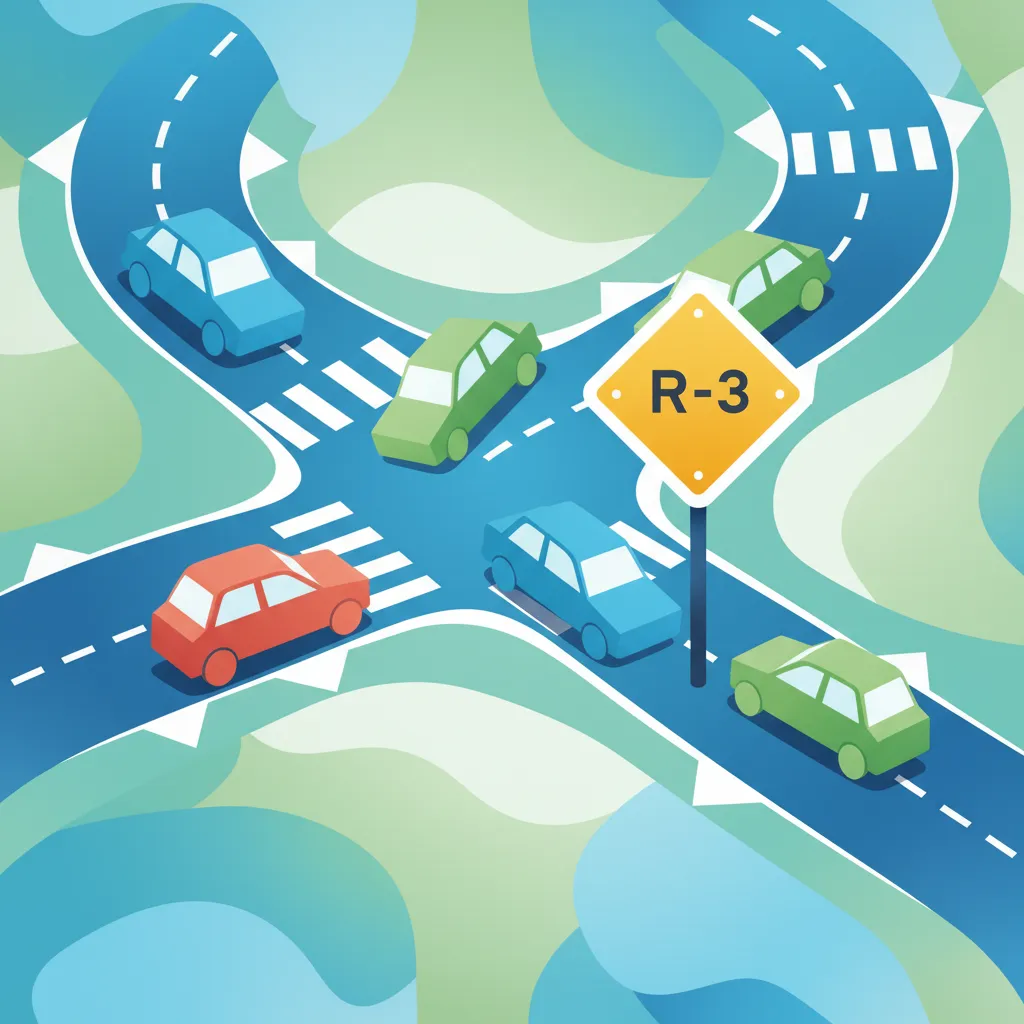
In Spain, a priority road, or "Calzada con prioridad", is designed to maintain continuous traffic flow by granting precedence to vehicles traveling on it. Drivers approaching from intersecting roads must understand the obligation to yield. This page explains how to recognize these roads via specific DGT traffic signs and the critical right-of-way rules that apply at their intersections, preventing common mistakes.
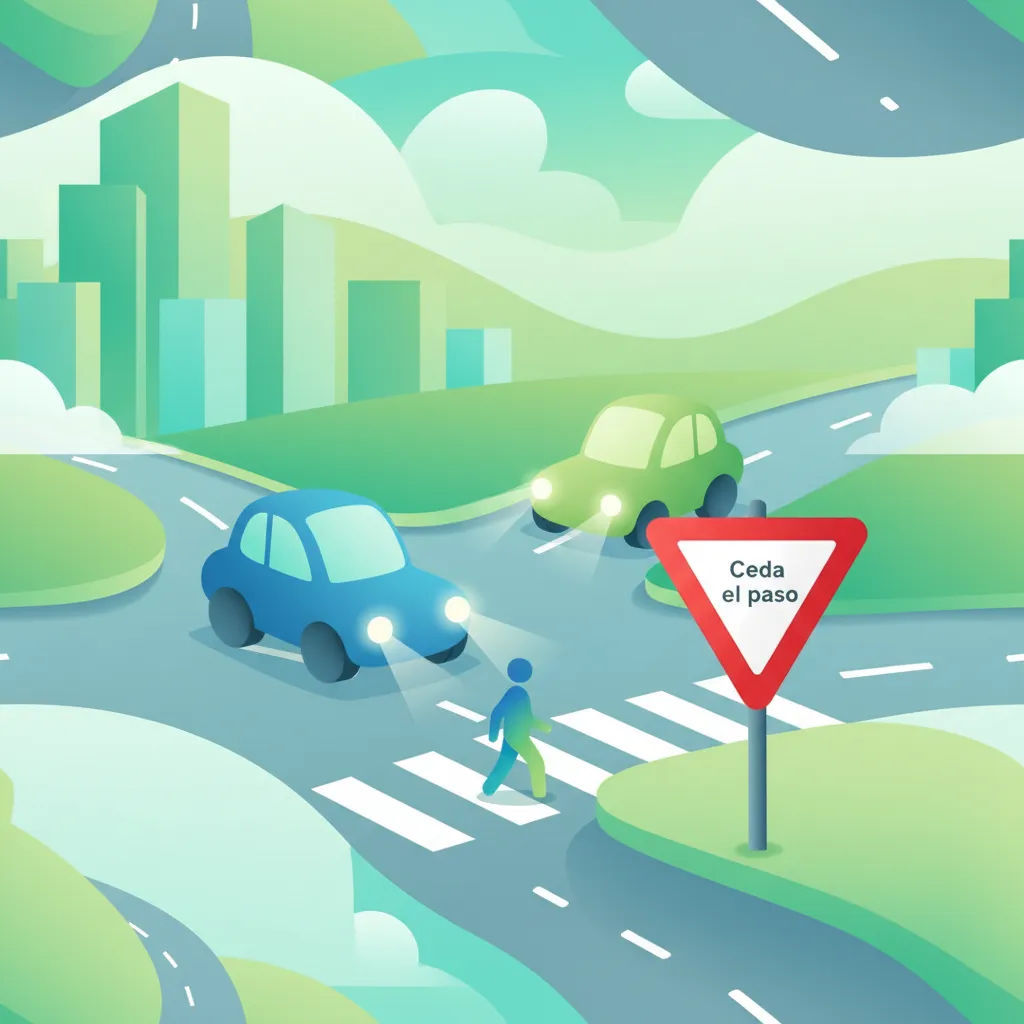
In Spain, giving way, or 'ceder el paso', is a critical driving principle designed to prevent collisions and ensure smooth traffic flow. This page explains the specific rules governing priority at various traffic points, including intersections, pedestrian crossings, and merging lanes, as dictated by DGT regulations. You will learn to identify situations where you must allow other road users to proceed first.

In Spain, trams and certain public transport vehicles, like urban buses in specific situations, are often granted priority to ensure efficient service and safety. Their fixed routes, significant size, and limited maneuverability mean other road users must adapt their driving behavior. Understanding these rules is essential for safely navigating Spanish city streets and busy intersections.
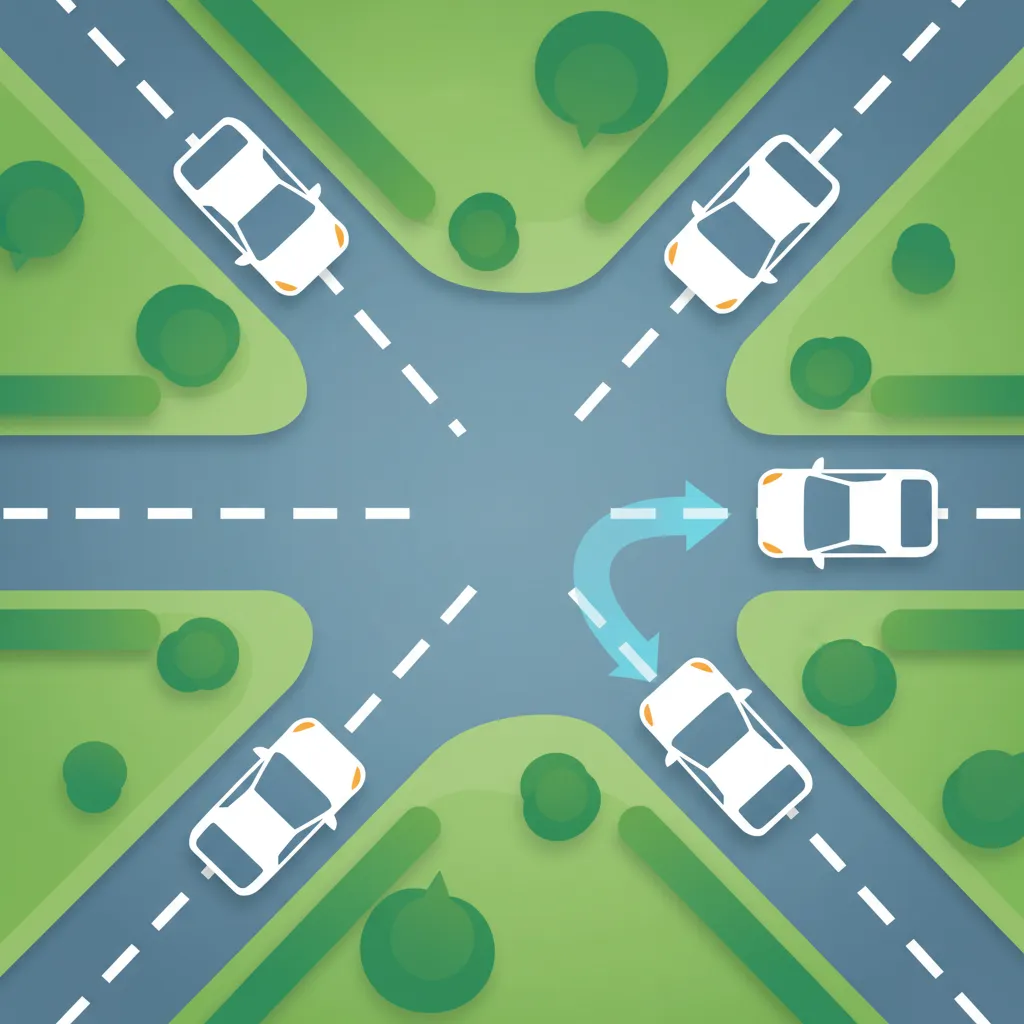
In Spain, many intersections lack explicit signs or traffic lights to regulate priority. This page clarifies the general rules you must apply, especially the 'priority to the right' principle (prioridad a la derecha), and important exceptions. Understanding these rules is vital for safe driving and correctly answering DGT theory questions.
Continue your learning journey by browsing our full collection of in-depth articles. Find detailed explanations of DGT traffic rules, road signs, driving procedures, and essential safety knowledge to ensure you are fully prepared for your Spanish driving licence exam.
Spanish Driving Theory Articles & Guides