
This lesson focuses on the crucial skill of safely overtaking two-wheeled vehicles like cyclists and motorcyclists in Poland. You'll learn the specific legal requirements, including maintaining a minimum 1-meter lateral distance, and best practices to ensure their safety. Mastering these rules is essential for your Category B driving theory exam and for responsible real-world driving.
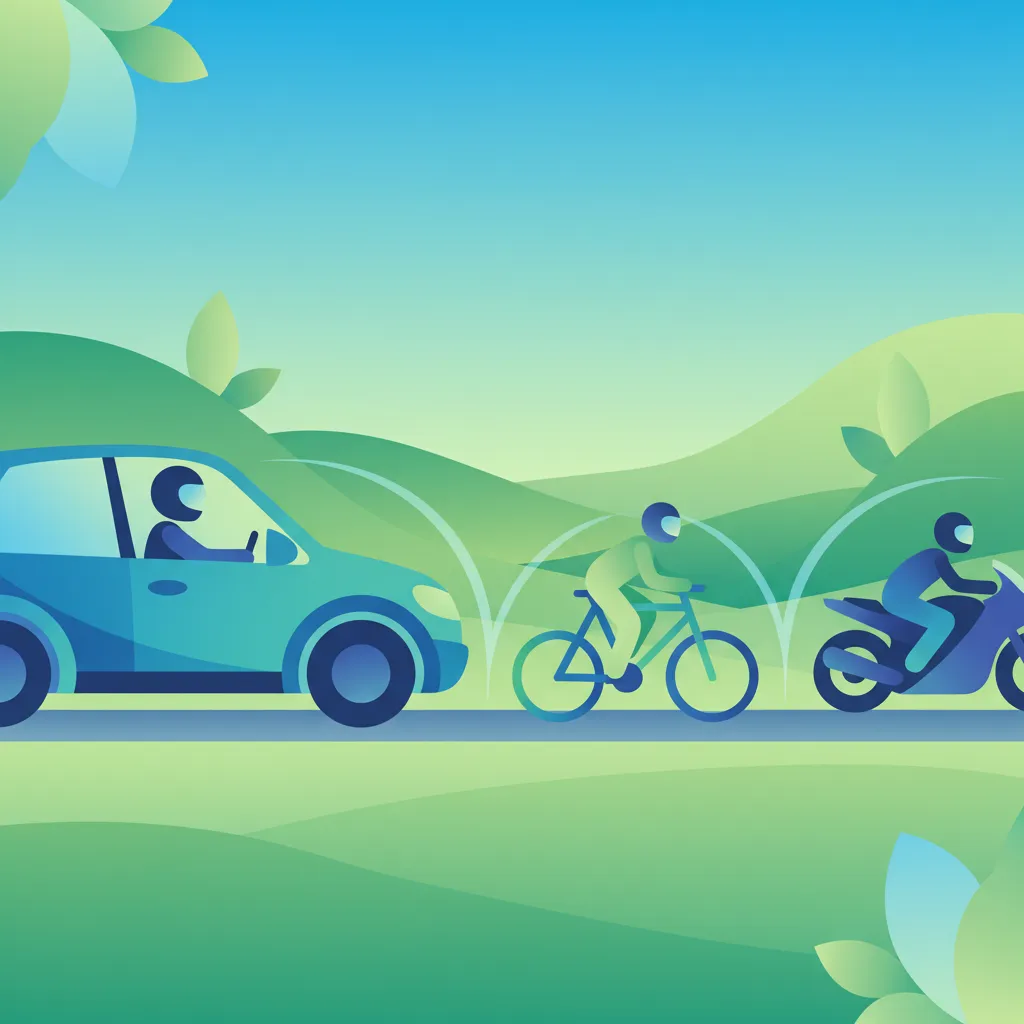
Lesson content overview
Wyprzedzanie rowerzystów i motocyklistów to jedna z najbardziej krytycznych sytuacji na drodze, wymagająca od kierowców szczególnej uwagi, cierpliwości i precyzji. Jako kandydat na kierowcę kategorii B w Polsce, zrozumienie zasad bezpiecznego przejeżdżania obok tych wrażliwych użytkowników dróg jest fundamentalne nie tylko dla zdania egzaminu teoretycznego, ale przede wszystkim dla zapewnienia bezpieczeństwa wszystkim uczestnikom ruchu. Niniejszy rozdział kursu "Polish Driving Theory – Comprehensive Category B License Preparation" szczegółowo omawia wszystkie aspekty prawne i praktyczne związane z tym manewrem.
Rowerzyści i motocykliści należą do grupy tzw. niechronionych uczestników ruchu drogowego (ang. Vulnerable Road Users – VRU). Oznacza to, że w przypadku kolizji są oni znacznie bardziej narażeni na poważne obrażenia lub śmierć ze względu na brak osłony w postaci karoserii pojazdu. Ich mniejsza sylwetka, ograniczona stabilność dwukołowców oraz podatność na czynniki zewnętrzne, takie jak podmuchy wiatru czy nierówności nawierzchni, sprawiają, że wymagają od kierowców szczególnej ostrożności i większej przestrzeni. W Polsce, przepisy ruchu drogowego jasno określają obowiązki kierujących pojazdami silnikowymi, aby chronić tych użytkowników.
Podczas wyprzedzania rowerzystów i motocyklistów należy kierować się kilkoma kluczowymi zasadami, które wykraczają poza ogólne reguły wyprzedzania. Chodzi tu o stworzenie bezpiecznej "bańki" ochronnej wokół pojazdu dwukołowego.
Zgodnie z polskim prawem o ruchu drogowym, kierujący pojazdem jest zobowiązany do zachowania szczególnej ostrożności podczas wyprzedzania oraz utrzymania bezpiecznej odległości bocznej. W przypadku wyprzedzania rowerzysty, motorowerzysty, motocyklisty, a także kolumny pieszych, pojazdu bez silnika lub osoby poruszającej się przy użyciu urządzenia wspomagającego ruch, odległość ta nie może być mniejsza niż 1 metr.
Prawnie wymagana bezpieczna odległość (co najmniej 1 metr), która musi być zachowana pomiędzy krawędzią wyprzedzającego pojazdu a najbliższym punktem pojazdu rowerzysty lub motocyklisty.
Wyprzedzanie nie zawsze oznacza przyspieszanie. Często wymaga zmniejszenia prędkości i świadomego dostosowania jej do warunków. Należy unikać gwałtownego przyspieszania w pobliżu wrażliwych użytkowników dróg, aby nie wywołać podmuchu wiatru ani nie skrócić czasu reakcji.
W Polsce, gdzie obowiązuje ruch prawostronny, co do zasady wyprzedzanie odbywa się z lewej strony pojazdu wyprzedzanego. Oznacza to, że kierowca samochodu powinien przesunąć się na lewy pas (lub lewą część swojego pasa), aby ominąć rowerzystę lub motocyklistę jadącego przy prawej krawędzi jezdni.
Nierzadko najbezpieczniejszą opcją jest poczekanie na odpowiedni moment. Zmuszanie do wyprzedzania w niebezpiecznych warunkach, takich jak wąskie drogi, zakręty, skrzyżowania czy zjazdy, drastycznie zwiększa ryzyko kolizji.
Polskie przepisy ruchu drogowego, w tym Ustawa Prawo o ruchu drogowym, precyzują wiele aspektów związanych z wyprzedzaniem. Zrozumienie ich jest niezbędne do bezpiecznej i zgodnej z prawem jazdy.
Jak wspomniano, minimalny odstęp 1 metra jest obowiązkowy. To nie jest tylko zalecenie – to wymóg prawny, który ma bezpośredni wpływ na bezpieczeństwo.
Kierowca musi dostosować prędkość tak, aby wyprzedzanie było płynne i bezpieczne, bez nagłego przyspieszania czy hamowania.
Zgodnie z ogólną zasadą ruchu prawostronnego, wyprzedzanie odbywa się z lewej strony pojazdu wyprzedzanego.
Kierowca samochodu, wyprzedzając rowerzystę lub motocyklistę jadącego prawą stroną pasa, powinien zająć lewą część swojego pasa (lub lewy pas, jeśli droga ma wiele pasów w jednym kierunku), aby uzyskać wymagany odstęp 1 metra. Oznacza to, że dwukołowiec pozostaje po prawej stronie wyprzedzającego pojazdu.
To kluczowa umiejętność. Kierowca musi samodzielnie ocenić, czy dostępna szerokość pasa ruchu (lub obu pasów) pozwala na wyprzedzenie z zachowaniem bezpiecznego 1-metrowego odstępu.
Wyprzedzanie rowerzystów jadących po wyznaczonych ścieżkach rowerowych lub drogach dla rowerów jest generalnie zabronione z pasa ruchu przeznaczonego dla pojazdów silnikowych. Te specjalnie oznakowane przestrzenie są przeznaczone wyłącznie dla rowerzystów i często oddzielone są od jezdni linią ciągłą lub inną barierą.
Ten znak, choć dotyczy wyprzedzania pojazdów silnikowych, jest ogólnym przypomnieniem o zakazach wyprzedzania w miejscach, gdzie ruch jest szczególnie złożony lub widoczność ograniczona, co często pokrywa się z miejscami, gdzie obecni są rowerzyści i motocykliści.
W tych miejscach obowiązują dodatkowe ograniczenia i zasady:
Nieprawidłowe wyprzedzanie rowerzystów i motocyklistów jest jedną z głównych przyczyn wypadków drogowych. Zrozumienie typowych błędów pomaga ich unikać.
Warunki zewnętrzne znacząco wpływają na bezpieczeństwo manewru wyprzedzania.
Zasady bezpiecznego wyprzedzania nie są arbitralne. Opierają się na fizyce, psychologii i statystykach wypadków.
Aby bezpiecznie wyprzedzać rowerzystów i motocyklistów oraz pomyślnie zdać egzamin na prawo jazdy kategorii B w Polsce, pamiętaj o następujących punktach:
Przestrzeganie tych zasad zapewni nie tylko zgodność z polskim prawem o ruchu drogowym, ale przede wszystkim przyczyni się do bezpieczeństwa wszystkich uczestników ruchu drogowego.
This lesson covers Poland's legal requirement to maintain at least a 1-meter lateral distance when overtaking cyclists and motorcyclists, emphasizing that these road users are vulnerable due to their lack of protection. Key rules include overtaking only from the left, never driving on cycle paths, and respecting overtaking restrictions at intersections, roundabouts, and pedestrian crossings. Drivers must adjust speed to conditions, increase distances in bad weather, and always check blind spots before maneuvering. When road width is insufficient for safe overtaking, patience is essential—waiting for a wider section is always preferable to forcing a dangerous pass.
A short set of high-value points that capture the most important learning from this lesson.
The mandatory lateral distance when overtaking cyclists and motorcyclists is at least 1 meter, measured between your vehicle's edge and the two-wheeler.
Cyclists and motorcyclists are classified as Vulnerable Road Users (VRU) because they lack vehicle protection and are at higher risk of serious injury in collisions.
Overtaking must be performed from the left side, keeping the two-wheeler on your right with the required 1-meter clearance throughout the maneuver.
You must never enter or drive on designated cycle paths when overtaking; wait until the path ends or joins the roadway.
When in doubt about road width or safety, do not overtake—patience is the safest choice.
Explore all units and lessons included in this driving theory course.
1-meter minimum lateral distance applies at all times when overtaking cyclists, motorcyclists, and pedestrians.
In poor weather conditions (rain, snow, fog, strong wind), increase the lateral gap and reduce speed further.
Overtaking is prohibited at intersections, on roundabouts, and directly at or before pedestrian crossings.
Always check blind spots before maneuvering; smaller vehicles can easily disappear in your mirrors.
Do not exceed the speed limit and avoid sudden acceleration near vulnerable road users to prevent wind turbulence.
Failing to maintain the full 1-meter lateral distance throughout the entire overtaking maneuver, not just at the point of passing.
Attempting to overtake on narrow urban streets without sufficient width, leading to dangerous close passes.
Entering cycle paths or designated bike lanes to overtake cyclists riding along the edge.
Overtaking at roundabouts, where maneuvering rules differ and cyclists have priority.
Neglecting blind spot checks, causing drivers to miss smaller two-wheeled vehicles entirely.
Lesson content overview
A short set of high-value points that capture the most important learning from this lesson.
The mandatory lateral distance when overtaking cyclists and motorcyclists is at least 1 meter, measured between your vehicle's edge and the two-wheeler.
Cyclists and motorcyclists are classified as Vulnerable Road Users (VRU) because they lack vehicle protection and are at higher risk of serious injury in collisions.
Overtaking must be performed from the left side, keeping the two-wheeler on your right with the required 1-meter clearance throughout the maneuver.
You must never enter or drive on designated cycle paths when overtaking; wait until the path ends or joins the roadway.
When in doubt about road width or safety, do not overtake—patience is the safest choice.
Explore all units and lessons included in this driving theory course.
1-meter minimum lateral distance applies at all times when overtaking cyclists, motorcyclists, and pedestrians.
In poor weather conditions (rain, snow, fog, strong wind), increase the lateral gap and reduce speed further.
Overtaking is prohibited at intersections, on roundabouts, and directly at or before pedestrian crossings.
Always check blind spots before maneuvering; smaller vehicles can easily disappear in your mirrors.
Do not exceed the speed limit and avoid sudden acceleration near vulnerable road users to prevent wind turbulence.
Failing to maintain the full 1-meter lateral distance throughout the entire overtaking maneuver, not just at the point of passing.
Attempting to overtake on narrow urban streets without sufficient width, leading to dangerous close passes.
Entering cycle paths or designated bike lanes to overtake cyclists riding along the edge.
Overtaking at roundabouts, where maneuvering rules differ and cyclists have priority.
Neglecting blind spot checks, causing drivers to miss smaller two-wheeled vehicles entirely.
Explore search topics learners often look for when studying Overtaking Cyclists and Motorcyclists Safely. These topics reflect common questions about road rules, driving situations, safety guidance, and lesson level theory preparation for learners in Poland.
Browse additional driving theory lessons that cover connected traffic rules, road signs, and common driving situations related to this topic. Improve your understanding of how different rules interact across everyday traffic scenarios.
Learn how weather and road conditions like rain, fog, or wind affect safe overtaking distances and speeds for cyclists and motorcyclists. Essential Polish driving theory for hazard perception.
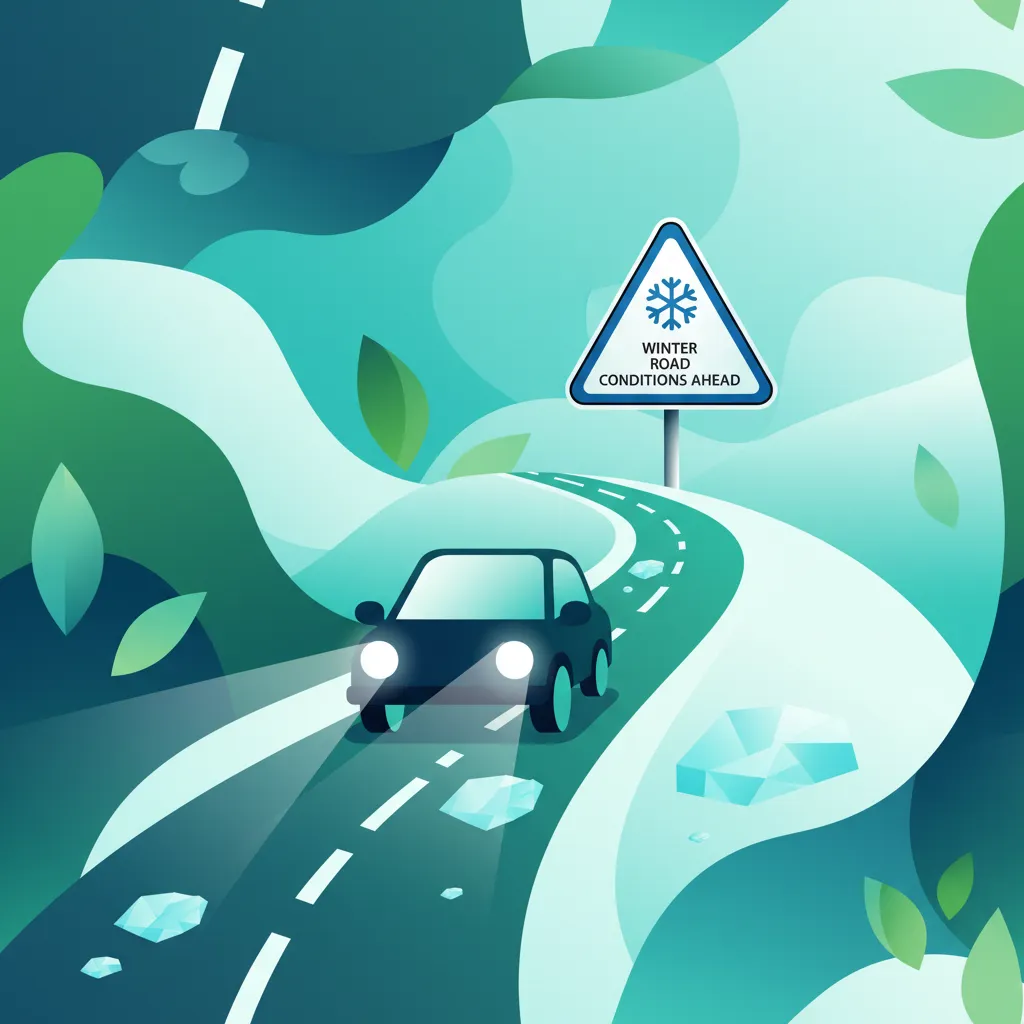
This lesson focuses on the skills needed for safe winter driving. It explains how to use gentle acceleration, steering, and braking to avoid losing traction on snow and ice. The lesson also discusses how to recognize and handle a skid, and the critical role that appropriate winter tires play in maintaining vehicle control.
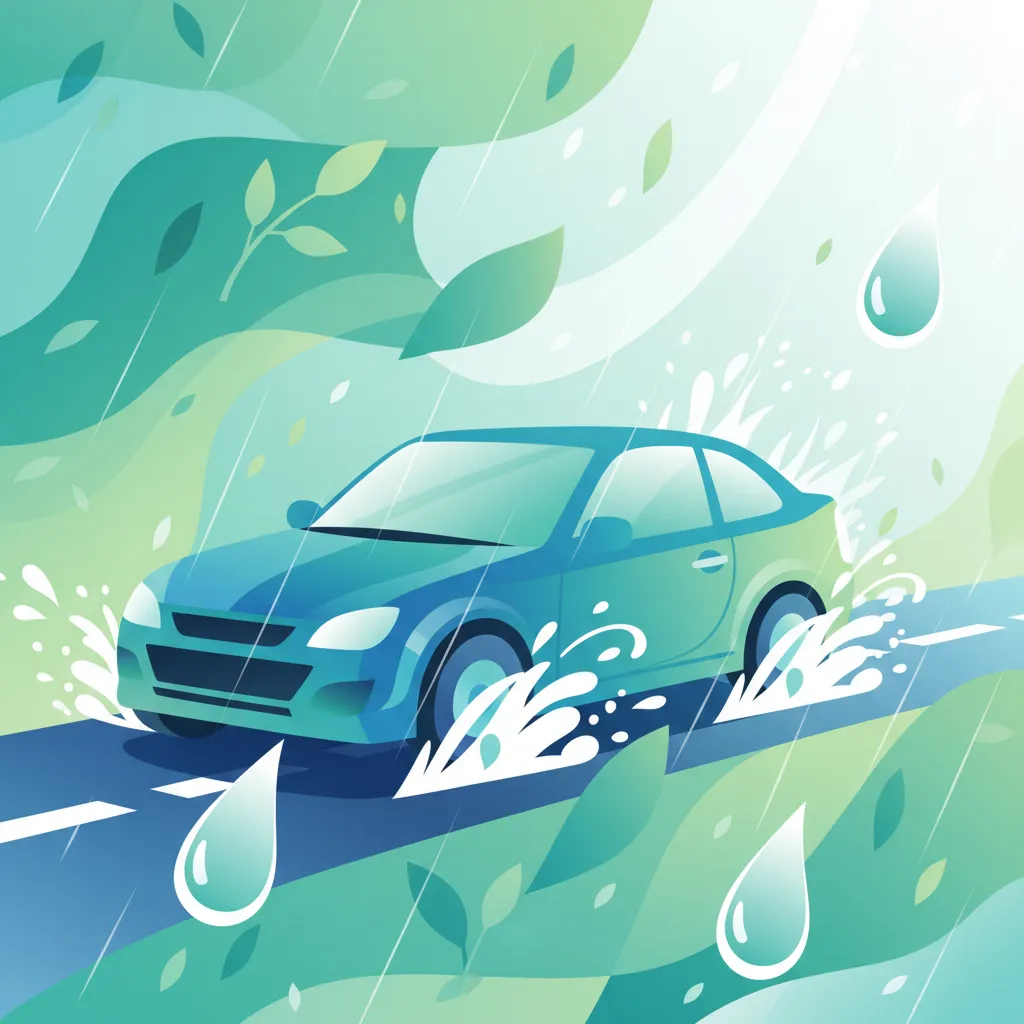
This lesson focuses on the specific challenges of driving in rainy conditions. It explains the phenomenon of hydroplaning, where tires lose contact with the road surface, and how to prevent it by reducing speed. The importance of good tire condition, effective windscreen wipers, and extending following distances is also covered in detail.

This lesson teaches the crucial concept that drivers must always adapt their speed to the current conditions. It explains how factors like rain, fog, ice, heavy traffic, and poor visibility reduce safety margins and require a lower speed than the posted limit. This principle of defensive driving is essential for preventing accidents in challenging situations.

This lesson teaches drivers how to adapt their speed, following distance, and control inputs to safely navigate adverse conditions. It covers the challenges posed by rain, snow, and ice, explaining the loss of traction and the increased risk of skidding or aquaplaning. The content provides specific strategies for driving in fog, which reduces visibility, and strong crosswinds, which can affect the stability of a high-sided vehicle, promoting a proactive and defensive driving mindset.

This lesson details the specific driving adjustments needed for adverse weather. It focuses on how rain, snow, and ice affect vehicle dynamics and driver perception. Learners will study techniques to prevent hydroplaning, use winter tires effectively, and increase following distances on slippery surfaces while using safety systems like fog lights.

This lesson details the legal framework for overtaking in Poland. It explains how to interpret road markings, such as solid and double solid lines, and prohibition signs that forbid passing. The content emphasizes the critical need for sufficient sight distance and a clear path before initiating an overtaking maneuver to ensure safety.
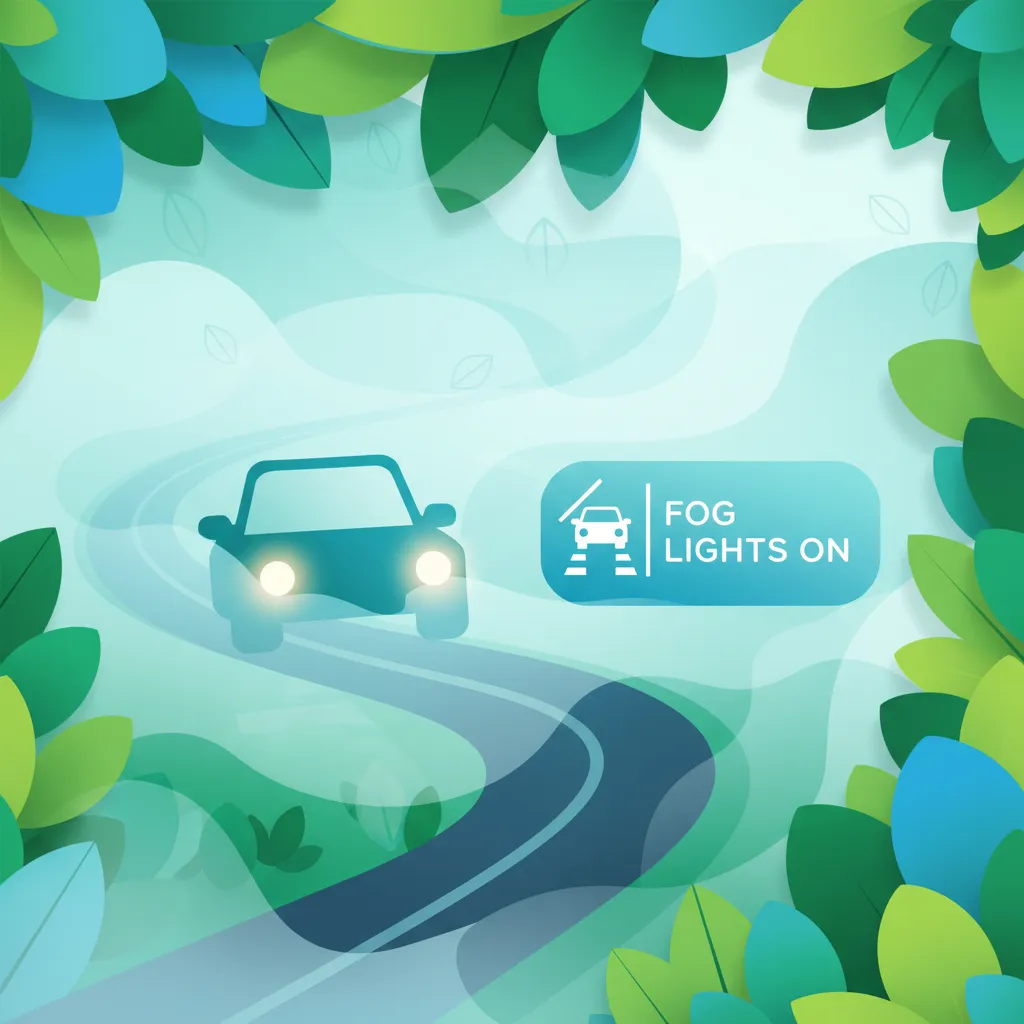
This lesson provides essential guidance for driving in fog, one of the most dangerous conditions. It instructs on the correct use of low-beam headlights and fog lights to maximize visibility without causing glare. The core advice is to significantly reduce speed and use the edge of the road or markings as a guide.

In this lesson, learners examine defensive overtaking practices, focusing on when and how to safely pass other road users. The content covers speed differential calculations, appropriate passing distances, and the importance of maintaining clear visibility during overtaking. Learners will also study the impact of road curvature, traffic flow, and lane selection on overtaking safety, allowing them to minimize risks associated with passing maneuvers.
This lesson prepares drivers for the event of a vehicle breakdown on a motorway or expressway. It details the correct procedure: pulling over to the emergency lane, activating hazard lights, and placing the warning triangle at the legally required distance. The importance of wearing a reflective vest when outside the vehicle is also a key safety point.
In this lesson, learners examine how environmental conditions such as rain, wind, ice, and reduced visibility necessitate adjustments in riding speed. The content provides guidelines for assessing road surfaces, judging appropriate cornering speeds, and reducing speed proactively in adverse weather. Learners will understand the impact of temperature on tyre performance and the need to increase safety margins, mastering adaptive speed management to maintain control.
Understand frequent errors drivers make when overtaking vulnerable road users. This Polish driving theory lesson focuses on avoiding dangerous situations and ensuring rider safety through correct procedures.
In this lesson, learners examine defensive overtaking practices, focusing on when and how to safely pass other road users. The content covers speed differential calculations, appropriate passing distances, and the importance of maintaining clear visibility during overtaking. Learners will also study the impact of road curvature, traffic flow, and lane selection on overtaking safety, allowing them to minimize risks associated with passing maneuvers.
This lesson examines the responsibilities of motorcyclists when approaching pedestrian crossings and interacting with cyclists, emphasizing the marked right-of-way for pedestrians at zebra crossings. Learners will study how to determine safe passing distances, adjust speed, and use visual cues such as eye contact to ensure pedestrians have cleared the crossing. The content also covers interactions with cyclists sharing the road, highlighting the need for anticipation and adequate passing gaps.
This lesson details the legal framework for overtaking in Poland. It explains how to interpret road markings, such as solid and double solid lines, and prohibition signs that forbid passing. The content emphasizes the critical need for sufficient sight distance and a clear path before initiating an overtaking maneuver to ensure safety.
This lesson examines the specific rules and etiquette for riding on Polish motorways and high-speed highways, focusing on proper lane positioning, entry via acceleration lanes, and maintaining appropriate following distances. Learners will study overtaking protocols at high speeds, proper use of deceleration lanes for exits, and techniques for aerodynamic positioning. The content also covers safe lane changes and emergency lane usage to ensure efficient travel.

In this lesson, learners focus on the identification and management of blind spots that affect motorcyclists, particularly when sharing the road with larger vehicles such as trucks and buses. The content covers the use of side mirrors, head-turn techniques, and optimal rider positioning to minimize blind-spot exposure. Learners will also study the characteristics of blind spots at intersections and during overtaking maneuvers to reduce collision risk.
This lesson focuses on safe coexistence with cyclists and pedestrians, who are prevalent in urban areas. It covers the rules for driving alongside dedicated bicycle lanes and the legal requirement to yield to pedestrians at marked crossings. The content stresses the importance of constant awareness, especially when turning at intersections, to prevent conflicts with vulnerable road users.
In this lesson, learners explore riding on rural and countryside roads, where road markings may be sparse and surface conditions varied. The content covers safe overtaking in single-lane sections, interaction with agricultural vehicles and animals, and the handling of gravel or uneven surfaces. Learners will also study the importance of anticipating curves and adjusting speed to light conditions, equipping them with the skills needed for safe countryside travel.
This lesson focuses on the principles of maintaining a safe following distance behind other road users, introducing the two-second and three-second rules as guidelines. Learners will learn how to estimate safe gaps based on speed, road conditions, and traffic density, and understand the importance of a reaction-time buffer to prevent rear-end collisions. The lesson also covers techniques for visual distance estimation, promoting safe tailgating avoidance.
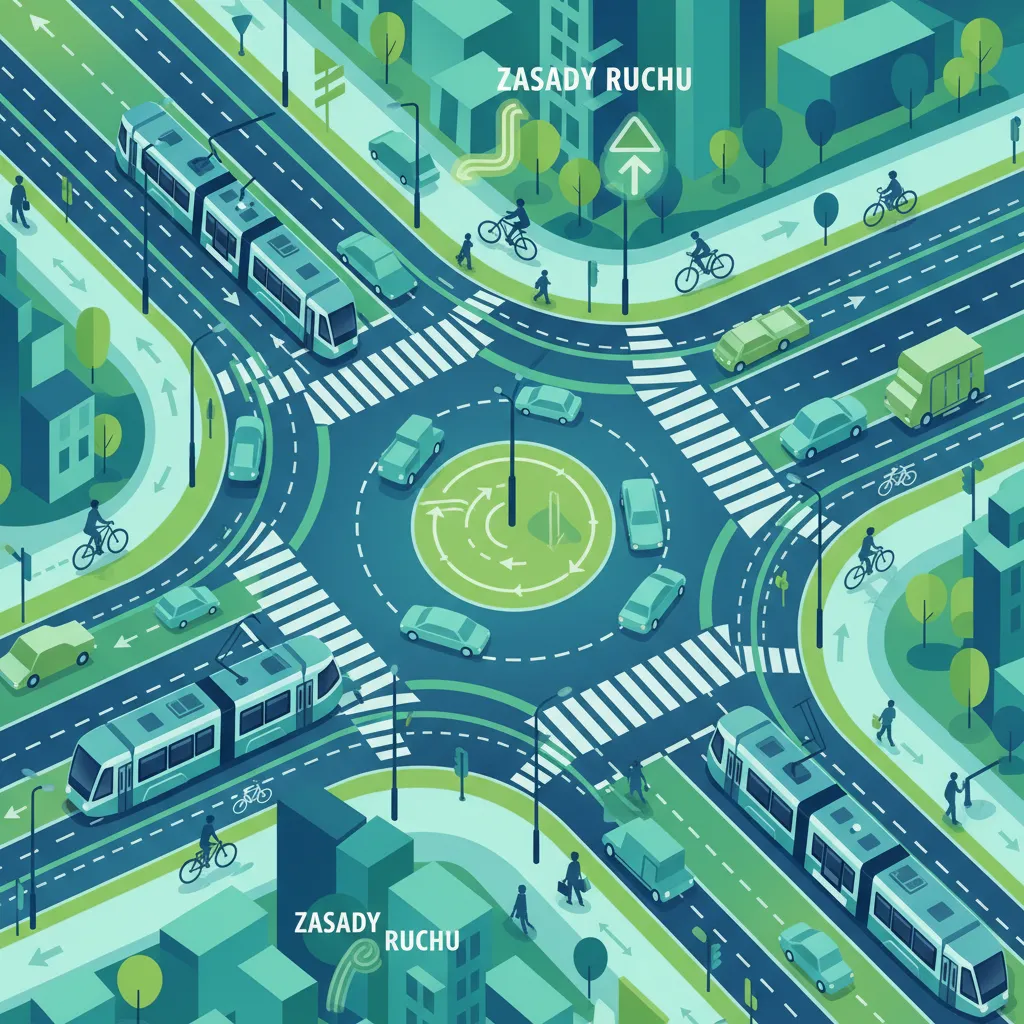
In this lesson, learners investigate complex junctions and intersections found across urban, rural, and highway environments, focusing on multi-lane configurations, traffic light coordination, and roundabout navigation. The content emphasizes priority rules, blind-spot assessment when merging, and safe lane selection for turning maneuvers. Learners will also consider interactions with cyclists and pedestrians, and the importance of adjusting approach speed for safe navigation.
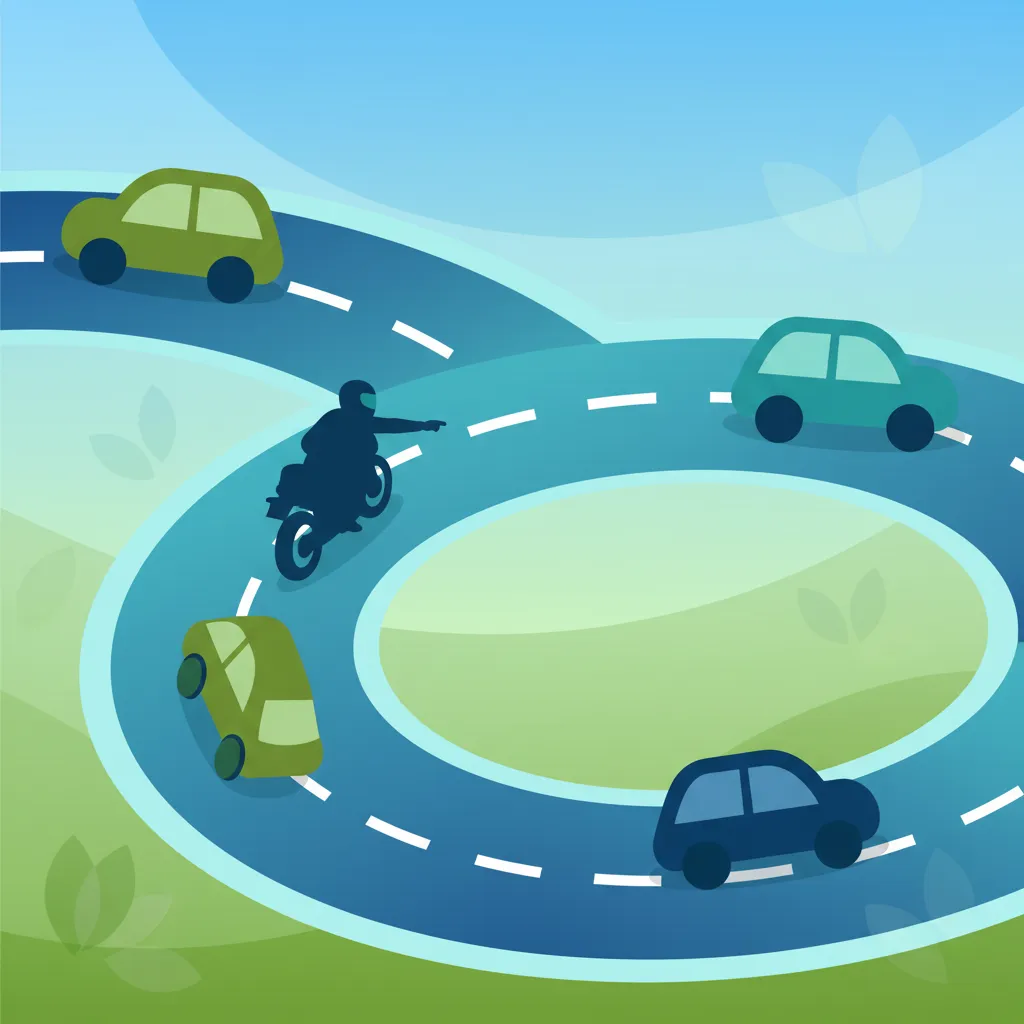
This lesson focuses on the proper techniques for negotiating roundabouts, which are common in Polish urban environments. Learners will learn the correct approach to entering a roundabout, yielding to circulating traffic, selecting the appropriate lane, and signaling intentions when exiting. The lesson also discusses speed adaptation for safe circulation and blind-spot checks before changing lanes within the roundabout, ensuring smooth and legal navigation.
Find clear answers to common questions learners have about Overtaking Cyclists and Motorcyclists Safely. Learn how the lesson is structured, which driving theory objectives it supports, and how it fits into the overall learning path of units and curriculum progression in Poland. These explanations help you understand key concepts, lesson flow, and exam focused study goals.
Yes, Polish law specifies a minimum lateral distance of 1 meter when overtaking cyclists, regardless of speed. This rule is designed to protect cyclists, who are particularly vulnerable, and applies to all drivers, including those with a Category B license. Failing to observe this distance can lead to penalties and is a common point in theory exam questions.
If a cyclist is riding in the middle of the lane, it's often for their safety, perhaps to avoid hazards or to make themselves more visible. You should slow down, maintain a safe following distance, and only overtake when it is safe to do so, ensuring you leave the mandatory 1-meter lateral distance and have clear visibility ahead.
While the 1-meter lateral distance rule specifically applies to cyclists, the principle of leaving ample space for motorcyclists is equally important. Motorcyclists, like cyclists, are vulnerable and can be unstable. Always give them sufficient room, check your mirrors, and ensure you have a clear path before and after overtaking any two-wheeled vehicle.
Adverse weather like rain, strong winds, or snow significantly increases the risk when overtaking. Wet roads reduce grip for two-wheeled vehicles, and wind can cause them to sway. In such conditions, you must reduce your speed, increase the lateral distance, and only overtake if absolutely necessary and completely safe, anticipating unpredictable movements.
Build custom practice sessions tailored precisely to your needs. Focus on areas requiring improvement, review specific Polish road signs, or master complex traffic rules to ensure full preparation for your official driving license exam.