
This lesson focuses on how to adapt your riding speed to changing environmental conditions, a critical skill for safe motorcycling in Poland. As part of the 'Speed Management, Stopping Distances, and Braking' unit within the Category A preparation course, it builds upon understanding legal limits and general braking principles. Mastering adaptive speed is key to passing your theory exam and ensuring safety on diverse Polish roads.
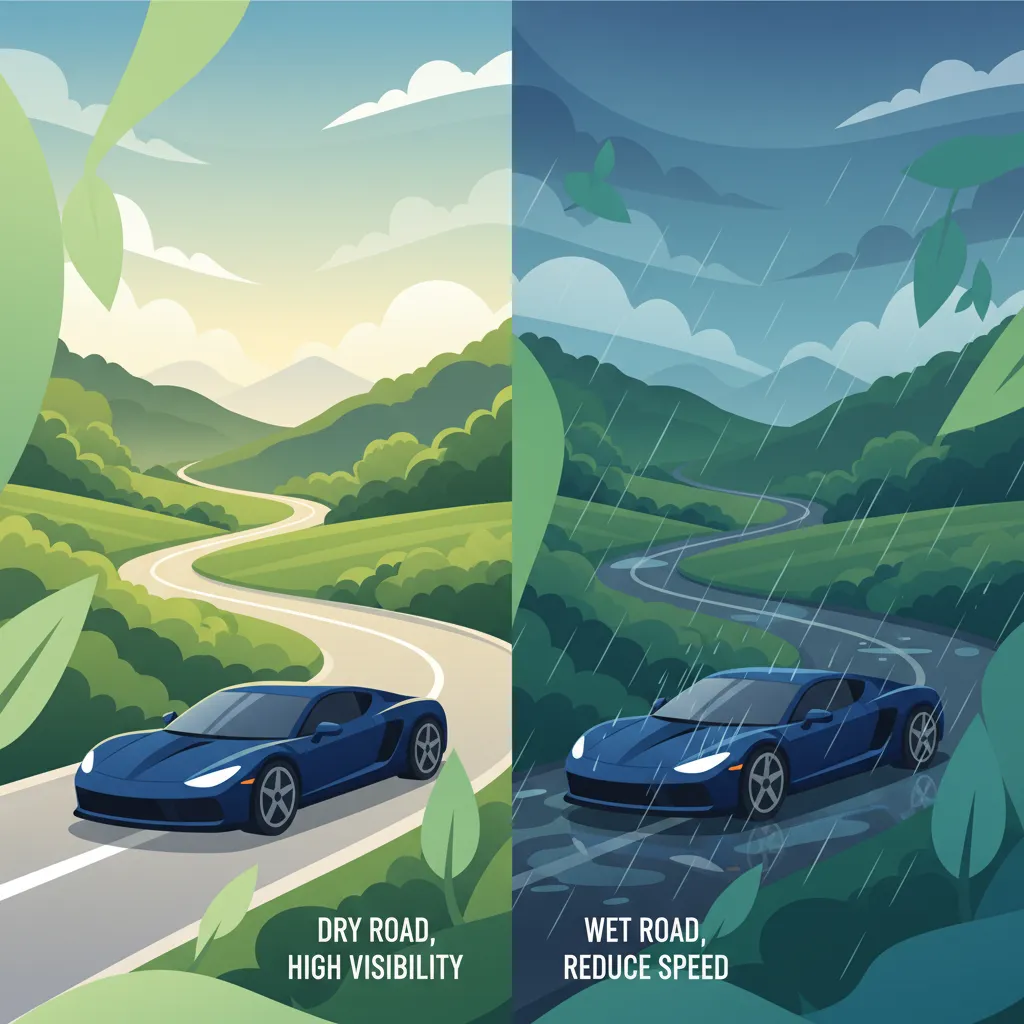
Lesson content overview
Navigating the roads safely on a motorcycle, especially when preparing for the Polish Category A theory exam, requires more than just knowing legal speed limits. It demands a deep understanding of adaptive speed management – the continuous adjustment of your riding speed to match prevailing road, weather, and traffic conditions. This crucial skill directly impacts your ability to control the motorcycle, stop in time, maintain stability, and ultimately prevent accidents.
This lesson explores the essential principles and practical applications of adapting your speed, ensuring you ride safely and confidently on Polish roads. You will learn how different environmental factors necessitate a proactive approach to speed selection, going beyond merely observing posted signs.
The maximum legal speed limit is merely a guideline for ideal conditions. Real-world riding often presents diverse and rapidly changing scenarios. For motorcyclists, who have a smaller contact patch with the road and are more susceptible to environmental factors, adapting speed is paramount for maintaining control and ensuring personal safety.
Proper speed adaptation directly influences critical aspects of riding:
Mastery of adaptive speed management is not just a theoretical requirement for the Polish Category A motorcycle theory exam; it is a fundamental skill for defensive riding.
Several core principles guide effective speed adaptation, ensuring that riders always operate within a safety envelope. These principles blend the physics of riding with legal obligations and practical wisdom.
Safety Margin: This is a conscious decision to ride below the maximum legally permissible speed and even below what feels "comfortable" when conditions degrade. It creates an essential buffer, allowing for unexpected hazards, variations in your reaction time, and sudden changes in road friction. Riders must actively reduce speed below the posted limit whenever conditions are less than ideal.
Friction-Based Speed Determination: The grip your tyres have on the road depends on the coefficient of friction (μ) between the tyre rubber and the road surface. This coefficient decreases significantly with wetness, ice, oil, loose gravel, or worn tyre treads. Adaptive speed must be lowered proportionally to any reduction in friction to prevent skidding or loss of control, especially during braking or cornering.
Dynamic Stopping Distance: The total distance required to stop your motorcycle comprises two main parts: the perception-reaction distance (the distance covered from recognizing a hazard to applying the brakes) and the braking distance (the distance covered while braking). Both are highly variable, influenced by your speed and the prevailing conditions. A small increase in speed can lead to a disproportionately larger increase in stopping distance.
Visibility-Adjusted Speed: Your riding speed must always be set so that you can stop safely within the distance you can clearly see ahead. This visibility range changes dramatically with daylight, night, fog, or heavy precipitation. If you cannot see a hazard, you cannot react to it in time.
Load-Sensitive Speed Management: The additional mass of a passenger or luggage significantly alters the motorcycle's dynamics. Extra weight increases inertia, leading to longer stopping distances and changes in handling characteristics, especially during cornering. Riders must increase safety margins when the motorcycle is heavily loaded.
Legal Obligation to Adjust Speed: Polish traffic law, specifically Article 46 § 1 of the Road Traffic Act (Prawo o ruchu drogowym), explicitly requires drivers to adapt their speed to weather, visibility, road condition, and traffic. This is not merely a recommendation but a legal duty, and failure to comply can result in fines and penalties.
Understanding how various factors affect your motorcycle's stability and control is key to mastering adaptive speed management. Each element requires a specific consideration when determining your safe riding speed.
The physical state of the road surface is perhaps the most critical factor determining the tyre-road friction coefficient (μ), which directly translates to available grip. Motorcyclists must be adept at assessing the surface texture and any contaminants before entering a section of road.
Polish law (Art. 46 § 1) explicitly mandates speed adjustment to road conditions. A common misunderstanding is to assume posted speed limits are always safe, regardless of surface condition. For example, on a wet city street, reducing speed from 50 km/h to 35 km/h might be necessary to maintain adequate traction.
Atmospheric phenomena directly affect both surface friction and visibility, further influencing vehicle stability.
Your speed must always be appropriate for the distance you can clearly see ahead – your visibility range. If you cannot see far enough to stop safely, you are going too fast.
Polish Road Traffic Act, Article 57, outlines the mandatory use of appropriate lighting, such as dipped beams, during reduced visibility conditions. Never assume faster speeds are safe simply because you "feel" you have enough sight distance; your perception can be deceptive under poor lighting or adverse weather.
Ambient temperature significantly influences tyre rubber elasticity and pressure, which in turn affects grip and wear.
Before riding in extreme temperatures, always check your tyre pressure. In colder conditions, tyres may need to be inflated to the recommended higher pressure, and speed should be adjusted downwards, especially on wet or potentially icy roads.
Maintaining correct tyre condition and pressure is a legal requirement in Poland, as stipulated by § 89 of the Polish Regulation on Vehicle Inspection, ensuring adequate grip in all conditions.
Carrying additional mass, whether a passenger or luggage, fundamentally changes the motorcycle's dynamics. This added load factor increases inertia, affecting acceleration, braking, and cornering stability.
When carrying a passenger or heavy cargo, riders must increase their safety margins. This means lowering overall speed, increasing following distances, and reducing cornering speeds significantly. Polish law (Art. 81 § 4) requires that the total weight does not exceed the manufacturer's limit. Even a single passenger warrants a conservative approach to speed.
Determining the appropriate cornering speed is a critical skill. It is the maximum speed at which you can safely negotiate a curve without losing tyre grip, which would lead to a skid or fall. This speed depends on several factors: the curve's radius, its banking, the road surface condition, and the coefficient of friction.
Never attempt to "control" centrifugal force by counter-steering while maintaining excessive speed in a curve. This will likely lead to a loss of control. Speed must be reduced to match the curve's demands.
Polish law (Art. 32 § 1) requires drivers not to exceed speeds unsafe for the curve's geometry. For example, on a wet, winding road, reducing speed to 20 km/h before a sharp bend, even if the posted limit is higher, is an act of adaptive speed management.
It is fundamental to distinguish between the legal speed limit and the safe speed for current conditions. The legal speed limit, indicated by road signs, represents the maximum permissible speed under ideal circumstances. The safe speed, however, is the speed you determine to be appropriate given the actual conditions, and it is often lower than the posted limit.
Polish law unequivocally states this distinction: Article 46 § 1 of the Road Traffic Act (Prawo o ruchu drogowym) mandates that drivers must adjust their speed to weather, visibility, road condition, and traffic, regardless of posted limits.
Interpreting a posted speed limit as a minimum speed is a dangerous misconception. The legal limit is the absolute maximum, not a target to be met or exceeded.
For instance, on a dry highway with a posted 100 km/h limit, a rider should maintain 80 km/h during a heavy rainstorm. This decision is based on the legal obligation to adapt speed for safety.
The principles of adaptive speed management are not merely suggestions but are enshrined in Polish law. Adhering to these regulations is crucial for passing your Category A theory exam and, more importantly, for safe riding.
Statement: A driver must adapt speed to weather, visibility, road surface, traffic, and vehicle condition. Applicability: This rule applies universally on all public roads, under all weather and traffic conditions in Poland. Legal Status: This is a mandatory requirement under Polish Road Traffic Act, Article 46 § 1. Rationale: The core purpose is to prevent loss of control and ensure that the rider always has sufficient stopping distance to react to unforeseen events. Correct Example: Reducing speed from 50 km/h to 35 km/h on a wet city road. Incorrect Example: Maintaining 45 km/h on a slick, icy surface, leading to a loss of traction.
Statement: Dipped beam headlights must be used from sunset to sunrise and in conditions of reduced visibility (e.g., fog, heavy rain). High beam headlights are prohibited when other traffic is within 150 meters or when causing glare to other road users. Applicability: This rule is critical during nighttime, in fog, heavy rain, or any other situation that reduces visibility. Legal Status: Mandatory under Polish Road Traffic Act, Article 57. Rationale: Proper lighting significantly improves the rider's ability to see hazards and ensures that the motorcycle is visible to other road users, reducing collision risk. Correct Example: Turning on dipped beams at dusk and activating fog lights during dense fog. Incorrect Example: Driving with high beams in heavy rain, which can reflect off water particles and cause dangerous glare for oncoming traffic.
Statement: Tyres on all vehicles, including motorcycles, must have a minimum tread depth of 1.6 mm and be inflated to the manufacturer’s recommended pressure. Applicability: This applies to all motorcycles at all times and is part of the annual vehicle inspection process in Poland. Legal Status: Mandatory under § 89 of the Polish Regulation on Vehicle Inspection. Rationale: Properly maintained tyres with adequate tread depth and correct pressure are fundamental for ensuring optimal grip, especially under adverse conditions, and for efficient braking and handling. Correct Example: Checking tyre pressure before a winter ride and inflating them to 2.2 bar as recommended for cold conditions. Incorrect Example: Riding with under-inflated tyres, which reduces stability, increases wear, and significantly compromises handling and braking performance.
Statement: The distance maintained to the vehicle ahead must always allow the rider to stop safely under the current road and traffic conditions. Applicability: This rule applies at all speeds and is particularly critical in wet, icy, or low-visibility conditions. Legal Status: Mandatory under Polish Road Traffic Act, Article 42. Rationale: A sufficient following distance provides the necessary reaction and braking distance, preventing rear-end collisions and ensuring safety for all road users. Correct Example: Maintaining a minimum two-second gap in dry conditions, extending to a three-second gap or more in rain or fog. Incorrect Example: Tailgating at a one-second gap during snowfall, making it impossible to stop safely if the vehicle ahead brakes suddenly.
Even experienced riders can make errors in judgment regarding speed. Recognizing these common violations helps in developing safer riding habits.
Adaptive speed management requires riders to analyze the specific context of their journey and adjust their speed accordingly. Here's how different situations demand varying speed approaches:
| Context | Variation in Principle | Reasoning |
|---|---|---|
| Rain (light to heavy) | Reduce speed by 10-30% of posted limit; significantly increase following distance. | Wet surfaces reduce the coefficient of friction (μ); hydroplaning risk increases sharply with speed. |
| Snow/Ice | Reduce speed drastically (up to 50% or more of limit); avoid sudden braking; use gentle throttle control and steering. | Friction coefficient drops to extremely low levels (0.1-0.2), extending braking distances up to four times. Sudden inputs cause skids. |
| Fog (visibility < 30 m) | Reduce speed to ensure stopping distance is less than visibility range; use fog lights; maintain greater gap. | Limited sight distance severely restricts reaction time; higher speed would place hazards outside the visible range. |
| Strong Cross-Wind | Reduce speed, especially on exposed roads and bridges; avoid lane changes at high speed; adjust body position. | Lateral forces from wind can destabilize the motorcycle, making steering difficult and increasing the risk of being blown off course. |
| Urban vs. Rural Roads | Urban: lower speed thresholds, more frequent stops and hazards; Rural: higher speeds but fewer visual cues and larger braking distances due to higher speed. | Different traffic density, road geometry, and prevalence of unexpected hazards (pedestrians, parked cars vs. wildlife). |
| Heavy Load (passenger + luggage) | Increase safety margin by lowering speed 10-15% and extending following distance significantly. | Additional mass increases inertia, extending both perception-reaction distance and braking distance, and affects handling. |
| Nighttime with Street Lighting | Use dipped beam; maintain safe speed based on illuminated area; reduce speed in poorly lit sections or on unlit roads. | Inadequate lighting reduces the ability to detect hazards early. Speed should always match what your headlights illuminate. |
| Road Works/Construction Zones | Adhere strictly to mandatory temporary speed reduction signs (often 30 km/h); treat as a temporary lower speed limit regardless of the normal limit. | Temporary changes in road surface, loose debris, narrow lanes, and unexpected obstacles or workers greatly increase risk. |
Understanding the scientific and human factors influencing speed is crucial for making informed decisions.
Adaptive speed management is a dynamic and continuous process essential for safe motorcycle riding in Poland and beyond.
By mastering adaptive speed management, you will not only be better prepared for your Polish Category A motorcycle theory exam but, more importantly, you will become a safer, more confident, and responsible motorcyclist.
Adaptive speed management for motorcycles in Poland requires continuously adjusting speed based on friction coefficients that drop from ~0.7 on dry roads to ~0.2 on ice, with braking distances extending up to four times. Polish law (Art. 46 § 1) explicitly mandates speed adaptation to weather, visibility, road condition, and traffic regardless of posted limits, making this both a safety and legal requirement. Key factors include road surface condition, precipitation, temperature effects on tyre grip, visibility range requiring you to stop within what you can see, and additional load from passengers or luggage that increases stopping distance. Pre-emptive speed reduction before hazards and increased following distances in adverse conditions form the practical foundation for safe riding and exam success.
A short set of high-value points that capture the most important learning from this lesson.
The legal speed limit is the maximum under ideal conditions, while safe speed is always determined by current road, weather, and traffic conditions.
Tyre grip measured by friction coefficient (μ) drops dramatically from ~0.7 on dry asphalt to ~0.2 on ice, requiring speed reduction proportional to this loss.
Pre-emptive speed reduction before encountering hazards is essential; braking while already leaned into a curve is dangerous and often ineffective.
Carrying passengers or luggage increases stopping distance and alters handling, requiring lower speeds and larger safety margins.
Polish law (Art. 46 § 1) legally mandates speed adaptation to conditions regardless of posted limits.
Explore all units and lessons included in this driving theory course.
Friction coefficients: dry asphalt ~0.7-0.8, wet asphalt ~0.5-0.6, ice/snow ~0.1-0.2, meaning braking distances can quadruple on ice.
At 50 km/h you cover ~14 m/second; at 100 km/h this doubles to ~28 m/second during the average 1.5-2 second perception-reaction time.
On wet roads, reduce speed by 10-30%; on snow or ice, reduce by 50% or more and avoid sudden inputs.
Always use dipped beams in fog and heavy rain; high beams create dangerous glare by reflecting off water particles.
Tyre pressure drops in cold weather, reducing grip; tyres need warm-up time before delivering optimal traction.
Maintaining posted speed limits on wet surfaces without reducing speed for reduced friction and hydroplaning risk.
Assuming dry roads at low temperatures have normal grip; cold asphalt and cold tyres reduce coefficient of friction.
Carrying excessive cornering speed from a straight road into a curve because the rider underestimates grip requirements.
Following too closely in fog due to poor distance perception, leaving inadequate reaction time for sudden braking.
Using high-beam headlights in fog or heavy snow, which reflects off particles and worsens visibility for both rider and others.
Lesson content overview
A short set of high-value points that capture the most important learning from this lesson.
The legal speed limit is the maximum under ideal conditions, while safe speed is always determined by current road, weather, and traffic conditions.
Tyre grip measured by friction coefficient (μ) drops dramatically from ~0.7 on dry asphalt to ~0.2 on ice, requiring speed reduction proportional to this loss.
Pre-emptive speed reduction before encountering hazards is essential; braking while already leaned into a curve is dangerous and often ineffective.
Carrying passengers or luggage increases stopping distance and alters handling, requiring lower speeds and larger safety margins.
Polish law (Art. 46 § 1) legally mandates speed adaptation to conditions regardless of posted limits.
Explore all units and lessons included in this driving theory course.
Friction coefficients: dry asphalt ~0.7-0.8, wet asphalt ~0.5-0.6, ice/snow ~0.1-0.2, meaning braking distances can quadruple on ice.
At 50 km/h you cover ~14 m/second; at 100 km/h this doubles to ~28 m/second during the average 1.5-2 second perception-reaction time.
On wet roads, reduce speed by 10-30%; on snow or ice, reduce by 50% or more and avoid sudden inputs.
Always use dipped beams in fog and heavy rain; high beams create dangerous glare by reflecting off water particles.
Tyre pressure drops in cold weather, reducing grip; tyres need warm-up time before delivering optimal traction.
Maintaining posted speed limits on wet surfaces without reducing speed for reduced friction and hydroplaning risk.
Assuming dry roads at low temperatures have normal grip; cold asphalt and cold tyres reduce coefficient of friction.
Carrying excessive cornering speed from a straight road into a curve because the rider underestimates grip requirements.
Following too closely in fog due to poor distance perception, leaving inadequate reaction time for sudden braking.
Using high-beam headlights in fog or heavy snow, which reflects off particles and worsens visibility for both rider and others.
Explore search topics learners often look for when studying Adaptive Speed Management in Varying Conditions. These topics reflect common questions about road rules, driving situations, safety guidance, and lesson level theory preparation for learners in Poland.
Browse additional driving theory lessons that cover connected traffic rules, road signs, and common driving situations related to this topic. Improve your understanding of how different rules interact across everyday traffic scenarios.
Learn how to adapt your motorcycle speed for Polish driving conditions like rain, fog, ice, and wind. Understand the impact on stopping distances, tyre grip, and visibility for safer riding.

This lesson focuses on the specific challenges of riding in rain, detailing how wet road surfaces reduce tyre grip and increase braking distances. Learners will learn about hydroplaning risk, the importance of deep tyre tread, and the need for smooth throttle and brake modulation to maintain stability. The content also covers visibility concerns, such as proper headlamp use and the selection of waterproof clothing, so riders can safely navigate wet conditions.
This lesson focuses on the specific challenges of driving in rainy conditions. It explains the phenomenon of hydroplaning, where tires lose contact with the road surface, and how to prevent it by reducing speed. The importance of good tire condition, effective windscreen wipers, and extending following distances is also covered in detail.

This lesson teaches the crucial concept that drivers must always adapt their speed to the current conditions. It explains how factors like rain, fog, ice, heavy traffic, and poor visibility reduce safety margins and require a lower speed than the posted limit. This principle of defensive driving is essential for preventing accidents in challenging situations.

This lesson teaches drivers how to adapt their speed, following distance, and control inputs to safely navigate adverse conditions. It covers the challenges posed by rain, snow, and ice, explaining the loss of traction and the increased risk of skidding or aquaplaning. The content provides specific strategies for driving in fog, which reduces visibility, and strong crosswinds, which can affect the stability of a high-sided vehicle, promoting a proactive and defensive driving mindset.

This lesson equips learners with a structured approach to risk assessment and decision-making when facing adverse weather or seasonal conditions. The content introduces a hazard perception framework, guiding riders to assess weather forecasts, evaluate road surface conditions, and calculate safety margins. Learners will learn how to make go/no-go decisions, adjust speed dynamically, and plan contingencies for unexpected events to prioritize safety.
This lesson focuses on the skills needed for safe winter driving. It explains how to use gentle acceleration, steering, and braking to avoid losing traction on snow and ice. The lesson also discusses how to recognize and handle a skid, and the critical role that appropriate winter tires play in maintaining vehicle control.

In this lesson, learners explore the complexities of winter riding, including snow-covered roads, ice patches, and the impact of low temperatures on both the rider and the motorcycle. The content addresses the use of ABS and traction control on slippery surfaces and the need for appropriate tyre pressure. Learners will also learn about appropriate clothing layers, frostbite prevention, and how to adjust riding technique for safe cornering and braking on ice.
This lesson provides essential guidance for driving in fog, one of the most dangerous conditions. It instructs on the correct use of low-beam headlights and fog lights to maximize visibility without causing glare. The core advice is to significantly reduce speed and use the edge of the road or markings as a guide.

This lesson details the specific driving adjustments needed for adverse weather. It focuses on how rain, snow, and ice affect vehicle dynamics and driver perception. Learners will study techniques to prevent hydroplaning, use winter tires effectively, and increase following distances on slippery surfaces while using safety systems like fog lights.

This lesson addresses environmental factors that impact rider visibility, such as low light, night conditions, fog, and glare from headlights. Learners will explore strategies for riding safely in reduced visibility, including the use of reflective gear, proper headlamp settings, and appropriate eye protection. The content also covers hazard detection techniques in adverse weather and how to adjust speed to maintain safety, enhancing rider safety across all conditions.
Explore the critical difference between legal speed limits and safe riding speeds on Polish roads. Understand how road surface, visibility, and weather necessitate speed adjustments for motorcyclists.
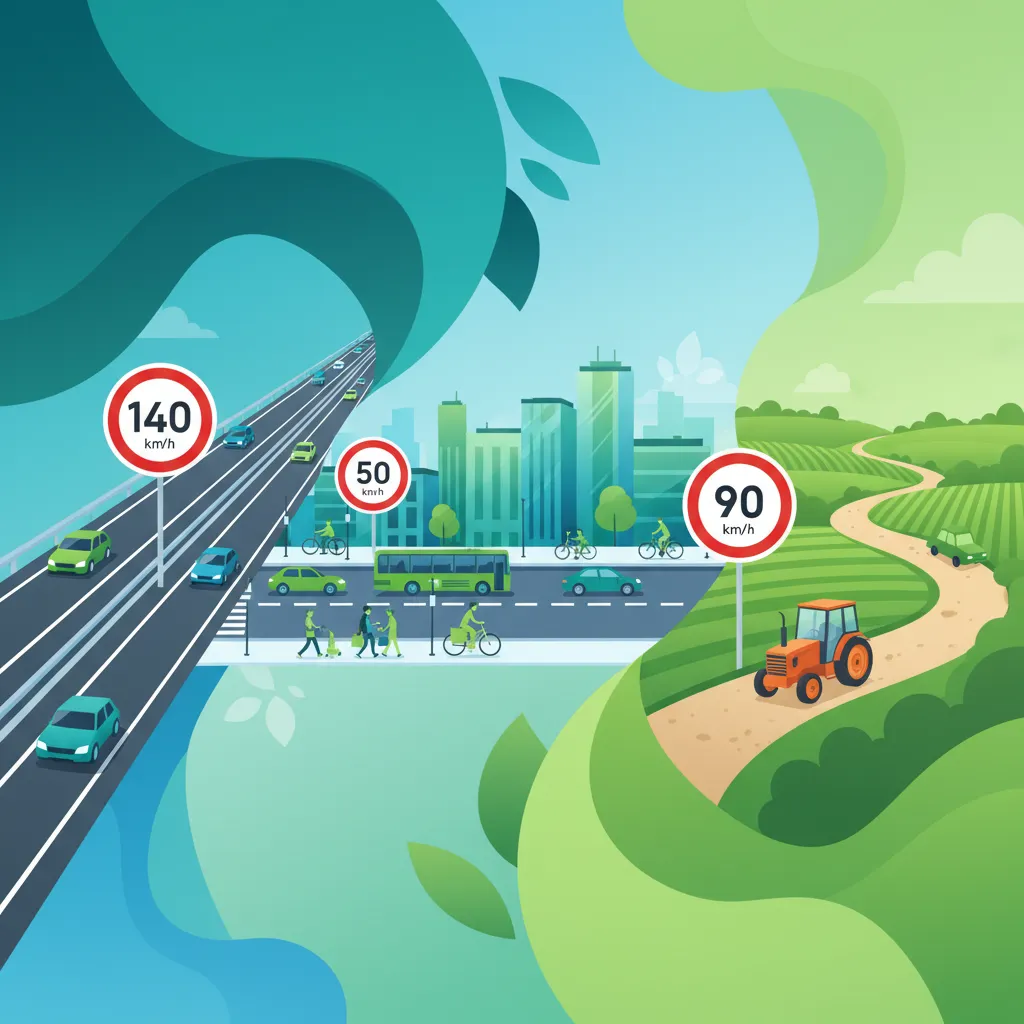
This lesson provides a comprehensive overview of the statutory speed limits applicable to different categories of Polish roads, including urban areas, residential zones, rural roads, highways, and motorways. Learners will examine the visual cues of speed limit signs and learn how speed limit transitions affect rider behavior. The content also covers how enforcement mechanisms impact compliance and the importance of real-time speed adaptation to remain within legal thresholds.

This lesson examines the variety of pavement markings that define lane structures, traffic flow, and special zones on Polish roads. Learners will study solid and broken lines, lane division markings, and the distinct symbols for bicycle lanes, bus lanes, and tram tracks, all of which affect motorcyclist positioning. The lesson also addresses surface texture indicators that signal changing road conditions, enabling riders to maintain correct lane discipline.
This lesson addresses environmental factors that impact rider visibility, such as low light, night conditions, fog, and glare from headlights. Learners will explore strategies for riding safely in reduced visibility, including the use of reflective gear, proper headlamp settings, and appropriate eye protection. The content also covers hazard detection techniques in adverse weather and how to adjust speed to maintain safety, enhancing rider safety across all conditions.
In this lesson, learners examine the core legal obligations that apply to motorcyclists operating on Polish roads, including the mandatory use of helmets, periodic vehicle inspections, and the necessity of valid insurance and registration. The content details the classification of traffic offences and explains the associated penalty system, including fines, demerit points, and potential licence suspension. Additionally, the lesson outlines procedural requirements for accident reporting and interaction with law enforcement, providing a comprehensive view of a rider’s legal responsibilities.
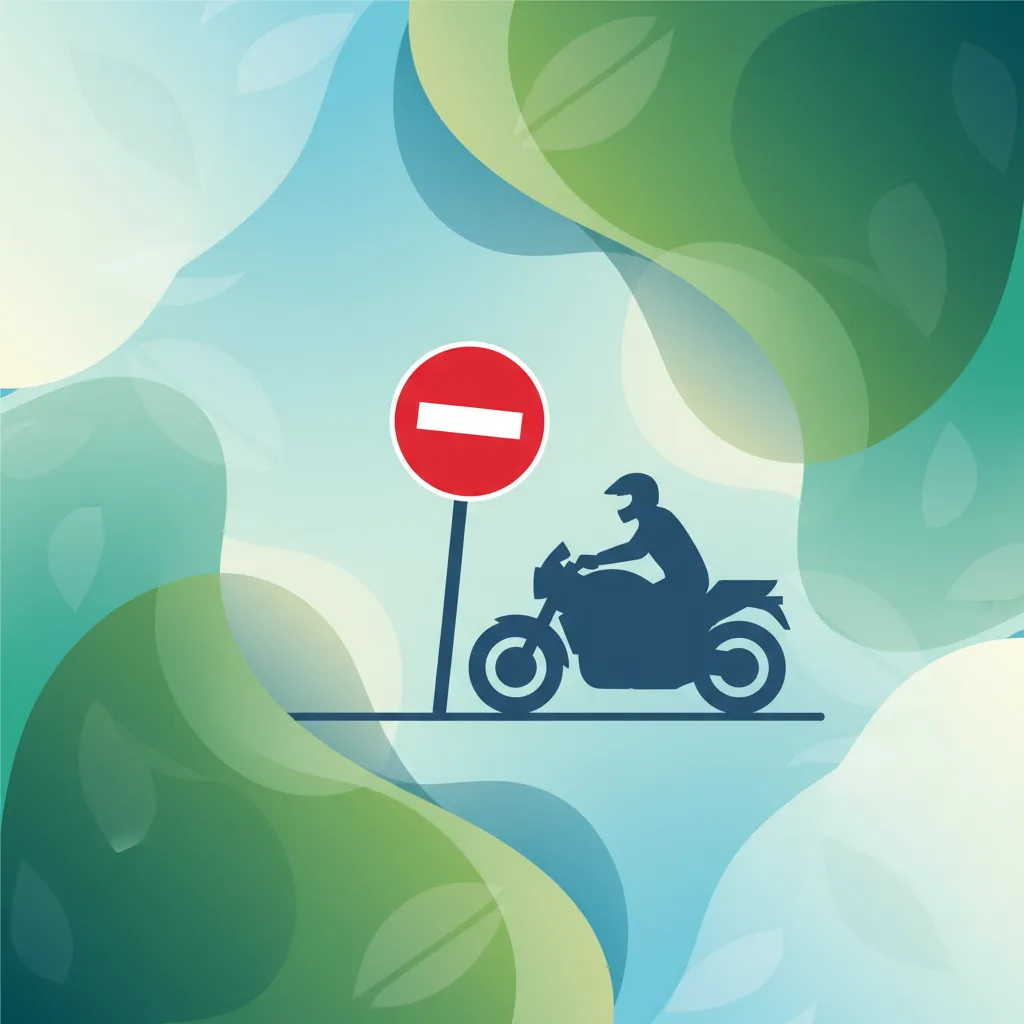
This lesson examines the family of regulatory signs that dictate mandatory actions and prohibitions on Polish roads, emphasizing how each sign influences motorcyclist behaviour. Learners will explore the stop, give way, speed limit, and no overtaking signs, understanding the legal obligations they impose. The lesson also highlights signs that specifically affect motorcycles, such as lane restrictions, ensuring riders recognize and obey regulations unique to two-wheel traffic.

This lesson delineates each motorcycle licence category defined in Polish law, explaining the technical specifications of vehicles allowed under AM, A1, A2, and A. It clarifies the age limits and competency criteria required for each category, highlighting how riders can progress from a light two-wheel vehicle to high-performance motorcycles. The content also outlines the mandatory training modules that must be completed to obtain each licence tier, ensuring learners understand the legal framework governing their riding privileges.

In this lesson, learners explore riding on rural and countryside roads, where road markings may be sparse and surface conditions varied. The content covers safe overtaking in single-lane sections, interaction with agricultural vehicles and animals, and the handling of gravel or uneven surfaces. Learners will also study the importance of anticipating curves and adjusting speed to light conditions, equipping them with the skills needed for safe countryside travel.
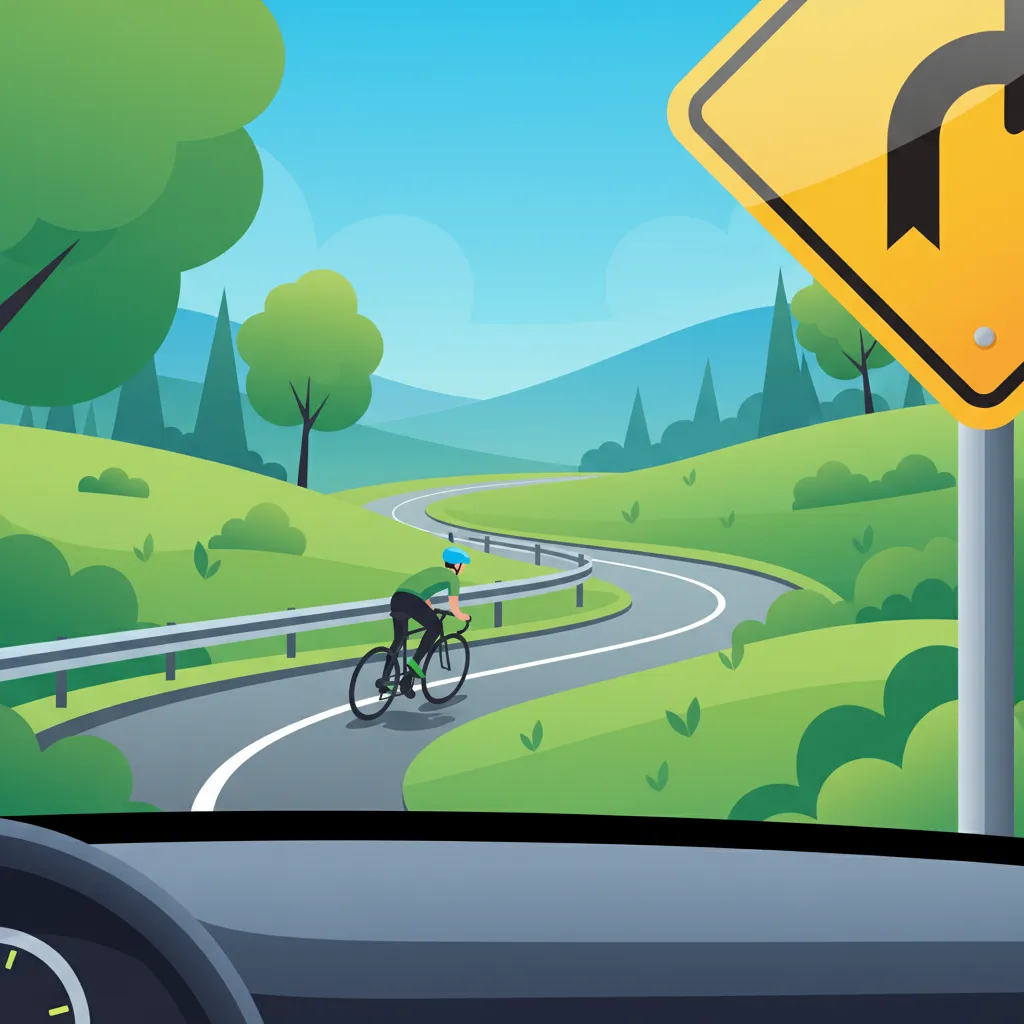
In this lesson, learners study warning signs that alert drivers to potential hazards, focusing on those that are particularly relevant to motorcyclists. The content includes signs indicating curves, slippery surfaces, animal crossings, tram tracks, and construction zones, each requiring specific riding adjustments. The lesson teaches riders how to interpret these signs to anticipate hazards, adjust speed appropriately, and maintain a safe distance from potential dangers.

This lesson focuses on the unique demands of urban riding within Polish cities, addressing traffic lights, pedestrian zones, one-way streets, and the presence of tram tracks. Learners will study safe lane positioning on narrow roads, blind-spot management, and how to share the road with buses and cyclists. The content also covers strategies for navigating stop-and-go traffic, anticipating signal changes, and maintaining visibility in dense urban environments.

This lesson examines the specific rules and etiquette for riding on Polish motorways and high-speed highways, focusing on proper lane positioning, entry via acceleration lanes, and maintaining appropriate following distances. Learners will study overtaking protocols at high speeds, proper use of deceleration lanes for exits, and techniques for aerodynamic positioning. The content also covers safe lane changes and emergency lane usage to ensure efficient travel.
Find clear answers to common questions learners have about Adaptive Speed Management in Varying Conditions. Learn how the lesson is structured, which driving theory objectives it supports, and how it fits into the overall learning path of units and curriculum progression in Poland. These explanations help you understand key concepts, lesson flow, and exam focused study goals.
In Poland, rain significantly reduces tyre grip on the road surface. This means your braking distance increases considerably, and the risk of skidding during braking or cornering is higher. You must reduce your speed proactively, increase your following distance, and avoid sudden maneuvers. The theory exam will test your understanding of these safety margins.
Riding on ice or snow is extremely hazardous due to minimal tyre grip. Polish regulations and safe practice dictate a drastic reduction in speed, often to a crawl, or avoiding riding altogether if conditions are severe. Focus on maintaining balance and very slow, controlled movements. The theory exam often presents scenarios where avoiding riding or proceeding at a minimal speed is the correct answer.
When visibility is poor, your ability to see hazards and react in time is compromised. You must reduce your speed to a level where you can stop safely within the visible distance. In Poland, this means slowing down significantly, using your dipped headlights, and being extra vigilant for other road users who might not see you. Theory questions will assess your understanding of maintaining a safe stopping distance relative to your visibility.
Yes, temperature critically affects tyre performance. Cold temperatures, especially below 7°C, reduce the grip of most motorcycle tyres. In Polish winters, tyres may not reach optimal operating temperature, leading to less grip. Always assume reduced grip in cold weather and adjust your speed and riding style accordingly, increasing safety margins.
While specific speed limits for wind aren't mandated, Polish traffic law requires drivers to adapt to prevailing conditions. Strong crosswinds, especially on bridges or open stretches, can destabilize a motorcycle. Learners must understand the need to reduce speed, maintain a firm grip, and be prepared for sudden gusts, which is often tested in the theory exam through scenario-based questions.
Build custom practice sessions tailored precisely to your needs. Focus on areas requiring improvement, review specific Polish road signs, or master complex traffic rules to ensure full preparation for your official driving license exam.