
This lesson guides you through the technical aspects of motorcycle cornering, a crucial skill for both your Belgian theory exam and real-world safety. You will learn the physics of the lean, how to select an optimal line, and how to manage your throttle to maintain stability throughout the curve.

Lesson content overview
Cornering is one of the most fundamental and exhilarating skills in motorcycle riding. Mastering the art of navigating bends safely and efficiently is crucial for every rider, regardless of experience level. This lesson will dissect the dynamics of motorcycle cornering, breaking it down into distinct phases and explaining the underlying physics and practical techniques involved. By understanding the relationship between speed, lean angle, and turn radius, you will gain the confidence and control needed to manage any curve on the road.
Effective cornering isn't just about steering; it's a sophisticated interplay of speed management, body positioning, line selection, and throttle control. It requires foresight, precision, and a deep understanding of how your motorcycle reacts to various inputs. The goal is always to maintain optimal grip, stability, and control throughout the turn, minimizing risks such as loss of traction or collision. This builds upon your knowledge of braking principles and lane positioning to enhance overall rider safety and confidence.
Every corner, from a gentle curve to a sharp hairpin, can be broken down into four distinct phases. By systematically addressing each phase, riders can execute turns smoothly, safely, and efficiently.
The approach phase begins well before you reach the actual turn. It is the critical period for observation, planning, and preparation. During this phase, your primary tasks are to assess the bend's characteristics, identify potential hazards, and adjust your speed and lane position accordingly.
Key Actions During Approach:
Early Observation, Early Action: The earlier you can assess a corner and initiate your speed reduction, the smoother and safer your entry will be. This reduces the need for last-minute adjustments.
The entry phase is when you commit to the turn, initiating the lean and beginning to steer the motorcycle into the bend. This transition from straight-line travel to cornering requires smooth and deliberate inputs.
Key Actions During Entry:
The apex is the geometric midpoint of the turn where your motorcycle is closest to the inside edge of the curve. Reaching the apex at the correct time and position is crucial for maximizing your turn radius and ensuring a smooth transition to the exit.
Key Actions at the Apex:
The innermost point of a corner or bend where the rider's path is closest to the inside edge of the lane. Achieving the optimal apex allows for the widest possible arc through the turn.
The exit phase begins immediately after the apex, as you gradually reduce your lean angle and begin to straighten the motorcycle. This phase is characterized by increasing throttle application to accelerate out of the bend.
Key Actions During Exit:
Beyond the four phases, several core principles govern safe and effective motorcycle cornering. Understanding these will allow you to adapt your technique to various road conditions and turn characteristics.
Line selection refers to the specific path you choose to follow through a bend. The goal is to maximize your turn radius, which in turn minimizes the required lean angle for a given speed, or allows for higher speeds with a safe lean angle.
Do not cross solid lines or enter oncoming lanes when choosing your line. While "outside-apex-outside" maximizes your effective radius within your lane, you must always stay within your legal lane boundaries, especially on two-way roads.
Appropriate speed control is perhaps the single most important factor in safe cornering. Entering a bend too fast is a common cause of accidents.
The lean angle is the degree to which your motorcycle tilts relative to the road surface during a turn. It is the physical manifestation of centripetal force – the force that pushes you towards the center of the turn.
The turn radius is the radius of the circular path your motorcycle follows through a curve.
Throttle balance refers to the precise and smooth application of the throttle to maintain stability and traction, especially during the entry and exit phases of a turn.
Understanding the basic physics helps explain why certain techniques are effective and why mistakes can lead to loss of control.
When a motorcycle turns, a force is required to pull it towards the center of the turn. This is called centripetal force. On a motorcycle, this force is primarily generated by the friction between your tires and the road surface, enabled by the lean angle.
The required lean angle for a turn is not arbitrary; it's a direct consequence of your speed and the turn's radius. The formula that describes this relationship is:
Lean Angle (in radians) = arctan(v² / (g · r))
Where:
v = speed of the motorcycle (in metres per second)g = gravitational acceleration (approximately 9.81 m/s²)r = radius of the turn (in metres)Practical Implications:
v is squared. This means that even a small increase in speed demands a disproportionately larger increase in lean angle. For example, doubling your speed requires four times the lean angle. This is why reducing speed significantly before a turn is paramount for safety.r) reduces the required lean angle for a given speed. This reinforces why line selection to maximize your radius is so important.Example Calculation: If you enter a turn with a radius of 30 metres at 30 km/h (which is approximately 8.33 m/s), the required lean angle is arctan((8.33²)/(9.81 * 30)) ≈ arctan(0.235) ≈ 13.2 degrees. If you increase your speed to 50 km/h (13.89 m/s) on the same turn, the lean angle becomes arctan((13.89²)/(9.81 * 30)) ≈ arctan(0.656) ≈ 33.2 degrees. This shows how quickly the lean angle increases with speed.
Motorcycle riders in Belgium must adhere to specific articles of the Belgian Road Code concerning speed, lane positioning, and overtaking, which are particularly relevant when navigating corners.
While national speed limits apply, the Belgian Road Code (Article 10.1) explicitly states that drivers must adjust their speed to the circumstances, including the condition of the road, the visibility, and the presence of bends.
General lane positioning rules (Article 9) still apply within bends:
Overtaking in bends is subject to strict rules to prevent head-on collisions and other hazards (Article 16.5):
Being aware of common pitfalls can help you consciously avoid them and refine your cornering skills.
Optimal cornering techniques are not static; they must be adapted to external factors that influence traction, visibility, and overall safety.
As your understanding and skill develop, you'll naturally begin to integrate more advanced techniques.
To corner safely and efficiently, always remember these fundamental strategies:
Approach: Scan ahead, reduce speed before the bend, and position yourself wide in the lane to maximize your view and turn radius.
Entry: Initiate the lean smoothly using counter-steering, and apply a gentle, steady throttle for stability.
Apex: Hit your chosen apex point, maintaining your line and lean, with your vision focused far through the turn.
Exit: Gradually unwind your lean and smoothly increase throttle to straighten the motorcycle and accelerate out of the bend.
Manage Lean Angle: Understand that lean angle is dictated by speed and turn radius; always keep it within your tire's grip limits, especially on poor surfaces.
Maintain Throttle Balance: A small amount of throttle throughout the turn helps stabilize the motorcycle and enhance rear wheel traction.
Adhere to Belgian Road Law: Always respect speed limits and lane positioning rules, and never overtake illegally in a bend.
Adapt to Conditions: Adjust your speed, line, and inputs for weather, road surface, visibility, and the presence of other road users.
This lesson teaches motorcycle cornering as a four-phase process: approach (scan, brake, position wide), entry (counter-steer, begin lean, apply gentle throttle), apex (maintain line and vision through the turn), and exit (unwind lean progressively while accelerating). The physics section explains that lean angle increases with the square of speed divided by turn radius, making early speed reduction the most critical safety action. Key techniques include the Outside-Apex-Outside line for maximum radius, throttle balance for stability, and smooth inputs throughout. Belgian-specific rules require adjusting speed for conditions (Article 10.1), keeping right, never crossing solid lines, and prohibiting overtaking inside bends. Environmental factors such as wet surfaces, gravel, or limited visibility demand reduced speed and gentler inputs.
A short set of high-value points that capture the most important learning from this lesson.
Cornering follows four distinct phases—approach, entry, apex, and exit—each requiring specific actions for safe execution.
Speed must always be reduced BEFORE initiating lean; braking while leaned dramatically reduces available tire grip.
The Outside-Apex-Outside (OAO) line maximizes turn radius and visibility, allowing shallower lean angles for the same speed.
Lean angle is determined by speed squared divided by turn radius, meaning small speed increases require disproportionately larger lean angles.
Maintaining gentle throttle throughout a turn (throttle balance) keeps the drive chain taut and stabilizes the motorcycle.
Explore all units and lessons included in this driving theory course.
Counter-steering: briefly push the handlebar opposite to your desired turn direction to initiate lean.
Brake before you lean; once leaned, avoid braking except for minor rear brake adjustments requiring advanced skill.
Look through the corner to your exit point—your motorcycle follows your gaze, not where you focus on obstacles.
Grip limits decrease significantly on wet roads, painted lines, gravel, sand, and especially ice.
In Belgium, overtaking on the inside of a bend is strictly prohibited and visibility-dependent restrictions apply (Article 16.5).
Entering a bend too fast forces excessive lean angle and reduces margin for error or hazard avoidance.
Target fixation—staring at an obstacle instead of looking through the turn—causes riders to steer toward the hazard.
Abruptly snapping the throttle open while still significantly leaned can cause rear wheel spin and loss of traction.
Taking an overly tight line (cutting the corner) reduces effective turn radius, increases required lean, and blocks forward visibility.
Shifting body weight stiffly instead of relaxing grip and using lower body to grip the tank makes the motorcycle harder to lean and control.
Lesson content overview
A short set of high-value points that capture the most important learning from this lesson.
Cornering follows four distinct phases—approach, entry, apex, and exit—each requiring specific actions for safe execution.
Speed must always be reduced BEFORE initiating lean; braking while leaned dramatically reduces available tire grip.
The Outside-Apex-Outside (OAO) line maximizes turn radius and visibility, allowing shallower lean angles for the same speed.
Lean angle is determined by speed squared divided by turn radius, meaning small speed increases require disproportionately larger lean angles.
Maintaining gentle throttle throughout a turn (throttle balance) keeps the drive chain taut and stabilizes the motorcycle.
Explore all units and lessons included in this driving theory course.
Counter-steering: briefly push the handlebar opposite to your desired turn direction to initiate lean.
Brake before you lean; once leaned, avoid braking except for minor rear brake adjustments requiring advanced skill.
Look through the corner to your exit point—your motorcycle follows your gaze, not where you focus on obstacles.
Grip limits decrease significantly on wet roads, painted lines, gravel, sand, and especially ice.
In Belgium, overtaking on the inside of a bend is strictly prohibited and visibility-dependent restrictions apply (Article 16.5).
Entering a bend too fast forces excessive lean angle and reduces margin for error or hazard avoidance.
Target fixation—staring at an obstacle instead of looking through the turn—causes riders to steer toward the hazard.
Abruptly snapping the throttle open while still significantly leaned can cause rear wheel spin and loss of traction.
Taking an overly tight line (cutting the corner) reduces effective turn radius, increases required lean, and blocks forward visibility.
Shifting body weight stiffly instead of relaxing grip and using lower body to grip the tank makes the motorcycle harder to lean and control.
Explore search topics learners often look for when studying Cornering Techniques and Lean Angles. These topics reflect common questions about road rules, driving situations, safety guidance, and lesson level theory preparation for learners in Belgium.
Browse additional driving theory lessons that cover connected traffic rules, road signs, and common driving situations related to this topic. Improve your understanding of how different rules interact across everyday traffic scenarios.
Explore advanced motorcycle cornering techniques such as trail braking and body positioning (hanging off). Understand the physics behind lean angle, speed, and turn radius in detail to enhance your riding control and safety for the Belgian A licence theory.

This lesson explains the essential and often misunderstood principle of counter-steering, the primary method for initiating turns on a motorcycle at speed. It details how to apply this technique for precise and responsive directional control. You will also learn techniques for maintaining balance and stability, particularly during challenging low-speed maneuvers.
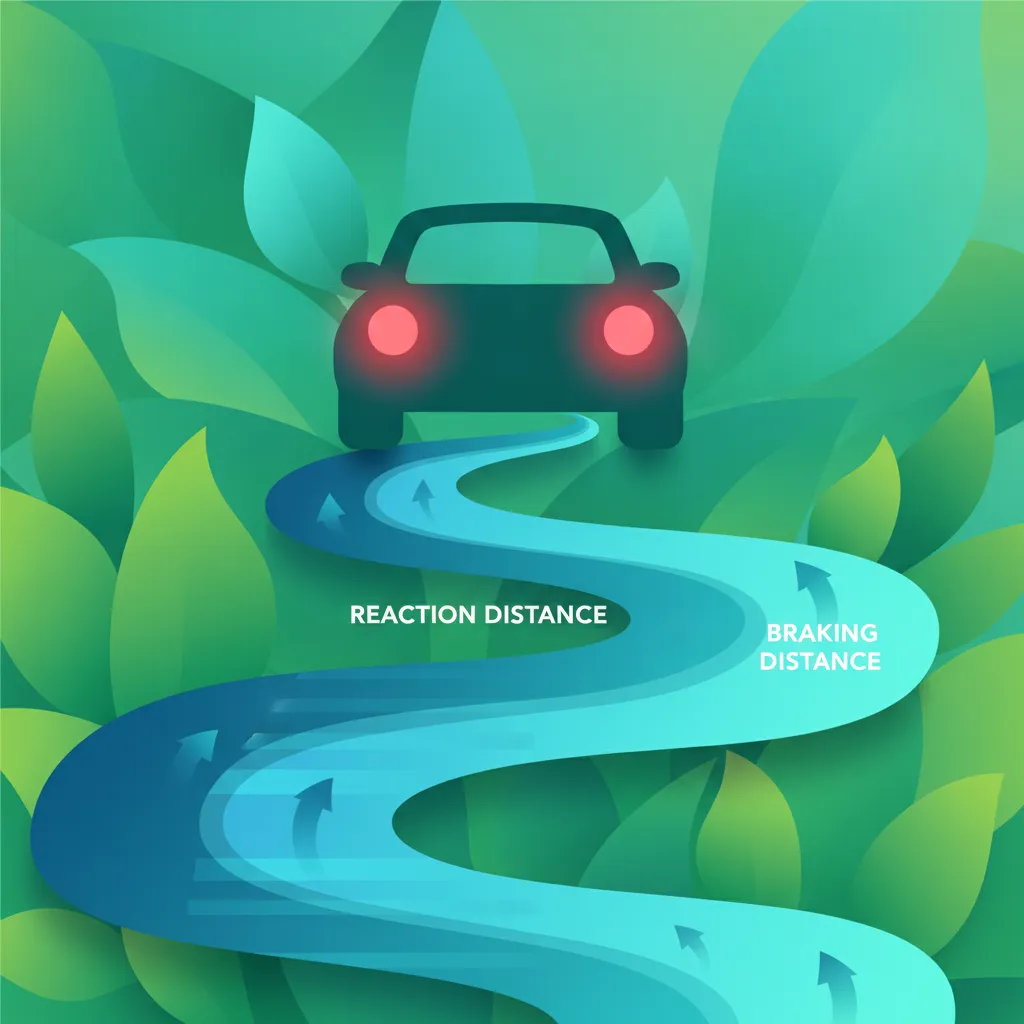
This lesson provides a comprehensive guide to motorcycle braking techniques, explaining the distinct roles of the front and rear brakes. It covers the concept of progressive brake application for smooth, controlled stops and the factors influencing total stopping distance. You will also learn about the function of Anti-lock Braking Systems (ABS) and how to adapt your braking for different conditions.

This lesson focuses on two key handling skills: maneuvering at low speeds and navigating corners safely. It provides techniques for maintaining balance and making smooth steering inputs in tight spaces. For cornering, it explains the principles of selecting an appropriate speed, choosing a safe line through the bend, and using body lean to maintain stability.

This lesson provides instruction on how to react in an emergency situation, covering techniques for performing a rapid, controlled stop. It explains how to apply maximum braking force without locking the wheels and how to manage a skid if one occurs. You will also learn about avoidance maneuvers, such as swerving, and the psychological challenge of overcoming target fixation.
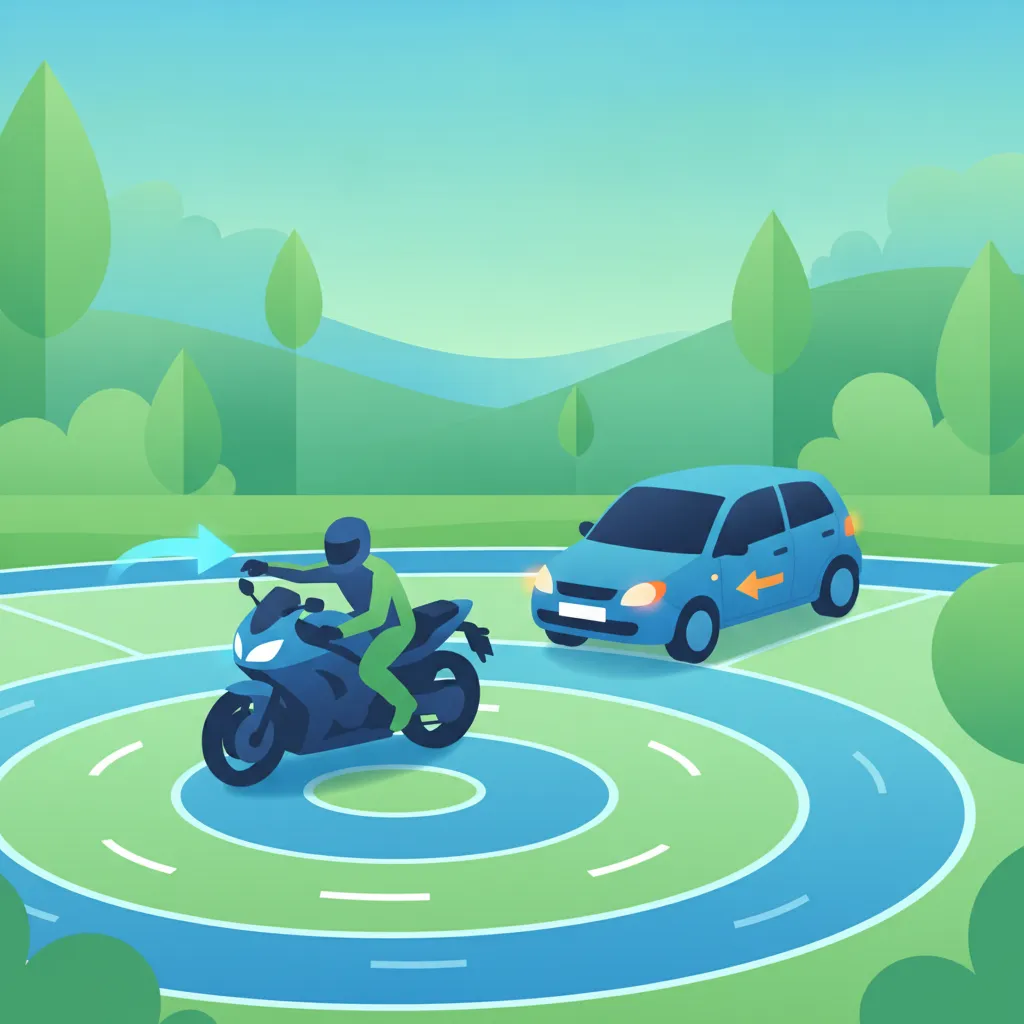
This lesson offers specific strategies for motorcyclists navigating roundabouts in Belgium. It covers the rules for entering the roundabout, including yielding to circulating traffic, and how to choose the correct lane for your intended exit. The content stresses the importance of clear signaling and maintaining awareness of other vehicles during entry and exit maneuvers.

This lesson provides a comprehensive guide to motorway riding, starting with the procedure for safely merging into high-speed traffic from a slip road. It details the importance of strict lane discipline, including the rules for overtaking and the proper use of lanes. You will also learn the correct technique for planning and executing a safe exit from the motorway.

This lesson provides a step-by-step guide to executing a safe overtaking maneuver in compliance with Belgian law. It covers the necessary pre-maneuver checks, proper signaling, and how to accurately judge the speed and distance of oncoming traffic. You will learn the correct procedure for passing a vehicle and safely returning to your original lane.
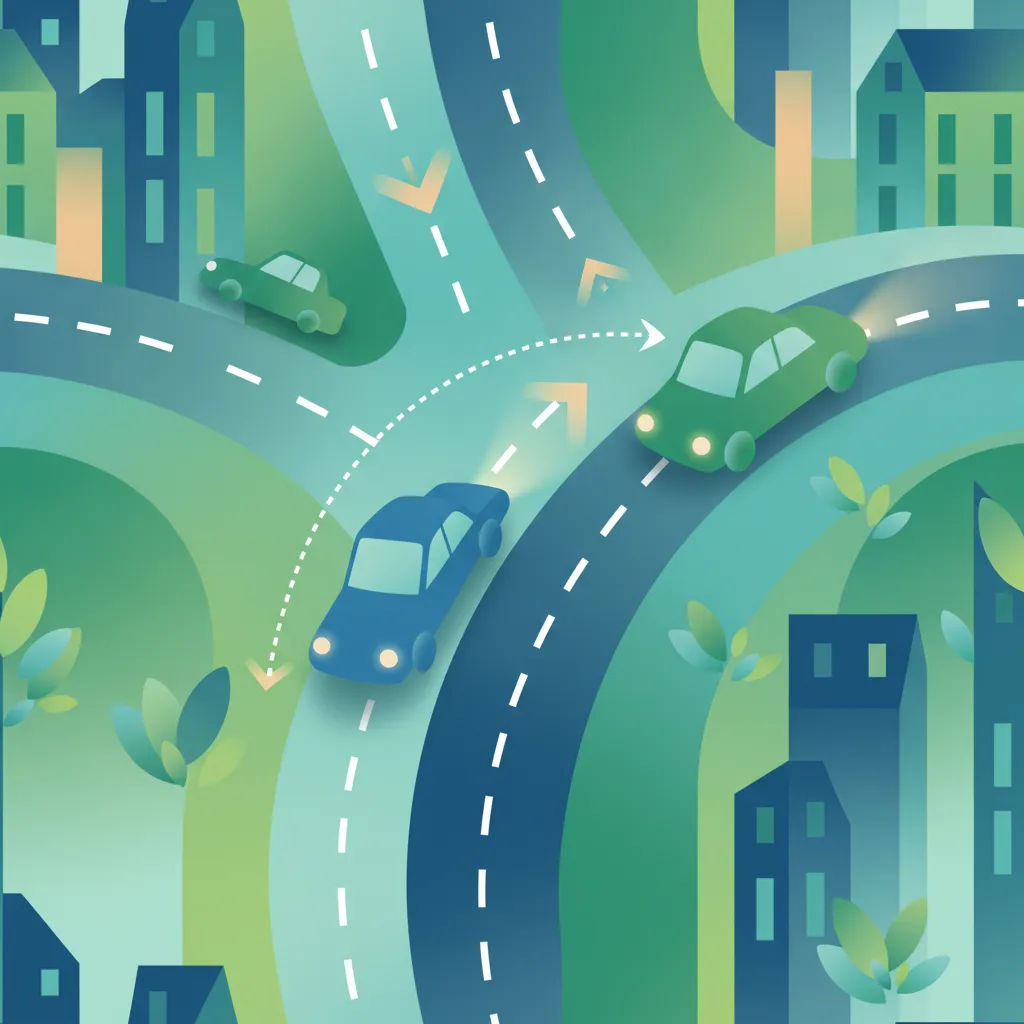
This lesson provides a step-by-step guide to executing turns and lane changes safely and efficiently. It covers the critical sequence of checking mirrors, signaling intent, and performing a head check for blind spots before any maneuver. Learners will also understand how to manage their speed and balance during cornering to maintain full control of the vehicle.

This lesson focuses on the critical skill of managing traction by understanding how tyres interact with different road surfaces. It teaches you to identify and react to low-grip surfaces such as wet roads, gravel, painted markings, and manhole covers. You will learn how to adjust your speed, braking, and cornering to prevent loss of traction and maintain control.
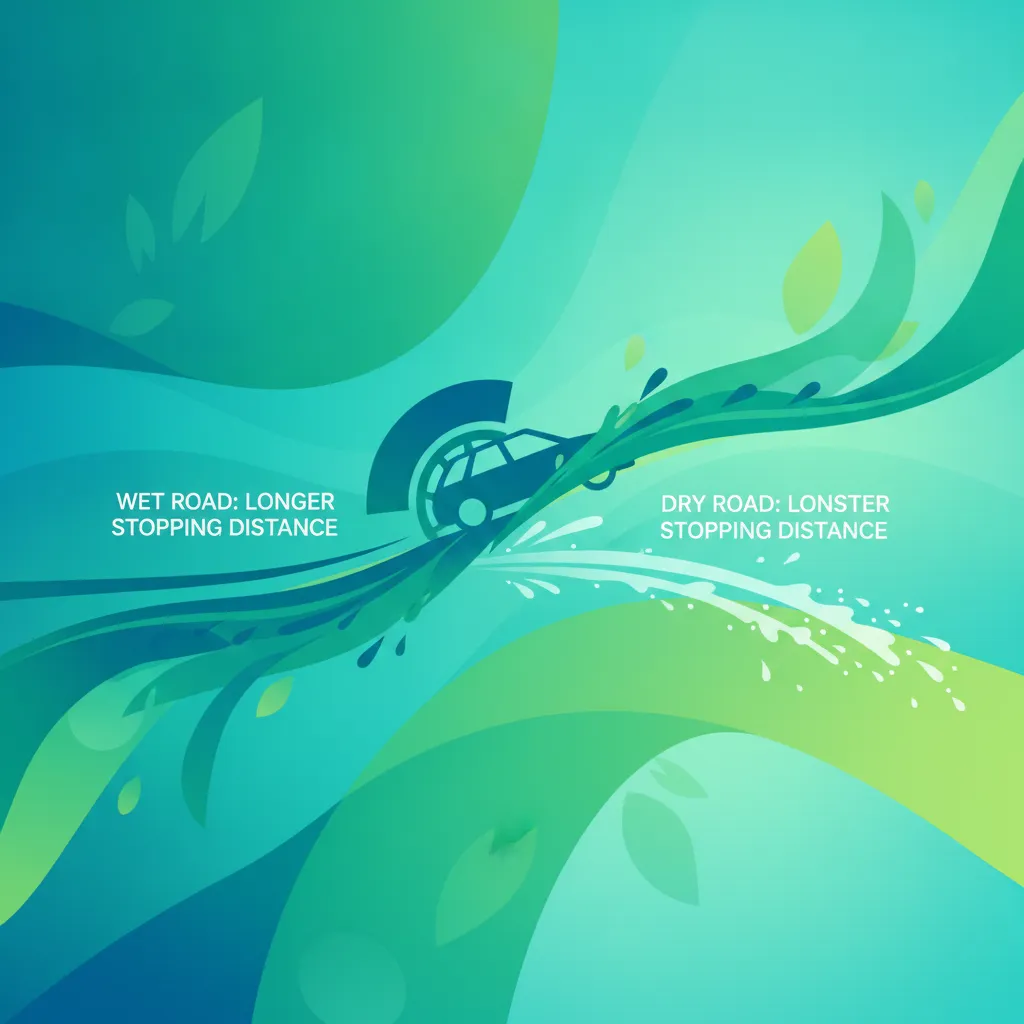
This lesson covers the principles of effective braking, distinguishing between controlled, progressive braking and emergency braking techniques. It breaks down the total stopping distance into reaction distance and braking distance, explaining how speed and road surface conditions dramatically affect the latter. Learners will understand how to use both front and rear brakes correctly to stop quickly and safely without losing control.
Learn to identify and avoid common motorcycle cornering errors. This lesson covers essential adaptations for adverse weather, poor road surfaces, and night riding, crucial for safe and confident navigation through bends according to Belgian theory.

This lesson details the specific precautions and techniques required for riding in rain and fog. It explains how water on the road affects tyre grip and braking distances, and how to avoid aquaplaning. You will learn the correct use of lights to be seen in low visibility and how to adjust your speed and following distance accordingly.
This lesson focuses on two key handling skills: maneuvering at low speeds and navigating corners safely. It provides techniques for maintaining balance and making smooth steering inputs in tight spaces. For cornering, it explains the principles of selecting an appropriate speed, choosing a safe line through the bend, and using body lean to maintain stability.

This lesson addresses the unique challenges of riding after dark, focusing on the correct use of high and low beam headlights to maximize visibility. It offers techniques for coping with glare from other vehicles and for adapting to the body's natural reduction in visual acuity at night. The content also emphasizes the heightened risk of fatigue during night rides and strategies to manage it.
This lesson focuses on the critical skill of managing traction by understanding how tyres interact with different road surfaces. It teaches you to identify and react to low-grip surfaces such as wet roads, gravel, painted markings, and manhole covers. You will learn how to adjust your speed, braking, and cornering to prevent loss of traction and maintain control.
This lesson offers specific strategies for motorcyclists navigating roundabouts in Belgium. It covers the rules for entering the roundabout, including yielding to circulating traffic, and how to choose the correct lane for your intended exit. The content stresses the importance of clear signaling and maintaining awareness of other vehicles during entry and exit maneuvers.

This lesson trains you to actively scan the road ahead for surface hazards that can compromise traction, such as oil spills, wet leaves, and loose gravel. It provides strategies for safely navigating these hazards, including avoidance maneuvers and gentle control inputs. You will also learn how to handle unexpected encounters with potholes and other road imperfections.

This lesson teaches riders how to modify their technique and preparation in response to various weather conditions beyond just rain. It covers how to handle strong crosswinds, the effects of extreme heat on both the rider and the motorcycle, and the precautions for riding in cold temperatures. The focus is on proactive adaptation to ensure safety and comfort regardless of the weather.

This lesson explores the unique challenges presented by dense urban environments, including riding in heavy traffic and navigating narrow streets. It provides strategies for positioning your motorcycle to avoid the 'dooring zone' of parked cars and to maintain visibility. You will learn defensive riding techniques to anticipate sudden actions from other drivers in congested conditions.
This lesson teaches the principles of strategic lane positioning to maximize your visibility to others and your view of the road ahead. It explains different positions within the lane and when to use them, such as when approaching intersections or riding on multi-lane roads. You will learn how to adapt your position based on traffic flow, road conditions, and potential hazards.

This lesson focuses on the unique hazards associated with riding after dark. It emphasizes the importance of a fully functional lighting system and the use of reflective gear to be seen by others. The content explains how darkness affects depth perception and peripheral vision, requiring riders to reduce their speed to compensate for shorter sight distances and potential fatigue.
Find clear answers to common questions learners have about Cornering Techniques and Lean Angles. Learn how the lesson is structured, which driving theory objectives it supports, and how it fits into the overall learning path of units and curriculum progression in Belgium. These explanations help you understand key concepts, lesson flow, and exam focused study goals.
Correct line selection allows you to maximize your view through the corner, helping you spot oncoming traffic or hazards early. It also keeps your motorcycle stable and within your lane, which is a key requirement for safe riding in Belgium.
Higher speeds require a greater lean angle to negotiate the same radius. On the theory test, you must understand that pushing your bike's limits on public roads significantly increases the risk of losing traction, especially on uneven Belgian road surfaces.
You should only start applying smooth, steady throttle once you can see the exit of the corner and the motorcycle has begun to stand up. Accelerating too early can push the bike wide, while chopping the throttle can upset the chassis balance.
While the fundamental physics of cornering remain the same, A2 and A licence riders must be even more aware of their motorcycle's weight and power when cornering. The theory exam tests your ability to adapt your riding to the capabilities of your specific category.
Ready to focus your Belgian driving theory revision? Utilize our powerful search tool to pinpoint exact topics, road signs, or difficulty levels. Engage with practice questions that directly address your learning needs and solidify your understanding of Belgian traffic laws for your upcoming exam.