
This lesson guides you through the legal and practical requirements for overtaking other vehicles safely while riding your motorcycle in Belgium. It is a critical component of our motorcycle theory course, helping you master the defensive riding strategies needed to pass your official theory test and ride confidently.

Lesson content overview
Overtaking is a fundamental maneuver in traffic, allowing riders to pass slower vehicles and maintain a smooth flow. However, for motorcyclists, executing a safe and legal overtaking maneuver requires heightened awareness, precise judgment, and strict adherence to traffic regulations. Given the smaller profile and increased vulnerability of motorcycles, understanding the nuances of safe passing is critical for every rider in Belgium. This lesson provides a comprehensive, step-by-step guide to mastering safe overtaking, aligning with Belgian traffic law and best riding practices for the Comprehensive Belgian Motorcycle Theory Course: Licence A, A1 & A2.
Safe overtaking is not merely about accelerating past another vehicle; it involves a complex interplay of spatial awareness, speed management, communication, and adherence to legal guidelines. For motorcyclists, these factors are amplified due to the inherent risks associated with two-wheeled travel. A successful overtaking maneuver prevents collisions, maintains traffic fluidity, and ensures rider safety and compliance.
This topic builds upon foundational knowledge of lane positioning, understanding blind spots, and the legal hierarchy of right of way. Mastering these elements ensures that when you decide to overtake, you do so with complete control and confidence, minimizing risks to yourself and other road users.
Successful and safe overtaking is built upon several core principles that guide a rider's decisions and actions throughout the maneuver. These principles are interlinked and must be considered holistically to ensure safety and legality on Belgian roads.
The Right of Way Hierarchy dictates who has priority in various traffic situations, and this is paramount during any overtaking maneuver. Before initiating a pass, you must always confirm that the intended lane is clear and free of higher-priority users, especially oncoming traffic, pedestrians, and cyclists.
The ordered set of rules that determines which road user has legal priority in various traffic situations, including during overtaking maneuvers.
On single-carriageway roads without a physical barrier separating directions, the presence of opposing traffic immediately prohibits overtaking if it means entering their lane. Pedestrians at marked crossings and cyclists in designated lanes or certain intersections also retain priority and must never be endangered by an overtaking maneuver. Failing to respect the right of way is a common mistake that can lead to severe consequences, including head-on collisions or impacts with vulnerable road users. Always be aware of no-overtaking zones indicated by signs or road markings.
The minimum safe distance, both lateral (sideways) and longitudinal (front-to-back), that a motorcyclist must maintain from other vehicles and road users to avoid collisions.
Protective space is the buffer zone you create around your motorcycle to allow for sudden reactions or unexpected movements from other road users. During overtaking, this includes both the lateral space from the vehicle you are passing and the longitudinal space to any vehicles ahead or behind. You must avoid cutting too close when moving past another vehicle or re-entering your original lane too early.
Insufficient protective space increases the risk of side-swipes or being 'cut off' if the overtaken vehicle swerves or speeds up. A good rule of thumb is to maintain at least one car width of lateral space between your motorcycle and the vehicle you are passing, ensuring ample room for error or gusty winds. Remember that maintaining this space is critical throughout the entire maneuver, from initiation to completion.
Signaling intent is crucial for informing other road users of your planned actions, particularly during overtaking. Proper use of your motorcycle's turn signals (indicators) well in advance of the maneuver allows drivers behind you to anticipate your lane change and provides a clear warning to the vehicle you intend to pass.
The use of vehicle signals (indicators), hand gestures, or head movements to clearly communicate your planned actions, such as changing lanes or initiating an overtaking maneuver.
Delayed or absent signaling can confuse other drivers, leading to unpredictable reactions and increasing the risk of collision. In situations where your electrical indicators are not functional, Belgian law allows for the use of clear hand signals. Always ensure your signal is visible and understood before committing to the overtake.
Speed judgment is the ability to accurately assess your own speed relative to the vehicle you intend to overtake and, critically, relative to any oncoming traffic. This assessment is vital for determining if there is a sufficient time and distance window to complete the maneuver safely and legally.
The capability to accurately assess your motorcycle's speed in relation to the vehicle being overtaken, oncoming traffic, and the available road conditions to ensure a safe and timely maneuver.
You must accelerate sufficiently to complete the pass promptly, but never exceed the posted speed limit. Misjudging speed can lead to aborting the maneuver mid-way, or worse, completing it unsafely under pressure, potentially encroaching on oncoming traffic or cutting off the overtaken vehicle. Always consider the acceleration capabilities of your motorcycle and the potential speed of other road users.
An area around a vehicle where the driver or rider cannot see other vehicles or obstacles using their mirrors or peripheral vision. For motorcycles, this includes areas behind the rider, especially with low-slung designs, and around larger vehicles like cars or trucks.
Blind spot management involves being acutely aware of zones around other vehicles where you, as a motorcyclist, may not be visible to the driver, and equally, areas where you, the rider, might have limited visibility. Before and during an overtake, it is imperative to check your mirrors and perform a "shoulder check" (head check) to confirm that no vehicle is lurking in your own blind spot or in the blind spot of the vehicle you are about to pass.
Larger vehicles, especially trucks and vans, have significant blind spots, particularly on their sides and immediately behind them. Never linger in these zones. Ensure you are visible to the driver you are passing, and that your intended overtaking path is clear. Failure to manage blind spots is a common cause of collisions during overtaking.
Overtaking is not a static maneuver; it must be adapted to the prevailing environmental conditions. Road type (urban, rural, motorway), weather conditions (rain, fog, strong winds), visibility (day, night, dawn/dusk), and surface conditions (wet, icy, uneven) all significantly impact the safety and feasibility of an overtaking maneuver.
For instance, in adverse weather, increased stopping distances and reduced grip necessitate a greater protective space and a lower overtaking speed. At night or in low visibility, your motorcycle's lighting becomes critical, and you must confirm the visibility of oncoming traffic and the road ahead. Urban areas often have additional restrictions, such as more frequent intersections, pedestrian crossings, and specific no-overtaking zones, which must be observed.
Adhering to Belgian traffic law is not only mandatory but also a cornerstone of safe riding. Several key rules specifically govern overtaking maneuvers for motorcyclists.
No Overtaking Zones: Overtaking is strictly prohibited on roads marked with a solid continuous line (often white) or an official road sign indicating "no overtaking." This rule applies universally across Belgium, unless specific temporary road markings indicate an allowance for overtaking, which is rare for motorcycles. Ignoring these markings is a serious traffic violation.
Safety First Principle: A motorcyclist must never overtake if doing so would endanger other road users, including pedestrians, cyclists, or other vehicles. This overarching principle applies to all overtaking maneuvers, irrespective of the road type or specific markings. Your responsibility is to ensure the maneuver can be completed without any risk to others.
Mandatory Signal Use: Turn signals must always be used to indicate your intention to overtake. The signal must be activated well in advance of initiating the maneuver and maintained until you have fully re-entered your lane. This proactive signaling ensures that other road users have ample time to anticipate your actions and react appropriately, contributing to overall road safety.
Attempting to overtake without proper signaling or in a prohibited zone not only risks a collision but also carries significant legal penalties under Belgian traffic law.
Executing a safe overtaking maneuver involves a methodical, step-by-step process. Rushing any part of this procedure can lead to dangerous situations.
Assess the Situation and Decide: Before even thinking about overtaking, thoroughly assess the road conditions ahead. Is the road clear? Are there any intersections, pedestrian crossings, or blind spots coming up? Check your mirrors for vehicles behind you and ensure you have sufficient visibility of the road ahead, including any oncoming traffic. Make sure you are not in a no-overtaking zone.
Position for Visibility and Intent: Move your motorcycle into a position that gives you the best possible view of the road ahead and allows others to see your intentions. This often means moving slightly to the left within your current lane, without encroaching on the next lane.
Signal Your Intentions: Activate your left turn signal well in advance to clearly communicate your intention to overtake. This warns drivers behind you and the vehicle you are about to pass.
Check Blind Spots (Shoulder Check): Before committing to move into the adjacent lane, perform a thorough shoulder check over your left shoulder to confirm there are no vehicles in your blind spot that you missed in your mirrors.
Accelerate and Overtake: Once the path is clear and safe, smoothly accelerate to a speed that allows you to pass the vehicle quickly and efficiently, but always within the posted speed limit. Maintain adequate lateral protective space between your motorcycle and the vehicle you are passing.
Observe and Maintain Space: As you pass, continuously observe the overtaken vehicle in your right mirror. Do not slow down and never cut back into your lane too early.
Signal to Return and Re-enter Lane: When you can see the entire front of the overtaken vehicle in your right mirror, activate your right turn signal. Perform another quick shoulder check to confirm your original lane is clear and safe to re-enter.
Return to Lane and Adjust Speed: Smoothly steer back into your original lane. Once safely back in your lane, deactivate your turn signal and adjust your speed to maintain a safe following distance from the vehicle ahead.
Understanding common mistakes helps riders proactively avoid them. Many violations during overtaking stem from poor judgment or impatience.
These violations not only carry legal penalties but significantly increase the likelihood of serious collisions, especially for vulnerable motorcyclists.
Safe overtaking is dynamic and must adapt to changing conditions and specific road environments.
The way a motorcyclist approaches overtaking has direct cause-and-effect relationships on road safety and legal compliance.
Safe overtaking for motorcyclists in Belgium is a skill that demands careful planning, precise execution, and constant vigilance. Key principles like respecting the Right of Way Hierarchy, maintaining ample Protective Space, clearly communicating through Signal Intent, accurate Speed Judgment, and diligent Blind Spot Management are paramount. Always adhere to Belgian Rules and Regulations governing overtaking zones and procedures. By consistently applying these principles and understanding the contextual variations, you ensure safer journeys for yourself and all road users within the Comprehensive Belgian Motorcycle Theory Course: Licence A, A1 & A2 framework.
Safe motorcycle overtaking in Belgium requires following a systematic 8-step procedure that begins with thorough situation assessment and ends with proper lane re-entry. Key principles include maintaining protective space, managing blind spots through mirrors and shoulder checks, and signaling intentions clearly and in advance. Belgian law specifically prohibits overtaking where road signs C31 or C33 apply, or where solid continuous lines exist. Common mistakes include premature maneuvers with limited visibility, exceeding speed limits, insufficient signaling, and cutting back into lane too early. Environmental conditions such as rain, fog, night riding, and large vehicles require increased caution and adjusted techniques.
A short set of high-value points that capture the most important learning from this lesson.
Protective space must be maintained both laterally and longitudinally throughout the entire overtaking maneuver
Blind spot management through mirrors and shoulder checks is mandatory before initiating any lane change
Clear and timely signaling prevents confusion and allows other road users to anticipate your actions
Overtaking is strictly prohibited on solid continuous lines or where C31/C33 signs indicate no overtaking
Speed judgment must account for your motorcycle's capabilities, posted limits, and prevailing conditions
Explore all units and lessons included in this driving theory course.
Sign C31 prohibits motor vehicles (except two-wheeled motorcycles) from overtaking; Sign C33 specifically prohibits motorcycles from overtaking
Maintain at least one car width of lateral space when passing another vehicle
The overtaking procedure follows a strict sequence: assess, position, signal, shoulder check, accelerate, observe, signal return, re-enter lane
Never overtake if it would endanger pedestrians, cyclists, or other road users regardless of markings
Adverse weather requires increased protective space, reduced speed, and more conservative judgment of distances
Initiating overtaking when visibility is limited on blind bends, hills, or near intersections
Accelerating beyond the posted speed limit while overtaking to complete the maneuver faster
Attempting to overtake in restricted areas such as intersections, pedestrian crossings, or marked no-overtaking zones
Failing to signal or signaling too late, preventing other drivers from reacting appropriately
Re-entering the original lane too early without confirming sufficient space from the overtaken vehicle
Lesson content overview
A short set of high-value points that capture the most important learning from this lesson.
Protective space must be maintained both laterally and longitudinally throughout the entire overtaking maneuver
Blind spot management through mirrors and shoulder checks is mandatory before initiating any lane change
Clear and timely signaling prevents confusion and allows other road users to anticipate your actions
Overtaking is strictly prohibited on solid continuous lines or where C31/C33 signs indicate no overtaking
Speed judgment must account for your motorcycle's capabilities, posted limits, and prevailing conditions
Explore all units and lessons included in this driving theory course.
Sign C31 prohibits motor vehicles (except two-wheeled motorcycles) from overtaking; Sign C33 specifically prohibits motorcycles from overtaking
Maintain at least one car width of lateral space when passing another vehicle
The overtaking procedure follows a strict sequence: assess, position, signal, shoulder check, accelerate, observe, signal return, re-enter lane
Never overtake if it would endanger pedestrians, cyclists, or other road users regardless of markings
Adverse weather requires increased protective space, reduced speed, and more conservative judgment of distances
Initiating overtaking when visibility is limited on blind bends, hills, or near intersections
Accelerating beyond the posted speed limit while overtaking to complete the maneuver faster
Attempting to overtake in restricted areas such as intersections, pedestrian crossings, or marked no-overtaking zones
Failing to signal or signaling too late, preventing other drivers from reacting appropriately
Re-entering the original lane too early without confirming sufficient space from the overtaken vehicle
Explore search topics learners often look for when studying Safe Overtaking Practices for Motorcyclists. These topics reflect common questions about road rules, driving situations, safety guidance, and lesson level theory preparation for learners in Belgium.
Browse additional driving theory lessons that cover connected traffic rules, road signs, and common driving situations related to this topic. Improve your understanding of how different rules interact across everyday traffic scenarios.
Understand the critical importance of correct lane positioning and maintaining adequate space when overtaking other vehicles on Belgian roads. This lesson covers how to safely execute overtakes while being aware of other traffic participants and road conditions.
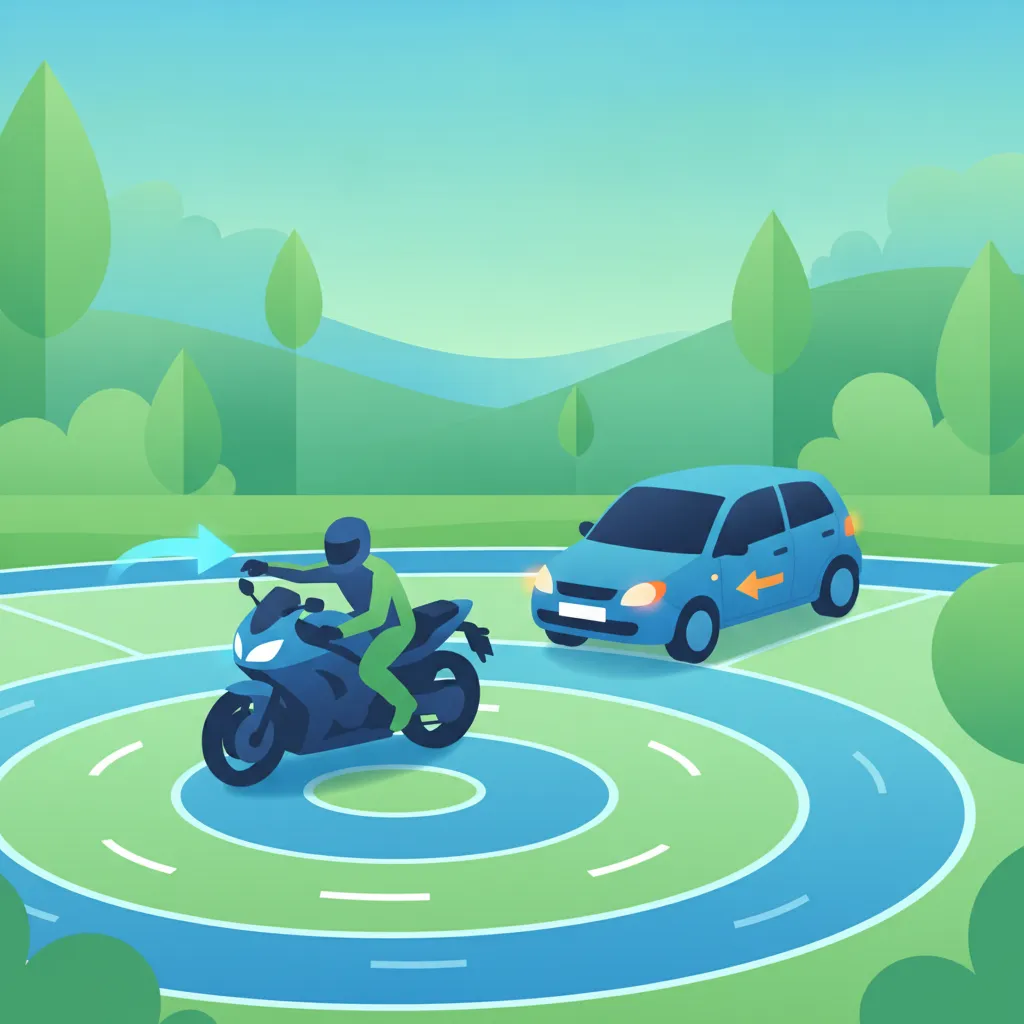
This lesson offers specific strategies for motorcyclists navigating roundabouts in Belgium. It covers the rules for entering the roundabout, including yielding to circulating traffic, and how to choose the correct lane for your intended exit. The content stresses the importance of clear signaling and maintaining awareness of other vehicles during entry and exit maneuvers.

Overtaking safely is a critical driving skill. This lesson explains where and how overtaking is permitted in Belgium, the importance of correct signaling, and maintaining a sufficient speed differential. Learners will understand the rules for passing on motorways and single-carriageway roads, and how to identify zones where overtaking is prohibited.
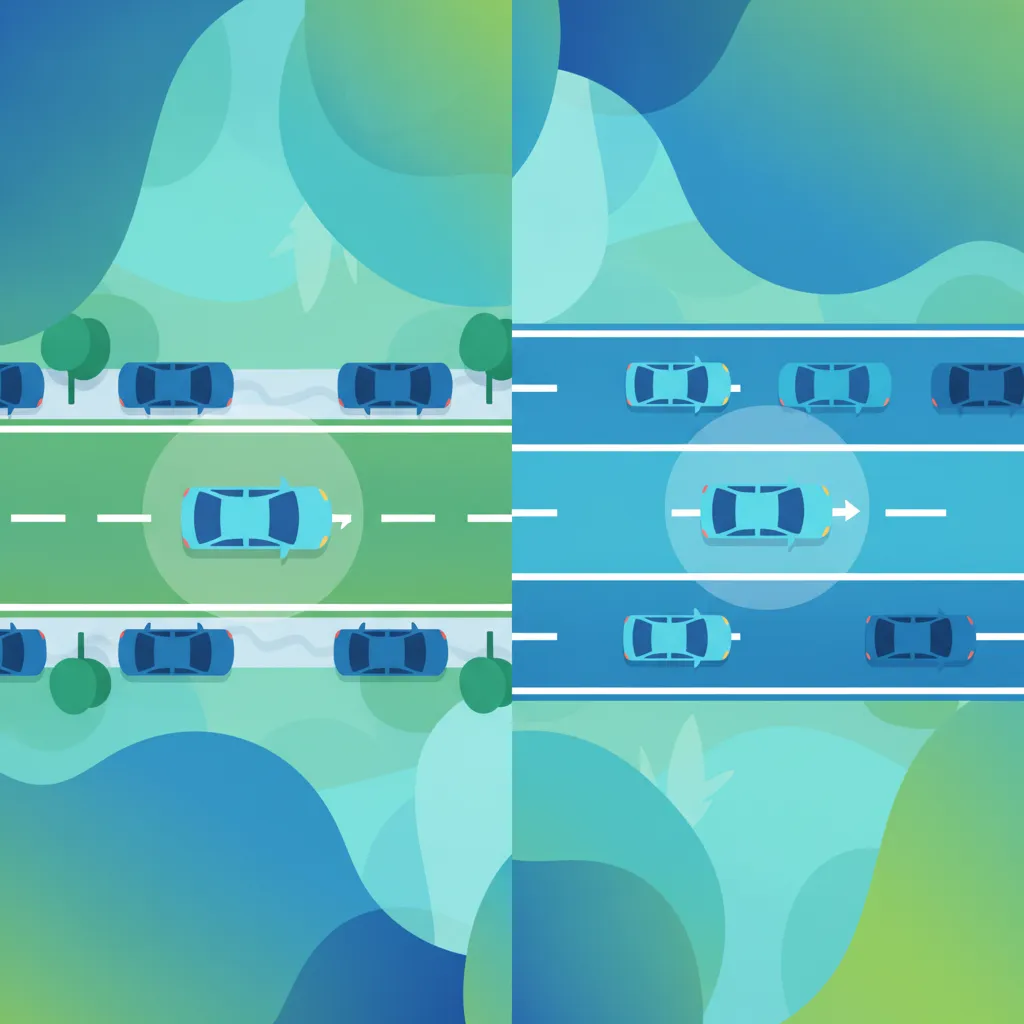
This lesson teaches the principles of strategic lane positioning to maximize your visibility to others and your view of the road ahead. It explains different positions within the lane and when to use them, such as when approaching intersections or riding on multi-lane roads. You will learn how to adapt your position based on traffic flow, road conditions, and potential hazards.
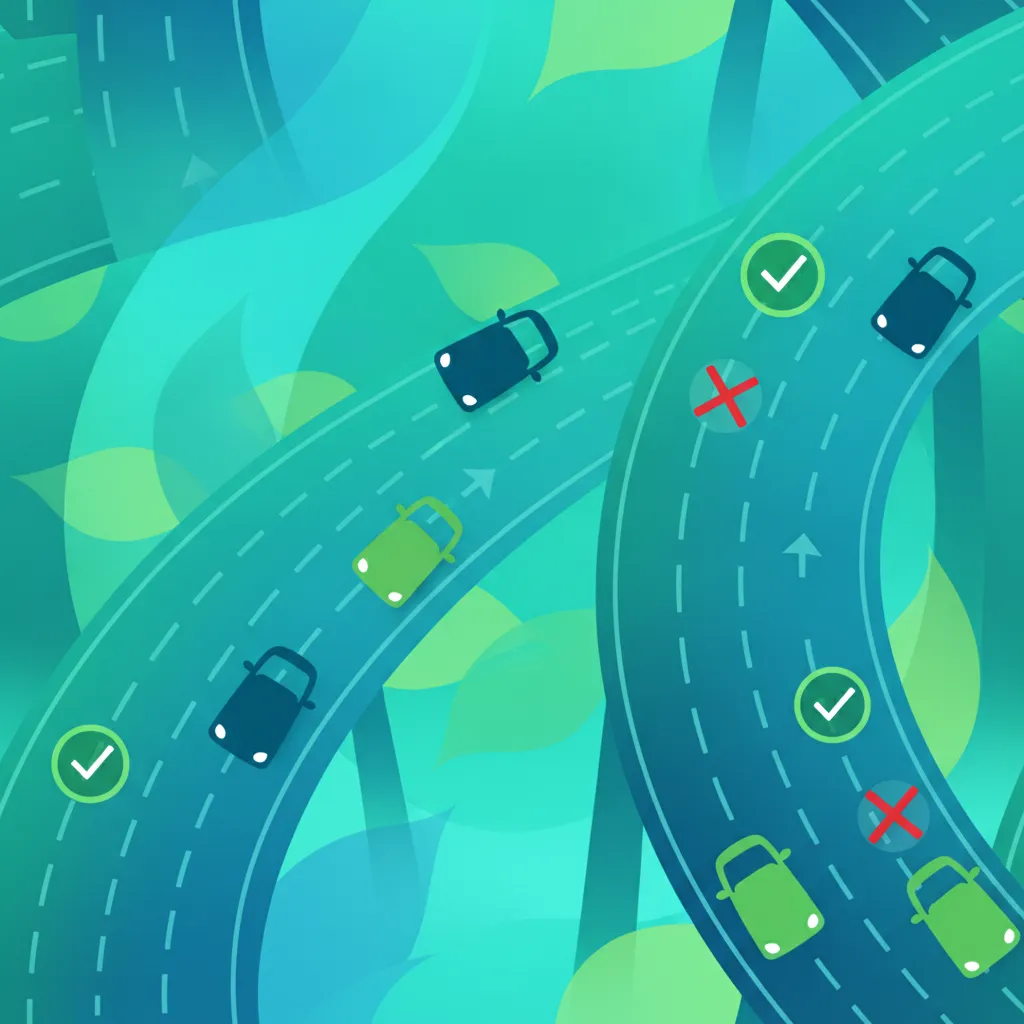
The focus of this lesson is on maintaining proper lane discipline, especially on motorways and other high-speed roads. Learners will explore the rules for changing lanes, overtaking, and positioning in the correct lane based on speed and traffic flow. Emphasis is placed on safe merging techniques and adherence to all lane markings for fluid traffic movement.
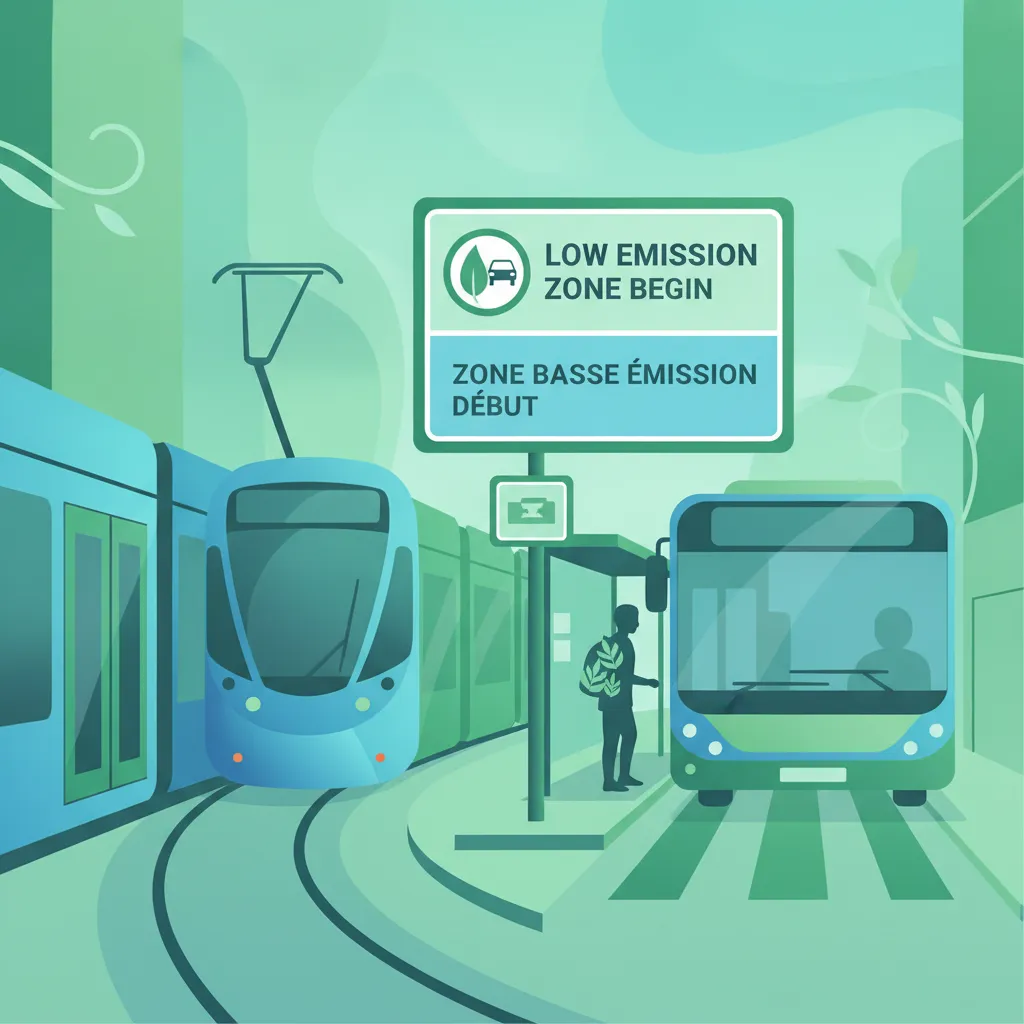
This lesson addresses unique traffic environments and special zones commonly found in Belgian urban areas. It clarifies the specific regulations concerning tramways, including where trams have absolute priority, and the conditions under which motorcycles may use bus lanes. The lesson also explains how to identify and comply with restrictions in low-emission zones.

This lesson provides a comprehensive guide to motorway riding, starting with the procedure for safely merging into high-speed traffic from a slip road. It details the importance of strict lane discipline, including the rules for overtaking and the proper use of lanes. You will also learn the correct technique for planning and executing a safe exit from the motorway.

This lesson details a motorcyclist's obligations when approaching various types of crossings, including marked pedestrian and bicycle lanes. It emphasizes the legal requirement to yield to vulnerable road users and the importance of thorough visual checks before proceeding. You will learn how to maintain a safe distance and anticipate the movements of pedestrians and cyclists in urban areas.

This lesson focuses on strategies for safely navigating situations where road space is limited, such as narrow lanes, road works, or between lines of traffic. It explains how to use assertive lane positioning to prevent other vehicles from crowding you. You will learn to anticipate and safely manage these 'squeeze points' to avoid being trapped or forced into a dangerous situation.
This lesson provides a systematic approach to navigating intersections, emphasizing the importance of observation, speed control, and correct positioning. It reinforces the application of priority-from-the-right and other right-of-way rules in real-world junction scenarios. You will learn effective visual scanning techniques to anticipate the actions of other road users and ensure a safe passage.

This lesson explains the concept of strategic road positioning to enhance safety and visibility. It teaches riders how to select the best position within a lane to be seen by other drivers and to have a good view of the road ahead. A key focus is on identifying and staying out of the large blind spots of cars, vans, and trucks to prevent dangerous situations.
Learn to identify and mitigate common hazards encountered during motorcycle overtaking in Belgium. This lesson explores complex situations, blind spots, and how to accurately assess oncoming traffic and distances for safer maneuvers.
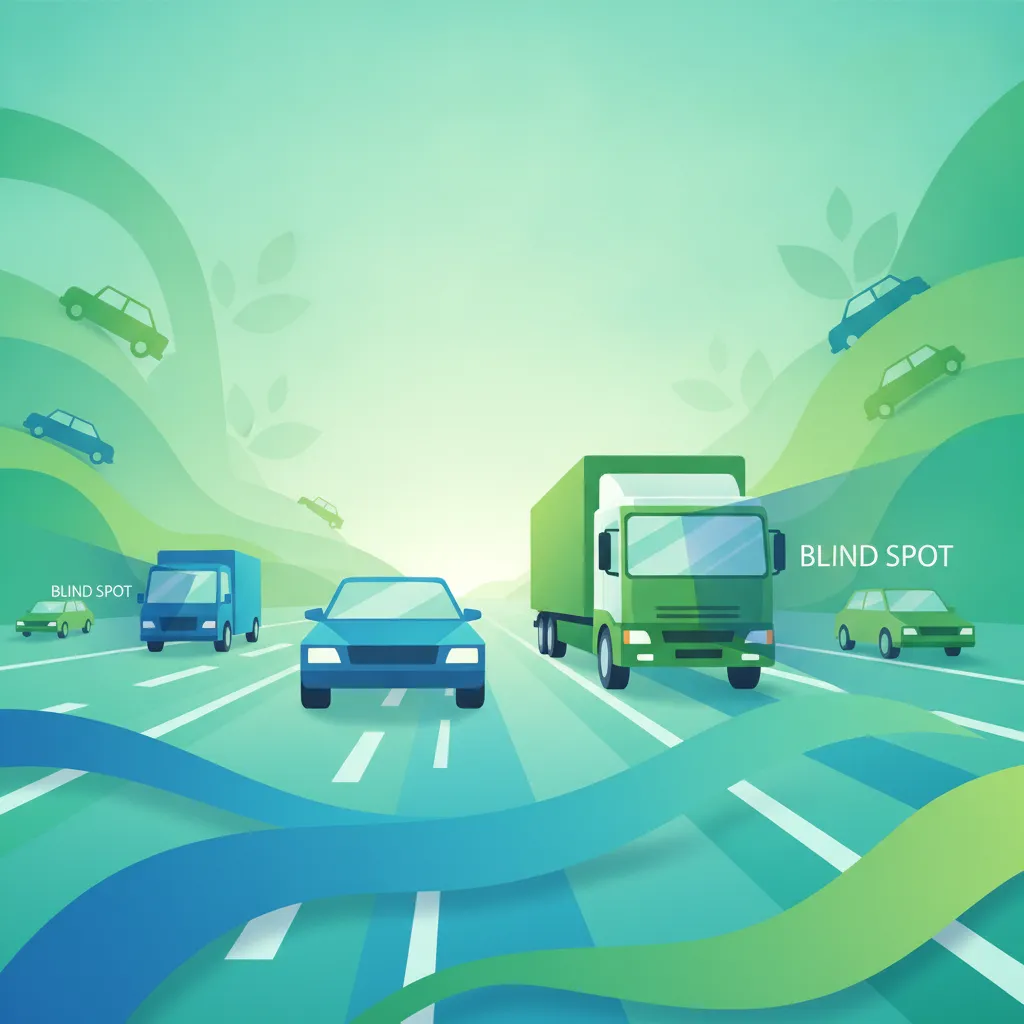
This lesson focuses on recognizing and staying out of the blind spots of other vehicles, especially large trucks and buses where 'no-zones' are significant. It provides practical strategies for managing your position on the road to ensure you remain visible to other drivers at all times. You will learn to anticipate lane changes and other maneuvers from vehicles that may not be aware of your presence.

This lesson explores the unique challenges presented by dense urban environments, including riding in heavy traffic and navigating narrow streets. It provides strategies for positioning your motorcycle to avoid the 'dooring zone' of parked cars and to maintain visibility. You will learn defensive riding techniques to anticipate sudden actions from other drivers in congested conditions.
This lesson explains the concept of strategic road positioning to enhance safety and visibility. It teaches riders how to select the best position within a lane to be seen by other drivers and to have a good view of the road ahead. A key focus is on identifying and staying out of the large blind spots of cars, vans, and trucks to prevent dangerous situations.
This lesson offers specific strategies for motorcyclists navigating roundabouts in Belgium. It covers the rules for entering the roundabout, including yielding to circulating traffic, and how to choose the correct lane for your intended exit. The content stresses the importance of clear signaling and maintaining awareness of other vehicles during entry and exit maneuvers.

This lesson trains you to actively scan the road ahead for surface hazards that can compromise traction, such as oil spills, wet leaves, and loose gravel. It provides strategies for safely navigating these hazards, including avoidance maneuvers and gentle control inputs. You will also learn how to handle unexpected encounters with potholes and other road imperfections.

This lesson teaches motorcyclists how to safely navigate mixed traffic environments that include cars, buses, and trams. It highlights the significant blind spots of larger vehicles and explains the absolute priority of trams on their tracks. You will learn the rules for sharing space with public transport and how to maintain safe distances when following or overtaking buses.
This lesson synthesizes key safety concepts into the practice of defensive riding, a proactive mindset focused on anticipation and risk reduction. It teaches you to continuously scan for potential hazards, predict the actions of other road users, and always maintain an escape path. By mastering these strategies, you learn to manage the space around you and take control of your own safety.
This lesson details a motorcyclist's obligations when approaching various types of crossings, including marked pedestrian and bicycle lanes. It emphasizes the legal requirement to yield to vulnerable road users and the importance of thorough visual checks before proceeding. You will learn how to maintain a safe distance and anticipate the movements of pedestrians and cyclists in urban areas.

This lesson addresses the unique challenges of riding after dark, focusing on the correct use of high and low beam headlights to maximize visibility. It offers techniques for coping with glare from other vehicles and for adapting to the body's natural reduction in visual acuity at night. The content also emphasizes the heightened risk of fatigue during night rides and strategies to manage it.

This lesson focuses on the unique hazards associated with riding after dark. It emphasizes the importance of a fully functional lighting system and the use of reflective gear to be seen by others. The content explains how darkness affects depth perception and peripheral vision, requiring riders to reduce their speed to compensate for shorter sight distances and potential fatigue.
Find clear answers to common questions learners have about Safe Overtaking Practices for Motorcyclists. Learn how the lesson is structured, which driving theory objectives it supports, and how it fits into the overall learning path of units and curriculum progression in Belgium. These explanations help you understand key concepts, lesson flow, and exam focused study goals.
Yes, overtaking is generally prohibited at pedestrian crossings, near intersections with priority from the right, and where solid lines or specific signage forbid it. Our lesson breaks down these visual cues to help you avoid common exam pitfalls.
You should minimize the time spent in the driver's blind spot by passing decisively. Ensure you can see the driver in their mirror before moving, and do not linger alongside large vehicles, as they may not see you.
Yes, the fundamental rules for safe overtaking in the Belgian Highway Code apply to all motorcycle categories. Whether you are riding an A1, A2, or A bike, the requirement for safety, signaling, and checking the road environment remains identical.
Many candidates fail to account for the speed of oncoming traffic or forget to check their blind spot before signaling. Always prioritize the 'check-signal-maneuver' sequence taught in this module to answer correctly.
Ready to focus your Belgian driving theory revision? Utilize our powerful search tool to pinpoint exact topics, road signs, or difficulty levels. Engage with practice questions that directly address your learning needs and solidify your understanding of Belgian traffic laws for your upcoming exam.