
This lesson establishes the essential legal foundation for obtaining your Belgian Category B driver's licence. You will learn about the mandatory age requirements, medical fitness criteria, and the structure of the official theoretical examination. Mastering these administrative steps is the first crucial move toward becoming a safe and legal driver in Belgium.

Lesson content overview
Obtaining a driving licence is a significant step towards personal mobility and independence. This lesson provides a comprehensive overview of the essential conditions, legal stipulations, and procedural steps required to acquire a Belgian Category B driving licence. Understanding these prerequisites is crucial for successfully navigating the administrative process and recognizing the legal responsibilities that accompany operating a vehicle on Belgian roads.
A driving licence is more than just a permit; it is a legal credential. It officially confirms that an individual meets specific legal, health, and knowledge criteria, thereby permitting them to drive on public roads. This document serves as a vital regulatory tool, ensuring that all drivers possess the necessary competence and physical fitness to contribute to overall road safety. The entire licensing process, from application to renewal, is meticulously regulated by national traffic laws, including the foundational Road Traffic Act (RTI) in Belgium. These statutes precisely outline eligibility criteria, examination procedures, the responsibilities of licensing authorities, and the detailed processes for licence issuance and subsequent renewals.
To be legally entitled to drive a passenger car in Belgium, you must first satisfy a set of strict eligibility criteria. These conditions cover several key areas, including your age, health status, and other administrative prerequisites. Meeting these foundational requirements is the absolute first step before you can even consider the examination process.
The minimum age legally mandated to obtain a Belgian Category B driving licence is 18 years. This specific age limit is set with developmental maturity and legal considerations in mind, ensuring that drivers have reached a certain level of cognitive and emotional readiness required for safe and responsible vehicle operation.
There are no exemptions to this minimum age requirement for the Category B licence in Belgium. This means that a candidate must be at least 18 years old on the day they successfully pass their theoretical examination. Age verification is a mandatory part of the licence application process. It is a common misunderstanding that a provisional licence, often referred to as a Learner's Permit in other contexts, can be obtained at 16 for a Category B vehicle in Belgium. However, for the Category B licence, the minimum age of 18 applies to both the provisional and definitive licence.
Important Note: While some specific licence categories might have different age requirements or allow for provisional licences at a younger age, for the standard Belgian Category B driving licence, the legal minimum age is strictly 18 years old.
Meeting specific medical standards is a critical aspect of being deemed fit to drive in Belgium. Applicants must provide a medical certificate confirming their fitness to drive, ensuring they do not pose undue health-related risks to themselves or other road users.
Key Medical Aspects Assessed:
For standard Category B licences, a general declaration of fitness might suffice in many cases, but for professional drivers or those with specific health conditions, mandatory medical check-ups conducted by a certified medical practitioner are typically required. Ongoing health monitoring is essential, and any significant changes in health status that could affect driving must be reported to the licensing authority.
A formal document issued by a qualified medical practitioner, confirming that an applicant meets the necessary health standards to safely operate a motor vehicle.
The Belgian licensing system for a Category B licence employs a two-part examination process: a theoretical test followed by a practical driving test. This comprehensive approach ensures that prospective drivers possess both the necessary knowledge of traffic laws and the practical skills to operate a vehicle safely and competently.
The theoretical examination is a written or computer-based test designed to assess your fundamental knowledge of traffic signs, road rules, priority rules, and safe driving practices. Successful completion of this test is a mandatory prerequisite before you can proceed to the practical driving test.
Examination Structure and Content: The test typically consists of multiple-choice questions covering a broad spectrum of topics relevant to the Belgian road code. These include, but are not limited to:
To pass the theoretical examination, candidates must achieve a minimum pass rate. For the Belgian Category B licence, this generally means answering a specific number of questions correctly out of the total.
Preparation Tip: Thoroughly studying the Belgian Highway Code and practicing with mock tests is highly recommended to ensure you are well-prepared for the theoretical examination.
Once you have successfully passed the theoretical examination, you become eligible to take the practical driving test. This is an on-road assessment designed to evaluate your ability to operate a vehicle safely, competently, and independently in real-world traffic conditions.
Practical Test Structure and Key Maneuvers: Conducted by an authorized examiner, the practical test typically includes a range of tasks and maneuvers to assess your driving skills. These often involve:
Candidates are typically required to bring their own vehicle for the test, which must meet specific safety and administrative standards (e.g., valid insurance, proper documentation, roadworthy condition). Failure to pass the practical test necessitates retaking it, often with a mandatory waiting period.
Successfully completing both the theoretical and practical examinations is a major achievement, but it's not the final step. The official licence issuance process, understanding its legal validity, and adhering to renewal requirements are equally important for maintaining your legal driving status.
After passing both the theoretical and practical driving tests, the Licensing Authority will officially process your application for a Category B licence. This culminates in the issuance of a physical licence card, which is the legal document permitting you to drive.
The licence card contains essential personal data, including your photograph, name, date of birth, and a clear indication of the licence classes you are authorized to drive (in this case, Category B). It also specifies the validity period of your licence. While the process of issuing the licence is typically electronic, the physical card is usually sent to your registered address by mail. It is important to remember that immediate issuance is not common; the process can take several weeks from the date you pass your final test.
The official government body responsible for managing driving licence applications, conducting examinations, issuing and renewing licences, and enforcing related regulations.
A driving licence is not valid indefinitely. It has a specific legal validity period, after which it must be renewed. Understanding these expiry rules is crucial to avoid driving with an invalid licence, which can lead to significant legal penalties.
In Belgium, the standard validity period for a Category B driving licence is typically 10 years for drivers under the age of 70. For drivers aged 70 and above, the validity period is generally shorter, often 5 years, and may require more frequent medical assessments. The exact validity period will be clearly indicated on your physical licence card. Driving with an expired licence is illegal and can result in fines and other penalties, including the potential impoundment of your vehicle.
The process of licence renewal involves extending the validity of your existing driving licence. This is a compulsory procedure that must be completed before your current licence expires to ensure you can continue to drive legally.
Typical Renewal Requirements:
Renewal can often be initiated several months before your licence's expiration date, providing ample time to gather the required documents and complete the process. It is a common misunderstanding to believe that a licence self-renews; it must be actively renewed by the licence holder. Failure to renew within the specified timeframe can sometimes lead to requirements for re-examination, particularly if the licence has been expired for an extended period.
Check the expiration date on your driving licence well in advance.
Gather required documents, including your ID, a recent photograph, and potentially a new medical certificate.
Visit your local municipal administration (gemeentehuis/maison communale) or designated licensing office.
Complete the renewal application form and submit all necessary documentation.
Pay the applicable administrative fees.
Await the issuance and delivery of your new driving licence card.
The Belgian legal framework acknowledges the needs of drivers with physical impairments, providing provisions for vehicle adaptations and specific licensing requirements to ensure their safe participation in road traffic.
Individuals with certain physical disabilities may require vehicle adaptations to operate a car safely and effectively. These modifications can range from minor adjustments to significant changes in vehicle controls.
Common Adaptations Include:
When such adaptations are necessary, a special licence designation (e.g., Category B with a disability designation) is required. A medical assessment by a specialized physician is mandatory to confirm the necessity for adaptations and to ensure that the driver can competently operate the modified vehicle. The practical driving test for these drivers will be conducted in a vehicle equipped with the confirmed adaptations, ensuring proficiency and safety.
Important: Drivers with disabilities must ensure their vehicle fully complies with the required adaptation regulations before attempting the practical driving test or operating on public roads.
The entire process of obtaining and maintaining a driving licence in Belgium is overseen by a designated Licensing Authority, operating within a robust legal framework. This ensures consistency, fairness, and safety across all aspects of driver licensing.
The Licensing Authority is the official body at the core of all licence-related activities. Its responsibilities are extensive and critical for upholding road safety standards.
Key Roles and Responsibilities:
All interactions regarding your licence status, from initial application to renewal queries, will occur through this authority or its designated offices, typically at the municipal level in Belgium.
The legal framework underpinning the Belgian driving licence system is primarily derived from national traffic laws and specifically the Road Traffic Act (RTI). These statutes establish the fundamental rules and regulations for vehicle operation and driver licensing.
This comprehensive legal structure specifies everything from the eligibility criteria for different licence categories to the detailed procedures for examinations, the responsibilities of licence holders, and the consequences of non-compliance. It also defines the powers and duties of the Licensing Authority, processing times for applications, required documentation, and the fee structures associated with various licence services. This framework ensures that the driving licence system is transparent, fair, and consistently applied to all residents.
The primary legislative act in Belgium that regulates all aspects of road traffic, including driver licensing, vehicle registration, traffic rules, and penalties for violations.
Even with a valid licence, drivers must remain aware of potential pitfalls and how various conditions can affect their driving privileges and responsibilities.
Several common violations can lead to severe penalties and jeopardise a driver's licence status:
The rules and requirements for driving licences can sometimes vary based on specific circumstances:
This lesson covers the essential legal requirements for obtaining a Belgian Category B driving licence, starting with the mandatory minimum age of 18 years with no exemptions. Key requirements include passing a medical fitness assessment covering vision, hearing, cardiovascular, neurological, and metabolic health, followed by a two-part examination process consisting of a theoretical test on Belgian traffic laws and a practical on-road driving assessment. Upon successful completion, the licence is valid for 10 years for drivers under 70, after which renewal requires submitting documentation including identity proof, a recent photograph, and potentially a new medical certificate. The lesson also addresses special provisions for drivers with disabilities, common licensing violations, and the administrative role of the Belgian Licensing Authority operating under the Road Traffic Act (RTI).
A short set of high-value points that capture the most important learning from this lesson.
The minimum age for a Belgian Category B licence is 18 years with no exceptions, applying to both provisional and definitive licences.
A medical fitness certificate is required, assessing vision, hearing, cardiovascular health, neurological conditions, metabolic issues, mental health, and medication effects.
The licensing process requires passing both a theoretical examination (traffic laws, signs, priority rules) and a practical driving test (maneuvers, road driving, independent navigation).
Driving with an expired licence is illegal in Belgium and can result in fines, vehicle impoundment, and potential prosecution.
Drivers with disabilities can obtain a licence with vehicle adaptations, but must complete the practical test in a vehicle equipped with those adaptations.
Explore all units and lessons included in this driving theory course.
Minimum age for Category B in Belgium: 18 years old, no exemptions.
Standard licence validity: 10 years for drivers under 70; shorter periods with more frequent medical checks for drivers 70 and above.
Theory exam covers: traffic signs, road markings, priority rules, speed limits, parking regulations, vulnerable road users, vehicle lighting, and DUI consequences.
Licence renewal requires: proof of identity, recent photograph, potential medical certificate (especially for older drivers), application form, and administrative fees.
The Road Traffic Act (RTI) is the primary Belgian legislation governing all aspects of driver licensing.
Believing a provisional licence can be obtained at 16 for Category B in Belgium, when the minimum age is strictly 18.
Assuming the licence renews automatically—drivers must actively initiate the renewal process before expiration.
Failing to disclose medical conditions to the licensing authority, which can lead to suspension or revocation if discovered.
Using an unapproved or improperly documented vehicle for the practical driving test, which results in immediate test invalidation.
Not reporting significant changes in health status that could affect driving ability to the licensing authority.
Lesson content overview
A short set of high-value points that capture the most important learning from this lesson.
The minimum age for a Belgian Category B licence is 18 years with no exceptions, applying to both provisional and definitive licences.
A medical fitness certificate is required, assessing vision, hearing, cardiovascular health, neurological conditions, metabolic issues, mental health, and medication effects.
The licensing process requires passing both a theoretical examination (traffic laws, signs, priority rules) and a practical driving test (maneuvers, road driving, independent navigation).
Driving with an expired licence is illegal in Belgium and can result in fines, vehicle impoundment, and potential prosecution.
Drivers with disabilities can obtain a licence with vehicle adaptations, but must complete the practical test in a vehicle equipped with those adaptations.
Explore all units and lessons included in this driving theory course.
Minimum age for Category B in Belgium: 18 years old, no exemptions.
Standard licence validity: 10 years for drivers under 70; shorter periods with more frequent medical checks for drivers 70 and above.
Theory exam covers: traffic signs, road markings, priority rules, speed limits, parking regulations, vulnerable road users, vehicle lighting, and DUI consequences.
Licence renewal requires: proof of identity, recent photograph, potential medical certificate (especially for older drivers), application form, and administrative fees.
The Road Traffic Act (RTI) is the primary Belgian legislation governing all aspects of driver licensing.
Believing a provisional licence can be obtained at 16 for Category B in Belgium, when the minimum age is strictly 18.
Assuming the licence renews automatically—drivers must actively initiate the renewal process before expiration.
Failing to disclose medical conditions to the licensing authority, which can lead to suspension or revocation if discovered.
Using an unapproved or improperly documented vehicle for the practical driving test, which results in immediate test invalidation.
Not reporting significant changes in health status that could affect driving ability to the licensing authority.
Explore search topics learners often look for when studying Licence Requirements and Legal Framework. These topics reflect common questions about road rules, driving situations, safety guidance, and lesson level theory preparation for learners in Belgium.
Browse additional driving theory lessons that cover connected traffic rules, road signs, and common driving situations related to this topic. Improve your understanding of how different rules interact across everyday traffic scenarios.
Understand the essential age, health, and legal prerequisites for obtaining a Belgian Category B driving licence. This lesson covers the core requirements and regulatory aspects essential for aspiring drivers.

This lesson details the spectrum of obligations that apply to drivers, from basic compliance with traffic signs to responsibilities like vehicle upkeep and accident reporting. Learners will understand the importance of maintaining a vehicle in a roadworthy condition. It also covers the legal expectations for safe driving practices, including the use of safety equipment.
This lesson provides a detailed overview of the Belgian motorcycle licence framework, explaining the distinctions between categories A1, A2, and the full A licence. It outlines the specific age and skill prerequisites for each level of certification. Furthermore, it covers the mandatory legal requirements such as obtaining a medical certificate, securing proper insurance, and completing the vehicle registration process.

This lesson outlines the complete process for obtaining a Category AM license in Belgium, starting with the minimum age and health requirements. It details the sequence of theoretical and practical exams that candidates must pass to demonstrate their competence. The content also explains the administrative procedures for vehicle registration and securing mandatory insurance, ensuring all legal prerequisites are understood before riding.
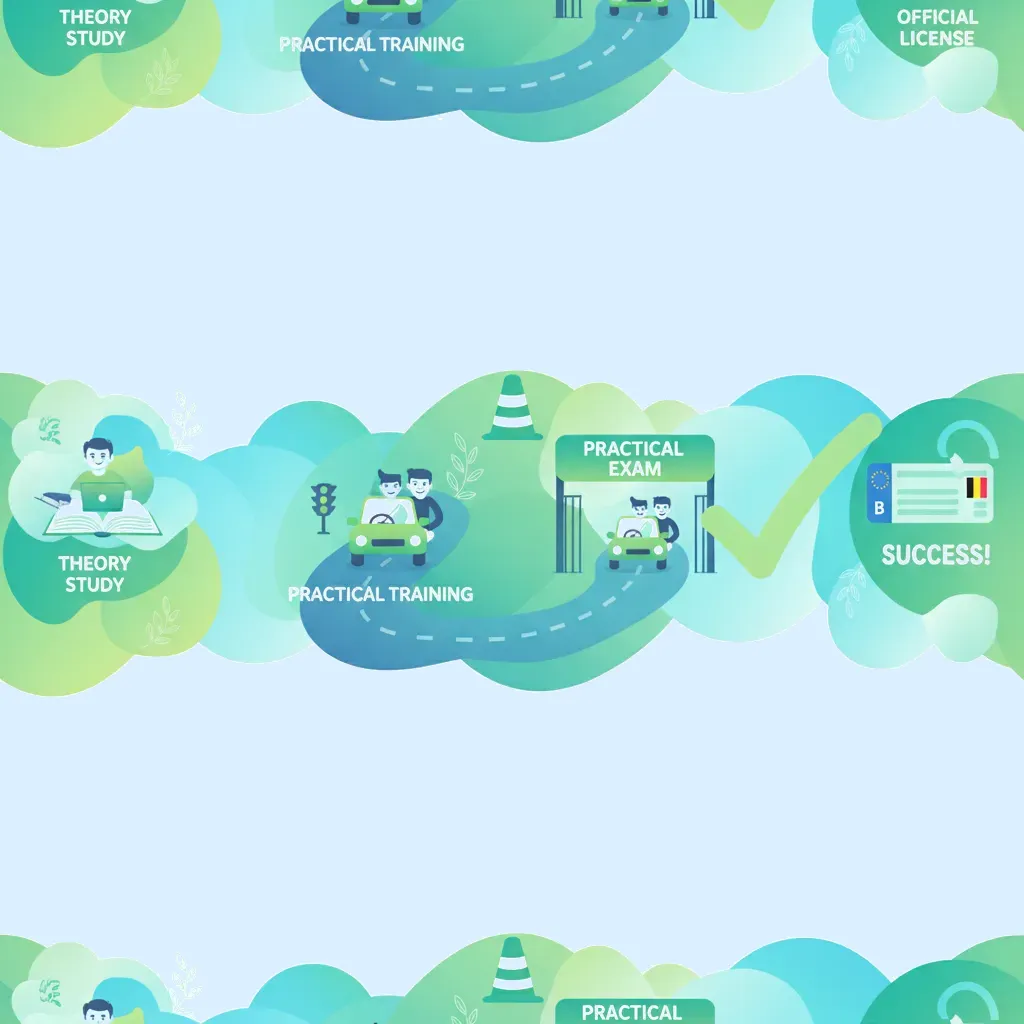
This lesson explains the complete procedure for acquiring a Belgian motorcycle licence, from registering for the theory examination to successfully passing the practical test. It provides a comprehensive list of required documentation, such as identity proof and medical certificates, and clarifies the associated fees. You will also learn about the progression routes available for moving from A1 to A2 and ultimately to a full Category A licence.

Overtaking safely is a critical driving skill. This lesson explains where and how overtaking is permitted in Belgium, the importance of correct signaling, and maintaining a sufficient speed differential. Learners will understand the rules for passing on motorways and single-carriageway roads, and how to identify zones where overtaking is prohibited.

This lesson provides a clear definition of the Category AM license as specified by Belgian law. It details the specific types of vehicles covered, such as mopeds, light quadricycles, and speed pedelecs, outlining their legal limits on engine capacity and maximum speed. Learners will understand the permissions granted by an AM license and the specific context of their participation in public traffic as motor vehicle operators.
This lesson focuses on basic manoeuvres, covering the proper use of indicators, safe lane positioning, and correct steering for turns. Learners will study the importance of checking blind spots and maintaining appropriate speed for a smooth transition when changing lanes. It also addresses turning at intersections and signaling intentions clearly to other road users.
This lesson covers the specific challenges of driving on motorways, rural roads, and navigating roadworks. Learners will review lane discipline on high-speed roads and identify hazards common to rural roads, such as sharp bends and wildlife. It also explains the importance of adjusting speed and following temporary signage in construction zones.
Navigate the complete two-part examination process for your Belgian Category B licence. Learn about the theoretical test content, practical driving assessment, and what examiners look for to ensure success.
This lesson explains the complete procedure for acquiring a Belgian motorcycle licence, from registering for the theory examination to successfully passing the practical test. It provides a comprehensive list of required documentation, such as identity proof and medical certificates, and clarifies the associated fees. You will also learn about the progression routes available for moving from A1 to A2 and ultimately to a full Category A licence.
Overtaking safely is a critical driving skill. This lesson explains where and how overtaking is permitted in Belgium, the importance of correct signaling, and maintaining a sufficient speed differential. Learners will understand the rules for passing on motorways and single-carriageway roads, and how to identify zones where overtaking is prohibited.
This lesson provides a detailed overview of the Belgian motorcycle licence framework, explaining the distinctions between categories A1, A2, and the full A licence. It outlines the specific age and skill prerequisites for each level of certification. Furthermore, it covers the mandatory legal requirements such as obtaining a medical certificate, securing proper insurance, and completing the vehicle registration process.
This lesson details the spectrum of obligations that apply to drivers, from basic compliance with traffic signs to responsibilities like vehicle upkeep and accident reporting. Learners will understand the importance of maintaining a vehicle in a roadworthy condition. It also covers the legal expectations for safe driving practices, including the use of safety equipment.
This lesson focuses on basic manoeuvres, covering the proper use of indicators, safe lane positioning, and correct steering for turns. Learners will study the importance of checking blind spots and maintaining appropriate speed for a smooth transition when changing lanes. It also addresses turning at intersections and signaling intentions clearly to other road users.
This lesson covers the specific challenges of driving on motorways, rural roads, and navigating roadworks. Learners will review lane discipline on high-speed roads and identify hazards common to rural roads, such as sharp bends and wildlife. It also explains the importance of adjusting speed and following temporary signage in construction zones.
This lesson provides a clear definition of the Category AM license as specified by Belgian law. It details the specific types of vehicles covered, such as mopeds, light quadricycles, and speed pedelecs, outlining their legal limits on engine capacity and maximum speed. Learners will understand the permissions granted by an AM license and the specific context of their participation in public traffic as motor vehicle operators.
This lesson outlines the complete process for obtaining a Category AM license in Belgium, starting with the minimum age and health requirements. It details the sequence of theoretical and practical exams that candidates must pass to demonstrate their competence. The content also explains the administrative procedures for vehicle registration and securing mandatory insurance, ensuring all legal prerequisites are understood before riding.
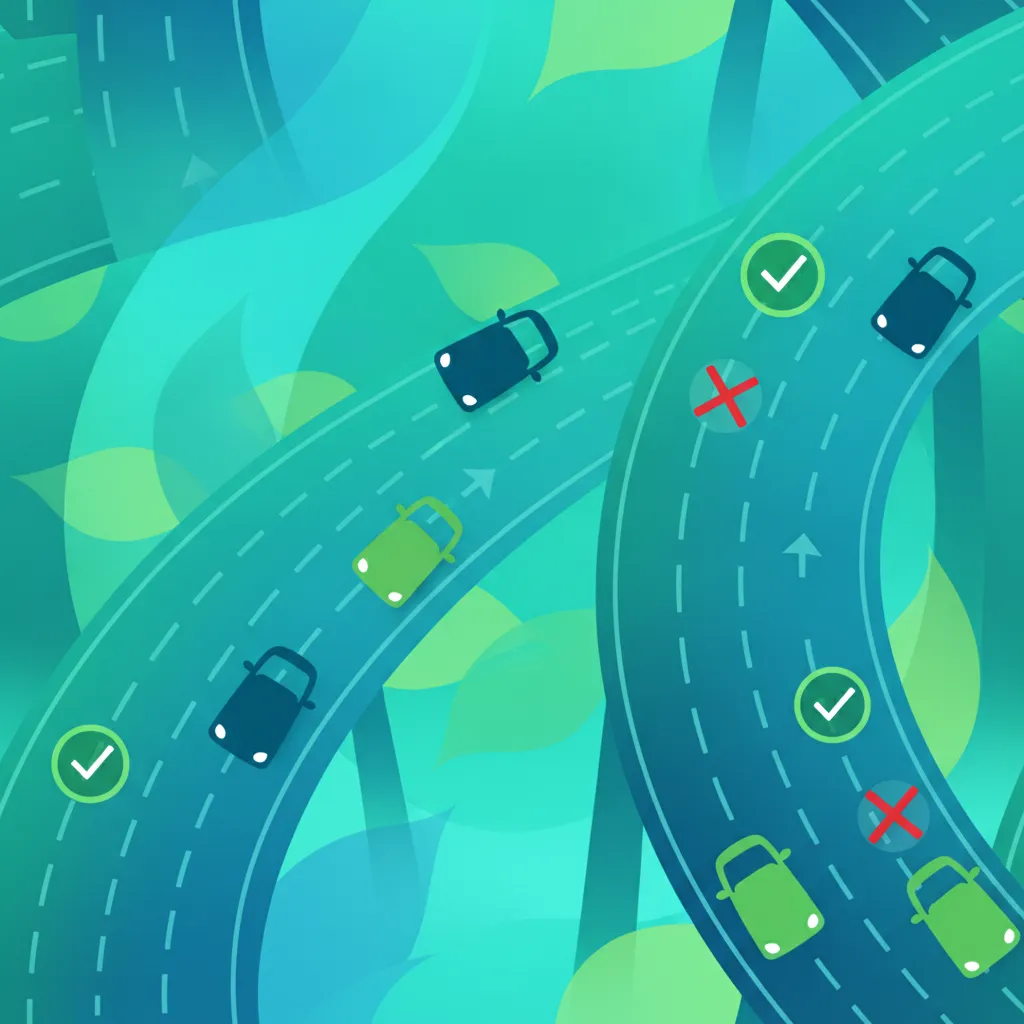
The focus of this lesson is on maintaining proper lane discipline, especially on motorways and other high-speed roads. Learners will explore the rules for changing lanes, overtaking, and positioning in the correct lane based on speed and traffic flow. Emphasis is placed on safe merging techniques and adherence to all lane markings for fluid traffic movement.
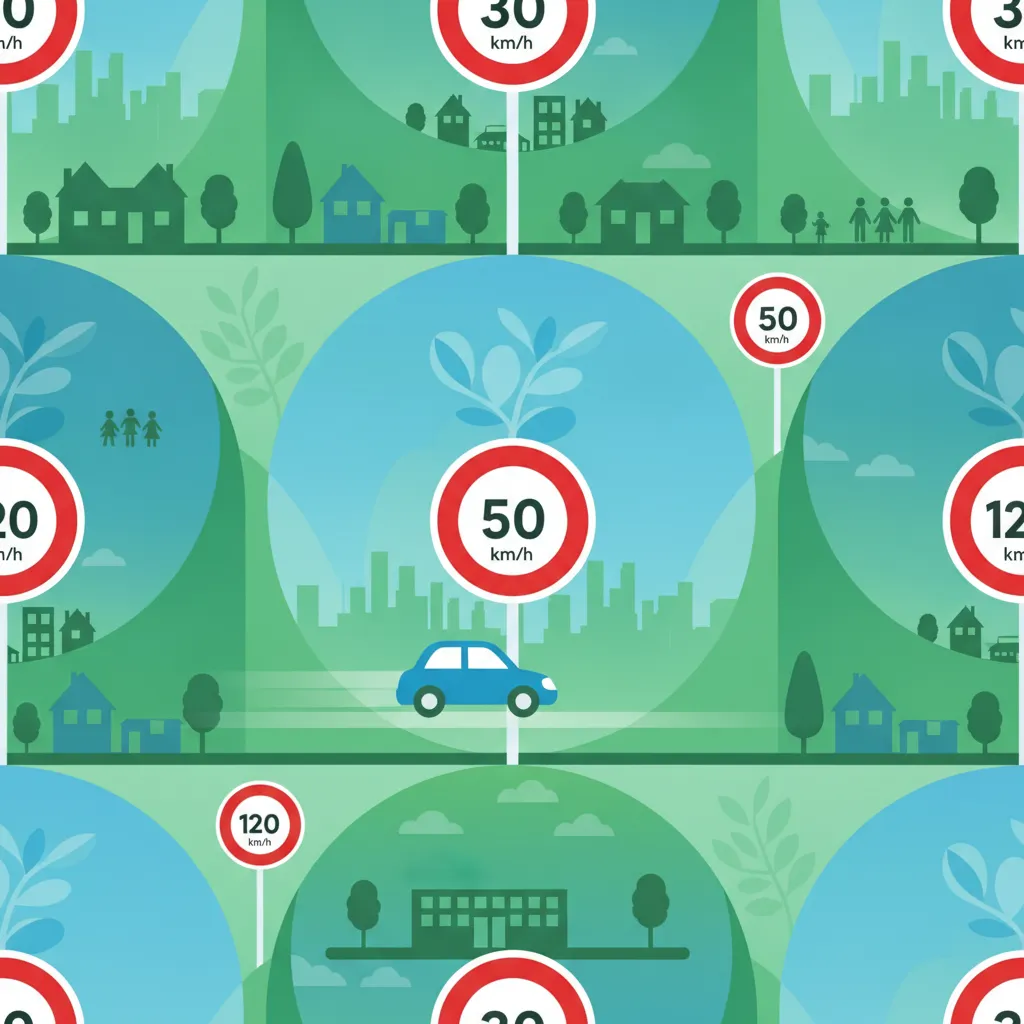
This lesson outlines the specific speed limits applicable in various zones, such as residential areas, rural roads, and motorways in Belgium. Learners will recognize different speed limit signs and understand the rationale behind the speed settings. The lesson also covers variable speed limits and the importance of adjusting speed to road and traffic conditions.
Find clear answers to common questions learners have about Licence Requirements and Legal Framework. Learn how the lesson is structured, which driving theory objectives it supports, and how it fits into the overall learning path of units and curriculum progression in Belgium. These explanations help you understand key concepts, lesson flow, and exam focused study goals.
You can take the official theoretical exam for a Category B licence once you have reached the age of 17. Successful completion of this exam is a prerequisite for your practical training.
Yes, all applicants must meet minimum physical and mental health standards. If you have specific medical conditions, you may need a medical assessment to ensure you are fit to operate a vehicle safely.
The process involves a theoretical examination covering traffic rules and signs, followed by a practical examination. Both must be passed according to the official Belgian legal framework to obtain your full licence.
Yes, a successful result for the theoretical exam is valid for a specific period, usually 3 years in Belgium. You must complete your practical training and pass the practical exam within this timeframe.
Ready to focus your Belgian driving theory revision? Utilize our powerful search tool to pinpoint exact topics, road signs, or difficulty levels. Engage with practice questions that directly address your learning needs and solidify your understanding of Belgian traffic laws for your upcoming exam.