
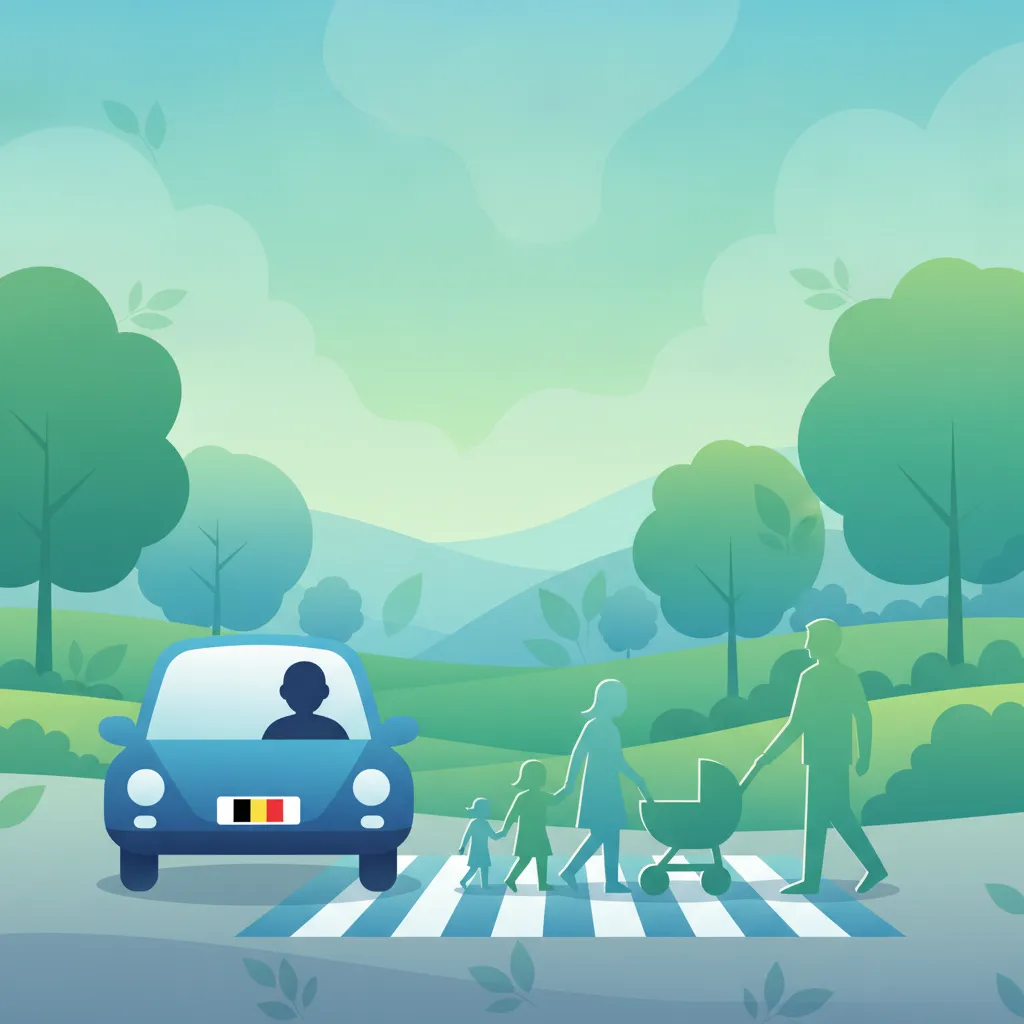
This lesson explores the essential social norms and ethical responsibilities that govern driving on Belgian roads. It builds upon the legal foundation of Category B licensing to help you become a respectful, defensive, and cooperative driver. By mastering these principles, you will be better prepared for both the theoretical exam and real-world traffic interactions.
Lesson content overview
Driving on Belgian roads involves more than simply knowing the rules; it requires a deep understanding of ethics, courtesy, and cooperation. This lesson explores the moral principles that guide driver behavior beyond legal obligations, focusing on fostering a responsible and harmonious traffic environment for everyone. By embracing ethical driving, you contribute to greater safety, smoother traffic flow, and mutual respect among all road users.
Ethical driving refers to the moral principles that should guide a driver's actions, even when not explicitly mandated by law. It involves showing consideration for other road users, respecting shared road space, and taking proactive measures to enhance overall safety. This approach goes beyond mere compliance, aiming to cultivate a cooperative traffic culture that minimizes conflict and reduces the likelihood of accidents.
The underlying logic is that road safety is a collective effort. It's not solely dependent on strict adherence to regulations, but also on good manners, mutual respect, and the ability to anticipate others' actions. Ethical driving underpins many legal provisions and priority rules, turning them into practical habits that create safer conditions for pedestrians, cyclists, motorcyclists, and other motorists.
Courtesy in driving is defined as polite and considerate behavior towards other road users. It signifies showing respect and understanding in various shared traffic situations, contributing significantly to a less stressful and safer driving experience. This considerate approach helps to reduce tension on the roads, prevents many potential accidents, and promotes a smoother, more predictable flow of traffic for all.
Drivers demonstrate courtesy by actively yielding when appropriate, even when not legally obliged to do so, if it enhances safety or traffic flow. It also means using signals consistently to clearly indicate intentions, allowing others ample time to react. Avoiding aggressive behavior, such as tailgating or excessive horn usage, is another critical aspect of courteous driving that helps maintain a calm and predictable environment.
Yielding means giving the right of way to another road user, allowing them to proceed before you. While formal priority rules dictate many yielding situations, courtesy often involves yielding even when not legally required. This might occur to prevent conflict, de-escalate a tense situation, or simply to be helpful, such as allowing another driver to merge into a busy lane. Understanding that the legal right of way should sometimes be waived for safety or courtesy is a hallmark of an ethical driver.
The legal entitlement for a specific road user to proceed before others in a particular situation.
A fundamental principle of ethical driving in Belgium is the proactive protection and accommodation of vulnerable road users. These individuals, including pedestrians, cyclists, and motorcyclists, are less protected in the event of a collision and therefore require extra vigilance and care from drivers of larger, more protective vehicles. Drivers bear a greater responsibility to ensure their safety through awareness, patience, and adapting their driving behavior.
Pedestrians are the most vulnerable group, often sharing road space with vehicles. Drivers must always be prepared for unpredictable movements, especially around schools, residential areas, and commercial zones. At designated pedestrian crossings, drivers must always yield, allowing pedestrians to cross safely and without feeling rushed. Making eye contact can help confirm intentions and enhance safety.
Cyclists are common on Belgian roads and are significantly more exposed than vehicle occupants. Drivers have a clear ethical and legal responsibility to provide them with ample space. This includes maintaining a safe lateral distance when overtaking and being extra cautious at intersections, where cyclists' presence can sometimes be overlooked. Anticipating a cyclist's path and potential need to swerve to avoid obstacles is also crucial.
Motorcyclists, while motorized, are also vulnerable due to their lack of protective enclosure. Their smaller profile can make them harder to spot, especially in blind spots or poor visibility. Drivers should actively look for motorcycles, particularly when changing lanes, turning, or entering traffic. Maintaining safe following distances and acknowledging their presence helps prevent accidents.
Certain groups of vulnerable road users require even greater attention. Children, due to their unpredictable behavior and smaller stature, may not fully understand traffic risks. Drivers should drastically reduce speed and be prepared to stop instantly in areas where children might be present, such as near playgrounds or schools. Elderly pedestrians or cyclists may have reduced mobility or reaction times, necessitating increased patience and space from drivers.
Responsibility and accountability define the ethical duty of drivers to act safely and take ownership of their role in maintaining road safety. This principle encourages self-regulation, discourages risky behavior, and fosters a culture where all drivers understand the significant impact their actions have on others. It means not only complying with laws but also consistently choosing the safest and most considerate course of action.
Personal accountability in driving means accepting responsibility for your actions and their consequences. It involves being mindful of how your driving affects other road users and proactively working to prevent accidents. This mindset shifts the focus from merely avoiding blame to actively contributing to a safe environment, such matter-of-factly acknowledging when you could have acted differently to improve a situation.
While not directly about your own driving, an aspect of responsibility can extend to the larger driving community. If you witness dangerous or reckless behavior that poses a significant threat, reporting it to the appropriate authorities can be a responsible act. This contributes to overall road safety by helping to address patterns of dangerous driving and reinforcing the importance of safe conduct for all.
Many traffic regulations in Belgium are designed not just for order, but to actively promote courtesy and safeguard vulnerable road users. Understanding the ethical rationale behind these rules enhances their application and effectiveness.
In Belgium, drivers are legally required to yield to pedestrians at marked zebra crossings, also known as pedestrian crossings. This rule applies universally, regardless of other traffic conditions, and is crucial for pedestrian safety. It is an act of both legal compliance and ethical courtesy, ensuring pedestrians can cross without fear.
When approaching a zebra crossing, drivers must slow down and be prepared to stop if a pedestrian is waiting to cross or is already on the crossing. Failing to do so can result in serious injury and carries significant penalties.
When overtaking a cyclist on any Belgian road, drivers are legally obligated to maintain a minimum lateral clearance of 1.5 meters. This mandatory distance is vital because it provides cyclists with a necessary safety buffer, protecting them from side-swipes, wind blast from the vehicle, and allowing them space to react to road hazards. On faster roads or in poor visibility, an even greater distance is advisable.
Always assess if there is enough space to safely overtake a cyclist while maintaining the 1.5-meter clearance. If not, wait patiently until it is safe to do so.
The use of turn signals (indicators) for lane changes, turns, and even significant speed reductions (e.g., using brake lights early) is not just a legal requirement but a fundamental act of courtesy. Signals communicate your intentions to other road users, allowing them to anticipate your actions and react safely. This simple act reduces uncertainty, prevents confusion, and contributes to a smoother flow of traffic.
Adhering strictly to posted speed limits is paramount, especially in areas with high pedestrian or cyclist traffic. Belgian law often reduces speed limits in residential zones, school zones, and city centers (e.g., to 30 km/h or even 20 km/h in shared zones, zones de rencontre / woonerf). These lower speeds significantly improve a driver's reaction time and reduce stopping distances, thereby mitigating the severity of potential accidents involving vulnerable road users. Ethical drivers understand that these limits are not arbitrary but are set for collective safety.
Blocking an intersection, even momentarily, is illegal and highly discourteous. It can cause gridlock, frustrate other drivers, and increase the risk of rear-end collisions. Drivers should always assess if they can clear an intersection completely before entering it, especially in heavy traffic. If traffic ahead is stopped and there isn't enough space, wait patiently outside the intersection until you can proceed safely through and exit.
Even experienced drivers can sometimes fall into habits that compromise courtesy and safety. Recognizing these common violations is the first step towards avoiding them.
One of the most frequent violations is failing to yield to pedestrians at designated crossings or when merging. This often stems from impatience, distraction, or a lack of awareness of the pedestrian's intent. The consequence can be severe pedestrian injuries. To prevent this, always approach crossings with caution, scan for pedestrians, and be prepared to stop. Prioritise safety over saving a few seconds.
Overtaking cyclists too closely is a major cause of accidents, including side-swipes or causing cyclists to lose balance. This often occurs due to misjudging speed, space, or impatience. Always ensure you have a clear view and sufficient lateral distance (1.5 meters minimum) before initiating an overtake. If conditions do not allow it, wait behind the cyclist.
Abrupt lane changes or turns without proper signaling create confusion and increase collision risk, as other drivers or vulnerable road users cannot anticipate your actions. This can be caused by inattention or aggressive driving. Always signal your intentions well in advance, giving others ample time to react safely and smoothly.
As discussed, entering an intersection without sufficient space to clear it leads to gridlock and frustration. This is often due to misjudging traffic speed or length. To avoid this, always check the traffic situation on the other side of the intersection before entering. If it's congested, wait behind the white line.
Driving too close to the vehicle ahead (tailgating) reduces your reaction time and increases the risk of rear-end collisions. This is particularly dangerous when tailgating vulnerable road users. Aggressive behaviors like excessive horn use, flashing headlights, or rapid acceleration can escalate tension and lead to road rage. Maintain a safe following distance (at least 2 seconds in good conditions) and practice patience.
Ethical driving is not a static concept; it adapts to changing circumstances. Various contextual factors require drivers to adjust their behavior to maintain courtesy and safety.
Adverse weather conditions like rain, fog, snow, or heavy glare significantly reduce visibility and traction. Ethical drivers will increase their following distances, reduce speed, and use appropriate lighting (e.g., dipped beam headlights) to ensure not only their own safety but also the visibility and reaction time of other road users, especially vulnerable ones who are harder to spot.
The type of road dictates necessary adjustments in driving behavior. In residential zones or urban areas with high pedestrian and cyclist traffic, lower speed limits and increased vigilance are essential. On rural roads, where speeds are higher, extra care is needed when encountering pedestrians, cyclists, or farm vehicles, requiring wider overtakes and greater awareness of potential hazards.
The type and state of your vehicle also influence ethical considerations. A heavily loaded vehicle or one towing a trailer requires longer stopping distances, necessitating even greater following distances and more cautious braking. Large vehicles, such as trucks or buses, have significant blind spots, and their drivers rely on other road users to be aware of these limitations. Ethical drivers adapt their behavior around these vehicles, avoiding staying in blind spots.
Driving at night introduces challenges with reduced visibility, making vulnerable road users harder to see. Ethical drivers use their headlights responsibly, avoiding dazzling oncoming traffic or pedestrians. During rush hour, patience and courtesy become even more critical to prevent road rage and maintain traffic flow amidst high congestion.
The consistent practice of ethical driving principles creates a positive ripple effect throughout the entire traffic system. It demonstrably improves safety by reducing accidents, fosters a calmer and more predictable driving environment, and minimizes conflict and stress for all road users. When drivers prioritize courtesy and cooperation, roads become more harmonious, efficient, and ultimately, safer for everyone.
Understanding ethical driving is best achieved through practical application. Here are scenarios demonstrating correct and incorrect behaviors.
Setting: You are driving in an urban street in Belgium and approach a marked zebra crossing. A pedestrian is standing on the pavement, clearly looking to cross.
Rule: Pedestrians have priority at zebra crossings.
Correct behavior: You slow down, bring your vehicle to a complete stop before the white crossing line, and signal with a hand gesture or nod to the pedestrian that it is safe for them to cross. You only proceed once the pedestrian has cleared your lane of travel.
Incorrect behavior: You continue driving, assuming the pedestrian will wait, or slow down only slightly, forcing the pedestrian to wait or rush.
Explanation: Yielding is not just a legal obligation but a fundamental act of courtesy and safety. Pedestrians are vulnerable, and giving them the right of way ensures their safety and builds trust among road users.
Setting: You are driving on a single-lane rural road in Belgium with a posted speed limit of 70 km/h. Ahead of you, a cyclist is riding steadily.
Rule: A minimum overtaking clearance of 1.5 meters must be maintained when passing a cyclist.
Correct behavior: You assess the road ahead for oncoming traffic and potential hazards. When it is safe, you move into the opposite lane, ensuring that there is at least 1.5 meters of space between your vehicle and the cyclist as you pass. You only return to your lane once the cyclist is safely visible in your rearview mirror.
Incorrect behavior: You squeeze past the cyclist, staying within your lane or barely crossing the center line, creating less than 1.5 meters of clearance.
Explanation: Maintaining adequate lateral clearance is crucial. It prevents side-swipe collisions, protects the cyclist from your vehicle's slipstream, and allows them space to react to road conditions. Impatient or close overtaking endangers the cyclist significantly.
Ethics and road courtesy are cornerstones of a safe and harmonious driving environment on Belgian roads. By embracing principles of politeness, cooperation, and personal responsibility, drivers contribute to a culture that values mutual respect and prioritizes the well-being of all road users, especially the most vulnerable. These ethical considerations complement legal requirements, creating a comprehensive framework for safe and confident driving.
This lesson covers the ethical and courteous behavior expected of drivers on Belgian roads, moving beyond legal compliance to foster cooperative driving habits. It emphasizes protecting vulnerable road users—pedestrians, cyclists, motorcyclists, children, and elderly—through vigilance, appropriate speed, and spatial awareness. Key Belgian rules include the mandatory 1.5-meter cyclist overtaking clearance and yielding requirements at zebra crossings. The lesson also addresses practical scenarios where courtesy prevents accidents, such as managing intersections, signaling intentions clearly, and maintaining safe following distances. Understanding these principles prepares learners for the situational awareness questions in the Belgian Category B theory exam while promoting a safer driving culture.
A short set of high-value points that capture the most important learning from this lesson.
Ethical driving extends legal obligations by promoting courtesy, cooperation, and proactive safety measures that benefit all road users.
Vulnerable road users—pedestrians, cyclists, motorcyclists, children, and elderly—require extra vigilance and space from drivers due to their increased risk in collisions.
In Belgium, a minimum lateral clearance of 1.5 meters is legally required when overtaking cyclists on any road.
Drivers must yield to pedestrians at all marked zebra crossings, regardless of other traffic conditions.
Proper signaling and maintaining safe following distances are both legal requirements and fundamental courtesies that prevent accidents.
Explore all units and lessons included in this driving theory course.
When overtaking cyclists, always maintain at least 1.5 meters of lateral clearance—wait if conditions don't allow safe passage.
Approach zebra crossings with caution, slow down, and be prepared to stop completely for pedestrians.
Never enter an intersection unless you can clear it completely to avoid gridlock.
Maintain at least a 2-second following distance in good conditions; increase this for larger vehicles, trailers, or poor weather.
Reduce speed in residential zones, school zones, and zones de rencontre where limits may be 30 km/h or 20 km/h.
Failing to yield at zebra crossings due to impatience or distraction, putting pedestrians at serious risk.
Overtaking cyclists too closely with insufficient lateral clearance, risking side-swipe collisions or causing cyclists to lose balance.
Entering an intersection without confirming space to clear it, contributing to gridlock and blocking cross-traffic.
Making sudden lane changes or turns without signaling, leaving other road users unable to anticipate your actions.
Tailgating or following too closely, which reduces reaction time and increases rear-end collision risk.
Lesson content overview
A short set of high-value points that capture the most important learning from this lesson.
Ethical driving extends legal obligations by promoting courtesy, cooperation, and proactive safety measures that benefit all road users.
Vulnerable road users—pedestrians, cyclists, motorcyclists, children, and elderly—require extra vigilance and space from drivers due to their increased risk in collisions.
In Belgium, a minimum lateral clearance of 1.5 meters is legally required when overtaking cyclists on any road.
Drivers must yield to pedestrians at all marked zebra crossings, regardless of other traffic conditions.
Proper signaling and maintaining safe following distances are both legal requirements and fundamental courtesies that prevent accidents.
Explore all units and lessons included in this driving theory course.
When overtaking cyclists, always maintain at least 1.5 meters of lateral clearance—wait if conditions don't allow safe passage.
Approach zebra crossings with caution, slow down, and be prepared to stop completely for pedestrians.
Never enter an intersection unless you can clear it completely to avoid gridlock.
Maintain at least a 2-second following distance in good conditions; increase this for larger vehicles, trailers, or poor weather.
Reduce speed in residential zones, school zones, and zones de rencontre where limits may be 30 km/h or 20 km/h.
Failing to yield at zebra crossings due to impatience or distraction, putting pedestrians at serious risk.
Overtaking cyclists too closely with insufficient lateral clearance, risking side-swipe collisions or causing cyclists to lose balance.
Entering an intersection without confirming space to clear it, contributing to gridlock and blocking cross-traffic.
Making sudden lane changes or turns without signaling, leaving other road users unable to anticipate your actions.
Tailgating or following too closely, which reduces reaction time and increases rear-end collision risk.
Explore search topics learners often look for when studying Ethics and Road Courtesy. These topics reflect common questions about road rules, driving situations, safety guidance, and lesson level theory preparation for learners in Belgium.
Browse additional driving theory lessons that cover connected traffic rules, road signs, and common driving situations related to this topic. Improve your understanding of how different rules interact across everyday traffic scenarios.
Explore the specific rules and ethical considerations for interacting with pedestrians, cyclists, and motorcyclists on Belgian roads. Understand how to ensure their safety and navigate shared spaces respectfully, as covered in Category B driving theory.
This lesson details a motorcyclist's obligations when approaching various types of crossings, including marked pedestrian and bicycle lanes. It emphasizes the legal requirement to yield to vulnerable road users and the importance of thorough visual checks before proceeding. You will learn how to maintain a safe distance and anticipate the movements of pedestrians and cyclists in urban areas.
This lesson examines the interactions between private vehicles and public transport, focusing on buses and trams. Learners will understand the priority rules for these vehicles, recognizing dedicated lanes and stopping positions. Special considerations for motorcyclists, school buses, and other vulnerable users are also discussed to ensure safe coexistence.
This lesson focuses on the heightened awareness required when approaching and traversing pedestrian and cyclist crossings. It clarifies the legal rules, including the absolute priority of pedestrians on zebra crossings, and the importance of reducing speed. Riders will learn how to anticipate the movements of these vulnerable road users and position their vehicle to ensure a safe interaction.
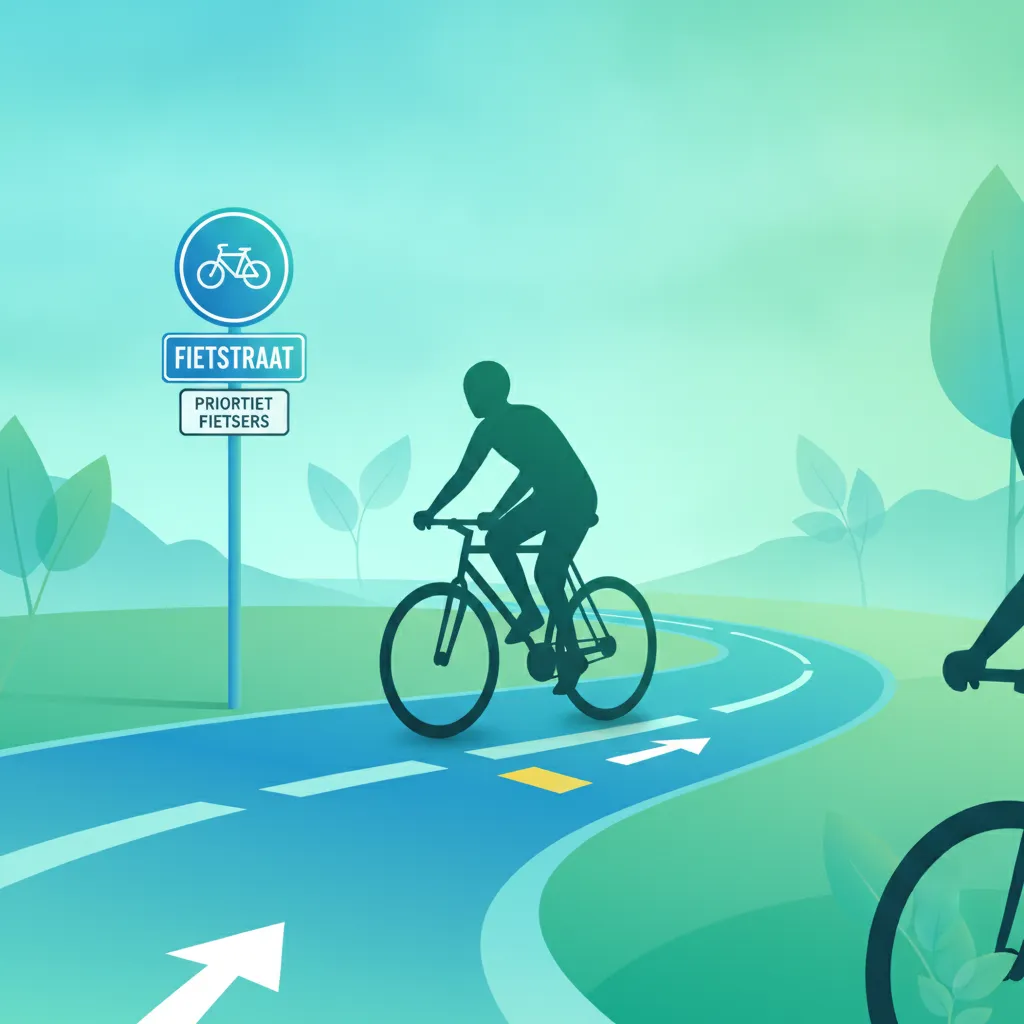
Cyclists are a significant part of Belgian traffic, and this lesson explores the rules and infrastructure that support safe cycling. Learners will study dedicated bicycle lanes, bicycle streets, and where cyclists have priority. The lesson also covers safe overtaking distances and the importance of anticipating cyclist movements.
This lesson covers the specific challenges of driving on motorways, rural roads, and navigating roadworks. Learners will review lane discipline on high-speed roads and identify hazards common to rural roads, such as sharp bends and wildlife. It also explains the importance of adjusting speed and following temporary signage in construction zones.
This lesson focuses on the rules governing pedestrian crossings, including marked zebra crossings and signal-controlled crossings. Special attention is given to school zones and residential areas where pedestrian activity is high. Learners will understand how to recognize and respect pedestrian priority in various crossing scenarios to ensure their safety.
This lesson teaches motorcyclists how to safely navigate mixed traffic environments that include cars, buses, and trams. It highlights the significant blind spots of larger vehicles and explains the absolute priority of trams on their tracks. You will learn the rules for sharing space with public transport and how to maintain safe distances when following or overtaking buses.
This lesson explains the concept of strategic road positioning to enhance safety and visibility. It teaches riders how to select the best position within a lane to be seen by other drivers and to have a good view of the road ahead. A key focus is on identifying and staying out of the large blind spots of cars, vans, and trucks to prevent dangerous situations.
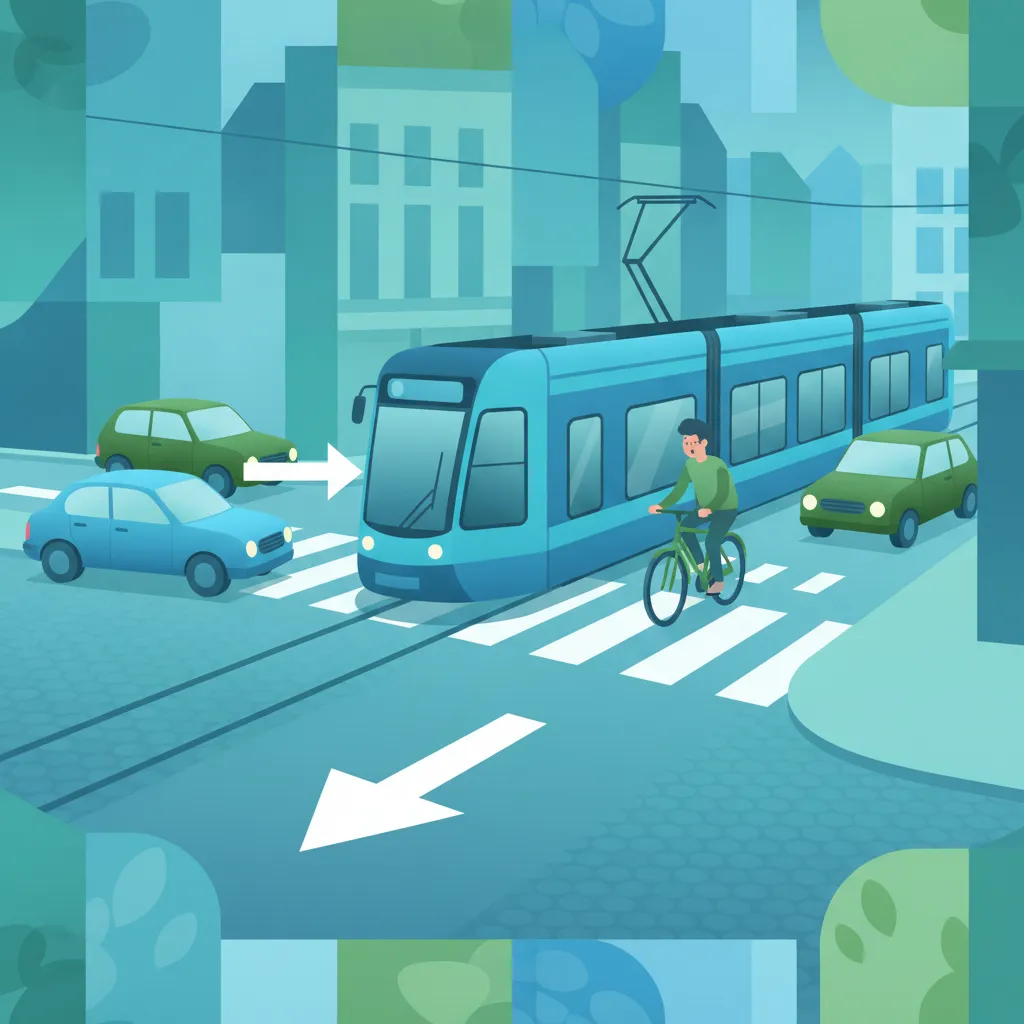
This lesson delves into the complex priority rules that govern Belgian roadways, with a strong focus on the default 'priority from the right' principle. It explains how to interpret priority signs, such as 'give way' and 'stop', and apply the correct right-of-way at various types of junctions. You will learn the hierarchy of road users and the specific rules for yielding in different traffic scenarios.
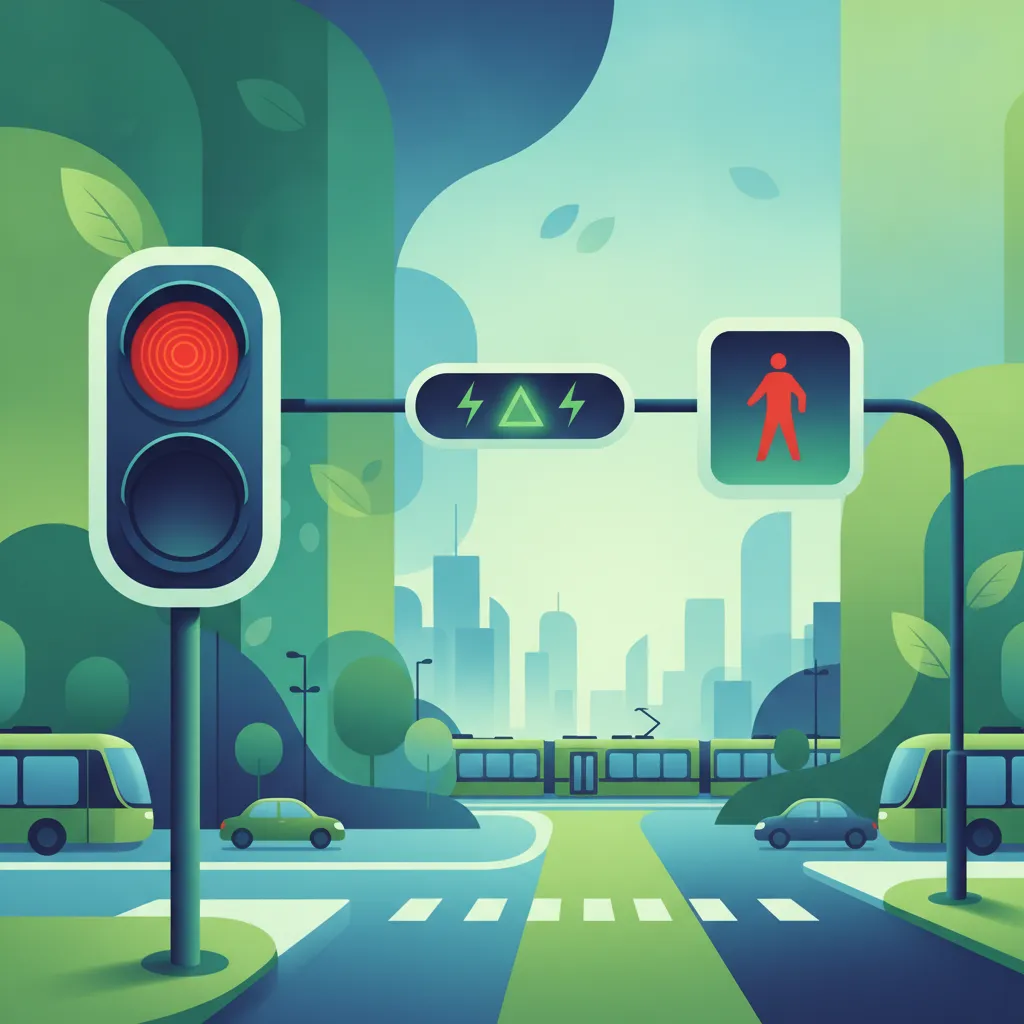
This lesson examines the operation of traffic light systems in Belgium, clarifying the meaning of red, amber, and green signals, including flashing lights and directional arrows. It details a motorcyclist's legal obligations when approaching and navigating signal-controlled intersections. The content also addresses specialized signals for pedestrians and trams that riders must recognize and respond to correctly.
Understand typical lapses in road courtesy and ethical driving behavior faced by learners, such as improper yielding or insufficient overtaking clearance. Learn how to prevent these mistakes to improve safety and traffic flow according to Belgian regulations.

This lesson provides detailed guidance on navigating various intersections, focusing on yielding behaviors at give way signs and mandatory stops at stop signs. Learners will explore how traffic lights override other priority rules and the importance of granting right-of-way to pedestrians and cyclists. The lesson emphasizes safe crossing procedures and correct yielding.
Overtaking safely is a critical driving skill. This lesson explains where and how overtaking is permitted in Belgium, the importance of correct signaling, and maintaining a sufficient speed differential. Learners will understand the rules for passing on motorways and single-carriageway roads, and how to identify zones where overtaking is prohibited.
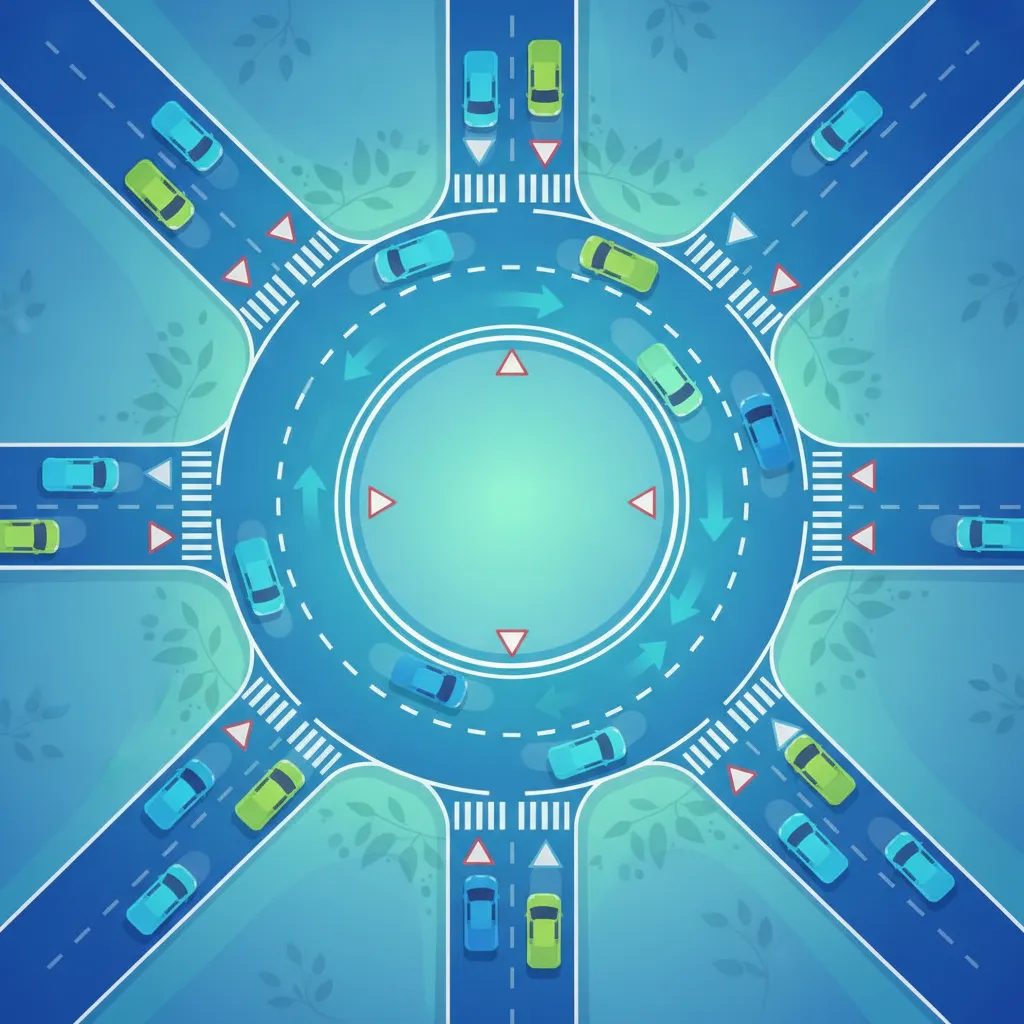
Roundabouts are a key feature of Belgian traffic management. This lesson explains how to approach, enter, navigate, and exit a roundabout safely, with a focus on yielding priority to traffic already circulating. Learners will also study correct lane positioning on multi-lane roundabouts and the appropriate use of signals.
This lesson focuses on the rules governing pedestrian crossings, including marked zebra crossings and signal-controlled crossings. Special attention is given to school zones and residential areas where pedestrian activity is high. Learners will understand how to recognize and respect pedestrian priority in various crossing scenarios to ensure their safety.
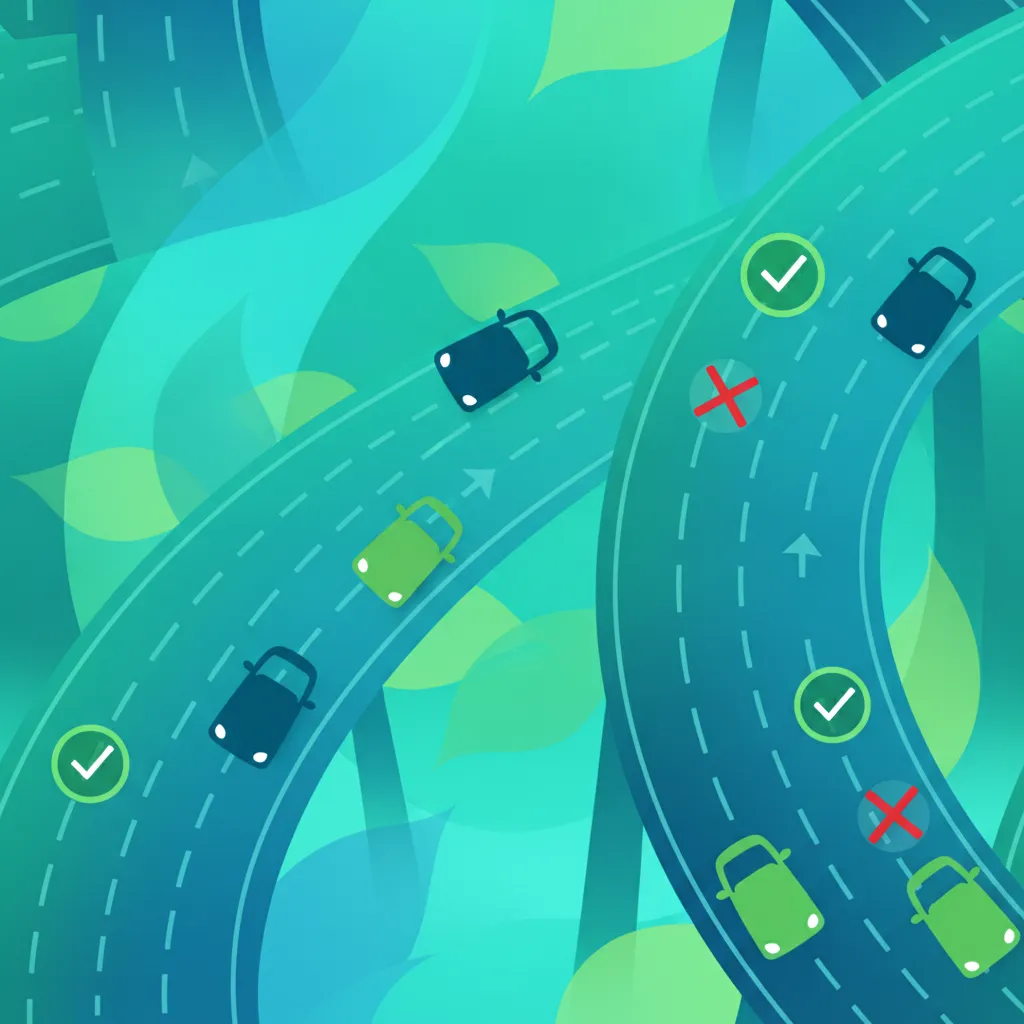
The focus of this lesson is on maintaining proper lane discipline, especially on motorways and other high-speed roads. Learners will explore the rules for changing lanes, overtaking, and positioning in the correct lane based on speed and traffic flow. Emphasis is placed on safe merging techniques and adherence to all lane markings for fluid traffic movement.
This lesson covers the specific challenges of driving on motorways, rural roads, and navigating roadworks. Learners will review lane discipline on high-speed roads and identify hazards common to rural roads, such as sharp bends and wildlife. It also explains the importance of adjusting speed and following temporary signage in construction zones.
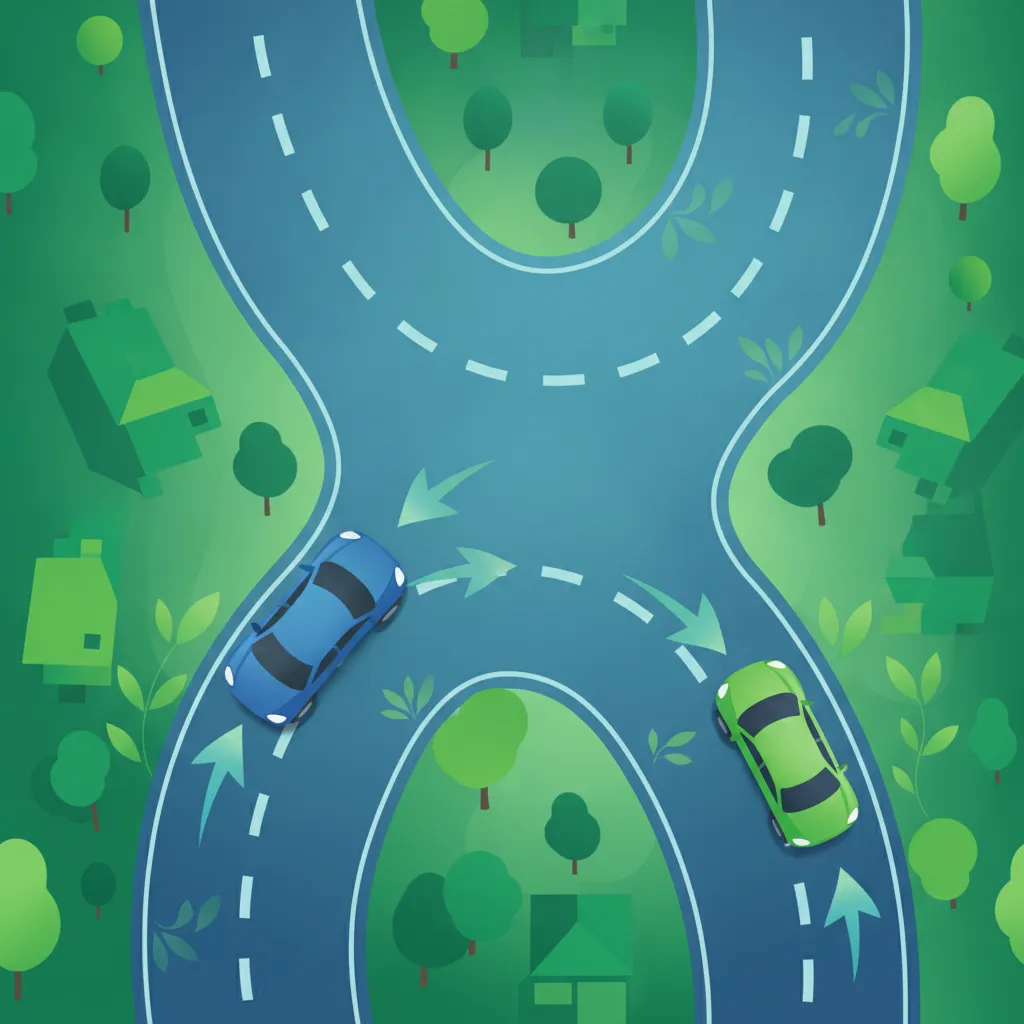
This lesson focuses on basic manoeuvres, covering the proper use of indicators, safe lane positioning, and correct steering for turns. Learners will study the importance of checking blind spots and maintaining appropriate speed for a smooth transition when changing lanes. It also addresses turning at intersections and signaling intentions clearly to other road users.
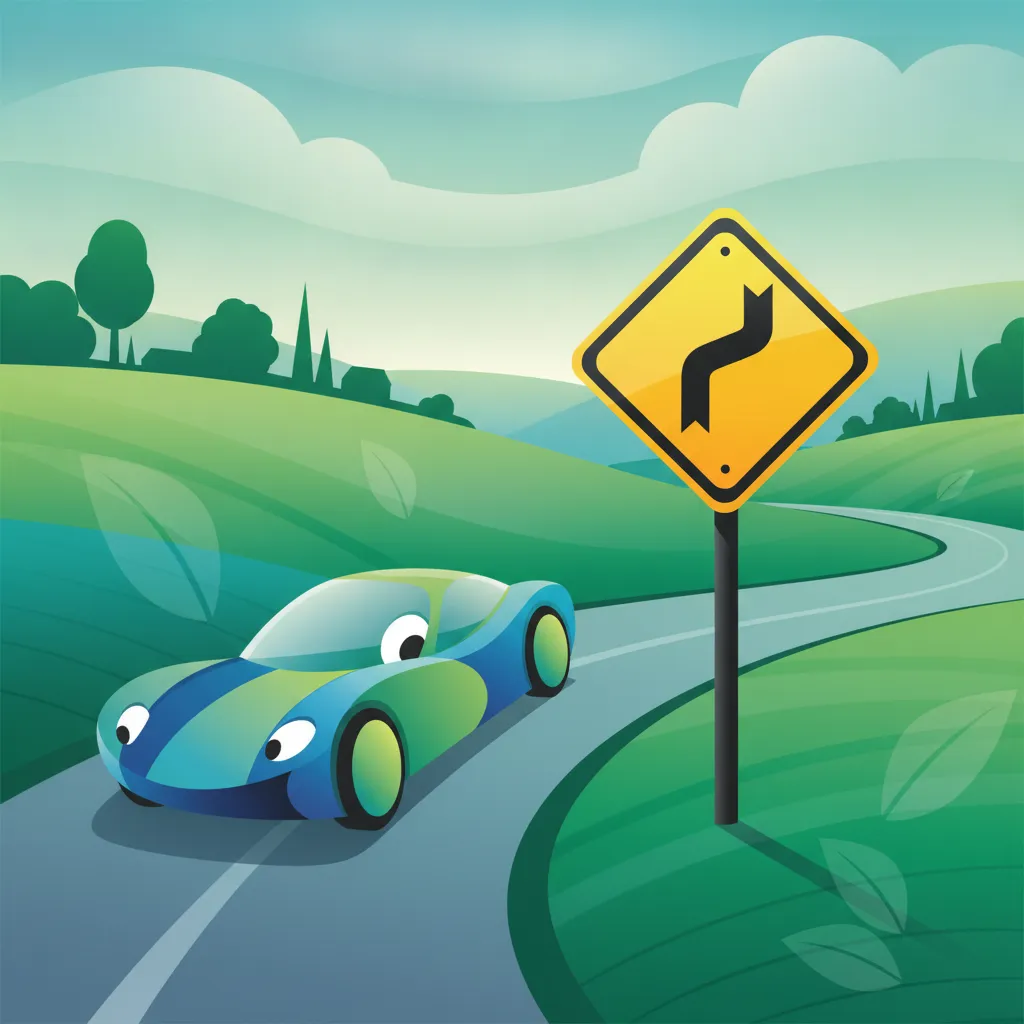
This lesson focuses on warning signs designed to alert drivers to potential hazards ahead. Topics include warnings for sharp curves, steep gradients, slippery surfaces, and zones with high pedestrian or wildlife activity. Learners will understand how to correctly interpret these signs and adjust their driving behavior to maintain safety on the road.
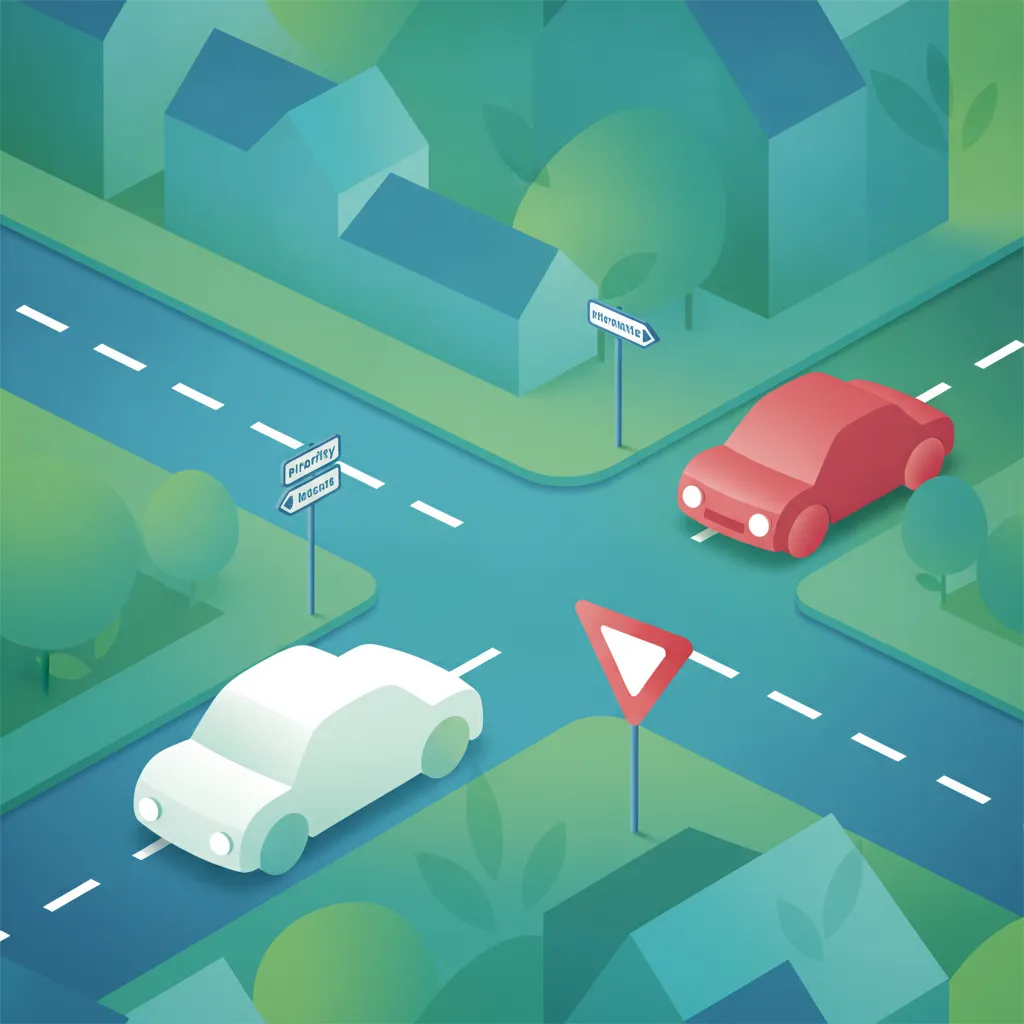
This lesson focuses on the distinction between the default priority from the right and designated priority roads, explaining how drivers should yield or proceed. Learners will discover the specific signs that indicate a priority road and when that priority ends. Understanding these concepts is essential for predictable and safe road use at intersections.

This lesson provides specific instructions for navigating roundabouts, a common feature on Belgian roads. It covers the rules of priority upon entry, the correct lane choice based on the intended exit, and the proper use of signals. Learners will understand how to safely circulate and exit, while being mindful of other vehicles, particularly larger ones with significant blind spots.
Find clear answers to common questions learners have about Ethics and Road Courtesy. Learn how the lesson is structured, which driving theory objectives it supports, and how it fits into the overall learning path of units and curriculum progression in Belgium. These explanations help you understand key concepts, lesson flow, and exam focused study goals.
The exam tests your ability to handle complex social interactions on the road where the law might be ambiguous. Demonstrating courtesy and defensive driving is essential for accident prevention.
No, legal traffic rules always take precedence. Courtesy and ethics apply when navigating situations where the law allows for flexibility or where human interaction is required to ensure safety.
It prepares you for situational questions that require you to identify the safest and most responsible action in a given traffic scenario, often involving vulnerable road users or congestion.
Ready to focus your Belgian driving theory revision? Utilize our powerful search tool to pinpoint exact topics, road signs, or difficulty levels. Engage with practice questions that directly address your learning needs and solidify your understanding of Belgian traffic laws for your upcoming exam.