
This lesson explores the legal significance of road surface markings in Belgium, a fundamental skill for your Category B licence. By understanding how lines, arrows, and symbols dictate your position on the road, you will be better prepared to handle complex traffic situations safely. This knowledge serves as the bridge between theoretical road rules and practical, real-world lane discipline.
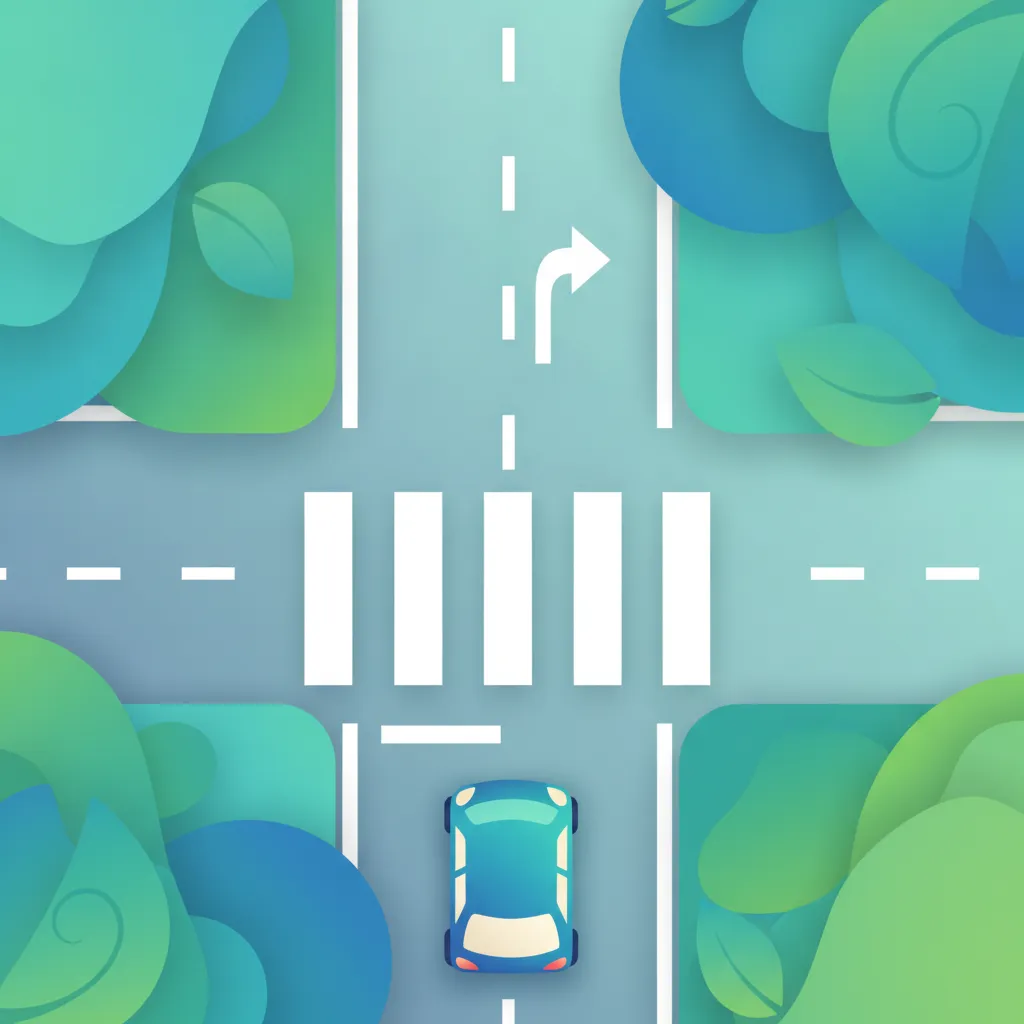
Lesson content overview
Road surface markings are critical visual cues painted directly onto the road, serving as a silent language that guides drivers, cyclists, and pedestrians. For anyone seeking a Belgian Category B driving licence, a thorough understanding of these markings is not just recommended, it's absolutely essential. They provide instant instructions, define legal boundaries, and ensure the smooth and safe flow of traffic across Belgium's diverse road network.
This comprehensive lesson will delve into every major type of road surface marking you'll encounter, explaining their shapes, colors, and precise legal meanings. Mastery of this topic is fundamental for maintaining correct lane discipline, executing safe overtaking maneuvers, and navigating special zones such as pedestrian areas, bus lanes, and tramways with confidence and legality.
Road surface markings are integral to traffic safety and efficiency. They complement road signs and traffic lights, often reinforcing or providing more granular instructions about permissible actions on a specific stretch of road. By clearly delineating lanes, indicating stopping points, and reserving certain areas for particular road users, markings significantly reduce ambiguity and the potential for collisions. For new drivers, they build a foundational understanding of how to position their vehicle, when to stop, and where they are permitted to travel, especially in complex urban environments or during challenging driving conditions.
To effectively interpret and respond to road markings, it's crucial to understand the core principles governing their design and application in Belgium. These principles ensure consistency, clarity, and legal enforceability.
Road markings are engineered to be highly visible under various lighting and weather conditions, from bright sunshine to heavy rain and dim twilight. Their strategic placement and the materials used are chosen to maximize contrast against the road surface. This ensures that drivers can rapidly recognize and interpret the instructions they convey, allowing for timely decision-making. Consistency in design across all roads minimizes confusion, promoting a uniform understanding among all road users.
The consistent use of specific colors and shapes is a universal principle for road markings. In Belgium, white and yellow are the primary colors used, each carrying distinct legal implications. White markings generally indicate traffic flow, lane separation, and permissible maneuvers, while yellow markings often denote temporary situations, special restrictions, or priority for certain vehicles (like buses). Standardized shapes, such as lines, arrows, and symbols, allow for intuitive understanding of instructions and restrictions, regardless of the driver's background.
Every road surface marking carries a legal meaning, making them legally binding instructions. Non-compliance with these markings is a traffic violation and can result in penalties, including fines and potential points on a driving licence. It's imperative for drivers to remember that these markings are not merely suggestions but direct commands that dictate permissible vehicle behavior in specific zones or scenarios. Understanding their legal authority reinforces the importance of strict adherence for safety and legal compliance.
Longitudinal lines are painted parallel to the direction of traffic flow and are among the most common and critical markings. They primarily govern lane discipline, overtaking, and lane changes.
A solid white line indicates a strict lane boundary. Crossing a solid white line is generally prohibited. This rule helps maintain orderly traffic flow and prevents dangerous maneuvers such as improper overtaking or cutting across lanes. You must not drive on, cross, or straddle a solid white line, except in very specific circumstances, such as:
A broken white line separates traffic lanes where overtaking or lane changes are generally allowed. This marking signals to drivers that, provided it is safe to do so, they may cross the line to overtake a slower vehicle or switch lanes. However, permission to cross does not equate to a right to cross. Drivers must always exercise caution, ensure clear visibility, check mirrors, signal intentions, and verify that the maneuver can be completed without endangering themselves or others. Factors like blind spots, oncoming traffic, and road conditions must always be considered.
When you encounter two parallel solid white lines, it signifies an absolute prohibition on crossing for traffic in both directions. This marking is typically found on roads where overtaking would be extremely dangerous due to limited visibility (e.g., on blind curves or near crests of hills) or high-risk areas like tunnels or approaches to major intersections. You must not cross these lines under any circumstances, even to overtake.
A combined marking, consisting of a solid white line alongside a broken white line, indicates variable permissions depending on which line is closer to your lane.
This type of marking is common on roads where overtaking is permissible for traffic in one direction but unsafe or restricted for traffic in the opposite direction. Always pay close attention to which line is adjacent to your lane.
Edge lines, also known as roadside edge lines, mark the outer boundary of the drivable road surface. They help drivers stay within their lane and understand the physical limits of the road.
Transverse markings are painted perpendicular to the direction of traffic flow and often relate to intersections, crossings, and mandatory stopping or yielding points.
A solid white line painted across a lane indicates a mandatory stopping point. You must stop before this line when required by a traffic light (red light), a stop sign, or when pedestrians are crossing at a zebra crossing. Stopping beyond this line can obscure the view for other road users, infringe on pedestrian space, or even trigger red light cameras.
A broken white line (often a series of triangles or a dashed line) across a lane indicates a point where drivers must yield to other traffic. This means you must slow down and be prepared to stop if necessary, giving way to traffic on the intersecting road or, in the case of roundabouts, to traffic already circulating within the roundabout. You do not have to stop if the way is clear, but you must be ready to do so.
Pedestrian crossings are clearly marked areas where pedestrians have priority.
Certain road markings designate areas for specific uses, restricting access for general traffic or highlighting priority.
Pedestrian zones are areas where pedestrians have absolute priority, and vehicle access is either prohibited or severely restricted. These zones may be marked with a pedestrian symbol (a human figure) painted on the road surface, sometimes accompanied by regulatory signs. Vehicles are generally not allowed to enter pedestrian zones unless explicitly authorized (e.g., for delivery during specific hours, residents with permits). When allowed, vehicles must proceed at walking speed and yield to all pedestrians.
Bus lanes are designed to give public transport priority, helping to ensure punctuality and efficiency. These lanes are often marked with a solid yellow line and may have a bus symbol painted repeatedly along the lane.
Tramways are areas with tram tracks, and specific markings help integrate them safely into the road network.
Roundabouts are designed to improve traffic flow and reduce accident severity at intersections. Specific road markings guide drivers through them:
Adhering to road surface markings is a fundamental aspect of safe and lawful driving in Belgium. Here are the most important rules:
Drivers must not cross or straddle a solid white line, whether it's a lane separator or an edge line, except in specific emergency situations (e.g., avoiding an unavoidable obstacle, directed by police). This rule is crucial for maintaining lane discipline and preventing head-on collisions.
Overtaking is permitted when lanes are separated by a broken white line, but only if visibility is clear, road conditions are safe, and the maneuver can be completed without endangering other road users. Always check mirrors, signal, and ensure sufficient space.
Unauthorized vehicles must not use designated bus lanes during their operational hours. These lanes are reserved to ensure efficient public transport. Ignoring this rule can lead to significant fines and traffic disruption.
In areas marked as pedestrian zones, vehicles must give absolute priority to pedestrians. Drivers must proceed at a walking pace if permitted to enter and be prepared to stop immediately for any pedestrian present.
When approaching a zebra crossing or any other designated pedestrian crossing, drivers must stop completely before the solid white stop line if pedestrians are waiting to cross or are already on the crossing. Failing to do so puts pedestrians at severe risk.
At yield lines (broken white lines or triangles), drivers must give way to traffic on the intersecting road or to vehicles already in the roundabout. Be prepared to stop if necessary to ensure safe passage for others.
Vehicles must never stop or park on tram tracks. While driving over tracks may be allowed, always ensure you do not obstruct a tram, as trams always have priority. Be mindful of trams' braking distances and wide turns.
Understanding common mistakes helps drivers avoid unsafe situations and legal penalties.
The effectiveness and interpretation of road markings can be influenced by various external factors.
Poor weather conditions, such as heavy rain, fog, or snow, can significantly reduce the visibility of road markings. In such conditions, it is even more crucial to adhere strictly to what markings you can see, reduce your speed, and increase your following distance. Reflective markings are designed to help, but driver vigilance is paramount. If markings are completely obscured, rely more heavily on road signs and traffic signals.
Road markings can vary in density and complexity depending on the type of road.
The type of vehicle you are driving and the presence of vulnerable road users also affect how you interact with markings.
The design and implementation of road markings are rooted in principles of human factors engineering, traffic psychology, and safety science.
Applying your knowledge of road markings in real-world situations is key to safe driving.
You are driving on a two-lane rural road behind a slow-moving tractor. The road ahead shows a broken white line separating your lane from the oncoming traffic lane. You check your mirrors, signal your intention to overtake, and confirm that the oncoming lane is clear and you have sufficient distance to complete the maneuver safely before any bends or junctions. You then smoothly cross the broken white line, overtake the tractor, and return to your lane. If the line had been solid, you would have had to wait.
You are driving through a busy city street and approach a zebra crossing marked with white stripes and a solid white stop line on your side. You notice a family waiting at the curb, indicating their intent to cross. Immediately, you slow down, prepare to stop, and bring your vehicle to a complete halt before the solid white line, allowing the family to cross safely. You wait until they have cleared the crossing before proceeding.
During rush hour, you are driving in a city center and notice a lane to your right marked with a solid yellow line and a bus symbol. A sign nearby indicates "Bus Lane: Mon-Fri 07:00-19:00". Since it is 8:30 AM on a Tuesday, you correctly identify that this lane is operational and reserved for buses. Despite traffic congestion in your lane, you do not enter the bus lane, understanding that it is restricted for unauthorized vehicles and using it would incur a fine and obstruct public transport.
Road surface markings in Belgium are legally binding instructions that communicate lane boundaries, turning requirements, and zone restrictions to drivers. Solid white lines prohibit crossing except in genuine emergencies, while broken white lines permit lane changes when safe. Special markings such as yellow lines for bus lanes, double yellow lines alongside tram tracks, and zebra crossing stripes indicate dedicated zones with their own priority rules. Drivers must stop at solid white stop lines before pedestrians or red lights, yield at broken white yield lines, and never obstruct tram tracks. Understanding these markings is essential for passing the Belgian Category B theory exam and maintaining safe lane discipline in real-world traffic.
A short set of high-value points that capture the most important learning from this lesson.
Solid white lines prohibit crossing except in specific emergencies like avoiding an obstacle with no alternative safe option.
Combined solid and broken lines give crossing permission only to traffic adjacent to the broken line; traffic next to the solid line must not cross.
Bus lanes marked with solid yellow lines and bus symbols are restricted during operational hours, which must be checked on accompanying signs.
Tram tracks with double yellow lines are strictly off-limits for stopping or parking, as trams always have priority and cannot deviate.
At zebra crossings, you must stop completely before the solid white stop line to allow pedestrians to cross safely.
Explore all units and lessons included in this driving theory course.
White lines generally separate traffic lanes; yellow markings indicate temporary situations or special restrictions.
A broken white line permits crossing for overtaking, but only when it is safe to do so—permission is not a right.
Never block tram tracks, even momentarily; trams cannot swerve and have absolute priority.
Combined solid/broken lines: check which line is adjacent to your lane to know if crossing is allowed.
Edge lines mark the physical limit of the drivable road—do not drive beyond them except in genuine emergencies.
Assuming broken white lines give an unconditional right to overtake rather than a conditional permission requiring safety checks.
Entering a bus lane without checking operational hours, leading to fines and disruption of public transport.
Stopping beyond a solid white stop line at a zebra crossing, potentially blocking pedestrians or triggering camera enforcement.
Driving onto tram tracks to wait for traffic rather than keeping clear, obstructing tram movement.
Confusing yield lines (broken white) with stop lines (solid white) at intersections and roundabouts.
Lesson content overview
A short set of high-value points that capture the most important learning from this lesson.
Solid white lines prohibit crossing except in specific emergencies like avoiding an obstacle with no alternative safe option.
Combined solid and broken lines give crossing permission only to traffic adjacent to the broken line; traffic next to the solid line must not cross.
Bus lanes marked with solid yellow lines and bus symbols are restricted during operational hours, which must be checked on accompanying signs.
Tram tracks with double yellow lines are strictly off-limits for stopping or parking, as trams always have priority and cannot deviate.
At zebra crossings, you must stop completely before the solid white stop line to allow pedestrians to cross safely.
Explore all units and lessons included in this driving theory course.
White lines generally separate traffic lanes; yellow markings indicate temporary situations or special restrictions.
A broken white line permits crossing for overtaking, but only when it is safe to do so—permission is not a right.
Never block tram tracks, even momentarily; trams cannot swerve and have absolute priority.
Combined solid/broken lines: check which line is adjacent to your lane to know if crossing is allowed.
Edge lines mark the physical limit of the drivable road—do not drive beyond them except in genuine emergencies.
Assuming broken white lines give an unconditional right to overtake rather than a conditional permission requiring safety checks.
Entering a bus lane without checking operational hours, leading to fines and disruption of public transport.
Stopping beyond a solid white stop line at a zebra crossing, potentially blocking pedestrians or triggering camera enforcement.
Driving onto tram tracks to wait for traffic rather than keeping clear, obstructing tram movement.
Confusing yield lines (broken white) with stop lines (solid white) at intersections and roundabouts.
Explore search topics learners often look for when studying Road Surface Markings. These topics reflect common questions about road rules, driving situations, safety guidance, and lesson level theory preparation for learners in Belgium.
Browse additional driving theory lessons that cover connected traffic rules, road signs, and common driving situations related to this topic. Improve your understanding of how different rules interact across everyday traffic scenarios.
Understand the specific meanings of road surface markings in Belgium for bus lanes, tramways, pedestrian zones, and roundabouts. Essential for navigating complex urban traffic and ensuring compliance with traffic laws.
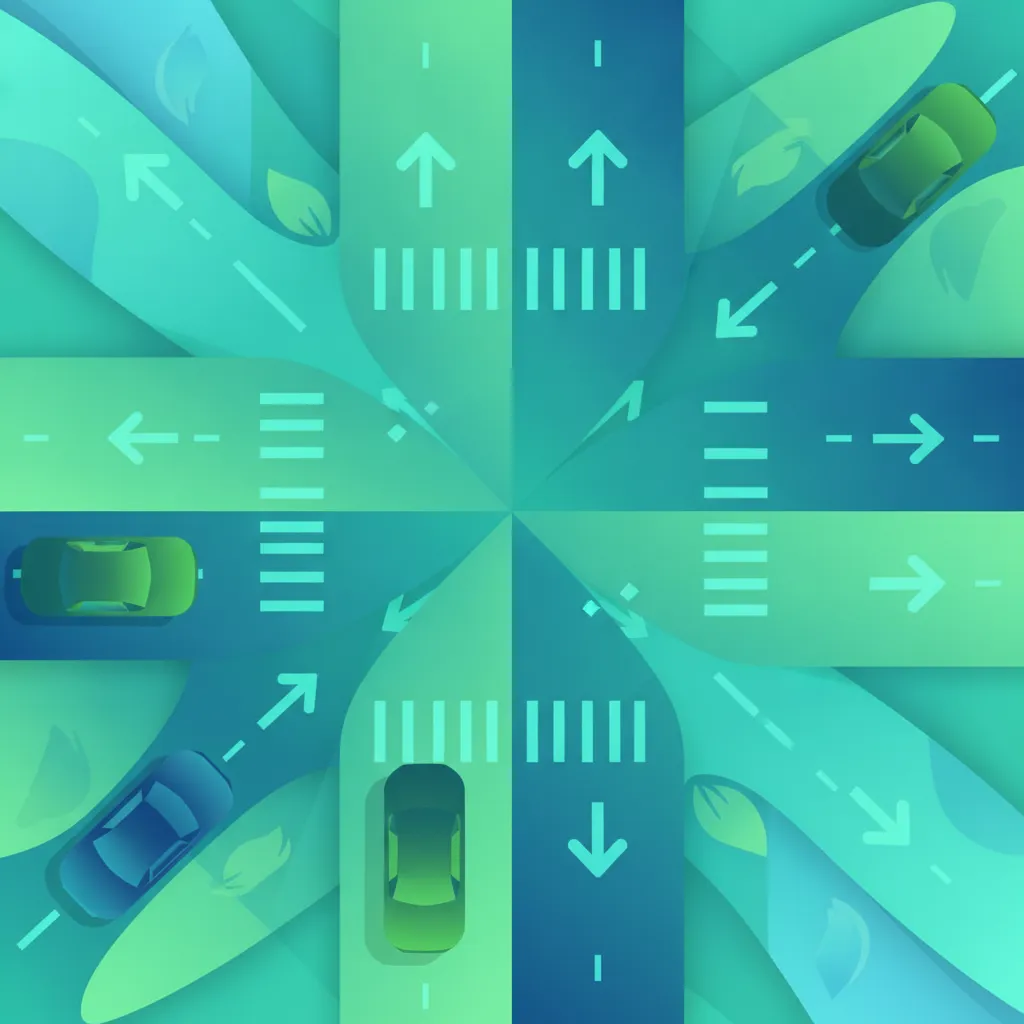
Directional symbols and arrows painted on the road surface guide drivers on permitted lane movements and turning directions. This lesson explains the interpretation of these arrows, covering rules for one-way streets, mandatory turns, and lane-specific instructions. Learners will understand how to comply with these symbols to navigate complex intersections safely and efficiently.

This lesson focuses on the rules governing pedestrian crossings, including marked zebra crossings and signal-controlled crossings. Special attention is given to school zones and residential areas where pedestrian activity is high. Learners will understand how to recognize and respect pedestrian priority in various crossing scenarios to ensure their safety.
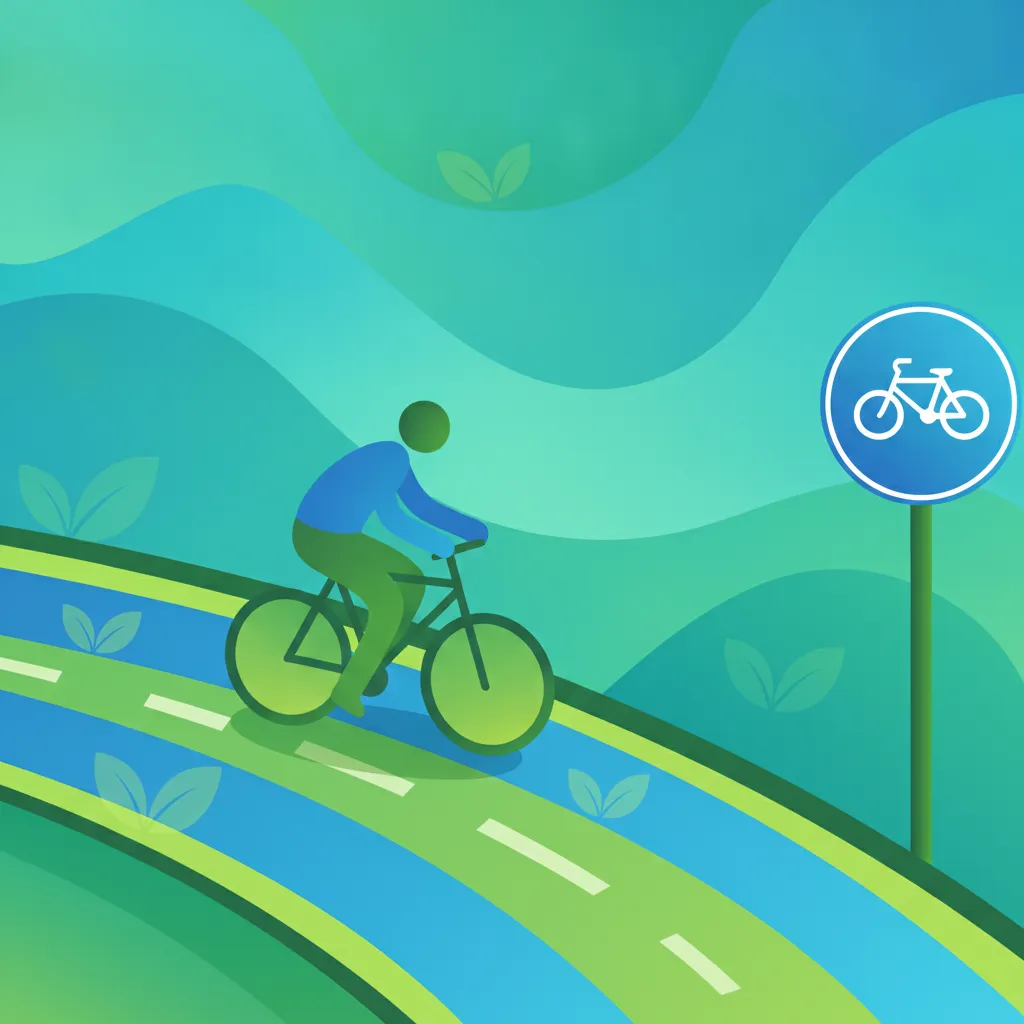
This lesson provides a detailed explanation of the various road markings found on Belgian roads and their specific significance for motorcyclists. It covers the rules associated with solid and broken lane lines, stop lines at junctions, and markings for pedestrian and bicycle crossings. Understanding these markings is essential for correct lane positioning and safe navigation.
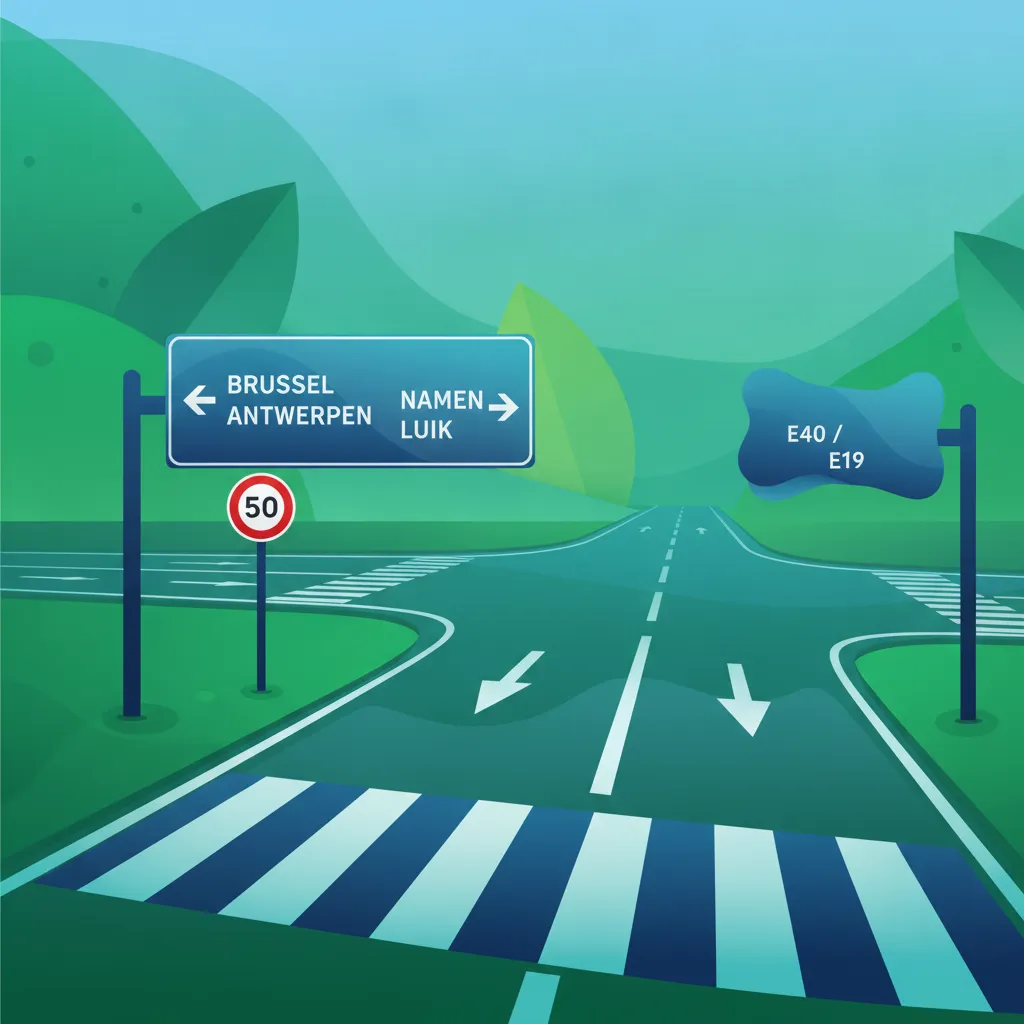
This lesson explains the role of information signs and road markings in guiding road users. It covers directional signs that help with navigation and markings that delineate lanes, pedestrian crossings, and zones for specific users like cyclists. Learners will understand how to use this information to maintain correct lane positioning and navigate their route efficiently and safely.
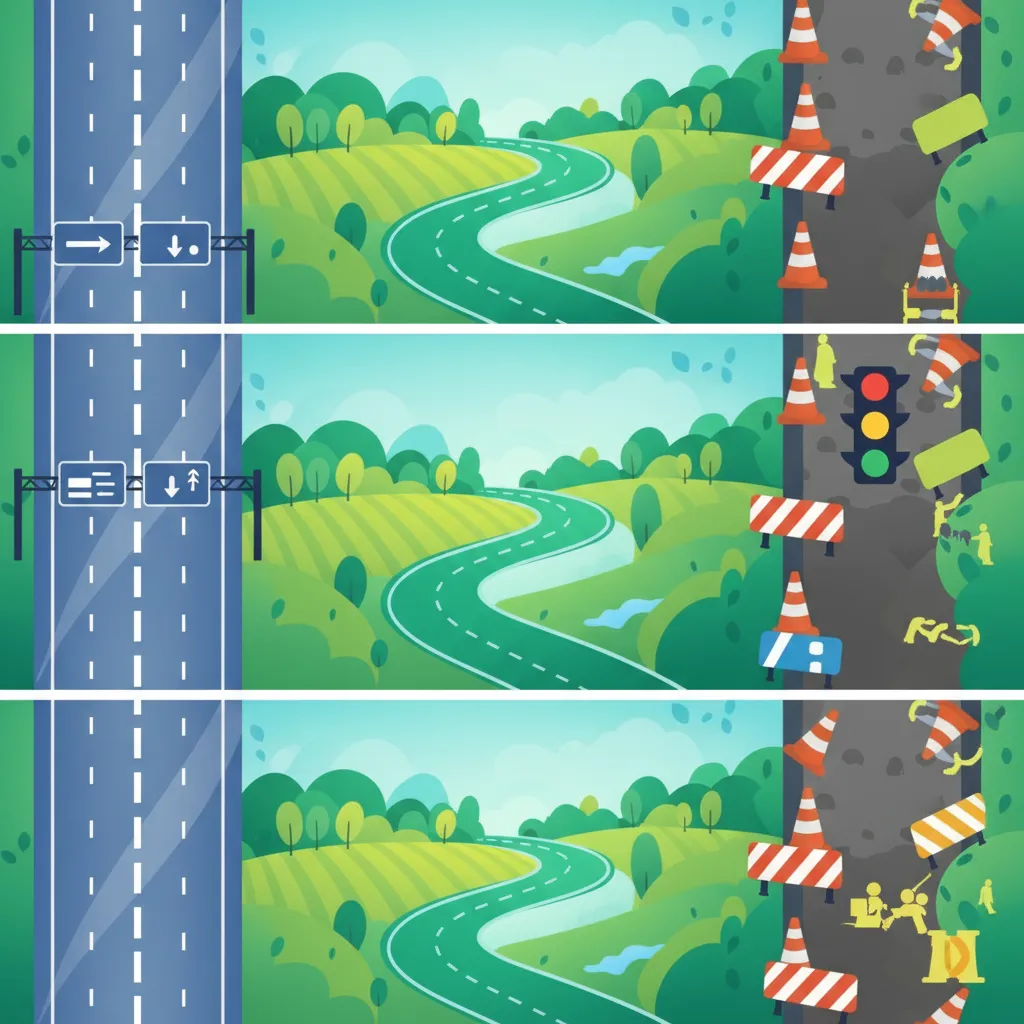
This lesson covers the specific challenges of driving on motorways, rural roads, and navigating roadworks. Learners will review lane discipline on high-speed roads and identify hazards common to rural roads, such as sharp bends and wildlife. It also explains the importance of adjusting speed and following temporary signage in construction zones.
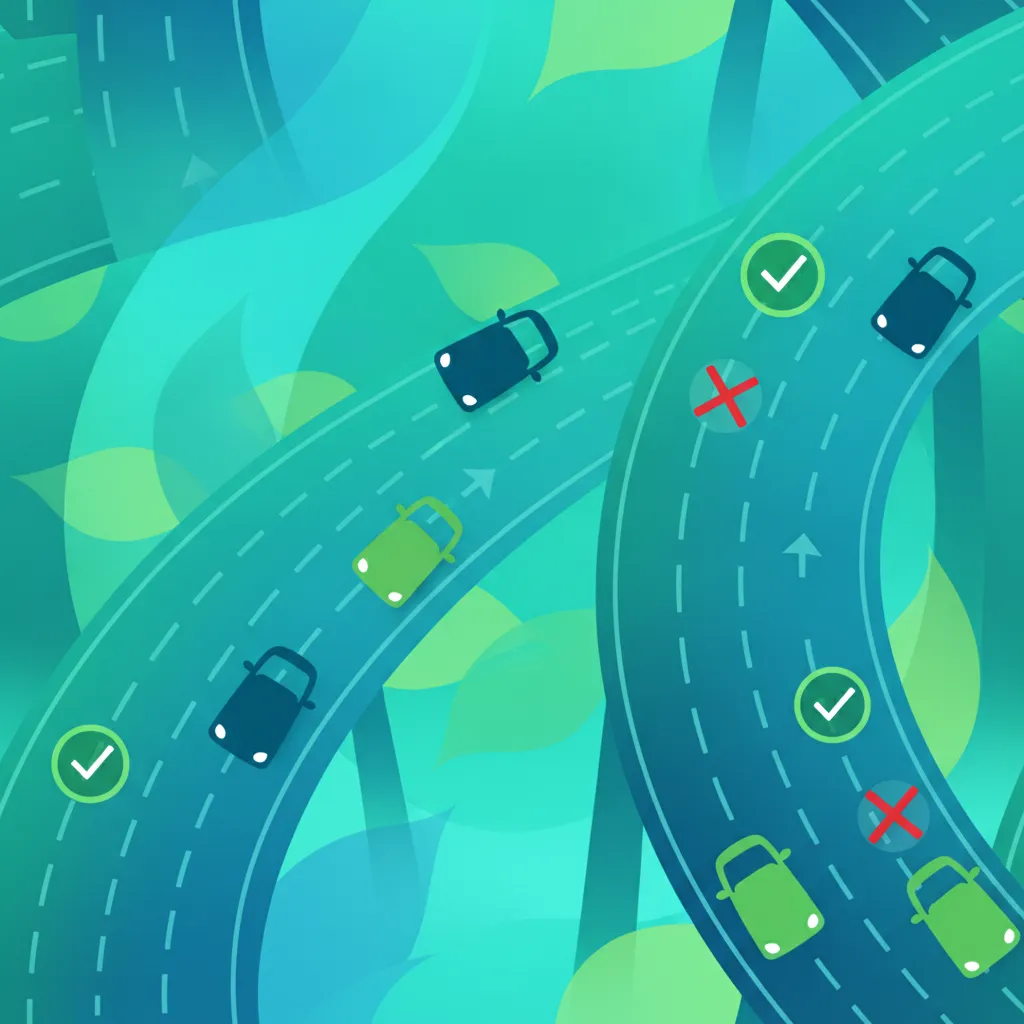
The focus of this lesson is on maintaining proper lane discipline, especially on motorways and other high-speed roads. Learners will explore the rules for changing lanes, overtaking, and positioning in the correct lane based on speed and traffic flow. Emphasis is placed on safe merging techniques and adherence to all lane markings for fluid traffic movement.
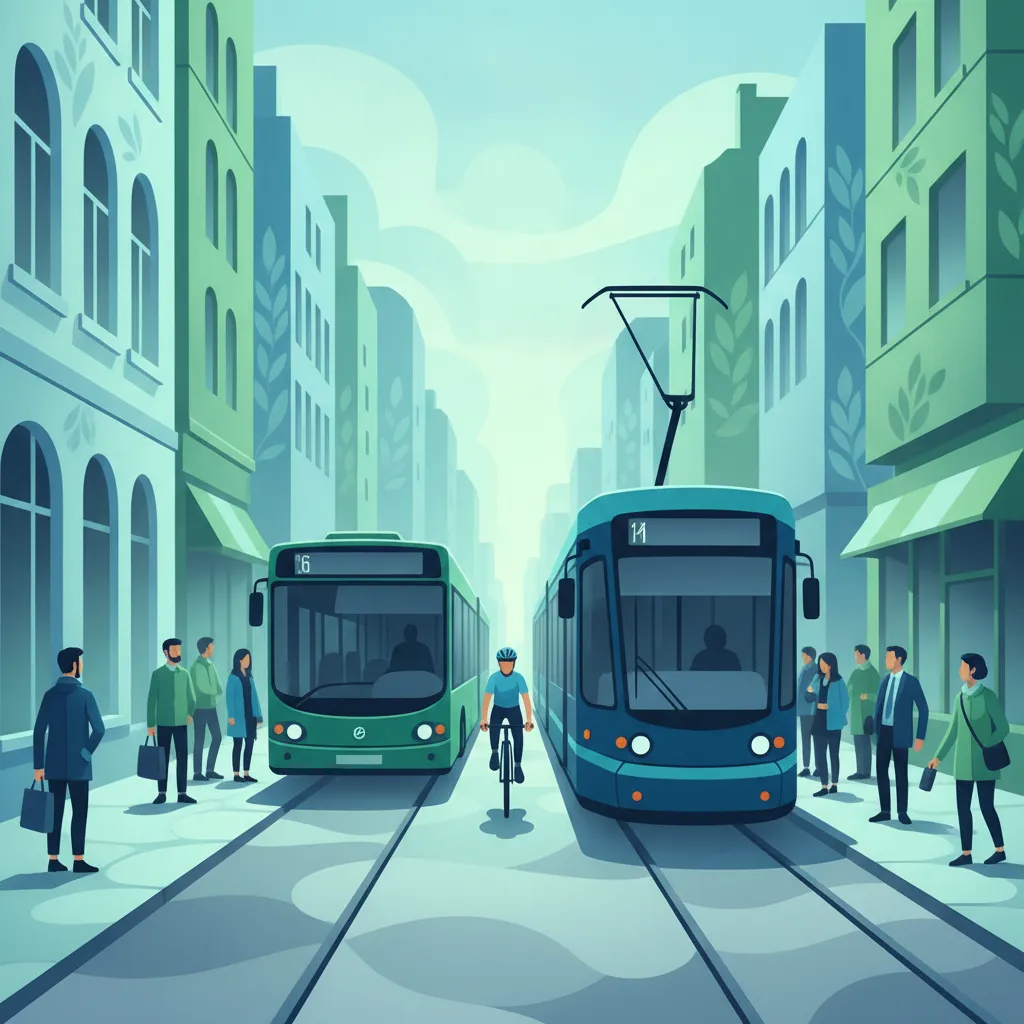
This lesson examines the interactions between private vehicles and public transport, focusing on buses and trams. Learners will understand the priority rules for these vehicles, recognizing dedicated lanes and stopping positions. Special considerations for motorcyclists, school buses, and other vulnerable users are also discussed to ensure safe coexistence.
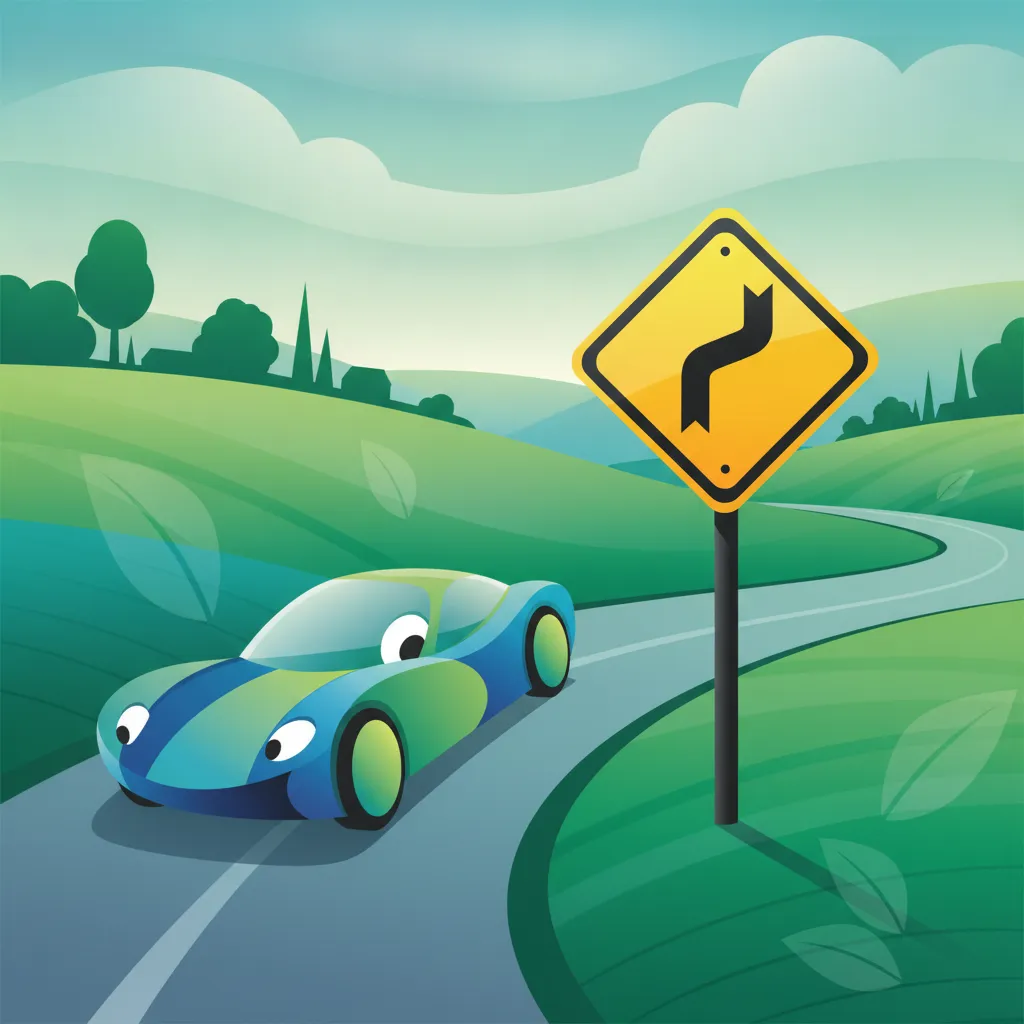
This lesson focuses on warning signs designed to alert drivers to potential hazards ahead. Topics include warnings for sharp curves, steep gradients, slippery surfaces, and zones with high pedestrian or wildlife activity. Learners will understand how to correctly interpret these signs and adjust their driving behavior to maintain safety on the road.
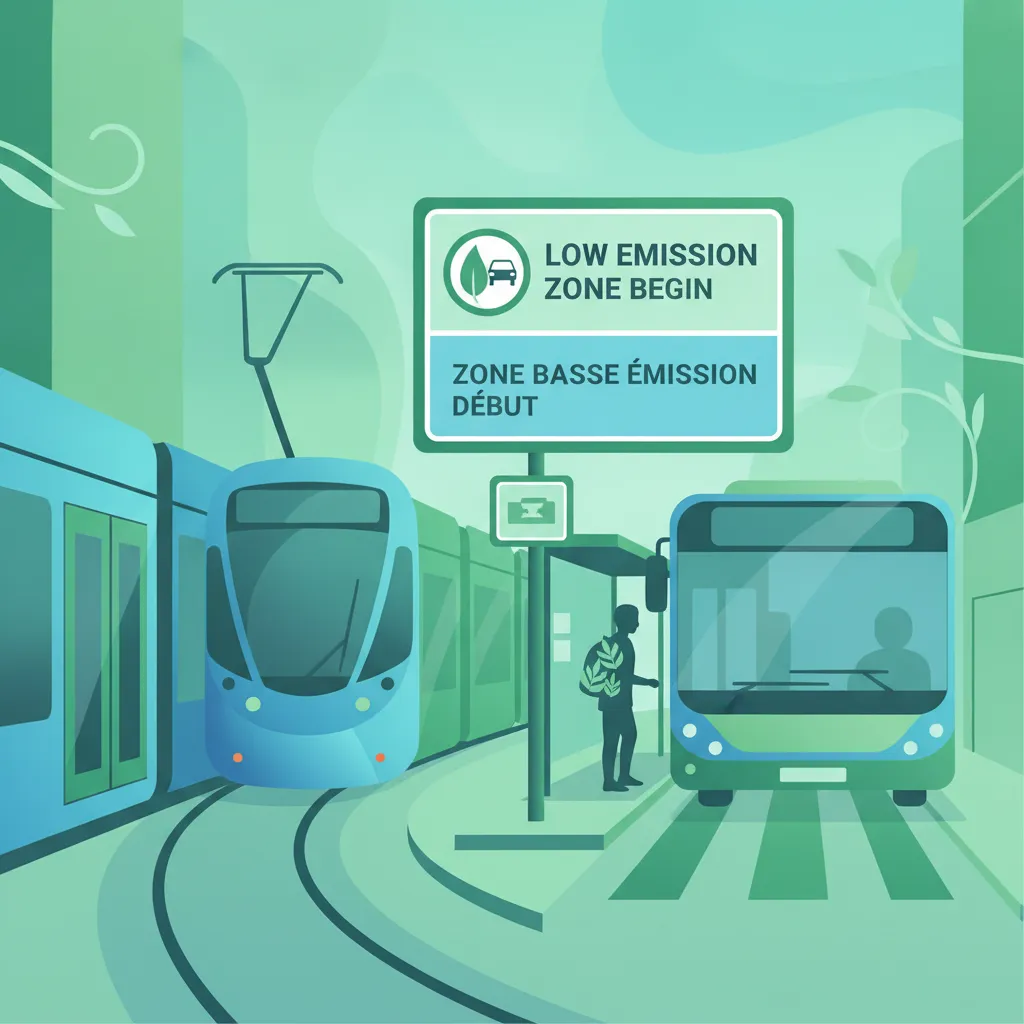
This lesson addresses unique traffic environments and special zones commonly found in Belgian urban areas. It clarifies the specific regulations concerning tramways, including where trams have absolute priority, and the conditions under which motorcycles may use bus lanes. The lesson also explains how to identify and comply with restrictions in low-emission zones.
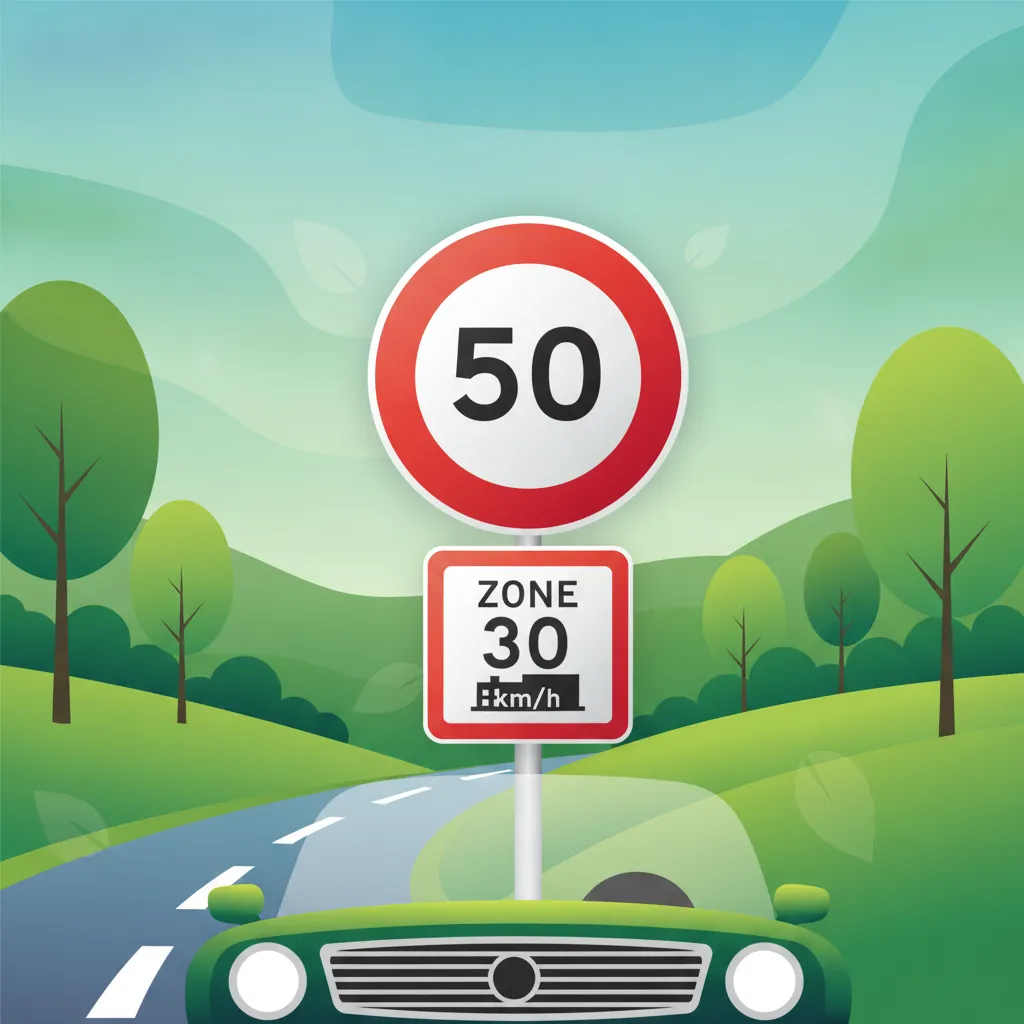
In this lesson, learners explore the full range of regulatory signs used throughout Belgium to enforce traffic laws. It covers signs that prescribe actions, such as stop and give way, as well as those that restrict actions, like speed limits and overtaking bans. Understanding these signs enables drivers to comply accurately with enforced traffic regulations.
Learn the precise legal meanings of various road surface lines in Belgium, including solid, broken, double, and edge lines. Understand when you can and cannot cross them for safe lane discipline and maneuvers.
Directional symbols and arrows painted on the road surface guide drivers on permitted lane movements and turning directions. This lesson explains the interpretation of these arrows, covering rules for one-way streets, mandatory turns, and lane-specific instructions. Learners will understand how to comply with these symbols to navigate complex intersections safely and efficiently.
This lesson provides a detailed explanation of the various road markings found on Belgian roads and their specific significance for motorcyclists. It covers the rules associated with solid and broken lane lines, stop lines at junctions, and markings for pedestrian and bicycle crossings. Understanding these markings is essential for correct lane positioning and safe navigation.
This lesson focuses on warning signs designed to alert drivers to potential hazards ahead. Topics include warnings for sharp curves, steep gradients, slippery surfaces, and zones with high pedestrian or wildlife activity. Learners will understand how to correctly interpret these signs and adjust their driving behavior to maintain safety on the road.
In this lesson, learners explore the full range of regulatory signs used throughout Belgium to enforce traffic laws. It covers signs that prescribe actions, such as stop and give way, as well as those that restrict actions, like speed limits and overtaking bans. Understanding these signs enables drivers to comply accurately with enforced traffic regulations.
This lesson focuses on the rules governing pedestrian crossings, including marked zebra crossings and signal-controlled crossings. Special attention is given to school zones and residential areas where pedestrian activity is high. Learners will understand how to recognize and respect pedestrian priority in various crossing scenarios to ensure their safety.
The focus of this lesson is on maintaining proper lane discipline, especially on motorways and other high-speed roads. Learners will explore the rules for changing lanes, overtaking, and positioning in the correct lane based on speed and traffic flow. Emphasis is placed on safe merging techniques and adherence to all lane markings for fluid traffic movement.

This lesson details the proper use of all vehicle lights and signaling devices. It explains when to use low and high beams, fog lights, hazard lights, and turn signals to communicate effectively with other road users. Correct lighting usage improves visibility and safety, especially in adverse weather conditions and during hours of darkness.
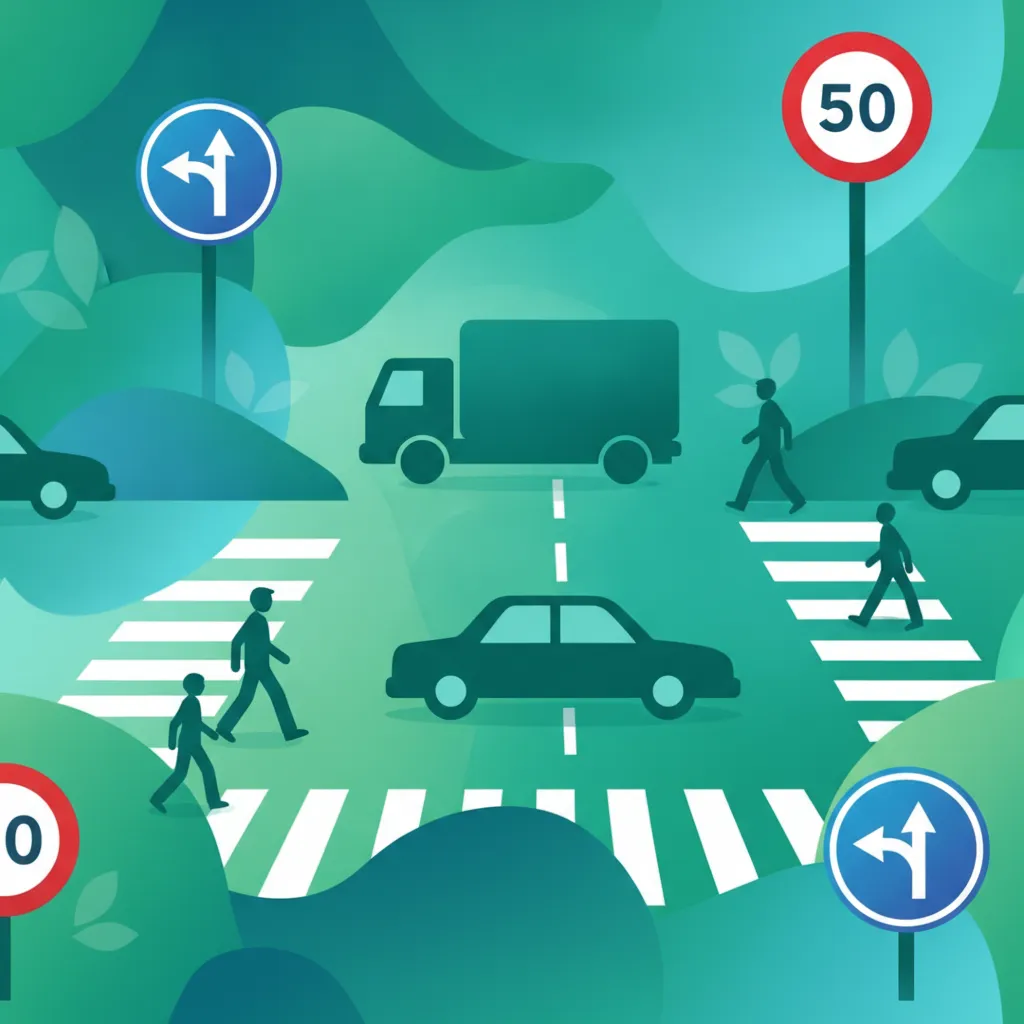
This lesson focuses on regulatory signs, which impose legal obligations and restrictions on road users. It explains the meaning of common signs such as speed limits, stop, yield, and no-entry, detailing how they apply to Category AM vehicles. Understanding these signs is fundamental for legal compliance and safe interaction with traffic, as they dictate required actions and prohibitions.
This lesson covers the specific challenges of driving on motorways, rural roads, and navigating roadworks. Learners will review lane discipline on high-speed roads and identify hazards common to rural roads, such as sharp bends and wildlife. It also explains the importance of adjusting speed and following temporary signage in construction zones.
This lesson details the spectrum of obligations that apply to drivers, from basic compliance with traffic signs to responsibilities like vehicle upkeep and accident reporting. Learners will understand the importance of maintaining a vehicle in a roadworthy condition. It also covers the legal expectations for safe driving practices, including the use of safety equipment.
Find clear answers to common questions learners have about Road Surface Markings. Learn how the lesson is structured, which driving theory objectives it supports, and how it fits into the overall learning path of units and curriculum progression in Belgium. These explanations help you understand key concepts, lesson flow, and exam focused study goals.
In general, you may not cross or drive on a solid white line. However, specific exceptions exist in Belgian law for overtaking vulnerable road users like cyclists, provided you can do so safely and without endangering others, typically if there is enough space.
A standard broken line indicates that you may cross for overtaking or lane changes. A wide broken line, often used on motorways, generally signifies an exit or a lane that is ending, requiring extra attention to your position.
Traffic rules follow a hierarchy. Generally, traffic lights and instructions from authorized persons override both signs and road markings. When signs and markings appear to conflict, usually, the sign takes precedence, but both are designed to work together for clarity.
Directional arrows indicate the mandatory direction you must take from that lane. If you are in a lane with a 'straight only' arrow, you cannot turn left or right, even if the intersection allows it. Ignoring these is a common failure point in exams.
Ready to focus your Belgian driving theory revision? Utilize our powerful search tool to pinpoint exact topics, road signs, or difficulty levels. Engage with practice questions that directly address your learning needs and solidify your understanding of Belgian traffic laws for your upcoming exam.