
As electric vehicles become more common on Spanish roads, drivers must understand that their maintenance needs differ significantly from traditional cars. This guide covers the shift from combustion-engine care to the specific safety and mechanical checks required for EVs. You will learn about the importance of high-voltage system integrity, the impact of regenerative braking on brake wear, and the specific standards applied during mandatory ITV inspections.
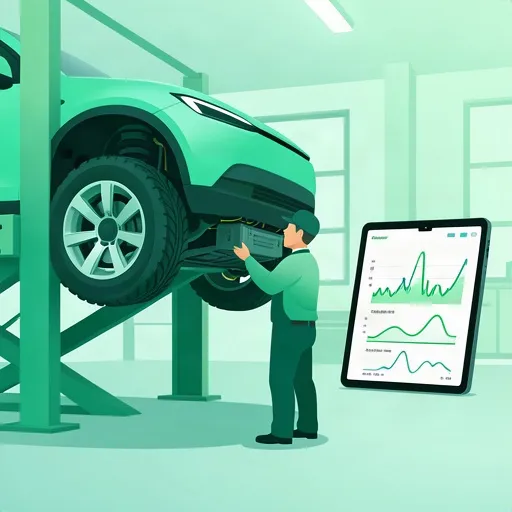
Article content overview
As electric vehicles (EVs) become increasingly common on Spanish roads, drivers are discovering that owning an electric car requires a different mindset regarding vehicle maintenance compared to traditional internal combustion engines. While EVs eliminate the need for common service tasks like oil changes, spark plug replacements, or timing belt adjustments, they remain sophisticated machines that require proactive care to ensure safety and longevity. For those preparing for the DGT driving theory exam, understanding these differences is essential, as the curriculum now reflects the evolving nature of modern vehicle technology and safety standards.
Electric vehicles rely on a battery pack, an electric motor, and a complex thermal management system rather than a combustion engine. Because these vehicles have fewer moving parts, the traditional maintenance schedule is significantly streamlined. However, drivers must prioritize the health of the battery and the cooling systems. The battery requires a liquid cooling loop, which must be checked periodically to ensure the vehicle does not experience power degradation or overheating.
Additionally, EVs are generally heavier than their combustion-engine counterparts due to the mass of the battery packs. This increased weight places extra stress on the suspension, steering components, and tires. Drivers should regularly check tire pressure and tread depth, as the instant torque produced by electric motors can lead to faster tire wear if driving habits are not managed appropriately. Furthermore, while there is no traditional clutch or transmission oil to change, the cabin air filtration and brake fluid levels remain critical items that should not be overlooked.
One of the most distinct features of driving an electric vehicle in Spain is the use of "frenada regenerativa" (regenerative braking). This system allows the electric motor to act as a generator, slowing the vehicle down while simultaneously feeding energy back into the battery. Because the motor does much of the deceleration work, the traditional friction-based braking system—consisting of pads and discs—experiences significantly less wear than in a conventional vehicle.
While this leads to longer intervals between brake maintenance, it introduces a potential risk for the uninformed driver. If the brake pads are rarely used, they can accumulate rust or become seized due to lack of movement. Therefore, it is important to occasionally use the mechanical brakes firmly to ensure the pads, discs, and calipers remain in optimal working condition. Understanding how this system impacts the vehicle's mechanics is a frequent topic in modern road safety theory.
Perhaps the most critical aspect of EV maintenance involves high-voltage safety. Electric vehicles are equipped with high-voltage electrical systems, often identifiable by bright orange cables running through the vehicle. These components are strictly off-limits to non-certified personnel. In the event of an accident or a breakdown, it is imperative that drivers never attempt to handle or disconnect these orange cables, as the risk of electric shock is extremely high. Spanish road safety standards emphasize that only authorized, trained technicians should perform repairs on the high-voltage architecture of an electric car.
Many new drivers assume that because electric vehicles have no tailpipe emissions, they might be exempt from the "Inspección Técnica de Vehículos" (ITV). This is a common misconception. In Spain, all electric vehicles are subject to the same mandatory periodic ITV requirements as combustion-engine vehicles. The inspection ensures that the vehicle remains safe for public roads, focusing on suspension, steering, brakes, tires, and lighting.
During the ITV, inspectors will verify the integrity of the high-voltage system, ensuring that cables are properly insulated and there is no physical damage to the battery enclosure. Because there is no exhaust, emissions testing is naturally skipped, but the fundamental safety checks for the chassis and electrical safety remain paramount. It is your responsibility as the owner to ensure your vehicle is inspected within the statutory timeframes established by the DGT.
Electric vehicles require a fundamentally different maintenance approach compared to traditional cars, emphasizing battery and cooling system health over conventional fluid changes. The additional weight of battery packs increases stress on tires, suspension, and steering, while the instant torque delivered by electric motors accelerates tire wear if driving habits are not adapted. Regenerative braking reduces friction brake wear but necessitates occasional firm brake application to prevent rust and seizure. High-voltage safety is paramount—orange cables must never be touched by non-certified personnel. Finally, all EVs in Spain remain subject to mandatory ITV inspections, which verify high-voltage system integrity, suspension, braking systems, and overall roadworthiness.
A short set of high-value points that capture the most important ideas from this article.
EVs require different maintenance priorities than combustion vehicles, with focus on battery health, cooling systems, and high-voltage integrity rather than oil changes or spark plugs.
The increased curb weight of EVs due to battery packs places extra stress on tires, suspension, and steering components, requiring more frequent inspection.
Regenerative braking reduces wear on traditional friction brakes but can cause brake pads to accumulate rust if rarely used.
High-voltage systems (marked by orange cables) are strictly off-limits to non-certified personnel due to severe electric shock risk.
All electric vehicles in Spain must undergo mandatory ITV inspections like any other vehicle despite having no exhaust emissions.
Battery cooling systems use liquid loops that must be checked periodically to prevent power degradation or overheating.
Orange cables indicate high-voltage components that only authorized technicians should handle.
Brake pads in EVs can seize from lack of use; occasionally apply mechanical brakes firmly to maintain them.
Instant torque from electric motors accelerates tire wear if driving habits are not adjusted accordingly.
ITV inspection for EVs includes verification of high-voltage cable insulation, battery pack integrity, and suspension components.
Assuming electric vehicles require little to no maintenance because they lack a combustion engine and traditional fluids.
Touching or attempting to disconnect orange high-voltage cables during an accident or breakdown, which poses extreme electric shock risk.
Neglecting tire pressure and tread checks, unaware that EV weight and instant torque cause faster tire degradation.
Believing EVs are exempt from ITV inspections simply because they produce no tailpipe emissions.
Forgetting to occasionally use mechanical brakes, leading to rust buildup and seized components from disuse.
Article content overview
A short set of high-value points that capture the most important ideas from this article.
EVs require different maintenance priorities than combustion vehicles, with focus on battery health, cooling systems, and high-voltage integrity rather than oil changes or spark plugs.
The increased curb weight of EVs due to battery packs places extra stress on tires, suspension, and steering components, requiring more frequent inspection.
Regenerative braking reduces wear on traditional friction brakes but can cause brake pads to accumulate rust if rarely used.
High-voltage systems (marked by orange cables) are strictly off-limits to non-certified personnel due to severe electric shock risk.
All electric vehicles in Spain must undergo mandatory ITV inspections like any other vehicle despite having no exhaust emissions.
Battery cooling systems use liquid loops that must be checked periodically to prevent power degradation or overheating.
Orange cables indicate high-voltage components that only authorized technicians should handle.
Brake pads in EVs can seize from lack of use; occasionally apply mechanical brakes firmly to maintain them.
Instant torque from electric motors accelerates tire wear if driving habits are not adjusted accordingly.
ITV inspection for EVs includes verification of high-voltage cable insulation, battery pack integrity, and suspension components.
Assuming electric vehicles require little to no maintenance because they lack a combustion engine and traditional fluids.
Touching or attempting to disconnect orange high-voltage cables during an accident or breakdown, which poses extreme electric shock risk.
Neglecting tire pressure and tread checks, unaware that EV weight and instant torque cause faster tire degradation.
Believing EVs are exempt from ITV inspections simply because they produce no tailpipe emissions.
Forgetting to occasionally use mechanical brakes, leading to rust buildup and seized components from disuse.
Explore related topics, search based questions, and concepts that learners often look up when studying EV Maintenance and ITV Guide. These themes reflect real search intent and help you understand how this topic connects to wider driving theory knowledge in Spain.
Find clear and practical answers to common questions learners often have about EV Maintenance and ITV Guide. This section helps explain difficult points, remove confusion, and reinforce the key driving theory concepts that matter for learners in Spain.
Yes, electric vehicles must pass the periodic ITV (Inspección Técnica de Vehículos) just like any other vehicle, following the same timelines based on the vehicle's age.
Frenada regenerativa (regenerative braking) allows the electric motor to slow the vehicle while recharging the battery. This reduces the mechanical wear on traditional friction brake pads compared to combustion-engine vehicles.
Yes, drivers and technicians must respect high-voltage systems, which are typically identified by orange cables. These should never be touched or manipulated without professional certification.
While EVs lack components like oil filters, spark plugs, and clutches, they still require regular checks of their battery cooling systems, cabin air filters, brake fluid, and the structural integrity of tires and suspension, which are under higher stress due to the battery's weight.
Now that you have found specific articles, continue to deepen your understanding by exploring related DGT regulations or other driving theory topics. Strengthen your knowledge of road signs, traffic scenarios, and essential Spanish driving procedures to prepare for your official driving license exam.