
As electric mobility becomes central to modern driving, understanding how to manage charging speeds, range, and energy efficiency is vital. This article clarifies the differences between AC and DC charging and practical techniques like regenerative braking, helping you navigate the transition to electric vehicles with confidence. These insights support your preparation for the Spanish theory exam and real-world driving scenarios.
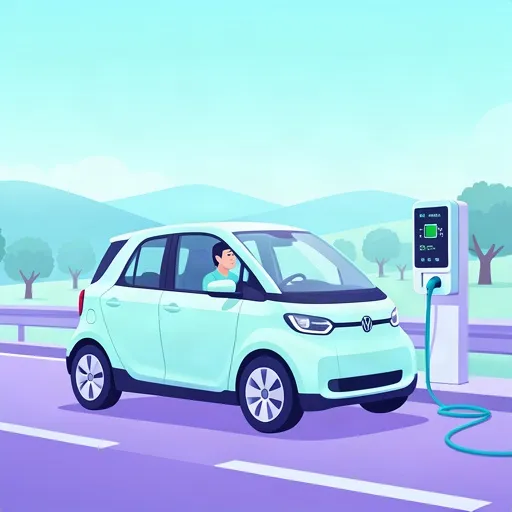
Article content overview
As electric mobility continues to evolve on Spanish roads, understanding the technical fundamentals of electric vehicles (EVs) has become an essential part of the modern driving curriculum. Whether you are preparing for your DGT theory exam or looking to understand the real-world implications of energy management, mastering concepts such as charging infrastructure, regenerative braking, and range limitations is crucial. As more drivers transition to electric cars, the ability to plan journeys and maintain vehicle safety depends on a solid grasp of how these vehicles interact with our existing traffic regulations.
One of the most frequent topics encountered by new drivers is the distinction between different charging speeds and technologies. Charging an electric vehicle is not as uniform as filling a tank with gasoline; it depends heavily on whether your vehicle uses Alternating Current (AC) or Direct Current (DC).
AC charging is typically found in home wallboxes or standard urban public charging stations. These units are generally slower because the vehicle’s onboard charger must convert the electricity before it can be stored in the battery. In contrast, DC charging—often referred to as "fast charging" or "ultra-fast charging"—bypasses the onboard charger, delivering electricity directly to the battery at much higher speeds. When planning a trip on Spanish motorways (autopistas or autovías), identifying high-power DC chargers is vital to minimizing waiting times.
Energy efficiency is a central theme in both sustainable driving and the DGT’s emphasis on safe, economical driving techniques. Modern electric vehicles are equipped with regenerative braking, a system that converts the kinetic energy of the car back into electrical energy during deceleration, which is then stored in the battery. Learning to master this feature, sometimes controlled via paddle shifters or a "one-pedal" driving mode, can significantly extend your driving range in urban environments.
In the context of the theory exam, it is important to remember that while these technologies assist with efficiency, they do not replace standard safety practices. Drivers must continue to follow road markings, maintain safe distances, and observe speed limits regardless of how they are managing their vehicle’s power consumption.
Regenerative braking does not always trigger the brake lights of your vehicle. When slowing down in heavy traffic, always monitor the vehicles behind you to ensure they are aware of your speed reduction, as they may not perceive your braking through visual cues alone.
Range anxiety—the fear that a vehicle has insufficient energy to reach its destination—is a common concern for new electric vehicle owners. In Spain, this is particularly relevant for those planning trips across regions. Factors such as high speeds on motorways, extreme temperatures, and the use of air conditioning significantly reduce the effective range of an EV battery.
To manage range effectively, you should always check your route for compatible charging infrastructure. Many electric vehicles allow you to monitor battery health and remaining kilometers in real-time through the dashboard multimedia system. By maintaining a steady speed and utilizing regenerative braking on descents, you can optimize your energy consumption, making longer trips both safer and more predictable.
| Charging Type | Typical Location | Relative Speed | Best Usage Case |
|---|---|---|---|
| AC (Slow/Medium) | Home, Work, Public Parking | Low to Moderate | Overnight or long stays |
| DC (Fast/Rapid) | Motorway service areas | High | Quick top-ups during travel |
The Spanish DGT is increasingly incorporating modern vehicle technology into its theoretical assessments. You may encounter questions regarding the maintenance of modern vehicles, the meaning of dashboard warning lights related to battery systems, or the general safety requirements for all road users. Understanding that electric vehicles are subject to the same rules of the road—such as priority, signaling, and speed limits—is foundational to your success.
Focus your study on how these technologies interact with traffic signs and environmental safety regulations. While the mechanics of a 122 HP city car differ from a traditional combustion vehicle, your obligations as a driver to protect yourself and others remain the highest priority.
Article content overview
Explore related topics, search based questions, and concepts that learners often look up when studying EV Charging and Range Guide. These themes reflect real search intent and help you understand how this topic connects to wider driving theory knowledge in Spain.
Find clear and practical answers to common questions learners often have about EV Charging and Range Guide. This section helps explain difficult points, remove confusion, and reinforce the key driving theory concepts that matter for learners in Spain.
AC charging is typically for home or slower public charging, while DC charging is high-power and designed for rapid charging along motorways to quickly top up your battery during long trips.
Regenerative braking captures energy usually lost during deceleration and uses it to recharge the battery, which increases the vehicle's range and reduces wear on the mechanical brake system.
Understanding range is critical for long-distance travel on Spanish motorways, as battery efficiency can change based on speed, terrain, and weather, necessitating careful route planning near charging points.
Now that you have found specific articles, continue to deepen your understanding by exploring related DGT regulations or other driving theory topics. Strengthen your knowledge of road signs, traffic scenarios, and essential Spanish driving procedures to prepare for your official driving license exam.