
Welcome to the first lesson in our 'Licensing & Vehicle Basics' unit for the Spanish AM licence. This section covers the fundamental legal requirements and documentation you need before you can even think about riding a moped. Understanding these prerequisites is the crucial first step in your journey towards obtaining your AM licence and riding legally in Spain.
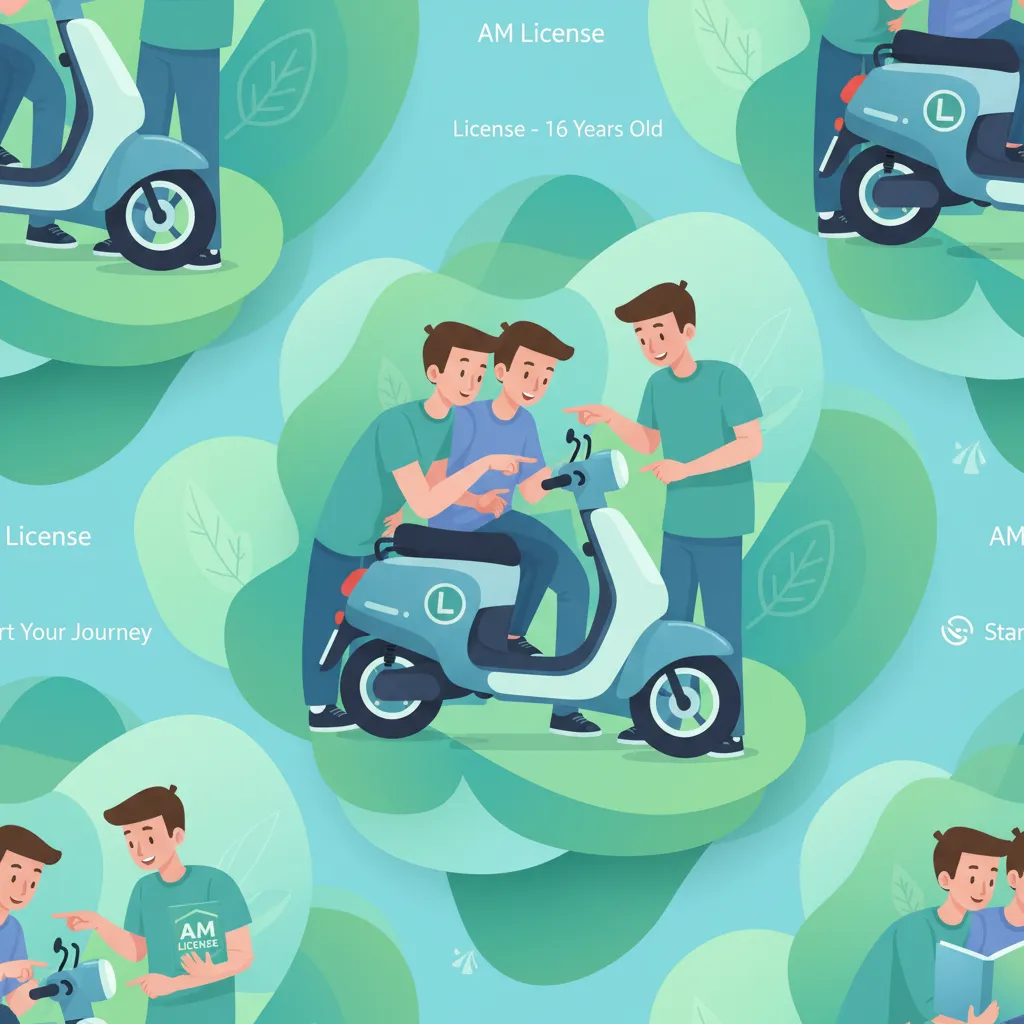
Lesson content overview
Embarking on the journey to obtain a Spanish Category AM moped licence means understanding a clear set of administrative, legal, and procedural requirements. This licence is your legal gateway to operating mopeds (vehicles with an engine capacity of up to 50 cc or a maximum speed of 45 km/h) on Spanish roads. This comprehensive guide will walk you through every essential step, from minimum age to final licence issuance, ensuring you are well-prepared for the Spanish Driving License Theory – AM Category (Mopeds) course and safe road access.
Understanding these prerequisites is not just about bureaucracy; it's about guaranteeing public safety, adhering to legal standards, and preventing penalties. The requirements are carefully designed to confirm a rider's age, medical fitness, and personal accountability before they are granted the privilege to operate a vehicle. The process is overseen by the Dirección General de Tráfico (DGT), Spain's national traffic authority, and typically involves a structured progression through document collection, driving school enrollment, exam registration, and ultimately, the issuance of your licence.
Before you can even begin the administrative process, certain fundamental criteria must be met. These criteria ensure that applicants possess the basic maturity and physical capability necessary for safe vehicle operation.
To be eligible for a Spanish AM licence, you must have reached the age of 15 years old on the day you apply. This age threshold is legally mandated by DGT Order 2021/678, reflecting considerations for a minor's cognitive development and their ability to assess risks associated with operating a motor vehicle, even a low-speed one like a moped.
It's crucial to understand that there is no "rounding up" of age. If you are 14 years and 11 months old, you cannot initiate the application process. Your age will be verified using official identification documents such as your Spanish DNI (Documento Nacional de Identidad) or NIE (Número de Identidad de Extranjero), or your passport. For example, if your birthdate is March 1, 2008, you can submit your application on or after March 1, 2023. This requirement ensures that all AM licence holders meet a baseline maturity level considered appropriate for road use.
Operating any motor vehicle, including a moped, requires a certain level of physical and mental fitness to ensure safety for both the rider and other road users. Therefore, all applicants for the AM licence must obtain a Certificado Médico (Medical Fitness Certificate). This is an official document issued by an authorized medical professional.
The certificate confirms that you do not have any health conditions that would impair your ability to safely operate a light motor vehicle. This typically includes assessments of your vision, hearing, reflexes, and overall physical and mental health. The medical certificate is a mandatory component of your DGT paperwork and is vital for confirming you have adequate sensory and physical capabilities.
The validity period for a medical certificate can vary, typically 6-12 months, especially for minors. Always ensure your certificate is current when submitting your application to the DGT. A school-issued health form is not sufficient; the certificate must be signed by a licensed doctor at an authorized medical examination centre.
For applicants under the age of 18, an additional requirement is the Parental/Guardian Consent. This is a formal, written authorization from a parent or legal guardian granting permission for the minor to obtain the AM licence. This requirement, outlined in Article 3 of the Spanish Traffic Code, provides legal accountability and ensures that guardians are fully aware of their responsibilities related to a minor's driving privileges.
The consent form is filed with the DGT and/or the driving school during the registration process. It is a critical document, and its absence will delay or prevent a minor's application from proceeding. While verbal consent is insufficient, the exact format (e.g., whether notarized) can sometimes vary. It is always best practice to consult your chosen driving school or the DGT directly for the most up-to-date requirements for formal consent.
Once you meet the core eligibility criteria, the next phase involves gathering the necessary documentation and navigating the administrative steps through an accredited driving school.
To process your application, the DGT requires official proof of your identity and your current residence in Spain. This includes:
These documents are essential for both the DGT's internal registry and for your driving school when they enroll you for the exam. Ensure you have the original documents, and be prepared to provide copies as well.
A cornerstone of the Spanish licensing process is mandatory enrollment with an authorized driving school, known as an autoescuela. The DGT mandates this step, outlined in DGT Directive 2020/112, to ensure standardized instruction quality and to centralize the management of exam logistics.
Research and Select an Autoescuela: Choose a DGT-approved driving school that fits your needs and location.
Register and Pay Fees: Enroll in their AM theory course and pay the associated fees. This typically includes theoretical lessons and administrative support for your application.
Receive Enrollment Certificate: The driving school will issue an enrollment certificate, confirming your registration. This certificate is often required for official DGT processes.
The autoescuela plays a critical role beyond just teaching. They will guide you through the entire administrative process, help prepare your documentation, and most importantly, coordinate your theoretical exam registration directly with the DGT. Attempting to self-study and apply directly to the DGT without an autoescuela is not permitted for exam registration.
Once you are enrolled in an autoescuela and have all your documents in order, the next step is to formally register for the theoretical exam. This involves submitting your candidate data to the DGT, usually handled by your driving school, and paying the required administrative fees.
The fee (tasa) covers the administrative costs associated with scheduling your theoretical exam and the eventual issuance of your licence. This payment is mandatory and must be made before your exam can be scheduled. The fee amount is set by DGT Order 2022/501 and may have slight regional variations. Your driving school will collect this fee and forward it to the DGT, ensuring proper payment and documentation. Non-payment will result in your inability to register for the exam, effectively halting your progress.
The theoretical exam is a crucial hurdle that all AM licence applicants must clear. It is designed to confirm your fundamental knowledge of traffic laws, road signs, vehicle specifications, and safety principles specific to Category AM vehicles.
The AM theoretical exam is typically a computerized multiple-choice test. According to Real Decreto 500/2014, it generally consists of 30 questions. To pass, you must achieve a minimum score of 70% correct answers, meaning you can make a maximum of 9 errors (21 correct answers out of 30). The time limit for the exam is usually 45 minutes.
The exam is available in Spanish, and often in other languages such as English, depending on the DGT office and its resources. Your autoescuela will provide you with the necessary study materials and practice tests to prepare you thoroughly for this assessment. Successfully passing this exam is a prerequisite for receiving your AM licence.
Congratulations! After successfully passing your theoretical exam, you are on the final stretch to obtaining your AM licence. The DGT will then proceed with the administrative steps for licence issuance.
Upon successful completion of the theoretical exam (and any required practical test, though generally not for AM), the DGT will issue you an official AM licence card. This physical card serves as your legal documentation, authorizing you to operate mopeds on Spanish roads. The licence card includes your personal details, photo, licence number, and the categories you are authorized to drive.
For applicants under 18 years of age, the DGT may initially issue a provisional licence. This temporary licence might come with certain restrictions, such as not allowing night riding, until the holder reaches 18 years old, at which point it is typically replaced by a full licence. It's important to understand any restrictions that apply to your provisional licence. The DGT usually notifies applicants when their licence card is ready for collection at their local Jefatura de Tráfico (Traffic Headquarters).
Adherence to specific Spanish traffic regulations is paramount throughout the licensing process and once you become a licence holder. These rules are established by the DGT and enshrined in various Royal Decrees and Orders.
The entire AM licence application process is governed by a hierarchical system of regulations. Key legal documents you should be aware of include:
These regulations collectively ensure that all applicants are properly identified, medically fit, legally authorized (for minors), and adequately trained before they can legally operate a moped. For instance, the minimum age requirement is designed to align with a minor's developing maturity, reducing their exposure to high-risk vehicle operations before they are sufficiently capable of making safe decisions on the road. Similarly, the medical fitness certificate prevents individuals with health impairments from operating vehicles, safeguarding public safety by ensuring adequate visual, auditory, and physical capabilities.
Navigating the application process can sometimes present challenges if requirements are not meticulously followed. Being aware of common issues can help you avoid unnecessary delays.
Always double-check all dates on your documents and confirm specific requirements with your chosen autoescuela or the DGT directly, as minor administrative details can sometimes be updated.
While the core licence requirements remain constant, certain broader contexts influence the overall experience and reinforce the importance of the licensing process.
The entire licensing process is built upon a cause-and-effect relationship: meeting all requirements correctly ensures a smooth application and legal road access, while failures in any step will lead to delays, rejections, or even penalties. Each requirement, from age minimum to theoretical exam, contributes to a safer road environment by ensuring drivers are prepared, responsible, and knowledgeable.
Obtaining your Spanish AM moped licence is a structured process designed to ensure road safety and legal compliance. By understanding and meticulously following each step, you can successfully navigate the DGT's requirements.
The key aspects to remember are:
The requirements for the AM licence are interconnected with knowledge of moped classification, mandatory vehicle equipment, and subsequent practical skills needed for safe road use. By fulfilling these requirements, you are not just acquiring a permit, but demonstrating your commitment to responsible and safe moped operation in Spain.
The Spanish AM moped licence requires applicants to be at least 15 years old, pass a medical fitness assessment, and for minors under 18, obtain parental consent. Key documents include DNI/NIE, a recent empadronamiento (within three months), and the medical certificate. All applicants must enroll in an authorized autoescuela, as direct DGT exam registration is prohibited. The theoretical exam comprises 30 questions requiring 70% correct answers to pass, and the process concludes with receiving either a provisional or full licence card from the DGT.
A short set of high-value points that capture the most important learning from this lesson.
You must be at least 15 years old to apply for a Spanish AM moped licence, with no age rounding allowed.
A Certificado Médico from an authorized medical centre is mandatory, separate from a school health form.
The empadronamiento (residence certificate) must be issued within the last three months to be valid.
Minors under 18 need formal written parental or guardian consent to obtain the licence.
Direct DGT exam registration is not permitted; enrollment in an authorized autoescuela is mandatory.
Explore all units and lessons included in this driving theory course.
AM licence covers mopeds with engine ≤ 50 cc or max speed ≤ 45 km/h.
The theoretical exam consists of 30 multiple-choice questions, requires 70% correct answers (minimum 21 correct), and allows a maximum of 9 errors.
The exam time limit is typically 45 minutes.
Provisional licences issued to minors may have restrictions such as no night riding until age 18.
The exam fee (tasa) must be paid before scheduling; non-payment halts exam registration.
Attempting to apply before reaching exactly 15 years old results in immediate rejection.
Submitting an empadronamiento older than three months blocks exam registration.
Not bringing original DNI/NIE or passport to the exam centre can result in being barred from the test.
Allowing the medical certificate to expire mid-process requires obtaining a new one before licence issuance.
Neglecting to update address with the DGT after moving causes missed correspondence and notifications.
Lesson content overview
A short set of high-value points that capture the most important learning from this lesson.
You must be at least 15 years old to apply for a Spanish AM moped licence, with no age rounding allowed.
A Certificado Médico from an authorized medical centre is mandatory, separate from a school health form.
The empadronamiento (residence certificate) must be issued within the last three months to be valid.
Minors under 18 need formal written parental or guardian consent to obtain the licence.
Direct DGT exam registration is not permitted; enrollment in an authorized autoescuela is mandatory.
Explore all units and lessons included in this driving theory course.
AM licence covers mopeds with engine ≤ 50 cc or max speed ≤ 45 km/h.
The theoretical exam consists of 30 multiple-choice questions, requires 70% correct answers (minimum 21 correct), and allows a maximum of 9 errors.
The exam time limit is typically 45 minutes.
Provisional licences issued to minors may have restrictions such as no night riding until age 18.
The exam fee (tasa) must be paid before scheduling; non-payment halts exam registration.
Attempting to apply before reaching exactly 15 years old results in immediate rejection.
Submitting an empadronamiento older than three months blocks exam registration.
Not bringing original DNI/NIE or passport to the exam centre can result in being barred from the test.
Allowing the medical certificate to expire mid-process requires obtaining a new one before licence issuance.
Neglecting to update address with the DGT after moving causes missed correspondence and notifications.
Explore search topics learners often look for when studying AM Licence Requirements. These topics reflect common questions about road rules, driving situations, safety guidance, and lesson level theory preparation for learners in Spain.
Browse additional driving theory lessons that cover connected traffic rules, road signs, and common driving situations related to this topic. Improve your understanding of how different rules interact across everyday traffic scenarios.
Understand the essential documents like medical certificates and proof of residence required for your Spanish AM moped licence. Learn the step-by-step DGT application process and driving school enrollment.
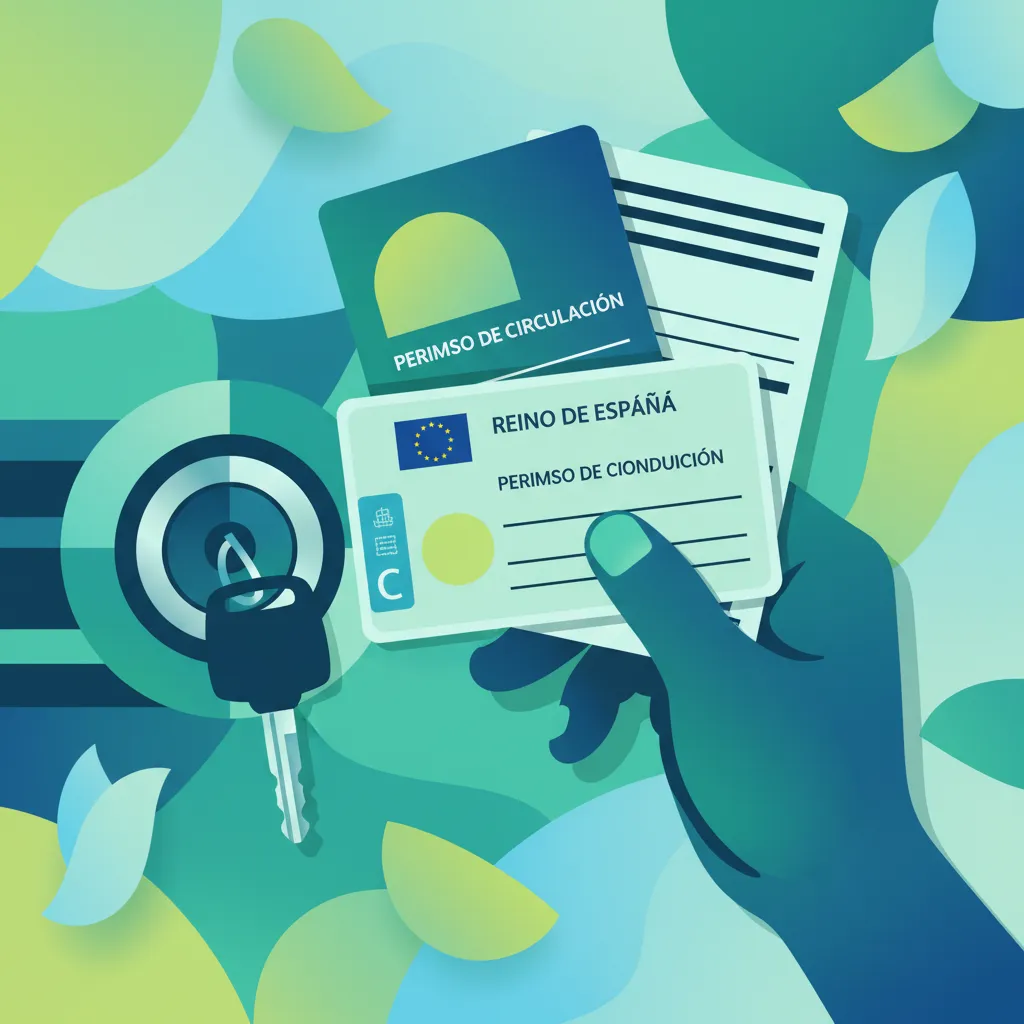
This lesson outlines the compulsory equipment and documentation required for an AM-class vehicle. It emphasizes the legal mandate for an approved helmet, a valid insurance policy, and a vehicle registration plate. Learners will also understand the requirements for the roadworthiness certificate (ITV) and other essential documents needed to prove compliance with DGT safety and legal standards during a traffic stop.
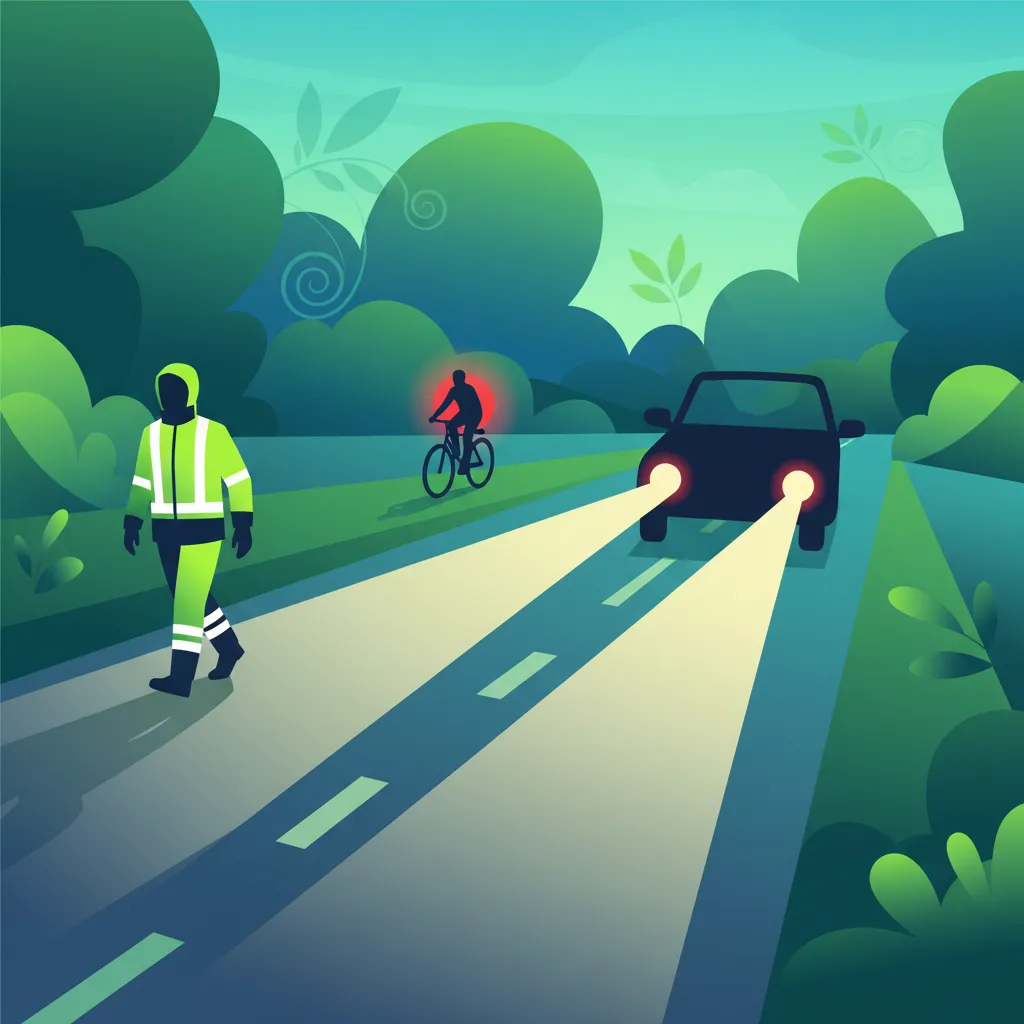
This lesson outlines the mandatory lighting and visibility equipment as per DGT regulations. It covers the correct use of headlights (low and high beams), taillights, and turn signals, ensuring the moped is visible to others, especially at night or in poor weather. The importance of wearing high-visibility or reflective clothing is also emphasized as a critical measure to enhance personal safety by making the rider more conspicuous.

This lesson examines the specific documents needed to start the Spanish license acquisition process, including personal identification, proof of residence, and a valid medical certificate (psicotécnico). It outlines the official DGT application form, associated fees, and the sequential steps for successful registration. The content also clarifies the age thresholds for categories B and BE and the conditions for license renewal.

This lesson provides a detailed guide to safely starting a moped, from the ignition sequence to the coordinated use of the throttle and brakes. It explains the importance of a pre-ride checklist to verify lights and controls are functional. The content also covers techniques for achieving smooth acceleration from a standstill and performing controlled stops, which is crucial for managing stop-and-go urban traffic conditions.
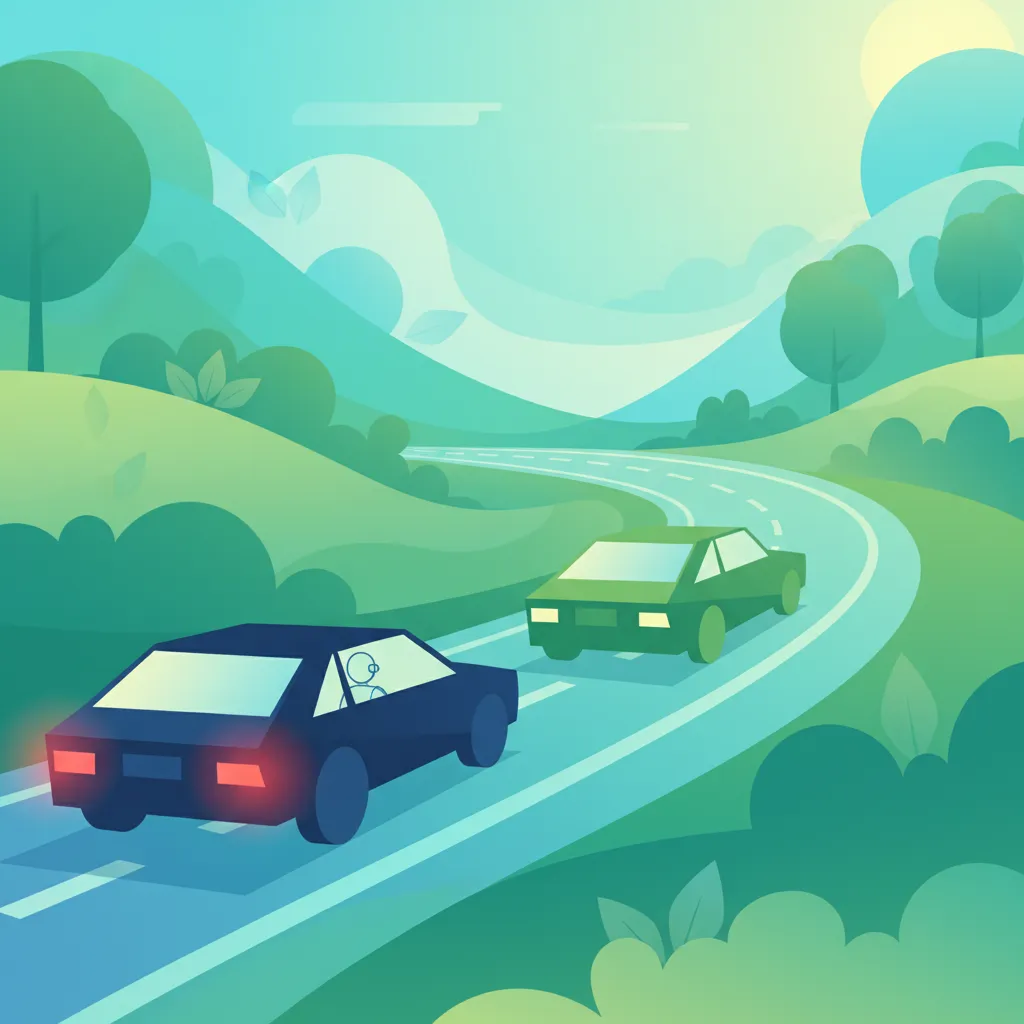
This lesson teaches riders the critical importance of maintaining a safe following distance to allow for adequate reaction and braking time. It explains practical methods for judging this distance, such as the 'two-second rule,' and how this gap must be increased in adverse weather or poor visibility. Understanding this principle is fundamental to preventing rear-end collisions, one of the most common types of traffic accidents.
This lesson provides a clear and serious overview of the laws concerning driving under the influence of alcohol or drugs. It specifies the legal blood alcohol concentration (BAC) limits for moped riders and explains the zero-tolerance policy for illicit substances. The content details the severe consequences of impairment, which include heavy fines, license suspension, and potential criminal charges, reinforcing the absolute necessity of riding sober.
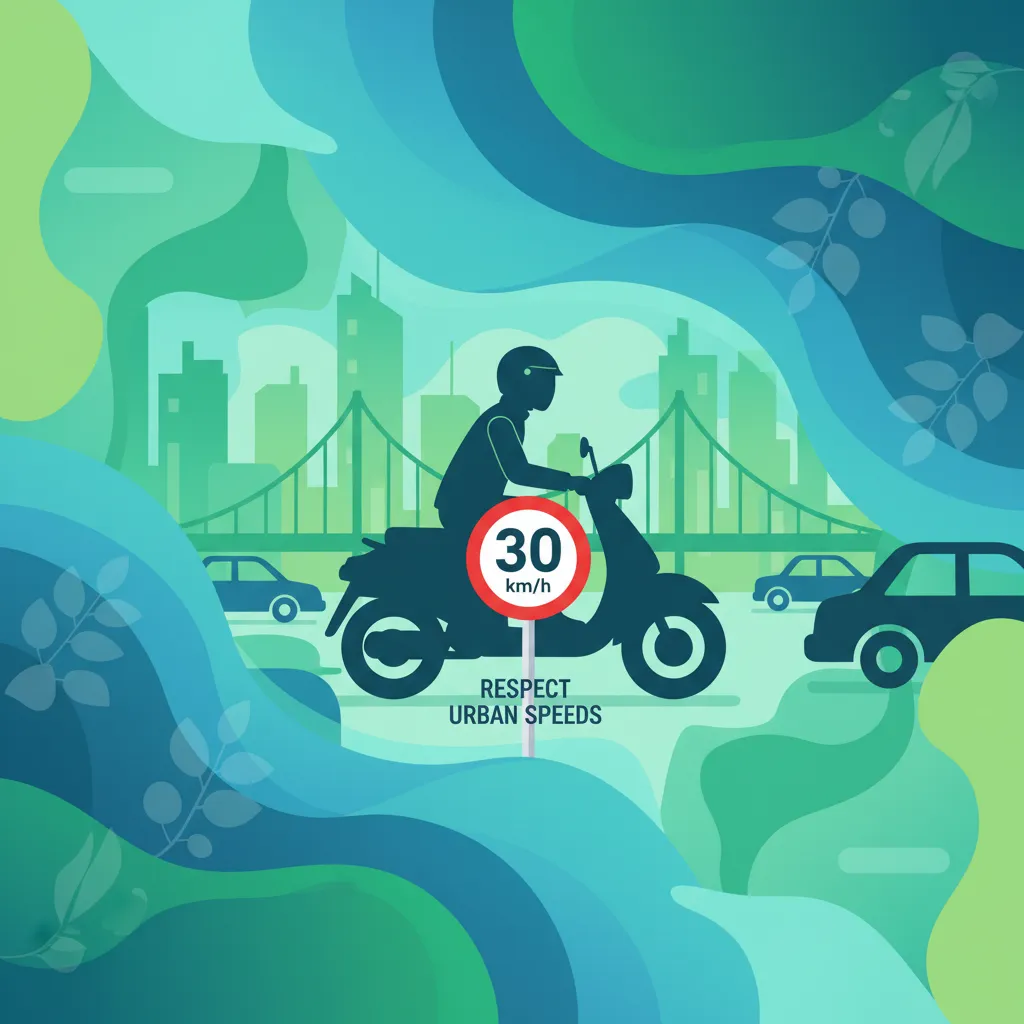
This lesson details the specific speed limits applicable to mopeds within Spanish urban areas, such as the 30 km/h limit on single-lane roads and the 50 km/h limit on roads with two or more lanes per direction. It teaches learners to identify speed zone signage and understand the legal rationale behind these restrictions. Adhering to these DGT-mandated limits is crucial for safety and avoiding penalties.

This lesson introduces the visual language of road markings, focusing on the distinction between solid and broken lines and what they permit regarding lane changes and overtaking. It explains the meaning of directional arrows painted on the road surface, which guide drivers into the correct lane for their intended maneuver. Understanding these markings is crucial for maintaining proper lane discipline and navigating complex intersections and multi-lane roads.
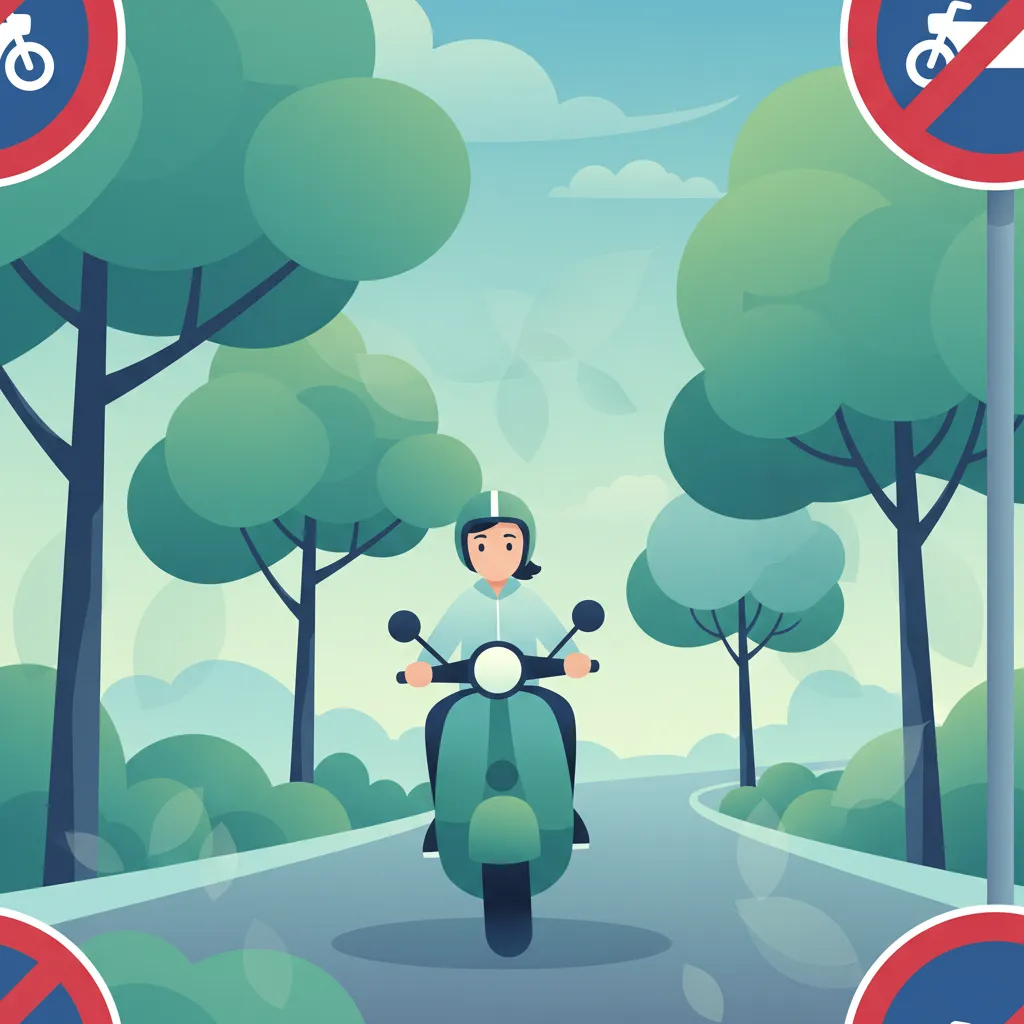
This lesson introduces the regulatory signs that impose obligations or prohibitions on road users, with a focus on those pertinent to mopeds. It covers common signs such as speed limits, 'no entry', and mandatory turn directions, explaining how their shape and color indicate their function. Learners will be able to identify and correctly interpret these signs to navigate urban road networks legally and safely, avoiding potential fines.

This lesson details the formal and legal obligations for reporting a traffic accident to the authorities. It clarifies the circumstances under which police must be called to the scene and the procedures for completing the official European Accident Statement form ('parte amistoso'). Understanding these responsibilities ensures that the rider complies with Spanish law and that the incident is properly documented for insurance and liability purposes.
Learn the core requirements for obtaining a Spanish AM moped licence, including the minimum age of 15, the mandatory medical fitness certificate, and parental consent for minors.
This lesson outlines the compulsory equipment and documentation required for an AM-class vehicle. It emphasizes the legal mandate for an approved helmet, a valid insurance policy, and a vehicle registration plate. Learners will also understand the requirements for the roadworthiness certificate (ITV) and other essential documents needed to prove compliance with DGT safety and legal standards during a traffic stop.
This lesson outlines the mandatory lighting and visibility equipment as per DGT regulations. It covers the correct use of headlights (low and high beams), taillights, and turn signals, ensuring the moped is visible to others, especially at night or in poor weather. The importance of wearing high-visibility or reflective clothing is also emphasized as a critical measure to enhance personal safety by making the rider more conspicuous.
This lesson clarifies the technical classification of mopeds under Spanish law, differentiating them from motorcycles based on engine displacement not exceeding 50cc and specific power limits. It explains how these specifications impact vehicle categorization, registration, and permissible road speed. The content also covers how electric mopeds fit within the same legal framework and the implications for their use on public roads.

This lesson defines the minimum legal ages for driving categories B and BE and explains the importance of medical fitness for safe vehicle operation. It covers the specific health criteria set by the DGT, such as visual acuity, hearing capacity, and other physical capabilities. The content also outlines the distinctions between the two categories, focusing on the legal permissions and requirements for each.
This lesson details the specific speed limits applicable to mopeds within Spanish urban areas, such as the 30 km/h limit on single-lane roads and the 50 km/h limit on roads with two or more lanes per direction. It teaches learners to identify speed zone signage and understand the legal rationale behind these restrictions. Adhering to these DGT-mandated limits is crucial for safety and avoiding penalties.
This lesson provides a clear and serious overview of the laws concerning driving under the influence of alcohol or drugs. It specifies the legal blood alcohol concentration (BAC) limits for moped riders and explains the zero-tolerance policy for illicit substances. The content details the severe consequences of impairment, which include heavy fines, license suspension, and potential criminal charges, reinforcing the absolute necessity of riding sober.
This lesson provides a detailed guide to safely starting a moped, from the ignition sequence to the coordinated use of the throttle and brakes. It explains the importance of a pre-ride checklist to verify lights and controls are functional. The content also covers techniques for achieving smooth acceleration from a standstill and performing controlled stops, which is crucial for managing stop-and-go urban traffic conditions.

This lesson addresses the critical skill of safely sharing the road with other vulnerable users like pedestrians, cyclists, and other motorcyclists. It emphasizes the need for increased awareness, speed adaptation, and providing ample space when passing. The content covers DGT regulations regarding minimum passing distances and highlights the importance of making eye contact to ensure mutual awareness and prevent common urban accidents.
This lesson introduces the regulatory signs that impose obligations or prohibitions on road users, with a focus on those pertinent to mopeds. It covers common signs such as speed limits, 'no entry', and mandatory turn directions, explaining how their shape and color indicate their function. Learners will be able to identify and correctly interpret these signs to navigate urban road networks legally and safely, avoiding potential fines.
Find clear answers to common questions learners have about AM Licence Requirements. Learn how the lesson is structured, which driving theory objectives it supports, and how it fits into the overall learning path of units and curriculum progression in Spain. These explanations help you understand key concepts, lesson flow, and exam focused study goals.
The minimum age to obtain the AM licence in Spain is 15 years old. This licence permits you to drive mopeds with an engine capacity not exceeding 50cc and a maximum speed of 45 km/h.
The 'certificado médico' is a document issued by an authorised medical centre confirming you are physically and psychologically fit to drive. You can obtain this at any 'Centro de Reconocimiento de Conductores' accredited by the DGT. You will need official identification and may be required to undergo tests like vision, hearing, and reflexes.
Yes, if you are under 18 years old when applying for your AM licence, you will need explicit consent from your parents or legal guardians. This consent is a mandatory part of the DGT's application process for minors.
While self-study is possible for the theory knowledge, you must register for the exam through an authorised driving school (autoescuela) or as an independent candidate if permitted by the DGT in your specific region. The driving school will guide you through the administrative steps and exam booking.
You will generally need your DNI (Spanish national identity document) or NIE (foreigner identification number) if you are a resident. Proof of residence, such as a recent utility bill or residence certificate, may also be required, especially if your DNI/NIE does not reflect your current address.
Use our powerful search functionality to pinpoint specific Spanish DGT driving theory practice sets. Filter by road sign categories, traffic law topics, or question difficulty to build custom study sessions and reinforce your knowledge precisely where it matters for your official exam.