
Welcome to the 'Mandatory Equipment and Documentation' lesson, a crucial part of your AM licence preparation. This lesson ensures you understand the essential legal requirements for riding a moped in Spain, covering everything from safety gear to paperwork, and directly prepares you for specific sections of the DGT theory exam.
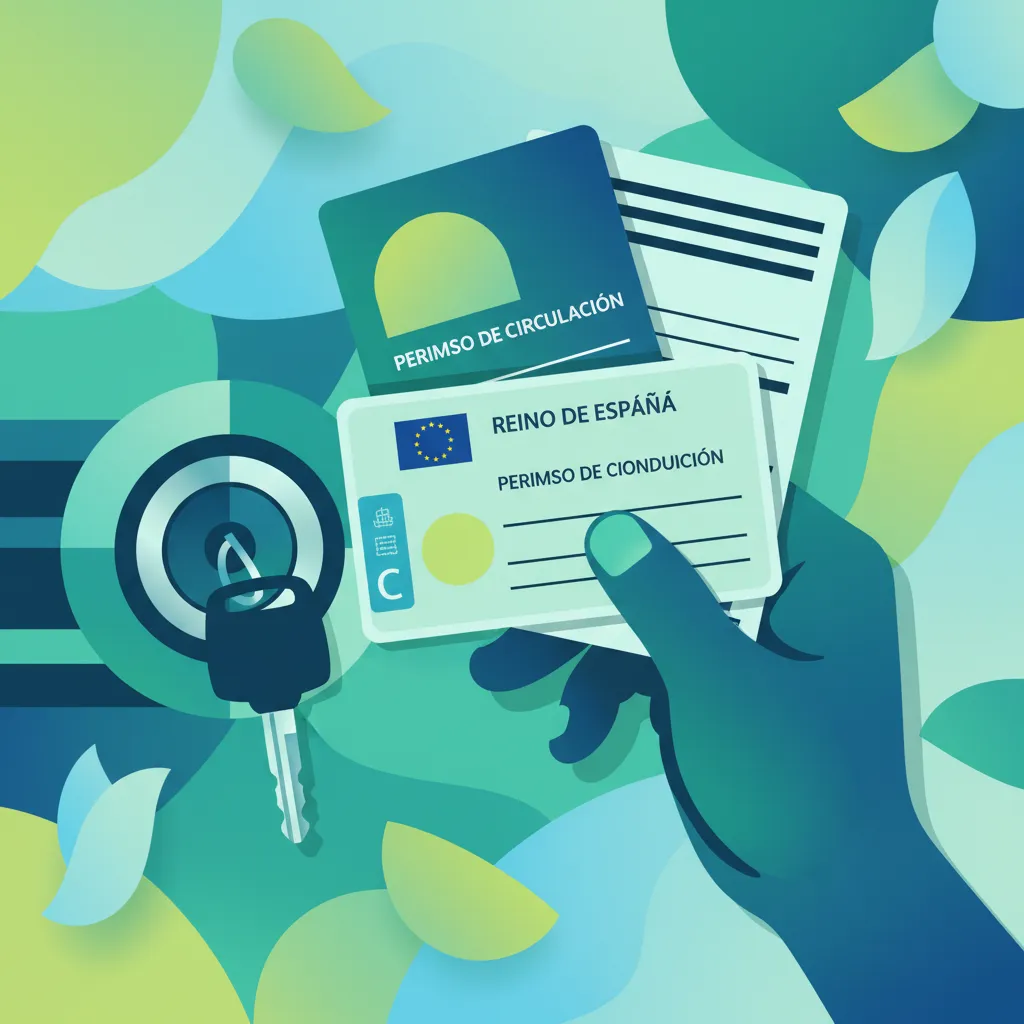
Lesson content overview
Operating an AM-category vehicle, such as a moped or light scooter, on public roads in Spain requires adherence to strict regulations regarding both safety equipment and legal documentation. These requirements are not merely bureaucratic hurdles; they are fundamental to ensuring the safety of the rider and other road users, as well as guaranteeing legal accountability in all circumstances. This lesson provides a comprehensive overview of the compulsory items you must have and carry, helping you comply with Dirección General de Tráfico (DGT) standards and avoid penalties during traffic stops.
The Spanish traffic system mandates specific safety equipment and official documentation for every AM-class vehicle in circulation. This dual approach addresses two critical pillars of road safety and legal order:
Understanding these requirements is essential for anyone preparing for their Spanish Category AM theoretical exam. It builds upon foundational knowledge of vehicle classification and the role of the DGT, preparing you for more advanced topics like hazard awareness and legal responsibilities.
The mandatory equipment and documentation for AM-category vehicles are based on core principles designed to enhance safety, ensure identification, and establish accountability. Each requirement serves a specific purpose, as outlined by the relevant Spanish traffic laws.
These principles collectively aim to reduce risks and maintain administrative control over the vehicle fleet, ensuring that only safe and legally compliant mopeds circulate on Spanish roads.
Safety on a moped begins with the rider. Wearing the correct protective gear is paramount to minimizing injuries in the event of an accident.
The helmet is the single most critical piece of safety equipment for any motorcyclist or moped rider. In Spain, its use is mandatory and strictly regulated.
Definition and Standards: A helmet, or casco, is protective headgear designed to absorb impact energy during a crash. For AM-category vehicles, helmets must comply with European standards, specifically ECE R44/04 or the newer UNE-ECE 22-05 (or 22-06) standards. These certifications ensure the helmet has passed rigorous tests for impact absorption, penetration resistance, chin strap retention, and peripheral vision. The certification label is typically found inside the helmet.
Types of Approved Helmets: While several styles exist, only those approved for street use are permitted:
Practical Meaning and Associated Rules: It is not enough to simply own a helmet; it must be worn correctly. This means the helmet must be put on before the engine starts and remain fastened with the chin strap throughout the entire ride, from the moment you sit on the moped until you dismount.
Failing to wear an approved helmet, or wearing one incorrectly (e.g., with an unfastened chin strap), is a serious infraction. It can result in a significant fine and the loss of points from your driving licence.
Studies consistently show that helmets drastically reduce the risk of traumatic brain injuries and fatalities in moped accidents. The physics of impact absorption, where the helmet's layers deform to disperse energy, directly underpin this vital safety rule.
Beyond the helmet, a range of documents must accompany your AM-category vehicle or be carried by the rider. These establish the vehicle's legal status, its owner, and its roadworthiness.
The registration plate, or placa de matrícula, is the primary means of identifying a vehicle on public roads.
Definition and Standards: This metal plate displays a unique alphanumeric code issued by the DGT (e.g., "1234 ABC"). For mopeds in Spain, the plate is typically yellow with black characters and must be affixed to the rear of the vehicle. It must be clearly visible, legible, and conform to standardized dimensions and fonts. Mopeds registered under the newer series (since 2000) feature the Euro-type plate, which includes the blue European band with the country code 'E' on the left.
Practical Meaning and Associated Rules: The registration plate must never be obscured by accessories, mud, or decorative covers. Any alteration, damage, or obstruction that reduces its legibility is illegal and subject to penalties. If a plate is missing or unreadable, authorities cannot verify the vehicle's registration status, which can lead to fines and even vehicle immobilization. It is crucial to ensure your plate is always clean and properly mounted.
All motor vehicles circulating on public roads in Spain, including AM-category mopeds, must have valid civil liability insurance.
Definition and Coverage: Known as Seguro Obligatorio de Responsabilidad Civil, this insurance policy provides financial compensation for damages (bodily injury and property damage) caused to third parties in an accident where the moped rider is at fault. It is the minimum legal requirement and does not cover damages to your own vehicle or injuries to yourself. Optional comprehensive coverage can be added but is not mandatory.
Practical Meaning and Associated Rules: You must be able to present proof of this insurance during a traffic stop. This can be in the form of a paper certificate (often called the SOAT card) or a digital version accessible on your mobile device. If relying on a digital format, ensure your phone has sufficient battery life to display the document upon request.
Always keep a copy of your insurance certificate readily accessible, whether printed or on your smartphone, to avoid delays and potential fines during checks.
A common misunderstanding is believing that a family car's insurance extends to a moped, or that a purchase contract implying "self-insurance" is sufficient. Neither is true; a separate, specific policy for the moped is legally mandated. This rule is a cornerstone of risk pooling, ensuring that accident victims are not left without financial recourse.
The Inspección Técnica de Vehículos (ITV) is a periodic technical inspection designed to ensure that vehicles meet safety and environmental standards.
Definition and Purpose: The ITV certificate is an official document, typically accompanied by a sticker, verifying that your moped has passed this inspection. The inspection checks critical components like brakes, tires, lights, suspension, and emissions. Its primary purpose is to detect mechanical defects that could endanger traffic, thereby preventing accidents caused by vehicle malfunction.
Frequency for Mopeds:
Generally, brand-new mopeds are exempt from ITV for a certain initial period (e.g., three or four years) from their first registration, after which they typically require an inspection every two years. It's crucial to confirm the exact schedule as it can be subject to updates.
Practical Meaning and Associated Rules: If your moped passes the ITV, you will receive a Tarjeta ITV (ITV card) and a sticker. The sticker must be displayed on the interior of your moped's windshield or in a clearly visible location on the front of the vehicle. An expired ITV certificate means your vehicle is legally unroadworthy, even if it seems to be in perfect condition. Driving with an expired or failed ITV can lead to substantial fines and potential vehicle immobilization.
The Permiso de Circulación is the official document that registers your moped with the DGT.
Definition and Content: This legal document states the vehicle's registration number, technical specifications (such as engine capacity, maximum speed, and vehicle type), and the owner's details. It serves as proof of the vehicle's official registration and the legal right to drive it.
Practical Meaning and Associated Rules: The Permiso de Circulación must be carried inside the vehicle at all times when it is in use. It is distinct from the insurance certificate, although both are mandatory. Authorities can request this document for verification during a traffic stop. Losing this document requires you to request a duplicate from the DGT.
Do not confuse the Permiso de Circulación with the Tarjeta ITV. While both are official vehicle documents, they serve different purposes and both must be carried.
Finally, the rider themselves must be properly identified and licensed.
Definition and Requirements: You must carry a valid form of personal identification, such as your National Identity Document (DNI), a foreign residence permit (NIE), or your passport. In addition, you must possess a valid AM-class driving licence. This licence confirms that you have met the age, training, and medical fitness requirements to legally operate an AM-category vehicle.
Practical Meaning and Associated Rules: Both your identification and your AM driving licence must be presented upon request by traffic authorities. Driving an AM vehicle with only a learner's permit without the full AM endorsement, or with a revoked or suspended licence, is a serious offence that can lead to severe administrative sanctions, fines, and potentially vehicle immobilization. The ability to verify the driver's eligibility is a fundamental aspect of traffic law enforcement.
Beyond passive safety equipment and documentation, the active functionality of your moped's lighting and signaling systems is crucial for safe operation.
Your moped must be equipped with and use functional lights and signaling devices to ensure your visibility to others and to communicate your intentions.
Requirements: This includes:
Practical Meaning and Associated Rules: All these lights must be in good working order. Riding with a broken headlight at night, a non-functional taillight, or malfunctioning turn signals significantly compromises your safety and the safety of others. While a helmet is mandatory at all times, the requirement for active use of lights becomes even more critical during adverse weather conditions (rain, fog), dusk, and night hours. Failure to have functional lighting, particularly when legally required, can result in penalties.
Ignoring mandatory equipment and documentation requirements can lead to significant penalties, ranging from fines to vehicle immobilization. These sanctions are designed to enforce road safety and legal accountability.
The Spanish traffic authorities (DGT, Guardia Civil, local police) regularly conduct checks. If you are found to be non-compliant, you could face:
Many riders incur penalties due to common misunderstandings or oversights:
Prevention is key. A routine check of your moped's essential equipment and documentation before each ride can save you from fines and ensure your safety.
Let's look at how these rules apply in everyday situations.
The regulations surrounding mandatory equipment and documentation for AM-category vehicles are not arbitrary. They are deeply rooted in principles of safety, legal accountability, and risk management that benefit both individual riders and society as a whole.
By understanding the "why" behind these rules, you not only comply with the law but also adopt a proactive approach to your safety and the safety of others. This foundational knowledge is crucial for developing responsible riding habits that will serve you throughout your driving career.
To summarize the essential requirements for operating an AM-category vehicle in Spain:
By mastering these mandatory equipment and documentation requirements, you establish a strong foundation for responsible and safe riding practices, preparing you for all subsequent lessons in your Spanish Driving License Theory – AM Category (Mopeds) Full Curriculum.
Operating an AM-category moped in Spain requires strict compliance with mandatory safety equipment and documentation rules enforced by the DGT. The rider must wear an approved helmet meeting European standards, carry six essential documents (personal ID, AM licence, Permiso de Circulación, insurance certificate, ITV card, and display the registration plate), and ensure all lighting systems are functional. Failure to comply can result in substantial fines, loss of licence points, vehicle immobilization, and personal financial liability if involved in an accident without valid insurance. Regular checks of equipment and document validity before each ride are essential habits for legal and safe moped operation.
A short set of high-value points that capture the most important learning from this lesson.
An approved helmet meeting ECE R44/04 or UNE-ECE 22-05/06 standards must be worn and correctly fastened at all times while riding
Mopeds must display a visible, legible yellow registration plate (placa de matrícula) on the rear at all times
Valid civil liability insurance (Seguro Obligatorio) is mandatory and must be proven upon request during traffic stops
The ITV technical inspection certificate must be kept current and displayed, with brand-new mopeds exempt for an initial period before requiring periodic checks
All six mandatory documents—ID, AM licence, Permiso de Circulación, insurance, ITV card, and registration plate—must be carried or displayed while operating the vehicle
Explore all units and lessons included in this driving theory course.
The helmet must be worn with the chin strap fastened from the moment you mount until you dismount, not just owned
Insurance for a moped must be a separate specific policy—a family car policy does not extend to mopeds
The Permiso de Circulación and the Tarjeta ITV are distinct documents; both must be carried separately
Functional lighting (headlights, taillights, brake lights, turn signals) is mandatory in low-visibility conditions and strongly recommended during daytime for increased visibility
Driving without mandatory insurance can result in personal liability for all damages caused to third parties in an accident
Riding without a helmet or with an unfastened chin strap, assuming short distances on quiet streets are exempt
Forgetting to renew the ITV before its expiration date or driving with an expired ITV certificate
Relying solely on a digital insurance certificate without ensuring the phone battery is sufficient to display it
Obstructing the registration plate with accessories, luggage, or mud, making it unreadable to authorities
Presenting only the driving licence during a police check and claiming other documents are at home
Lesson content overview
A short set of high-value points that capture the most important learning from this lesson.
An approved helmet meeting ECE R44/04 or UNE-ECE 22-05/06 standards must be worn and correctly fastened at all times while riding
Mopeds must display a visible, legible yellow registration plate (placa de matrícula) on the rear at all times
Valid civil liability insurance (Seguro Obligatorio) is mandatory and must be proven upon request during traffic stops
The ITV technical inspection certificate must be kept current and displayed, with brand-new mopeds exempt for an initial period before requiring periodic checks
All six mandatory documents—ID, AM licence, Permiso de Circulación, insurance, ITV card, and registration plate—must be carried or displayed while operating the vehicle
Explore all units and lessons included in this driving theory course.
The helmet must be worn with the chin strap fastened from the moment you mount until you dismount, not just owned
Insurance for a moped must be a separate specific policy—a family car policy does not extend to mopeds
The Permiso de Circulación and the Tarjeta ITV are distinct documents; both must be carried separately
Functional lighting (headlights, taillights, brake lights, turn signals) is mandatory in low-visibility conditions and strongly recommended during daytime for increased visibility
Driving without mandatory insurance can result in personal liability for all damages caused to third parties in an accident
Riding without a helmet or with an unfastened chin strap, assuming short distances on quiet streets are exempt
Forgetting to renew the ITV before its expiration date or driving with an expired ITV certificate
Relying solely on a digital insurance certificate without ensuring the phone battery is sufficient to display it
Obstructing the registration plate with accessories, luggage, or mud, making it unreadable to authorities
Presenting only the driving licence during a police check and claiming other documents are at home
Explore search topics learners often look for when studying Mandatory Equipment and Documentation. These topics reflect common questions about road rules, driving situations, safety guidance, and lesson level theory preparation for learners in Spain.
Browse additional driving theory lessons that cover connected traffic rules, road signs, and common driving situations related to this topic. Improve your understanding of how different rules interact across everyday traffic scenarios.
Understand the essential documents required for AM-category mopeds in Spain, including registration, insurance, and ITV. Learn what to carry and why these are crucial for legal compliance and avoiding fines.
This lesson details the specific prerequisites for obtaining an AM licence, starting with the minimum age of fifteen and the mandatory medical fitness certificate. It guides learners through the administrative process at the DGT, including required identification, proof of residence, and parental consent for minors. The content explains the role of driving schools and the necessary steps for exam registration, ensuring a clear understanding of the entire application procedure.

This lesson clarifies the technical classification of mopeds under Spanish law, differentiating them from motorcycles based on engine displacement not exceeding 50cc and specific power limits. It explains how these specifications impact vehicle categorization, registration, and permissible road speed. The content also covers how electric mopeds fit within the same legal framework and the implications for their use on public roads.
This lesson examines the legal framework for motorcyclists in Spain, including mandatory registration, compulsory insurance, and equipment standards enforced by the DGT. It covers the legal necessity of a homologated helmet, reflective clothing, and compliance with noise and emission standards. Learners also review documentation checks, vehicle inspections, and penalties for non-compliance.
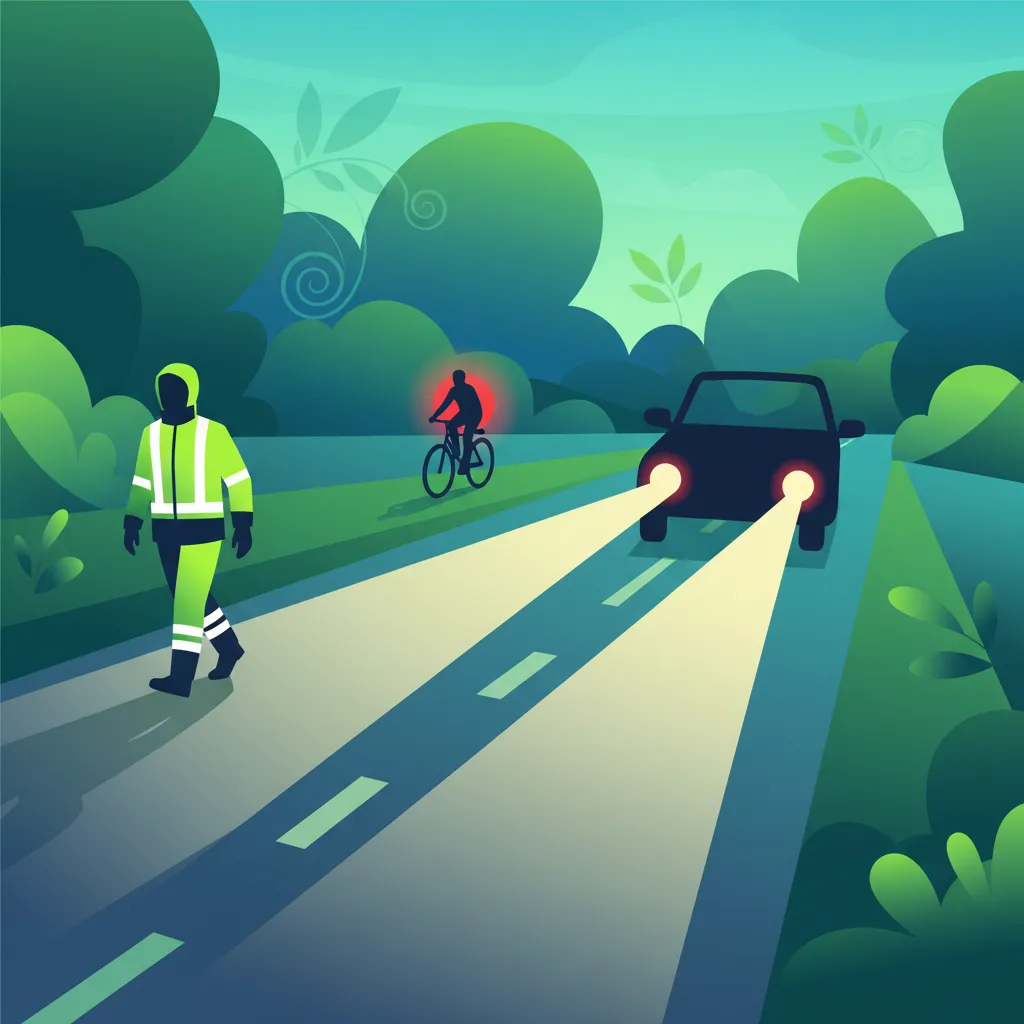
This lesson outlines the mandatory lighting and visibility equipment as per DGT regulations. It covers the correct use of headlights (low and high beams), taillights, and turn signals, ensuring the moped is visible to others, especially at night or in poor weather. The importance of wearing high-visibility or reflective clothing is also emphasized as a critical measure to enhance personal safety by making the rider more conspicuous.
This lesson introduces the regulatory signs that impose obligations or prohibitions on road users, with a focus on those pertinent to mopeds. It covers common signs such as speed limits, 'no entry', and mandatory turn directions, explaining how their shape and color indicate their function. Learners will be able to identify and correctly interpret these signs to navigate urban road networks legally and safely, avoiding potential fines.

This lesson examines the specific documents needed to start the Spanish license acquisition process, including personal identification, proof of residence, and a valid medical certificate (psicotécnico). It outlines the official DGT application form, associated fees, and the sequential steps for successful registration. The content also clarifies the age thresholds for categories B and BE and the conditions for license renewal.
This lesson provides a clear and serious overview of the laws concerning driving under the influence of alcohol or drugs. It specifies the legal blood alcohol concentration (BAC) limits for moped riders and explains the zero-tolerance policy for illicit substances. The content details the severe consequences of impairment, which include heavy fines, license suspension, and potential criminal charges, reinforcing the absolute necessity of riding sober.

This lesson details the formal and legal obligations for reporting a traffic accident to the authorities. It clarifies the circumstances under which police must be called to the scene and the procedures for completing the official European Accident Statement form ('parte amistoso'). Understanding these responsibilities ensures that the rider complies with Spanish law and that the incident is properly documented for insurance and liability purposes.
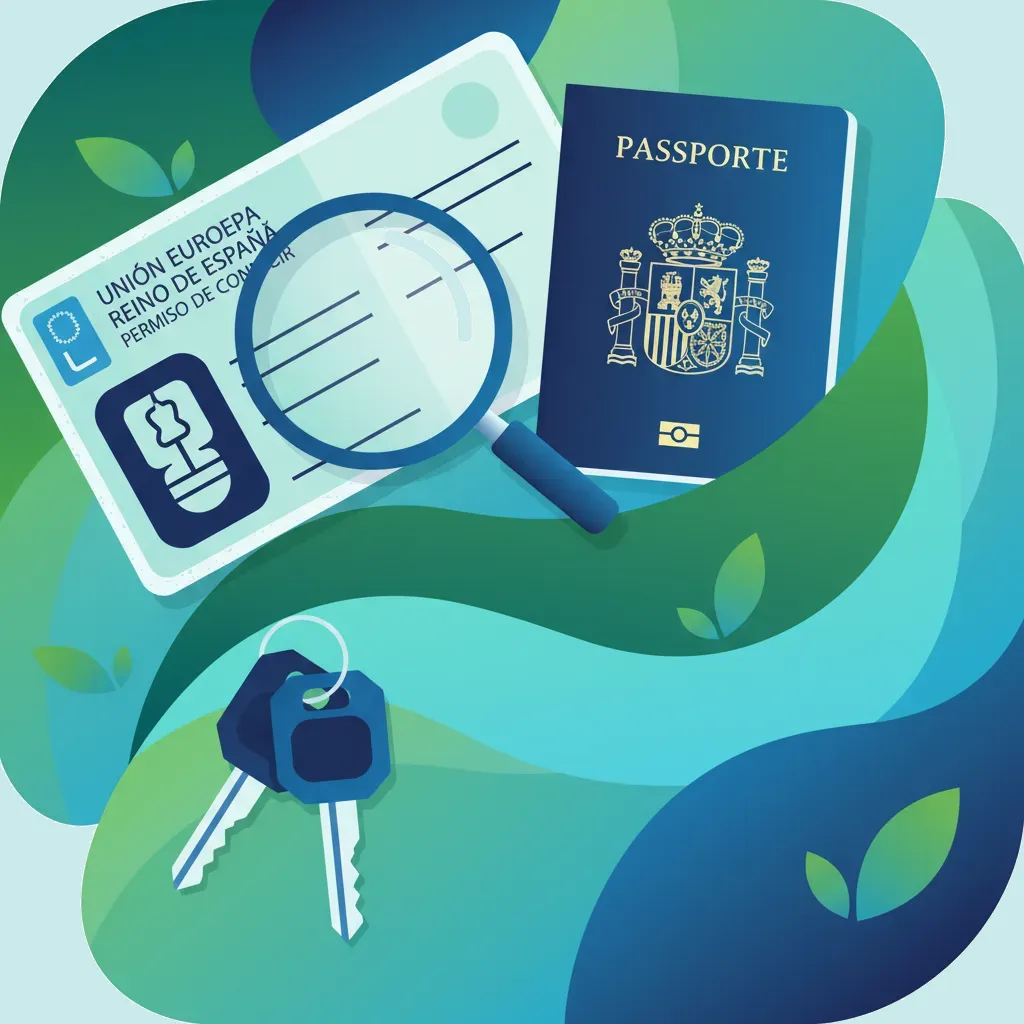
This lesson details the critical documents necessary for the legal operation of a passenger transport vehicle, such as the vehicle registration, driver's license, and insurance policy. It explains the function of the technical inspection certificate (ITV) and the necessity of maintaining accurate driver logbooks and records. Understanding these documentation requirements is essential for passing compliance audits and ensuring lawful operation.
Explore the mandatory safety equipment for mopeds in Spain, focusing on approved helmets and their proper use. Understand the legal standards and why this gear is vital for rider protection.
This lesson outlines the mandatory lighting and visibility equipment as per DGT regulations. It covers the correct use of headlights (low and high beams), taillights, and turn signals, ensuring the moped is visible to others, especially at night or in poor weather. The importance of wearing high-visibility or reflective clothing is also emphasized as a critical measure to enhance personal safety by making the rider more conspicuous.
This lesson examines the legal framework for motorcyclists in Spain, including mandatory registration, compulsory insurance, and equipment standards enforced by the DGT. It covers the legal necessity of a homologated helmet, reflective clothing, and compliance with noise and emission standards. Learners also review documentation checks, vehicle inspections, and penalties for non-compliance.
This lesson introduces the regulatory signs that impose obligations or prohibitions on road users, with a focus on those pertinent to mopeds. It covers common signs such as speed limits, 'no entry', and mandatory turn directions, explaining how their shape and color indicate their function. Learners will be able to identify and correctly interpret these signs to navigate urban road networks legally and safely, avoiding potential fines.
This lesson clarifies the technical classification of mopeds under Spanish law, differentiating them from motorcycles based on engine displacement not exceeding 50cc and specific power limits. It explains how these specifications impact vehicle categorization, registration, and permissible road speed. The content also covers how electric mopeds fit within the same legal framework and the implications for their use on public roads.
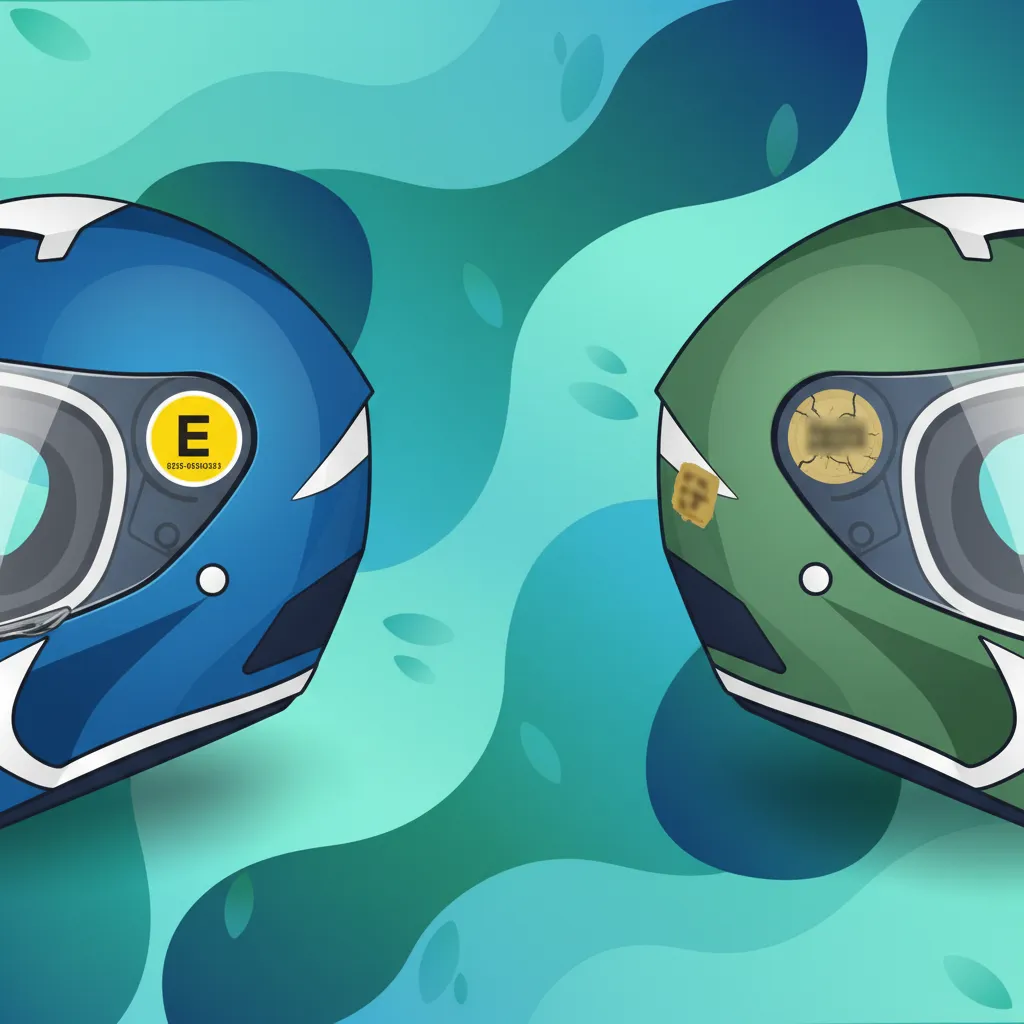
This lesson examines the European ECE homologation process that validates helmet safety, detailing required impact resistance tests, retention systems, and visor criteria. Learners will understand the differences between full-face, modular, and integral helmets. The lesson also provides guidance on proper sizing, regular maintenance, and legal obligations for helmet replacement.
This lesson details the formal and legal obligations for reporting a traffic accident to the authorities. It clarifies the circumstances under which police must be called to the scene and the procedures for completing the official European Accident Statement form ('parte amistoso'). Understanding these responsibilities ensures that the rider complies with Spanish law and that the incident is properly documented for insurance and liability purposes.
This lesson presents a systematic pre-ride safety checklist covering tire pressure, brake fluid levels, lighting operation, and chain tension to ensure the motorcycle is road-ready. It also emphasizes personal checks such as helmet strap security and appropriate gear for weather conditions. Integrating DGT-recommended inspection procedures helps minimize equipment-related failures.
Find clear answers to common questions learners have about Mandatory Equipment and Documentation. Learn how the lesson is structured, which driving theory objectives it supports, and how it fits into the overall learning path of units and curriculum progression in Spain. These explanations help you understand key concepts, lesson flow, and exam focused study goals.
For Category AM mopeds in Spain, it is mandatory to wear an approved safety helmet that meets current homologation standards (e.g., ECE R22.05 or its successor). The helmet must be properly fastened and suitable for the rider. Not wearing an approved and correctly fitted helmet is a common reason for fines and demerit points.
Yes, all motor vehicles, including mopeds (Category AM), must have at least third-party liability insurance (seguro de responsabilidad civil). This insurance covers damages caused to third parties. Riding without valid insurance is a serious offense with significant penalties.
ITV stands for Inspección Técnica de Vehículos, which is the technical vehicle inspection. Mopeds generally require their first ITV inspection after three years from the date of first registration, and subsequently every two years. This ensures the moped is in safe working order and complies with technical regulations.
You must always carry your valid AM driving licence, proof of current insurance for the moped, the vehicle's registration certificate (permiso de circulación), and the ITV card (tarjeta de inspección técnica) if applicable. You should also have the insurance policy details. Police can ask for these documents at any time.
If you are stopped and do not have the required documentation (licence, insurance, registration, ITV) or are missing mandatory equipment (like a proper helmet), you can face fines and potentially have your moped immobilised. In some cases, lack of documentation or equipment can also lead to demerit points on your driving licence.
Use our powerful search functionality to pinpoint specific Spanish DGT driving theory practice sets. Filter by road sign categories, traffic law topics, or question difficulty to build custom study sessions and reinforce your knowledge precisely where it matters for your official exam.