
This lesson details the critical DGT legal requirements for seatbelts and child restraint systems in Spanish buses and coaches, covering Category D and D1 licences. Understanding these rules is fundamental for ensuring passenger safety and avoiding legal penalties. It builds upon your knowledge of professional driver responsibilities and directly prepares you for exam questions on passenger welfare.
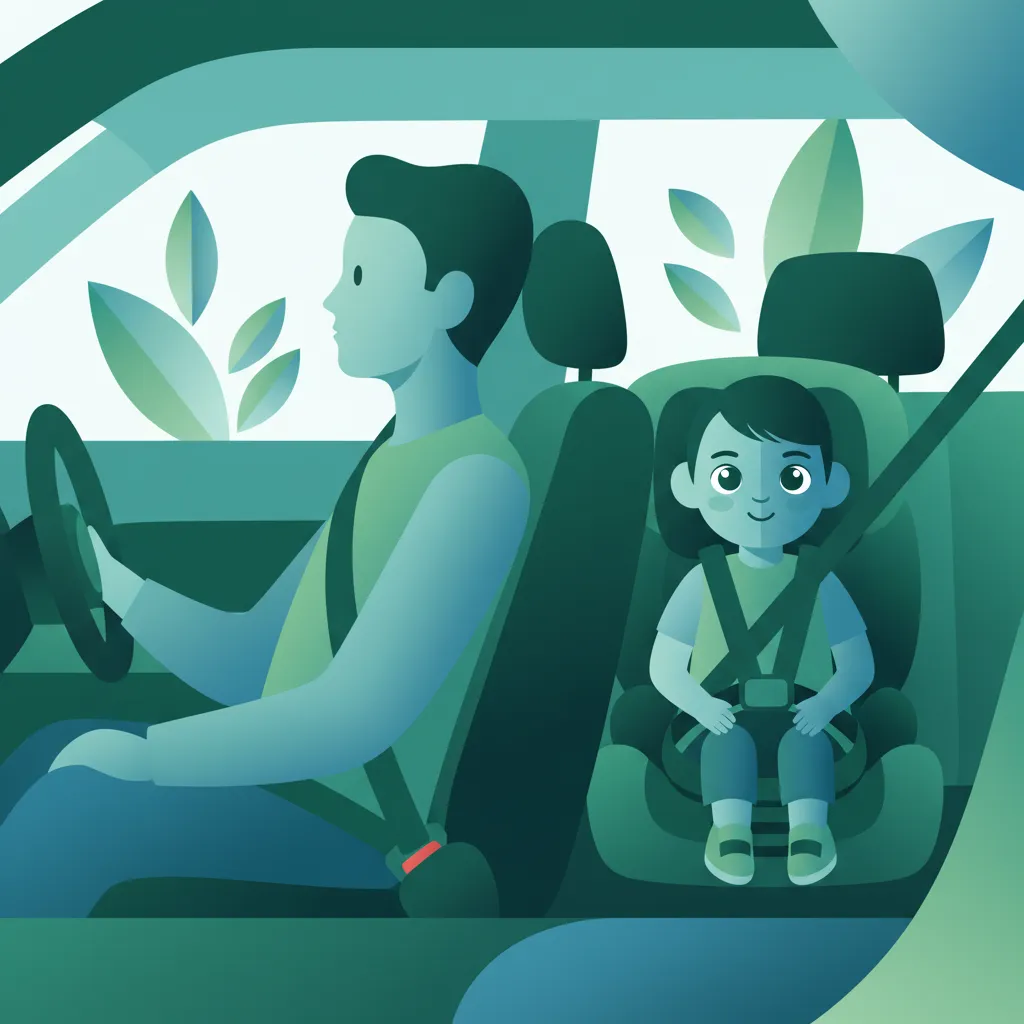
Lesson content overview
Operating a professional bus or coach for the Spanish DGT (Dirección General de Tráfico) Category D & D1 license involves significant responsibility, particularly concerning passenger safety. This lesson details the critical legal requirements for the use of seatbelts and child restraint systems (CRS) within these vehicles. Adhering to these regulations is not only a legal obligation but a fundamental aspect of ensuring the well-being of all occupants, minimizing injury risks, and upholding professional standards.
The primary goal of passenger restraint laws in public transport is to safeguard occupants during sudden stops, collisions, or evasive maneuvers. For drivers of buses and coaches, understanding and enforcing these regulations is paramount. The DGT's framework is designed to protect vulnerable passengers, especially children, and reduce the severity of injuries in the event of an accident. Non-compliance carries significant legal and financial consequences for both the driver and the operating company. This lesson will equip you with the knowledge required to confidently meet these obligations, covering everything from adult seatbelt use to the specific requirements for various child restraint devices.
This lesson connects closely with other critical areas of your training, such as Vehicle Handling & Dimensions (understanding vehicle capacity and seat layout), Passenger Safety & Comfort (general boarding and alighting protocols), and Emergency & Evacuation (the quick release of restraints).
The Dirección General de Tráfico (DGT) regulations unequivocally mandate the use of seatbelts and appropriate child restraint systems in buses and coaches where such devices are installed. These rules apply to all journeys, regardless of duration or distance, emphasizing universal compliance as a cornerstone of passenger safety.
Every seat in a bus or coach that is equipped with a seatbelt must be utilized by its occupant. This is a fundamental principle of passenger safety and a non-negotiable legal requirement under Spanish traffic law. The purpose of this universal requirement is multifaceted: it prevents occupants from being ejected from their seats or the vehicle, significantly reduces the impact forces experienced during a collision, and helps maintain the occupant's position within the protective shell of the vehicle.
A restraint system that secures an occupant across the lap and diagonally across the torso, typically over one shoulder. This design distributes crash forces over stronger parts of the body, such as the pelvis and rib cage.
For adult passengers and children who meet specific height criteria (generally over 135 centimeters), the standard three-point seatbelt (or equivalent, such as a two-point lap belt if installed) is the mandated restraint. Drivers must be aware that there are no exemptions for short journeys or specific routes; if a seat has a belt, it must be fastened. A common misunderstanding among passengers is that they only need to buckle up on longer, intercity trips, or that the driver is solely responsible for ensuring front-seat passengers are restrained. However, the requirement extends to all equipped seats throughout the entire journey.
Before departure and after every stop where passengers board or alight, the driver has a critical duty to verify that all passengers are correctly restrained. This includes ensuring that the seatbelt is clicked until a distinct sound is heard and that it feels snug, without twists, across the body.
Children, due to their developing skeletal structure and smaller size, are particularly vulnerable in vehicle collisions. Therefore, specific regulations for Child Restraint Systems (CRS) are in place to provide them with appropriate protection. These systems are designed to secure children according to their age, height, and weight, ensuring that crash forces are distributed safely across their bodies.
Specialized devices, such as infant carriers, child seats, or booster seats, designed to secure children in a vehicle, providing protection appropriate for their size and weight.
Spanish regulations, notably DGT Circular 11/2022, stipulate that children under 12 years of age or shorter than 135 centimeters must use an approved CRS adapted to their individual size and weight. This mandate is crucial for protecting a child's spine and thorax, which are more susceptible to injury in an impact compared to an adult's.
The type of CRS required depends on the child's characteristics:
It is a common misunderstanding to believe a child can use a regular seatbelt simply because they are seated, or to misjudge the height versus weight thresholds for CRS use. For example, a 4-year-old child measuring 115 centimeters and weighing 20 kilograms must be secured in an appropriate forward-facing child seat with a harness, even on a short city bus journey. The device must be installed strictly according to the manufacturer's instructions and properly secured within the vehicle, often using the bus's own seatbelt system.
The bus or coach driver bears the primary legal responsibility for confirming that all passengers, particularly children, are correctly restrained before the vehicle commences movement. This driver verification duty is a core principle of passenger safety and a critical legal obligation.
The driver's verification duty is not a one-time check but a continuous process throughout the journey:
Visually scan all occupied seats, paying close attention to both adult passengers and children.
Confirm that adult passengers have fastened their three-point seatbelts, looking for the visible strap across the shoulder and lap.
For children, verify that the correct Child Restraint System (CRS) is in use and properly installed according to manufacturer guidelines (e.g., harness secured, booster seat correctly positioned).
If any passenger is unbelted or a child’s CRS is improperly used, politely request correction before moving the vehicle.
Ensure all checks are completed before closing doors and engaging drive.
Relying solely on verbal confirmation from passengers is insufficient; a visual inspection is mandated to fulfill this legal obligation. Failure to verify can lead to administrative penalties for the driver and the operator, and significantly increased liability in the event of an accident. For example, a driver must ensure a child is correctly secured in an infant carrier before leaving a bus stop, even if the accompanying adult states it is done.
Beyond immediate verification, robust documentation of restraint compliance is an integral part of professional bus and coach operation. This systemic safety reporting serves as an audit trail and provides evidence of adherence to regulations.
Reporting typically involves:
The driver is often required to sign off after each trip, attesting to the compliance status. These records are crucial for DGT inspections and can significantly mitigate legal consequences for the driver and operator in case of an accident investigation. For instance, after completing a city route, the driver would log that all adult passengers used seatbelts and that specific children were secured in booster seats or child seats as required.
Compliance with seatbelt and child restraint laws is strictly enforced by the DGT. Understanding the specific regulations and potential penalties is crucial for every professional driver.
The foundational rules governing seatbelts and child restraints in Spain are primarily found in the Reglamento General de Conductores (General Regulation for Drivers) and specific DGT circulars, such as Circular 11/2022. These documents define:
Breaches of these regulations can lead to substantial fines and the deduction of points from the driver's license under the DGT's point system, potentially leading to license suspension.
Drivers must be acutely aware of common pitfalls that lead to violations:
Beyond the core rules, professional drivers must consider various contextual factors that can influence the application and importance of restraint laws.
The regulations surrounding seatbelts and child restraints are firmly rooted in the physics of collisions and biomechanical studies of human injury.
Understanding key terms is fundamental for professional drivers navigating passenger safety regulations in Spain.
Understanding the rules is one thing; applying them effectively in various real-world scenarios is another. Here are some practical examples:
This lesson has highlighted the critical aspects of seatbelt and child restraint laws for professional bus and coach drivers in Spain. To recap the essential points:
Adhering to these laws is a fundamental responsibility of every professional bus and coach driver, ensuring the highest standards of passenger safety on Spanish roads.
This lesson covers the mandatory DGT regulations for seatbelt and child restraint usage in Spanish buses and coaches under Category D and D1 licences. Key rules include universal seatbelt use for all equipped seats (adults and children over 135cm), mandatory CRS for children under 135cm or under 12 years old based on weight categories (infant carriers, rear-facing, forward-facing, and booster seats), and the driver's legal duty to visually verify all restraints before moving the vehicle and after every stop. Non-compliance results in administrative penalties and point deductions under Spain's driver point system. Practical scenarios demonstrate correct verification procedures and common violations that learners must avoid for both the theory exam and real-world passenger safety.
A short set of high-value points that capture the most important learning from this lesson.
Every occupied seat with a seatbelt must be fastened—no exemptions exist for short journeys or specific routes
Children under 135cm tall OR under 12 years of age must use an approved Child Restraint System suited to their weight and size
Drivers bear legal responsibility to visually verify all passengers are correctly restrained before departure and after every boarding stop
Seatbelts are only for seated passengers; standing passengers must rely on handrails and cannot wear seatbelts
Drivers must document compliance in a logbook or electronic system for DGT inspection and legal accountability
Explore all units and lessons included in this driving theory course.
Three-point seatbelt distributes crash forces over pelvis and rib cage; it must be snug without twists across lap and shoulder
Booster seats are mandatory for children under 135cm (22-45kg) until the adult seatbelt fits correctly
Rear-facing seats provide superior head and neck protection for infants and toddlers up to 15-25kg
Electronic monitoring systems assist but never replace the driver's mandatory visual verification duty
DGT Circular 11/2022 and Article 25 of Regulation 404-2015 govern these requirements with point deductions for violations
Assuming passengers only need seatbelts on intercity journeys; the rule applies to all routes regardless of distance
Relying solely on verbal confirmation from passengers without performing a visual check of each seat
Failing to re-verify restraints after passengers move seats or return from comfort breaks
Using a booster seat for a child who already meets the 135cm threshold and can use the adult seatbelt directly
Departing before confirming a child's CRS is both correctly positioned and properly anchored to the vehicle seat
Lesson content overview
A short set of high-value points that capture the most important learning from this lesson.
Every occupied seat with a seatbelt must be fastened—no exemptions exist for short journeys or specific routes
Children under 135cm tall OR under 12 years of age must use an approved Child Restraint System suited to their weight and size
Drivers bear legal responsibility to visually verify all passengers are correctly restrained before departure and after every boarding stop
Seatbelts are only for seated passengers; standing passengers must rely on handrails and cannot wear seatbelts
Drivers must document compliance in a logbook or electronic system for DGT inspection and legal accountability
Explore all units and lessons included in this driving theory course.
Three-point seatbelt distributes crash forces over pelvis and rib cage; it must be snug without twists across lap and shoulder
Booster seats are mandatory for children under 135cm (22-45kg) until the adult seatbelt fits correctly
Rear-facing seats provide superior head and neck protection for infants and toddlers up to 15-25kg
Electronic monitoring systems assist but never replace the driver's mandatory visual verification duty
DGT Circular 11/2022 and Article 25 of Regulation 404-2015 govern these requirements with point deductions for violations
Assuming passengers only need seatbelts on intercity journeys; the rule applies to all routes regardless of distance
Relying solely on verbal confirmation from passengers without performing a visual check of each seat
Failing to re-verify restraints after passengers move seats or return from comfort breaks
Using a booster seat for a child who already meets the 135cm threshold and can use the adult seatbelt directly
Departing before confirming a child's CRS is both correctly positioned and properly anchored to the vehicle seat
Explore search topics learners often look for when studying Seatbelt and Child Restraint Laws. These topics reflect common questions about road rules, driving situations, safety guidance, and lesson level theory preparation for learners in Spain.
Browse additional driving theory lessons that cover connected traffic rules, road signs, and common driving situations related to this topic. Improve your understanding of how different rules interact across everyday traffic scenarios.
Explore detailed Spanish DGT regulations on seatbelt use and child restraint systems (CRS) for bus and coach drivers. Understand advanced verification protocols, common violations, and consequences for non-compliance, crucial for passenger safety.
This lesson explains the fundamental DGT regulations that govern public transport services, including requirements for operational permits and route authorizations. It covers the mandatory schedules for vehicle inspections, standards for emissions, and the legal importance of adhering to timetables and service quality. Learners will also understand the nature of regulatory audits and compliance checks that operators must undergo.

This lesson provides a comprehensive overview of the legal and practical requirements for making public transport accessible to all passengers, including those with disabilities. It covers the correct use of designated wheelchair spaces, ramp operation, priority seating, and the function of tactile and auditory alerts. Learners will understand their obligations to assist passengers safely and respectfully, ensuring full compliance with accessibility legislation.
This lesson focuses on the legal duty of care that professional bus drivers owe to their passengers, emphasizing the obligation to ensure safe transport. It examines the specific traffic laws applicable to heavy vehicles and the consequences of violations, such as fines and license sanctions. The content also details the mandatory procedures for reporting incidents and the essential insurance coverage required by the DGT.

This lesson details the critical documents necessary for the legal operation of a passenger transport vehicle, such as the vehicle registration, driver's license, and insurance policy. It explains the function of the technical inspection certificate (ITV) and the necessity of maintaining accurate driver logbooks and records. Understanding these documentation requirements is essential for passing compliance audits and ensuring lawful operation.
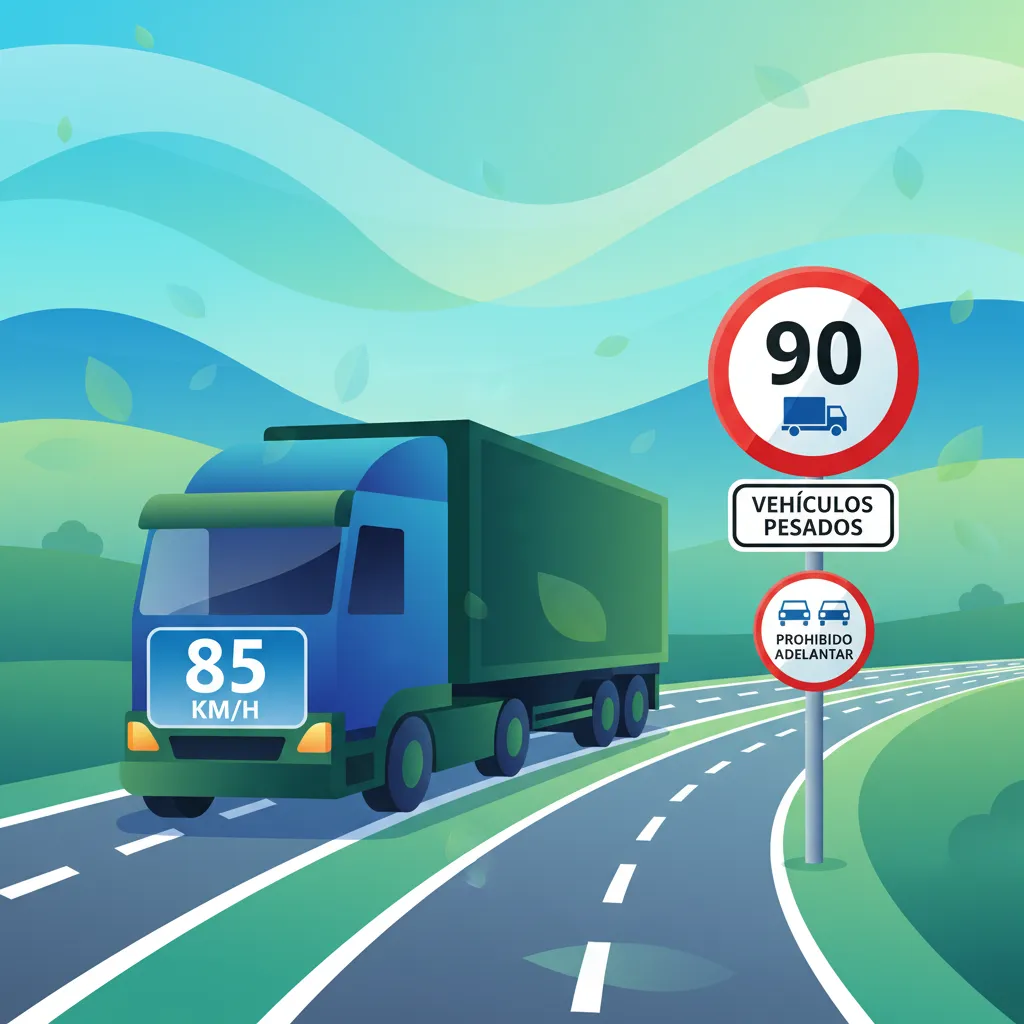
This lesson details the specific legal speed limits that apply to heavy passenger vehicles on Spanish highways, including variable speed zones that adjust based on traffic and weather conditions. Learners will understand the methods for speed monitoring, the function of speed control devices, and the legal consequences of non-compliance. The content also provides guidance on calculating a safe operating speed based on vehicle load and road conditions.

This lesson focuses on safe and efficient methods for passenger boarding and alighting at designated stops and stations, highlighting correct stop positioning and controlled door operation. It covers the proper deployment of wheelchair ramps, the use of safety signage, and the delivery of clear announcements to manage passenger movement effectively. Learners will develop techniques for controlling speed and performing safety checks to minimize stop times while maximizing safety.

This lesson provides a detailed breakdown of the D and D1 license categories, defining the vehicle dimensions and passenger capacities for each. It explains the DGT's eligibility requirements, including minimum age, medical certification, and mandatory psychological assessments for professional drivers. Learners will understand the complete procedural path to obtaining a professional bus or coach license in Spain.

This lesson provides detailed guidance on accommodating passengers with disabilities, covering the correct operation of wheelchair ramps, allocation of priority seating, and use of communication aids. Learners will understand the legal accessibility standards set by the DGT, the training required for staff, and techniques for preserving passenger dignity during boarding and travel. Emphasis is placed on safety, respect, and full compliance with all accessibility regulations.

This lesson provides a detailed outline of the legal framework that governs driver duty hours in Spain, specifying the maximum continuous driving time and mandatory rest periods defined by the DGT. Learners will understand the limits on cumulative work hours, the necessity of meticulous record-keeping, and methods for monitoring compliance with these regulations. The module also discusses the penalties for violations and reinforces the safety imperative of adherence.

This lesson addresses overtaking procedures and lane discipline specifically for large coaches, emphasizing correct lane positioning and safe passing practices on multi-lane highways. It covers the legal rules for overtaking, the critical need for comprehensive blind spot checks before changing lanes, and the importance of signaling intentions early. Learners will also be taught how to maintain appropriate safety gaps when maneuvering around slower-moving traffic.
Learn how to apply Spanish DGT laws for seatbelt and child restraint systems in practical, real-world scenarios for bus and coach drivers. Understand common situations, passenger interactions, and correct procedures for ensuring compliance and safety.
This lesson focuses on the legal duty of care that professional bus drivers owe to their passengers, emphasizing the obligation to ensure safe transport. It examines the specific traffic laws applicable to heavy vehicles and the consequences of violations, such as fines and license sanctions. The content also details the mandatory procedures for reporting incidents and the essential insurance coverage required by the DGT.

This lesson outlines the core principles of defensive driving, focusing on maintaining a safe following distance, creating a protective space cushion around the vehicle, and anticipating potential hazards. Learners will be taught how to develop contingency plans for unexpected events and employ risk mitigation techniques to actively avoid accidents. The content reinforces the vital importance of remaining vigilant and proactive at all times when driving.
This lesson addresses overtaking procedures and lane discipline specifically for large coaches, emphasizing correct lane positioning and safe passing practices on multi-lane highways. It covers the legal rules for overtaking, the critical need for comprehensive blind spot checks before changing lanes, and the importance of signaling intentions early. Learners will also be taught how to maintain appropriate safety gaps when maneuvering around slower-moving traffic.
This lesson details the specific legal speed limits that apply to heavy passenger vehicles on Spanish highways, including variable speed zones that adjust based on traffic and weather conditions. Learners will understand the methods for speed monitoring, the function of speed control devices, and the legal consequences of non-compliance. The content also provides guidance on calculating a safe operating speed based on vehicle load and road conditions.
This lesson focuses on safe and efficient methods for passenger boarding and alighting at designated stops and stations, highlighting correct stop positioning and controlled door operation. It covers the proper deployment of wheelchair ramps, the use of safety signage, and the delivery of clear announcements to manage passenger movement effectively. Learners will develop techniques for controlling speed and performing safety checks to minimize stop times while maximizing safety.

This lesson focuses on the high standards of professional behavior expected from drivers in the passenger transport sector, covering customer interaction skills and service quality benchmarks. Learners will explore effective communication techniques, methods for resolving conflicts calmly, and the importance of maintaining a professional demeanor, including appropriate dress and punctuality. The content emphasizes how courteous conduct directly enhances passenger satisfaction and promotes a positive company image.
This lesson explores the regulations for dedicated bus lanes in urban environments, detailing the correct interpretation of associated lane markings and traffic signage. Learners will understand the specified times of operation, rules for sharing lanes with other vehicles, and the legal consequences of unauthorized entry. The module also provides clear guidelines for entering and exiting bus lanes at designated points to maintain traffic flow.
This lesson provides a comprehensive overview of the legal and practical requirements for making public transport accessible to all passengers, including those with disabilities. It covers the correct use of designated wheelchair spaces, ramp operation, priority seating, and the function of tactile and auditory alerts. Learners will understand their obligations to assist passengers safely and respectfully, ensuring full compliance with accessibility legislation.
This lesson provides a detailed outline of the legal framework that governs driver duty hours in Spain, specifying the maximum continuous driving time and mandatory rest periods defined by the DGT. Learners will understand the limits on cumulative work hours, the necessity of meticulous record-keeping, and methods for monitoring compliance with these regulations. The module also discusses the penalties for violations and reinforces the safety imperative of adherence.
Find clear answers to common questions learners have about Seatbelt and Child Restraint Laws. Learn how the lesson is structured, which driving theory objectives it supports, and how it fits into the overall learning path of units and curriculum progression in Spain. These explanations help you understand key concepts, lesson flow, and exam focused study goals.
Where seatbelts are fitted in a Spanish bus or coach, their use is generally mandatory for passengers while the vehicle is in motion, especially outside urban areas. However, there are exceptions, such as in certain urban services or for passengers with medical exemptions, which you will learn to identify.
As a professional D/D1 driver in Spain, you are responsible for ensuring that appropriate child restraint systems are available and correctly used by younger passengers according to DGT age and size regulations. This includes performing visual checks before departure to confirm proper installation and use.
DGT regulations specify that children up to 135 cm in height must use an approved child restraint system adapted to their size and weight. While the general rule uses 135 cm, specific adaptations for different age groups and vehicle types are detailed to ensure full compliance and safety in a bus or coach.
Yes, a professional driver (Category D/D1) can face penalties for non-compliance if passengers, especially minors, are not using available seatbelts or appropriate child restraint systems according to DGT regulations. It is part of the driver's legal responsibility to ensure passenger safety.
The DGT laws on seatbelts and child restraints apply broadly to buses and coaches in Spain, including both urban and long-distance services. However, there can be specific nuances and exemptions depending on the vehicle's design (e.g., standing passengers in urban buses) and the type of service provided, which this lesson clarifies.
Use our powerful search functionality to pinpoint specific Spanish DGT driving theory practice sets. Filter by road sign categories, traffic law topics, or question difficulty to build custom study sessions and reinforce your knowledge precisely where it matters for your official exam.