
Mastering challenging weather conditions is essential for safe motorcycle riding and passing your Spanish DGT theory exam. This lesson delves into the specific impacts of rain, wind, and heat on motorcycle dynamics and rider comfort, offering vital strategies for A, A1, and A2 licence holders. You'll learn how to adapt your riding to maintain control and safety, preparing you for real-world scenarios and comprehensive exam questions.

Lesson content overview
Motorcycling offers an unparalleled sense of freedom, but it also demands heightened awareness and skill, especially when faced with challenging weather. Rain, strong winds, and extreme heat can drastically alter road conditions, motorcycle dynamics, and rider comfort, increasing the risk of accidents. This lesson, crucial for preparing for your Spanish Motorcycle Theory Exam for A, A1, and A2 licences, will equip you with the knowledge and techniques to safely navigate these adverse conditions. Understanding how these elements affect your motorcycle and making appropriate adjustments is not just about passing an exam; it's about ensuring your safety and enjoyment on every ride.
Adverse weather conditions fundamentally change the way your motorcycle interacts with the road and the environment. Physics plays a critical role: water reduces friction, wind applies lateral and longitudinal forces, and heat affects tyre pressure and rider physiology. These changes necessitate significant adaptations in your riding behaviour, speed, and equipment to maintain control and safety. The Spanish traffic code, the Reglamento General de Circulación (RGC), explicitly mandates that drivers adapt their speed and behaviour to prevailing road and weather conditions, highlighting the legal obligation inherent in safe riding.
Maintaining a motorcycle in good technical condition, including correct tyre pressure and functional brakes, is a legal obligation under RGC Art. 70, which becomes even more critical in challenging weather.
When rain falls, a film of water develops between your tyres and the road surface, dramatically lowering the coefficient of friction. This means less grip for braking, accelerating, and cornering. Strong winds, particularly crosswinds, can push a motorcycle off its intended line, requiring constant corrective input from the rider. High temperatures can cause the air inside your tyres to expand, increasing pressure and potentially reducing the tyre's contact patch with the road, while also leading to rider fatigue and dehydration. Recognizing these physical effects is the first step toward effective hazard perception and defensive riding strategies.
Rain is arguably the most common and significant weather hazard for motorcyclists. It drastically reduces grip, increases braking distances, and impairs visibility. Adapting your riding style is essential to prevent skidding, hydroplaning, and collisions.
The presence of water on the road surface creates a lubricating layer between the tyre and the tarmac, directly reducing the available friction. On a dry road, the coefficient of friction is relatively high, allowing for confident braking and cornering. However, when wet, this coefficient can drop by 30% to 50%, sometimes even more on oily or painted surfaces. This reduction means that any input that relies on friction – braking, acceleration, or leaning into a turn – must be applied with significantly more caution and gentleness.
Early rain often poses an elevated risk. During the first few minutes of a downpour, road grime, oil, and rubber particles that have accumulated on the dry surface mix with the rainwater, creating a dangerously slick film. This "greasy" surface can be even more hazardous than continuous heavy rain on a clean road. Therefore, vigilance is paramount, especially at the start of rainfall.
Hydroplaning, also known as aquaplaning, occurs when your tyre loses direct contact with the road surface and rides on a layer of water. This phenomenon results in a sudden, complete loss of steering, braking, and acceleration control.
The dangerous condition where a vehicle's tyres lose contact with the road surface due to a layer of water, leading to a loss of control.
There are two main types of hydroplaning:
Recognizing the onset of hydroplaning is crucial. You might feel a sudden lightness in the steering, a loss of engine braking, or a sensation of floating. If this happens, do not make sudden control inputs. Gradually ease off the throttle and avoid braking or sudden steering until you feel the tyres regain contact with the road.
The most critical adjustment for riding in wet conditions is to reduce your speed significantly. The Reglamento General de Circulación (RGC) explicitly states in Article 91 that "The driver shall adapt speed to the prevailing conditions of the road and weather," and in Article 108, "The speed of the vehicle must be adapted to the circumstances and conditions of travel." These articles place a legal obligation on you to reduce speed when traction is compromised.
A conservative speed allows for longer stopping distances, reduces the risk of hydroplaning, and gives you more time to react to hazards. Aim to ride well below the posted speed limit, especially when visibility is poor or the road surface is particularly slick. Continuous, dynamic speed adjustment is necessary; if you encounter a large puddle or an area of heavy spray, reduce your speed further. Remember that painted road markings (like zebra crossings or arrows) and metal surfaces (like manhole covers or bridge expansion joints) become extremely slippery when wet and should be approached with extreme caution, often requiring a further reduction in speed.
Braking in the rain requires a delicate touch and advanced planning. Given the reduced grip, sudden or aggressive braking can easily lead to a wheel lock-up and a loss of control.
Early Braking: Start braking much earlier than you would in dry conditions. This increases your reaction time and allows for a more gradual application of pressure.
Gentle, Progressive Pressure: Apply both front and rear brakes smoothly and progressively. Avoid sudden grabs. Gradually squeeze the levers or pedal, increasing pressure only as you feel the tyres maintaining traction.
Use Both Brakes: Utilise both the front and rear brakes, but be aware that the front brake provides the majority of stopping power even in wet conditions. Practice using the two-finger technique (index and middle fingers on the front brake lever) for finer control.
Leverage ABS (if equipped): Anti-lock Braking Systems (ABS) are invaluable in wet conditions as they prevent wheel lock-up. However, ABS does not defy the laws of physics; it can't create grip where none exists, especially in hydroplaning situations. Always ensure your ABS is functional.
Brake While Upright: Whenever possible, complete most of your braking before leaning into a turn. Braking while leaned over significantly reduces available grip for cornering and increases the risk of a low-side slide.
RGC Article 62 mandates that "The driver shall use brakes in a controlled manner to avoid skidding," a rule that becomes particularly critical on wet surfaces. Always consider increasing your following distance from other vehicles to at least three to four seconds, providing a larger safety margin for braking.
Wind, particularly strong gusts or sustained crosswinds, can be surprisingly challenging for motorcyclists. Unlike cars, motorcycles have a smaller contact patch with the road and a larger surface area relative to their weight, making them more susceptible to being pushed off course.
Wind can impact your ride in several ways:
Maintaining control in windy conditions requires active input and constant anticipation. RGC Article 68 states, "The driver must keep the vehicle under control at all times," which includes conditions affected by wind.
Anticipate Gusts: Be aware of potential sources of sudden gusts, such as gaps between buildings, bridges, areas where trees end, or when passing large vehicles like trucks, which can create significant wind shadows and then expose you to sudden blasts.
Counter-Steer into the Wind: To counteract a crosswind, apply a slight counter-steer into the wind. For example, if the wind is blowing from your left, gently press the left handlebar forward. This will cause the bike to lean slightly into the wind, maintaining your straight line of travel.
Adjust Body Position: You can also use your body as a sail. Lean your body slightly into the wind while keeping the motorcycle more upright. This allows the wind to push against your body rather than the bike, helping to stabilise it.
Relax Your Grip: A tense grip on the handlebars can amplify the bike's reactions to wind. Keep your arms relaxed, allowing the motorcycle to move slightly beneath you. This flexibility helps the bike absorb gusts rather than transferring the force directly to your steering.
Maintain Moderate Speed: While it might seem counterintuitive, sometimes a slightly higher speed can offer more stability in crosswinds due to gyroscopic forces. However, extreme speeds are always dangerous. Find a balanced, moderate speed that allows for control and quick reaction.
Lane Positioning: Position yourself strategically within your lane. For example, if there's a strong crosswind from the left, riding slightly to the right side of your lane gives you more room to drift without crossing into the adjacent lane or shoulder.
Passing large vehicles can be particularly challenging. As you approach a truck, you might experience a period of calm in its wind shadow, followed by a sudden strong gust as you clear the vehicle. Be prepared to react quickly to these changes in wind pressure.
High temperatures, especially during the long Spanish summers, pose a different set of challenges. While grip might be high on hot, dry asphalt, extreme heat can negatively impact your motorcycle's performance, particularly tyre integrity, and significantly affect rider comfort and safety.
Tyre pressure is a critical factor in motorcycle handling, safety, and tyre longevity. Air expands when heated and contracts when cooled. This means that as ambient temperatures rise, or as your tyres heat up from friction during riding, the internal pressure will increase.
The recommended tyre pressure measured when the tyres are at ambient temperature, before any riding has generated heat.
Manufacturers specify "cold-inflation pressure" as the ideal pressure. If you check your tyre pressure when it's hot (e.g., after riding for a while), it will be higher than the cold-inflation pressure. A general rule of thumb is that tyre pressure can increase by approximately 0.2 bar for every 10°C rise in temperature.
Over-inflated tyres in hot weather can reduce the tyre's contact patch with the road, leading to reduced grip, compromised handling, and uneven tyre wear. Under-inflated tyres, conversely, can overheat rapidly, increasing the risk of a blow-out, especially under heavy load or at high speeds.
RGC Article 70 mandates that "The vehicle must be kept in a condition that guarantees safe operation." This explicitly includes maintaining correct tyre pressure. Always check your tyre pressure before a ride, preferably when the tyres are cold. If you are starting a long ride in very hot weather, you might slightly adjust the cold-inflation pressure downwards by a small margin (e.g., 0.1 bar) to compensate for the expected increase in pressure due to the heat generated during the ride, but always remain within the manufacturer's recommended range.
Riding in high temperatures, particularly while wearing full protective gear, can quickly lead to overheating, dehydration, and fatigue. These conditions impair your concentration, reaction time, and decision-making abilities, making you a less safe rider.
Choose Breathable Gear: Invest in protective gear designed for hot weather. This includes ventilated jackets and trousers with mesh panels, helmets with good airflow, and lightweight, moisture-wicking base layers. While it's tempting to shed gear in the heat, full protection is non-negotiable for safety.
Stay Hydrated: Drink plenty of water or electrolyte-rich fluids before, during, and after your ride. Dehydration can set in rapidly without you noticing, leading to headaches, dizziness, and reduced cognitive function. Carry a hydration pack if possible, or plan regular stops for fluid intake.
Plan Regular Breaks: During extreme heat, plan more frequent breaks than usual. Stop in shaded areas, remove your helmet, and allow your body to cool down.
Avoid Peak Heat: If possible, schedule your rides for cooler times of the day, such as early morning or late evening, especially in the height of summer.
Cooling Accessories: Consider using cooling vests, neck gaiters that can be soaked in water, or other accessories designed to help regulate body temperature.
While there isn't a specific RGC article on rider cooling, Article 91 (adapt speed to conditions) implicitly covers a rider's physical state. A fatigued or overheated rider is not capable of safely operating a vehicle.
The Spanish Reglamento General de Circulación (RGC) places clear obligations on drivers, including motorcyclists, to adapt their behaviour and vehicle to ensure safety in adverse weather. Adherence to these rules is paramount for passing your DGT theory exam and for safe riding in general.
| Regulation | Statement | Applicability | Rationale | Example (Correct) | Example (Incorrect) |
|---|---|---|---|---|---|
| RGC Art. 91 | "The driver shall adapt speed to the prevailing conditions of the road and weather." | All weather conditions (rain, wind, heat, fog). | Ensures safety by matching speed to available traction and visibility. | Rider reduces speed to 40 km/h on a wet road where the limit is 50 km/h. | Rider maintains 60 km/h on a wet highway, exceeding a safe speed for conditions. |
| RGC Art. 108 | "The speed of the vehicle must be adapted to the circumstances and conditions of travel." | When visibility or surface conditions are compromised. | Prevents collisions by allowing sufficient reaction time and stopping distance. | Rider brakes earlier and more gently under a sudden downpour on a rural road. | Rider accelerates through a deep puddle, assuming it won't affect traction. |
| RGC Art. 62 | "The driver shall use brakes in a controlled manner to avoid skidding." | All braking contexts, but especially critical when wet. | Avoids loss of control due to reduced friction or abrupt inputs. | Rider gently applies both front and rear brakes progressively when approaching a wet turn. | Rider slams the front brake, causing the front wheel to lock up on a wet surface. |
| RGC Art. 70 | "The vehicle must be kept in a condition that guarantees safe operation." | Requires maintenance, including correct tyre pressure and functional safety systems. | Prevents mechanical failures that can be exacerbated by adverse weather. | Rider checks tyre pressure before a hot ride, adjusting it for expected temperature rise. | Rider rides with significantly under-inflated tyres in high heat, risking a blow-out. |
| RGC Art. 115 | "The driver must refrain from overtaking when it cannot be performed safely due to reduced visibility or road conditions." | Overtaking in rain, heavy wind, or fog where sightlines are compromised. | Prevents head-on or side collisions caused by misjudging overtaking distances. | Rider waits for a clear, safe gap and good visibility before passing in heavy rain. | Rider attempts to overtake through dense water spray, obscuring the view of oncoming traffic. |
These articles collectively reinforce the principle of "reasonable care," compelling riders to continually assess and respond to environmental factors to ensure their safety and that of other road users.
Even experienced riders can make mistakes when confronted with challenging weather. Awareness of these common pitfalls can significantly enhance your safety.
Effective adverse weather riding involves not just applying general principles, but also adapting them to specific contexts.
| Condition | Recommended Variation in Strategy | Reasoning |
|---|---|---|
| Light Rainfall (Drizzle) | Moderate speed reduction, heightened awareness of slippery surfaces (oil/grime). | Initial rain mixes with road contaminants, creating a particularly slick film. Hydroplaning risk is low, but grip is still reduced. |
| Heavy Rain | Significant speed reduction, increased following distance, avoid standing water. | Standing water increases dynamic hydroplaning risk. Reduced visibility and grip demand maximum caution and a larger safety margin. |
| Urban Road in Rain | Lower speeds, extreme caution on painted markings, metal covers, and cobblestones. | Mixed surfaces become exceptionally slippery. Frequent braking and turning inputs mean greater risk in urban environments. |
| Highway in Rain | High hydroplaning risk due to speed, maintain larger safety margins, avoid fast lanes. | Higher speeds amplify hydroplaning. Lane positioning away from the road crown where water collects can be safer. |
| Strong Headwind | Increase throttle to maintain speed, anticipate slower acceleration. | Air resistance significantly reduces effective power and can impact fuel efficiency. |
| Strong Tailwind | Reduce throttle input, monitor speed closely to avoid unintended acceleration. | Tailwind can push the motorcycle, potentially leading to excessive speed and reduced stability. |
| Strong Crosswind | Counter-steer into the wind, adjust lean angle, maintain a relaxed grip. | Lateral forces push the bike off course; active steering and body adjustments are required to maintain lane position. |
| High Temperature (>30°C) | Check cold tyre pressure carefully, compensate for expected rise, hydrate frequently. | Tyre pressure increases, affecting contact patch. Rider overheating and dehydration reduce performance. |
| Cold Temperature (<10°C) | Be aware of tyre pressure drop, ensure tyres warm up, watch for black ice. | Tyre pressure drops in cold, leading to under-inflation. Cold tyres have reduced grip. Black ice is invisible and extremely hazardous. |
| Loaded Motorcycle | Anticipate altered centre of gravity, longer braking distances, wider turns. | Extra weight affects handling, especially braking and cornering. Adjust tyre pressure according to manufacturer's loaded specifications. |
| Vulnerable Road Users (Rain) | Additional caution, increase observation, larger passing distance. | Rain reduces visibility for both rider and pedestrian/cyclist; reflective gear may be less effective when wet. |
Mastering adverse weather conditions is a fundamental skill for any motorcyclist preparing for the Spanish Motorcycle Theory Exam. The lesson has highlighted how rain, wind, and heat uniquely challenge vehicle dynamics and rider capabilities.
By internalising these principles and practicing adaptive riding techniques, you not only improve your chances of passing your DGT theory exam but, more importantly, cultivate the critical skills for safe and confident motorcycling in all conditions.
To deepen your understanding and prepare for questions related to riding in challenging conditions, explore these related topics and practice questions.
This lesson covers essential techniques for riding motorcycles safely in adverse weather conditions for the Spanish DGT exam. It explains how rain reduces road grip by 30-50% and increases stopping distances, requiring gentle braking and speed reduction to prevent hydroplaning and skidding. Wind compensation requires counter-steering into gusts, relaxing grip, and adjusting body position, while heat affects tyre pressure requiring cold-inflation checks and hydration strategies. The lesson emphasizes specific RGC articles (91, 108, 62, 70, 115) that legally obligate riders to adapt speed and vehicle condition to weather conditions, with clear correct and incorrect examples for exam preparation.
A short set of high-value points that capture the most important learning from this lesson.
Reduce speed significantly in rain, wind, and heat to maintain safe stopping distances and control (RGC Art. 91, 108)
Wet roads reduce tyre grip by 30-50%, making gentle, progressive braking essential to prevent wheel lock-up and skidding
Hydroplaning occurs when tyres lose road contact; ease off throttle gradually without sudden inputs to regain control
Counter-steer into crosswinds by pressing the handlebar opposite to the wind direction to maintain lane position
Tyre pressure increases approximately 0.2 bar per 10°C temperature rise; check cold-inflation pressure before rides in hot weather
Explore all units and lessons included in this driving theory course.
Early rain creates the most dangerous slippery conditions as accumulated oil and grime mix with water
Brake while upright before cornering; braking while leaned over dramatically reduces cornering grip
ABS prevents wheel lock-up but cannot prevent hydroplaning or create grip where it does not exist
Headwinds increase drag requiring more throttle; tailwinds can cause unintended speed increases
Over-inflated tyres from heat reduce contact patch and grip; under-inflated tyres risk blow-outs under load
Accelerating through standing water increases hydroplaning risk and creates dangerous spray for yourself and others
Assuming ABS eliminates skidding risk; it cannot create traction on extremely slippery surfaces or prevent hydroplaning
Checking tyre pressure only after riding when tyres are hot, leading to incorrect adjustment decisions
Braking suddenly or aggressively on wet surfaces, causing wheel lock-up and loss of control
Riding with tense handlebar grip in wind amplifies the motorcycle's reactions to gusts instead of absorbing them
Lesson content overview
A short set of high-value points that capture the most important learning from this lesson.
Reduce speed significantly in rain, wind, and heat to maintain safe stopping distances and control (RGC Art. 91, 108)
Wet roads reduce tyre grip by 30-50%, making gentle, progressive braking essential to prevent wheel lock-up and skidding
Hydroplaning occurs when tyres lose road contact; ease off throttle gradually without sudden inputs to regain control
Counter-steer into crosswinds by pressing the handlebar opposite to the wind direction to maintain lane position
Tyre pressure increases approximately 0.2 bar per 10°C temperature rise; check cold-inflation pressure before rides in hot weather
Explore all units and lessons included in this driving theory course.
Early rain creates the most dangerous slippery conditions as accumulated oil and grime mix with water
Brake while upright before cornering; braking while leaned over dramatically reduces cornering grip
ABS prevents wheel lock-up but cannot prevent hydroplaning or create grip where it does not exist
Headwinds increase drag requiring more throttle; tailwinds can cause unintended speed increases
Over-inflated tyres from heat reduce contact patch and grip; under-inflated tyres risk blow-outs under load
Accelerating through standing water increases hydroplaning risk and creates dangerous spray for yourself and others
Assuming ABS eliminates skidding risk; it cannot create traction on extremely slippery surfaces or prevent hydroplaning
Checking tyre pressure only after riding when tyres are hot, leading to incorrect adjustment decisions
Braking suddenly or aggressively on wet surfaces, causing wheel lock-up and loss of control
Riding with tense handlebar grip in wind amplifies the motorcycle's reactions to gusts instead of absorbing them
Explore search topics learners often look for when studying Riding in Rain, Wind, and Heat. These topics reflect common questions about road rules, driving situations, safety guidance, and lesson level theory preparation for learners in Spain.
Browse additional driving theory lessons that cover connected traffic rules, road signs, and common driving situations related to this topic. Improve your understanding of how different rules interact across everyday traffic scenarios.
Learn how to adapt your motorcycle riding to challenging weather conditions including rain, wind, and heat. This lesson covers grip reduction, wind compensation, and managing heat effects for safer rides in Spain, aligned with DGT regulations.

This lesson focuses on the specific techniques required for riding in rainy and slippery conditions. It explains how water on the road surface reduces tire grip and significantly increases braking distances. Learners will be taught to reduce speed, use controls smoothly and progressively, and be particularly cautious of painted lines and manhole covers, which become extremely slippery when wet.
This lesson addresses the specific challenges posed by rain and fog, focusing on reduced visibility and loss of traction. It explains the proper use of windshield wipers and fog lights, and the need to adjust speed and increase following distance. The content covers how to prevent and react to hydroplaning (aquaplaning) to maintain vehicle control.
This lesson teaches the crucial skill of adapting speed to match prevailing environmental conditions. It explains that the posted speed limit is a maximum for ideal conditions and that riders must slow down significantly in rain, fog, or darkness. The content emphasizes maintaining a larger safety margin to account for reduced visibility and longer stopping distances, ensuring the rider can always stop within the distance they can see clearly.
This lesson focuses on adapting braking techniques for wet and slippery roads. Topics include hydroplaning risk, reduced tire friction, and how ABS assists in preventing wheel lock-up. Learners are taught to employ progressive braking, reduce speed, and assess tire tread depth to maintain adequate grip.
This lesson introduces anticipation techniques that improve a rider’s ability to predict potential hazards before they manifest. It covers scanning ahead, evaluating traffic patterns, and applying DGT risk assessment criteria. Emphasis is placed on developing a defensive riding mindset and maintaining safety margins to reduce accident likelihood.
This lesson covers how environmental conditions such as rain, fog, and darkness affect driving safety. It instructs drivers on adjusting speed, using appropriate lighting, and increasing following distance to compensate for reduced visibility and traction. The lesson incorporates DGT safety recommendations for handling adverse weather to mitigate risk and maintain control.
This lesson examines the significant impact of various weather conditions on driving safety, including rain, fog, snow, ice, and high winds. Learners will understand how each condition can affect vehicle traction, reduce visibility, and alter driver perception, learning the appropriate adjustments to speed, following distance, and braking. The module also covers the use of vehicle safety features to mitigate risks in adverse weather.
This lesson focuses on strategies for maximizing rider visibility in daylight and nighttime conditions, covering high-visibility apparel, reflective vests, and LED accessories. It delves into rider posture and lane positioning that improve sightlines and reduce collision risk. The content aligns with DGT regulations for illumination levels on motorcycles.
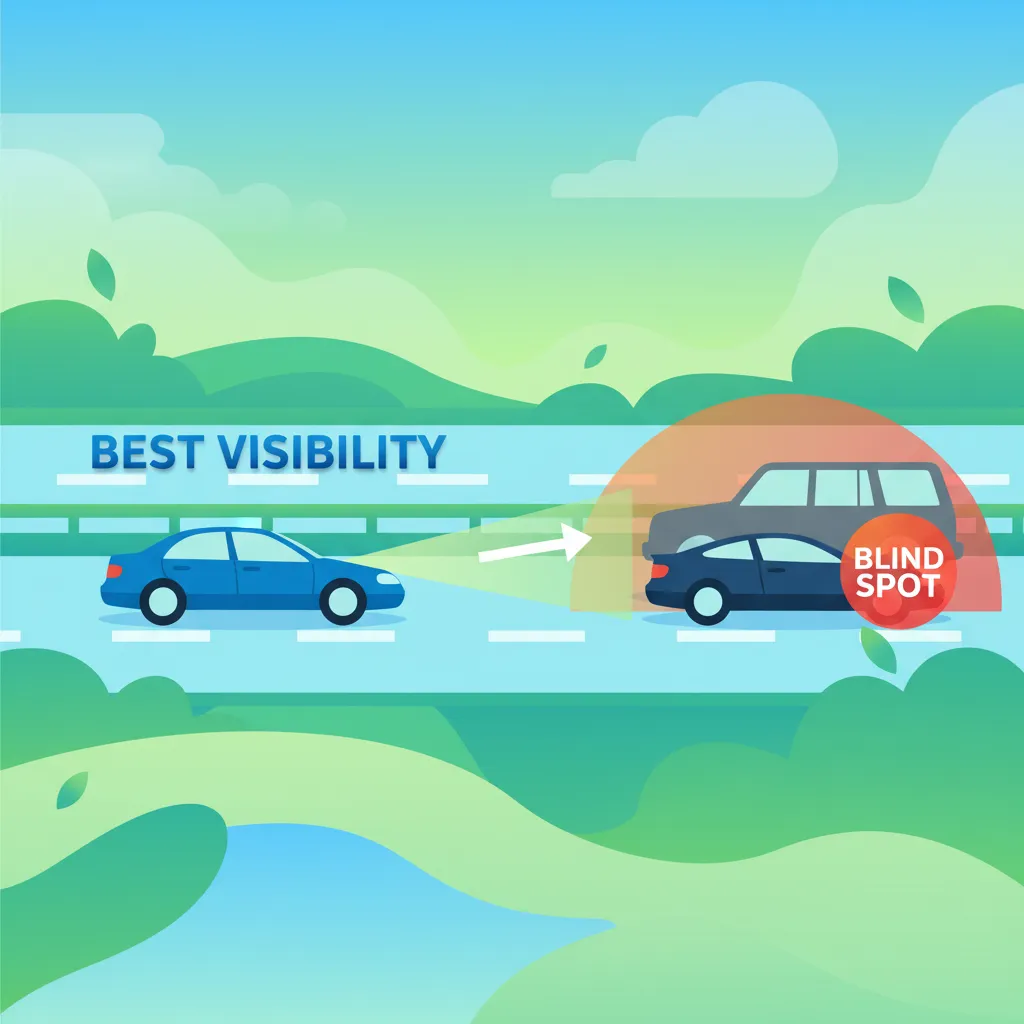
This lesson explores proper lane positioning, emphasizing strategic selection of traffic lanes for optimal visibility. It explains the importance of rider line of sight and peripheral vision in maintaining situational awareness. The content also covers legal aspects of lane splitting and correct usage of road shoulders, abiding by DGT regulations.

This lesson outlines procedures for handling emergency situations and accidents. It covers emergency braking techniques, hazard avoidance strategies, and the DGT emergency protocol for accident reporting. Emphasis is placed on rider protective actions, post-crash first aid, roadside safety, and legal obligations after an incident.
Understand typical errors motorcyclists make in rain, wind, and heat. This lesson details how to avoid these pitfalls and ensure safe operation according to Spanish traffic laws.
This lesson focuses on the specific techniques required for riding in rainy and slippery conditions. It explains how water on the road surface reduces tire grip and significantly increases braking distances. Learners will be taught to reduce speed, use controls smoothly and progressively, and be particularly cautious of painted lines and manhole covers, which become extremely slippery when wet.
This lesson teaches the crucial skill of adapting speed to match prevailing environmental conditions. It explains that the posted speed limit is a maximum for ideal conditions and that riders must slow down significantly in rain, fog, or darkness. The content emphasizes maintaining a larger safety margin to account for reduced visibility and longer stopping distances, ensuring the rider can always stop within the distance they can see clearly.
This lesson outlines procedures for handling emergency situations and accidents. It covers emergency braking techniques, hazard avoidance strategies, and the DGT emergency protocol for accident reporting. Emphasis is placed on rider protective actions, post-crash first aid, roadside safety, and legal obligations after an incident.
This lesson introduces anticipation techniques that improve a rider’s ability to predict potential hazards before they manifest. It covers scanning ahead, evaluating traffic patterns, and applying DGT risk assessment criteria. Emphasis is placed on developing a defensive riding mindset and maintaining safety margins to reduce accident likelihood.
This lesson focuses on strategies for maximizing rider visibility in daylight and nighttime conditions, covering high-visibility apparel, reflective vests, and LED accessories. It delves into rider posture and lane positioning that improve sightlines and reduce collision risk. The content aligns with DGT regulations for illumination levels on motorcycles.
This lesson focuses on adapting braking techniques for wet and slippery roads. Topics include hydroplaning risk, reduced tire friction, and how ABS assists in preventing wheel lock-up. Learners are taught to employ progressive braking, reduce speed, and assess tire tread depth to maintain adequate grip.

This lesson focuses on safe nighttime riding, covering headlight alignment, rear-light visibility, and the use of reflective gear to enhance conspicuity. It explains DGT night riding requirements, including mandatory lighting standards. Topics also include managing glare from oncoming vehicles and mitigating rider fatigue during low-light conditions.
This lesson addresses the specific challenges posed by rain and fog, focusing on reduced visibility and loss of traction. It explains the proper use of windshield wipers and fog lights, and the need to adjust speed and increase following distance. The content covers how to prevent and react to hydroplaning (aquaplaning) to maintain vehicle control.
This lesson examines common road hazards such as oil slicks, loose gravel, and faded road markings. It teaches riders to identify visual cues indicating hazardous surfaces and understand how these conditions affect tyre grip. The content references DGT hazard standards, encouraging proactive incident anticipation and appropriate speed adjustment.
This lesson covers how environmental conditions such as rain, fog, and darkness affect driving safety. It instructs drivers on adjusting speed, using appropriate lighting, and increasing following distance to compensate for reduced visibility and traction. The lesson incorporates DGT safety recommendations for handling adverse weather to mitigate risk and maintain control.
Find clear answers to common questions learners have about Riding in Rain, Wind, and Heat. Learn how the lesson is structured, which driving theory objectives it supports, and how it fits into the overall learning path of units and curriculum progression in Spain. These explanations help you understand key concepts, lesson flow, and exam focused study goals.
Heavy rain dramatically reduces tyre grip and increases braking distances. The water film between your tyres and the road surface (hydroplaning risk) lessens friction. You must brake more gently, anticipate hazards earlier, and reduce speed significantly to maintain control, especially for A, A1, A2 licence holders in Spain.
Strong winds, particularly crosswinds or gusts from gaps in buildings/vehicles, can severely affect motorcycle stability. They can push you unexpectedly into other lanes or off course. Spanish DGT theory advises holding the handlebars firmly, leaning into the wind, and anticipating sudden changes in wind direction.
To avoid hydroplaning, reduce your speed considerably, as higher speeds increase the risk. Ensure your tyres are in good condition with sufficient tread depth to displace water. Ride smoothly, avoid sudden braking or acceleration, and maintain a larger following distance. Look for standing water and try to ride around it if safe.
Yes, in hot weather, tyre pressure can increase naturally due to heat expansion, especially during longer rides. While a slight increase is normal, it's crucial to check pressures regularly when cold and ensure they are within the manufacturer's recommendations. Over-inflated tyres reduce grip, while under-inflated ones can overheat. Adjust according to the Spanish DGT recommendations for your A, A1, A2 motorcycle.
While it's tempting to wear less in the heat, full protective gear is always essential. The DGT advises opting for gear specifically designed for hot weather, featuring ventilation, breathable materials, and light colours. This includes ventilated jackets, summer gloves, and helmets with good airflow, ensuring safety without compromising comfort.
Use our powerful search functionality to pinpoint specific Spanish DGT driving theory practice sets. Filter by road sign categories, traffic law topics, or question difficulty to build custom study sessions and reinforce your knowledge precisely where it matters for your official exam.