
Welcome to the final unit of your Spanish motorcycle theory course! This lesson covers essential regulations and practical advice for carrying passengers and managing loads on your motorcycle. Understanding these rules is crucial for safety, handling, and passing the DGT theory exam.

Lesson content overview
Riding a motorcycle offers unparalleled freedom, but it also carries significant responsibilities, especially when you choose to carry a passenger or transport cargo. Proper load management is not just a matter of convenience; it is a critical safety consideration that directly impacts your vehicle's stability, braking performance, and overall handling. This lesson, designed for the Spanish Motorcycle Theory Exam (A, A1, A2 Licence Prep Course), delves into the legal requirements and practical techniques necessary to safely manage passengers and loads, ensuring compliance with DGT regulations and enhancing road safety for everyone.
Adding extra weight, whether in the form of a passenger or cargo, fundamentally alters a motorcycle's dynamics. The vehicle's mass distribution changes, its center of gravity shifts, and its inertia increases. These modifications directly influence how the motorcycle behaves under normal operating conditions, during maneuvers like braking and cornering, and especially in emergency situations. A thorough understanding of these principles is essential for all riders.
The core idea is that excess or improperly positioned load can significantly raise the motorcycle's center of gravity, lengthen stopping distances, and reduce overall maneuverability. Such changes elevate the risk of accidents. This lesson connects directly to fundamental riding skills discussed previously, such as Braking Techniques, Balance & Low-Speed Control, and Road Positioning & Traffic Interaction, emphasizing how these skills must be adapted when carrying additional weight.
The Dirección General de Tráfico (DGT) in Spain enforces specific regulations to ensure the safety of motorcycle riders, passengers, and other road users. Adhering to these rules is mandatory to avoid penalties and, more importantly, to prevent dangerous situations. Understanding these legal aspects is the first step towards responsible load management.
Before any journey, it is the rider's responsibility to ensure their passenger meets the legal and physical criteria for safe transport. Spanish regulations outline clear requirements for who can ride as a passenger on a motorcycle or scooter.
Criteria determining who may ride as a passenger on a motorcycle and under what specific conditions, as mandated by DGT regulations.
Riders must always verify that their passenger complies with these age and helmet regulations before setting off. Ignorance of these rules, such as carrying a too-young passenger or one without a helmet, can lead to significant fines and increased risk in case of an incident.
Every motorcycle has a maximum weight it can safely carry, known as the Maximum Permissible Load (MPL). This limit is established by the manufacturer and is legally enforced by DGT regulations.
The total combined weight of the rider, any passenger(s), and all cargo that a motorcycle is designed and legally permitted to carry. Exceeding this limit compromises safety and is illegal.
Riders must calculate the total weight they intend to carry (rider's weight + passenger's weight + cargo weight) and ensure it does not exceed the motorcycle's MPL. Failing to do so can lead to structural damage, reduced braking efficiency, accelerated tire wear, and a higher risk of losing control.
Transporting cargo on a motorcycle requires careful planning and adherence to specific regulations to ensure it does not compromise safety or visibility.
Always double-check that your cargo is securely fastened and does not obstruct any lights or your field of vision before every ride. A seemingly minor shift in luggage can lead to a dangerous loss of control.
For motorcycles equipped with sidecars, specific load limits apply to the sidecar itself. These limits are set by the sidecar's manufacturer and must be strictly observed. Overloading a sidecar can lead to structural failure, affect the motorcycle's handling balance, and increase the risk of instability, particularly in corners. The weight within the sidecar should also be distributed as centrally as possible to maintain equilibrium.
The fundamental physics of a motorcycle change with added weight. Understanding these changes is paramount for maintaining control and safety, as they impact everything from steering response to stopping power.
The Center of Gravity (CG) is the hypothetical point where the entire weight of the motorcycle and its load is concentrated. Its position is crucial for stability and handling.
The imaginary point where the total weight of the motorcycle and its load can be considered to act. Its position (height and longitudinal placement) significantly impacts vehicle stability and handling.
Maintaining a low and centrally located CG is vital for optimal stability and responsive handling. Riders must constantly be aware of how their passenger's position or cargo placement influences this critical point.
Adding weight to a motorcycle significantly impacts its braking performance, primarily by increasing its inertia.
The property of matter by which it continues in its existing state of rest or uniform motion in a straight line, unless that state is changed by an external force. More mass means more inertia, requiring greater force to change motion (e.g., to stop).
Riders must anticipate these changes by increasing their following distance from other vehicles and applying brakes earlier and more progressively when carrying a passenger or heavy load. Adjusting braking technique, often using slightly more rear brake to balance the load, may also be necessary. A motorcycle carrying two riders may require a stopping distance that is 20-30% longer compared to a single rider at the same speed.
Beyond braking, extra weight fundamentally alters how a motorcycle handles and maintains stability, especially in dynamic situations like cornering.
When riding with a passenger or heavy load, smooth and controlled inputs are key. Avoid sudden acceleration, braking, or steering maneuvers, as these can easily upset the motorcycle's balance.
Understanding how weight shifts dynamically during different riding actions is crucial for maintaining control with a passenger or cargo.
Riders must anticipate these dynamic shifts and adjust their riding inputs accordingly. This means smoother throttle application, earlier and more gradual braking, and precise, coordinated leans in corners.
Effective load management involves more than just understanding the rules; it requires practical application and constant vigilance.
A well-briefed passenger is a safe passenger. Their posture and actions play a significant role in the motorcycle's stability.
Proper distribution and securing of cargo are essential for maintaining stability and control.
Prioritize Low and Central Placement: Heavy items should always be packed as low as possible and as close to the motorcycle's longitudinal center as feasible. This minimizes the raising of the CG and keeps the weight concentrated where it least impacts handling.
Achieve Even Lateral Distribution: If carrying multiple bags or items, ensure the weight is distributed evenly from left to right to prevent lateral imbalance, which can make the motorcycle pull to one side. Side panniers or saddlebags should carry similar weights on each side.
Use Appropriate Attachment Methods: Employ strong, reliable methods to secure cargo. Bungee cords, cargo nets, and ratchet straps are suitable for strapping items to racks or seats. Hard luggage cases offer excellent security and weather protection. Ensure all straps are tight and cannot come loose.
Prevent Obstruction: Confirm that cargo does not obscure your vision (especially mirrors), interfere with steering or control levers, or block any lights (headlight, taillight, turn signals).
Consider Waterproofing: In wet conditions, ensure all cargo is waterproof or protected by waterproof covers to prevent damage and avoid potential issues if wet items shift weight.
A small, heavy item placed high up on the rear of the bike can have a much greater negative impact on handling than the same item distributed low and centrally. Always think about the center of gravity.
Clear and consistent communication between the rider and passenger is a non-negotiable aspect of safe two-up riding.
While not legally codified, effective communication is strongly recommended by DGT safety guidelines as it significantly reduces the risk of accidents caused by sudden, uncoordinated movements.
The challenges of carrying passengers or heavy loads are magnified under certain conditions. Riders must be prepared to adjust their techniques to maintain safety.
Adverse weather, such as rain, strong winds, or extreme heat, can significantly impact handling, traction, and rider fatigue when carrying extra weight.
Night riding or riding in low visibility conditions (e.g., fog, heavy rain) adds another layer of complexity to load management.
Different road types present unique challenges when carrying extra weight.
Carrying passengers or heavy loads places additional stress on various motorcycle components. Regular pre-ride checks and diligent maintenance are critical.
Many incidents and legal penalties stem from common mistakes or misunderstandings regarding load management. Being aware of these pitfalls can help riders avoid them.
Successfully and safely carrying passengers or cargo on a motorcycle requires a combination of legal knowledge, practical skills, and a strong safety mindset. By adhering to DGT regulations and adopting best practices for load management, riders can ensure a safe and enjoyable experience for themselves and their passengers.
This lesson covers the legal and practical aspects of carrying passengers and cargo on motorcycles in Spain, governed by DGT regulations. Key requirements include passenger age limits, mandatory approved helmets (EN 1078), and the 6-month A1 licence restriction before carrying a pillion. Adding weight fundamentally changes motorcycle dynamics by raising the center of gravity, increasing inertia, and amplifying weight transfer during acceleration, braking, and cornering. Riders must know their motorcycle's Maximum Permissible Load (MPL), position passengers and cargo low and centrally, use smoother and earlier braking with significantly increased following distances, and provide a pre-ride briefing to ensure the passenger understands correct posture and communication signals.
A short set of high-value points that capture the most important learning from this lesson.
Spanish law requires passengers to be at least 12 years old on larger motorcycles, or 7+ with a guardian on 125cc bikes, and mandates approved helmets (EN 1078) for both rider and passenger.
The Maximum Permissible Load (MPL) specified by the manufacturer must never be exceeded; this includes rider, passenger(s), and all cargo combined.
Extra weight raises the center of gravity and shifts it based on load position, fundamentally changing braking distance, steering effort, and cornering behavior.
A motorcycle carrying two riders may require 20-30% longer stopping distance than with a single rider at the same speed.
A1 licence holders must hold their licence for at least 6 months before carrying a passenger, while A2 and A holders face no such restriction.
Explore all units and lessons included in this driving theory course.
Both rider and passenger must wear helmets meeting European standard EN 1078, properly fastened at all times.
Heavy cargo and passengers should be positioned low and as far forward as comfortably possible to keep the center of gravity low and centralized.
Weight transfer during braking shifts load forward, potentially overloading the front wheel while reducing rear grip.
All cargo must be secured to prevent movement, must not obstruct lights or mirrors, and must not protrude dangerously beyond vehicle dimensions.
Sidecar loads have separate manufacturer-set limits that must be strictly observed to prevent handling imbalance.
Assuming the motorcycle can handle any load without checking the manufacturer-specified MPL in the owner's manual or on the vehicle label.
Riding with a passenger before completing the 6-month waiting period on an A1 licence, which exposes the rider to fines and potential insurance voiding.
Passengers sitting too far back or failing to keep feet on the designated footrests, which raises the center of gravity and increases instability.
Aggressive acceleration with a rear-heavy load, which risks front wheel lift and complete loss of steering control.
Failing to adjust tire pressure, suspension preload, and braking technique when carrying passengers or heavy cargo for extended trips.
Lesson content overview
A short set of high-value points that capture the most important learning from this lesson.
Spanish law requires passengers to be at least 12 years old on larger motorcycles, or 7+ with a guardian on 125cc bikes, and mandates approved helmets (EN 1078) for both rider and passenger.
The Maximum Permissible Load (MPL) specified by the manufacturer must never be exceeded; this includes rider, passenger(s), and all cargo combined.
Extra weight raises the center of gravity and shifts it based on load position, fundamentally changing braking distance, steering effort, and cornering behavior.
A motorcycle carrying two riders may require 20-30% longer stopping distance than with a single rider at the same speed.
A1 licence holders must hold their licence for at least 6 months before carrying a passenger, while A2 and A holders face no such restriction.
Explore all units and lessons included in this driving theory course.
Both rider and passenger must wear helmets meeting European standard EN 1078, properly fastened at all times.
Heavy cargo and passengers should be positioned low and as far forward as comfortably possible to keep the center of gravity low and centralized.
Weight transfer during braking shifts load forward, potentially overloading the front wheel while reducing rear grip.
All cargo must be secured to prevent movement, must not obstruct lights or mirrors, and must not protrude dangerously beyond vehicle dimensions.
Sidecar loads have separate manufacturer-set limits that must be strictly observed to prevent handling imbalance.
Assuming the motorcycle can handle any load without checking the manufacturer-specified MPL in the owner's manual or on the vehicle label.
Riding with a passenger before completing the 6-month waiting period on an A1 licence, which exposes the rider to fines and potential insurance voiding.
Passengers sitting too far back or failing to keep feet on the designated footrests, which raises the center of gravity and increases instability.
Aggressive acceleration with a rear-heavy load, which risks front wheel lift and complete loss of steering control.
Failing to adjust tire pressure, suspension preload, and braking technique when carrying passengers or heavy cargo for extended trips.
Explore search topics learners often look for when studying Carrying Passengers and Load Management. These topics reflect common questions about road rules, driving situations, safety guidance, and lesson level theory preparation for learners in Spain.
Browse additional driving theory lessons that cover connected traffic rules, road signs, and common driving situations related to this topic. Improve your understanding of how different rules interact across everyday traffic scenarios.
Explore advanced techniques for distributing weight and managing a motorcycle's handling characteristics when carrying passengers or significant cargo. Understand the impact on stability and control in various Spanish driving conditions.
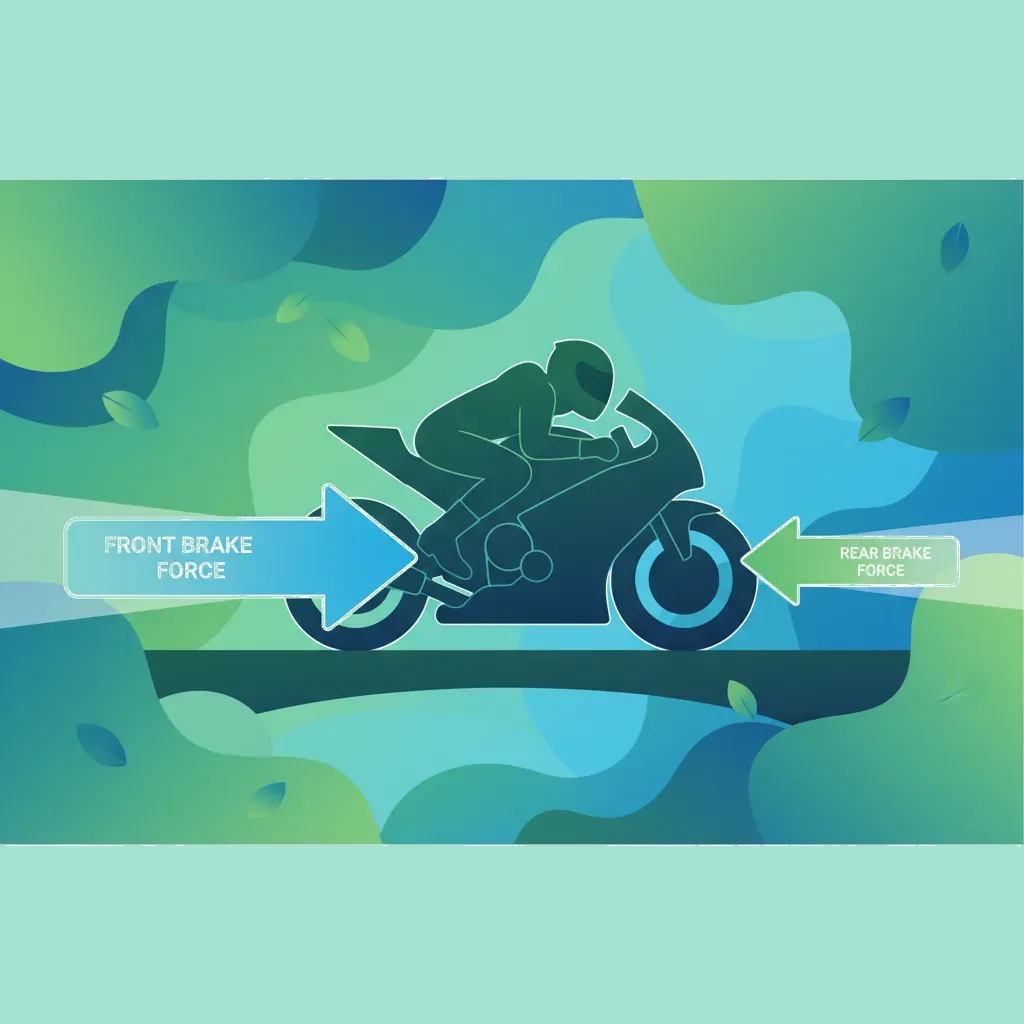
This lesson explores the physics behind brake torque distribution, explaining why the front brake provides greater stopping power due to weight shift during deceleration. It discusses the optimal brake bias for various speeds and surface conditions. Understanding these principles enables riders to modulate braking forces effectively.

This lesson focuses on interaction dynamics with larger vehicles like cars, trucks, and buses, detailing their specific blind spot zones. Strategies for safely sharing lanes, overtaking etiquette, and proper approach when a bus stops are covered. The lesson also includes guidance on merging onto acceleration lanes following DGT policies.

This lesson outlines procedures for handling emergency situations and accidents. It covers emergency braking techniques, hazard avoidance strategies, and the DGT emergency protocol for accident reporting. Emphasis is placed on rider protective actions, post-crash first aid, roadside safety, and legal obligations after an incident.
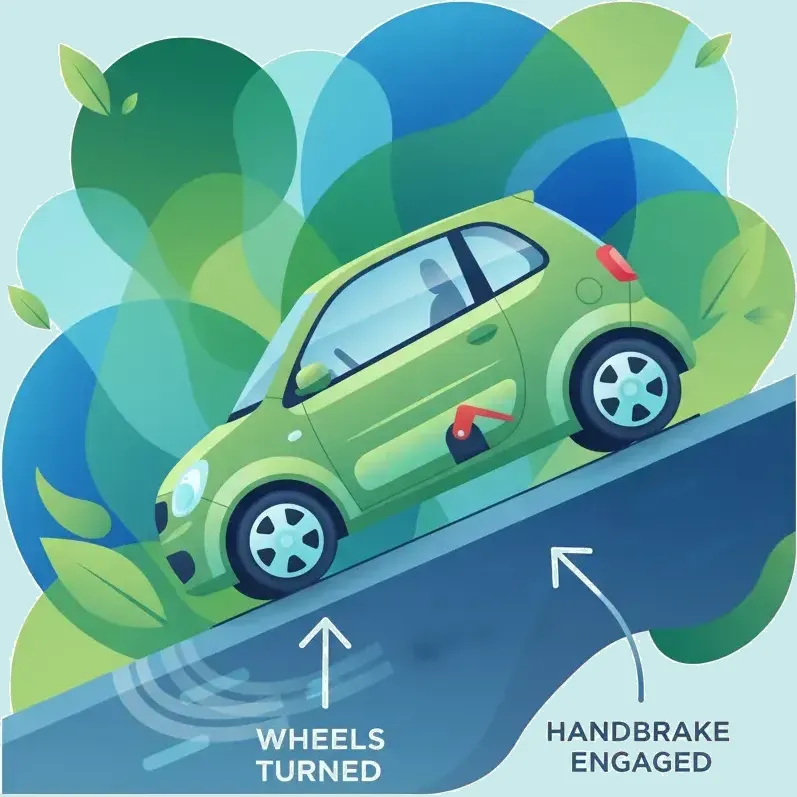
This lesson explores static balance techniques essential when the motorcycle is stationary or moving at extremely low speeds. The content covers optimal foot placement, body posture, and centre of gravity control to maintain stability. Emphasis is placed on weight distribution between the bike and rider and practical balance drills.

This lesson presents advanced cornering scenarios common on Spanish roads, such as mountain hairpins and high-speed autovía exits. It outlines specific techniques for descent control, ascent maneuvers, and safely merging into traffic after cornering. Interaction with cyclists and emergency cornering strategies are also covered in accordance with DGT regulations.

This lesson focuses on defensive maneuvers in mixed traffic environments where various vehicles share the road. It outlines lane discipline, appropriate overtaking safety measures, and strategies for maintaining a safety corridor. The content incorporates DGT defensive guidelines, teaching riders to manage space and anticipate unpredictable driver behavior.
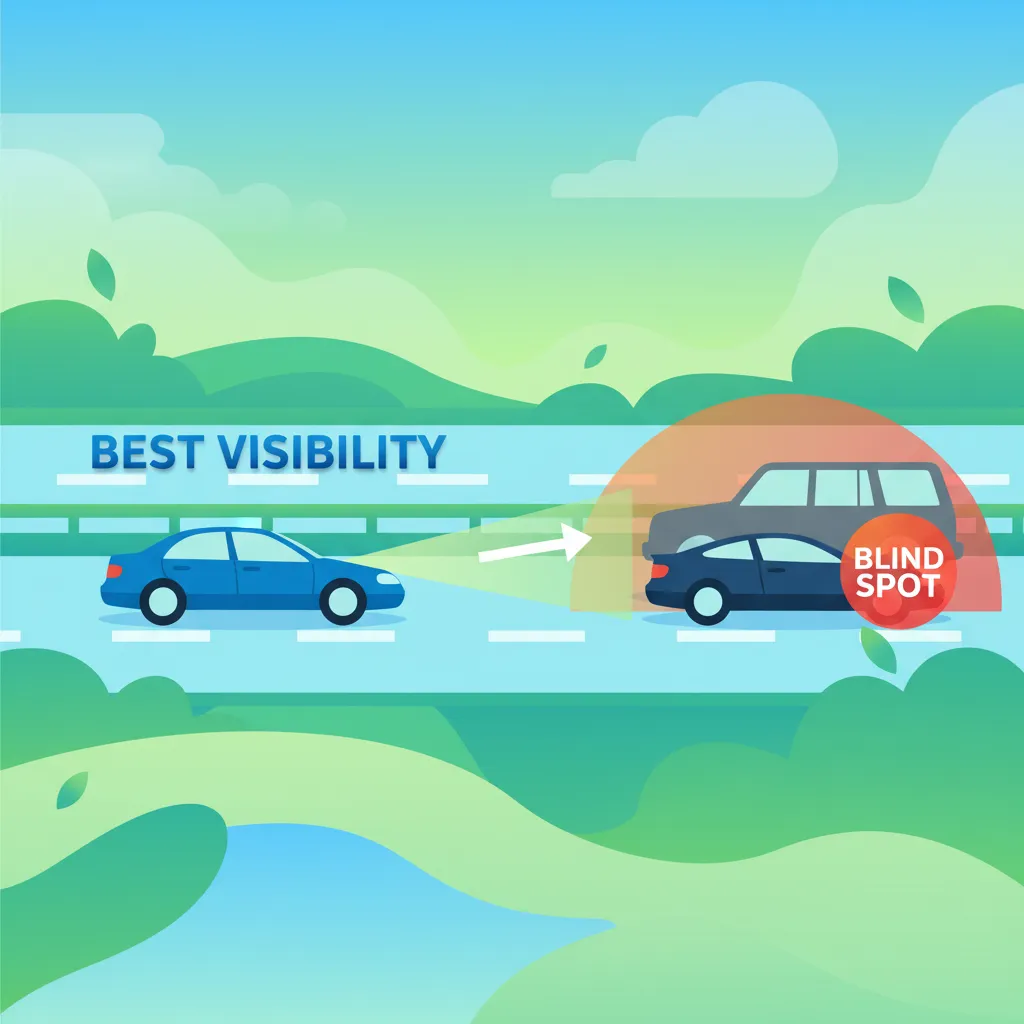
This lesson explores proper lane positioning, emphasizing strategic selection of traffic lanes for optimal visibility. It explains the importance of rider line of sight and peripheral vision in maintaining situational awareness. The content also covers legal aspects of lane splitting and correct usage of road shoulders, abiding by DGT regulations.

This lesson introduces anticipation techniques that improve a rider’s ability to predict potential hazards before they manifest. It covers scanning ahead, evaluating traffic patterns, and applying DGT risk assessment criteria. Emphasis is placed on developing a defensive riding mindset and maintaining safety margins to reduce accident likelihood.

This lesson focuses on low-speed manoeuvres within congested urban traffic, detailing techniques for navigating tight corners and weaving through traffic. Learners analyze urban traffic flow, pedestrian zones, and cyclist interactions to anticipate hazards. The lesson also explains DGT regulations regarding slow-speed movement and lane positioning.

This lesson details the protocol for performing an emergency stop, emphasizing full-force application of both front and rear brakes while maintaining optimal rider posture. It covers the importance of visual fixation and the role of ABS in stabilizing the bike under panic conditions. Learners also study the calculation of stopping distances based on speed and road conditions.
Learn essential DGT regulations and safety procedures for carrying passengers on motorcycles. Covers age limits, helmet requirements, passenger posture, and communication for safe two-up riding according to Spanish law.

This lesson examines the legal framework for motorcyclists in Spain, including mandatory registration, compulsory insurance, and equipment standards enforced by the DGT. It covers the legal necessity of a homologated helmet, reflective clothing, and compliance with noise and emission standards. Learners also review documentation checks, vehicle inspections, and penalties for non-compliance.
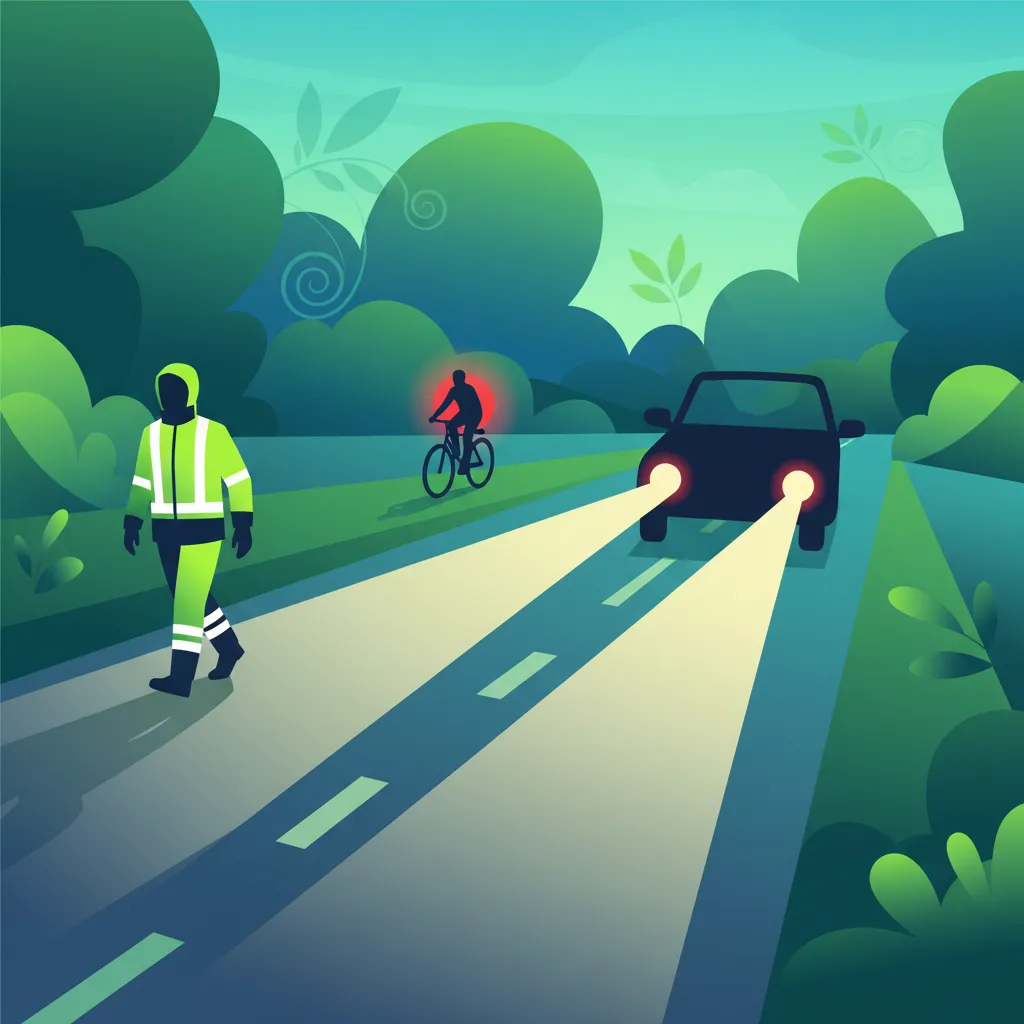
This lesson outlines the mandatory lighting and visibility equipment as per DGT regulations. It covers the correct use of headlights (low and high beams), taillights, and turn signals, ensuring the moped is visible to others, especially at night or in poor weather. The importance of wearing high-visibility or reflective clothing is also emphasized as a critical measure to enhance personal safety by making the rider more conspicuous.
This lesson details the legal requirements for the use of seatbelts and child restraint systems in buses and coaches, as stipulated by DGT regulations. It specifies the age and size limits for various restraint devices and explains the verification checks drivers must perform. Learners will also review safety statistics that highlight the importance of correct usage and understand the legal penalties associated with non-compliance.

This lesson presents a systematic pre-ride safety checklist covering tire pressure, brake fluid levels, lighting operation, and chain tension to ensure the motorcycle is road-ready. It also emphasizes personal checks such as helmet strap security and appropriate gear for weather conditions. Integrating DGT-recommended inspection procedures helps minimize equipment-related failures.

This lesson explores the specifications of DGT-approved protective clothing, focusing on abrasion-resistant jackets and CE-rated armor for limbs. It covers the importance of gloves and boots with protective padding and the role of reflective strips for visibility. Attention is given to material choices that balance durability, breathability, and weather protection.

This lesson examines the European ECE homologation process that validates helmet safety, detailing required impact resistance tests, retention systems, and visor criteria. Learners will understand the differences between full-face, modular, and integral helmets. The lesson also provides guidance on proper sizing, regular maintenance, and legal obligations for helmet replacement.

This lesson focuses on safe nighttime riding, covering headlight alignment, rear-light visibility, and the use of reflective gear to enhance conspicuity. It explains DGT night riding requirements, including mandatory lighting standards. Topics also include managing glare from oncoming vehicles and mitigating rider fatigue during low-light conditions.
Find clear answers to common questions learners have about Carrying Passengers and Load Management. Learn how the lesson is structured, which driving theory objectives it supports, and how it fits into the overall learning path of units and curriculum progression in Spain. These explanations help you understand key concepts, lesson flow, and exam focused study goals.
In Spain, the rider must be at least 18 years old to carry a passenger. Both rider and passenger must wear an approved helmet that meets homologation standards and is properly fastened. If the motorcycle is equipped with seatbelts or specific passenger restraints, these must also be used. For A1 licence holders, carrying a passenger is only permitted once they have held the licence for at least one year.
A passenger significantly increases the overall weight of the motorcycle. This added weight means the brakes have more mass to slow down, directly leading to longer braking distances. You must anticipate stops much earlier and apply the brakes more progressively, especially at higher speeds or in emergency situations.
Before setting off, explain basic signals such as leaning, accelerating, or braking. Agree on a way for the passenger to signal if they are uncomfortable or need to stop. During the ride, encourage them to hold onto your waist or hips, or the grab handles if available, and to move with you during turns and braking to maintain balance.
Yes, DGT regulations stipulate that luggage must be securely fastened and positioned so it does not obstruct your vision, affect the vehicle's stability, or hang excessively beyond the motorcycle's width or length. It should not obscure lights or reflectors. For A, A1, and A2 licences, ensure any cargo doesn't compromise the motorcycle's centre of gravity or handling characteristics.
Excessive weight, especially if poorly distributed, can severely compromise your motorcycle's stability. This can lead to difficulty in balancing at low speeds, wobbly steering, and unpredictable behaviour during cornering and braking. If you feel the motorcycle is unstable due to the load or passenger, reduce speed immediately and find a safe place to stop and readjust or remove some of the weight.
Use our powerful search functionality to pinpoint specific Spanish DGT driving theory practice sets. Filter by road sign categories, traffic law topics, or question difficulty to build custom study sessions and reinforce your knowledge precisely where it matters for your official exam.