
The R-2 Stop sign is a critical priority sign in Spain, dictating right-of-way at conflict points like junctions and narrow sections. When you encounter this sign, you must be prepared to stop completely before the stop line and ensure the way is clear before proceeding, even if the sign doesn't explicitly show an additional panel. Always interpret the R-2 sign alongside road markings and verify visibility of cross traffic to ensure safety and avoid exam penalties.
Mastering the R-2 'Stop' sign is crucial for safe driving and passing your theory test in Spain. This essential road sign dictates your obligation to yield or stop at intersections, ensuring clear priority and preventing dangerous conflicts.
The sign for stop is a Spanish priority sign that settles who must yield or who has right of way. Because priority conflicts happen at junctions and narrow sections, these signs must be understood before you enter the conflict area. The message can require a complete stop, a reduction of speed with yielding, or recognition that your road has priority over another movement. Misreading a priority sign creates immediate risk, so it should always be checked together with road markings and the actual visibility of cross traffic.
This priority sign tells you how right of way works in relation to stop. You must read it before entering the conflict point so you can yield, stop, or proceed correctly.
Get clear, practical answers to the most common questions about the R-2 - Stop road sign. Learn how the sign works, what rules it represents, and how it affects real driving situations. This FAQ strengthens your understanding and supports accurate decision making for the Spanish driving theory exam in Spain.
The R-2 'Stop' sign's primary purpose is to establish priority at junctions or conflict points. It mandates that you must yield to other traffic, and in most cases, come to a complete stop before entering the intersection or conflict area, regardless of whether other traffic is present.
Yes, the R-2 'Stop' sign requires a mandatory complete stop. You must bring your vehicle to a standstill before the marked stop line, or before the intersection if no line is present, even if you believe you have the right of way or no other vehicles are visible.
A common mistake is not stopping completely, assuming that if no traffic is visible, a slow roll is acceptable. Another trap is failing to yield to traffic that has priority, or not checking visibility before proceeding after stopping. Always stop first, then check and proceed.
The R-2 'Stop' sign must always be considered with associated road markings, such as a stop line, and any additional panels below it. These provide crucial context on where to stop and who has priority. Always assess the entire traffic situation before acting.
Yielding means you must give way to all other vehicles and pedestrians that are on the intersecting road or in the conflict area. With the R-2 sign, yielding always begins with a mandatory complete stop, after which you only proceed when it is safe and you do not impede other traffic.
A clear reference image of the R-2 - Stop road sign used in Spain.
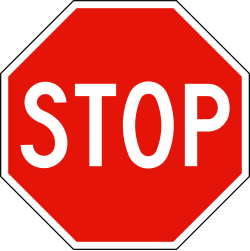
The R-2 - Stop road sign may also be known by these alternative names or terms.
The R-2 - Stop road sign is part of the Priority Signs category, which groups together signs with similar rules and functions.
Mastering similar road signs in Spain is key to theory test success. Comparing R-2 'Stop' with other priority signs helps you quickly distinguish their meanings and apply correct traffic rules, improving your sign recognition for the exam.
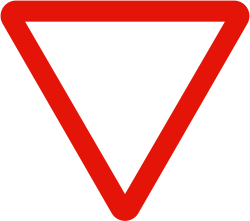
Master the R-1 'Give Way' sign to navigate Spanish junctions safely.
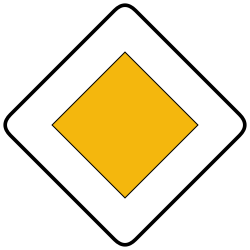
The R-3 Priority Road sign ensures clarity on who has right of way.
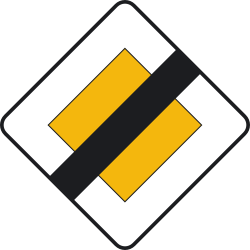
The R-4 Sign Marks the End of Your Priority Road
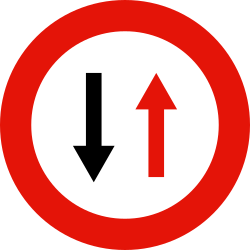
This is the R-5 road sign: Give Way to Oncoming Traffic
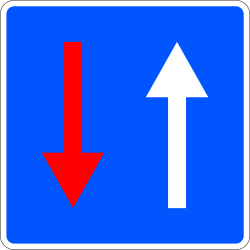
The R-6 sign grants you priority over oncoming traffic.
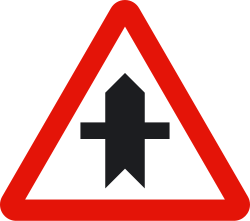
Prepare for intersections with priority ahead using the P-1 warning sign.

Prepare for a level crossing or moving bridge ahead with the P-10a warning sign.

Prepare for a level crossing or moving bridge on your left with the P-10b warning sign.
Connect visual signage with the specific Spanish traffic laws and priority rules required to pass your theory test. Explore detailed articles and practice sets that explain how these regulatory markers influence daily driving on local roads.
Learners will discover the legal hierarchy of road surfaces and why the standard priority-to-the-right rule does not apply when transitioning from a dirt path to a paved street. This guide clarifies the responsibilities of both the driver on the main road and the driver entering from an unpaved area to ensure safe traffic flow. Mastering these nuances is essential for passing the DGT theory exam and maintaining hazard perception skills in rural and semi-rural Spanish environments.
Understand the distinct pathways to obtaining motorcycle licenses in Spain, covering the AM, A1, A2, and full A permits. This guide breaks down the age, experience, and testing requirements for each category, clarifying crucial differences and common areas of confusion, such as the specific conditions under which a B license can be used for smaller vehicles. This knowledge is vital for succeeding in the DGT theory exam and for safe, legal motorcycling.
Master the 'Alphabet' of Spanish Driving Permits for Your Theory Exam
Master the mental game: Understand how emotions impact your driving and exam performance.
The sign for give way is a Spanish priority sign that settles who must yield or who has right of way. Because priority conflicts happen at junctions and narrow sections, these signs must be understood before you enter the conflict area. The message can require a complete stop, a reduction of speed with yielding, or recognition that your road has priority over another movement. Misreading a priority sign creates immediate risk, so it should always be checked together with road markings and the actual visibility of cross traffic.
The sign for priority road is a Spanish priority sign that settles who must yield or who has right of way. Because priority conflicts happen at junctions and narrow sections, these signs must be understood before you enter the conflict area. The message can require a complete stop, a reduction of speed with yielding, or recognition that your road has priority over another movement. Misreading a priority sign creates immediate risk, so it should always be checked together with road markings and the actual visibility of cross traffic.
You've explored the complete list of Spanish road signs. Now, deepen your understanding by reviewing specific sign groups or testing your knowledge with practice questions. Fully prepare for your DGT driving theory exam and confidently navigate Spanish roads.
Browse All Spanish Road Signs