
This lesson guides you through the specialized rules for driving on Swiss motorways and navigating tunnels. You will learn the correct procedures for entering, exiting, and overtaking on high-speed roads, along with critical safety requirements for tunnel environments. Mastering these topics is essential for your Category B exam and for your safety as a driver in Switzerland.
Lesson content overview
Driving on motorways and navigating through tunnels are essential skills for any driver, particularly in Switzerland, which boasts an extensive network of high-speed roads and numerous tunnels. These environments demand heightened awareness, strict adherence to traffic rules, and a thorough understanding of specific safety protocols. This lesson provides a detailed guide to safely and lawfully navigating both motorways (Autobahnen) and road tunnels, ensuring smooth traffic flow and minimizing accident risks.
Motorways, known as Autobahnen (plural) or Autoroutes in Switzerland, are high-speed, multi-lane roads designed for efficient long-distance travel. They are characterized by controlled access, usually via slip roads, and are free from intersections, traffic lights, and pedestrian crossings. Understanding the unique rules and dynamics of motorway driving is crucial for safety.
Safe and efficient motorway driving hinges on several core principles that reduce conflict points and ensure predictable behavior among road users.
Lane discipline dictates the proper use of motorway lanes. Drivers are expected to keep to the rightmost available lane, only moving to a left lane for overtaking. This prevents obstruction of faster traffic and reduces the need for frequent, potentially hazardous, lane changes. Overtaking is strictly from the left, returning to the rightmost lane once the maneuver is safely completed.
To maintain traffic flow and prevent dangerous speed differentials, motorways enforce a minimum speed limit. Vehicles incapable of maintaining this speed must not enter the motorway. This rule ensures that all vehicles contribute to a consistent and predictable traffic rhythm.
It is crucial to remember that the minimum speed requirement applies under normal driving conditions. In situations of heavy traffic, congestion, or adverse weather, drivers must adjust their speed to what is safe and appropriate, even if it falls below the typical minimum.
Entering a motorway requires careful attention and precise execution to safely integrate with high-speed traffic. The process involves using an accelerating lane and smoothly merging into the flow.
An accelerating lane (or merge lane) is a dedicated section of road that allows you to increase your speed to match that of the traffic already on the motorway. This lane is designed for acceleration, not for stopping.
Check Entry Signs: Pay attention to signs indicating the start of the motorway and any specific instructions.
Accelerate: Upon entering the accelerating lane, immediately begin to accelerate to match the speed of the motorway traffic. Do not hesitate or brake unless absolutely necessary due to an unforeseen hazard.
Observe Traffic: Continuously check your mirrors and blind spots for a safe gap in the motorway traffic. Prioritize observing vehicles in the rightmost lane.
Signal Intent: Once you identify a safe gap, signal your intention to merge (left indicator).
Merge Smoothly: Steer smoothly into the rightmost lane when the gap is sufficient, ensuring you do not force other drivers to brake or swerve. Remember, traffic already on the motorway has priority.
Maintain Speed: Once merged, maintain your speed with the flow of traffic, adjusting as needed.
If the accelerating lane is short, or traffic is very heavy, you might need to find a smaller gap or even stop if there is absolutely no safe opportunity to merge. However, stopping should be a last resort. Always aim to adjust your speed to find a gap.
Efficient lane management and correct overtaking procedures are fundamental to safe motorway driving. These rules are designed to prevent congestion and reduce the risk of high-speed collisions.
In Switzerland, like many countries with right-hand traffic, the rule is to keep right (Rechtsfahrgebot). This means you should always drive in the rightmost available lane, unless you are:
Driving continuously in the middle or left lane when the right lane is clear is a common violation and can lead to fines. It obstructs traffic flow and can lead to frustration among other drivers.
Overtaking on Swiss motorways is strictly regulated:
lane hog by staying in the overtaking lane unnecessarily.As previously mentioned, vehicles must maintain at least the posted minimum speed (typically 60 km/h) on motorways. This implies:
Exiting a motorway requires as much planning and precision as entering. Late decisions or abrupt maneuvers can create significant hazards for following traffic.
A deceleration lane is a dedicated lane designed to allow you to reduce your speed after leaving the main motorway carriageway.
Identify Exit: Spot your desired exit well in advance using motorway signage.
Signal Right: Activate your right turn signal once you are sure of your exit and begin to move into the rightmost lane.
Enter Deceleration Lane: Guide your vehicle into the deceleration lane without braking on the main carriageway.
Reduce Speed: Begin to gradually reduce your speed only once you are fully within the deceleration lane. Match your speed to the conditions of the exit ramp and any upcoming turns or junctions.
Cancel Signal: Turn off your indicator once you have completed the exit maneuver.
Never brake sharply on the main motorway carriageway before entering the deceleration lane, as this can cause a rear-end collision with following traffic.
Switzerland has many long and complex tunnels, making tunnel driving a critical skill. Tunnels present unique challenges due to confined spaces, reduced visibility, and specific safety protocols.
Tunnels are inherently confined and can be more dangerous in the event of an incident. Adhering to specific rules maximizes safety for all users. These rules often focus on visibility, air quality, and emergency response.
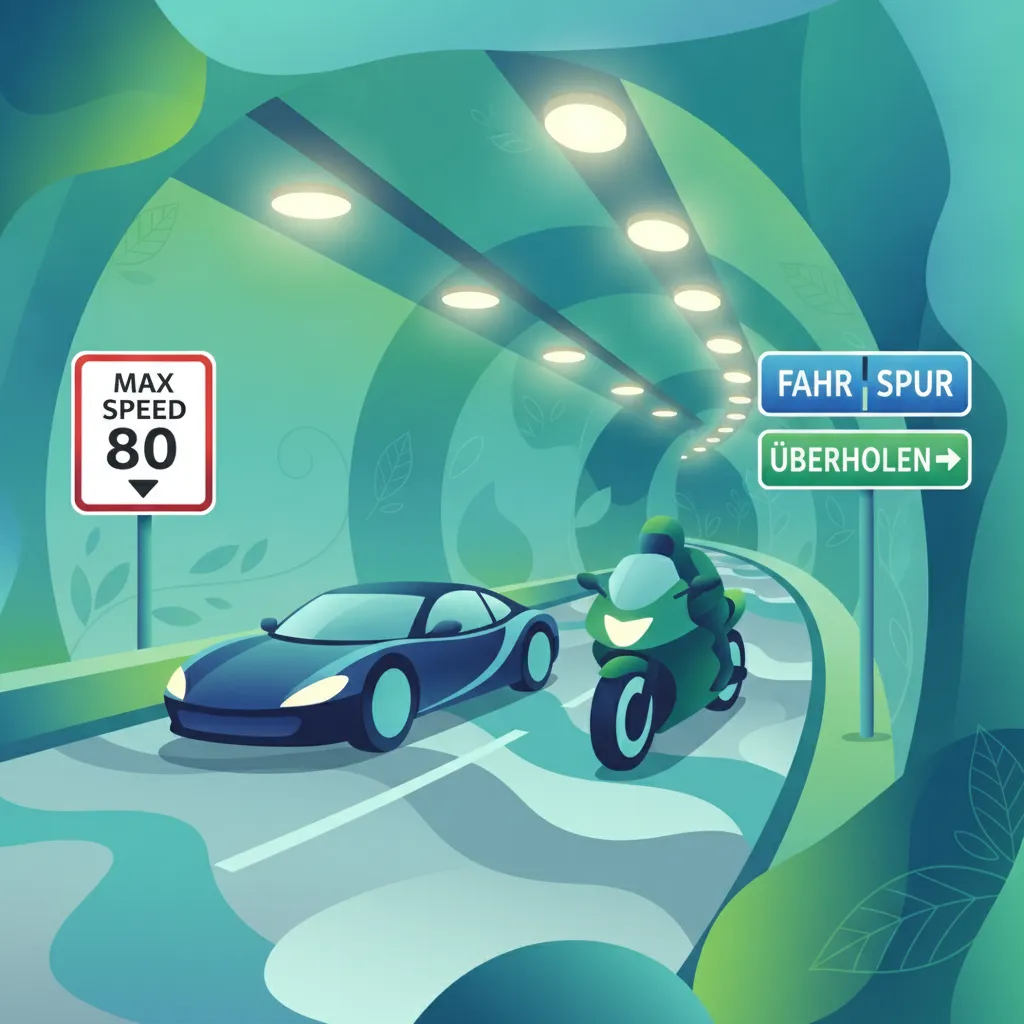
Speed limits inside tunnels are often lower than on the open motorway, typically 80 km/h in many Swiss tunnels, even if the motorway outside has a higher limit. This is due to:
Proper use of vehicle lighting is mandatory and critical for visibility in tunnels:
Overtaking inside tunnels is highly restricted:
Never attempt to overtake if lane markings indicate a solid line or if "No Overtaking" signs are present inside a tunnel.
Tunnels are equipped with ventilation systems to manage air quality and remove vehicle exhaust fumes and pollutants. As a driver, you have a role in maintaining air quality:
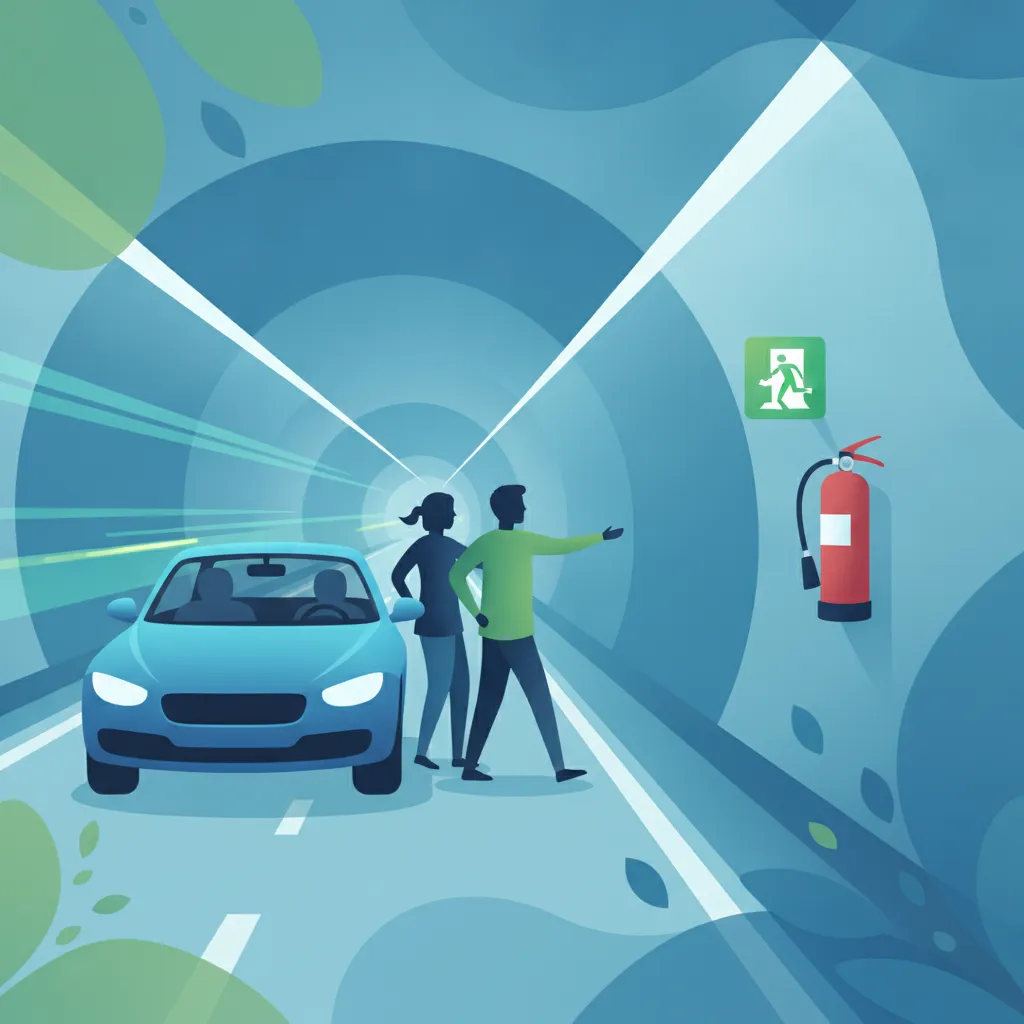
Knowing how to react in an emergency within a tunnel can save lives. Swiss tunnels are well-equipped with emergency features and clear signage.
Stop Safely: If your vehicle breaks down or an accident occurs, try to move to an emergency bay or as close to the right side of the road as possible. Switch off your engine.
Activate Hazard Lights: Immediately activate your hazard warning lights to alert other drivers.
Evacuate if Necessary: If there is smoke, fire, or immediate danger, evacuate your vehicle. Leave the keys in the ignition (or easily accessible) and head to the nearest emergency exit, following marked routes.
Alert Authorities: Use an emergency telephone to contact authorities. Provide clear information about your location and the nature of the emergency. Do not use your mobile phone if an emergency telephone is nearby, as these connect directly to tunnel control.
Do Not Turn Back: Never attempt to turn your vehicle around in a tunnel to drive against the direction of traffic.
Hazard warning lights should only be used when your vehicle is:
Recognizing specific traffic signs is crucial for safe navigation.
| Sign Key | Title | Definition |
|---|---|---|
| A1-02 | Motorway | Indicates the start of a motorway. |
| A1-03 | End of Motorway | Indicates the end of a motorway. |
| B3-120 | Speed Limit 120 km/h | Maximum speed limit on motorways. |
| B3-80 | Speed Limit 80 km/h | Common speed limit in tunnels. |
| D4-1 | Minimum Speed 60 km/h | Minimum speed required on motorways. |
| C2-1 | Tunnel Ahead | Warning of an approaching tunnel. |
| F1-01 | Emergency Exit | Directs to an emergency exit in a tunnel. |
| F1-06 | Emergency Telephone | Indicates location of an emergency telephone. |
| F1-08 | Fire Extinguisher | Shows where a fire extinguisher is located. |
Avoiding common pitfalls is key to safe motorway and tunnel driving:
Navigating motorways and tunnels safely requires a thorough understanding of specific rules and proactive driving habits.
By mastering these rules and adopting a defensive driving approach, you will be well-prepared to navigate Switzerland's motorways and tunnels safely and efficiently as a responsible driver.
Navigating Swiss motorways and tunnels requires mastering specific procedures and rules that differ from regular roads. Motorway driving emphasizes the Rechtsfahrgebot (keep right rule), requiring drivers to use the rightmost lane unless overtaking, with overtaking done strictly from the left and minimum speeds of 60 km/h to be maintained. Tunnels impose additional requirements including mandatory dipped beam headlights, typically lower speed limits of 80 km/h, and strict prohibitions on overtaking in single-lane sections. Emergency preparedness is critical in tunnels—drivers must know the locations of green emergency exits and blue emergency telephones, and should evacuate if there is smoke or fire, leaving keys accessible. Safe motorway entry and exit depend on proper use of accelerating and deceleration lanes, with traffic already on the motorway always having priority during merging.
A short set of high-value points that capture the most important learning from this lesson.
Motorway entry requires using the accelerating lane to match traffic speed and merging smoothly—traffic already on the motorway has priority.
Lane discipline (Rechtsfahrgebot) means keeping to the rightmost lane unless actively overtaking; always overtake on the left side only.
Tunnels require mandatory dipped beam headlights regardless of ambient light conditions, while high beams are generally prohibited.
In tunnels, adhere to specific speed limits (typically 80 km/h), which are often lower than the open motorway speed limit.
During a tunnel emergency, evacuate toward marked green emergency exits and use emergency telephones rather than mobile phones to contact authorities directly.
Explore all units and lessons included in this driving theory course.
Swiss motorway speed limit is 120 km/h; tunnel speed limit is typically 80 km/h; minimum speed on motorways is typically 60 km/h.
Emergency exits are marked with green signs; emergency telephones are marked with blue signs and connect directly to tunnel control.
Tunnel overtaking is prohibited in single-lane tunnels; in multi-lane tunnels, overtaking is allowed only if specifically permitted by signage.
Never brake on the main motorway carriageway before a deceleration lane—use the exit ramp to reduce speed gradually.
Smoking and unnecessary engine idling are prohibited in Swiss tunnels to maintain air quality and reduce fire risk.
Stopping at the end of the accelerating lane or failing to accelerate sufficiently to match motorway traffic speed.
Lane hogging—driving continuously in the middle or left lane when the right lane is clear.
Failing to turn on headlights upon entering a tunnel or using high beams inside tunnels, causing dangerous glare.
Braking sharply on the main motorway carriageway before reaching the deceleration lane when preparing to exit.
Attempting to overtake in single-lane tunnels where it is strictly prohibited and extremely dangerous.
Lesson content overview
A short set of high-value points that capture the most important learning from this lesson.
Motorway entry requires using the accelerating lane to match traffic speed and merging smoothly—traffic already on the motorway has priority.
Lane discipline (Rechtsfahrgebot) means keeping to the rightmost lane unless actively overtaking; always overtake on the left side only.
Tunnels require mandatory dipped beam headlights regardless of ambient light conditions, while high beams are generally prohibited.
In tunnels, adhere to specific speed limits (typically 80 km/h), which are often lower than the open motorway speed limit.
During a tunnel emergency, evacuate toward marked green emergency exits and use emergency telephones rather than mobile phones to contact authorities directly.
Explore all units and lessons included in this driving theory course.
Swiss motorway speed limit is 120 km/h; tunnel speed limit is typically 80 km/h; minimum speed on motorways is typically 60 km/h.
Emergency exits are marked with green signs; emergency telephones are marked with blue signs and connect directly to tunnel control.
Tunnel overtaking is prohibited in single-lane tunnels; in multi-lane tunnels, overtaking is allowed only if specifically permitted by signage.
Never brake on the main motorway carriageway before a deceleration lane—use the exit ramp to reduce speed gradually.
Smoking and unnecessary engine idling are prohibited in Swiss tunnels to maintain air quality and reduce fire risk.
Stopping at the end of the accelerating lane or failing to accelerate sufficiently to match motorway traffic speed.
Lane hogging—driving continuously in the middle or left lane when the right lane is clear.
Failing to turn on headlights upon entering a tunnel or using high beams inside tunnels, causing dangerous glare.
Braking sharply on the main motorway carriageway before reaching the deceleration lane when preparing to exit.
Attempting to overtake in single-lane tunnels where it is strictly prohibited and extremely dangerous.
Explore search topics learners often look for when studying Motorway Driving and Tunnel Navigation. These topics reflect common questions about road rules, driving situations, safety guidance, and lesson level theory preparation for learners in Switzerland.
Browse additional driving theory lessons that cover connected traffic rules, road signs, and common driving situations related to this topic. Improve your understanding of how different rules interact across everyday traffic scenarios.
Understand the critical steps for safely entering and exiting Swiss motorways. This lesson covers accelerating lanes, merging techniques, and deceleration zones to ensure smooth integration with traffic flow and safe departures.
Motorway driving requires constant concentration due to high speeds. This lesson emphasizes the importance of staying in the right-hand lane unless overtaking and the specific restrictions on lorry overtaking in Switzerland. It reinforces the need for a following distance of at least four seconds to compensate for the vehicle's long stopping distance and provides guidance on safely merging and exiting.

Motorway driving involves high speeds and requires constant concentration. This lesson covers correct lane discipline, safe procedures for joining and leaving the motorway, and techniques for overtaking other large vehicles. Maintaining appropriate speed and a safe following distance is emphasized throughout.
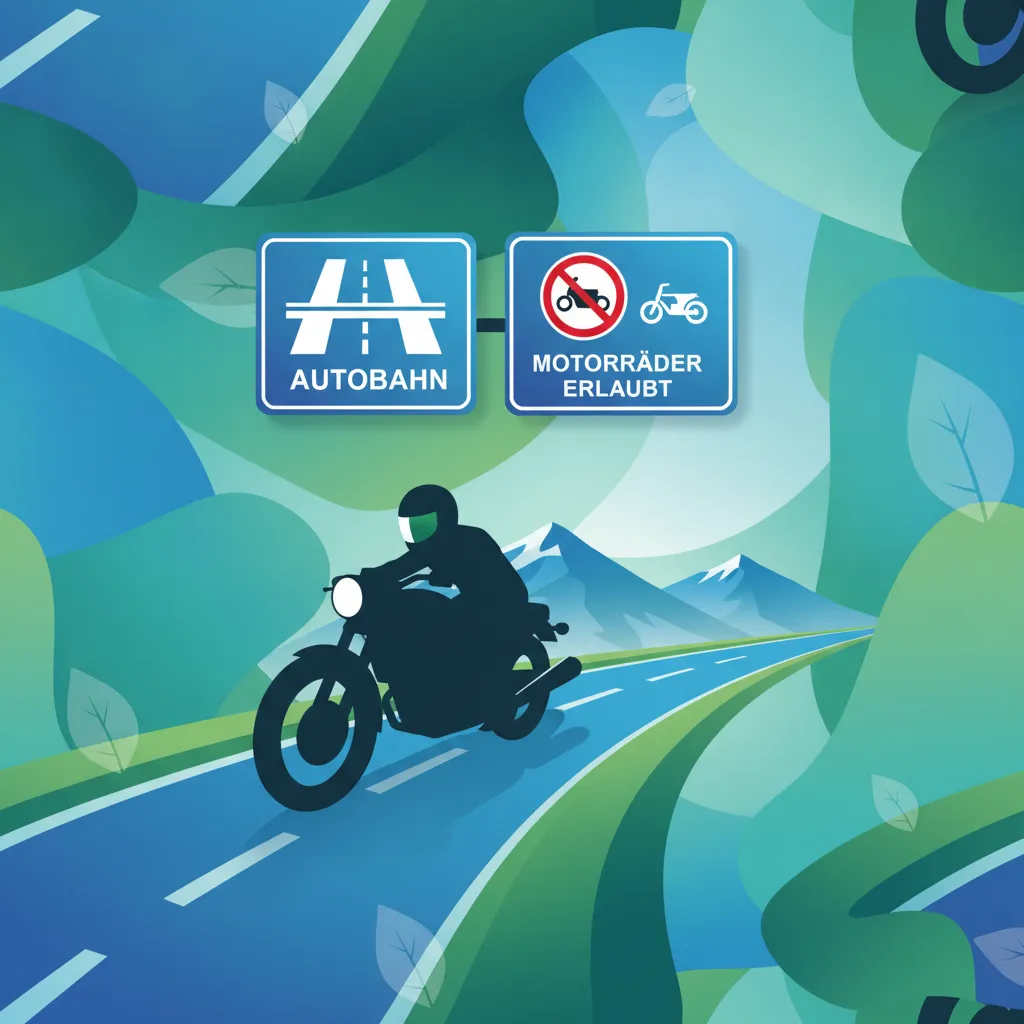
This lesson outlines the specific rules and skills required for riding on high-speed Swiss motorways. It covers the correct procedures for entering and exiting, merging with traffic, maintaining appropriate speed, and conducting safe overtaking maneuvers. Emphasis is placed on using mirrors and signals effectively to integrate safely into the flow of traffic.
This lesson focuses on maintaining proper vehicle positioning within the lane, aligning correctly, and respecting road markings. You will understand how correct positioning contributes to safe overtaking and smooth turning. The content also discusses adjustments required in different scenarios, such as narrow roads and multi-lane highways, to maintain optimal lane discipline.

This lesson delves into the protocol for executing safe lane changes, including signaling, observation, and timing. You will learn to assess gaps in traffic, match speed with surrounding vehicles, and perform lane changes only when it is safe. The content also discusses the importance of maintaining speed and position to avoid abrupt lane changes that could cause a collision.

This lesson provides guidance on safely navigating roundabouts and tram lanes, common features in Swiss cities. It covers the rules for yielding, lane positioning within the roundabout, and signaling intentions upon exiting. Special attention is given to the hazards of crossing slippery tram tracks and sharing the road with public transport.

This lesson focuses on driving on mountain roads, addressing steep gradients, hairpin bends, and altitude-related challenges. You will learn proper techniques for climbing ascents and using engine braking on descents. The content also covers the use of snow chains, recognizing avalanche risks, and interpreting mountain road signs for safe alpine navigation.
This lesson explores the correct procedures for turning at intersections and navigating roundabouts, focusing on lane selection and signaling. It covers the right-of-way rules for right and left turns and the importance of positioning the vehicle correctly before the turn. In roundabouts, the content emphasizes yielding to circulating traffic and selecting the correct exit lane.

This lesson covers complex manoeuvres such as three-point turns, U-turns, and parking in tight spaces. You will learn the step-by-step process for performing a three-point turn and the legal requirements for a U-turn. The content also provides guidance for parking in confined areas, ensuring proper lane usage and positioning during these manoeuvres.

This lesson focuses on safe reversing techniques, emphasizing the use of mirrors, rearview cameras, and checking rear visibility. You will learn to control reversing speed and safely reverse around corners or in narrow spaces. The content also outlines the necessary safety checks to perform before and during any reversing maneuver to prevent accidents.
Learn essential safety protocols for navigating Swiss tunnels. This covers specific speed limits, lighting requirements, ventilation, and crucial emergency procedures in confined spaces to ensure your safety and others'.
This lesson focuses on safety protocols specific to tunnel driving, explaining how to interpret tunnel signage and maintain appropriate speed. It covers how to respond to emergencies such as fires or breakdowns inside a tunnel. The content also details the location and use of emergency exits, the role of ventilation systems, and driver responsibilities.
Tunnels are enclosed environments where incidents can quickly escalate. This lesson outlines the specific rules for tunnel driving: remove sunglasses, turn on dipped headlights, maintain a safe following distance, and tune the radio to the indicated frequency. It also covers the critical emergency procedures to follow in the event of a fire or breakdown inside a tunnel.

Tunnels are enclosed environments with unique risks. This lesson covers the mandatory pre-entry checks, such as removing sunglasses and turning on dipped headlights. It explains the importance of maintaining a greater following distance and outlines the critical emergency procedures in case of a breakdown or fire inside a tunnel.

This lesson addresses the specific safety considerations for riding through tunnels and over bridges. It covers adapting to changes in light and temperature, being aware of tunnel emergency procedures, and anticipating the effects of crosswinds on bridges. Maintaining a steady speed and predictable path is emphasized for safety in these structures.

This lesson examines the different lighting systems on a vehicle, including headlamps, fog lights, and turn signals. It explains the appropriate use of low-beam and high-beam headlights and the conditions for activating fog lights. Understanding proper lighting usage improves visibility and safety, especially in low-light or adverse weather conditions.

This lesson focuses on general driving safety in areas with a high concentration of children. It stresses the importance of significantly reducing speed, being prepared for unexpected events, and scanning for children between parked cars. The driver must exhibit maximum vigilance in these high-risk environments at all times.

This lesson examines the impact of weather and visibility on driving safety and speed selection. It covers how fog, rain, snow, and darkness affect visibility and reaction times, providing guidelines on adjusting speed. It also includes strategies for improving visibility, such as proper headlamp use, to ensure you can adapt to varying weather conditions.

This lesson focuses on warning signs that alert drivers to potential hazards ahead, such as curves, steep descents, and roadwork zones. You will understand how these signs prompt anticipatory driving behavior, allowing for adjustments in speed and position. The content also discusses the typical placement of warning signs to help you react safely to changing conditions.
This lesson details the different speed limits applicable in urban, rural, and motorway environments across Switzerland. It explains speed limit signs, temporary restrictions, and how to adapt speed safely based on visibility and road conditions. Understanding these principles helps you comply with legal limits while ensuring an appropriate speed for the circumstances.
This lesson focuses on school zones, where special speed limits and cautionary measures are required. You will learn to recognize school zone signs, understand reduced speed limits, and be aware of designated child crossing zones. The content also emphasizes the need for heightened vigilance when school buses stop for students to ensure child safety.
Find clear answers to common questions learners have about Motorway Driving and Tunnel Navigation. Learn how the lesson is structured, which driving theory objectives it supports, and how it fits into the overall learning path of units and curriculum progression in Switzerland. These explanations help you understand key concepts, lesson flow, and exam focused study goals.
The general speed limit on Swiss motorways is 120 km/h for passenger cars. Always watch for variable speed limit signs, especially in tunnels or roadwork areas, which take precedence over the general limit.
Overtaking on the right is generally prohibited. However, in dense, slow-moving traffic columns, driving faster in the right lane than in the left lane is permitted, provided you do not weave between lanes.
Switch on your hazard lights, turn off the engine, and exit the vehicle through the marked emergency doors if necessary. Use the emergency phone provided in the tunnel to notify authorities of your exact location.
Yes, vehicles must be able to maintain a speed of at least 80 km/h to be legally permitted on the motorway. If your vehicle cannot reach this speed, you are not allowed to use the motorway.
Pinpoint specific Swiss traffic rules, road signs, or driving situations you need to master. Use the practice search to start a focused revision session now and build confidence for your official driving theory exam.