
This lesson covers the critical mechanics and legal rules for stopping your vehicle safely under various Swiss road conditions. By understanding the relationship between reaction time, braking distance, and environmental factors, you will be well-prepared for both the Category B theoretical exam and practical driving.
Lesson content overview
Mastering safe stopping techniques is a cornerstone of responsible driving and a critical component of the Comprehensive Swiss Driving Theory Course for Category B License. This lesson delves into the intricate relationship between a driver's reaction time, a vehicle's braking capability, and various environmental factors, all of which determine the total distance required to bring a vehicle to a complete and safe halt. Understanding these principles is not just theoretical; it directly enhances your defensive driving skills, significantly reduces the risk of collisions, and ensures compliance with Swiss road safety regulations.
Every time you get behind the wheel, your ability to stop your vehicle safely and predictably is paramount. This involves more than just knowing how to press the brake pedal; it requires anticipating hazards, judging distances accurately, and adapting your driving to the ever-changing conditions of the road. By the end of this lesson, you will possess a profound understanding of how to calculate and apply safe stopping distances, ensuring you maintain control and security in all driving scenarios, from busy urban intersections to challenging mountain descents.
The total distance a vehicle travels from the moment a driver perceives a hazard to the moment the vehicle comes to a complete stop is known as the total stopping distance. This crucial measurement is not a single, static value but rather a dynamic sum of two primary components: reaction distance and braking distance. Each component is influenced by a unique set of factors, and comprehending their interplay is fundamental to road safety.
Reaction distance is the distance your vehicle travels during the time it takes for you, the driver, to perceive a hazard, process that information, decide on a course of action (e.g., to brake), and then physically move your foot from the accelerator pedal to the brake pedal. This period is commonly referred to as perception-decision time or reaction time.
For an average driver under normal conditions, the typical perception-decision time ranges from 1.0 to 1.5 seconds. However, this can be significantly extended by factors such as driver fatigue, distractions (e.g., mobile phone use), alcohol or drug impairment, and complex or unexpected traffic situations. Even a slight increase in reaction time can dramatically affect the total stopping distance, especially at higher speeds.
Practical Example: If you are driving at 50 km/h (approximately 13.9 metres per second) and your reaction time is 1.5 seconds, your vehicle will travel approximately 21 metres before your foot even touches the brake pedal. This distance must always be accounted for when determining a safe following distance.
This component of stopping distance emphasizes the critical importance of maintaining focus, avoiding distractions, and being well-rested when driving. A driver’s alertness directly translates to a shorter reaction distance and, consequently, a safer driving experience for everyone on the road.
Braking distance is the distance your vehicle travels from the moment you apply the brakes until it comes to a complete stop. Unlike reaction distance, which is primarily a human factor, braking distance is governed by the laws of physics and the capabilities of your vehicle and the road surface.
Several critical factors influence braking distance:
Important Note: Assuming a typical dry asphalt deceleration of approximately 7 metres per second squared (m/s²), a vehicle traveling at 50 km/h requires about 13.7 metres to brake to a full stop. If the road is wet, this distance could easily double.
The total stopping distance is the sum of the reaction distance and the braking distance. It represents the absolute minimum distance required to bring your vehicle to a complete halt from the moment a hazard is perceived. This combined figure is crucial for determining safe following distances and adapting your speed to prevailing conditions.
Let's revisit the previous examples for a clearer picture:
This calculation highlights that even at a moderate speed of 50 km/h, a considerable distance is needed to stop safely. On a highway, where speeds are much higher, the total stopping distance increases dramatically. For instance, at 120 km/h on a dry road, the total stopping distance can easily exceed 120 metres, which is longer than a football field.
Did you know? The concept of stopping sight distance (SSD) in road design refers to the minimum length of road ahead that must be visible to a driver to allow them to stop safely before reaching an obstacle. This design parameter influences speed limits, especially on curves or before crests of hills.
A cornerstone of defensive driving is maintaining a safe following distance, which is the longitudinal space between your vehicle and the vehicle directly in front of you. This distance must be sufficient to allow you to stop safely, even if the lead vehicle brakes abruptly, without colliding with it.
In ideal dry conditions, the universally accepted guideline for a safe following distance is the two-second rule. To apply this rule:
This rule provides a dynamic distance that adjusts automatically with your speed. At 50 km/h, two seconds translates to approximately 28 metres. At 80 km/h, it’s about 44 metres.
Under adverse conditions, such as:
You must increase your following distance. The three-second rule is often recommended as a minimum under these circumstances, providing an additional margin of safety. In exceptionally poor conditions, even longer distances may be necessary.
The slope or gradient of a road has a direct and significant impact on your vehicle's stopping distance. Gravity, a constant force, either assists or opposes your braking efforts depending on whether you are driving uphill or downhill.
When driving uphill, gravity naturally works against the vehicle's forward motion. This means that if you need to stop, gravity will assist your braking, effectively reducing the force required from your brakes and slightly shortening your braking distance compared to a level road. While the reduction is usually minor, it contributes to easier stopping.
Conversely, when driving downhill, gravity pulls the vehicle downwards, adding to its momentum and working against your braking efforts. This effectively reduces your vehicle's overall deceleration capability, meaning you will require a longer distance to come to a complete stop. The steeper the gradient, the more pronounced this effect, and the longer your braking distance will be.
Safety Insight: On a steep downhill gradient, say a 6% grade, your braking distance could increase by 20-30% compared to a level road. It is crucial to anticipate this effect by reducing your speed and beginning to brake earlier when driving downhill.
To prevent uncontrolled rollback when stopping and then restarting on an incline, especially downhill, modern vehicles often feature hill start assist systems. This system briefly holds the brake pressure after you release the brake pedal, giving you a moment to move your foot to the accelerator and smoothly engage the clutch (in manual cars) or accelerate (in automatics) without rolling back.
Apply the foot brake to stop, keeping the clutch depressed.
Engage the handbrake or activate hill start assist if available.
Select first gear and smoothly bring the engine revs up while slowly releasing the clutch to the biting point.
As the car begins to 'bite', smoothly release the handbrake (or hill start assist will disengage automatically) and gently press the accelerator to move off.
In Switzerland, specific rules dictate when and where drivers must stop to ensure orderly traffic flow and protect all road users. Failure to comply with these regulations constitutes a traffic violation and significantly increases the risk of collisions.
When approaching an intersection controlled by traffic lights, you must bring your vehicle to a complete stop behind the stop line (a solid white line across your lane) if the light is red or amber (yellow). The stop line is there to define the legal stopping point, ensuring you do not enter the intersection or block pedestrian crossings. Even if traffic is light, stopping after the stop line is illegal.
A stop sign (octagonal red sign with "STOP" in white) requires you to make a complete stop before the stop line, or if no line is marked, before the edge of the intersecting roadway where you have a clear view of approaching traffic. After stopping, you must yield to all traffic on the intersecting road before proceeding safely. A "rolling stop" or slowing down without coming to a complete halt is a violation.
At marked pedestrian crossings (zebra crossings), you are legally obligated to stop if a pedestrian is present on the crossing or clearly intending to cross. Your vehicle must stop before the pedestrian crossing line, allowing pedestrians ample space and time to cross safely. Never obstruct a pedestrian crossing.
When approaching uncontrolled intersections (where there are no traffic lights or signs), drivers must reduce their speed to a level that allows them to stop safely if required. In Switzerland, the general rule is to yield to traffic approaching from the right, unless otherwise indicated by signs or road markings. This often necessitates anticipating the need to stop or slow down significantly.
The way you apply the brakes is as crucial as knowing when to apply them. Effective braking involves a controlled braking technique that maximizes deceleration while maintaining vehicle stability and steering control.
In most non-emergency situations, the ideal method is progressive braking. This involves:
This technique helps prevent wheel lock-up, especially on slippery surfaces, and allows you to maintain better control over the vehicle's direction.
Most modern vehicles are equipped with an Anti-Lock Braking System (ABS). This advanced safety system prevents the wheels from locking up during hard braking by rapidly modulating brake pressure to each wheel. When ABS activates, you might feel a pulsation in the brake pedal and hear a grinding noise; this is normal.
With ABS, the most effective emergency braking technique is threshold braking. This involves applying firm, continuous pressure to the brake pedal, pressing as hard as necessary to engage the ABS fully. Do not pump the brakes with ABS, as this defeats the system's purpose. ABS allows you to maintain steering control even during maximum braking, enabling you to steer around obstacles while stopping.
In addition to using your friction brakes, engine braking can be an effective technique, particularly on long downhill gradients. By downshifting to a lower gear, you use the engine's resistance to help slow the vehicle, reducing the workload on your primary brakes and preventing them from overheating (known as brake fade). This is especially useful in mountainous terrain.
Your driving speed should always be adapted not only to posted speed limits but also to the prevailing conditions, particularly the visibility distance ahead. The concept of minimum safe stopping speed dictates that you must always be able to stop your vehicle within the distance of the visible road ahead.
This principle is crucial on winding roads, at night, in fog, or when cresting hills. If you cannot see far enough ahead to guarantee you can stop before a potential hazard, you are driving too fast for the conditions, regardless of the posted speed limit.
Examples:
Always prioritize being able to stop within your line of sight. This proactive approach prevents accidents by giving you sufficient time and space to react to unexpected obstacles or changes in road conditions.
Drivers in Switzerland are bound by strict regulations regarding stopping to ensure road safety. These rules are derived from the Swiss Road Traffic Act (Strassenverkehrsgesetz, SVG) and its ordinances (Verkehrsregelverordnung, VRV).
| Rule | Statement | Applicability | Legal Status | Rationale | Correct vs. Incorrect Example |
|---|---|---|---|---|---|
| Stop at Traffic Lights | Drivers must bring the vehicle to a complete stop at the stop line when the traffic light is red or flashing amber. | All controlled intersections with traffic signals. | Mandatory | Prevents collisions with cross-traffic and pedestrians. | ✔️ Driver stops before the stop line when the light turns red. ❌ Driver proceeds through the intersection when the light is red. |
| Stop at Stop Signs | Vehicles must stop at stop lines or, if none, before entering the intersection, and yield according to priority rules. | All intersections marked with a stop sign (B7). | Mandatory | Ensures orderly flow and yields right-of-way. | ✔️ Driver stops completely, checks traffic, proceeds when safe. ❌ Driver slows but does not stop, continues without checking. |
| Yield at Pedestrian Crossings | Vehicles must stop before the pedestrian crossing if a pedestrian is present or clearly approaching the crossing point. | All marked pedestrian crossings (F2). | Mandatory | Protects vulnerable users and ensures their safety. | ✔️ Driver stops to allow a pedestrian to cross. ❌ Driver proceeds, forcing the pedestrian to wait or move back. |
| Safe Following Distance | Drivers must always maintain a distance that allows them to stop safely if the vehicle ahead brakes suddenly. | All driving situations; distance varies with speed and conditions. | Mandatory | Prevents rear-end collisions. | ✔️ Driver maintains a two-second gap in dry weather. ❌ Driver tailgates, cannot stop in time if the lead vehicle brakes. |
| Speed Adaptation to Visibility | Drivers must adjust their speed to be able to stop within the visible distance ahead, considering road, weather, and traffic conditions. | All driving situations, especially in limited visibility. | Mandatory | Anticipates potential hazards and prevents accidents. | ✔️ Driver reduces speed in dense fog to ensure stopping within visible range. ❌ Driver maintains highway speed in heavy rain. |
Failing to adhere to safe stopping practices is a frequent cause of accidents and traffic violations. Understanding common mistakes can help you develop safer driving habits.
Safe stopping is not a fixed procedure; it requires constant adaptation based on the prevailing driving environment.
These variations underscore the dynamic nature of safe stopping. A responsible driver constantly assesses conditions and adapts their speed, following distance, and braking technique accordingly.
To ensure maximum safety on Swiss roads, remember these essential principles:
These concepts, rules, and relationships form the comprehensive knowledge framework essential for all learners preparing for their Swiss Category B theoretical exam. By internalizing these principles, you will be well-equipped to navigate Swiss roads safely and confidently.
This lesson covers the physics and regulations of safe vehicle stopping for Swiss Category B learners. Total stopping distance comprises reaction distance (affected by driver alertness and speed) and braking distance (affected by road surface, vehicle condition, and gradient). The two-second rule provides a practical baseline for following distance, extending to three seconds or more in adverse conditions. Swiss law mandates complete stops at traffic lights, stop signs, and pedestrian crossings, with specific penalties for violations. Drivers must always travel at a speed allowing them to stop within their visible sight distance, particularly on curves, hills, and in poor weather.
A short set of high-value points that capture the most important learning from this lesson.
Total stopping distance equals reaction distance plus braking distance, and both must be accounted for when determining safe following gaps.
Doubling your speed quadruples your braking distance due to the quadratic relationship between speed and stopping space.
Use the two-second rule in ideal conditions and extend to three seconds or more in adverse weather, reduced visibility, or when carrying heavy loads.
Always stop completely at stop signs, red traffic lights, and before pedestrian crossings—rolling stops are violations.
Drive at a minimum safe stopping speed that allows you to stop within the visible distance ahead, especially on curves, crests, and in poor weather.
Explore all units and lessons included in this driving theory course.
At 50 km/h with a 1.5-second reaction time, your vehicle travels approximately 21 metres before brakes are applied.
Wet roads can reduce friction coefficient from ~0.7-0.8 to below 0.2, potentially doubling braking distance compared to dry asphalt.
On steep downhill gradients (e.g., 6% grade), braking distance can increase by 20-30% due to gravity working against braking effort.
ABS allows threshold braking—press firmly and continuously without pumping—to maintain steering control during emergency stops.
Pedestrian crossings (F2), stop signs (B7), and traffic lights (D1) are mandatory stopping points with specific legal requirements in Switzerland.
Late braking at stop signs or red lights, which risks running the stop line and is a legal violation.
Not adjusting following distance for wet or icy conditions, leading to rear-end collisions when braking distance increases.
Driving too fast for a blind curve where limited visibility prevents stopping within the sight distance.
Rolling back on downhill starts without using handbrake or hill start assist, risking collision with following traffic.
Slamming brakes on icy roads without ABS causes wheel lock-up and complete loss of steering control.
Lesson content overview
A short set of high-value points that capture the most important learning from this lesson.
Total stopping distance equals reaction distance plus braking distance, and both must be accounted for when determining safe following gaps.
Doubling your speed quadruples your braking distance due to the quadratic relationship between speed and stopping space.
Use the two-second rule in ideal conditions and extend to three seconds or more in adverse weather, reduced visibility, or when carrying heavy loads.
Always stop completely at stop signs, red traffic lights, and before pedestrian crossings—rolling stops are violations.
Drive at a minimum safe stopping speed that allows you to stop within the visible distance ahead, especially on curves, crests, and in poor weather.
Explore all units and lessons included in this driving theory course.
At 50 km/h with a 1.5-second reaction time, your vehicle travels approximately 21 metres before brakes are applied.
Wet roads can reduce friction coefficient from ~0.7-0.8 to below 0.2, potentially doubling braking distance compared to dry asphalt.
On steep downhill gradients (e.g., 6% grade), braking distance can increase by 20-30% due to gravity working against braking effort.
ABS allows threshold braking—press firmly and continuously without pumping—to maintain steering control during emergency stops.
Pedestrian crossings (F2), stop signs (B7), and traffic lights (D1) are mandatory stopping points with specific legal requirements in Switzerland.
Late braking at stop signs or red lights, which risks running the stop line and is a legal violation.
Not adjusting following distance for wet or icy conditions, leading to rear-end collisions when braking distance increases.
Driving too fast for a blind curve where limited visibility prevents stopping within the sight distance.
Rolling back on downhill starts without using handbrake or hill start assist, risking collision with following traffic.
Slamming brakes on icy roads without ABS causes wheel lock-up and complete loss of steering control.
Explore search topics learners often look for when studying Stopping Rules and Safe Stopping Distances. These topics reflect common questions about road rules, driving situations, safety guidance, and lesson level theory preparation for learners in Switzerland.
Browse additional driving theory lessons that cover connected traffic rules, road signs, and common driving situations related to this topic. Improve your understanding of how different rules interact across everyday traffic scenarios.
Understand how rain, snow, ice, and fog critically affect your vehicle's stopping distance. Learn essential rules and techniques for safe stopping and maintaining control in challenging Swiss driving conditions.
This lesson examines the impact of weather and visibility on driving safety and speed selection. It covers how fog, rain, snow, and darkness affect visibility and reaction times, providing guidelines on adjusting speed. It also includes strategies for improving visibility, such as proper headlamp use, to ensure you can adapt to varying weather conditions.

This lesson examines the impact of various weather conditions on driving safety. It explains how to adjust speed in low visibility and the risks of aquaplaning in heavy rain. The content also covers using snow chains in snowy conditions, handling icy surfaces, and dealing with strong winds, particularly on bridges and open roads.
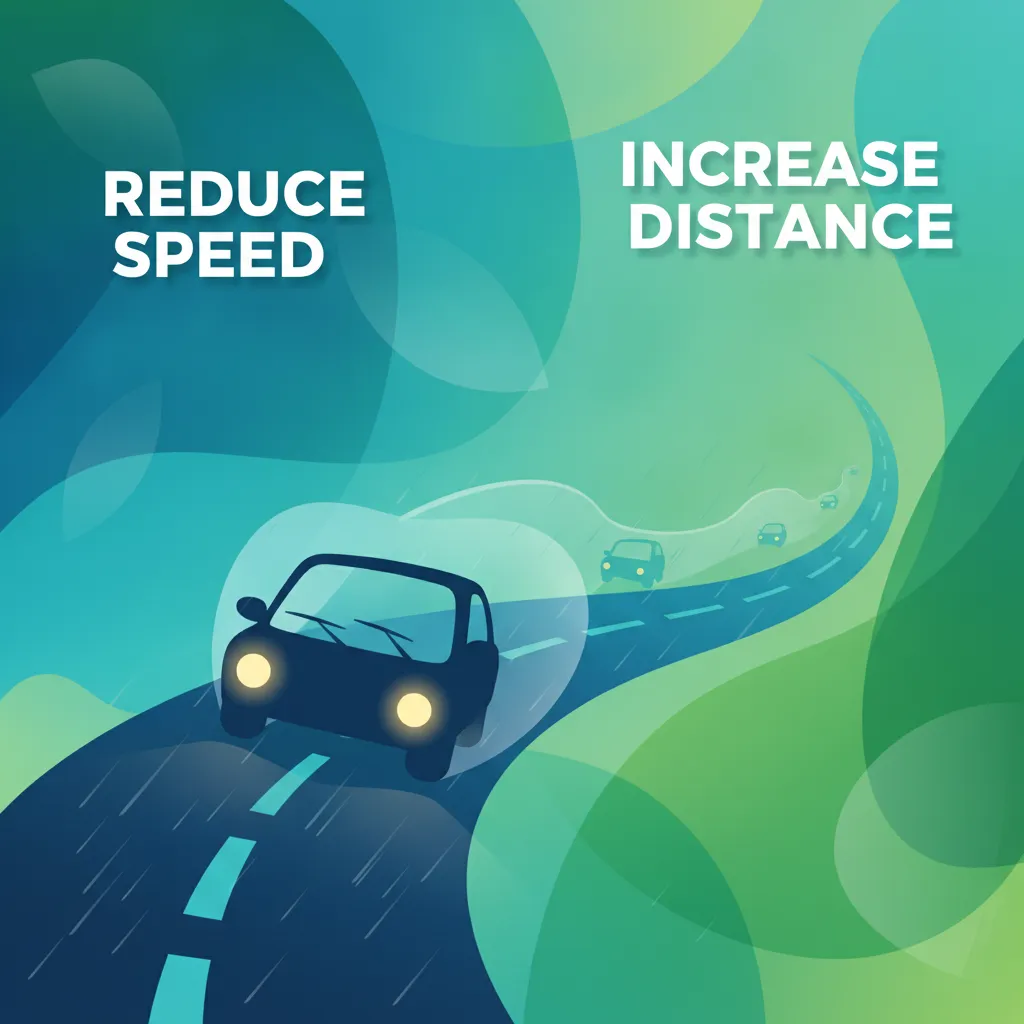
Weather has a profound impact on vehicle handling and visibility. This lesson teaches you how to reduce speed, increase following distances, and use controls smoothly to maintain traction in poor conditions. It also covers the legal requirements and practical application of snow chains in winter.
This lesson details how adverse weather conditions like rain, fog, and snow affect motorcycle safety. It explains how wet surfaces reduce tyre grip, requiring smoother control inputs and longer braking distances. Strategies for managing reduced visibility in fog and the extreme hazards of riding on snow and ice are also covered.
Wet or icy roads drastically reduce tyre grip and can double or triple braking distances. This lesson stresses the importance of significantly reducing overall speed and increasing following distances in such conditions. It advises on using brakes with extreme care to avoid skidding and explains how the vehicle's retarder should be used with caution as it can cause the drive wheels to lock up on slippery surfaces.
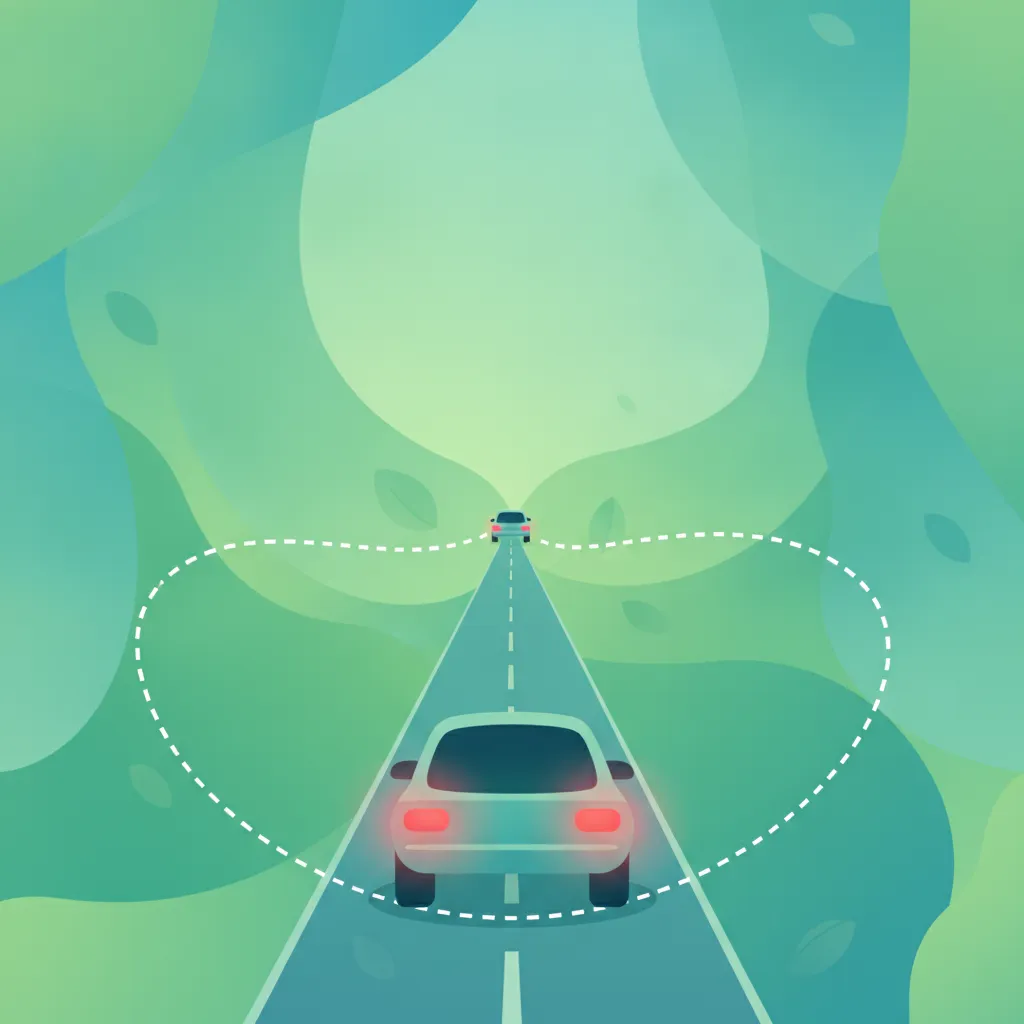
This lesson focuses on calculating total stopping distance, incorporating perception-reaction distance and the vehicle's braking distance. You will also learn to determine an appropriate following gap based on speed, visibility, and road conditions. The content emphasizes maintaining a safe distance to avoid collisions, especially in adverse weather.

This lesson provides essential strategies for riding in adverse weather like rain and fog. It explains how to increase following distances, reduce speed, and use lights effectively to enhance visibility. The content also addresses the loss of traction on wet roads and the importance of smooth control inputs for braking, accelerating, and steering.
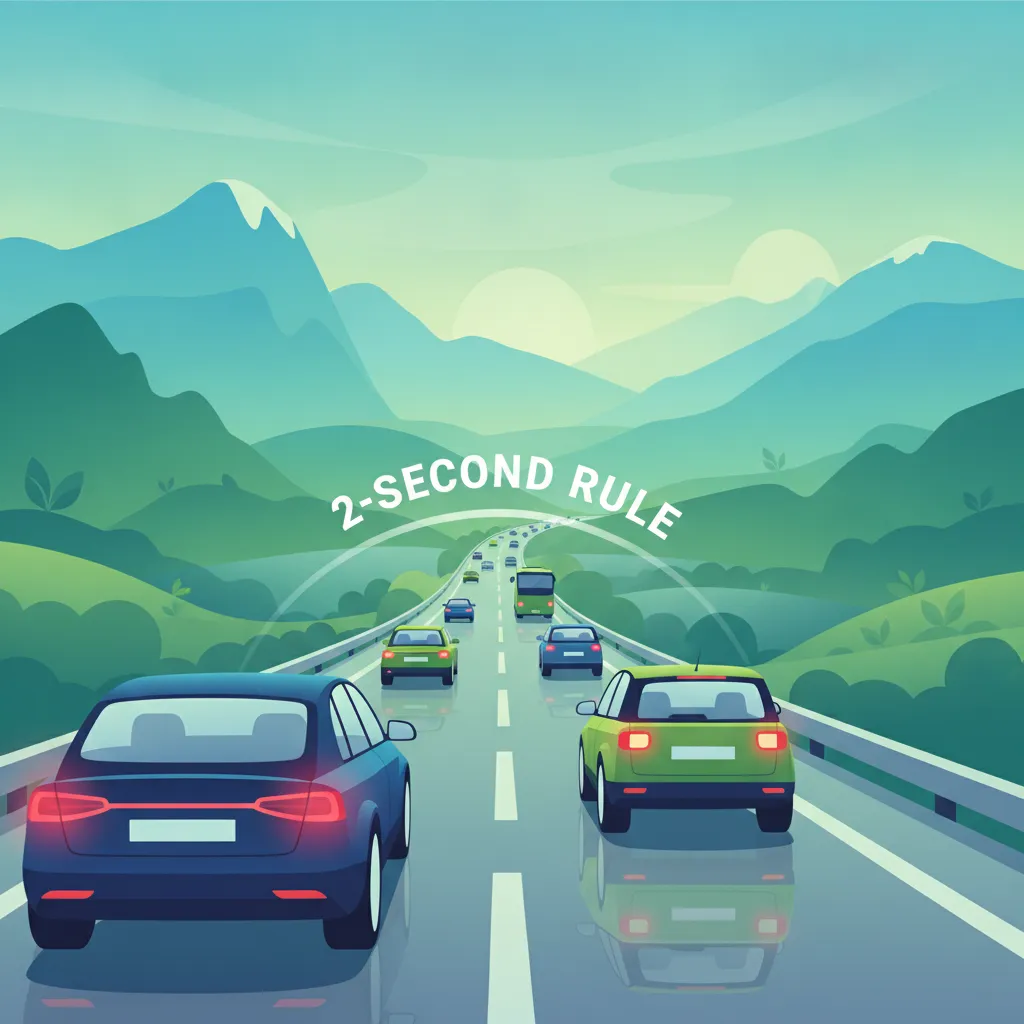
Buses and coaches require significantly more distance to stop than cars. This lesson explains why the 'two-second rule' is insufficient and teaches the appropriate methods for calculating a safe gap in various conditions. Maintaining an adequate safety cushion is one of the most important defensive driving skills.
This lesson focuses on general driving safety in areas with a high concentration of children. It stresses the importance of significantly reducing speed, being prepared for unexpected events, and scanning for children between parked cars. The driver must exhibit maximum vigilance in these high-risk environments at all times.
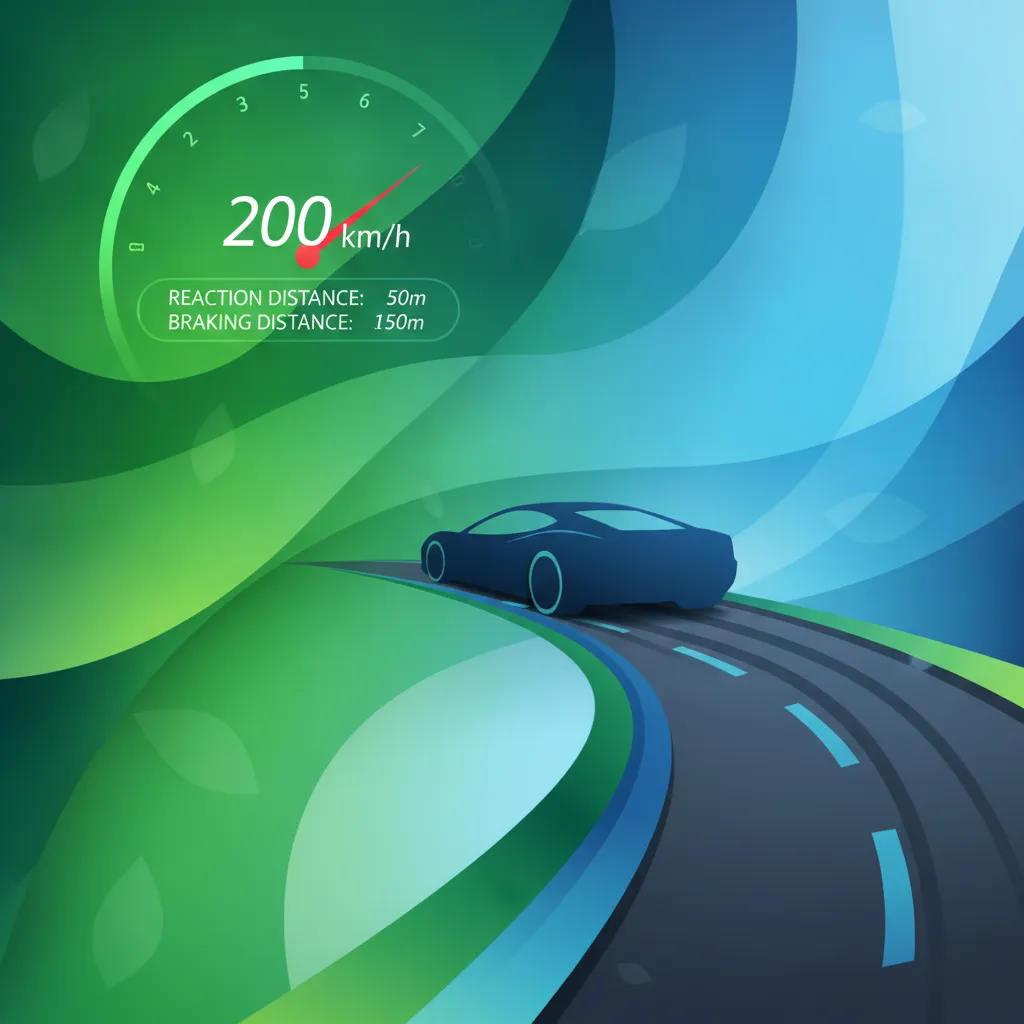
This lesson breaks down total stopping distance into its two components: thinking (reaction) distance and braking distance. You will learn how factors like speed, vehicle weight, driver fatigue, and road surface conditions dramatically affect how long it takes to come to a complete stop. This understanding is critical for proactive hazard management.
Master the legal requirements for stopping at traffic lights, stop signs, and pedestrian crossings in Switzerland. Ensure you understand when and where to stop to comply with traffic laws and enhance safety.
This lesson explores pedestrian right-of-way at various crossings, including zebra crossings and pedestrian islands. It emphasizes the need for drivers to reduce speed, anticipate pedestrian movement, and stop safely when required. The content also covers special regulations that apply in school zones, such as reduced speed limits and heightened vigilance.
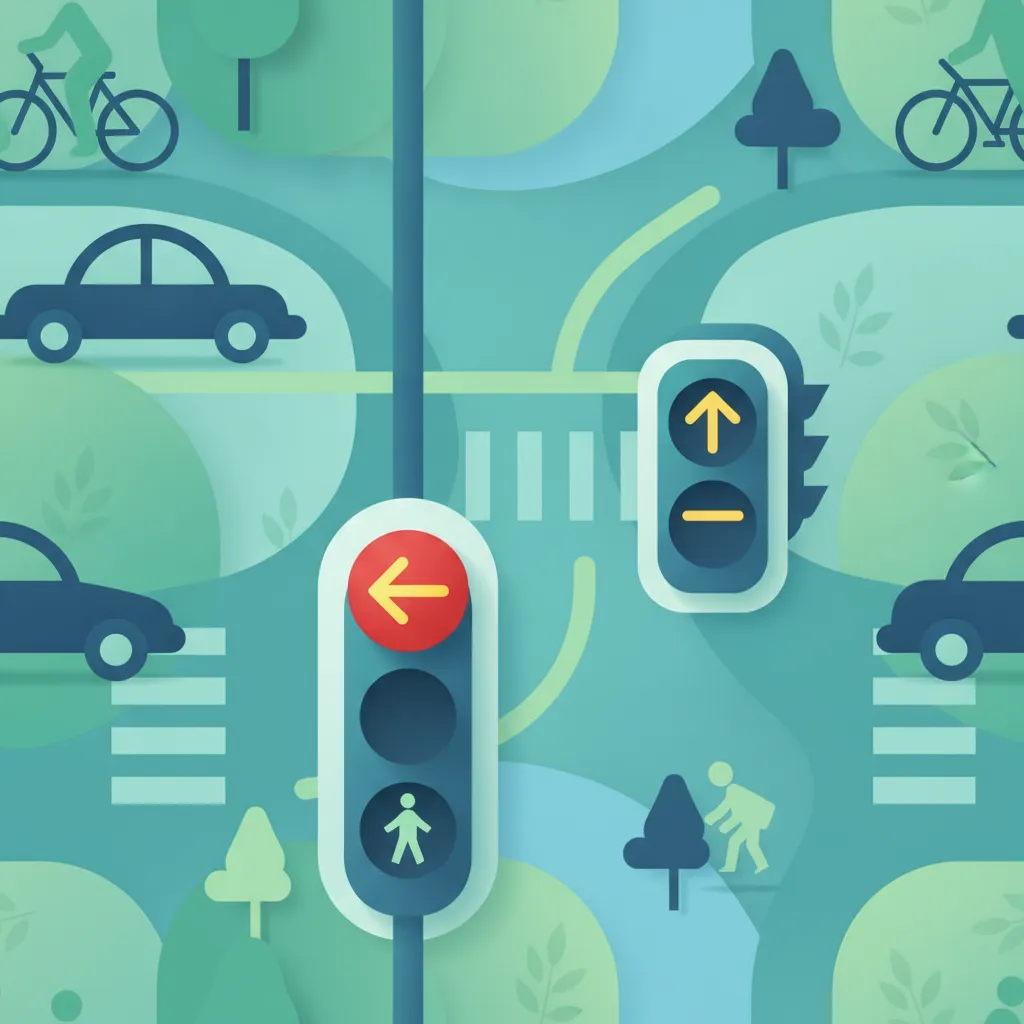
This lesson details the operation of traffic light systems in Switzerland. It explains the sequence and meaning of red, amber, and green lights, including flashing amber signals. The content also covers specific signals for pedestrians and the priority rules associated with tram signals to ensure safe interaction at controlled intersections.
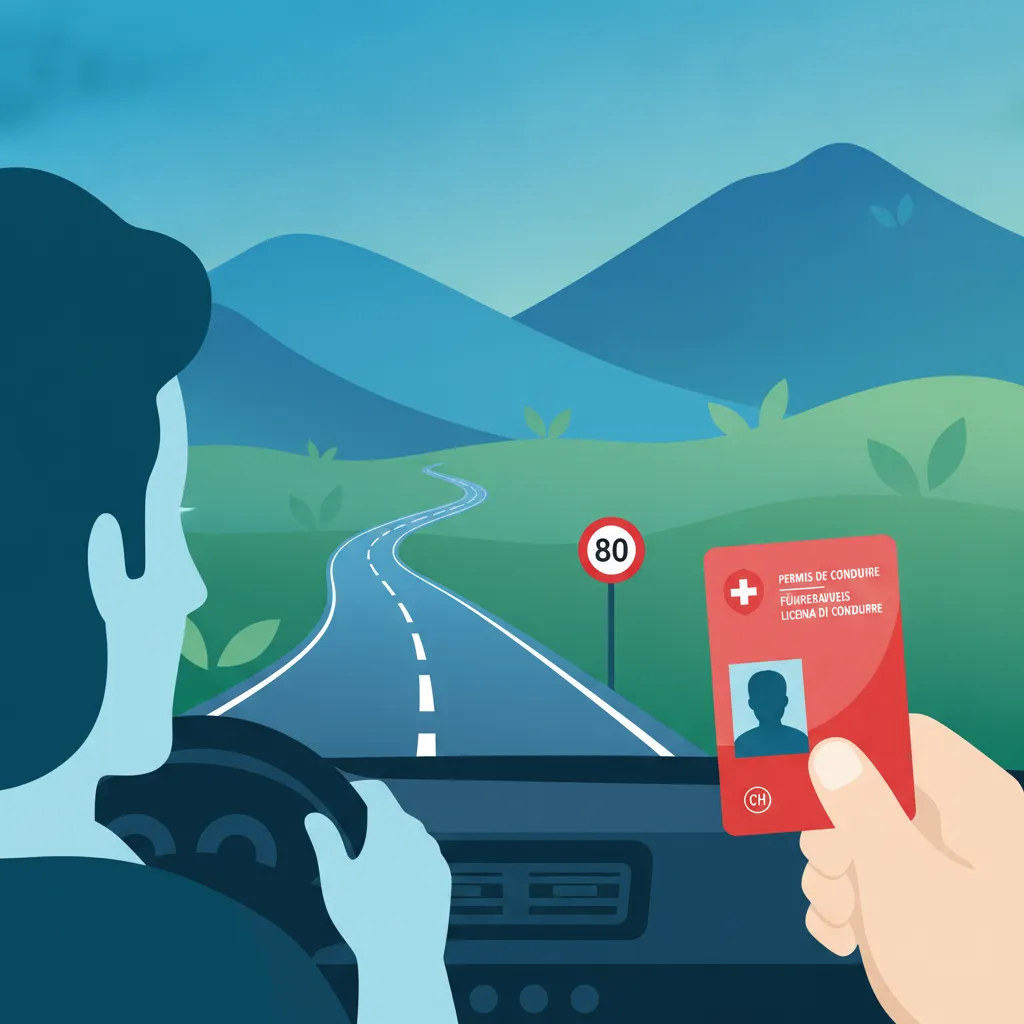
This lesson emphasizes the broad responsibilities of holding a driver's licence in Switzerland, including adherence to traffic laws and maintaining vehicle roadworthiness. It covers legal obligations related to insurance, registration, and reporting accidents, as well as the consequences of violations. The content reinforces the duty of care drivers owe to all other road users.
This lesson explores how traffic lights dictate priority at intersections, superseding general priority rules. It explains the meanings of red, amber, and green signals and the required actions for each. Emphasis is placed on understanding green light right-of-way and the cautionary role of the amber phase for navigating signal-controlled junctions safely.
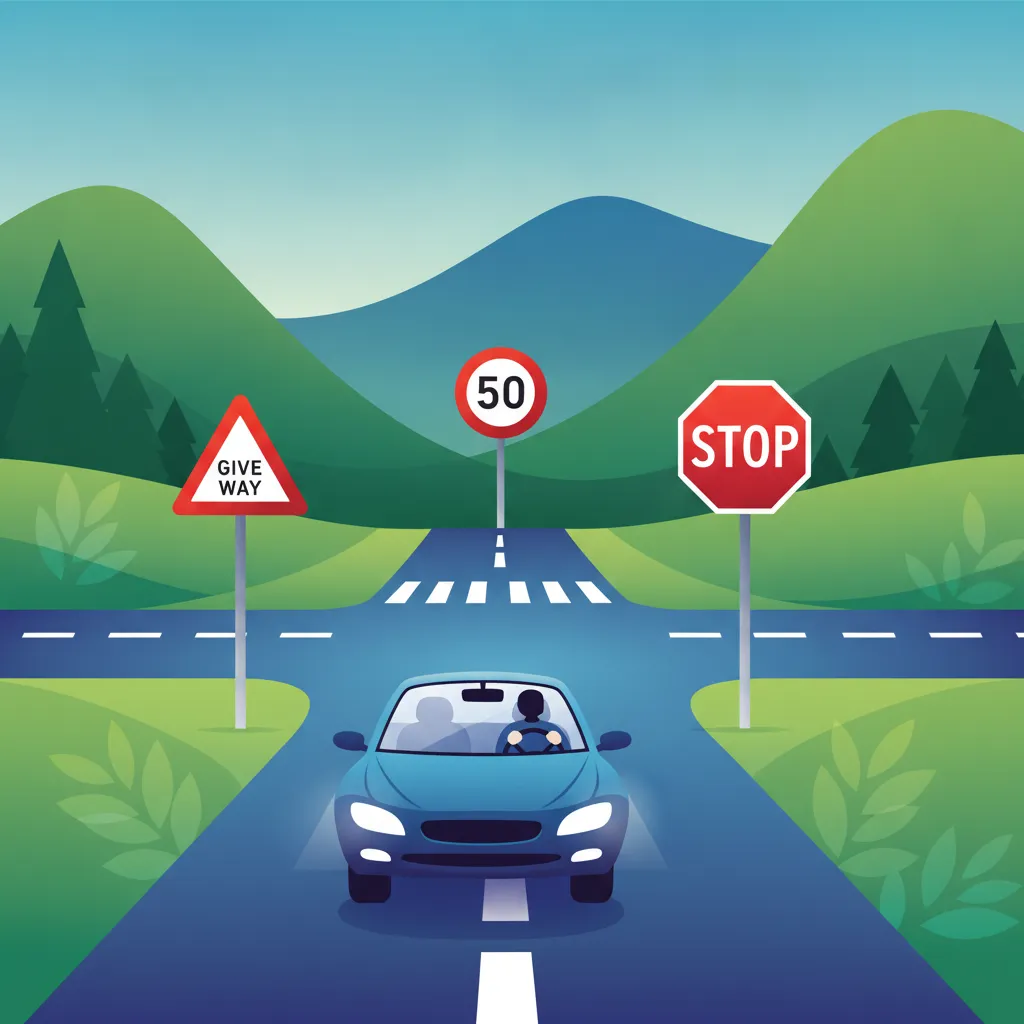
This lesson explores the category of regulatory signs, which dictate permissible and prohibited actions for drivers. It covers speed limit signs, entry restrictions, and mandatory direction signs, explaining their legal significance. Emphasis is placed on recognizing the shapes and colours that distinguish these critical signs within the Swiss traffic system.
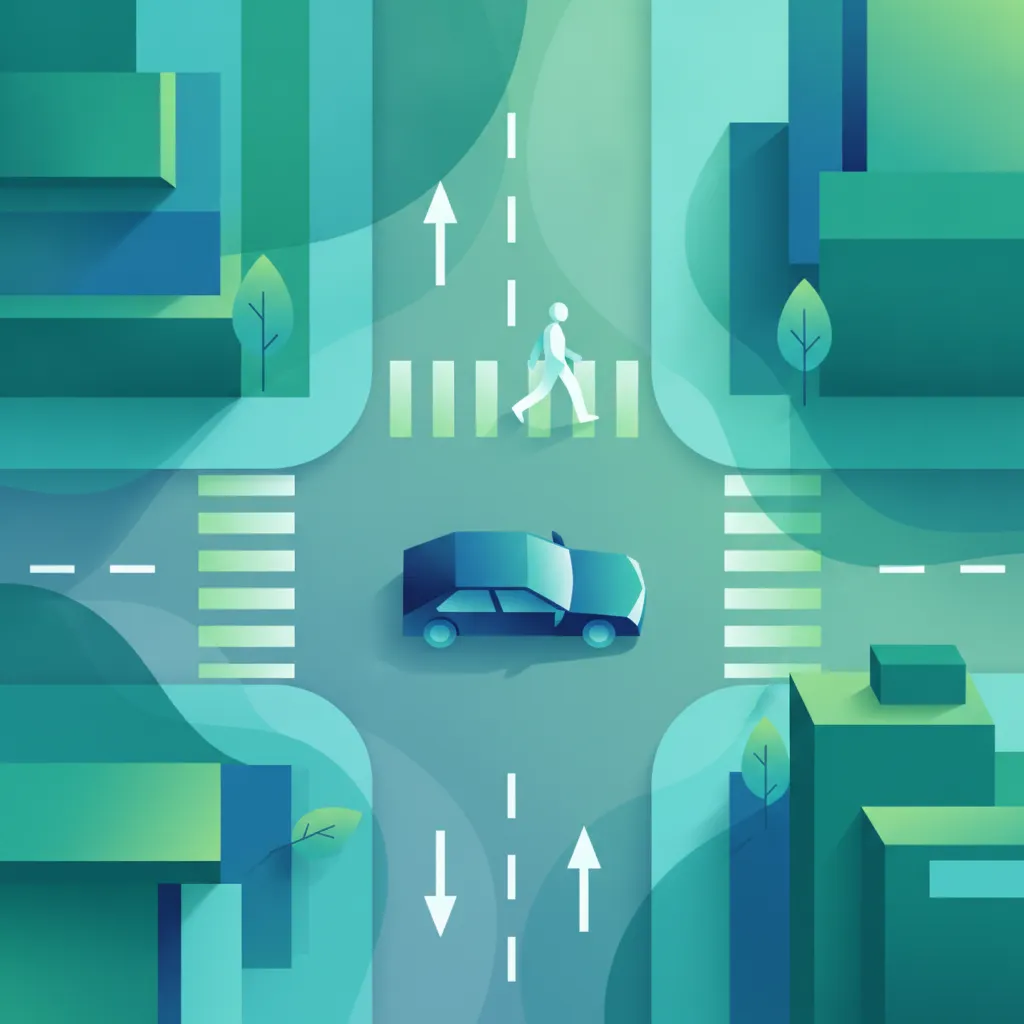
This lesson focuses on the variety of painted markings on Swiss roads and their legal significance. Learners will understand the difference between solid and broken lines, the rules for stop lines, and their obligations at a zebra crossing (Fußgängerstreifen). Correct interpretation of these markings is essential for proper lane positioning and safe interaction with all road users.
This lesson focuses on general driving safety in areas with a high concentration of children. It stresses the importance of significantly reducing speed, being prepared for unexpected events, and scanning for children between parked cars. The driver must exhibit maximum vigilance in these high-risk environments at all times.

This lesson examines the different lighting systems on a vehicle, including headlamps, fog lights, and turn signals. It explains the appropriate use of low-beam and high-beam headlights and the conditions for activating fog lights. Understanding proper lighting usage improves visibility and safety, especially in low-light or adverse weather conditions.
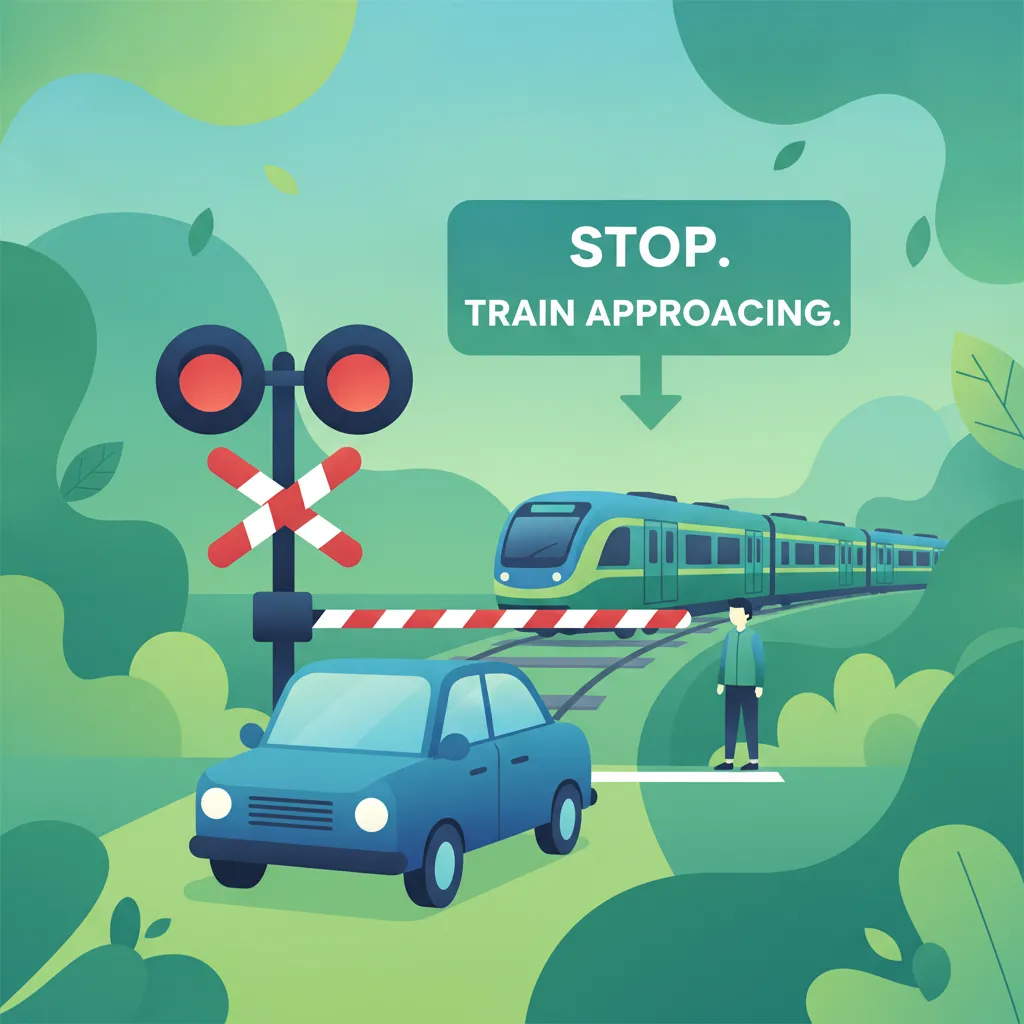
This lesson examines railway crossings, focusing on the signals, barriers, and safety procedures required for safe passage. It explains the different types of level crossings, the meaning of flashing lights and audible warnings, and the required driver actions. You will learn to interpret warning signs and integrate these safety measures into your driving behavior.
This lesson focuses on school zones, where special speed limits and cautionary measures are required. You will learn to recognize school zone signs, understand reduced speed limits, and be aware of designated child crossing zones. The content also emphasizes the need for heightened vigilance when school buses stop for students to ensure child safety.
Find clear answers to common questions learners have about Stopping Rules and Safe Stopping Distances. Learn how the lesson is structured, which driving theory objectives it supports, and how it fits into the overall learning path of units and curriculum progression in Switzerland. These explanations help you understand key concepts, lesson flow, and exam focused study goals.
Reaction distance is the distance covered during the time between identifying a hazard and physically applying the brakes. On the exam, always remember that higher speeds significantly increase this distance, making alertness vital.
While you do not need to perform complex physics, you must understand the core principles: if speed doubles, braking distance increases roughly fourfold. Focus on the relationship between speed and distance.
Many learners forget to secure the vehicle against rolling using both the handbrake and selecting the appropriate gear or parking mode. Always ensure your wheels are positioned safely toward or away from the curb depending on the incline.
In rain, snow, or ice, your friction with the road is reduced. The theory exam expects you to know that you must double or even triple your following distance and braking preparation time in adverse conditions.
Pinpoint specific Swiss traffic rules, road signs, or driving situations you need to master. Use the practice search to start a focused revision session now and build confidence for your official driving theory exam.