
This lesson focuses on the critical safety procedures for handling vehicle fires in heavy goods vehicles. You will learn about preventative maintenance to avoid fires and the correct, life-saving steps to take if a fire occurs, ensuring you are prepared for both the Swiss theory exam and real-world professional driving.
Lesson content overview
Operating heavy goods vehicles, especially in the demanding Swiss environment, requires a thorough understanding of potential hazards, including vehicle fires. While rare, vehicle fires can escalate rapidly, posing severe risks to the driver, other road users, and property. This lesson, part of the Official Swiss Driving Theory Course for Category C & C1 Goods Vehicles, equips you with the knowledge to prevent fires, recognize their early signs, and respond effectively and safely should one occur.
Understanding the common causes—such as overheated brakes, compromised tyres, or electrical system malfunctions—is the first step in prevention. Beyond this, a clear, systematic approach to immediate response, prioritizing personal safety, is paramount. This includes knowing how to stop the vehicle safely, shut down critical systems, alert emergency services, and, if appropriate and safe, use the on-board fire extinguisher.
Vehicle fires can originate from various sources, and heavy goods vehicles, due to their size, complex systems, and the nature of their operations (e.g., heavy loads, long distances, steep descents), have specific vulnerabilities. Recognizing these underlying causes is essential for effective prevention and response. Fires typically require three elements: fuel, oxygen, and an ignition source (heat). Preventing fires means disrupting this "fire triangle" as much as possible.
Several factors can lead to ignition in a heavy vehicle. These include mechanical failures that generate excessive heat, electrical system malfunctions, or external sources. Being aware of these specific risks allows for targeted preventive measures.
Brake components, when subjected to prolonged or excessive use, can exceed their safe operating temperature thresholds. This often occurs during extended downhill descents where drivers may over-rely on service brakes instead of using engine brakes or retarders. Extremely hot brakes can ignite surrounding materials like brake fluid, grease, or even the tyres. A burning smell, smoke emanating from the wheels, or a noticeable decrease in braking efficiency (brake fade) are critical warning signs.
Heavy vehicles are equipped with engine brakes or retarders precisely to mitigate this risk, reducing the reliance on the service brakes and thereby preventing dangerous heat buildup. Proper downhill control techniques, as detailed in previous lessons, are crucial for avoiding this scenario.
Tyres on heavy goods vehicles operate under immense stress from heavy loads and high speeds. If a tyre is underinflated, overloaded, or damaged, it can generate excessive friction and heat internally. This heat can lead to the degradation of the tyre's rubber and structural components, potentially causing a blowout. In severe cases, particularly if the vehicle has dual wheels and an inner tyre is significantly underinflated, the heat generated can be sufficient to ignite the tyre itself or adjacent materials. Signs of overheating tyres include a distinctive acrid smell, visible smoke, or unusually high readings on tyre pressure/temperature monitoring systems (if equipped).
The complex electrical systems of heavy goods vehicles involve numerous wires, circuits, and components, all of which are potential sources of ignition if compromised. Faulty wiring, chafed insulation, loose connections, overloaded circuits, or issues with the battery (e.g., short circuits, overcharging) can generate sparks, excessive heat, or electrical arcing. These events can quickly ignite nearby flammable materials such as upholstery, insulation, or spilled fluids. A popping sound, burning plastic smell, flickering lights, or visible smoke near the dashboard or battery compartment are immediate indicators of an electrical fault.
Prevention is always the best strategy when it comes to vehicle fires. Regular and thorough maintenance checks, combined with vigilant driving practices, significantly reduce the likelihood of a fire incident. Professional drivers of Category C & C1 vehicles have a legal and professional responsibility to ensure their vehicle is roadworthy and safe.
Systematic inspections are the cornerstone of fire prevention. These checks extend beyond basic visual inspections and require attention to detail, especially regarding components known to be fire risks.
Brake System Inspection: Regularly check brake pads, discs, drums, and lines for wear, leaks, or damage. After heavy braking, visually inspect for any signs of excessive heat, such as glazing on pads or discolouration on drums. Ensure brake fluid levels are correct and no abnormal smells or smoke are present.
Tyre Condition and Pressure Monitoring: Before each journey, verify that all tyres are inflated to the correct pressure as specified by the manufacturer. Inspect tyre sidewalls and treads for any cuts, bulges, punctures, or signs of uneven wear. Feel tyres for unusual heat buildup after extended driving periods.
Electrical System Integrity: Periodically inspect visible wiring for fraying, chafing, or exposed conductors. Check battery terminals for corrosion and ensure they are tightly secured. Report any intermittent electrical issues, strange smells from the dashboard, or fuses that blow frequently, as these can indicate underlying problems.
Fuel System Checks: Look for any signs of fuel leaks around the tank, lines, and engine components. Ensure fuel caps are securely fastened.
Fire Extinguisher Readiness: Confirm that the on-board fire extinguisher is present, easily accessible, and in good working order. Check the pressure gauge (if equipped) to ensure it is within the operational range and that the safety pin is intact.
Keep the engine bay clean. Accumulations of oil, grease, leaves, or other debris can become fuel for a fire, especially if they come into contact with hot engine components or electrical faults.
Swiss traffic regulations place clear obligations on drivers and operators of heavy goods vehicles regarding fire safety. Adherence to these rules is not only crucial for safety but also for legal compliance.
Mandatory Carrying of a Fire Extinguisher: All Category C & C1 heavy goods vehicles in Switzerland are legally required to carry a functional fire extinguisher. This extinguisher must meet specific standards regarding type, capacity, and pressure. It serves as the primary tool for tackling small, incipient fires before professional help arrives.
Extinguisher Maintenance: The on-board fire extinguisher must be regularly inspected and maintained. This typically involves annual checks by a qualified service to ensure it is fully charged and operational. The pressure gauge must always indicate a healthy pressure level.
Early detection is paramount to a successful and safe response to a vehicle fire. Drivers must maintain constant awareness of their vehicle's condition, especially when operating heavy goods vehicles.
Never ignore any of these warning signs, no matter how minor they seem. What starts as a small anomaly can quickly escalate into a serious fire.
Once a fire is suspected or detected, a swift, calm, and systematic response is crucial. The primary goal is always to ensure the safety of human life, followed by minimizing damage and preventing the incident from affecting other road users.
Your first and most critical action is to bring the vehicle to a safe, controlled stop. This must be done as quickly and safely as possible, minimizing risk to yourself and others.
Signal and Decelerate: Activate your hazard warning lights immediately (Swiss Road Traffic Ordinance, Art. 42). This alerts other drivers to your emergency. Begin to slow down smoothly and safely.
Steer to a Safe Location: Guide the vehicle to the nearest safe stopping point. On motorways, this means the hard shoulder or an emergency lane. On rural roads, aim for a wide verge or a lay-by. Avoid stopping under bridges, in tunnels, or near buildings, vegetation, or other flammable materials.
Secure the Vehicle: Once stopped, engage the parking brake firmly. If on a slope, put the vehicle in gear (first gear for uphill, reverse for downhill) or chock the wheels to prevent unintended roll-forward.
Immediately after stopping and securing the vehicle, turn off the engine and remove the ignition key. This action is critical for two main reasons:
Removing the key also prevents anyone from accidentally restarting the engine and ensures the vehicle cannot be driven away without authority, which can be important for an incident scene.
Once the vehicle is safely stopped, secured, and the engine is off, your next immediate action is to call the emergency services. In Switzerland, dial 117 for the fire brigade (Feuerwehr).
Always call emergency services, even if you believe you can handle the fire yourself. Professional firefighters have specialized equipment and training to deal with vehicle fires, which can re-ignite even after appearing to be extinguished.
When making the call, provide clear and concise information:
Using an on-board fire extinguisher can be effective for small, contained fires. However, personal safety must always take precedence. Never put yourself at undue risk.
A widely recognized acronym for using a fire extinguisher:
Types of Extinguishers: Heavy goods vehicles typically carry powder extinguishers (Class ABC), which are versatile and effective against fires involving solids, flammable liquids (Class B, e.g., fuel), and electrical equipment (Class C). Water extinguishers are not suitable for electrical or fuel fires and can worsen the situation.
Assess the Situation: Only attempt to extinguish a fire if it is small, accessible, and you feel it is safe to do so without risking injury. If the fire is large, spreading rapidly, or producing dense smoke, evacuate immediately.
Approach from Upwind: If there's wind, approach the fire from the upwind side to avoid smoke and heat.
Maintain a Safe Distance: Do not get too close to the fire. Most extinguishers have an effective range of a few metres.
Deploy the Extinguisher: Pull the safety pin, aim the nozzle at the base of the flames (not the top), squeeze the operating handle, and sweep the nozzle from side to side until the fire is out.
Monitor for Re-ignition: Even after extinguishing, watch the area carefully for any signs of re-ignition.
This is the golden rule of emergency response. Your life and health are infinitely more valuable than any vehicle or cargo.
If you suspect a risk of explosion (e.g., fuel tank involved, chemical cargo), or if the fire is too large, spreading quickly, producing heavy smoke, or if you feel unsafe for any reason, do not attempt to fight the fire. Evacuate the vehicle immediately and move to a safe distance (at least 50-100 metres) away from the vehicle and the road.
Ensure that any passengers or other road users in the immediate vicinity are also moved to a safe distance. Waiting for emergency services from a secure location is often the safest and most responsible action.
Even experienced drivers can make mistakes under pressure. Being aware of common pitfalls and understanding how to adapt to varying conditions can significantly improve your response.
The circumstances of a fire can vary greatly, and your response may need to adapt accordingly.
The entire framework of vehicle fire management is built upon a few core principles and an understanding of cause-and-effect.
Understanding these relationships allows drivers not just to follow rules but to grasp the reasoning behind them, fostering better decision-making in critical moments.
Dealing with vehicle fires is a serious aspect of professional driving for Category C & C1 goods vehicles. This lesson has covered the essential elements: proactive prevention through diligent maintenance, vigilant detection of early warning signs, and a structured, safety-first approach to immediate response. By mastering these principles—from the correct use of engine brakes to the proper deployment of a fire extinguisher and, critically, prioritizing personal safety—you are better prepared to handle one of the most dangerous emergencies on the road.
Always remember that professional training and adherence to Swiss regulations are not just legal obligations but fundamental components of safe and responsible heavy vehicle operation.
Vehicle fires in heavy goods vehicles typically originate from overheated brakes, tyres, or electrical faults, and prevention through regular maintenance checks is the most effective strategy. The emergency response protocol prioritises personal safety: activate hazard lights, bring the vehicle to a safe stop on the hard shoulder, shut down the engine, call Swiss emergency services at 117, and only use the on-board powder extinguisher for small, accessible fires using the PASS technique. Drivers must recognise early warning signs (unusual smells, smoke, abnormal heat, warning lights) and understand when to evacuate immediately rather than attempt firefighting. Professional drivers operating Category C vehicles in Switzerland have both a legal duty to carry functional fire safety equipment and a professional responsibility to act decisively while never endangering their own lives.
A short set of high-value points that capture the most important learning from this lesson.
The fire triangle (fuel, oxygen, ignition source) is the basis for all fire prevention measures in heavy vehicles
Engine brakes and retarders are essential for preventing dangerous brake overheating during downhill descents
Early warning signs of an impending fire include unusual burning smells, visible smoke, abnormal heat, and dashboard warning lights
A safe emergency stop requires hazard lights, reaching the hard shoulder, and securing the vehicle with the parking brake
Shutting off the engine immediately stops both fuel pump operation and electrical supply, limiting fire progression
Explore all units and lessons included in this driving theory course.
In Switzerland, dial 117 for the fire brigade regardless of whether you attempt to extinguish the fire yourself
The PASS technique (Pull, Aim, Squeeze, Sweep) is the standard method for using any fire extinguisher
Heavy goods vehicles carry powder extinguishers (Class ABC) suitable for solids, flammable liquids, and electrical fires; water extinguishers are dangerous for fuel and electrical fires
Brake fade is a dangerous reduction in braking efficiency caused by excessive heat buildup during prolonged or heavy braking
If you suspect explosion risk (fuel tank involved, chemical cargo) or the fire is spreading rapidly, evacuate immediately to at least 50-100 metres away
Leaving the engine running, which continues fuelling the fire through the fuel pump and electrical arcing
Attempting to fight a large or rapidly spreading fire instead of evacuating, which can lead to serious injury
Stopping in unsafe locations such as tunnels, under bridges, or near buildings where the fire can spread or block emergency access
Failing to activate hazard warning lights, creating a secondary hazard for other road users approaching the stopped vehicle
Using a water extinguisher on electrical or fuel fires, which can worsen the situation and cause electrical shock
Lesson content overview
A short set of high-value points that capture the most important learning from this lesson.
The fire triangle (fuel, oxygen, ignition source) is the basis for all fire prevention measures in heavy vehicles
Engine brakes and retarders are essential for preventing dangerous brake overheating during downhill descents
Early warning signs of an impending fire include unusual burning smells, visible smoke, abnormal heat, and dashboard warning lights
A safe emergency stop requires hazard lights, reaching the hard shoulder, and securing the vehicle with the parking brake
Shutting off the engine immediately stops both fuel pump operation and electrical supply, limiting fire progression
Explore all units and lessons included in this driving theory course.
In Switzerland, dial 117 for the fire brigade regardless of whether you attempt to extinguish the fire yourself
The PASS technique (Pull, Aim, Squeeze, Sweep) is the standard method for using any fire extinguisher
Heavy goods vehicles carry powder extinguishers (Class ABC) suitable for solids, flammable liquids, and electrical fires; water extinguishers are dangerous for fuel and electrical fires
Brake fade is a dangerous reduction in braking efficiency caused by excessive heat buildup during prolonged or heavy braking
If you suspect explosion risk (fuel tank involved, chemical cargo) or the fire is spreading rapidly, evacuate immediately to at least 50-100 metres away
Leaving the engine running, which continues fuelling the fire through the fuel pump and electrical arcing
Attempting to fight a large or rapidly spreading fire instead of evacuating, which can lead to serious injury
Stopping in unsafe locations such as tunnels, under bridges, or near buildings where the fire can spread or block emergency access
Failing to activate hazard warning lights, creating a secondary hazard for other road users approaching the stopped vehicle
Using a water extinguisher on electrical or fuel fires, which can worsen the situation and cause electrical shock
Explore search topics learners often look for when studying Dealing with Vehicle Fires: Prevention and Initial Response. These topics reflect common questions about road rules, driving situations, safety guidance, and lesson level theory preparation for learners in Switzerland.
Browse additional driving theory lessons that cover connected traffic rules, road signs, and common driving situations related to this topic. Improve your understanding of how different rules interact across everyday traffic scenarios.
Learn the critical steps for responding to a vehicle fire in Swiss Category C and C1 heavy goods vehicles. Understand safe stopping, alerting services, and when to use an extinguisher, prioritizing driver safety.
A fire on a passenger vehicle is a critical emergency. This lesson covers common fire risks and preventative checks. It provides clear instructions on if, when, and how to tackle a small fire with an on-board extinguisher, always emphasizing that passenger and driver safety is the absolute first priority.
After stopping for an emergency, making the scene safe is the top priority. This lesson details the procedure: activate hazard warning lights, put on high-visibility clothing before exiting the cab, and place the warning triangle at the correct distance behind the vehicle (at least 100m on motorways). This warns approaching traffic and creates a safer environment for the driver and emergency responders.
This lesson provides a structured guide for managing the scene of a road traffic accident. It covers the internationally recognized priorities: assess for danger, make the scene safe, send for help by calling emergency services (112), and provide first aid to the injured if trained to do so. It also details the legal requirement to stop and exchange information after being involved in a collision.
This lesson outlines the mandatory documentation required during any professional transport journey in Switzerland. Drivers must be able to present the vehicle registration document ('Fahrzeugausweis'), their valid driving license, and the OACP qualification card upon request. It also touches upon transport-specific documents like consignment notes, which are crucial for legal compliance during roadside inspections by authorities.

Proper visibility is paramount for the safety of large vehicles, especially at night or in poor weather. This lesson covers the full range of required lights, including headlights, indicators, brake lights, and side and rear marker lights. It also explains the function of reflectors and the mandatory high-visibility conspicuity markings that outline the vehicle's shape to other drivers.
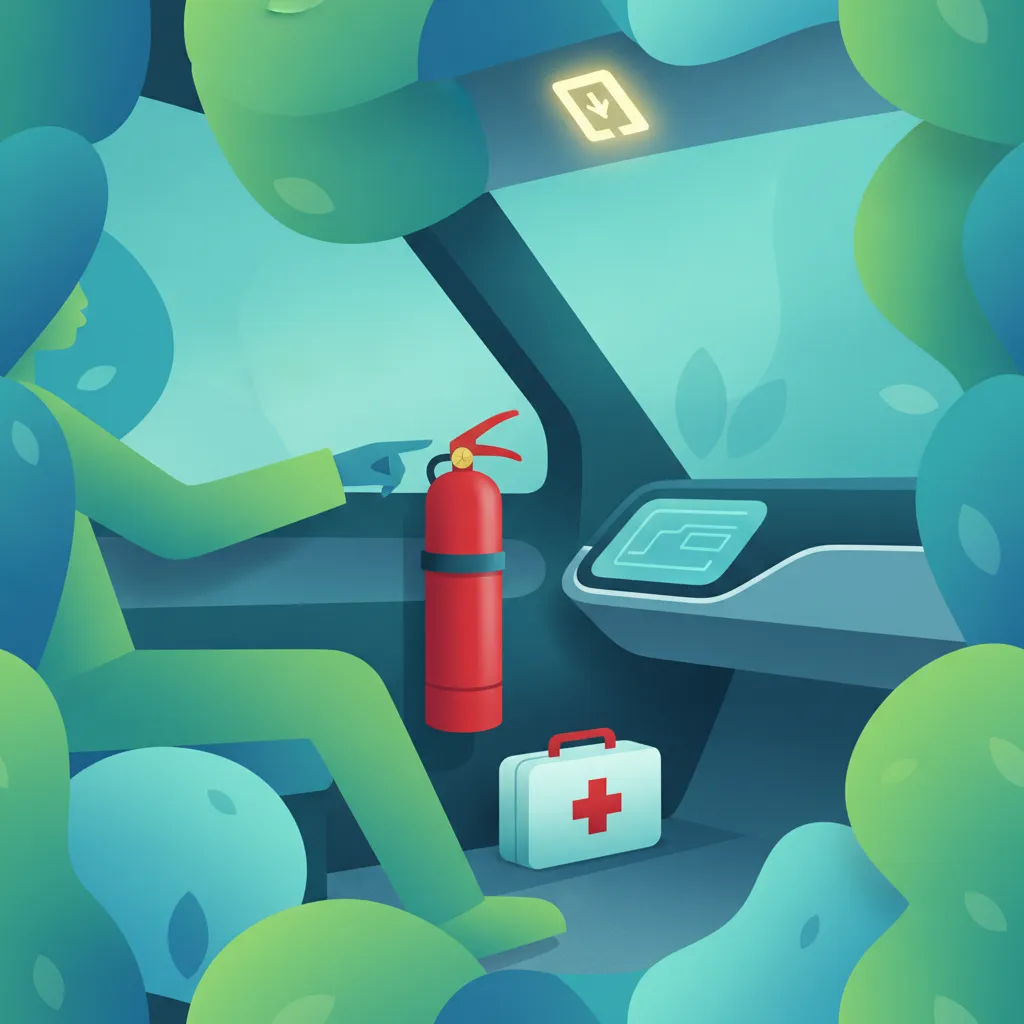
This lesson focuses on the legally required safety equipment that must be on board every passenger vehicle. You will learn how to locate and check the fire extinguisher, first aid kit, and emergency hammers. It also covers the inspection of emergency exits to ensure they are unobstructed and functional.

A tyre blowout or engine failure can be a frightening experience. This lesson provides a clear action plan: maintain a firm grip on the steering wheel, avoid harsh braking, signal, and move the vehicle to a safe location like the hard shoulder if possible. It then covers the essential safety steps of activating hazard lights, placing the warning triangle, and waiting in a safe place away from the vehicle.

Losing part of a load on the road creates an immediate and serious hazard for other drivers. This lesson outlines the driver's responsibilities: stop in a safe place, assess the situation from a safe distance, and immediately alert the police. The driver's primary role is to warn other road users and not to attempt to retrieve the load from a live carriageway.
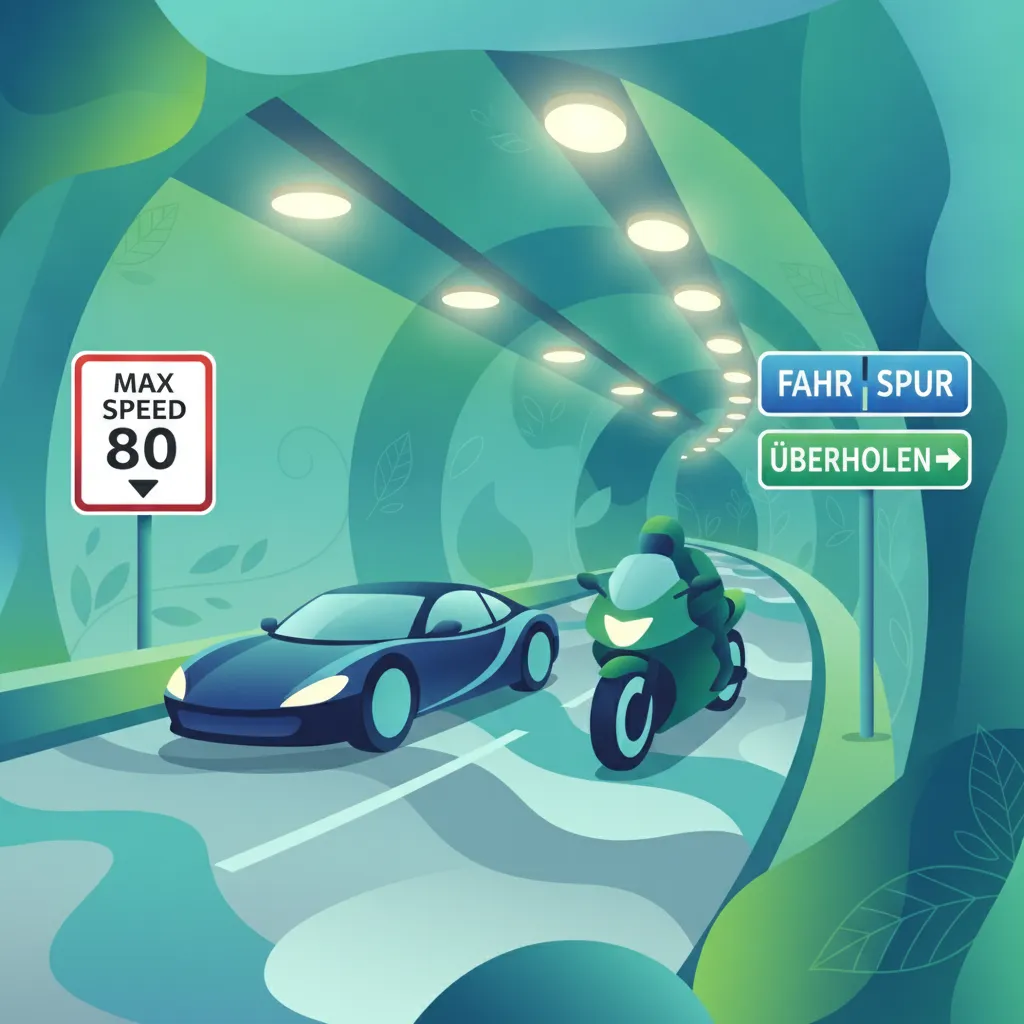
Tunnels are enclosed environments where incidents can quickly escalate. This lesson outlines the specific rules for tunnel driving: remove sunglasses, turn on dipped headlights, maintain a safe following distance, and tune the radio to the indicated frequency. It also covers the critical emergency procedures to follow in the event of a fire or breakdown inside a tunnel.
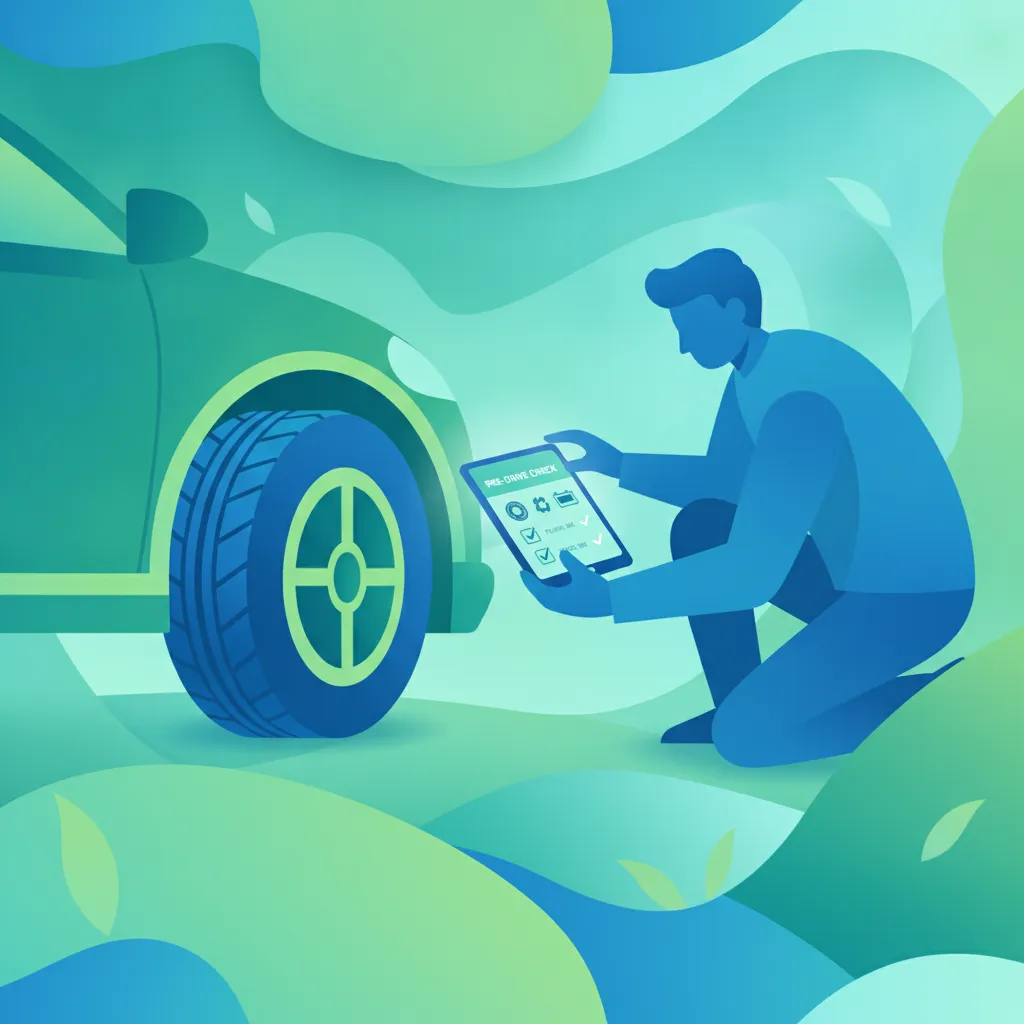
The driver is legally responsible for the roadworthiness of their vehicle at the start of and during every journey. This lesson outlines the formal process for reporting any identified defects to the transport manager or maintenance staff. It stresses the critical rule that a vehicle with a known safety-critical defect must not be driven until it has been professionally repaired and declared safe.
Understand common causes of vehicle fires in Swiss Category C and C1 trucks, including brake and electrical issues. Learn essential preventative checks and roadworthiness measures to reduce fire risks.
Before starting any journey, a professional driver must conduct a thorough pre-drive inspection. This lesson teaches a systematic walk-around method to check critical components like tyres, wheels, lights, mirrors, fluid levels, and safety equipment. This daily routine is a legal requirement and is crucial for identifying potential defects before they become a danger on the road.
A fire on a passenger vehicle is a critical emergency. This lesson covers common fire risks and preventative checks. It provides clear instructions on if, when, and how to tackle a small fire with an on-board extinguisher, always emphasizing that passenger and driver safety is the absolute first priority.
The driver is legally responsible for the roadworthiness of their vehicle at the start of and during every journey. This lesson outlines the formal process for reporting any identified defects to the transport manager or maintenance staff. It stresses the critical rule that a vehicle with a known safety-critical defect must not be driven until it has been professionally repaired and declared safe.
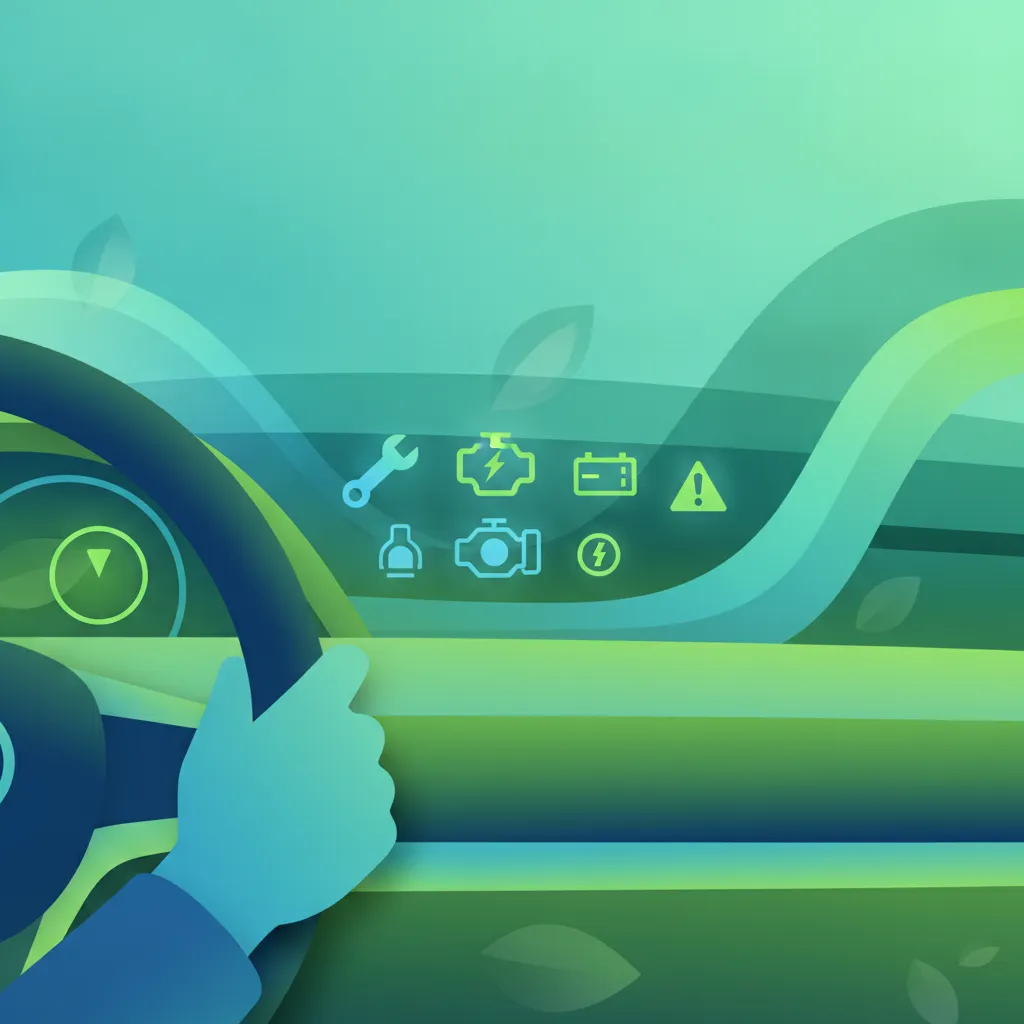
The dashboard is the vehicle's primary communication interface with the driver. This lesson explains how to read essential gauges, such as the air pressure gauges for the braking system, the tachometer, and the fuel level. It focuses on recognizing the meaning of different warning lights (red for urgent, amber for caution) and the importance of stopping safely to investigate any critical alerts immediately.
This lesson focuses on the legally required safety equipment that must be on board every passenger vehicle. You will learn how to locate and check the fire extinguisher, first aid kit, and emergency hammers. It also covers the inspection of emergency exits to ensure they are unobstructed and functional.
Proper visibility is paramount for the safety of large vehicles, especially at night or in poor weather. This lesson covers the full range of required lights, including headlights, indicators, brake lights, and side and rear marker lights. It also explains the function of reflectors and the mandatory high-visibility conspicuity markings that outline the vehicle's shape to other drivers.
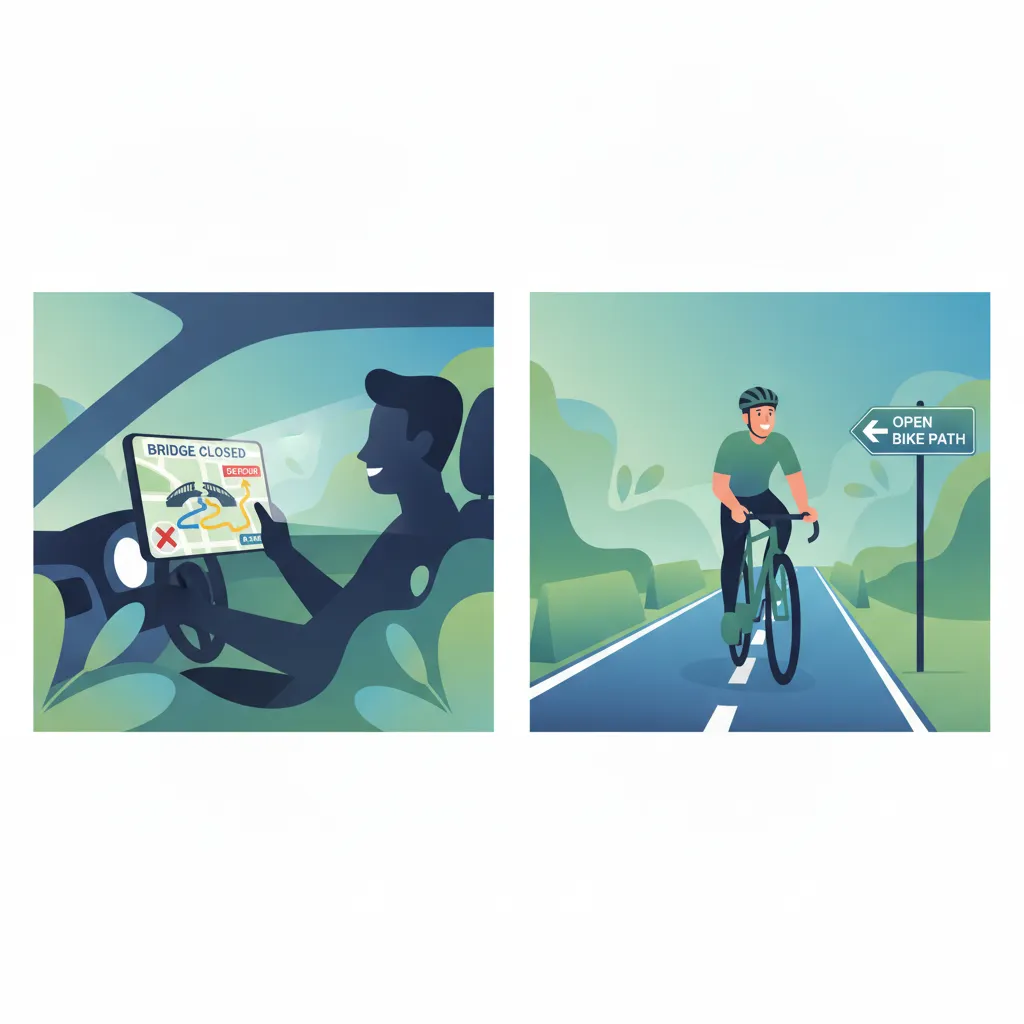
Unlike cars, heavy vehicles cannot travel on every road. This lesson stresses the importance of using HGV-specific satellite navigation systems or carefully checking maps to plan routes that avoid low bridges, weak bridges, and roads with weight or width restrictions. Proper planning saves time, fuel, and prevents dangerous situations or costly damage.
This lesson outlines the mandatory documentation required during any professional transport journey in Switzerland. Drivers must be able to present the vehicle registration document ('Fahrzeugausweis'), their valid driving license, and the OACP qualification card upon request. It also touches upon transport-specific documents like consignment notes, which are crucial for legal compliance during roadside inspections by authorities.

The condition of tyres and wheels is paramount to safety. This lesson details how to check tyre pressures, tread depth, and sidewalls for any damage or defects. You will also learn to inspect wheel nuts for security and look for signs of issues with the suspension system.
Taking regular breaks is a legal requirement and essential for combating fatigue. This lesson covers how to safely enter and park within designated lorry parks at service areas. It emphasizes the importance of applying the parking brake securely, using wheel chocks if on a slope, and being mindful of vehicle and cargo security to prevent theft.
Find clear answers to common questions learners have about Dealing with Vehicle Fires: Prevention and Initial Response. Learn how the lesson is structured, which driving theory objectives it supports, and how it fits into the overall learning path of units and curriculum progression in Switzerland. These explanations help you understand key concepts, lesson flow, and exam focused study goals.
The immediate priority is to stop the vehicle in a safe location, off the road if possible, and switch off the engine to cut fuel supply and electricity. Immediately activate your hazard warning lights and evacuate yourself and any passengers to a safe distance before calling emergency services.
Only if the fire is small, localized, and you can access it without placing yourself in danger. If the fire is in the engine compartment or spreading rapidly, do not risk your life; maintain a safe distance and wait for emergency services.
Regularly inspect your tyres for low pressure, which causes overheating, check for oil or fuel leaks, and ensure all electrical cables are intact. Following your daily pre-drive walk-around check is the most effective way to identify these hazards before they lead to a fire.
While this lesson covers the essential theory for your driving licence exam, fire safety is a critical part of the broader OACP professional driver qualification. This training provides the foundation needed for those advanced safety modules.
Pinpoint specific Swiss traffic rules, road signs, or driving situations you need to master. Use the practice search to start a focused revision session now and build confidence for your official driving theory exam.