
Driving a heavy vehicle requires precise route planning to avoid narrow roads, low bridges, and weight-restricted zones across the Swiss road network. This lesson provides the essential skills to interpret maps and professional navigation tools effectively, ensuring you operate within the law and keep your vehicle and cargo safe.

Lesson content overview
Driving a heavy goods vehicle (HGV) in Switzerland presents unique challenges compared to operating a standard car. Unlike smaller vehicles, HGVs cannot simply travel on every road or through every underpass. The Official Swiss Driving Theory Course for Category C & C1 Goods Vehicles emphasizes that professional drivers must possess a deep understanding of vehicle dimensions, weight limits, and specific road infrastructure constraints. This lesson delves into the critical importance of proactive route planning to navigate the road network safely, legally, and efficiently, avoiding potentially dangerous or costly encounters with restrictions and hazards.
Proper route planning is not merely a recommendation; it is a fundamental aspect of professional driving that safeguards the driver, the vehicle, the cargo, and other road users. Failure to meticulously plan can lead to severe consequences, including structural damage to infrastructure, vehicle accidents, substantial financial penalties, and even a revocation of driving privileges. By utilizing specialized tools and adhering to established principles, HGV drivers can ensure their journeys are smooth and compliant.
Effective route planning for heavy goods vehicles is built upon several foundational principles that guide drivers in making informed decisions before and during their journeys. These principles are interconnected and collectively ensure safety, legal compliance, and operational efficiency.
The systematic process of determining a travel path before departure, taking into account all legal and physical constraints, is known as pre-trip route planning. This crucial step prevents accidental exposure to infrastructure that cannot accommodate your vehicle's specifications. Drivers must verify routes using reliable, specialized tools designed for HGVs, such as dedicated satellite navigation systems and up-to-date official maps. This proactive approach significantly reduces risks and potential delays.
Infrastructure compatibility involves ensuring that your vehicle's physical parameters—specifically its height, width, and total mass—fit within the structural limits of the planned road network. This principle is paramount for protecting both your vehicle and the surrounding infrastructure from damage. Strict attention must be paid to avoiding low bridges, weight-limited bridges, narrow lanes, and tunnels with restricted clearances. Ignoring these limits can lead to severe accidents and structural failures.
Understanding how the placement of cargo influences axle loads and the overall vehicle dynamics is vital. Load distribution awareness guarantees that individual axle loads remain within legal limits, preventing overloading that could lead to vehicle instability, especially on gradients or during braking. Improper distribution can cause catastrophic mechanical failures or loss of control, making route choices dependent on the vehicle's loaded state and center of gravity.
Identifying and integrating known environmental or roadway hazards into route selection is a key aspect of risk mitigation. This involves considering factors like sharp curves, extremely steep grades, high wind exposure zones, and areas prone to adverse weather. By mapping out these potential dangers, drivers can reduce the likelihood of accidents or incidents, often by selecting alternate routes or scheduling travel to avoid peak hazard times.
Adhering to all road signs, regulations, and restrictions applicable to heavy goods vehicles is a non-negotiable aspect of professional driving. Legal compliance prevents fines, penalties, and potential revocation of driving privileges. It necessitates continuous monitoring of road signage, a thorough understanding of Swiss traffic laws, and reliance on updated navigation data that reflects current regulations.
Modern technology provides powerful tools to assist HGV drivers in route planning. HGV-specific navigation systems are satellite or map-based devices that incorporate extensive data on bridge heights, weight limits, width restrictions, lane designations, and routes explicitly suitable or unsuitable for heavy vehicles.
These advanced systems go beyond standard car navigation by allowing drivers to input precise vehicle dimensions (height, width, length), total weight, and even axle loads. Based on this critical data, the system calculates and suggests routes that avoid known restrictions, thereby enhancing safety and compliance. Some systems offer real-time updates for road closures or temporary restrictions, which is invaluable for dynamic route adjustments. Other systems rely on pre-loaded offline maps, beneficial in areas with limited mobile connectivity.
Always ensure your HGV navigation system is updated with the latest map data and road restriction information. Incorrect or outdated data can lead to dangerous situations.
A common misunderstanding is assuming that the navigation system will automatically avoid all restrictions without correct user input. It is the driver's responsibility to accurately enter vehicle and load data. Furthermore, while these systems are powerful aids, they do not replace the driver's duty to observe and obey all posted road signs and physical restrictions encountered on the journey. A sign always takes precedence over a navigation system's instruction.
The physical infrastructure of roads, bridges, and tunnels is designed with specific load and dimension capacities. HGVs, due to their size and mass, are subject to stringent regulations to protect both the vehicle and the infrastructure itself.
Bridge clearance refers to the vertical distance between the road surface and the lowest point of a bridge, underpass, or tunnel ceiling. These bridge height restrictions are typically clearly marked with signage, indicating the maximum permissible height for vehicles to pass safely.
These restrictions can be permanent, fixed limits, or temporary due to ongoing construction, roadworks, or unusual installations. Attempting to pass under an obstruction where the vehicle's height exceeds the posted clearance is an extremely dangerous and illegal act, inevitably resulting in a collision with potentially catastrophic consequences. Even minor impacts can cause significant damage to the vehicle, cargo, and infrastructure.
Always verify your vehicle's exact height, including any cargo extending above the roofline, before attempting to pass under any overhead obstruction. Remember that vehicle height can vary slightly with suspension settings or tire pressure.
Weight restrictions define the maximum permissible mass for vehicles using a specific road section or bridge. These limits can apply to the vehicle's Total Maximum Mass (TMM), which includes the vehicle, its cargo, and occupants, or to Maximum Axle Load (MAL), which is the highest permissible weight on a single axle or axle group.
Overloading, whether of the entire vehicle or individual axles, is a severe violation. It poses a risk of bridge collapse, compromises vehicle stability (especially during braking or on slopes), and accelerates road deterioration. Swiss regulations strictly enforce these limits, with non-compliance leading to significant fines and potential impounding of the vehicle. Drivers must also be aware that proper cargo distribution is crucial to ensure that individual axle loads remain within legal bounds, even if the total vehicle weight is compliant.
Width restrictions specify the maximum allowable width for vehicles on a particular road segment, often indicated by signs or determined by the physical constraints of the road. These limits are particularly common in urban areas, historic centers, narrow rural roads, or during roadworks.
Vehicles exceeding these limits may damage road markings, traffic signs, or adjacent property, and more importantly, they can endanger other road users by encroaching on opposing lanes or pedestrian areas. HGV drivers must stay within designated lanes or follow prescribed paths in narrow sections. Accurate knowledge of your vehicle's width (including mirrors) is crucial, as is careful observation of posted signage and road conditions.
Driving a heavy vehicle on steep inclines (gradients) or tight turns (curves) demands careful planning. HGVs have different dynamic characteristics than cars; their weight, length, and often higher center of gravity make them more susceptible to loss of control on challenging terrain.
Swiss road regulations specify maximum gradients that HGVs can safely manage, typically requiring specific gears and careful braking techniques on descents. Steep descents, especially when combined with a heavy load, can lead to brake overheating and failure if not managed correctly. Similarly, tight curves with a small curve radius can cause instability, particularly for high-sided vehicles or those with poorly distributed loads, increasing the risk of rollovers.
HGV-specific navigation systems can help identify routes with acceptable gradients and curvature radii. In mountainous terrain, drivers must always consider their vehicle's power, braking capacity, and load distribution. Sometimes, a longer route with gentler slopes and wider turns is the safer and more efficient choice.
Tunnels often come with their own set of specific limitations beyond standard road rules, including restrictions related to height, width, and sometimes ventilation capacity or the type of cargo permitted. Tunnel restrictions are vital for safety, particularly in enclosed spaces where incidents can have severe consequences.
Some Swiss tunnels may prohibit HGVs above a certain height or weight, or those carrying specific types of dangerous goods, due to fire safety protocols, ventilation constraints, or structural limitations. Certain long tunnels might require special permits or escort for oversized loads. It's crucial not to assume standard road signs apply inside tunnels, as specific, often more stringent, rules are in force. Always check signage before entering a tunnel and have an alternative route planned if your vehicle is restricted.
Beyond fixed infrastructure, environmental factors and temporary conditions significantly impact route planning for HGVs.
Weather conditions can transform an otherwise safe route into a dangerous one for heavy goods vehicles. Weather-related hazards such as heavy snow, ice, dense fog, or strong crosswinds pose particular risks to high-sided or heavily loaded vehicles. Visibility can be severely reduced in fog or heavy rain, making it harder to spot restrictions or other road users.
Seasonal restrictions or closures are common in mountainous regions, especially during winter months, due to snow, ice, or avalanche risk. Mountain passes that are open in summer may be completely impassable or require specific equipment (e.g., snow chains) in winter. Drivers must never rely solely on static maps; real-time weather updates and official road status reports are essential. Ignoring temporary closures can lead to being stranded in dangerous conditions, incurring heavy rescue costs, and facing legal penalties.
Effective route planning extends to identifying suitable rest areas, service stations, and designated parking zones for HGVs throughout the journey. This is crucial for managing driver fatigue and ensuring compliance with legal driving-time regulations, which mandate regular breaks.
When planning long journeys, identify potential rest stops and alternative parking areas in advance. This avoids last-minute searches and ensures you can comply with driving time regulations safely.
Spontaneous roadside parking, especially on narrow shoulders or in prohibited zones, is not only illegal but also extremely dangerous for HGVs. These vehicles require ample space to park safely without obstructing traffic or creating hazards. Designated HGV parking areas are equipped to handle the size and weight of trucks, often providing facilities for drivers. Planning these stops helps maintain driver alertness and avoids costly fines for illegal parking.
Adherence to specific rules and regulations is mandatory for all HGV drivers in Switzerland. These rules are designed to ensure safety, protect infrastructure, and maintain traffic flow.
Rule 1 – Bridge Clearance: Drivers must always ensure that their vehicle's height, including its load, does not exceed the posted clearance on bridges, underpasses, and tunnels. Failure to observe this rule can lead to severe structural damage and accidents.
Rule 2 – Weight Limits on Bridges and Roads: The total mass of the vehicle, including its cargo, must never exceed the maximum weight indicated on road signs for bridges or specific road sections.
Rule 3 – Axle Load Limits: Each individual axle, or axle group, must not exceed its maximum permissible load as specified on road signs and in your vehicle's registration documents. Proper cargo distribution is essential for this.
Rule 4 – Width Restrictions: Vehicles must respect width limits indicated by road signs and remain within designated lanes, especially in narrow urban areas or construction zones.
Rule 5 – Gradient and Curve Limits: HGVs must avoid routes where the gradient or curve radius exceeds the limits suitable for their vehicle class and current load. This often requires driver judgment in the absence of specific signage.
Rule 6 – Tunnel Restrictions: All specific tunnel restrictions, including height, width, and prohibitions on certain vehicle types or dangerous goods, must be rigorously observed.
Rule 7 – Seasonal and Weather-Related Closures: Temporary road and tunnel closures due to adverse weather conditions (snow, ice, avalanches, floods) are mandatory and must be obeyed without exception.
HGV drivers can inadvertently or intentionally violate route restrictions, leading to serious consequences. Understanding these common mistakes helps in proactive prevention.
The optimal route for an HGV can vary significantly depending on several dynamic factors. A good driver considers these variations and adapts their plan accordingly.
The relationship between route planning and driving outcomes for HGVs is a clear demonstration of cause-and-effect.
To solidify understanding, consider these common situations faced by HGV drivers in Switzerland:
Scenario – Approaching a Low Bridge:
Scenario – Weight-Restricted Bridge:
Scenario – Alpine Pass in Winter:
Scenario – Urban Deliveries with Width Restrictions:
Effective route planning is an indispensable skill for professional HGV drivers in Switzerland. It extends far beyond simply inputting a destination into a navigation system; it requires a comprehensive understanding of vehicle capabilities, infrastructure limitations, and dynamic environmental factors.
Proactive and diligent route planning prevents costly vehicle damage and infrastructure incidents, minimizes the risk of accidents, ensures full compliance with Swiss traffic laws, optimizes fuel efficiency, and improves overall journey predictability and safety for everyone on the road. For Category C & C1 drivers, this systematic approach is not just good practice; it is a fundamental professional obligation.
Planning routes for heavy goods vehicles in Switzerland requires meticulous pre-trip preparation using HGV-specific navigation systems with accurate vehicle data input. Drivers must verify bridge clearances, weight limits, axle loads, width restrictions, and tunnel regulations against their specific vehicle specifications, always prioritizing physical road signs over navigation instructions. Understanding how cargo distribution affects axle loads and being aware of gradient limitations, weather-related closures, and seasonal restrictions are essential for safe and legal HGV operation. Failure to plan properly can result in severe infrastructure damage, vehicle collisions, substantial fines, legal penalties, and dangerous situations for all road users.
A short set of high-value points that capture the most important learning from this lesson.
HGV drivers must use HGV-specific navigation systems and accurately input vehicle dimensions, weight, and axle loads before planning any route.
Always verify bridge clearance, weight limits, axle load restrictions, and width limits against your vehicle's actual specifications before attempting any route.
Physical road signs take precedence over navigation system instructions; never assume a navigation system instruction supersedes posted restrictions.
Seasonal closures, weather conditions, and temporary restrictions must be checked in real-time and always obeyed without exception.
Proper cargo distribution is essential to keep individual axle loads within legal limits, even when total vehicle weight is compliant.
Explore all units and lessons included in this driving theory course.
Bridge clearance signs show maximum vehicle height (sign 2.07), weight limit signs show total maximum mass (sign 2.09), and axle load signs show maximum single axle weight (sign 2.11).
Width restrictions (sign 2.06) apply to the full vehicle width including mirrors, particularly important in urban areas and construction zones.
Tunnel restrictions may differ from standard road rules and can prohibit specific cargo types or vehicles exceeding certain dimensions (signs 2.12 and 4.08).
Gradient and curve limits require driver judgment as they are not always explicitly signed; HGV-specific navigation can help identify challenging terrain.
Always verify exact vehicle height accounting for cargo above the roofline, suspension settings, and tire pressure before passing under any overhead obstruction.
Relying on navigation systems without correctly inputting vehicle dimensions, leading to routes with undetected restrictions.
Assuming total vehicle weight compliance means axle loads are within limits, when improper cargo distribution can overload individual axles.
Attempting to pass under a low bridge despite posted clearance being lower than vehicle height, often due to underestimating load height.
Entering closed mountain passes based on outdated maps or navigation data, ignoring temporary seasonal closures due to snow or avalanche risk.
Disobeying tunnel restrictions for dangerous goods or oversized vehicles, assuming standard road rules apply inside tunnels.
Lesson content overview
A short set of high-value points that capture the most important learning from this lesson.
HGV drivers must use HGV-specific navigation systems and accurately input vehicle dimensions, weight, and axle loads before planning any route.
Always verify bridge clearance, weight limits, axle load restrictions, and width limits against your vehicle's actual specifications before attempting any route.
Physical road signs take precedence over navigation system instructions; never assume a navigation system instruction supersedes posted restrictions.
Seasonal closures, weather conditions, and temporary restrictions must be checked in real-time and always obeyed without exception.
Proper cargo distribution is essential to keep individual axle loads within legal limits, even when total vehicle weight is compliant.
Explore all units and lessons included in this driving theory course.
Bridge clearance signs show maximum vehicle height (sign 2.07), weight limit signs show total maximum mass (sign 2.09), and axle load signs show maximum single axle weight (sign 2.11).
Width restrictions (sign 2.06) apply to the full vehicle width including mirrors, particularly important in urban areas and construction zones.
Tunnel restrictions may differ from standard road rules and can prohibit specific cargo types or vehicles exceeding certain dimensions (signs 2.12 and 4.08).
Gradient and curve limits require driver judgment as they are not always explicitly signed; HGV-specific navigation can help identify challenging terrain.
Always verify exact vehicle height accounting for cargo above the roofline, suspension settings, and tire pressure before passing under any overhead obstruction.
Relying on navigation systems without correctly inputting vehicle dimensions, leading to routes with undetected restrictions.
Assuming total vehicle weight compliance means axle loads are within limits, when improper cargo distribution can overload individual axles.
Attempting to pass under a low bridge despite posted clearance being lower than vehicle height, often due to underestimating load height.
Entering closed mountain passes based on outdated maps or navigation data, ignoring temporary seasonal closures due to snow or avalanche risk.
Disobeying tunnel restrictions for dangerous goods or oversized vehicles, assuming standard road rules apply inside tunnels.
Explore search topics learners often look for when studying Planning Routes to Avoid Restrictions and Hazards. These topics reflect common questions about road rules, driving situations, safety guidance, and lesson level theory preparation for learners in Switzerland.
Browse additional driving theory lessons that cover connected traffic rules, road signs, and common driving situations related to this topic. Improve your understanding of how different rules interact across everyday traffic scenarios.
Understand the specific Swiss laws and regulations governing heavy goods vehicle dimensions, weight limits, and road access. Learn about the legal consequences of non-compliance for Category C drivers and how to ensure adherence on all routes.
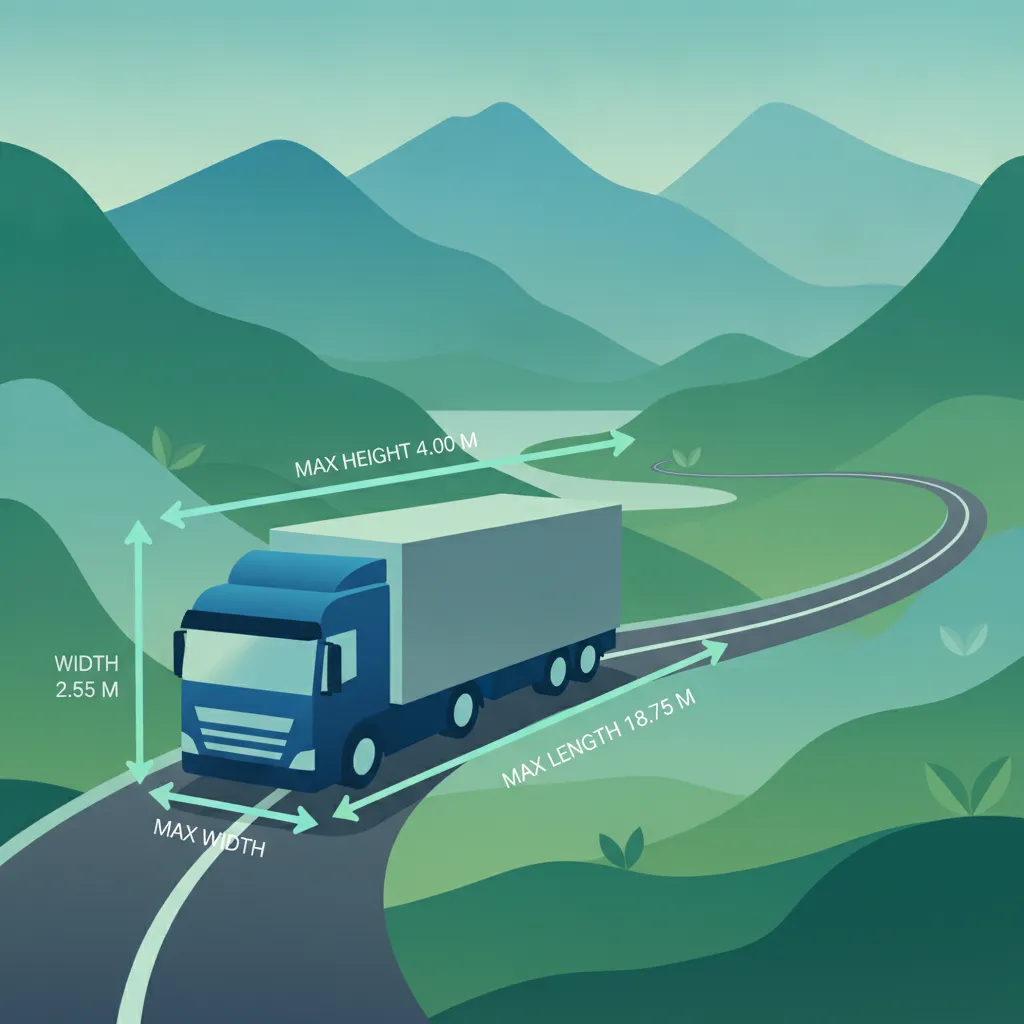
Swiss law strictly regulates the maximum dimensions of commercial vehicles to ensure they can safely navigate the infrastructure. This lesson specifies the standard limits for vehicle height (4.0m), width (2.55m), and length for various lorry and trailer combinations. Adhering to these dimensions is crucial for avoiding collisions with bridges, tunnels, and other structures, and for navigating narrow roads.

Overloading is a serious offence with severe safety and legal ramifications. This lesson details how excess weight drastically increases braking distances, puts extreme stress on tyres leading to blowouts, and negatively affects steering and overall stability. Furthermore, it discusses the substantial fines, potential license withdrawal, and driver liability that result from violating Swiss weight regulations.

For professional drivers, traffic violations can have career-altering consequences beyond standard fines. This lesson details the heightened penalties for infringements such as speeding, overloading, insecure loads, and violations of driving time regulations. It outlines the process of warnings, license suspension or withdrawal, and potential criminal liability, emphasizing the importance of strict legal compliance in the transport industry.
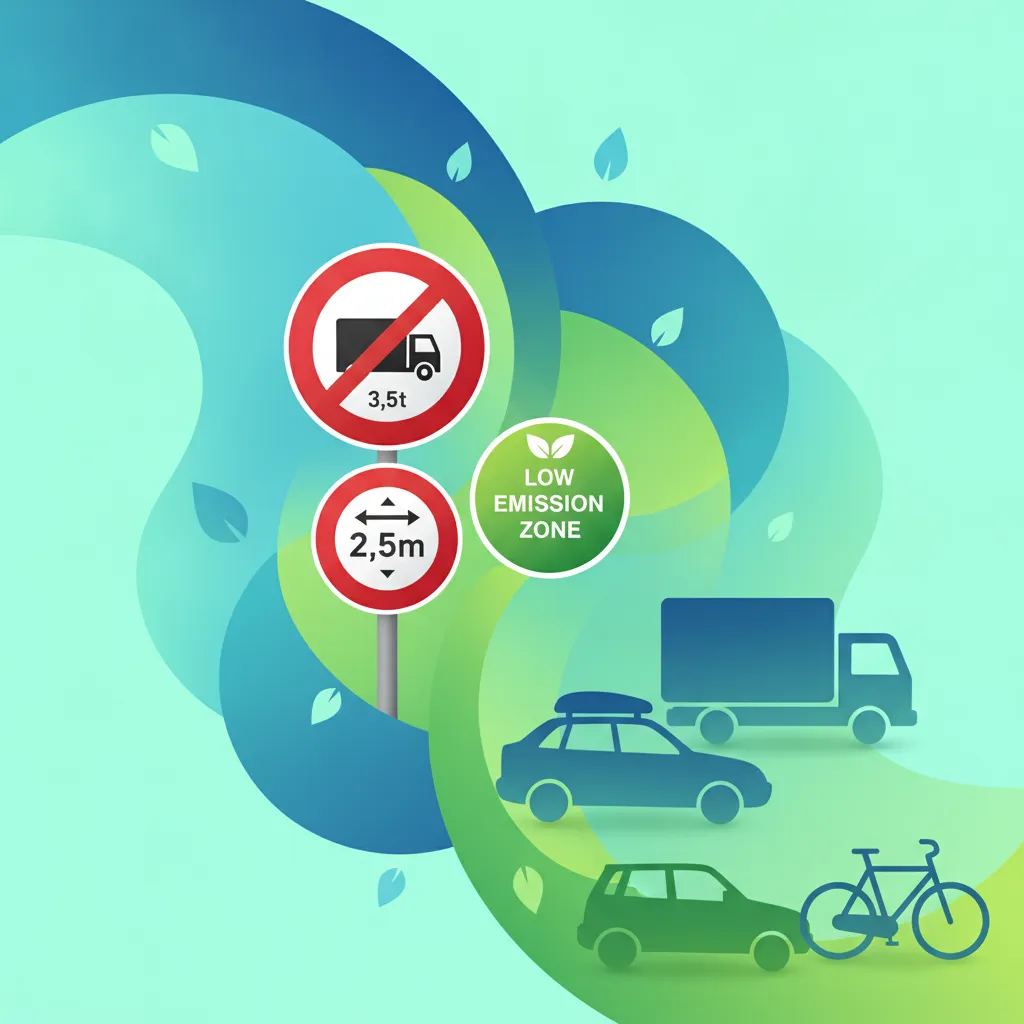
Many urban areas have restrictions to manage traffic and protect infrastructure. This lesson teaches drivers to identify and interpret traffic signs that prohibit access based on gross vehicle weight, axle load, height, or width. It also covers the growing prevalence of environmental or low-emission zones, which may restrict entry for older, more polluting vehicles.
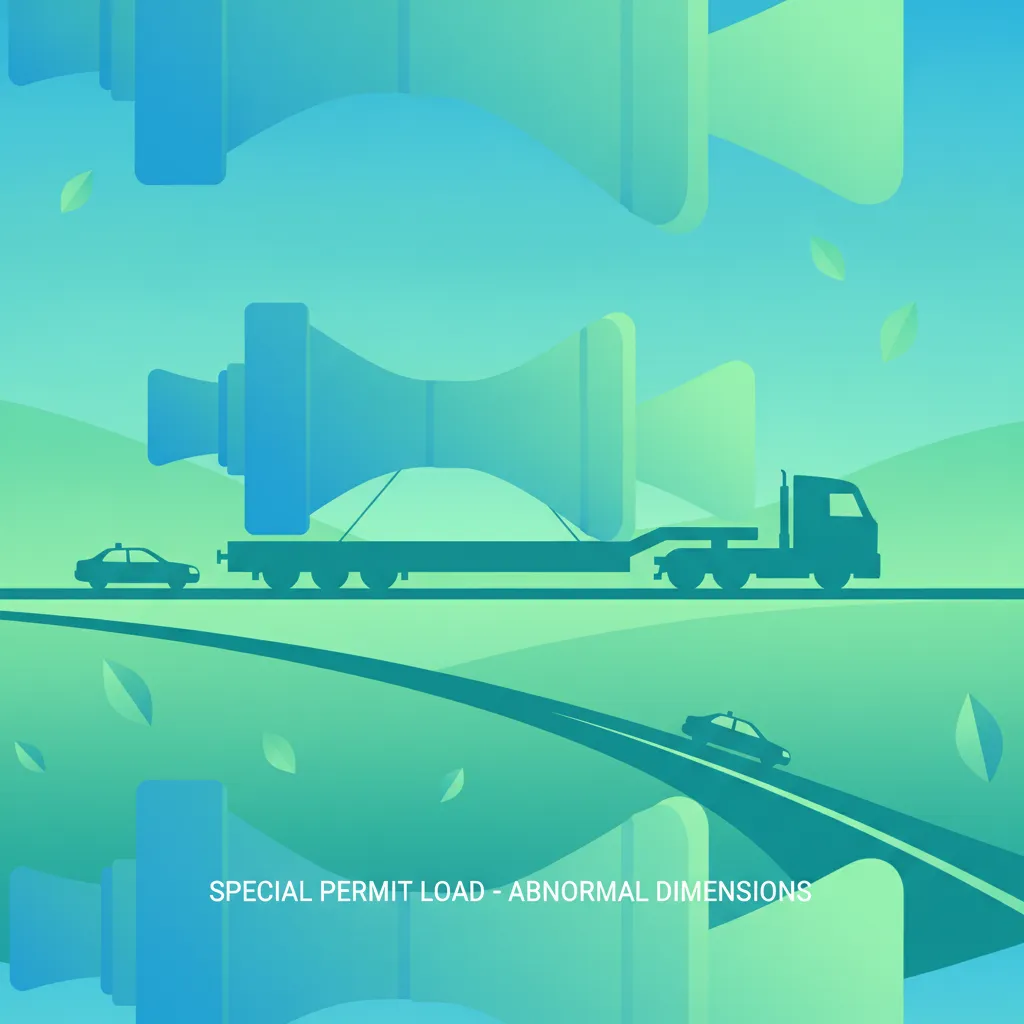
Transporting loads that are wider, longer, taller, or heavier than standard regulations allow requires special authorization. This lesson explains the concept of exceptional transport and the legal requirement to obtain a special permit from the relevant cantonal authorities. It highlights that such operations require careful route planning, often mandating specific times of travel and sometimes the use of escort vehicles.

Operating a heavy goods vehicle involves a significant responsibility for the safety of all road users. This lesson emphasizes the professional driver's enhanced duty of care due to the vehicle's size, mass, and potential impact in a collision. It covers the importance of a professional attitude, constant vigilance, and adherence to all traffic regulations to prevent incidents and maintain a high standard of road safety.

Motorway driving requires constant concentration due to high speeds. This lesson emphasizes the importance of staying in the right-hand lane unless overtaking and the specific restrictions on lorry overtaking in Switzerland. It reinforces the need for a following distance of at least four seconds to compensate for the vehicle's long stopping distance and provides guidance on safely merging and exiting.

While others may have loaded the vehicle, the driver holds the final legal responsibility for the security of the load once on the public highway. This lesson clarifies this crucial point of law, explaining that the driver must inspect the load and its securing arrangements before departure and re-check them during the journey. The consequences of a load shifting or falling can be catastrophic and result in severe legal penalties for the driver.
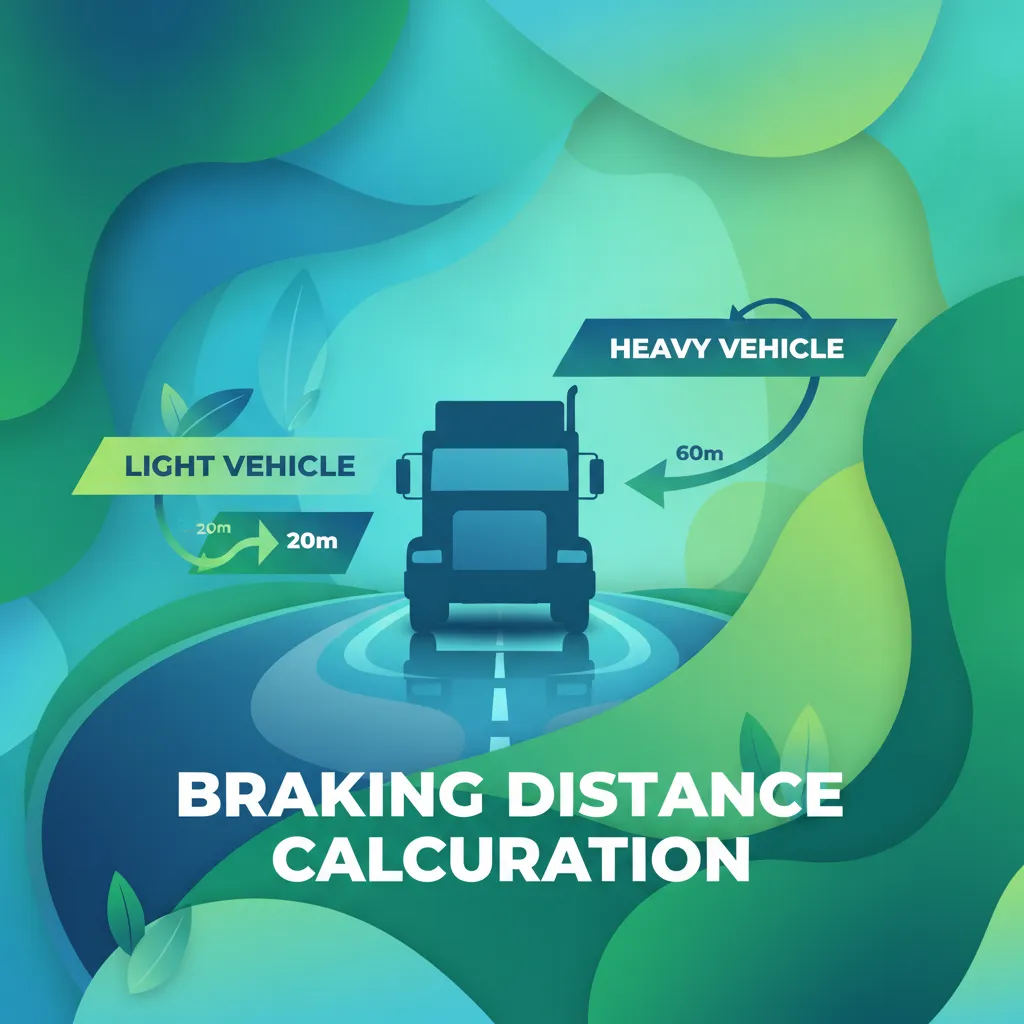
The immense mass of a loaded truck means its braking distance is far greater than that of a car. This lesson breaks down total stopping distance into reaction distance and braking distance, explaining how speed, weight, and road conditions have an exponential effect. It reinforces the necessity of maintaining a significantly larger following distance to ensure enough space to stop safely in an emergency.

This lesson outlines the mandatory documentation required during any professional transport journey in Switzerland. Drivers must be able to present the vehicle registration document ('Fahrzeugausweis'), their valid driving license, and the OACP qualification card upon request. It also touches upon transport-specific documents like consignment notes, which are crucial for legal compliance during roadside inspections by authorities.
Explore how to plan routes that account for diverse Swiss environments including mountain passes, rural roads, tunnels, and adverse weather conditions. Learn to identify and mitigate risks associated with specific road types and seasonal challenges for Category C drivers.

Rural roads present challenges like narrow lanes, poor surfaces, sharp bends, and limited visibility. This lesson teaches drivers how to position their large vehicle to maximize space and visibility, anticipate oncoming traffic at blind corners, and be aware of specific rural hazards. These hazards include slow-moving agricultural vehicles, animals on the road, and concealed farm entrances.

Driving in the Alps requires a high level of skill and vehicle sympathy. This lesson covers techniques for climbing steep gradients by selecting the correct gear to maintain momentum without straining the engine. It reiterates the critical importance of using low gears and auxiliary brakes for descending, to ensure the service brakes remain cool and effective for the entire descent.

Despite the complex mirror systems, large areas around a truck remain hidden from the driver's view. This lesson maps out these significant blind spots: directly in front, behind, and along both sides of the vehicle. It teaches drivers to be constantly aware of these 'no-zones' and to anticipate that smaller vehicles, cyclists, or pedestrians may be hidden within them, especially before changing lanes or turning.

Rural driving requires a different mindset from urban driving. This lesson covers how to position your vehicle on narrow roads, how to use passing places effectively, and how to anticipate hazards like slow-moving farm machinery, animals, and concealed junctions. Managing vehicle width and height is a key focus.

Wet or icy roads drastically reduce tyre grip and can double or triple braking distances. This lesson stresses the importance of significantly reducing overall speed and increasing following distances in such conditions. It advises on using brakes with extreme care to avoid skidding and explains how the vehicle's retarder should be used with caution as it can cause the drive wheels to lock up on slippery surfaces.
Motorway driving requires constant concentration due to high speeds. This lesson emphasizes the importance of staying in the right-hand lane unless overtaking and the specific restrictions on lorry overtaking in Switzerland. It reinforces the need for a following distance of at least four seconds to compensate for the vehicle's long stopping distance and provides guidance on safely merging and exiting.

Construction sites and industrial areas are non-public roads with their own set of rules and hazards. This lesson covers the need to follow site-specific safety instructions, be aware of moving plant machinery and personnel on the ground, and assess ground conditions. It highlights that reversing is often required and should be done with a signaller wherever possible.
Operating a heavy goods vehicle involves a significant responsibility for the safety of all road users. This lesson emphasizes the professional driver's enhanced duty of care due to the vehicle's size, mass, and potential impact in a collision. It covers the importance of a professional attitude, constant vigilance, and adherence to all traffic regulations to prevent incidents and maintain a high standard of road safety.

Urban driving requires heightened awareness and careful planning. This lesson covers the challenges of narrow streets, heavy traffic, and the need to identify designated loading and unloading zones. It emphasizes the importance of planning routes in advance to account for time-based access restrictions and to avoid unsuitable roads.

High-sided lorries and trailers present a large surface area to the wind, making them susceptible to being pushed off course by strong crosswinds. This lesson highlights the danger, especially on exposed sections of road like bridges and viaducts, and when overtaking other large vehicles. It advises drivers to reduce speed and maintain a firm grip on the steering wheel when experiencing strong gusts.
Find clear answers to common questions learners have about Planning Routes to Avoid Restrictions and Hazards. Learn how the lesson is structured, which driving theory objectives it supports, and how it fits into the overall learning path of units and curriculum progression in Switzerland. These explanations help you understand key concepts, lesson flow, and exam focused study goals.
Standard GPS systems are designed for passenger cars and do not account for your vehicle's height, width, or gross weight. Using one could lead you onto roads with low bridges or weight limits that your vehicle cannot legally or safely navigate.
Look for a round sign with a red border. It will show a weight in tonnes (e.g., 3.5t). This sign prohibits vehicles with a actual weight exceeding that value from passing, unless an additional plate allows for specific exceptions.
Yes. If a professional driver ignores height or weight signs, they face heavy fines, legal liability for any resulting damage, and potential points on their record. Proper planning is a core part of your professional duty of care.
Your vehicle's height, width, and length are recorded in the vehicle registration document (Fahrzeugausweis). You must know these figures precisely, especially when driving with a tall load or a specific body type.
Pinpoint specific Swiss traffic rules, road signs, or driving situations you need to master. Use the practice search to start a focused revision session now and build confidence for your official driving theory exam.