This lesson explains the legal definition and limitations of the Swiss Category M license, which covers mopeds and e-bikes. Understanding these vehicle classifications is essential for knowing your legal entitlements on the road and correctly answering related theory exam questions.
Lesson content overview
Welcome to the Swiss Driving License Theory Course for Category M (Mopeds). This comprehensive lesson will define the scope of Switzerland's Category M licence by comparing it to other vehicle categories, focusing on specific criteria like maximum speed, engine power, and weight. Understanding these crucial distinctions ensures you know your legal entitlements and limitations as a Category M licence holder, promoting road safety and compliance with Swiss traffic law.
In Switzerland, a driving licence category is a classification system that grants specific vehicle operation rights based on an individual's age, required training, and the technical specifications of the vehicle. The primary purpose of this system is to align a rider's competence and experience with the performance capabilities of different vehicles, thereby enhancing overall road safety. This structured approach ensures that less experienced drivers are limited to less powerful and slower vehicles, gradually progressing to more complex and higher-performance machines as their skills develop.
The implications of these categories are profound: your licence category strictly determines which types of vehicles you are legally permitted to operate on public roads. Operating a vehicle that falls outside your licence's specific category can lead to severe legal penalties, including fines, vehicle impoundment, and licence suspension.
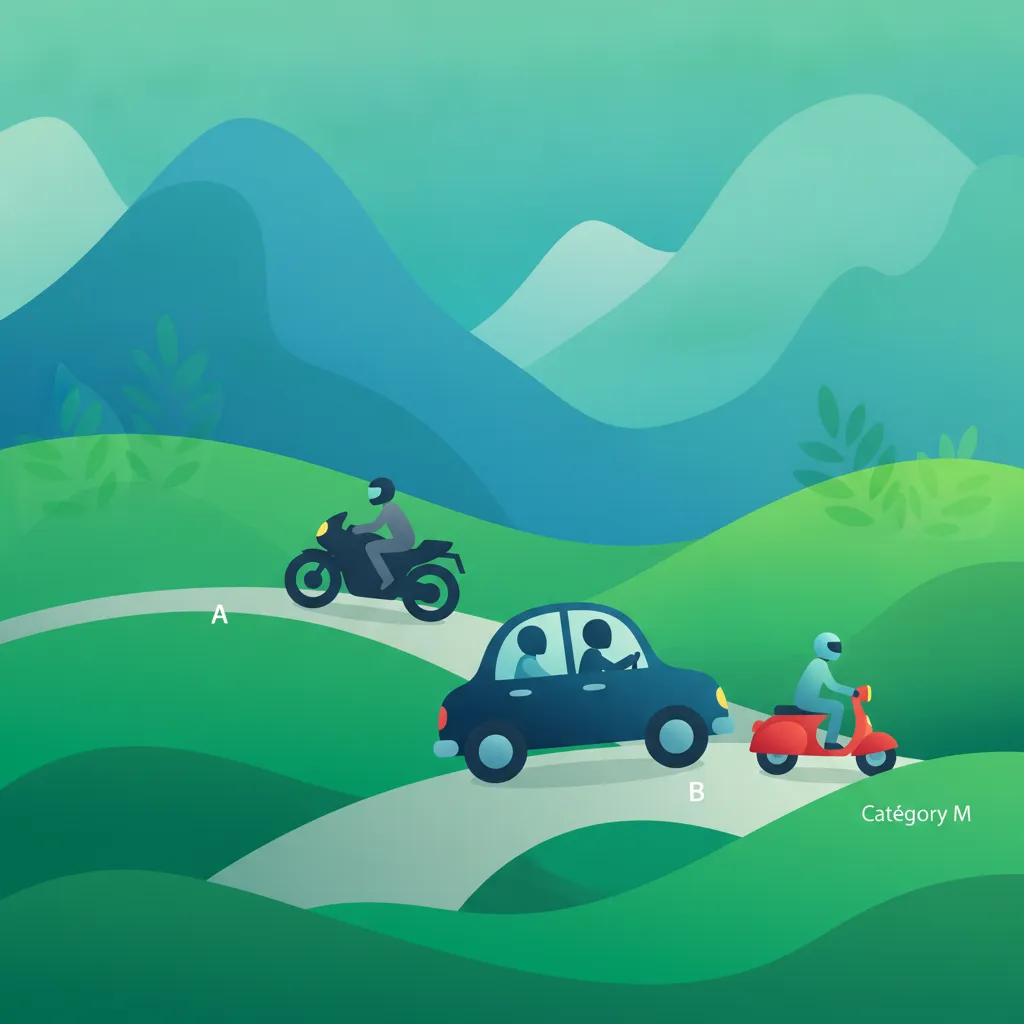
The Swiss Category M licence is specifically designed for mopeds and light electric bikes. This category permits the operation of two-wheeled vehicles that are limited to a maximum speed of 30 km/h and have an engine that does not exceed 500 W of continuous power. This classification covers a range of vehicles, from traditional gasoline-powered mopeds to modern electric bikes, provided they adhere to these strict speed and power thresholds.
The primary purpose of Category M is to allow young or novice riders, starting from the age of 14, to operate low-speed vehicles with minimal initial training. This provides a gradual introduction to road traffic, emphasizing basic safety and vehicle control without the complexities of higher-performance motorcycles. It is important to note that Category M does not have subcategories; all mopeds meeting the specified limits fall under this single classification, regardless of their engine configuration (combustion or electric).
Category M vehicles are defined by precise technical limitations that directly impact their safe operation and the requirements for their riders. These include:
Common misunderstandings regarding Category M often include the belief that it permits riding any two-wheeler, regardless of its speed or power. It is crucial to distinguish mopeds from lightweight motorcycles, which fall under different licence categories and have higher performance capabilities.
Beyond Category M, Switzerland employs a progressive system for motorcycle licences, categorized as A1, A2, and A. This system is designed to gradually expose riders to increasingly powerful motorcycles as they gain experience and demonstrate competence.
The Category A1 licence is for light motorcycles and scooters. It permits the operation of vehicles with an engine displacement not exceeding 125 cc, a continuous power output of no more than 11 kW, and a power-to-weight ratio not exceeding 0.1 kW/kg. Riders can obtain an A1 licence from the age of 16.
The Category A2 licence permits the operation of medium-powered motorcycles. These vehicles must have a maximum continuous power of 35 kW and a power-to-weight ratio not exceeding 0.2 kW/kg. Additionally, if the motorcycle's original power exceeds 70 kW, it must be restricted to 35 kW, meaning it cannot be derived from a vehicle originally having more than double the A2 power limit.
The Category A licence is the full, unrestricted motorcycle licence, allowing the operation of any motorcycle regardless of its engine power, displacement, or speed. This is the highest level of motorcycle entitlement in Switzerland.
The Category B licence in Switzerland is the standard entitlement for operating cars and light motor vehicles. It is a distinct category with its own set of rules and limitations, and its relationship to Category M for mopeds is often misunderstood.
The Category B licence permits the operation of motor vehicles with a maximum authorized mass of up to 3,500 kg. These vehicles can carry up to 8 passengers in addition to the driver and may tow a trailer with a maximum authorized mass of up to 750 kg. This category covers most standard passenger cars, minivans, and light trucks.
A common misconception is that holding a Category B car licence automatically entitles you to ride a moped. In Switzerland, this is generally not the case. While some countries might have provisions where a car licence includes moped entitlements, in Switzerland, Category M is a separate licence. Therefore, a driver holding only a Category B licence may not legally ride a moped unless they also specifically hold a Category M or a motorcycle licence (A1, A2, A), as these categories often encompass the privileges of lower-powered two-wheelers. Always verify your specific licence entitlements.
Operating a moped or light electric bike under a Category M licence in Switzerland comes with specific regulations designed to ensure safety, especially for young or novice riders. Adherence to these rules is paramount for legal and safe road use.
The most fundamental rule for Category M vehicles is the strict adherence to a maximum speed of 30 km/h. This applies to all mopeds and electric bikes operated under this licence.
Category M vehicles must not exceed a continuous engine power output of 500 W. This rule applies uniformly to both combustion-engine mopeds and electric bikes.
The minimum age for obtaining a Category M licence in Switzerland is 14 years.
All operators of Category M vehicles, regardless of age or experience level, must wear an approved motorcycle helmet while riding.
For individuals learning to ride a moped, the "Lernfahrausweis" (learner's permit) comes with specific mandatory rules to ensure safe learning.
Misinterpreting the rules or being unaware of the specific limitations of the Category M licence can lead to common violations and dangerous situations. It's crucial for all riders to be fully informed.
Riding a Moped Exceeding 30 km/h:
Operating a Moped with Modified Engine Power (>500 W):
Riding Without a Helmet:
Unsupervised Riding by a Learner (<16 years):
Using a Moped on Motorways or High-Speed Expressways:
Assuming Category M Allows Riding Any Two-Wheeler:
Riding an Electric Bike with Motor Assistance Above 25 km/h (if regulated as a moped):
Safe moped riding extends beyond merely following the basic rules; it requires adapting your behavior to various environmental and contextual conditions.
Understanding the underlying reasons behind traffic rules helps in developing safer riding habits. For Category M riders, several direct cause-and-effect relationships underscore the importance of compliance.
Let's explore some practical situations to solidify your understanding of Category M and its distinctions.
Scenario: A 15-year-old with a Category M licence rides an electric bike on a city bike path.
Scenario: A learner with a Category M Lernfahrausweis practices riding a moped alone on a quiet residential street.
Scenario: A driver with a Category M licence attempts to ride a 125 cc motorcycle.
Scenario: Riding a moped on a rainy evening on a suburban road.
Understanding the precise definitions and limitations of the Swiss Category M licence is not just about passing your theory exam; it's about ensuring your safety and legal compliance on public roads. This lesson has clarified that Category M specifically pertains to mopeds and light electric bikes with a maximum speed of 30 km/h and an engine power not exceeding 500 W. It is distinct from the progressive motorcycle licences (A1, A2, A) and the car licence (Category B).
Key takeaways for every Category M rider include:
By internalizing these distinctions and adhering to all associated regulations, you lay a strong foundation for responsible and safe riding practices, preparing you for the broader challenges of road traffic. This fundamental knowledge will be crucial as you progress through more advanced topics in your Swiss Driving License Theory Course for Category M.
The Swiss Category M license specifically governs mopeds and light electric bikes with strict technical limits of 30 km/h maximum speed and 500 W continuous power output. This category is separate from motorcycle licenses A1, A2, and A (which cover progressively more powerful two-wheelers) and from Category B car licenses (which do not include moped entitlements). Key regulations include mandatory helmet use, L-plate and supervision requirements for learners under 16, and prohibition from motorways. Violations include operating vehicles exceeding Category M specifications, riding without proper supervision, and failure to wear protective gear, all carrying significant legal penalties.
A short set of high-value points that capture the most important learning from this lesson.
Swiss Category M license covers mopeds and light electric bikes limited to a maximum speed of 30 km/h and 500 W continuous engine power.
Category M is distinct from motorcycle licenses A1 (up to 125 cc, 11 kW), A2 (up to 35 kW), and A (unrestricted) - each requires separate qualification.
A Swiss Category B car license does NOT automatically entitle you to ride a moped; Category M is a separate license requirement.
Category M vehicles are prohibited from motorways and high-speed expressways due to their limited speed capabilities.
Age 14 is the minimum for Category M, but learners under 16 must be supervised by an adult (23+) with a full license and display an L-plate.
Explore all units and lessons included in this driving theory course.
Maximum speed limit for Category M vehicles is 30 km/h - exceeding this requires a higher motorcycle license category.
Engine power must not exceed 500 W continuous output for Category M classification.
Wearing an approved motorcycle helmet is mandatory for all Category M riders at all times.
Learner permit holders must display an L-plate and be accompanied by a qualified supervisor until age 16.
Electric bikes requiring motor assistance above 25 km/h may be classified as mopeds and fall under Category M rules.
Assuming Category M permits riding any two-wheeler - it strictly covers only vehicles meeting the 30 km/h and 500 W limits.
Modifying a moped engine to exceed 500 W or removing speed limiters, which reclassifies the vehicle and invalidates the license.
Riding a moped on Swiss motorways (Autobahnen) or high-speed expressways, which is expressly prohibited.
Riding without a helmet, which is a mandatory safety requirement with automatic fines and demerit points.
Unsupervised learner riding under age 16 without displaying the L-plate, resulting in fines for both learner and supervisor.
Lesson content overview
A short set of high-value points that capture the most important learning from this lesson.
Swiss Category M license covers mopeds and light electric bikes limited to a maximum speed of 30 km/h and 500 W continuous engine power.
Category M is distinct from motorcycle licenses A1 (up to 125 cc, 11 kW), A2 (up to 35 kW), and A (unrestricted) - each requires separate qualification.
A Swiss Category B car license does NOT automatically entitle you to ride a moped; Category M is a separate license requirement.
Category M vehicles are prohibited from motorways and high-speed expressways due to their limited speed capabilities.
Age 14 is the minimum for Category M, but learners under 16 must be supervised by an adult (23+) with a full license and display an L-plate.
Explore all units and lessons included in this driving theory course.
Maximum speed limit for Category M vehicles is 30 km/h - exceeding this requires a higher motorcycle license category.
Engine power must not exceed 500 W continuous output for Category M classification.
Wearing an approved motorcycle helmet is mandatory for all Category M riders at all times.
Learner permit holders must display an L-plate and be accompanied by a qualified supervisor until age 16.
Electric bikes requiring motor assistance above 25 km/h may be classified as mopeds and fall under Category M rules.
Assuming Category M permits riding any two-wheeler - it strictly covers only vehicles meeting the 30 km/h and 500 W limits.
Modifying a moped engine to exceed 500 W or removing speed limiters, which reclassifies the vehicle and invalidates the license.
Riding a moped on Swiss motorways (Autobahnen) or high-speed expressways, which is expressly prohibited.
Riding without a helmet, which is a mandatory safety requirement with automatic fines and demerit points.
Unsupervised learner riding under age 16 without displaying the L-plate, resulting in fines for both learner and supervisor.
Explore search topics learners often look for when studying Comparing Category M with Other Licence Categories. These topics reflect common questions about road rules, driving situations, safety guidance, and lesson level theory preparation for learners in Switzerland.
Browse additional driving theory lessons that cover connected traffic rules, road signs, and common driving situations related to this topic. Improve your understanding of how different rules interact across everyday traffic scenarios.
Understand the specific differences and overlaps between Switzerland's Category M moped licence and other categories like A1, A2, A (motorcycle), and B (car). Learn vehicle classifications, power limits, and legal entitlements for each category to ensure compliance with Swiss traffic law.
This lesson provides a detailed comparison of the technical specifications and legal restrictions associated with each Swiss motorcycle licence category. It explains the differences in engine capacity, power-to-weight ratios, and permitted vehicle performance. This comparison clarifies how each licence tier corresponds to increasing levels of rider experience and skill.
This lesson details the Swiss motorcycle licence categories, explaining the technical criteria that define A1 and A licences, such as engine capacity and power output. It outlines the statutory age thresholds and the progressive training path required for riders. Understanding this regulatory framework provides a clear foundation for what is legally permitted for each licence type.
This lesson details the definition of Category B within the Swiss licensing system, focusing on vehicle types, weight capacities, and passenger limits. It clarifies the maximum authorized mass for Category B cars and the specific restrictions on towing trailers. You will learn the legal framework defining which vehicles you may operate and the boundaries of this license category.

Gain insight into the two-stage examination process for the Swiss Category B licence, covering both the theory exam and the practical driving test. This lesson outlines the question format, passing score thresholds, and the nature of the practical assessment. Administrative aspects such as registration procedures, test locations, and retake policies are also addressed.
This lesson explains the direct link between a rider's licence category and their on-road behaviour. It covers how factors like speed selection, lane positioning, and hazard anticipation must be adapted to a motorcycle's specific power and handling characteristics. The content stresses that all riders must make safe decisions appropriate for their vehicle and the Swiss traffic environment.
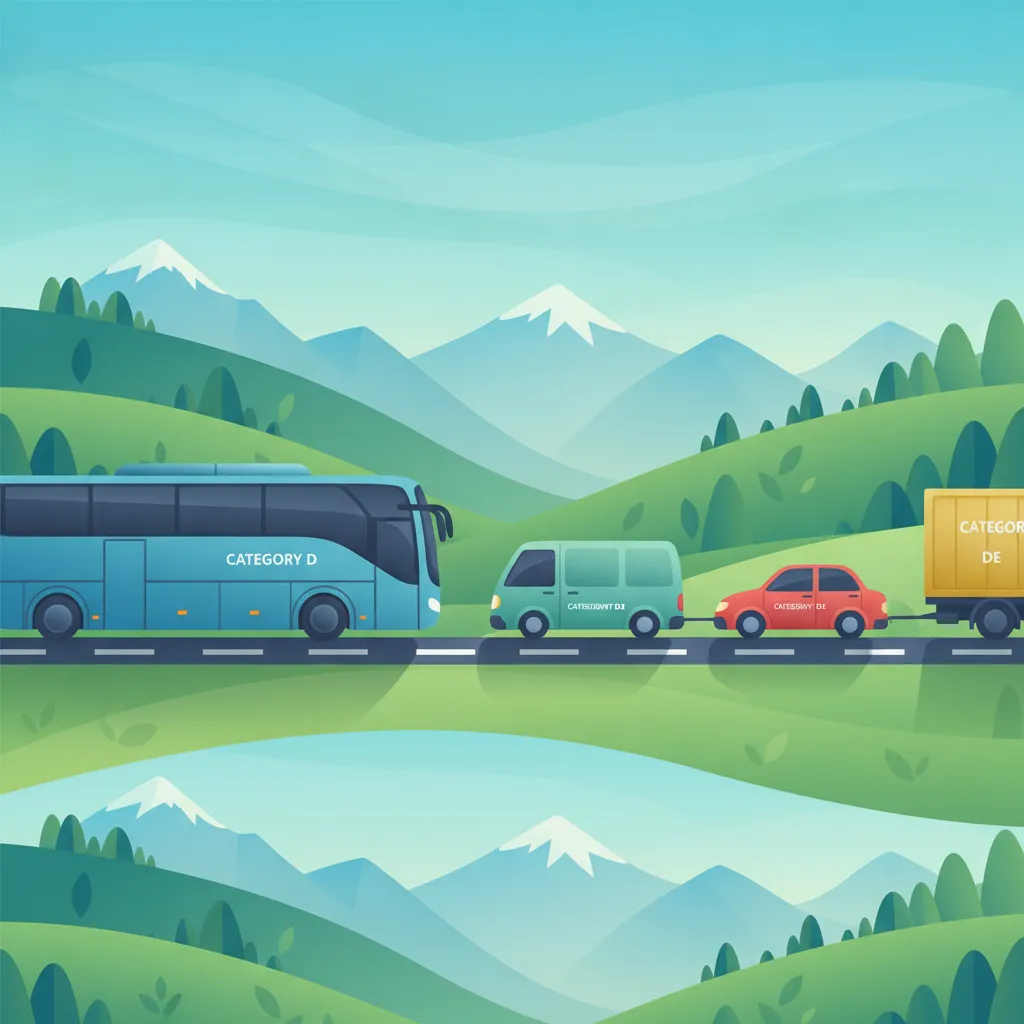
This lesson provides a clear breakdown of the different vehicle categories within the Swiss Category D license framework. You will learn to distinguish between a minibus (D1), a standard bus (D), and combinations with trailers (D1E, DE). The content covers the specific rules regarding passenger numbers, vehicle mass, and the legal requirements for operating each class of vehicle.
This lesson explains that obtaining a Category D license is the first step, while the OACP (Chauffeur Admission Ordinance) is a separate, mandatory professional qualification. It outlines the purpose of the OACP, including initial qualification and periodic training requirements. Understanding this distinction is crucial for a compliant and successful career in professional driving.
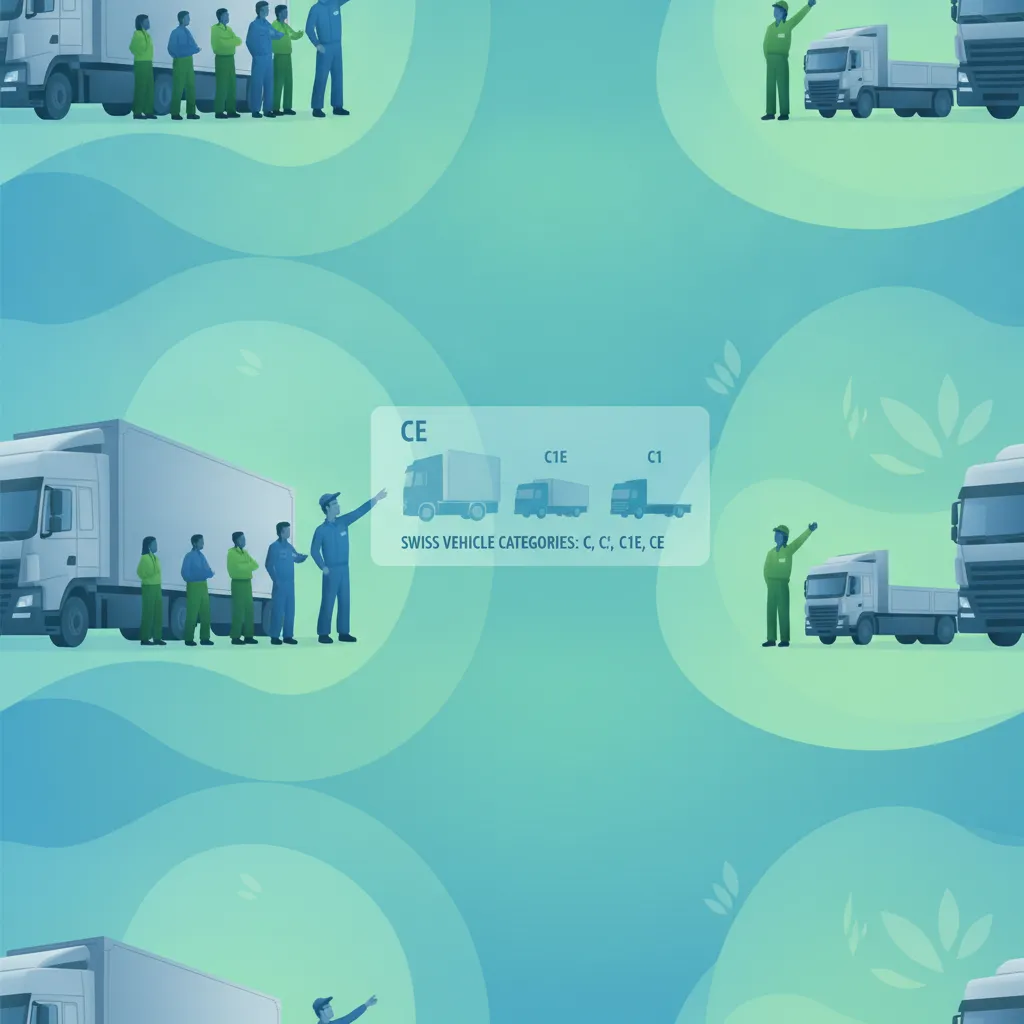
This lesson provides a clear definition of the Swiss heavy goods vehicle license categories. It details the weight limits and vehicle configurations for Category C (lorries over 3.5t) and C1 (lorries from 3.5t to 7.5t). Furthermore, it explains how categories CE and C1E grant the entitlement to tow heavy trailers, forming articulated vehicles or road trains, which is crucial for professional transport operations.
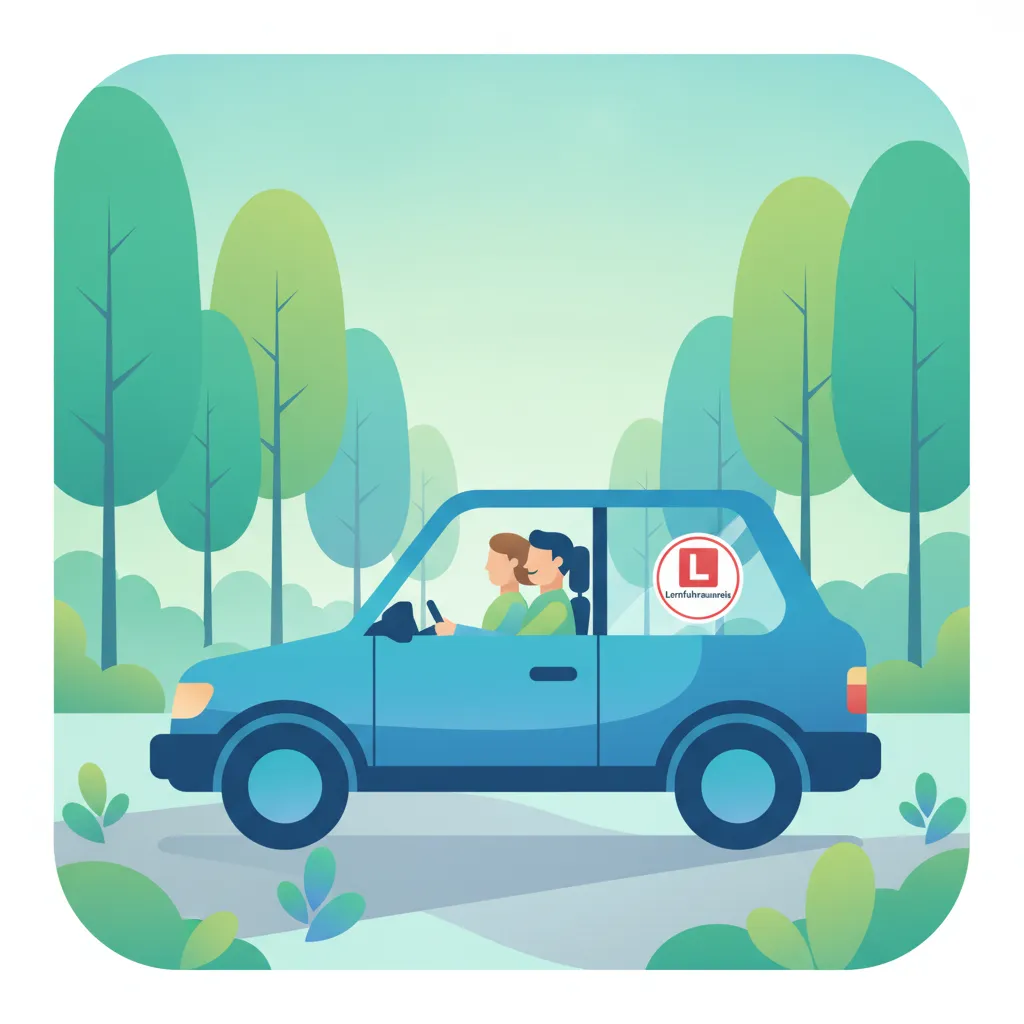
This lesson provides a comprehensive overview of the Swiss learner permit (Lernfahrausweis), detailing eligibility criteria and the role of the accompanying driver. It places emphasis on the legal responsibilities of both the learner and supervisor, including age and experience requirements. The lesson clarifies procedural steps and common misconceptions about supervised driving practice.
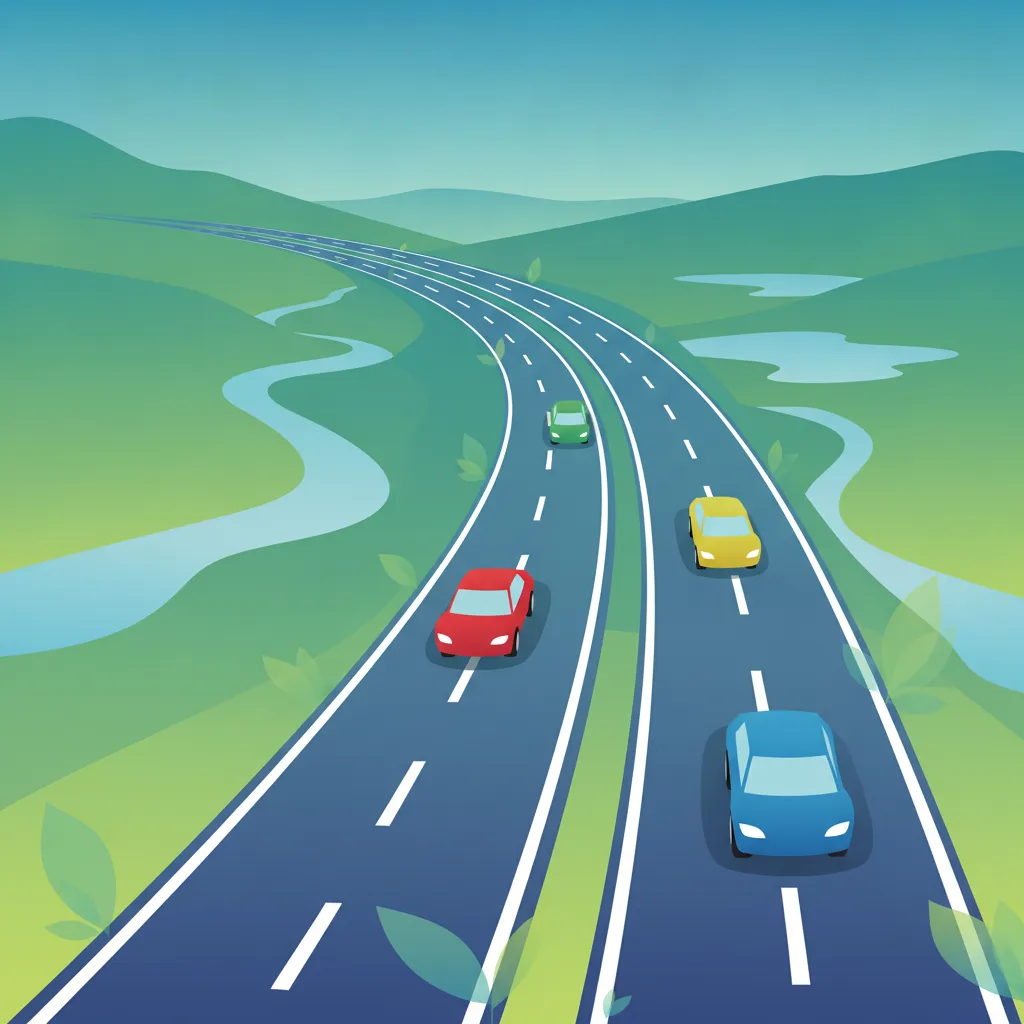
Motorway driving requires constant concentration due to high speeds. This lesson emphasizes the importance of staying in the right-hand lane unless overtaking and the specific restrictions on lorry overtaking in Switzerland. It reinforces the need for a following distance of at least four seconds to compensate for the vehicle's long stopping distance and provides guidance on safely merging and exiting.
Master the essential rules for Swiss Category M licence holders, including strict speed (30 km/h) and power (500 W) limits, helmet mandates, and learner permit (Lernfahrausweis) regulations. Understand vehicle classifications and legal requirements for safe operation.
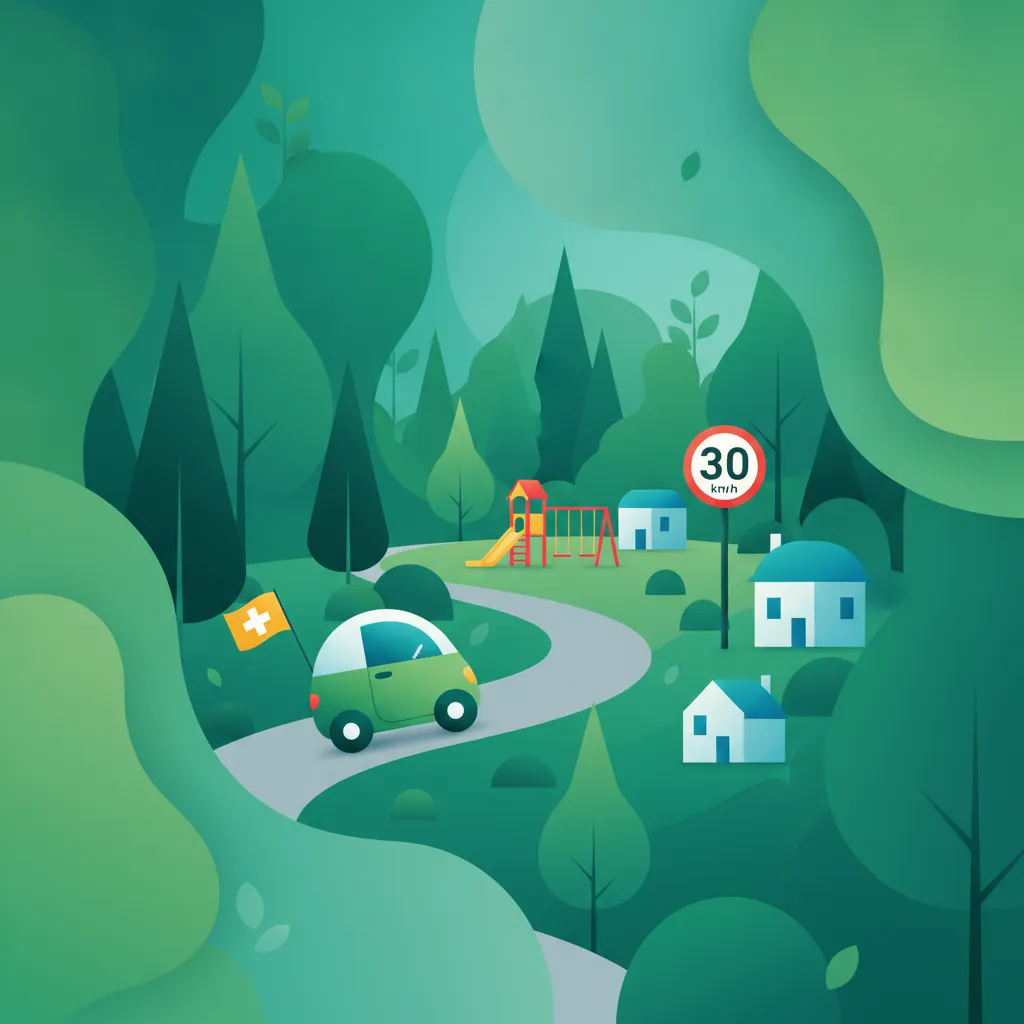
This lesson details the maximum legal speed limits applicable to Category M vehicles in Switzerland. It explains how to identify speed limits through signage and differentiates between built-up areas, rural roads, and motorways where permitted. The content stresses that the legal limit is a maximum, and riders must always adapt their speed to traffic, weather, and road conditions.

This lesson focuses on the Lernfahrausweis, the Swiss provisional permit required for learning to ride a small powered vehicle. It explains the application process, minimum age requirements, and the specific rules and limitations that apply to a learner rider. Learners will understand the legal framework that governs the learning phase before they can obtain their full driving license.
This lesson details the types and functions of personal protective equipment (PPE) for riders. It explains Swiss legal requirements for helmets and the safety standards to look for. The content also covers the benefits of wearing protective jackets, pants, gloves, and footwear to guard against impact and abrasion injuries.
This lesson introduces the fundamental traffic signs that directly impact small vehicle riders. It covers the classification of signs into regulatory, warning, and mandatory categories, explaining how their shape and color indicate their function. Learners will be able to recognize and correctly interpret speed limits, priority signs, and other key information vital for safe navigation.
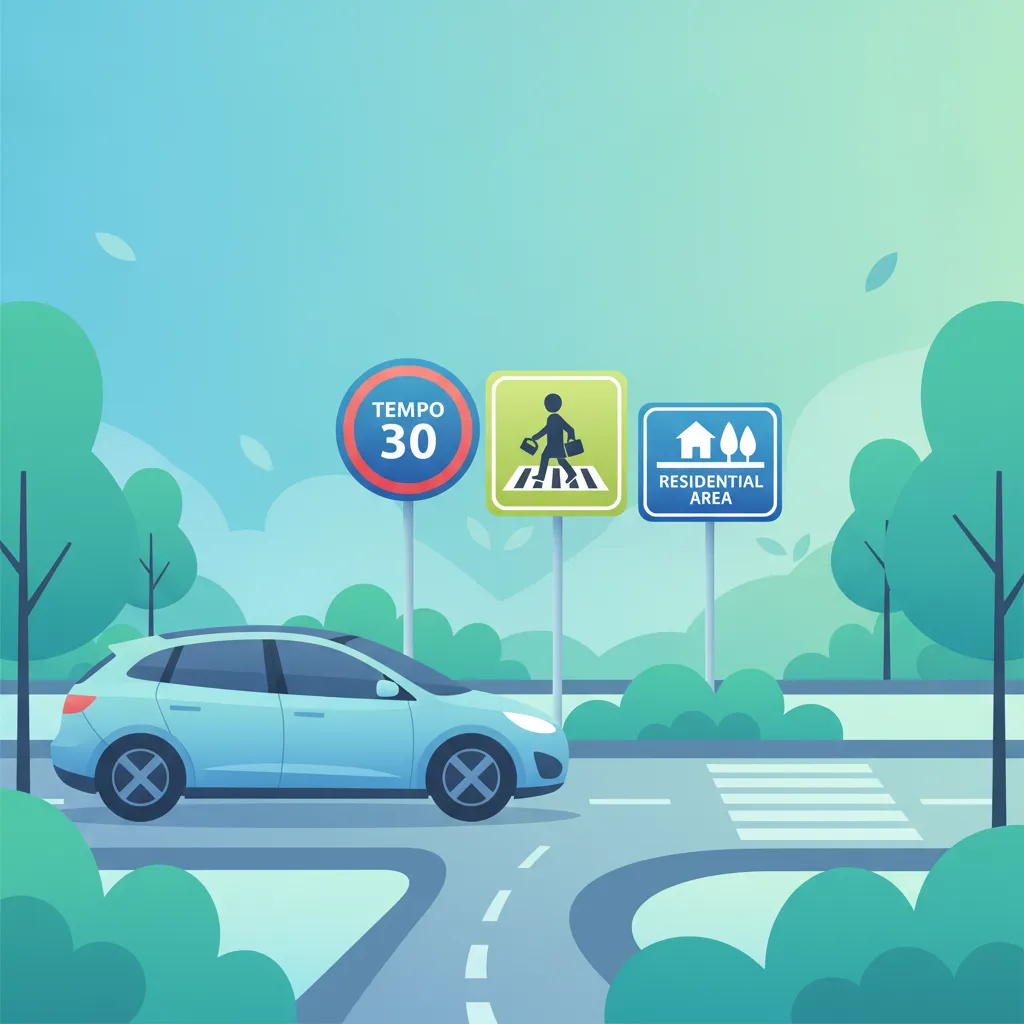
This lesson covers areas with special traffic regulations designed to protect vulnerable road users. Learners will understand the rules and reduced speed limits applicable in Tempo-30 zones, residential areas, and around schools. The content emphasizes the need for heightened awareness and a defensive riding style in these designated zones.
This lesson outlines the legal repercussions for breaking traffic laws in Switzerland. It details the system of fines and administrative measures, including the potential for license withdrawal for serious offenses. The content also explains a rider's legal duties after being involved in an accident, including reporting and insurance obligations.
This lesson focuses on the significant risks of riding in winter conditions. It explains how to spot potential icy patches, such as black ice, and the need for extremely gentle and deliberate control inputs. The importance of proper winter tyres and dressing warmly to prevent distraction and fatigue from the cold is also emphasized.
This lesson details the fundamental responsibilities and safe habits every new rider must adopt. It covers legal obligations such as wearing a helmet and using lights, as well as the importance of developing a defensive mindset. The content emphasizes anticipating potential hazards and making responsible decisions to ensure safety for oneself and other road users.
This lesson focuses on the concept of conspicuity, or how easily a rider can be seen by others. It explains the legal requirements for vehicle lights and reflectors in Switzerland and the benefits of wearing bright or reflective clothing. Learners will understand how to maximize their visibility during the day, at night, and in poor weather conditions.
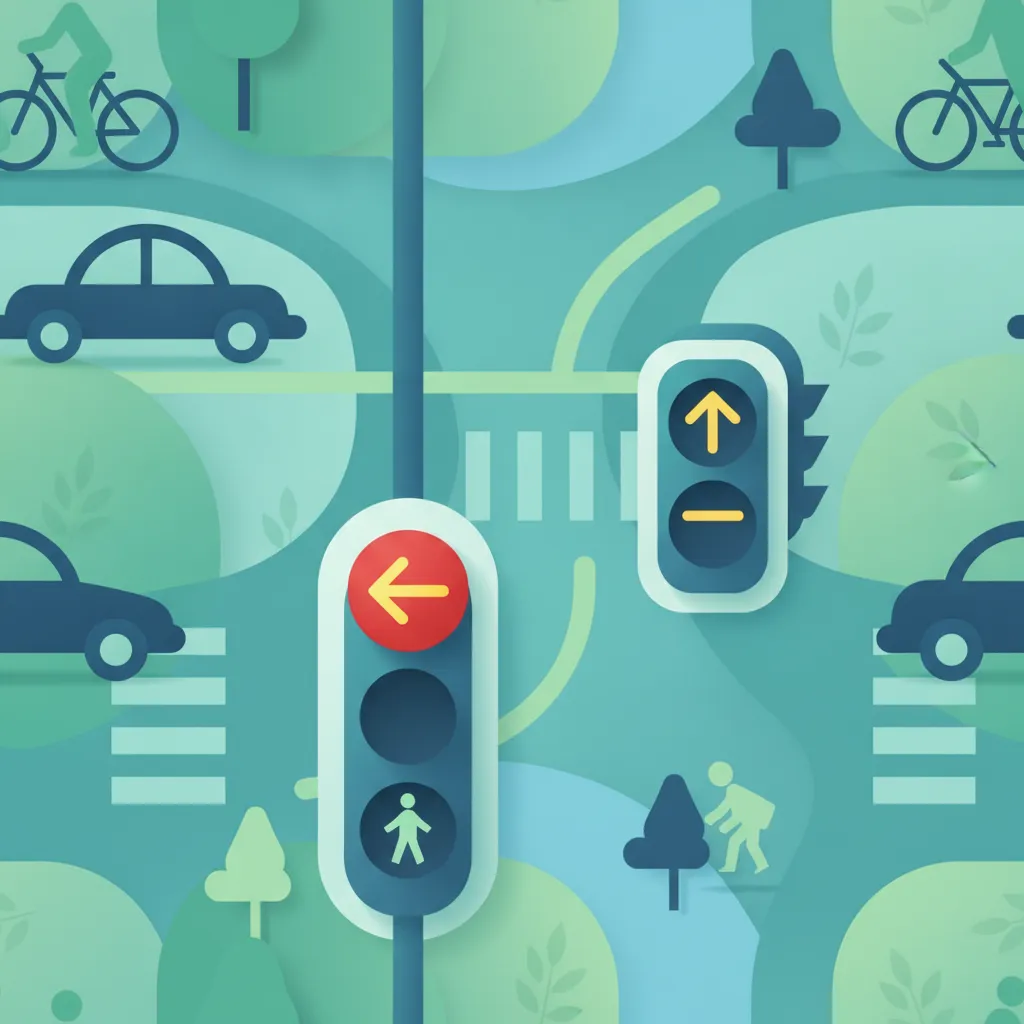
This lesson details the operation of traffic light systems in Switzerland. It explains the sequence and meaning of red, amber, and green lights, including flashing amber signals. The content also covers specific signals for pedestrians and the priority rules associated with tram signals to ensure safe interaction at controlled intersections.
Find clear answers to common questions learners have about Comparing Category M with Other Licence Categories. Learn how the lesson is structured, which driving theory objectives it supports, and how it fits into the overall learning path of units and curriculum progression in Switzerland. These explanations help you understand key concepts, lesson flow, and exam focused study goals.
Category M is specifically for mopeds and light motorized bicycles with restricted power and speed, typically up to 45 km/h. Category A1 allows for more powerful motorcycles up to 125cc, requiring a different test and higher minimum age.
It depends on the wattage and speed of your e-bike. While some pedal-assisted e-bikes are exempt, faster e-bikes capable of speeds up to 45 km/h fall under Category M requirements.
Yes, vehicles in Category M are generally restricted to a maximum design speed of 45 km/h. You must adhere to all general Swiss traffic speed limits, even if your vehicle's top speed is lower.
No, a Category M license does not authorize you to ride standard motorcycles. You must hold the appropriate Category A1 or A license to operate vehicles outside of the moped classification.
Pinpoint specific Swiss traffic rules, road signs, or driving situations you need to master. Use the practice search to start a focused revision session now and build confidence for your official driving theory exam.