
This lesson clarifies the vital distinction between your Category D driving licence and the mandatory OACP (Chauffeur Admission Ordinance) professional qualification. Understanding this relationship is fundamental for all aspiring professional bus and coach drivers in Switzerland to ensure full regulatory compliance. You will learn why both components are necessary to legally operate a passenger transport service.
Lesson content overview
Embarking on a career as a professional bus or coach driver in Switzerland involves more than simply learning to operate a large vehicle. It requires navigating a dual qualification system designed to ensure both foundational driving knowledge and ongoing professional competence. This lesson clarifies the crucial distinction between obtaining your Swiss Category D driving licence theory and acquiring the indispensable OACP (Chauffeur Admission Ordinance) professional qualification. Understanding this two-tiered approach is fundamental for any aspiring professional passenger vehicle driver, as it directly impacts your legal ability to transport passengers and your long-term career compliance.
The Swiss system for professional passenger vehicle drivers is meticulously structured. It mandates that drivers not only demonstrate a thorough understanding of road rules and vehicle operation through a theoretical examination, but also possess the practical and professional skills necessary for safe passenger transport through dedicated vocational training. This comprehensive framework aims to minimise risks, enhance public safety, and uphold the highest standards of professionalism within the passenger transport industry.
The first significant step towards becoming a professional bus or coach driver in Switzerland is to successfully pass the theoretical examination for the appropriate Category D driving licence. This examination focuses on ensuring that prospective drivers possess the essential knowledge of road traffic regulations, vehicle dynamics, and general safety principles pertinent to operating passenger transport vehicles. It is a mandatory state exam, serving as the foundational knowledge base for safe driving.
Passing this theory exam certifies your understanding of how to interpret traffic signs, adhere to speed limits, manage vehicle weight and dimensions, and react appropriately in various traffic situations specific to larger passenger vehicles. It is a prerequisite for any professional passenger transport licence, laying the groundwork for more specialized training. Without this theoretical understanding, it would be impossible to safely control a bus or coach, regardless of practical skill.
The Category D licence encompasses several subcategories, each with specific vehicle characteristics and passenger capacities. Understanding these distinctions is crucial, as your theoretical examination will be tailored to the category of vehicle you intend to drive.
Passing the theory exam for any of these categories grants you the theoretical authorization to learn to drive that class of vehicle, but it does not, by itself, grant permission to transport passengers commercially. This distinction is critical and often misunderstood by new drivers.
In essence, the Category D theory exam certifies that you comprehend the rules of the road and the basic operational principles for passenger vehicles in Switzerland. It ensures you know about:
However, the theory exam does not delve deeply into the practicalities of professional driving, such as advanced passenger management, complex vehicle inspections beyond the basics, or specific emergency protocols. These critical professional competencies are addressed by the OACP qualification, highlighting why both are indispensable.
Beyond the Category D driving licence theory, all professional drivers of passenger transport vehicles in Switzerland are legally required to obtain and maintain the OACP (Chauffeur Admission Ordinance) qualification. The OACP is a statutory framework that mandates specific vocational training, certification, and periodic refresher courses. Its primary purpose is to ensure that professional drivers possess and continuously update the practical skills, professional conduct, and specialized knowledge necessary for safely and efficiently transporting passengers.
The OACP addresses the critical aspects of professional driving that are not extensively covered in the standard licence theory exam. It bridges the gap between knowing how to drive and knowing how to be a responsible, competent professional passenger transport operator. This ordinance underscores Switzerland's commitment to high safety standards and professionalism in public transport.
The OACP qualification is designed to elevate the standard of professional driving by focusing on real-world scenarios and specific operational duties. Its scope includes:
These topics ensure that a professional driver is not only capable of operating the vehicle but also equipped to handle the myriad responsibilities that come with transporting human lives.
Before a driver can legally commence professional passenger transport operations, they must complete an initial OACP qualification. This vocational training is comprehensive and covers all the core areas mentioned above, providing a thorough grounding in professional competencies. The duration and content are stipulated by law and must be completed at an approved OACP training centre.
Upon successful completion of the initial qualification, drivers receive an OACP certificate, which must be carried with their driving licence whenever they are operating a commercial passenger vehicle. This certificate serves as official proof of their professional competence and compliance with the ordinance. The initial training ensures that new professional drivers are adequately prepared for the demands of their role from day one.
The requirement for professional competence does not end with the initial OACP qualification. To ensure that drivers remain updated with legislative changes, technological advancements, and evolving best practices, the OACP mandates periodic refresher training. This ongoing education is typically required every five years.
Mark your OACP renewal date. Proactive scheduling of your refresher training well in advance of its expiry will prevent any interruption to your commercial driving privileges.
These refresher courses cover updated information on safety regulations, new vehicle technologies, changes in road traffic laws, and renewed emphasis on critical areas such as fatigue management or emergency procedures. The goal is to sustain a high level of professional knowledge and skill throughout a driver's career. Failure to complete the periodic refresher training within the stipulated timeframe will result in the expiration of your OACP qualification, rendering you unable to legally perform commercial passenger transport until it is renewed.
In Switzerland, the operation of a commercial passenger transport vehicle legally requires both a valid Category D driving licence (which implies having passed the theory exam) and an up-to-date OACP professional qualification. This dual requirement is not arbitrary; it forms the cornerstone of Switzerland's commitment to public safety and professional excellence in the transport sector. Neither qualification alone is sufficient to legally transport passengers for hire.
The driving licence theory confirms your cognitive understanding of traffic rules and vehicle operation, while the OACP qualification certifies your practical competence, ethical conduct, and readiness to manage the complexities inherent in passenger transport. Together, they form a robust system designed to ensure that every professional driver is comprehensively prepared for their responsibilities.
Swiss law is explicit about this dual requirement. The Vehicle Traffic Regulations (VRV) and the Chauffeur Admission Ordinance (OACP) work in tandem to establish the necessary standards. This integrated legal framework ensures that every driver not only knows how to operate the vehicle safely but also understands and can apply the specific professional skills required for public passenger service.
During traffic stops or official inspections, authorities are entitled to request proof of both your driving licence and your OACP qualification. The absence of either document can lead to significant legal consequences, as it indicates a failure to comply with mandatory professional standards.
Operating a commercial passenger vehicle without a valid Category D licence, an OACP qualification, or an expired OACP refresher is a serious offense. The consequences can be severe and include:
It is paramount that all professional drivers remain vigilant about the validity and currency of both their driving licence and their OACP qualification to avoid these severe repercussions.
Never assume that your Category D licence alone permits commercial passenger transport. The OACP qualification is a separate and equally critical legal requirement.
For professional bus and coach drivers in Switzerland, carrying the correct and current documentation is not merely an administrative task; it is a legal obligation that ensures compliance and facilitates efficient checks by authorities. The absence of required documents can lead to delays, fines, and even the inability to continue a scheduled route.
When operating a commercial passenger transport vehicle, you must always have the following original documents readily available for presentation upon request by authorities:
The OACP certificate is typically issued in a physical format, often a small card similar to a driving licence. It's important to carry the physical document, as digital copies may not always be accepted during roadside inspections. Regularly check the expiry date on your OACP certificate and plan your refresher training well in advance to avoid any lapse in qualification.
Verify Expiry Date: Check your OACP certificate's expiry date immediately upon receipt and note it down.
Schedule Refresher: Plan and book your OACP refresher training several months before the expiry date to ensure availability and avoid last-minute issues.
Carry Physical Document: Always carry the original, valid OACP certificate (or driver qualification card) with your driving licence.
Stay Informed: Keep abreast of any changes in OACP regulations or training requirements through official channels.
Maintaining current documentation is a fundamental aspect of your professional responsibility, demonstrating your commitment to legal compliance and passenger safety.
Despite the clear legal framework, many prospective and even some experienced drivers harbor misconceptions about the Category D licence and OACP qualification. Addressing these misunderstandings is crucial to ensure full compliance and a smooth professional driving career.
One of the most frequent misunderstandings is the belief that passing the Category D theory exam is sufficient for professional passenger transport. As discussed, this is incorrect.
The theoretical examination verifying a driver's knowledge of road rules and basic vehicle operation for buses and coaches. It is a prerequisite but not a standalone qualification for commercial passenger transport.
A mandatory professional qualification involving vocational training and periodic refresher courses for commercial drivers, focusing on practical skills, passenger safety, and professional conduct. It is required in addition to the driving licence.
The theory exam tests your cognitive understanding of regulations, while OACP training focuses on the practical application of professional driving duties, passenger interaction, emergency procedures, and advanced safety protocols. These are distinct domains of knowledge and skill, both deemed essential by Swiss law. A driver might be excellent at navigating complex intersections (theory knowledge) but lack the necessary training in safely managing passenger boarding and alighting (OACP competency).
Another common point of confusion is whether the OACP qualification is required for all uses of a Category D vehicle. The key differentiator here is "commercial passenger transport."
It is vital to correctly identify whether your specific driving activity falls under "commercial passenger transport" to determine your OACP obligations. When in doubt, it is always best to consult the official Swiss transport authorities or your employer.
The OACP is not merely a bureaucratic hurdle; it is a critical instrument for ensuring the highest levels of safety and professionalism in Switzerland's passenger transport sector. Its design directly contributes to reducing risks, fostering driver competence, and building public trust.
Professional passenger transport involves inherent risks, from vehicle malfunctions to unforeseen emergencies or passenger incidents. OACP training is specifically structured to mitigate these risks by equipping drivers with the knowledge and skills to prevent, identify, and effectively respond to a wide range of challenging situations.
For instance, modules on vehicle inspection empower drivers to detect potential mechanical issues before they escalate, while emergency response training prepares them for rapid and appropriate actions during accidents or medical emergencies. By proactively addressing these scenarios through vocational training, the OACP significantly reduces the likelihood and severity of incidents, thereby safeguarding passengers, drivers, and other road users.
The mandatory periodic refresher training component of OACP underscores the importance of continuous professional development. The transport industry is dynamic, with ongoing advancements in vehicle technology, shifts in legislative requirements, and evolving best practices in safety and customer service.
Regular retraining ensures that drivers' skills and knowledge remain current and relevant. This proactive approach prevents complacency, reinforces safe driving habits, and keeps professional drivers at the forefront of industry standards. It cultivates a culture of continuous learning and improvement, which is essential for maintaining a high-performing and safe passenger transport system. The OACP therefore plays a pivotal role in ensuring that Swiss bus and coach drivers are not only qualified at the outset of their careers but remain exceptionally competent throughout.
To successfully navigate the path to becoming a professional bus or coach driver in Switzerland, remember these fundamental principles:
By adhering to these requirements, you will ensure legal compliance, enhance your professional standing, and contribute to the safety and reliability of public passenger transport in Switzerland.
Switzerland requires professional bus and coach drivers to complete a dual qualification system consisting of the Category D driving licence theory exam and the mandatory OACP professional qualification. The Category D licence confirms understanding of road rules and basic vehicle operation, while the OACP covers practical skills including passenger safety management, emergency procedures, vehicle inspections, and professional conduct. Both documents must be carried during commercial operations, and OACP qualification must be renewed every five years through periodic refresher training. The distinction between commercial passenger transport (requiring OACP) and private vehicle use (OACP not required) is essential for compliance.
A short set of high-value points that capture the most important learning from this lesson.
Swiss professional bus and coach drivers must hold both a Category D driving licence AND a current OACP qualification for commercial passenger transport.
The Category D theory exam covers road rules and basic vehicle operation, while OACP qualification focuses on practical professional competencies such as passenger management, emergency response, and vehicle inspections.
OACP requires initial vocational training before starting professional driving, followed by mandatory periodic refresher training typically every five years.
OACP requirements apply only to commercial passenger transport; private use of Category D vehicles does not require OACP qualification.
Both qualifications must be carried and presented upon request during roadside checks or official inspections.
Explore all units and lessons included in this driving theory course.
Dual qualification is mandatory: neither Category D licence nor OACP alone permits commercial passenger transport.
OACP refresher training must be completed every five years to maintain professional driving eligibility.
Always carry three documents when driving commercially: Category D licence, OACP certificate, and medical fitness certificate.
Commercial passenger transport means any operation where passengers are carried for remuneration or as part of a business service.
Operating without valid OACP can result in fines, vehicle stoppage, increased liability, and potential licence suspension.
Assuming that passing the Category D theory exam alone permits commercial passenger transport operations.
Believing OACP qualification is needed for all Category D vehicle use, including private trips with family or friends.
Letting OACP qualification lapse by failing to schedule refresher training before the expiry date.
Not carrying physical OACP documentation assuming digital copies will be accepted during roadside inspections.
Confusing theoretical knowledge of traffic rules with the practical professional competencies tested through OACP training.
Lesson content overview
A short set of high-value points that capture the most important learning from this lesson.
Swiss professional bus and coach drivers must hold both a Category D driving licence AND a current OACP qualification for commercial passenger transport.
The Category D theory exam covers road rules and basic vehicle operation, while OACP qualification focuses on practical professional competencies such as passenger management, emergency response, and vehicle inspections.
OACP requires initial vocational training before starting professional driving, followed by mandatory periodic refresher training typically every five years.
OACP requirements apply only to commercial passenger transport; private use of Category D vehicles does not require OACP qualification.
Both qualifications must be carried and presented upon request during roadside checks or official inspections.
Explore all units and lessons included in this driving theory course.
Dual qualification is mandatory: neither Category D licence nor OACP alone permits commercial passenger transport.
OACP refresher training must be completed every five years to maintain professional driving eligibility.
Always carry three documents when driving commercially: Category D licence, OACP certificate, and medical fitness certificate.
Commercial passenger transport means any operation where passengers are carried for remuneration or as part of a business service.
Operating without valid OACP can result in fines, vehicle stoppage, increased liability, and potential licence suspension.
Assuming that passing the Category D theory exam alone permits commercial passenger transport operations.
Believing OACP qualification is needed for all Category D vehicle use, including private trips with family or friends.
Letting OACP qualification lapse by failing to schedule refresher training before the expiry date.
Not carrying physical OACP documentation assuming digital copies will be accepted during roadside inspections.
Confusing theoretical knowledge of traffic rules with the practical professional competencies tested through OACP training.
Explore search topics learners often look for when studying Distinguishing License Theory from Professional Qualifications (OACP). These topics reflect common questions about road rules, driving situations, safety guidance, and lesson level theory preparation for learners in Switzerland.
Browse additional driving theory lessons that cover connected traffic rules, road signs, and common driving situations related to this topic. Improve your understanding of how different rules interact across everyday traffic scenarios.
Clarify the essential differences between obtaining a Swiss Category D driving licence theory and the mandatory OACP professional qualification. Understand the distinct roles and requirements for legal commercial passenger transport in Switzerland.
Obtaining a Category C license is the first step; driving professionally requires an additional qualification. This lesson distinguishes between the knowledge needed for the theory test and the requirements of the Chauffeur Admission Ordinance (OACP). It explains that the OACP involves further training and periodic courses focused on practical skills, safety, and economic driving, which are mandatory for commercial goods transport.

This lesson details the specific documents that must be present in the vehicle and on the driver's person during service. It covers the driving license, OACP card, vehicle registration, and tachograph records. You will learn the importance of ensuring all paperwork is current and correct to ensure legal compliance at all times.

This lesson provides a clear breakdown of the different vehicle categories within the Swiss Category D license framework. You will learn to distinguish between a minibus (D1), a standard bus (D), and combinations with trailers (D1E, DE). The content covers the specific rules regarding passenger numbers, vehicle mass, and the legal requirements for operating each class of vehicle.

Transporting children carries the highest level of responsibility. This lesson covers the specific legal requirements for school buses in Switzerland, including the use of special signs and warning lights. It details the safe procedures for stopping, boarding, and alighting, and the driver's role in supervising children.
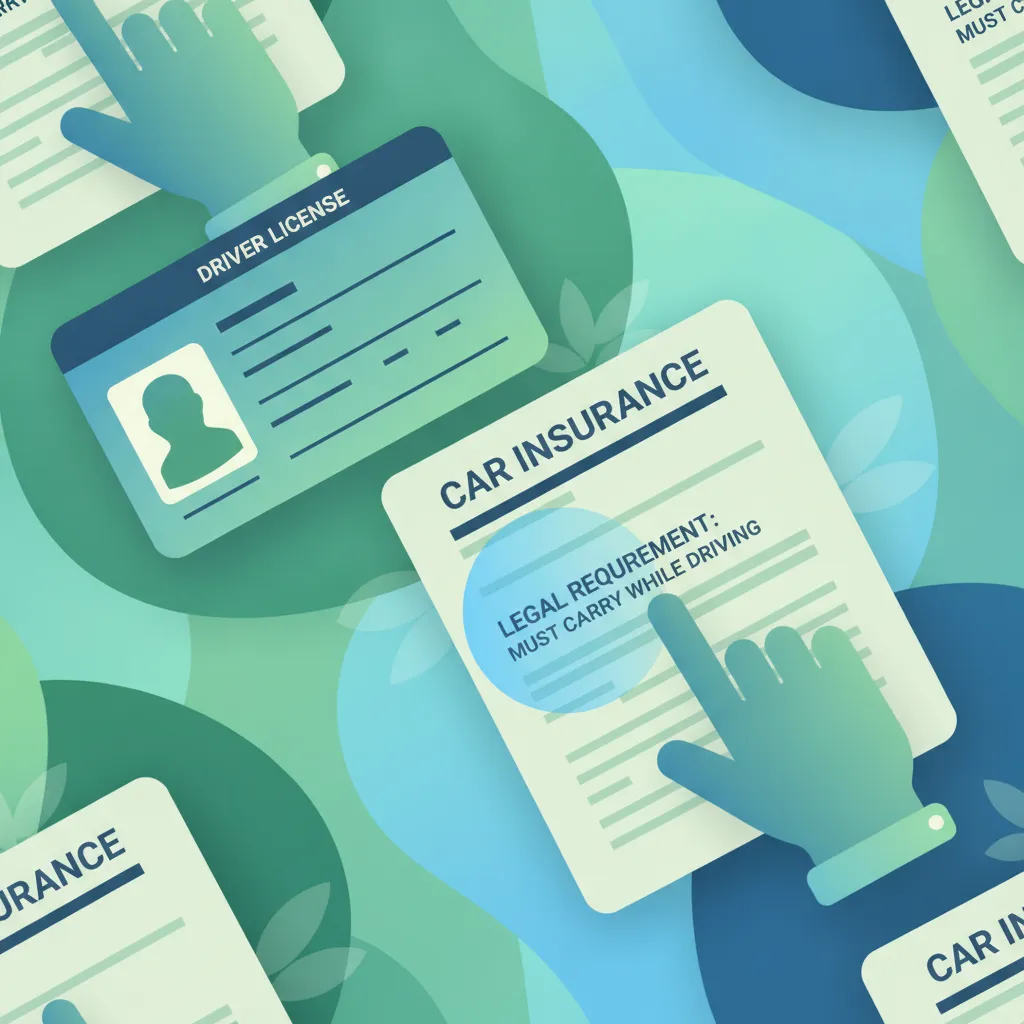
This lesson outlines the mandatory documentation required during any professional transport journey in Switzerland. Drivers must be able to present the vehicle registration document ('Fahrzeugausweis'), their valid driving license, and the OACP qualification card upon request. It also touches upon transport-specific documents like consignment notes, which are crucial for legal compliance during roadside inspections by authorities.

Motorway driving involves high speeds and requires constant concentration. This lesson covers correct lane discipline, safe procedures for joining and leaving the motorway, and techniques for overtaking other large vehicles. Maintaining appropriate speed and a safe following distance is emphasized throughout.

A professional driver is a representative of their company and the public transport system. This lesson covers the standards of conduct, communication, and appearance expected of a bus or coach driver. It emphasizes how a calm, courteous, and professional attitude contributes to passenger confidence and overall service quality.

Driving a large vehicle on mountain passes is a demanding skill. This lesson covers selecting the correct gear for both ascents and descents to maintain control and avoid overheating the brakes. It also explains the specific priority rules that apply on mountain roads and the importance of being aware of sudden weather changes.

This lesson focuses on the legally required safety equipment that must be on board every passenger vehicle. You will learn how to locate and check the fire extinguisher, first aid kit, and emergency hammers. It also covers the inspection of emergency exits to ensure they are unobstructed and functional.
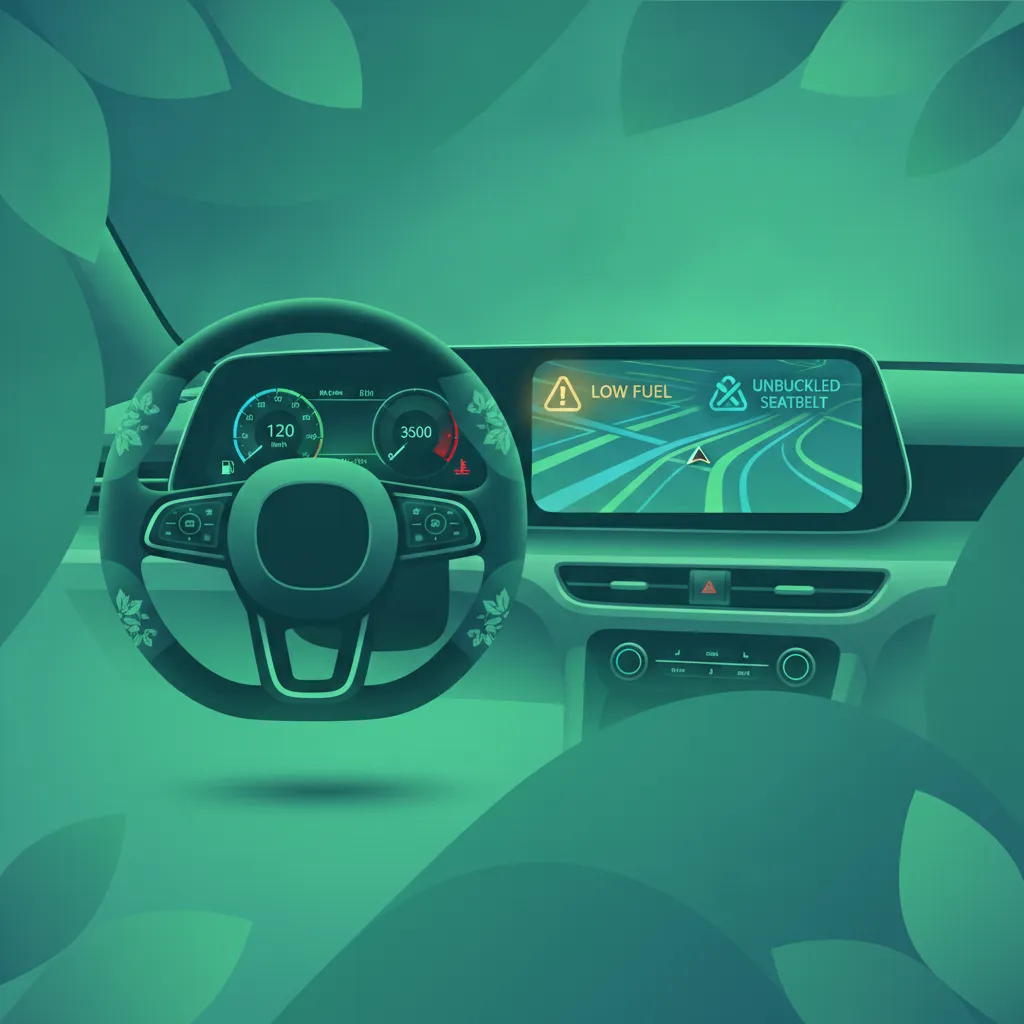
This lesson provides a detailed tour of the driver's area in a typical bus or coach. You will learn the function of every switch, lever, and button, from the main driving controls to secondary systems like heating and door operation. Interpreting the instrument panel and responding correctly to warning lights is a key focus.
Understand the dual legal mandate for professional bus and coach drivers in Switzerland, covering Category D licence theory, OACP qualification, and essential driver documentation for road safety and compliance.
This lesson details the specific documents that must be present in the vehicle and on the driver's person during service. It covers the driving license, OACP card, vehicle registration, and tachograph records. You will learn the importance of ensuring all paperwork is current and correct to ensure legal compliance at all times.
This lesson outlines the mandatory documentation required during any professional transport journey in Switzerland. Drivers must be able to present the vehicle registration document ('Fahrzeugausweis'), their valid driving license, and the OACP qualification card upon request. It also touches upon transport-specific documents like consignment notes, which are crucial for legal compliance during roadside inspections by authorities.
Transporting children carries the highest level of responsibility. This lesson covers the specific legal requirements for school buses in Switzerland, including the use of special signs and warning lights. It details the safe procedures for stopping, boarding, and alighting, and the driver's role in supervising children.
Obtaining a Category C license is the first step; driving professionally requires an additional qualification. This lesson distinguishes between the knowledge needed for the theory test and the requirements of the Chauffeur Admission Ordinance (OACP). It explains that the OACP involves further training and periodic courses focused on practical skills, safety, and economic driving, which are mandatory for commercial goods transport.

This lesson focuses on the heightened legal and ethical responsibilities a driver holds when carrying passengers. It explains the concept of duty of care, covering the obligation to ensure passenger safety from boarding to alighting. You will understand the potential consequences of negligence and the importance of upholding professional standards to protect every individual on board.

For professional drivers, traffic violations can have career-altering consequences beyond standard fines. This lesson details the heightened penalties for infringements such as speeding, overloading, insecure loads, and violations of driving time regulations. It outlines the process of warnings, license suspension or withdrawal, and potential criminal liability, emphasizing the importance of strict legal compliance in the transport industry.

Swiss law strictly regulates the maximum dimensions of commercial vehicles to ensure they can safely navigate the infrastructure. This lesson specifies the standard limits for vehicle height (4.0m), width (2.55m), and length for various lorry and trailer combinations. Adhering to these dimensions is crucial for avoiding collisions with bridges, tunnels, and other structures, and for navigating narrow roads.
Find clear answers to common questions learners have about Distinguishing License Theory from Professional Qualifications (OACP). Learn how the lesson is structured, which driving theory objectives it supports, and how it fits into the overall learning path of units and curriculum progression in Switzerland. These explanations help you understand key concepts, lesson flow, and exam focused study goals.
No, they are separate. The Category D licence confirms your ability to operate the vehicle, while the OACP (Chauffeur Admission Ordinance) is a mandatory professional qualification confirming your competency for commercial passenger transport.
In Switzerland, if you are performing commercial passenger transport, the OACP is generally mandatory regardless of frequency. You must hold the professional certificate alongside your driving licence to be legally compliant.
While the theory exam focuses on road safety and rules for your Category D licence, understanding the OACP is part of your professional responsibility. You should focus on your licence theory first, but understand that the OACP training follows as the next step in your professional journey.
You would be legally permitted to drive a bus, but you would not be permitted to carry out professional or commercial passenger transport services. Driving commercially without the necessary OACP credentials can lead to legal penalties and insurance issues.
Pinpoint specific Swiss traffic rules, road signs, or driving situations you need to master. Use the practice search to start a focused revision session now and build confidence for your official driving theory exam.