
This lesson guides you through the legal requirements for obtaining your Swiss Category B learner permit (Lernfahrausweis) and the specific rules for accompanied driving. Understanding these foundational regulations is essential for your legal compliance and serves as a critical first step in your journey toward the Swiss driving theory exam.
Lesson content overview
Embarking on the journey to obtain a Swiss Category B driving licence begins with the Lernfahrausweis, or learner permit. This crucial document is your legal gateway to gaining practical driving experience on public roads under supervision. This lesson provides a comprehensive overview, detailing the eligibility criteria, the specific role and responsibilities of your accompanying driver, and the critical rules and restrictions that govern supervised driving in Switzerland. Understanding these regulations is paramount for a safe and legally compliant learning experience within your Comprehensive Swiss Driving Theory Course for Category B License.
The Lernfahrausweis is a temporary, legally defined permission that enables individuals to operate a Category B vehicle on public roads, provided they are accompanied by a qualified supervisor. It is not a full driving licence, nor does it grant the holder any right to drive independently. Its primary purpose is to allow prospective drivers to develop essential skills, judgment, and hazard perception in real-world traffic scenarios before attempting the practical driving test.
This permit acts as a foundational legal instrument, ensuring that novice drivers are adequately supported during their initial learning phase. By requiring supervised practice, Swiss traffic law aims to significantly reduce accident risks associated with inexperienced drivers. Adhering to its conditions and understanding the roles of both the learner and the accompanying driver establishes the necessary legal framework for safe progression towards a full driving licence.
Before you can apply for a Lernfahrausweis, you must meet several statutory conditions. These requirements are in place to ensure that all candidates possess the basic cognitive and physical capabilities necessary to begin learning to drive safely. Failing to meet any of these criteria will prevent the issuance of your learner permit.
For a Category B driving licence, the minimum age to apply for a Lernfahrausweis is generally 17 years old. You cannot begin supervised driving practice on public roads until you have officially received your permit and reached this age. This age limit is a key part of Swiss traffic safety legislation, balancing the desire for early driving experience with the maturity required for responsible road use.
All applicants for a Lernfahrausweis must demonstrate medical fitness to drive. This typically involves submitting a medical certificate from a qualified physician. The certificate confirms that you possess the necessary physical and mental capacity, including adequate eyesight and hearing, to safely control a vehicle and react appropriately to traffic situations. This is a mandatory step, as any underlying health condition could impair your ability to drive, posing a risk to yourself and other road users.
A fundamental prerequisite for obtaining your Lernfahrausweis is successfully passing the theoretical driving examination. This exam assesses your knowledge of Swiss traffic rules, signs, and general principles of safe driving. You must achieve a minimum score, which is set by official standards (often at least 65% correct answers), to qualify. Passing this exam demonstrates that you have a theoretical understanding of how to interact with the road environment, which is critical before you begin practical application.
Familiarise yourself thoroughly with the content covered in your Swiss Category B Driving Theory Course before attempting the theoretical exam. A strong theoretical foundation is crucial for practical learning.
The accompanying driver, known in Switzerland as the Begleitperson, plays an indispensable role in the supervised learning process. They are not merely a passenger but a legally responsible supervisor whose presence ensures safety and compliance with traffic laws. Their qualifications and actions are critical to the legality and effectiveness of your learning drives.
To act as an accompanying driver, an individual must meet stringent legal requirements designed to ensure they have sufficient experience and a clean driving record. Specifically, the Begleitperson must:
These criteria guarantee that the supervisor is a seasoned driver capable of providing competent guidance and making critical interventions if necessary.
The Begleitperson bears significant legal responsibility while supervising a learner. They are legally obliged to:
The accompanying driver must always sit in the front passenger seat. This position is not negotiable; it allows them to have a clear view of the road, the learner's actions, and immediate access to the steering wheel and, if necessary, the handbrake or other controls for intervention. Supervising from the rear seat or through remote communication is strictly prohibited and constitutes a serious violation of the law.
Supervised driving with a Lernfahrausweis is subject to several specific restrictions designed to mitigate risks for inexperienced drivers. These rules dictate where, when, and how you can practice driving on Swiss roads.
Learner drivers are generally subject to reduced speed limits. While the exact reduction can vary, a common rule is that learners must drive at least 10 km/h below the posted speed limit, unless the posted limit is already lower than this reduction would imply (e.g., in a 30 km/h zone, you drive at 30 km/h, not 20 km/h). This mandatory speed reduction provides learners with more time to observe, react, and process complex traffic situations, thereby significantly increasing safety margins.
For safety reasons, learner drivers are typically prohibited from driving on motorways (Autobahnen) and freeways (Autostrassen) unless specific conditions are met. These high-speed roads demand advanced driving skills, quick decision-making, and high levels of hazard perception that novices have not yet developed. Generally, access to these road types requires accompaniment by a professional driving instructor who holds specific qualifications and often only after logging a certain number of hours on comparable roads. Practicing on urban and rural roads is the focus for most learner drivers.
Driving at night presents additional challenges due to reduced visibility and different traffic patterns. For this reason, learner drivers are subject to night driving restrictions, typically prohibiting driving between 10 p.m. and 5 a.m. However, exceptions may apply if the learner is accompanied by a qualified driver who has special permission or is a professional driving instructor authorized to conduct night driving practice. Always confirm specific local regulations regarding night driving for learners.
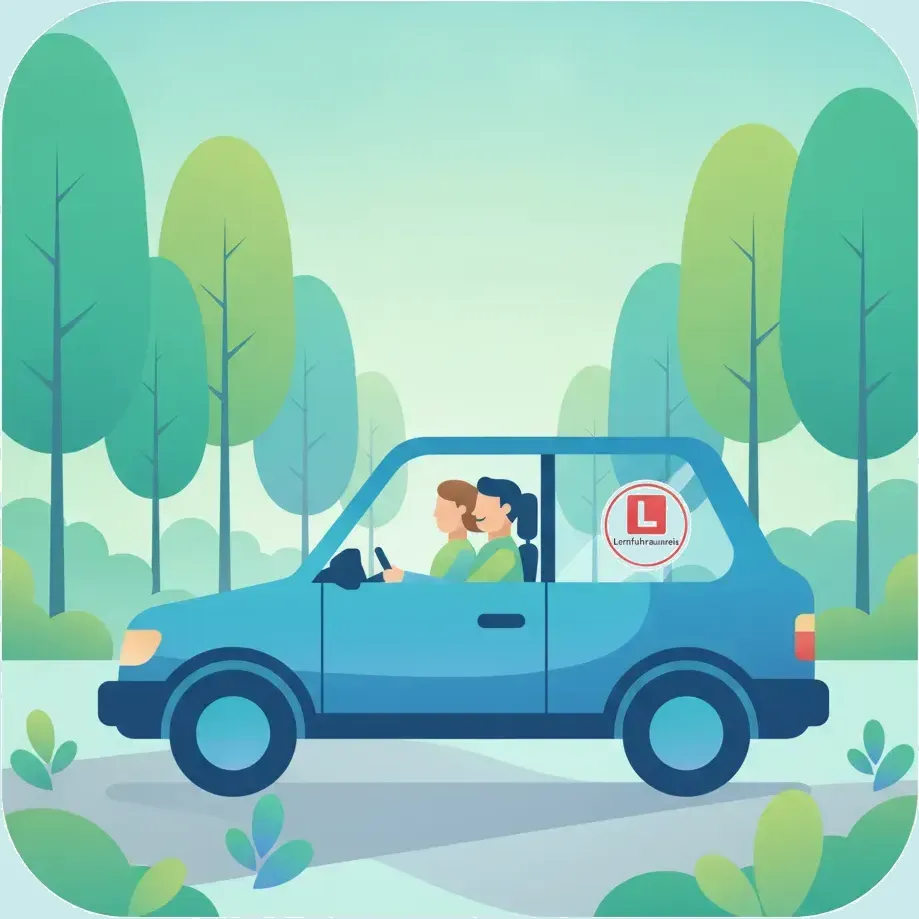
When a learner driver is at the wheel, the vehicle must conspicuously display a blue "L" plate on the rear. This plate signals to other road users that an inexperienced driver is operating the vehicle, encouraging caution and understanding. Furthermore, a learner driver is generally not permitted to drive a vehicle with a trailer attached, as managing a combination vehicle requires significantly more skill and experience.
Failure to display the "L" plate or driving with a trailer as a learner are serious infractions that can lead to fines and legal consequences.
Record keeping, typically through a supervised driving log or Fahrtenbuch, is an important aspect of the learning process. While not always strictly enforced for every single private lesson in all cantons, maintaining a detailed log is highly recommended and can be required when preparing for the practical examination.
The driving log serves multiple purposes:
A comprehensive driving log typically includes:
The Lernfahrausweis is a time-limited document, designed to encourage consistent practice and timely progression towards the practical driving test.
A standard Lernfahrausweis for Category B is valid for two years from its date of issue. This timeframe is intended to provide ample opportunity for learners to gain the necessary experience without undue pressure, while also preventing excessive delays in obtaining a full licence. It is crucial to be aware of this expiry date to avoid any interruption in your supervised practice.
If you have not passed your practical driving test within the two-year validity period, you will need to apply for a renewal of your Lernfahrausweis if you wish to continue supervised driving. Renewal is not automatic. Depending on the canton and the duration since the initial permit, you may need to re-pass the theoretical examination or provide evidence of continued learning. It is always advisable to begin the renewal process well before your current permit expires to ensure seamless continuation of your practice.
Understanding potential pitfalls and their consequences is vital for both learner drivers and their accompanying supervisors. Violations of learner permit rules can lead to serious legal repercussions, including fines, permit revocation, and delays in obtaining a full licence.
The most severe violation is a learner driving alone, without a qualified accompanying driver in the front passenger seat. This is a direct breach of the core principle of the Lernfahrausweis and is treated with extreme gravity.
Consequence: Driving unaccompanied will almost certainly lead to immediate revocation of the Lernfahrausweis, significant fines, and potentially a ban from applying for a new permit for a considerable period. This can severely delay your entire driving licence journey.
The accompanying driver also faces severe penalties if they fail to meet their obligations:
Several other actions can lead to penalties:
Driving conditions are rarely constant. Learners and supervisors must be aware of how different contexts, such as weather, lighting, and interactions with other road users, can influence safe driving practices.
Learners must develop a keen awareness of vulnerable road users such as pedestrians, cyclists, and motorcyclists. These users are less protected in a collision and often harder to spot. During supervised driving, the Begleitperson must emphasize:
Generally, learner drivers should avoid driving vehicles that are heavily loaded or towing a trailer. These conditions significantly alter a vehicle's handling, braking distance, and acceleration, requiring advanced skills that a learner has not yet mastered. If such a situation cannot be avoided (e.g., moving household items), the accompanying driver must be particularly experienced with loaded vehicles and provide continuous, explicit guidance.
The Swiss Lernfahrausweis is more than just a piece of paper; it's a critical component of safe driver training. It grants you the privilege to learn under the guidance of an experienced accompanying driver, while also imposing clear responsibilities and restrictions. By understanding and adhering to these rules, you ensure a safe, legal, and effective path towards obtaining your full Swiss Category B driving licence. Your comprehensive Swiss Driving Theory Course aims to equip you with all the theoretical knowledge needed to complement this practical learning experience.
The Swiss Lernfahrausweis is your legal gateway to supervised driving practice, requiring you to be at least 17 years old, pass the theory exam, and submit a medical certificate. Your accompanying driver must be at least 23, hold a Category B licence for three years, and have a clean record, and must remain in the front passenger seat ready to intervene. Learner drivers face specific restrictions including mandatory 10 km/h speed reduction below posted limits, prohibition from motorways and freeways, night driving curfews, and the requirement to display a blue 'L' plate. Violations such as driving unaccompanied or allowing an ineligible supervisor result in serious consequences including permit revocation and fines, making compliance essential for progressing toward your full Swiss Category B driving licence.
A short set of high-value points that capture the most important learning from this lesson.
You must be at least 17 years old, pass the theory exam, and obtain a medical certificate before receiving your Lernfahrausweis and beginning supervised driving.
The accompanying driver (Begleitperson) must be at least 23 years old, have held a Category B licence for at least three years, and have a clean driving record free from recent revocations or suspensions.
Learner drivers must stay at least 10 km/h below the posted speed limit (unless the limit is already 30 km/h or lower) and are prohibited from motorways and freeways unless accompanied by a professional instructor.
The vehicle must display the blue 'L' plate on the rear at all times during supervised driving, and learner drivers cannot tow trailers.
Driving unaccompanied or allowing an ineligible person to supervise constitutes a serious infraction that can result in immediate permit revocation and significant delays to obtaining your licence.
Explore all units and lessons included in this driving theory course.
The accompanying driver must sit in the front passenger seat only—this positioning is legally required to ensure they can intervene immediately.
Your Lernfahrausweis is valid for two years from the date of issue; renewal may require re-taking the theory exam if it expires before you pass the practical test.
Night driving is generally prohibited between 10 p.m. and 5 a.m. unless accompanied by a qualified driver with special permission or a professional driving instructor.
Both the learner driver and the accompanying driver share legal responsibility for ensuring all supervised driving sessions comply with Swiss traffic law.
Keep a detailed driving log (Fahrtenbuch) recording date, duration, road type, conditions, and signatures—it may be required before you can take the practical examination.
Assuming any licensed driver can accompany you, when in fact the Begleitperson must meet strict age, licence tenure, and clean record requirements.
Believing night driving is always permitted after passing the theory exam, when in fact learners are restricted from driving between 10 p.m. and 5 a.m. without special authorization.
Attempting to drive on motorways (Autobahnen) or freeways (Autostrassen) with only a standard learner permit, which is generally prohibited for private supervised practice.
Assuming that driving a vehicle with a trailer is permissible under learner permit conditions, when it is actually prohibited due to the advanced handling skills required.
Misunderstanding the speed reduction rule by not accounting for the exception in 30 km/h zones where the full 10 km/h reduction does not apply.
Lesson content overview
A short set of high-value points that capture the most important learning from this lesson.
You must be at least 17 years old, pass the theory exam, and obtain a medical certificate before receiving your Lernfahrausweis and beginning supervised driving.
The accompanying driver (Begleitperson) must be at least 23 years old, have held a Category B licence for at least three years, and have a clean driving record free from recent revocations or suspensions.
Learner drivers must stay at least 10 km/h below the posted speed limit (unless the limit is already 30 km/h or lower) and are prohibited from motorways and freeways unless accompanied by a professional instructor.
The vehicle must display the blue 'L' plate on the rear at all times during supervised driving, and learner drivers cannot tow trailers.
Driving unaccompanied or allowing an ineligible person to supervise constitutes a serious infraction that can result in immediate permit revocation and significant delays to obtaining your licence.
Explore all units and lessons included in this driving theory course.
The accompanying driver must sit in the front passenger seat only—this positioning is legally required to ensure they can intervene immediately.
Your Lernfahrausweis is valid for two years from the date of issue; renewal may require re-taking the theory exam if it expires before you pass the practical test.
Night driving is generally prohibited between 10 p.m. and 5 a.m. unless accompanied by a qualified driver with special permission or a professional driving instructor.
Both the learner driver and the accompanying driver share legal responsibility for ensuring all supervised driving sessions comply with Swiss traffic law.
Keep a detailed driving log (Fahrtenbuch) recording date, duration, road type, conditions, and signatures—it may be required before you can take the practical examination.
Assuming any licensed driver can accompany you, when in fact the Begleitperson must meet strict age, licence tenure, and clean record requirements.
Believing night driving is always permitted after passing the theory exam, when in fact learners are restricted from driving between 10 p.m. and 5 a.m. without special authorization.
Attempting to drive on motorways (Autobahnen) or freeways (Autostrassen) with only a standard learner permit, which is generally prohibited for private supervised practice.
Assuming that driving a vehicle with a trailer is permissible under learner permit conditions, when it is actually prohibited due to the advanced handling skills required.
Misunderstanding the speed reduction rule by not accounting for the exception in 30 km/h zones where the full 10 km/h reduction does not apply.
Explore search topics learners often look for when studying Lernfahrausweis and Accompanied Learning. These topics reflect common questions about road rules, driving situations, safety guidance, and lesson level theory preparation for learners in Switzerland.
Browse additional driving theory lessons that cover connected traffic rules, road signs, and common driving situations related to this topic. Improve your understanding of how different rules interact across everyday traffic scenarios.
Understand the detailed legal requirements for obtaining and holding a Swiss learner permit (Lernfahrausweis). Covers eligibility, accompanying driver obligations, and critical driving restrictions for new drivers in Switzerland.
This lesson emphasizes the broad responsibilities of holding a driver's licence in Switzerland, including adherence to traffic laws and maintaining vehicle roadworthiness. It covers legal obligations related to insurance, registration, and reporting accidents, as well as the consequences of violations. The content reinforces the duty of care drivers owe to all other road users.

This lesson focuses on the Lernfahrausweis, the Swiss provisional permit required for learning to ride a small powered vehicle. It explains the application process, minimum age requirements, and the specific rules and limitations that apply to a learner rider. Learners will understand the legal framework that governs the learning phase before they can obtain their full driving license.
This lesson explores the specific restrictions that apply during the probationary licence period for beginner drivers. It covers the legal requirement for a beginner driver badge, zero tolerance for alcohol, and speed limitations. Understanding these regulations helps new drivers comply with legal obligations and reduce accident risk during the early driving phase.
Explore the probationary phase that follows the acquisition of a Category B licence, including the specific restrictions imposed on new drivers. This lesson outlines the zero tolerance policy for alcohol and the potential consequences of infractions during this period. It also discusses the process for remedial training and the conditions for full licence renewal.
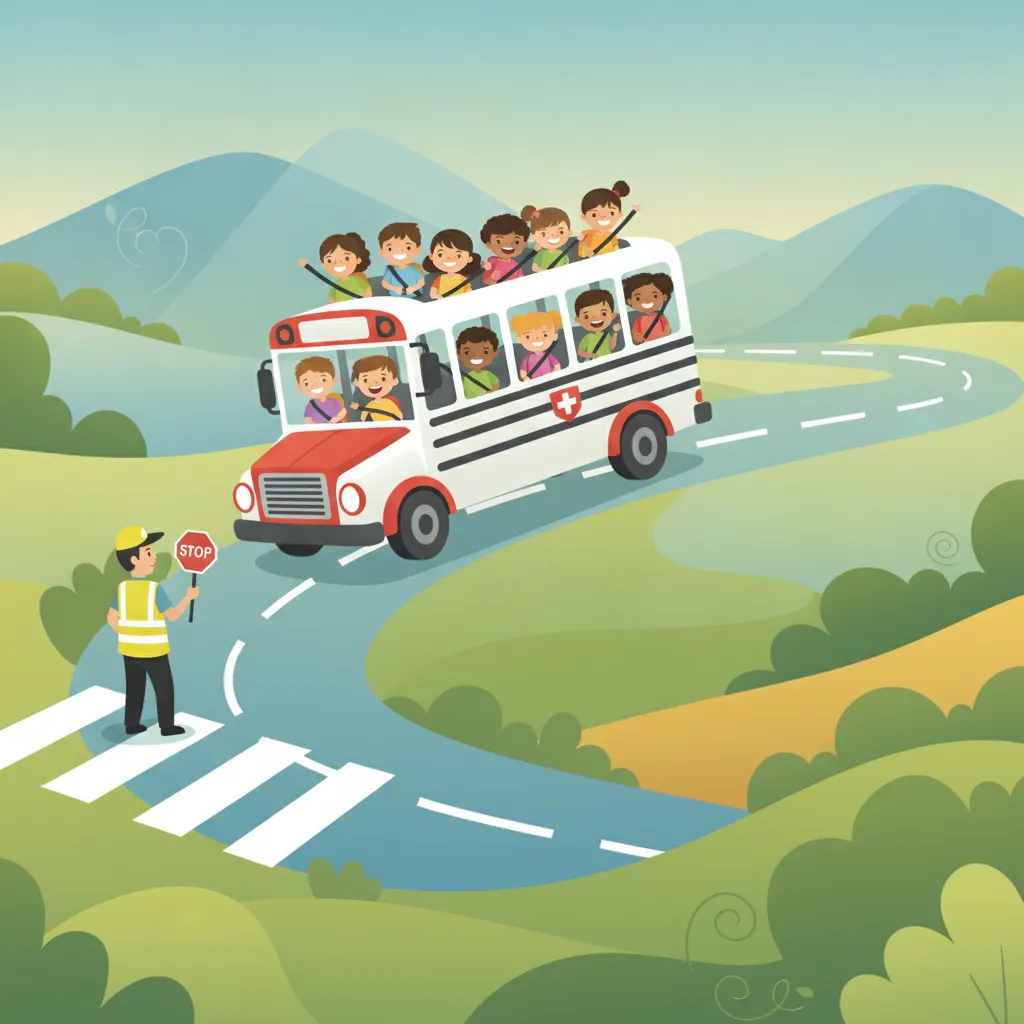
Transporting children carries the highest level of responsibility. This lesson covers the specific legal requirements for school buses in Switzerland, including the use of special signs and warning lights. It details the safe procedures for stopping, boarding, and alighting, and the driver's role in supervising children.
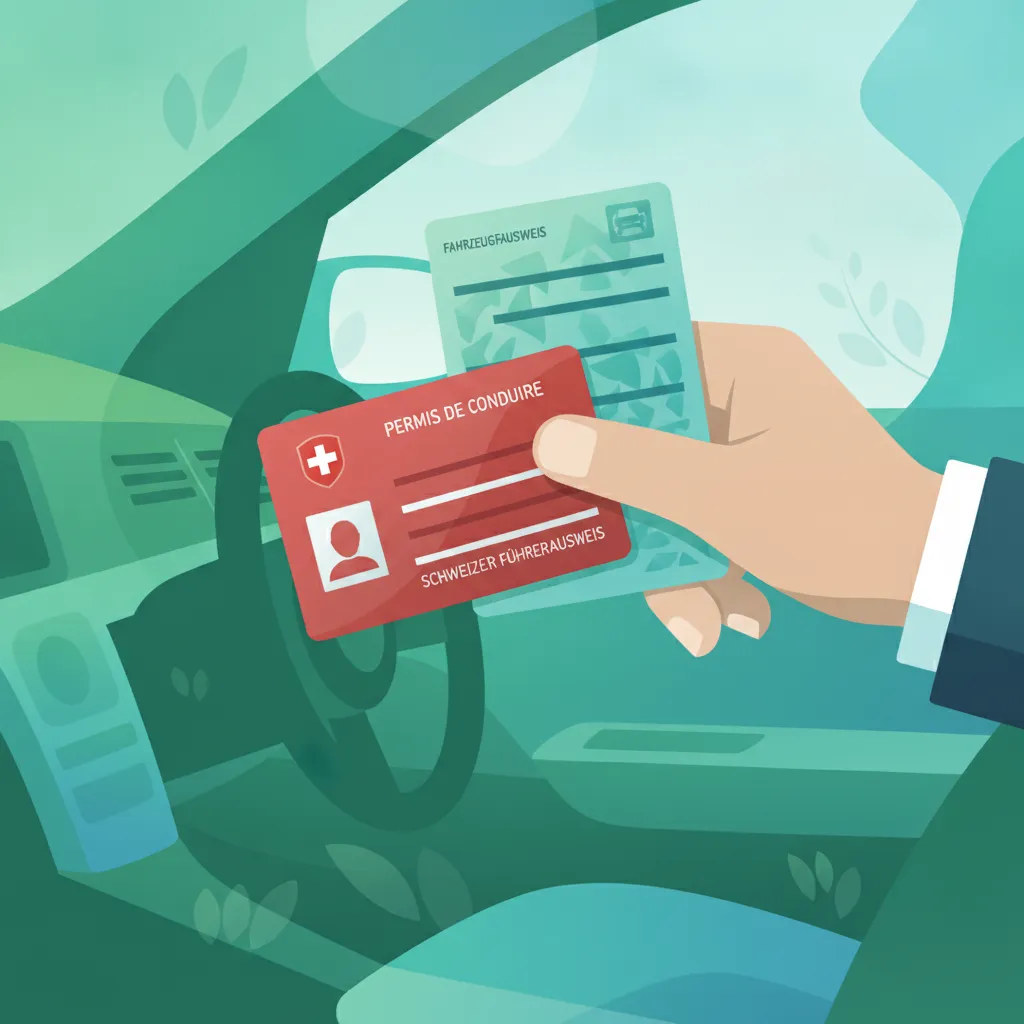
This lesson details the specific documents that must be present in the vehicle and on the driver's person during service. It covers the driving license, OACP card, vehicle registration, and tachograph records. You will learn the importance of ensuring all paperwork is current and correct to ensure legal compliance at all times.
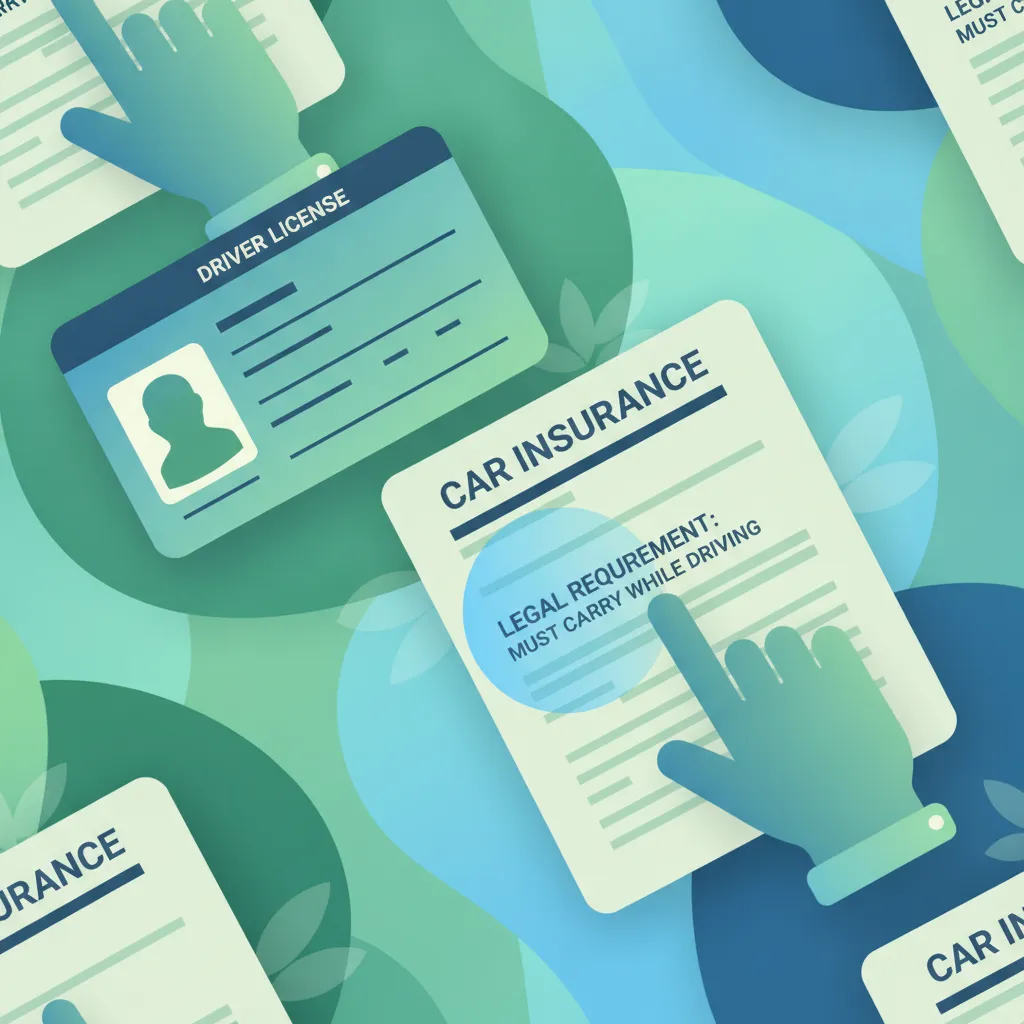
This lesson outlines the mandatory documentation required during any professional transport journey in Switzerland. Drivers must be able to present the vehicle registration document ('Fahrzeugausweis'), their valid driving license, and the OACP qualification card upon request. It also touches upon transport-specific documents like consignment notes, which are crucial for legal compliance during roadside inspections by authorities.
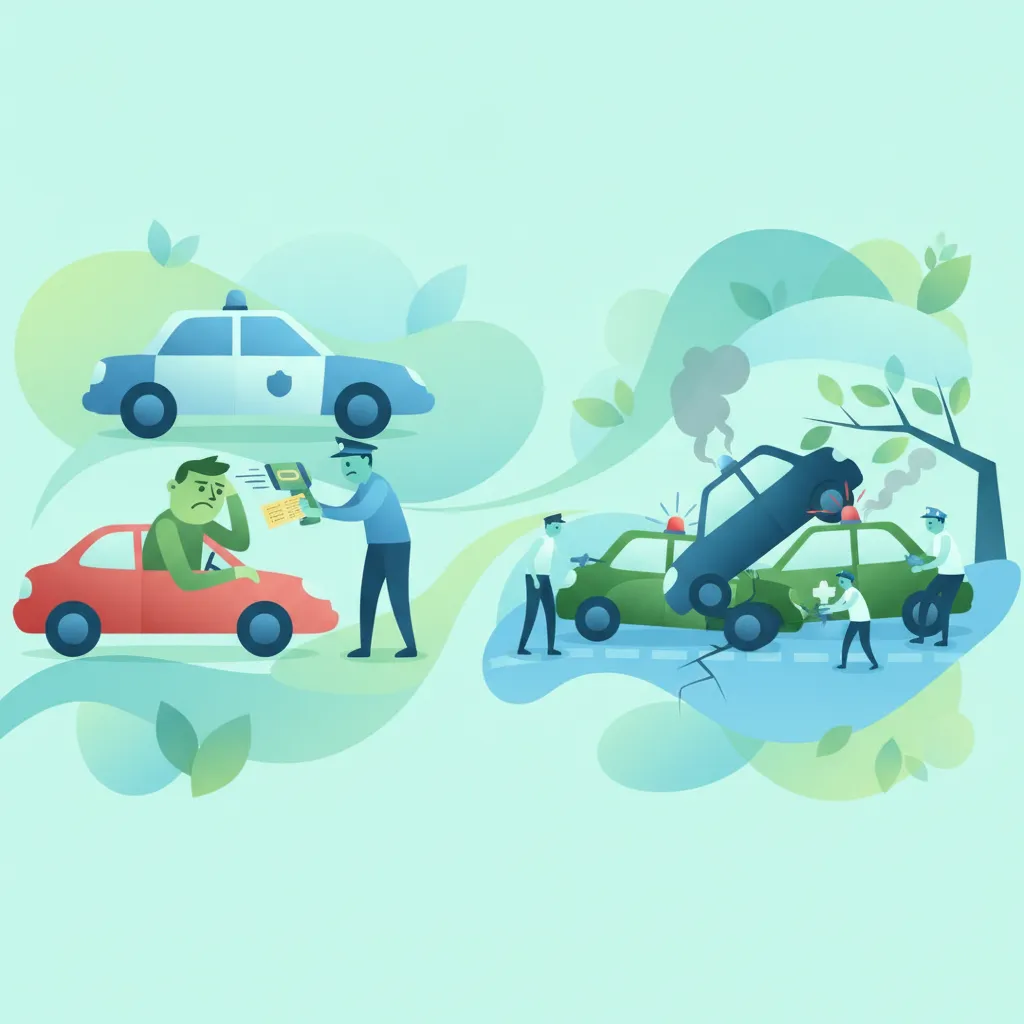
This lesson outlines the legal repercussions for breaking traffic laws in Switzerland. It details the system of fines and administrative measures, including the potential for license withdrawal for serious offenses. The content also explains a rider's legal duties after being involved in an accident, including reporting and insurance obligations.

This lesson explains the Swiss penalty points system, detailing how points are assigned for various traffic violations. You will understand the thresholds for point accumulation and the legal consequences, such as licence suspension. The content also covers fine structures and the administrative process for point assessment for all driver license types.
This lesson focuses on school zones, where special speed limits and cautionary measures are required. You will learn to recognize school zone signs, understand reduced speed limits, and be aware of designated child crossing zones. The content also emphasizes the need for heightened vigilance when school buses stop for students to ensure child safety.
Explore the legal context and common pitfalls associated with supervised driving in Switzerland. This includes understanding the roles of learner and supervisor, potential violations, and consequences according to Swiss traffic law.
Explore the probationary phase that follows the acquisition of a Category B licence, including the specific restrictions imposed on new drivers. This lesson outlines the zero tolerance policy for alcohol and the potential consequences of infractions during this period. It also discusses the process for remedial training and the conditions for full licence renewal.

This lesson details the definition of Category B within the Swiss licensing system, focusing on vehicle types, weight capacities, and passenger limits. It clarifies the maximum authorized mass for Category B cars and the specific restrictions on towing trailers. You will learn the legal framework defining which vehicles you may operate and the boundaries of this license category.

Gain insight into the two-stage examination process for the Swiss Category B licence, covering both the theory exam and the practical driving test. This lesson outlines the question format, passing score thresholds, and the nature of the practical assessment. Administrative aspects such as registration procedures, test locations, and retake policies are also addressed.
This lesson emphasizes the broad responsibilities of holding a driver's licence in Switzerland, including adherence to traffic laws and maintaining vehicle roadworthiness. It covers legal obligations related to insurance, registration, and reporting accidents, as well as the consequences of violations. The content reinforces the duty of care drivers owe to all other road users.

This lesson focuses on general driving safety in areas with a high concentration of children. It stresses the importance of significantly reducing speed, being prepared for unexpected events, and scanning for children between parked cars. The driver must exhibit maximum vigilance in these high-risk environments at all times.
This lesson explores the specific restrictions that apply during the probationary licence period for beginner drivers. It covers the legal requirement for a beginner driver badge, zero tolerance for alcohol, and speed limitations. Understanding these regulations helps new drivers comply with legal obligations and reduce accident risk during the early driving phase.
Transporting children carries the highest level of responsibility. This lesson covers the specific legal requirements for school buses in Switzerland, including the use of special signs and warning lights. It details the safe procedures for stopping, boarding, and alighting, and the driver's role in supervising children.

Motorway driving requires constant concentration due to high speeds. This lesson emphasizes the importance of staying in the right-hand lane unless overtaking and the specific restrictions on lorry overtaking in Switzerland. It reinforces the need for a following distance of at least four seconds to compensate for the vehicle's long stopping distance and provides guidance on safely merging and exiting.
This lesson explains the Swiss penalty points system, detailing how points are assigned for various traffic violations. You will understand the thresholds for point accumulation and the legal consequences, such as licence suspension. The content also covers fine structures and the administrative process for point assessment for all driver license types.

For professional drivers, traffic violations can have career-altering consequences beyond standard fines. This lesson details the heightened penalties for infringements such as speeding, overloading, insecure loads, and violations of driving time regulations. It outlines the process of warnings, license suspension or withdrawal, and potential criminal liability, emphasizing the importance of strict legal compliance in the transport industry.
Find clear answers to common questions learners have about Lernfahrausweis and Accompanied Learning. Learn how the lesson is structured, which driving theory objectives it supports, and how it fits into the overall learning path of units and curriculum progression in Switzerland. These explanations help you understand key concepts, lesson flow, and exam focused study goals.
The accompanying person must be at least 23 years old and have held a valid Category B driving licence for at least three years, which must no longer be in the probationary period.
Yes, you are allowed to drive on motorways once you have gained sufficient experience, provided you are accompanied by an authorized supervisor who meets all the legal requirements for supervision.
Yes, the accompanying person must be seated in the front passenger seat to ensure they can easily assist or intervene with the vehicle controls if necessary.
It is a legal requirement to carry your valid learner permit at all times while driving. Failing to produce it during a traffic control can lead to fines and legal penalties.
Pinpoint specific Swiss traffic rules, road signs, or driving situations you need to master. Use the practice search to start a focused revision session now and build confidence for your official driving theory exam.