
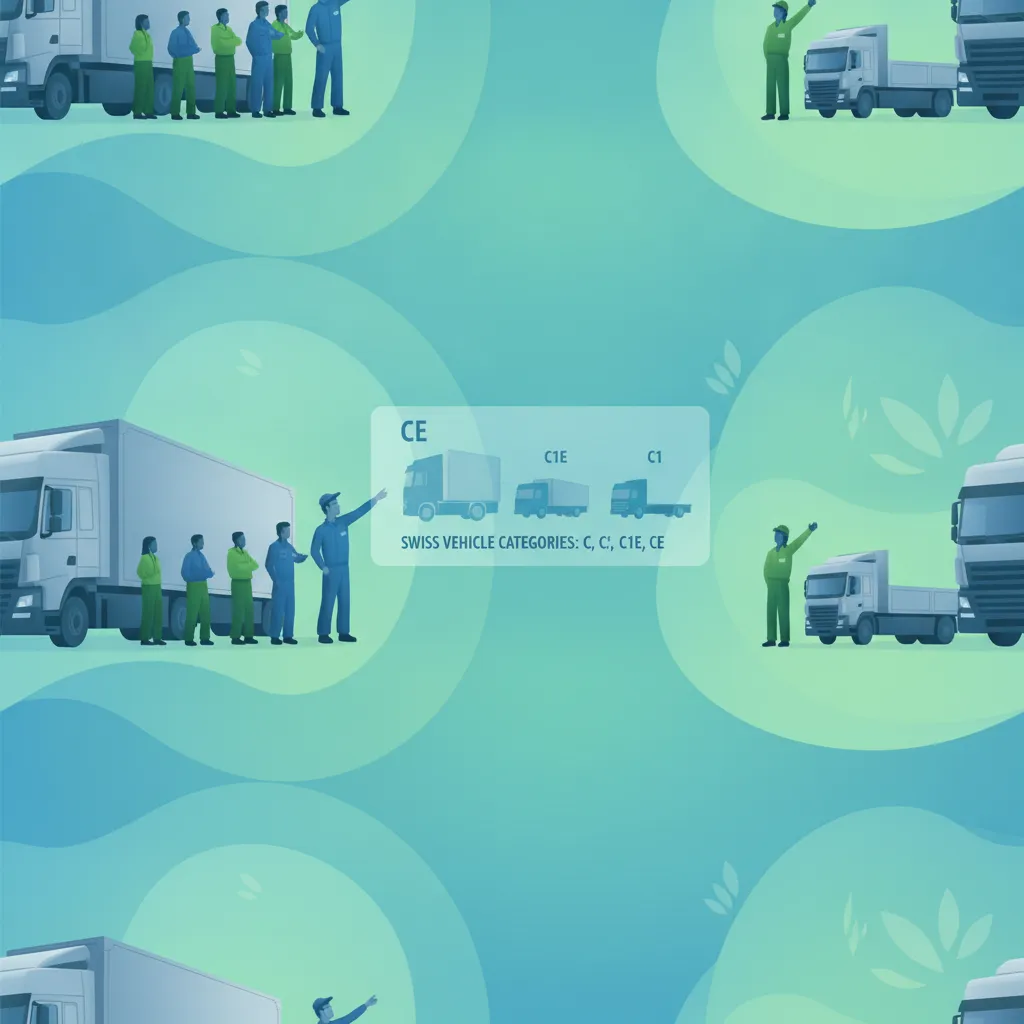
This lesson establishes the essential framework for your professional driving career in Switzerland by defining the specific scope of categories C, C1, C1E, and CE. Understanding these classifications is the first step in ensuring you operate within the legal weight and configuration limits set by Swiss traffic authorities.
Lesson content overview
Operating heavy goods vehicles (HGVs) in Switzerland requires a deep understanding of specific license categories. These categories, C, C1, C1E, and CE, define precisely which vehicles and combinations a driver is legally permitted to operate. This foundational knowledge is not only crucial for legal compliance but also for ensuring the safety of all road users and the efficient flow of professional transport operations.
The Swiss licensing system for heavy goods vehicles is meticulously structured to reflect the increased risks associated with larger, heavier, and more complex vehicle combinations. Each category imposes specific requirements on drivers, from vehicle weight limits to the types of trailers that can be towed, and even mandates for advanced braking systems. Mastering these distinctions is the first step towards a successful and responsible career in professional transport within Switzerland.
Category C is the primary license for operating substantial standalone heavy goods vehicles in Switzerland. It is designed for drivers who will primarily be operating large, rigid trucks, lorries, and construction vehicles that exceed the standard passenger car weight limits.
A Category C license permits you to drive motor vehicles (other than those in categories A, B, or D) with a maximum permissible mass (MPM) exceeding 3.5 tonnes. There is no upper mass limit for the rigid vehicle itself under this category. Critically, with a Category C license, you are limited to towing trailers with an MPM of no more than 750 kg. This means you can drive heavy trucks but are restricted to pulling only very light trailers, or none at all.
Vehicles typically operated under a Category C license include a wide range of heavy trucks used for commercial transport, logistics, and construction. Examples might include a 12-tonne delivery lorry, a 20-tonne refuse collection truck, a large dump truck, or a standard freight truck operating without a heavy trailer. These are often referred to as "rigid" vehicles because they consist of a single, self-contained unit without articulation for heavier trailers.
Holding a Category C license comes with several professional obligations. Drivers must possess a valid medical certificate confirming their fitness to drive heavy vehicles, which requires periodic renewal. The vehicle itself must undergo regular technical inspections, known as MFK (Motorfahrzeugkontrolle), to ensure its roadworthiness and safety standards are met. Furthermore, for professional use, Category C vehicles are subject to tachograph regulations, requiring drivers to record their driving times, breaks, and rest periods to prevent fatigue.
Category C1 offers a specific license for drivers operating medium-weight goods vehicles. This category provides a stepping stone for drivers who need to operate trucks larger than standard vans but not necessarily the heaviest lorries on the road.
A Category C1 license allows you to drive motor vehicles (excluding those in categories A, B, or D) with a maximum permissible mass (MPM) between 3.5 tonnes and 7.5 tonnes. Similar to Category C, this license limits the driver to towing trailers with an MPM not exceeding 750 kg. This means the C1 license bridges the gap between light commercial vehicles (Category B) and full heavy goods vehicles (Category C).
The highest total weight a vehicle is allowed to have, including the vehicle itself, passengers, cargo, and fuel. Often used interchangeably with Gross Vehicle Weight (GVW).
Category C1 vehicles are frequently used for various purposes where a full-sized heavy lorry is unnecessary or impractical. This includes smaller delivery trucks, refrigerated vans for food transport, municipal utility vehicles (e.g., for gardening services or small waste collection), and certain types of removal vans. These vehicles offer a balance of payload capacity and maneuverability, making them suitable for urban and regional distribution. For instance, a 6-tonne refrigerated delivery van would typically fall under Category C1.
As with Category C, drivers holding a C1 license for professional purposes are subject to specific regulations. This includes the requirement for a valid medical certificate and adherence to MFK inspection schedules for their vehicles. If the vehicle is used for professional transport, tachograph regulations also apply, necessitating accurate recording of driving and rest times to ensure driver welfare and road safety.
While Categories C and C1 cover rigid vehicles, the CE and C1E extensions are crucial for professional drivers who need to operate vehicle combinations that include heavy trailers. The CE license is the most comprehensive for heavy articulated transport.
The Category CE license is an extension to the Category C license. It grants the entitlement to couple trailers with a maximum permissible mass (MPM) exceeding 750 kg to a Category C vehicle. This extension is essential for operating articulated heavy goods vehicles, often referred to as semi-trailer trucks or road trains. These combinations are fundamental to long-haul and bulk transport operations. Without a CE license, a Category C driver cannot legally tow a heavy trailer.
A vehicle combination consisting of a tractor unit coupled with a semi-trailer via a fifth wheel, allowing for flexibility and improved maneuverability compared to rigid trucks with separate trailers.
With a CE license, drivers can operate the largest and heaviest vehicle combinations on Swiss roads. This includes a tractor unit pulling a semi-trailer, or a heavy rigid truck pulling a drawbar trailer (forming a road train). These vehicles are designed to transport very large volumes or weights of cargo across significant distances. A common example is a 20-tonne tractor unit pulling a 30-tonne semi-trailer for inter-European freight. The CE extension ensures drivers have the necessary skills and knowledge to manage the complex dynamics of articulated vehicles, including coupling, uncoupling, and maneuvering.
Operating CE combinations requires strict adherence to combined vehicle MPM limits, which can be substantial. Furthermore, these heavy combinations typically mandate specific braking system requirements, most notably advanced air brake systems, to ensure adequate stopping power. Coupling and uncoupling procedures must be followed precisely, including checking the fifth wheel connection and all electrical and pneumatic lines. Professional CE drivers are also subject to stringent tachograph regulations and require continuous medical fitness.
The C1E license provides a specialized extension for Category C1 drivers, enabling them to operate medium-weight trucks with heavier trailers, but with a strict overall weight limitation.
The Category C1E license is an extension to the Category C1 license. It permits the coupling of trailers with an MPM exceeding 750 kg to a Category C1 vehicle. However, a crucial limitation applies: the combined maximum permissible mass of the vehicle and trailer must not exceed 12 tonnes. This ensures that while drivers can haul heavier loads than with a standalone C1 license, the overall mass remains manageable for the C1 class of truck. For instance, a 4-tonne C1 truck could pull a 7-tonne trailer, totaling 11 tonnes, which falls within the C1E limit.
C1E combinations are highly flexible for regional distribution and specialized tasks where a full CE combination is oversized. They might be used by small to medium-sized businesses for moving equipment, transporting materials, or delivering goods over shorter distances. The 12-tonne combined mass limit is a strict legal boundary that drivers must always observe. Exceeding this limit constitutes a serious violation and carries significant penalties. This category often requires vehicles to have more robust braking systems than standard C1 vehicles, potentially including air brakes, if the combined weight exceeds certain thresholds.
Beyond the combined weight limit, C1E combinations demand particular attention to coupling procedures and load distribution. The stability of a medium-weight truck pulling a heavy trailer can be sensitive, making correct load securing and even weight distribution paramount. Drivers must ensure the braking systems of both the truck and the trailer are compatible and functioning correctly, especially for combinations approaching the 12-tonne limit. Regular MFK inspections and driver medical certificates are also mandatory.
Operating heavy goods vehicles in Switzerland is governed by a comprehensive set of laws and regulations designed to ensure safety, protect infrastructure, and regulate professional conduct. Adherence to these rules is non-negotiable for all Category C, C1, C1E, and CE license holders.
The fundamental legal basis for all traffic regulations in Switzerland is the Swiss Road Traffic Act (Strassenverkehrsgesetz, SVG). Article 34 of the SVG specifically mandates that drivers must hold the appropriate license category for the vehicle they operate. This means strict compliance with the definitions of C, C1, CE, and C1E is a legal imperative. Driving a vehicle or combination for which you are not licensed is a serious offense.
All heavy vehicles and articulated combinations in Switzerland must undergo periodic technical inspections, known as MFK (Motorfahrzeugkontrolle). These inspections ensure that vehicles meet stringent roadworthiness and safety standards, covering everything from braking systems and steering to lights and emissions. Operating a vehicle past its MFK due date is illegal and can result in severe penalties, including vehicle impoundment.
For professional drivers of heavy goods vehicles in Categories C, CE, and C1E, the use of a tachograph is mandatory. This device records crucial data such as driving time, breaks, rest periods, and speed. The primary purpose of the tachograph is to prevent driver fatigue, which is a significant contributing factor to serious accidents involving heavy vehicles. Non-compliance, including failing to use the tachograph, manipulating data, or exceeding driving time limits, incurs heavy fines and can lead to license suspension or revocation.
For heavy vehicle combinations, particularly those in categories CE and C1E, adequate braking power is critical. Swiss regulations stipulate that vehicles or combinations with a total maximum permissible mass exceeding 12 tonnes must be equipped with air brakes. Air brakes provide the necessary stopping power and reliability for heavier loads and are essential for safe operation, especially on steep descents common in Switzerland.
Proper load securing is paramount for all heavy vehicle categories. Swiss standards, often aligning with the "Accident Prevention Regulations for Load Securing" (ASI), require that loads be secured in such a way that they cannot shift, slide, tip, or fall during transport, even under emergency braking or evasive maneuvers. Failure to comply with load securing regulations can lead to dangerous load shifts, loss of vehicle control, accidents, and significant legal liability.
Always perform a thorough load securing check before starting your journey and after any significant stop. A shifting load can dramatically alter your vehicle's handling and stability.
Heavy vehicles and articulated combinations are subject to specific speed limits that differ from those for passenger cars. For example, on motorways, heavy goods vehicles often have a maximum speed limit of 80 km/h. Additionally, strict weight and axle load limits are enforced to protect road infrastructure and ensure vehicle stability. Drivers must always be aware of these limits and adjust their speed and loading accordingly. Exceeding these limits can result in fines and damage to roads and bridges.
Professional heavy vehicle drivers in categories C, CE, C1E, and D must maintain a valid medical certificate. This certificate confirms their ongoing fitness to drive, assessing vision, hearing, physical health, and psychological well-being. Regular medical check-ups are required to ensure drivers remain capable of safely handling the demands and responsibilities associated with operating heavy vehicles.
Disregarding the regulations for heavy goods vehicle categories can lead to severe consequences, ranging from fines and license suspension to dangerous accidents. Understanding common violations helps professional drivers avoid pitfalls and ensure safe operations.
One of the most frequent violations is operating a truck with a payload exceeding the manufacturer-specified maximum permissible mass (MPM) or exceeding axle load limits. Overloading significantly increases braking distances, strains vehicle components, and can lead to a loss of control, especially during cornering or emergency maneuvers. Drivers must use load scales and ensure cargo is distributed evenly to comply with legal limits and maintain vehicle stability.
Improper coupling of trailers to a tractor unit or rigid truck is a serious safety risk. If the coupling pin is not properly locked into the fifth wheel, or if electrical and pneumatic connections are faulty, the trailer could detach during travel, leading to catastrophic accidents. Regular pre-coupling checks, including visual inspection of components and testing of brake lights and air lines, are mandatory.
A common mistake is driving a vehicle or combination that exceeds the entitlement of the driver's license. For example, a Category C driver towing a heavy trailer (over 750 kg) without a CE extension, or a C1E combination exceeding the 12-tonne combined MPM. Such actions are illegal, invalidate insurance in case of an accident, and carry substantial fines and potential license revocation. Always ensure your license matches the vehicle and trailer combination you are operating.
Neglecting to use the tachograph, failing to record driving times correctly, or driving a heavy vehicle past its MFK inspection due date are both serious offenses. Tachograph non-compliance is strictly penalized due to the direct link between driver fatigue and accident risk. An expired MFK means the vehicle's roadworthiness has not been legally verified, posing a safety threat and leading to vehicle impoundment and fines.
Driving heavy goods vehicles is a dynamic task that requires constant adaptation to varying conditions. The sheer size and mass of these vehicles mean that environmental factors, road types, and the vehicle's state have a profound impact on handling and safety.
Adverse weather conditions, such as heavy rain, snow, ice, or dense fog, significantly reduce visibility and tire grip. For heavy vehicles, this means braking distances increase dramatically, and the risk of skidding or jackknifing (especially with articulated combinations) rises. Drivers must drastically reduce speed, increase following distances, and be prepared for longer stopping times. In severe conditions, it may be necessary to pull over and wait for conditions to improve.
Swiss topography often involves challenging mountain roads with steep ascents and descents. On these routes, proper gear selection and extensive use of engine braking are crucial for controlling speed and preventing brake fade on descents. On motorways, while speed limits allow for higher speeds than in urban areas, heavy vehicles still have specific restrictions (e.g., 80 km/h) and must adhere to lane usage rules, typically keeping to the rightmost lanes. The increased speed means even longer stopping distances, requiring heightened vigilance.
A fully loaded heavy vehicle performs very differently from an empty one. Loaded vehicles have a higher centre of gravity, which affects stability during cornering, and significantly longer braking distances due to increased kinetic energy. Drivers must always adjust their driving style, anticipating earlier braking and smoother maneuvers when carrying a full load. Conversely, an empty vehicle can be more susceptible to crosswinds and may have reduced traction.
Heavy goods vehicles inherently have larger and more numerous blind spots compared to passenger cars. This is a critical consideration, especially in urban environments or when interacting with vulnerable road users such as pedestrians, cyclists, and motorcyclists. Drivers must continuously use all mirrors, auxiliary cameras (if equipped), and exercise extreme caution when turning, reversing, or changing lanes. A thorough understanding of where these blind spots are located is essential to prevent tragic accidents.
The stringent regulations surrounding Swiss heavy goods vehicle categories are not arbitrary; they are rooted in fundamental principles of physics, road safety, and public welfare.
Successfully navigating the world of professional heavy goods transport in Switzerland begins with a thorough understanding of the specific vehicle license categories and their associated regulations.
Understanding these categories, their limits, and the underlying safety rationale is fundamental to being a responsible and successful heavy goods vehicle driver in Switzerland.
This lesson establishes the foundational framework for Swiss heavy goods vehicle licensing, distinguishing between Category C (rigid vehicles over 3.5t), Category C1 (medium vehicles 3.5-7.5t), and their respective extensions CE and C1E for heavy trailer combinations. Key thresholds include the 750 kg trailer limit for base categories, the 12-tonne combined limit for C1E, and the mandatory air brake requirement for combinations exceeding 12 tonnes. Beyond license entitlements, the lesson covers critical professional obligations including SVG compliance, MFK inspections, medical fitness requirements, and tachograph regulations designed to prevent fatigue-related accidents. Understanding these categories and their specific limitations is essential for safe, legal professional transport operations in Switzerland.
A short set of high-value points that capture the most important learning from this lesson.
Category C licenses cover rigid vehicles over 3.5 tonnes MPM, while C1 covers medium vehicles from 3.5 to 7.5 tonnes, both limiting trailers to 750 kg MPM.
The CE extension allows Category C drivers to tow heavy trailers exceeding 750 kg for articulated combinations and road trains.
C1E permits coupling heavy trailers to C1 vehicles but the combined MPM must never exceed 12 tonnes, a strict legal boundary.
Air brakes are mandatory for vehicle combinations with a total MPM exceeding 12 tonnes to ensure adequate stopping power.
Professional drivers must maintain a valid medical certificate, current MFK inspections, and comply with tachograph recording requirements.
Explore all units and lessons included in this driving theory course.
The 3.5-tonne threshold is the dividing line between standard and heavy goods vehicles in Switzerland.
C and C1 drivers are restricted to very light trailers (750 kg MPM max) unless they hold the respective CE or C1E extension.
The 12-tonne combined limit is exclusive to C1E and must be verified every trip to avoid serious violations.
Maximum Permissible Mass (MPM) includes the vehicle, passengers, cargo, and fuel—always verify before loading.
Jackknifing risk increases in adverse weather; reduce speed significantly and increase following distances when conditions are poor.
Assuming a C-licensed driver can tow any trailer, when in fact trailers over 750 kg MPM require a CE extension.
Exceeding the 12-tonne combined limit in a C1E combination, which constitutes a serious offense even if both vehicle and trailer are individually within their limits.
Neglecting to perform pre-coupling checks on fifth wheel connections and pneumatic/electrical lines before operating articulated combinations.
Operating a heavy vehicle with an expired MFK inspection, which renders the vehicle illegal and uninsured.
Failing to use or properly operate the tachograph, leading to heavy fines and potential license suspension for professional drivers.
Lesson content overview
A short set of high-value points that capture the most important learning from this lesson.
Category C licenses cover rigid vehicles over 3.5 tonnes MPM, while C1 covers medium vehicles from 3.5 to 7.5 tonnes, both limiting trailers to 750 kg MPM.
The CE extension allows Category C drivers to tow heavy trailers exceeding 750 kg for articulated combinations and road trains.
C1E permits coupling heavy trailers to C1 vehicles but the combined MPM must never exceed 12 tonnes, a strict legal boundary.
Air brakes are mandatory for vehicle combinations with a total MPM exceeding 12 tonnes to ensure adequate stopping power.
Professional drivers must maintain a valid medical certificate, current MFK inspections, and comply with tachograph recording requirements.
Explore all units and lessons included in this driving theory course.
The 3.5-tonne threshold is the dividing line between standard and heavy goods vehicles in Switzerland.
C and C1 drivers are restricted to very light trailers (750 kg MPM max) unless they hold the respective CE or C1E extension.
The 12-tonne combined limit is exclusive to C1E and must be verified every trip to avoid serious violations.
Maximum Permissible Mass (MPM) includes the vehicle, passengers, cargo, and fuel—always verify before loading.
Jackknifing risk increases in adverse weather; reduce speed significantly and increase following distances when conditions are poor.
Assuming a C-licensed driver can tow any trailer, when in fact trailers over 750 kg MPM require a CE extension.
Exceeding the 12-tonne combined limit in a C1E combination, which constitutes a serious offense even if both vehicle and trailer are individually within their limits.
Neglecting to perform pre-coupling checks on fifth wheel connections and pneumatic/electrical lines before operating articulated combinations.
Operating a heavy vehicle with an expired MFK inspection, which renders the vehicle illegal and uninsured.
Failing to use or properly operate the tachograph, leading to heavy fines and potential license suspension for professional drivers.
Explore search topics learners often look for when studying Understanding Swiss Vehicle Categories C, C1, C1E, CE. These topics reflect common questions about road rules, driving situations, safety guidance, and lesson level theory preparation for learners in Switzerland.
Browse additional driving theory lessons that cover connected traffic rules, road signs, and common driving situations related to this topic. Improve your understanding of how different rules interact across everyday traffic scenarios.
Understand the specific requirements and vehicle types for Swiss heavy goods vehicle license categories. Learn the distinctions between C, C1, CE, and C1E for driving lorries and towing trailers in Switzerland.
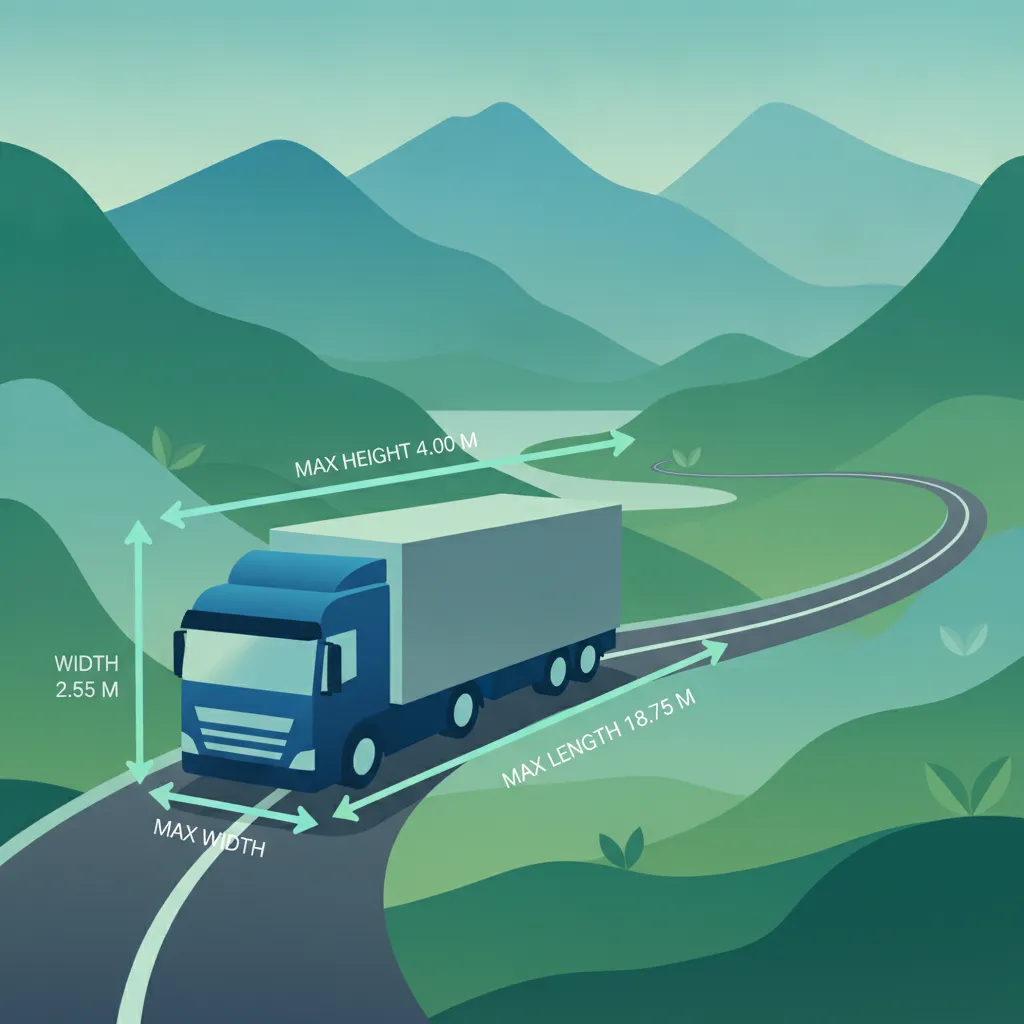
Swiss law strictly regulates the maximum dimensions of commercial vehicles to ensure they can safely navigate the infrastructure. This lesson specifies the standard limits for vehicle height (4.0m), width (2.55m), and length for various lorry and trailer combinations. Adhering to these dimensions is crucial for avoiding collisions with bridges, tunnels, and other structures, and for navigating narrow roads.
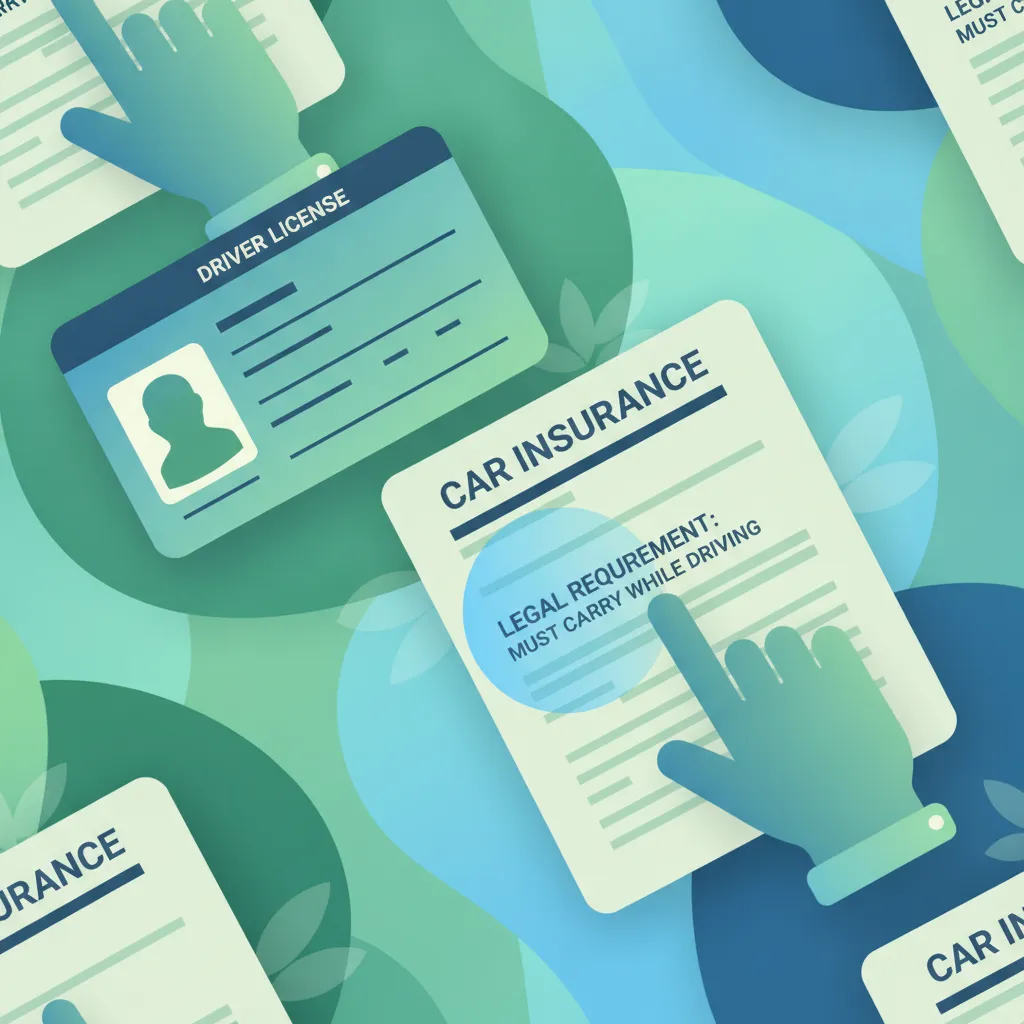
This lesson outlines the mandatory documentation required during any professional transport journey in Switzerland. Drivers must be able to present the vehicle registration document ('Fahrzeugausweis'), their valid driving license, and the OACP qualification card upon request. It also touches upon transport-specific documents like consignment notes, which are crucial for legal compliance during roadside inspections by authorities.
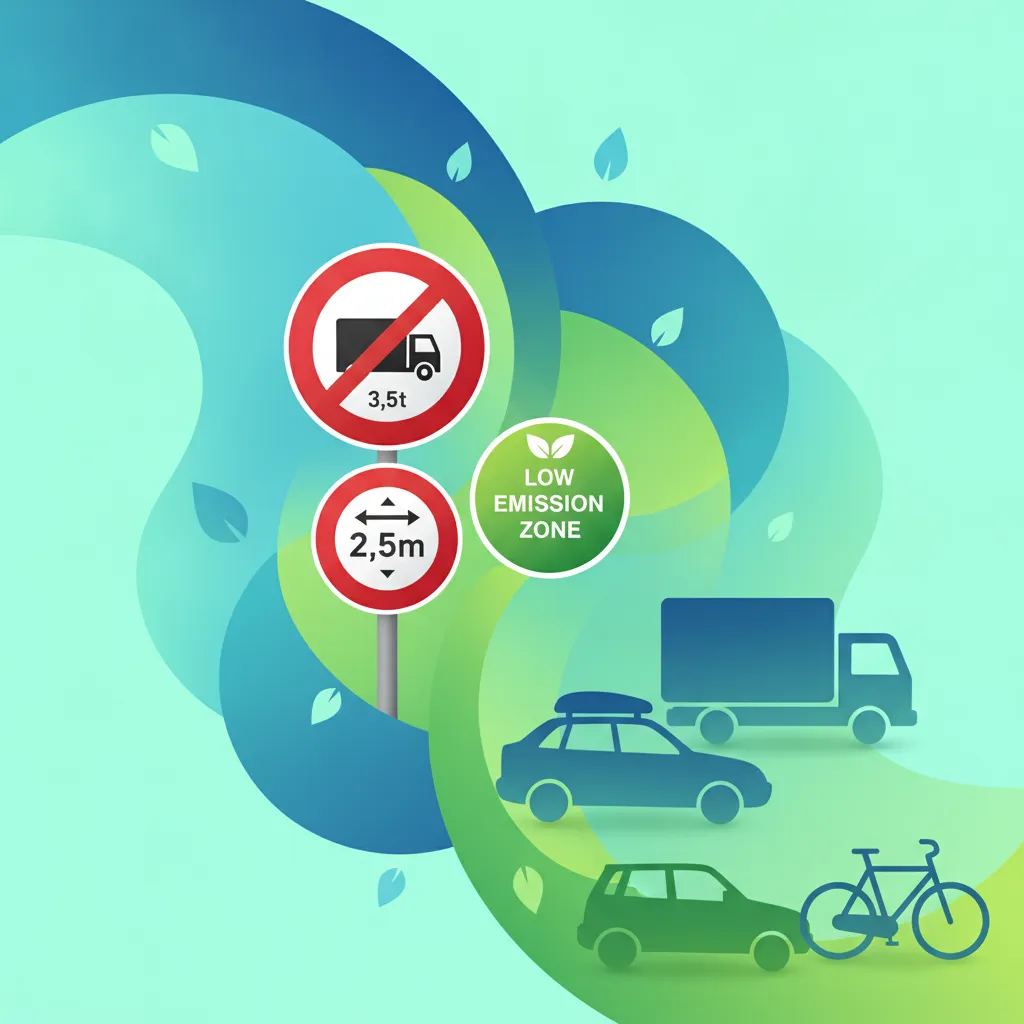
Many urban areas have restrictions to manage traffic and protect infrastructure. This lesson teaches drivers to identify and interpret traffic signs that prohibit access based on gross vehicle weight, axle load, height, or width. It also covers the growing prevalence of environmental or low-emission zones, which may restrict entry for older, more polluting vehicles.

This lesson details the definition of Category B within the Swiss licensing system, focusing on vehicle types, weight capacities, and passenger limits. It clarifies the maximum authorized mass for Category B cars and the specific restrictions on towing trailers. You will learn the legal framework defining which vehicles you may operate and the boundaries of this license category.
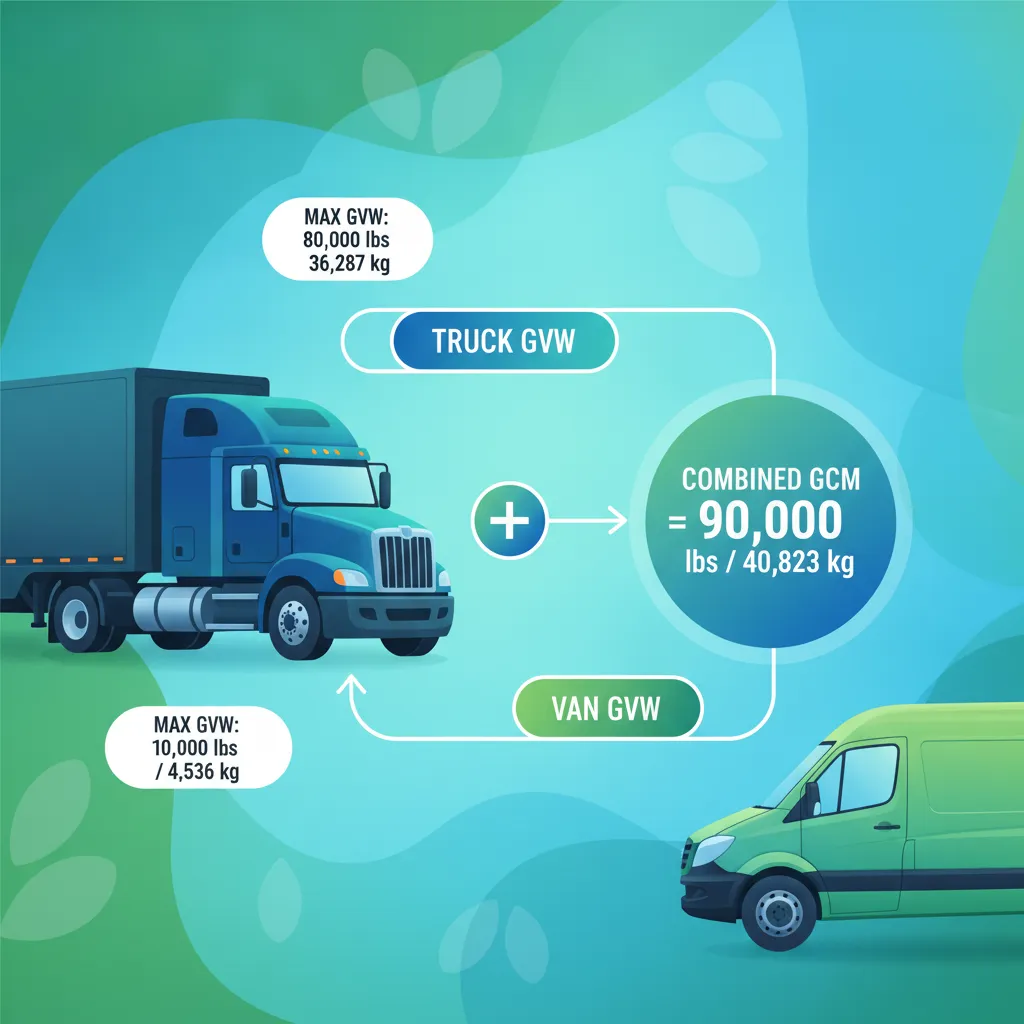
When a lorry tows a trailer, the total weight of the entire combination must not exceed the gross combination mass limit. This lesson explains how to find this value and why it is critical for ensuring the vehicle's engine, transmission, and brakes can safely handle the entire load. Exceeding the GCM compromises braking effectiveness, acceleration, and the ability to climb gradients, creating a significant safety risk.

Proper visibility is paramount for the safety of large vehicles, especially at night or in poor weather. This lesson covers the full range of required lights, including headlights, indicators, brake lights, and side and rear marker lights. It also explains the function of reflectors and the mandatory high-visibility conspicuity markings that outline the vehicle's shape to other drivers.
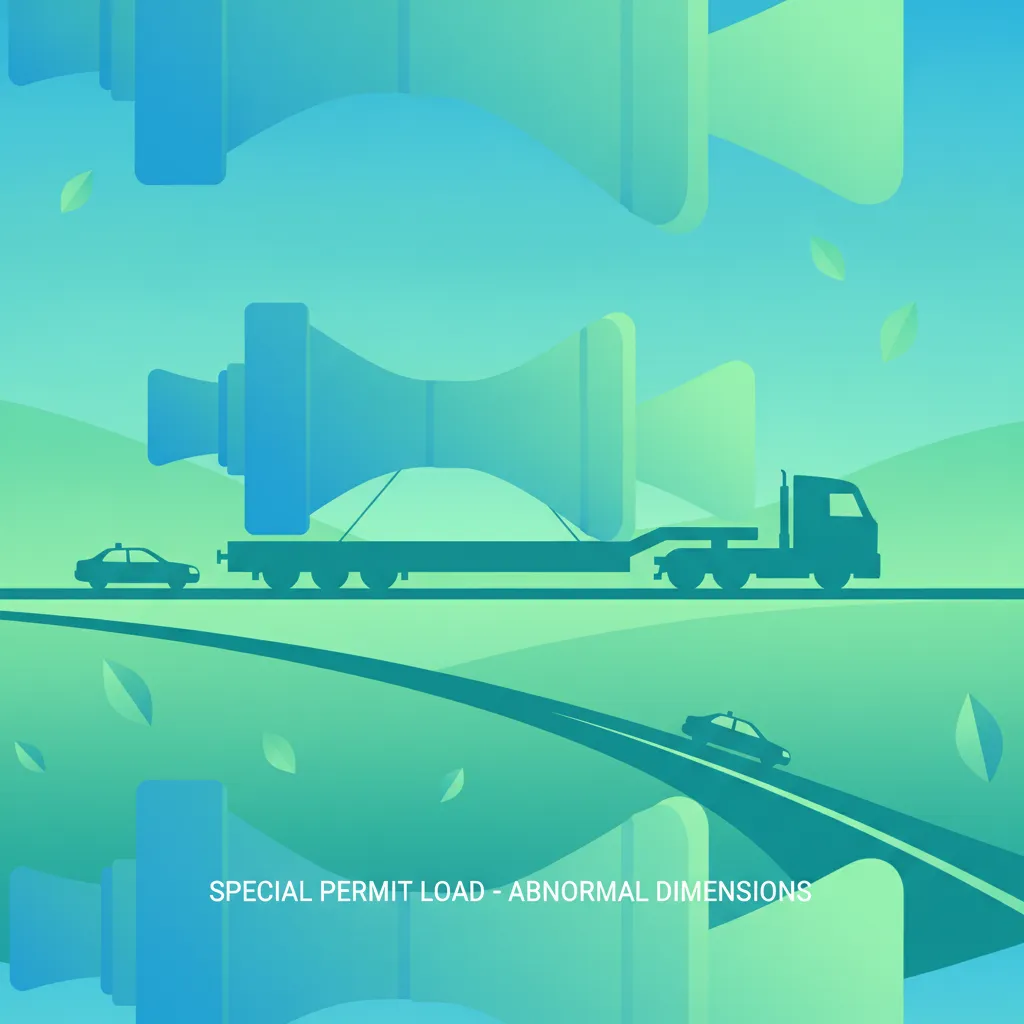
Transporting loads that are wider, longer, taller, or heavier than standard regulations allow requires special authorization. This lesson explains the concept of exceptional transport and the legal requirement to obtain a special permit from the relevant cantonal authorities. It highlights that such operations require careful route planning, often mandating specific times of travel and sometimes the use of escort vehicles.
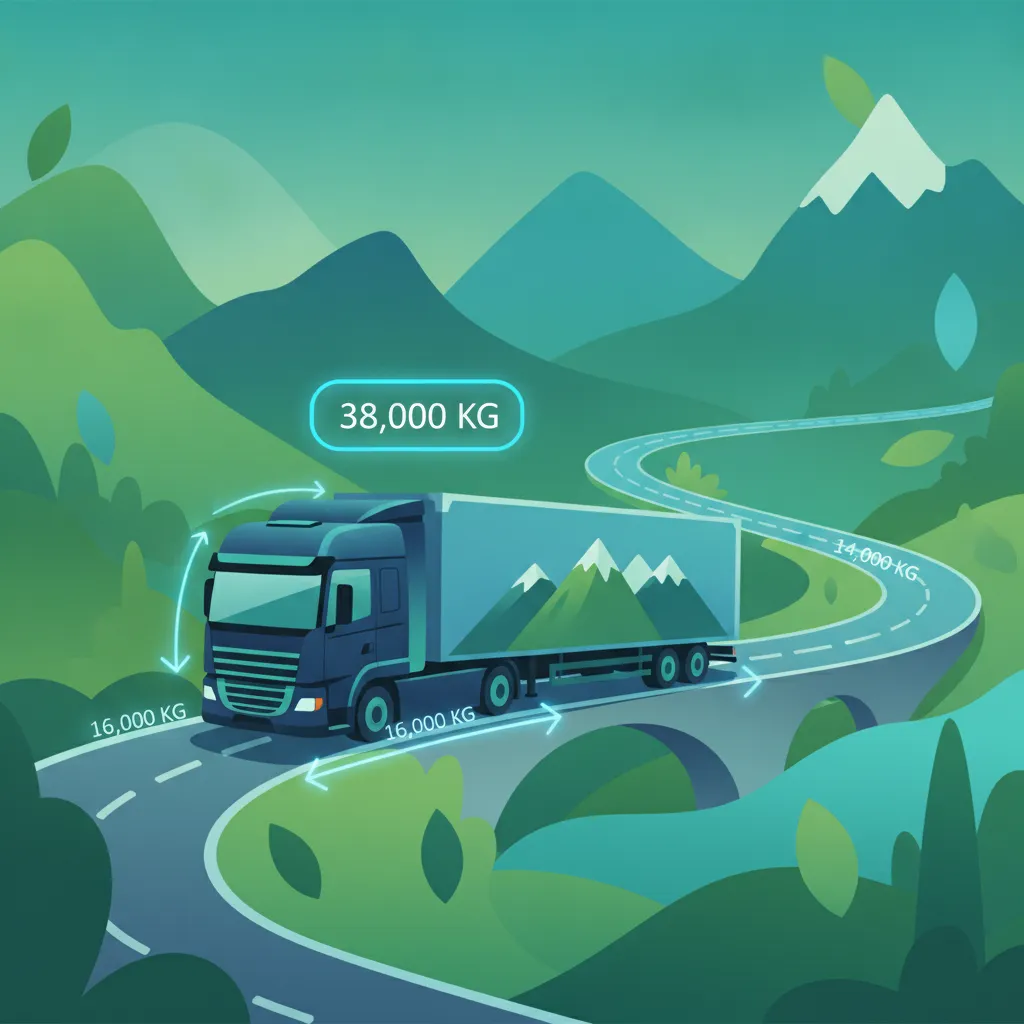
The total weight of a vehicle is supported by its axles, and Swiss regulations set strict limits on the load each axle can bear. This lesson explains how to correctly distribute a load to comply with maximum axle load (Achslast) limits, which is vital for vehicle stability, steering control, and braking efficiency. Incorrect distribution can lead to dangerous handling characteristics and cause significant damage to road surfaces.

The manufacturer's identification plate is a critical source of information about a vehicle's technical limits. This lesson teaches drivers where to find this plate and how to interpret the data it contains, including maximum gross vehicle weight, gross combination weight, and maximum axle loads. This information is essential for ensuring that the vehicle is operated legally and within its designed safety parameters.
Overloading is a serious offence with severe safety and legal ramifications. This lesson details how excess weight drastically increases braking distances, puts extreme stress on tyres leading to blowouts, and negatively affects steering and overall stability. Furthermore, it discusses the substantial fines, potential license withdrawal, and driver liability that result from violating Swiss weight regulations.
Explore the essential legal framework for professional drivers in Switzerland. Covers mandatory vehicle inspections (MFK), tachograph use, load securing standards, and other key compliance aspects for HGV categories.
This lesson outlines the mandatory documentation required during any professional transport journey in Switzerland. Drivers must be able to present the vehicle registration document ('Fahrzeugausweis'), their valid driving license, and the OACP qualification card upon request. It also touches upon transport-specific documents like consignment notes, which are crucial for legal compliance during roadside inspections by authorities.

The tachograph is a critical tool for ensuring road safety by enforcing regulations on driving hours and rest periods. This lesson explains the basic function of both analogue and digital tachographs and the use of the driver card. It provides a theoretical summary of the core principles of the Swiss Chauffeur Ordinance (ARV) regarding maximum driving times and minimum rest requirements to combat fatigue.
Swiss law strictly regulates the maximum dimensions of commercial vehicles to ensure they can safely navigate the infrastructure. This lesson specifies the standard limits for vehicle height (4.0m), width (2.55m), and length for various lorry and trailer combinations. Adhering to these dimensions is crucial for avoiding collisions with bridges, tunnels, and other structures, and for navigating narrow roads.
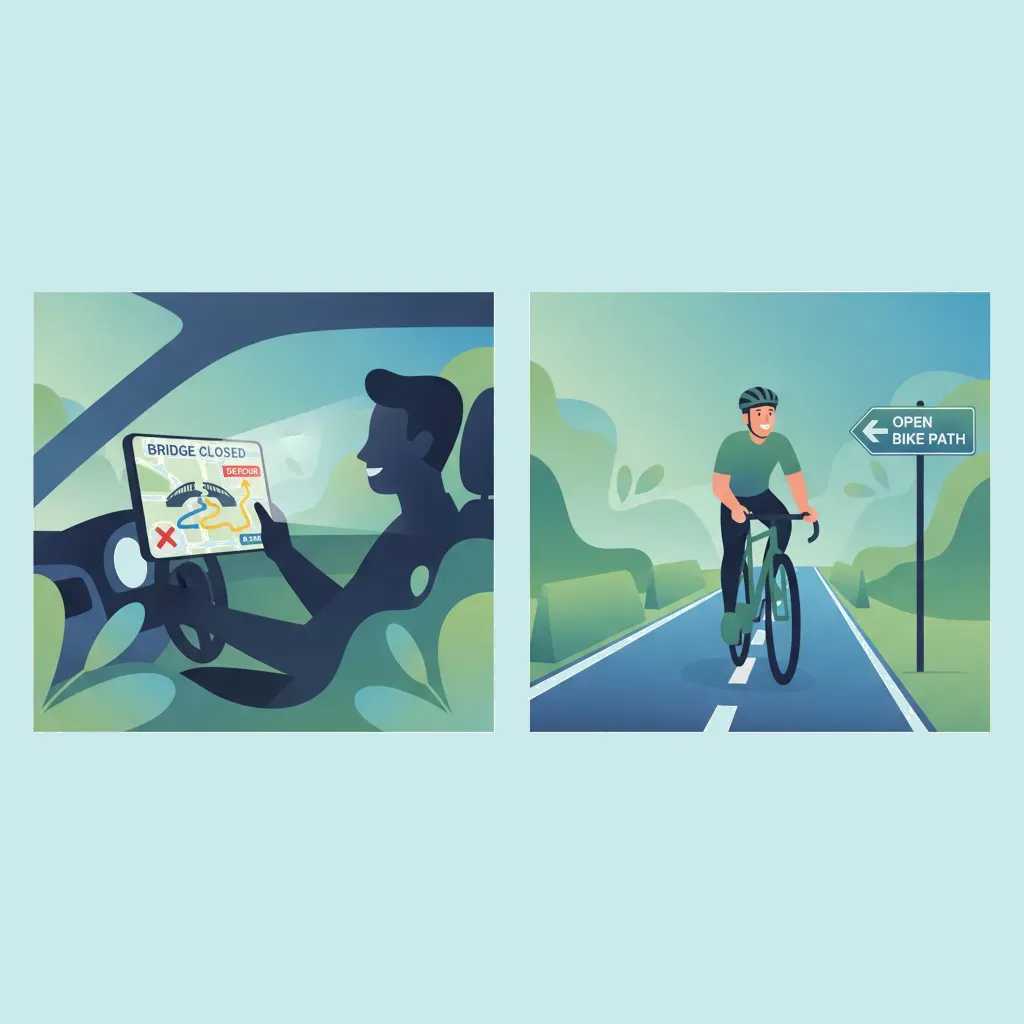
Unlike cars, heavy vehicles cannot travel on every road. This lesson stresses the importance of using HGV-specific satellite navigation systems or carefully checking maps to plan routes that avoid low bridges, weak bridges, and roads with weight or width restrictions. Proper planning saves time, fuel, and prevents dangerous situations or costly damage.
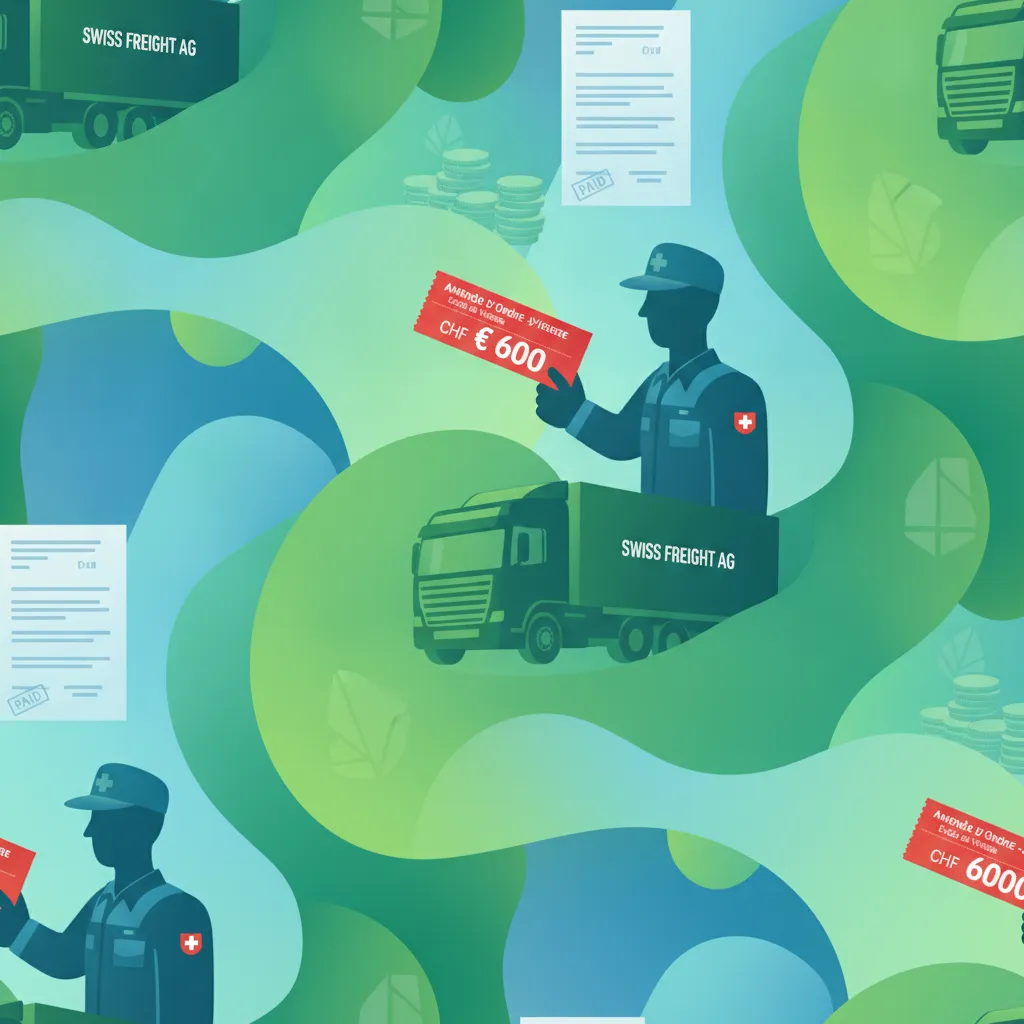
For professional drivers, traffic violations can have career-altering consequences beyond standard fines. This lesson details the heightened penalties for infringements such as speeding, overloading, insecure loads, and violations of driving time regulations. It outlines the process of warnings, license suspension or withdrawal, and potential criminal liability, emphasizing the importance of strict legal compliance in the transport industry.
Motorway driving requires constant concentration due to high speeds. This lesson emphasizes the importance of staying in the right-hand lane unless overtaking and the specific restrictions on lorry overtaking in Switzerland. It reinforces the need for a following distance of at least four seconds to compensate for the vehicle's long stopping distance and provides guidance on safely merging and exiting.

Operating a heavy goods vehicle involves a significant responsibility for the safety of all road users. This lesson emphasizes the professional driver's enhanced duty of care due to the vehicle's size, mass, and potential impact in a collision. It covers the importance of a professional attitude, constant vigilance, and adherence to all traffic regulations to prevent incidents and maintain a high standard of road safety.
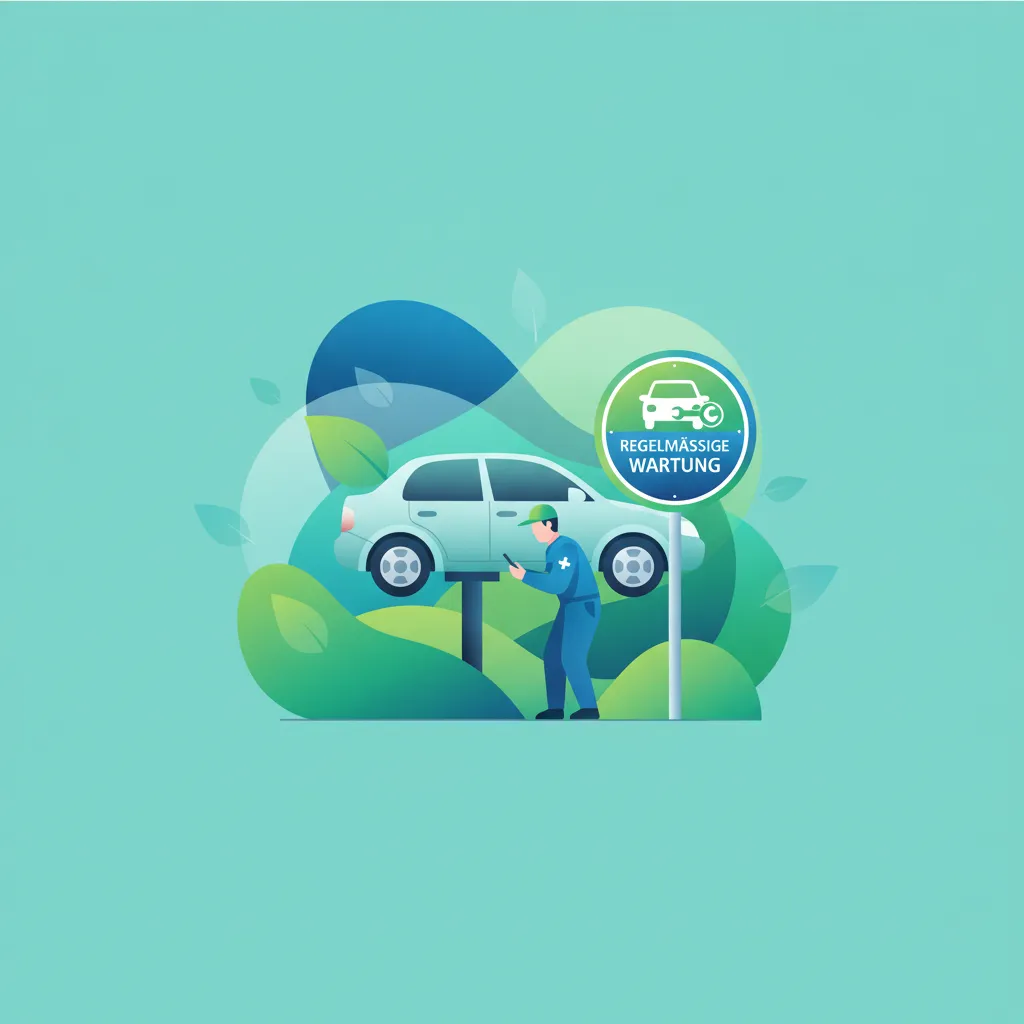
This lesson explores the requirements for maintaining vehicle roadworthiness, including regular technical inspections (MFK) and compliance with emission standards. It outlines the inspection criteria, such as brake performance, steering condition, and lighting system functionality. Understanding these inspections helps ensure safety and compliance with Swiss regulations.

While others may have loaded the vehicle, the driver holds the final legal responsibility for the security of the load once on the public highway. This lesson clarifies this crucial point of law, explaining that the driver must inspect the load and its securing arrangements before departure and re-check them during the journey. The consequences of a load shifting or falling can be catastrophic and result in severe legal penalties for the driver.

Transporting children carries the highest level of responsibility. This lesson covers the specific legal requirements for school buses in Switzerland, including the use of special signs and warning lights. It details the safe procedures for stopping, boarding, and alighting, and the driver's role in supervising children.
Find clear answers to common questions learners have about Understanding Swiss Vehicle Categories C, C1, C1E, CE. Learn how the lesson is structured, which driving theory objectives it supports, and how it fits into the overall learning path of units and curriculum progression in Switzerland. These explanations help you understand key concepts, lesson flow, and exam focused study goals.
Category C1 allows you to drive vehicles with a gross vehicle mass between 3.5t and 7.5t. Category C is required for driving any goods vehicle with a gross vehicle mass exceeding 3.5t, with no upper limit on the vehicle's weight.
Yes. While a base C or C1 license allows for some minor trailer use, you require category CE or C1E to tow heavy trailers that exceed the standard weight limits, creating an articulated vehicle or a road train.
Yes, holding a category C license includes the entitlement to drive vehicles within the C1 category. However, the reverse is not true; a C1 license does not grant the right to drive vehicles over 7.5t.
Switzerland follows the European license classification system closely. However, you must always ensure you are studying the specific Swiss implementation and weight thresholds as outlined in the Swiss traffic legislation for your official theory test.
Pinpoint specific Swiss traffic rules, road signs, or driving situations you need to master. Use the practice search to start a focused revision session now and build confidence for your official driving theory exam.