
This lesson explores the principles of strategic lane positioning to ensure you remain visible to other road users and maintain an optimal view of the road ahead. As you prepare for your Belgian motorcycle theory exam, you will learn how to adjust your position within the lane based on traffic flow, road conditions, and potential risks.
Lesson content overview
Optimal lane positioning is a fundamental skill for every motorcyclist, critical for enhancing safety, improving visibility, and facilitating smooth maneuvers on the road. This lesson delves into the principles of strategic lane placement, equipping you with the knowledge to navigate diverse road conditions with confidence and precision. By mastering ideal lane positioning, you will not only protect yourself but also communicate your intentions more clearly to other road users, fostering a safer riding environment for everyone.
Lane positioning refers to the precise placement of your motorcycle within its designated lane. It is not a static concept but a dynamic skill that requires constant adaptation based on traffic, road conditions, and anticipated hazards. For motorcyclists, due to their smaller profile, strategic positioning is even more crucial than for drivers of larger vehicles.
Ideal lane positioning optimizes your visual awareness and makes your motorcycle more predictable to others. It involves strategically choosing a lateral position (left, center, or right within the lane) to achieve specific safety objectives. This mindful placement allows you to maintain better sightlines, increases the likelihood of being seen by other drivers, and provides a crucial safety buffer for evasive actions.
The core principle behind effective lane positioning is to maximize your field of vision, detect potential hazards early, and ensure you are visible to other road users. This proactive approach reduces the likelihood of collisions and allows for smoother, more controlled riding.
Proper lane positioning is paramount for a variety of safety reasons:
This fundamental skill is directly linked to other vital motorcycle safety concepts, including understanding and avoiding blind spots, executing safe overtaking practices, and maintaining adequate protective space around your vehicle. It forms a cornerstone of defensive riding for any motorcyclist on Belgian roads.
Different road conditions and traffic scenarios call for distinct lane positioning strategies. Understanding these core positions and their appropriate application is key to safe and efficient riding.
The central lane position involves maintaining your motorcycle's lateral placement near the middle of your lane under normal driving conditions.
This position is generally considered the default for many scenarios because it provides the most balanced view of the road ahead and maximizes your space from potential hazards on both sides of the lane. It ensures a consistent visual field and optimal reaction distance.
Offset lane positioning involves adjusting your motorcycle's lateral position towards one edge of the lane in preparation for a specific maneuver, most commonly a turn.
This strategic shift helps you align your motorcycle for a smoother entry into the intended turning lane or road.
When traveling on roads with multiple lanes per direction, selecting an appropriate lane position is crucial for aligning your motorcycle within the intended traffic flow, assisting in safe overtaking, and preparing for lane changes.
Positioning your motorcycle near the road edge is typically reserved for specific situations, such as when preparing to exit a roadway or when driving on particularly narrow roads where maximizing space from oncoming traffic is essential.
Adjusting your motorcycle's position on curved roads is vital for maintaining safety, stability, and comfort while respecting lane integrity.
Compliance with local traffic regulations regarding lane usage is mandatory for all road users in Belgium, including motorcyclists. Understanding these rules ensures predictable behavior and contributes significantly to road safety.
Rule Statement: Vehicles must remain entirely within lane markings, except when legally overtaking another vehicle or performing a lawful lane change.
Rule Statement: When approaching any intersection, drivers must position their vehicle appropriately for their intended maneuver (straight, left turn, right turn).
Rule Statement: On roads with multiple lanes in the same direction, drivers must generally keep to the rightmost available lane and use left lanes primarily for overtaking. After overtaking, you must return to the original lane as soon as it is safe to do so.
Rule Statement: Vehicles must stay entirely within their designated lane on curves and bends, and under no circumstances should they "cut the corner" by encroaching on an adjacent lane or the opposite carriageway.
Rule Statement: Riding excessively close to the road edge or curb is generally prohibited unless absolutely necessary for safety, such as to avoid an obstacle or to allow an emergency vehicle to pass.
Even experienced riders can sometimes make errors in lane positioning, particularly when faced with dynamic road conditions or complex traffic scenarios. Recognizing these mistakes and understanding how to adapt your positioning are crucial for continuous improvement and enhanced safety.
The "ideal" lane position is not static; it must be adjusted based on environmental factors:
Your lane position must also consider other road users and the specific characteristics of your vehicle:
The cumulative effect of consistently applying correct lane positioning principles is a profound enhancement of overall riding safety.
Mastering lane positioning is a continuous process of observation, anticipation, and adaptation. It transforms riding from merely controlling a machine to actively managing your presence and safety within the complex road environment.
Consistent practice and a keen awareness of your surroundings are essential for developing expert lane positioning skills. Regularly evaluate your position, anticipate changes in the road and traffic, and consciously adapt your motorcycle's placement to maximize your safety and control.
Ideal lane positioning for motorcyclists involves strategically placing your motorcycle within the lane to maximize visibility, improve sightlines, and create protective space for evasive actions. The central position serves as the default on straight roads, while offset positioning towards lane edges prepares you for turns and communicates your intentions to other road users. Belgian traffic law mandates staying within lane markings and keeping to the right on multi-lane roads (rechts houden/tenir sa droite), with left lanes reserved for overtaking. On curves, always maintain lane discipline without cutting corners, and adapt your position based on weather, lighting, and road conditions to continuously optimize safety.
A short set of high-value points that capture the most important learning from this lesson.
Central lane position serves as the default on straight roads, maximizing visibility and providing equal reaction space on both sides
Offset positioning before turns (right edge for right turns, center for left turns) signals intentions and prevents dangerous passing
On Belgian multi-lane roads, always keep to the rightmost lane and use left lanes only for overtaking
Curves require maintaining lane discipline without cutting corners or crossing the center line to avoid head-on collisions
Lane position must constantly adapt based on traffic flow, weather conditions, road surface, and visibility
Explore all units and lessons included in this driving theory course.
Belgian keep-right rule: 'rechts houden' (Dutch) or 'tenir sa droite' (French) applies on all multi-lane carriageways
Right turns require positioning towards the right lane edge; left turns require positioning towards the center line
Maintain at least 1 meter clearance from curbs and road edges to avoid debris, drain covers, and obstacles
Adjust lane position early before turns or lane changes—late adjustments cause unstable, dangerous maneuvers
In adverse weather (rain, frost, fog), increase lateral distance from all road edges and other vehicles
Habitually riding too close to lane edges reduces your safety buffer and increases risk of hitting debris or obstacles
Failing to adopt an offset position early enough before turns, resulting in too wide or too tight turns
Remaining in overtaking lanes (far-left) when not actively overtaking, impeding traffic flow on Belgian motorways
Cutting the inside of curves by crossing the center line, which creates severe head-on collision risk
Waiting until the last moment to adjust lane position instead of making timely, predictable adjustments
Lesson content overview
A short set of high-value points that capture the most important learning from this lesson.
Central lane position serves as the default on straight roads, maximizing visibility and providing equal reaction space on both sides
Offset positioning before turns (right edge for right turns, center for left turns) signals intentions and prevents dangerous passing
On Belgian multi-lane roads, always keep to the rightmost lane and use left lanes only for overtaking
Curves require maintaining lane discipline without cutting corners or crossing the center line to avoid head-on collisions
Lane position must constantly adapt based on traffic flow, weather conditions, road surface, and visibility
Explore all units and lessons included in this driving theory course.
Belgian keep-right rule: 'rechts houden' (Dutch) or 'tenir sa droite' (French) applies on all multi-lane carriageways
Right turns require positioning towards the right lane edge; left turns require positioning towards the center line
Maintain at least 1 meter clearance from curbs and road edges to avoid debris, drain covers, and obstacles
Adjust lane position early before turns or lane changes—late adjustments cause unstable, dangerous maneuvers
In adverse weather (rain, frost, fog), increase lateral distance from all road edges and other vehicles
Habitually riding too close to lane edges reduces your safety buffer and increases risk of hitting debris or obstacles
Failing to adopt an offset position early enough before turns, resulting in too wide or too tight turns
Remaining in overtaking lanes (far-left) when not actively overtaking, impeding traffic flow on Belgian motorways
Cutting the inside of curves by crossing the center line, which creates severe head-on collision risk
Waiting until the last moment to adjust lane position instead of making timely, predictable adjustments
Explore search topics learners often look for when studying Ideal Lane Positioning in Various Road Settings. These topics reflect common questions about road rules, driving situations, safety guidance, and lesson level theory preparation for learners in Belgium.
Browse additional driving theory lessons that cover connected traffic rules, road signs, and common driving situations related to this topic. Improve your understanding of how different rules interact across everyday traffic scenarios.
Explore advanced lane positioning techniques for challenging Belgian road situations. Learn how to adapt your position on multi-lane roads, rural routes, and near intersections to maximize safety and visibility.

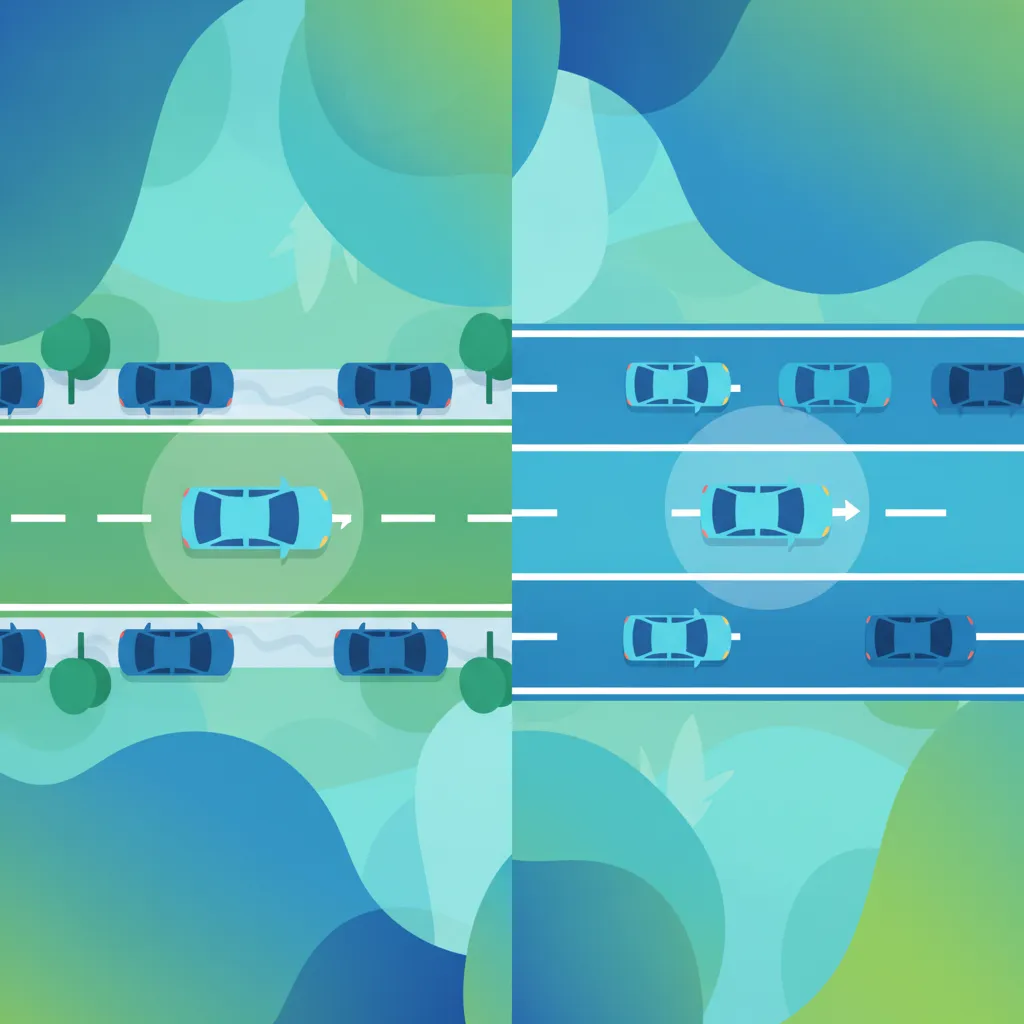
This lesson explains the concept of strategic road positioning to enhance safety and visibility. It teaches riders how to select the best position within a lane to be seen by other drivers and to have a good view of the road ahead. A key focus is on identifying and staying out of the large blind spots of cars, vans, and trucks to prevent dangerous situations.
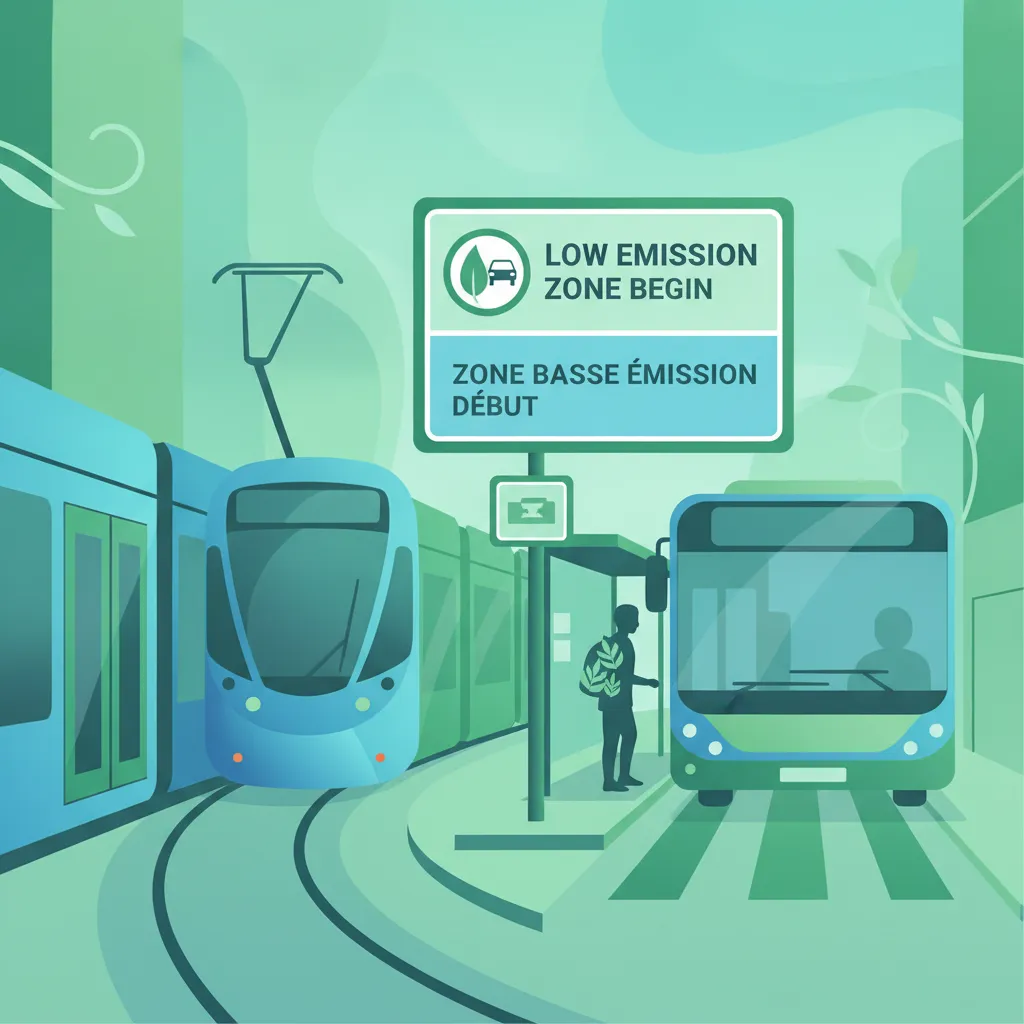
This lesson addresses unique traffic environments and special zones commonly found in Belgian urban areas. It clarifies the specific regulations concerning tramways, including where trams have absolute priority, and the conditions under which motorcycles may use bus lanes. The lesson also explains how to identify and comply with restrictions in low-emission zones.

This lesson explores the unique challenges presented by dense urban environments, including riding in heavy traffic and navigating narrow streets. It provides strategies for positioning your motorcycle to avoid the 'dooring zone' of parked cars and to maintain visibility. You will learn defensive riding techniques to anticipate sudden actions from other drivers in congested conditions.

This lesson focuses on strategies for safely navigating situations where road space is limited, such as narrow lanes, road works, or between lines of traffic. It explains how to use assertive lane positioning to prevent other vehicles from crowding you. You will learn to anticipate and safely manage these 'squeeze points' to avoid being trapped or forced into a dangerous situation.

This lesson offers specific strategies for motorcyclists navigating roundabouts in Belgium. It covers the rules for entering the roundabout, including yielding to circulating traffic, and how to choose the correct lane for your intended exit. The content stresses the importance of clear signaling and maintaining awareness of other vehicles during entry and exit maneuvers.

This lesson provides a detailed explanation of the various road markings found on Belgian roads and their specific significance for motorcyclists. It covers the rules associated with solid and broken lane lines, stop lines at junctions, and markings for pedestrian and bicycle crossings. Understanding these markings is essential for correct lane positioning and safe navigation.
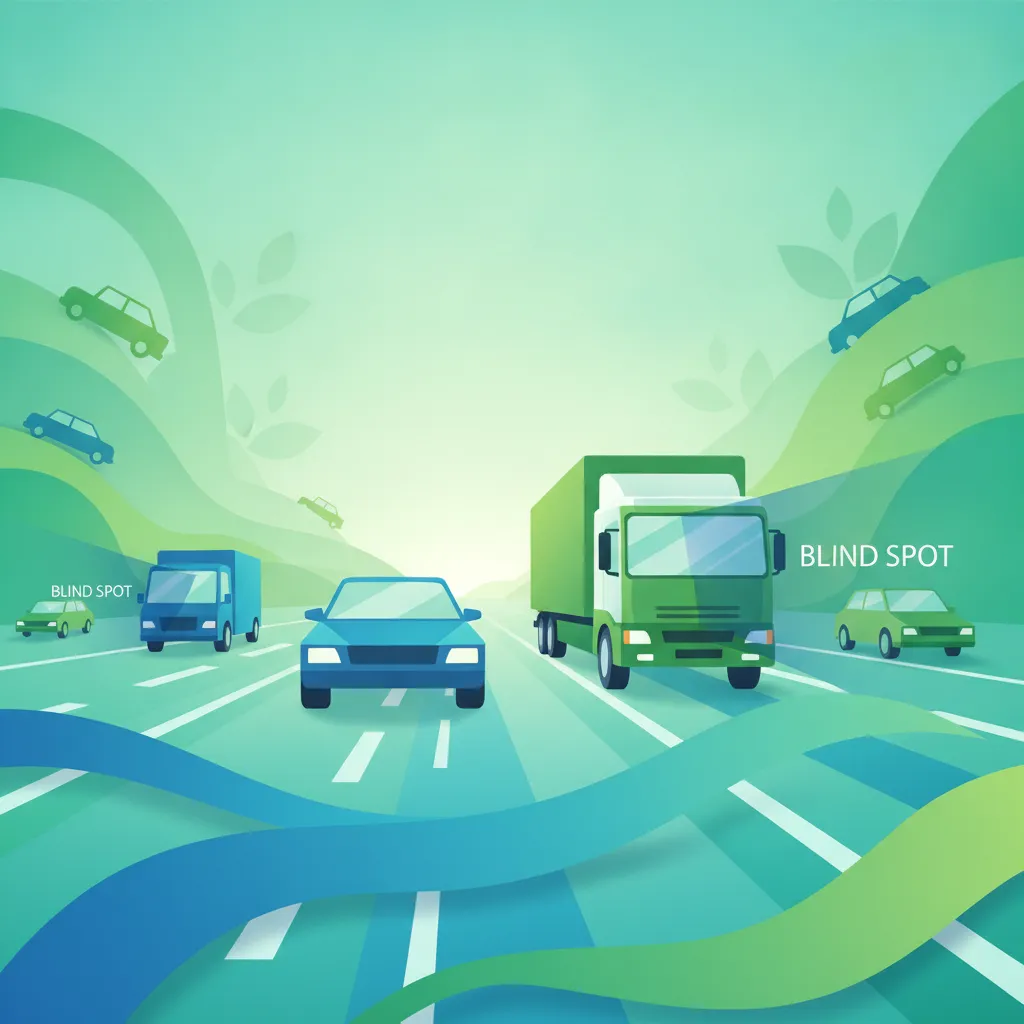
This lesson focuses on recognizing and staying out of the blind spots of other vehicles, especially large trucks and buses where 'no-zones' are significant. It provides practical strategies for managing your position on the road to ensure you remain visible to other drivers at all times. You will learn to anticipate lane changes and other maneuvers from vehicles that may not be aware of your presence.

This lesson provides a comprehensive guide to motorway riding, starting with the procedure for safely merging into high-speed traffic from a slip road. It details the importance of strict lane discipline, including the rules for overtaking and the proper use of lanes. You will also learn the correct technique for planning and executing a safe exit from the motorway.
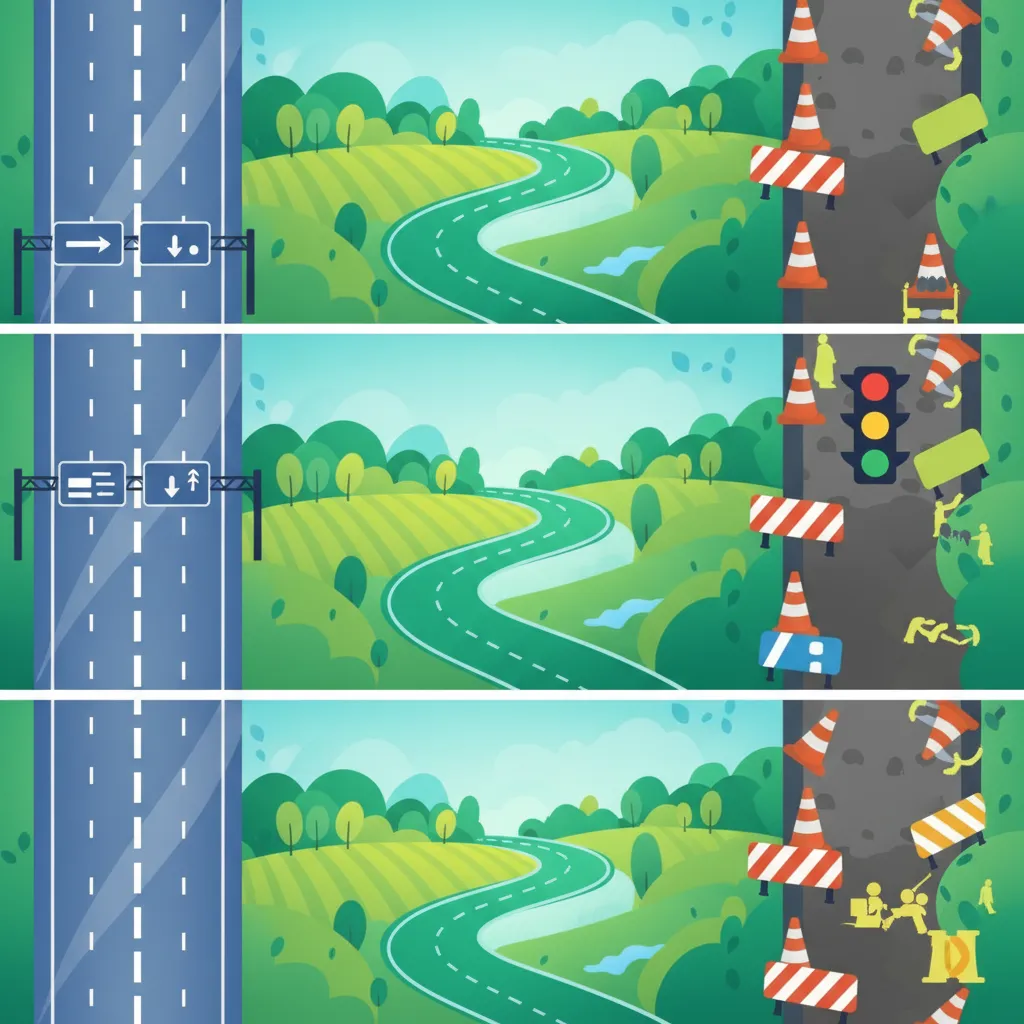
This lesson covers the specific challenges of driving on motorways, rural roads, and navigating roadworks. Learners will review lane discipline on high-speed roads and identify hazards common to rural roads, such as sharp bends and wildlife. It also explains the importance of adjusting speed and following temporary signage in construction zones.

This lesson details a motorcyclist's obligations when approaching various types of crossings, including marked pedestrian and bicycle lanes. It emphasizes the legal requirement to yield to vulnerable road users and the importance of thorough visual checks before proceeding. You will learn how to maintain a safe distance and anticipate the movements of pedestrians and cyclists in urban areas.
Understand frequent mistakes motorcyclists make with lane positioning and how to avoid them. Learn the correct theory and practical application to enhance your safety and predictability on Belgian roads.
This lesson focuses on recognizing and staying out of the blind spots of other vehicles, especially large trucks and buses where 'no-zones' are significant. It provides practical strategies for managing your position on the road to ensure you remain visible to other drivers at all times. You will learn to anticipate lane changes and other maneuvers from vehicles that may not be aware of your presence.

The focus of this lesson is on maintaining proper lane discipline, especially on motorways and other high-speed roads. Learners will explore the rules for changing lanes, overtaking, and positioning in the correct lane based on speed and traffic flow. Emphasis is placed on safe merging techniques and adherence to all lane markings for fluid traffic movement.
This lesson offers specific strategies for motorcyclists navigating roundabouts in Belgium. It covers the rules for entering the roundabout, including yielding to circulating traffic, and how to choose the correct lane for your intended exit. The content stresses the importance of clear signaling and maintaining awareness of other vehicles during entry and exit maneuvers.
This lesson focuses on strategies for safely navigating situations where road space is limited, such as narrow lanes, road works, or between lines of traffic. It explains how to use assertive lane positioning to prevent other vehicles from crowding you. You will learn to anticipate and safely manage these 'squeeze points' to avoid being trapped or forced into a dangerous situation.
This lesson explains the concept of strategic road positioning to enhance safety and visibility. It teaches riders how to select the best position within a lane to be seen by other drivers and to have a good view of the road ahead. A key focus is on identifying and staying out of the large blind spots of cars, vans, and trucks to prevent dangerous situations.

Overtaking safely is a critical driving skill. This lesson explains where and how overtaking is permitted in Belgium, the importance of correct signaling, and maintaining a sufficient speed differential. Learners will understand the rules for passing on motorways and single-carriageway roads, and how to identify zones where overtaking is prohibited.
This lesson provides a comprehensive guide to motorway riding, starting with the procedure for safely merging into high-speed traffic from a slip road. It details the importance of strict lane discipline, including the rules for overtaking and the proper use of lanes. You will also learn the correct technique for planning and executing a safe exit from the motorway.

This lesson provides a step-by-step guide to executing turns and lane changes safely and efficiently. It covers the critical sequence of checking mirrors, signaling intent, and performing a head check for blind spots before any maneuver. Learners will also understand how to manage their speed and balance during cornering to maintain full control of the vehicle.

This lesson provides a step-by-step guide to executing a safe overtaking maneuver in compliance with Belgian law. It covers the necessary pre-maneuver checks, proper signaling, and how to accurately judge the speed and distance of oncoming traffic. You will learn the correct procedure for passing a vehicle and safely returning to your original lane.
This lesson explores the unique challenges presented by dense urban environments, including riding in heavy traffic and navigating narrow streets. It provides strategies for positioning your motorcycle to avoid the 'dooring zone' of parked cars and to maintain visibility. You will learn defensive riding techniques to anticipate sudden actions from other drivers in congested conditions.
Find clear answers to common questions learners have about Ideal Lane Positioning in Various Road Settings. Learn how the lesson is structured, which driving theory objectives it supports, and how it fits into the overall learning path of units and curriculum progression in Belgium. These explanations help you understand key concepts, lesson flow, and exam focused study goals.
Because motorcycles are smaller than cars, they are often invisible in blind spots. Proper lane positioning ensures you are clearly visible to other drivers, especially at intersections and on narrow urban streets.
Not necessarily. While the centre is often good for visibility, you should adjust your position laterally to avoid oil patches, gravel, or to gain a better view around a corner or a large vehicle.
The theory exam often presents images of junctions or bends and asks you to identify the correct path or position. Understanding the 'why' behind these positions helps you select the correct answer even in tricky scenarios.
Yes, the principles of safety, visibility, and hazard avoidance through correct lane positioning apply to all motorcycle categories under Belgian traffic law.
Ready to focus your Belgian driving theory revision? Utilize our powerful search tool to pinpoint exact topics, road signs, or difficulty levels. Engage with practice questions that directly address your learning needs and solidify your understanding of Belgian traffic laws for your upcoming exam.