
This lesson teaches you how to position your moped or speed pedelec safely within the lane to stay visible and avoid the dangerous blind spots of larger vehicles. As a vital part of Unit 4, it builds on your knowledge of traffic navigation to help you interact safely with other road users. Mastering these skills is essential for both your theory exam and your real-world safety as a vulnerable road user.

Lesson content overview
As an operator of a small, exposed vehicle like a moped or speed pedelec, mastering strategic road positioning and understanding blind spots is paramount for your safety on Belgian roads. This lesson provides a comprehensive guide to help you navigate traffic effectively, ensuring you are seen by other road users and can anticipate potential hazards. By applying these principles, you will significantly reduce the risk of accidents and enhance your overall riding confidence.
Strategic road positioning involves consciously choosing your location within a traffic lane. For riders of Category AM vehicles, this isn't just about following rules; it's a fundamental aspect of defensive driving. Your position directly impacts how well you can see potential hazards and, critically, how well other drivers can see you. Given the smaller size and lower profile of mopeds and speed pedelecs, maximizing your visibility becomes an urgent safety imperative.
The primary goals of optimal road positioning are to:
Understanding and applying correct road positioning builds upon your knowledge of basic road signs, markings, and priority rules, laying a critical foundation for navigating intersections, roundabouts, and making safe lane changes.
The degree to which a rider can be seen by other drivers and can see surrounding traffic.
Vehicle visibility is a two-way street: it's about being seen by others and being able to see others yourself. For AM license holders, who operate highly vulnerable vehicles, being seen is often the greater challenge. Drivers of larger vehicles may not always expect to see a moped, or they may misjudge its speed or distance.
Positioning yourself strategically helps you stay within a driver's normal field of vision. This reduces the likelihood of "surprise" collisions, where a driver simply didn't register your presence. Factors influencing your visibility include:
By consciously positioning yourself where you are most likely to be seen, you take an active role in preventing accidents. This often means avoiding positions where your vehicle might blend into the background or be hidden by larger vehicles.
Areas around a vehicle that cannot be directly observed by the driver through standard mirrors.
Blind spots are invisible dangers. Every vehicle, regardless of its size, has areas around it that the driver cannot see, even with properly adjusted mirrors. These areas are crucial for AM riders to understand and actively avoid, as entering a blind spot means you essentially disappear from that driver's perception, dramatically increasing the risk of a collision.
The size and location of blind spots vary significantly between vehicle types. As a moped rider, you must assume that if you cannot see a driver's face in their mirrors, they likely cannot see you.
Cars have blind spots, typically located to the rear quarter of the vehicle, just outside the view of the side mirrors. These areas are substantial enough to completely hide a moped or speed pedelec.
Practical Meaning for AM Riders:
Do not assume that because a car is smaller than a truck, its blind spots are negligible. A moped can easily disappear from a car driver's view.
Vans generally have significantly larger blind spots than cars, particularly to the sides and rear. This is due to their often windowless sides and rear, and higher bodywork that obstructs the view.
Practical Meaning for AM Riders:
Trucks, lorries, and articulated vehicles have enormous blind spots, often referred to as "no-zones" for smaller vehicles. These zones are found:
Practical Meaning for AM Riders:
If you cannot see the truck driver in their side mirror, assume they cannot see you. Trucks cannot stop quickly. Always give them ample space.
The ideal spot within a lane that maximizes visibility for both the rider and other road users while providing sufficient clearance.
The specific location you occupy within your lane, relative to lane markings and adjacent lanes, is your safe lane position. This position should ensure you have adequate clearance, are highly visible, and can safely execute maneuvers like overtaking or turning.
Riding in the center of the lane is often the most suitable position for AM riders in most scenarios. This means positioning your moped or speed pedelec roughly in the middle of the available lane space.
Benefits of Center Lane Positioning:
The center lane position is particularly recommended on main roads, at higher speeds, and whenever visibility is poor.
Riding closer to the right lane marking might be appropriate in specific situations, but it should be done with caution. This is not about riding "as far right as possible" but rather making a deliberate choice.
When Right-Side Positioning May Be Used:
Riding too far to the right can put you at risk of being overlooked by drivers turning right, or becoming trapped between a turning vehicle and the curb. It also reduces your escape options to the right. Always be aware of the "door zone" if cars are parked on the side.
Your optimal lane position may need to be adjusted based on the specific traffic situation and road type.
Intersections and roundabouts are high-risk areas. Your positioning here is critical for both seeing others and being seen.
Overtaking is a high-risk maneuver that requires precise positioning.
While Category AM vehicles are generally not permitted on Belgian motorways (A-roads), you will encounter main roads and high-speed arteries where traffic moves quickly.
While specific laws might not detail exact centimeter-by-centimeter positioning, Belgian traffic regulations emphasize safe and predictable driving, which directly relates to road positioning.
Think of your lane as your personal safety zone. Your goal is to own that zone, making your presence clear and predictable to everyone around you.
Your ideal road position isn't static; it must adapt to various environmental and traffic conditions.
Effective road positioning and blind spot management are cornerstones of safe riding for AM license holders. By consistently applying these principles, you take proactive steps to protect yourself on the road.
Proper road positioning significantly increases your visibility to other drivers, improves your reaction times to hazards, and ultimately reduces your risk of being involved in an accident. Make it a conscious part of every journey.
This lesson teaches Category AM riders (mopeds and speed pedelecs) how to position themselves strategically within traffic lanes to maximize visibility and safety on Belgian roads. The core principle is riding in the center of your lane as the default position, which keeps you visible to other drivers and provides equal space for maneuvering around hazards. A critical focus is understanding blind spots - the areas around vehicles that drivers cannot see - with trucks having the most dangerous blind spots, particularly along their entire right side. The lesson provides specific guidance for different traffic situations including intersections, roundabouts, overtaking maneuvers, and interactions with cars, vans, and trucks. Key safety rules include maintaining at least an 8-meter gap behind trucks, ensuring you can see a driver's face in their mirrors before assuming they can see you, and never riding alongside trucks on their right side.
A short set of high-value points that capture the most important learning from this lesson.
Ride in the center of your lane as the default position to maximize visibility and create equal safety buffers on both sides
If you cannot see a driver's face in their mirrors, they likely cannot see you - this applies to all vehicle types
Trucks have enormous blind spots extending along their entire right side and several meters behind; never ride alongside trucks on the right
Maintain at least an 8-meter gap when following a truck to stay visible in their mirrors and have safe braking distance
Your lane position communicates your intentions to other drivers - inconsistent or extreme positioning increases collision risk
Explore all units and lessons included in this driving theory course.
Center lane position provides best visibility, deters unsafe overtaking, and offers equal escape options on both sides
Van blind spots are significantly larger than car blind spots due to windowless sides and higher bodywork
When overtaking any vehicle, do so from the left and complete the maneuver quickly without lingering in their blind spot
At intersections on two-way roads, shift slightly left within your lane to improve visibility of cross-traffic from both directions
Positioning too far right puts you at risk of being overlooked by right-turning vehicles and reduces your escape options
Riding too far right believing it keeps you safe; this actually increases risk of being in blind spots and squeezed by other traffic
Assuming car blind spots are negligible because cars are smaller; a moped can easily disappear from a car driver's view
Lingering alongside larger vehicles without realizing you are in their blind spot and invisible to the driver
Following large vehicles too closely, which places you in their blind spot and severely limits reaction time for sudden braking
Inconsistent lane positioning or weaving, which makes your movements unpredictable to other drivers
Lesson content overview
A short set of high-value points that capture the most important learning from this lesson.
Ride in the center of your lane as the default position to maximize visibility and create equal safety buffers on both sides
If you cannot see a driver's face in their mirrors, they likely cannot see you - this applies to all vehicle types
Trucks have enormous blind spots extending along their entire right side and several meters behind; never ride alongside trucks on the right
Maintain at least an 8-meter gap when following a truck to stay visible in their mirrors and have safe braking distance
Your lane position communicates your intentions to other drivers - inconsistent or extreme positioning increases collision risk
Explore all units and lessons included in this driving theory course.
Center lane position provides best visibility, deters unsafe overtaking, and offers equal escape options on both sides
Van blind spots are significantly larger than car blind spots due to windowless sides and higher bodywork
When overtaking any vehicle, do so from the left and complete the maneuver quickly without lingering in their blind spot
At intersections on two-way roads, shift slightly left within your lane to improve visibility of cross-traffic from both directions
Positioning too far right puts you at risk of being overlooked by right-turning vehicles and reduces your escape options
Riding too far right believing it keeps you safe; this actually increases risk of being in blind spots and squeezed by other traffic
Assuming car blind spots are negligible because cars are smaller; a moped can easily disappear from a car driver's view
Lingering alongside larger vehicles without realizing you are in their blind spot and invisible to the driver
Following large vehicles too closely, which places you in their blind spot and severely limits reaction time for sudden braking
Inconsistent lane positioning or weaving, which makes your movements unpredictable to other drivers
Explore search topics learners often look for when studying Road Positioning and Blind Spot Management. These topics reflect common questions about road rules, driving situations, safety guidance, and lesson level theory preparation for learners in Belgium.
Browse additional driving theory lessons that cover connected traffic rules, road signs, and common driving situations related to this topic. Improve your understanding of how different rules interact across everyday traffic scenarios.
Learn to identify and avoid frequent errors in road positioning for mopeds and speed pedelecs. Understand how incorrect positioning can lead to hazardous situations and reduce visibility on Belgian roads.
This lesson introduces the core principles of priority that govern traffic flow in Belgium, with a primary focus on the 'priority from the right' rule. It explains how to identify priority roads indicated by signs and how to act at uncontrolled intersections where the default rule applies. Understanding these rules is critical for AM riders to navigate junctions, intersections, and roundabouts safely and without conflict.
This lesson focuses on the legal duties and responsibilities that an AM vehicle operator must uphold on Belgian roads. It covers critical rules such as adhering to speed limits, correctly applying right-of-way principles, and following regulations for overtaking other vehicles. The lesson also explains the system of fines and penalty points for traffic violations, emphasizing the legal consequences of non-compliance to foster responsible driving habits.

This lesson provides specific instructions for navigating roundabouts, a common feature on Belgian roads. It covers the rules of priority upon entry, the correct lane choice based on the intended exit, and the proper use of signals. Learners will understand how to safely circulate and exit, while being mindful of other vehicles, particularly larger ones with significant blind spots.
This lesson explains the role of information signs and road markings in guiding road users. It covers directional signs that help with navigation and markings that delineate lanes, pedestrian crossings, and zones for specific users like cyclists. Learners will understand how to use this information to maintain correct lane positioning and navigate their route efficiently and safely.
This lesson is dedicated to warning signs, which are designed to alert drivers to potential dangers ahead. It covers the interpretation of signs indicating sharp curves, steep gradients, slippery surfaces, and the presence of pedestrians or animals. By understanding these warnings, riders can anticipate potential hazards and adjust their speed and position proactively for safer travel.
This lesson provides a detailed explanation of the various road markings found on Belgian roads and their specific significance for motorcyclists. It covers the rules associated with solid and broken lane lines, stop lines at junctions, and markings for pedestrian and bicycle crossings. Understanding these markings is essential for correct lane positioning and safe navigation.
This lesson offers specific strategies for motorcyclists navigating roundabouts in Belgium. It covers the rules for entering the roundabout, including yielding to circulating traffic, and how to choose the correct lane for your intended exit. The content stresses the importance of clear signaling and maintaining awareness of other vehicles during entry and exit maneuvers.
This lesson details a motorcyclist's obligations when approaching various types of crossings, including marked pedestrian and bicycle lanes. It emphasizes the legal requirement to yield to vulnerable road users and the importance of thorough visual checks before proceeding. You will learn how to maintain a safe distance and anticipate the movements of pedestrians and cyclists in urban areas.

This lesson outlines the system of penalties for traffic violations in Belgium, ensuring riders are fully aware of the consequences of illegal behavior. It covers common offenses like speeding and explains the structure of fines and the demerit point system that can lead to license suspension. The content emphasizes the significant financial and legal repercussions of non-compliance, reinforcing the importance of lawful and responsible riding.
This lesson provides a step-by-step guide to executing turns and lane changes safely and efficiently. It covers the critical sequence of checking mirrors, signaling intent, and performing a head check for blind spots before any maneuver. Learners will also understand how to manage their speed and balance during cornering to maintain full control of the vehicle.
Gain essential knowledge about the blind spots of larger vehicles. This lesson explains how to recognize and avoid these 'no-go zones' to prevent dangerous interactions with cars, vans, and trucks in Belgium.
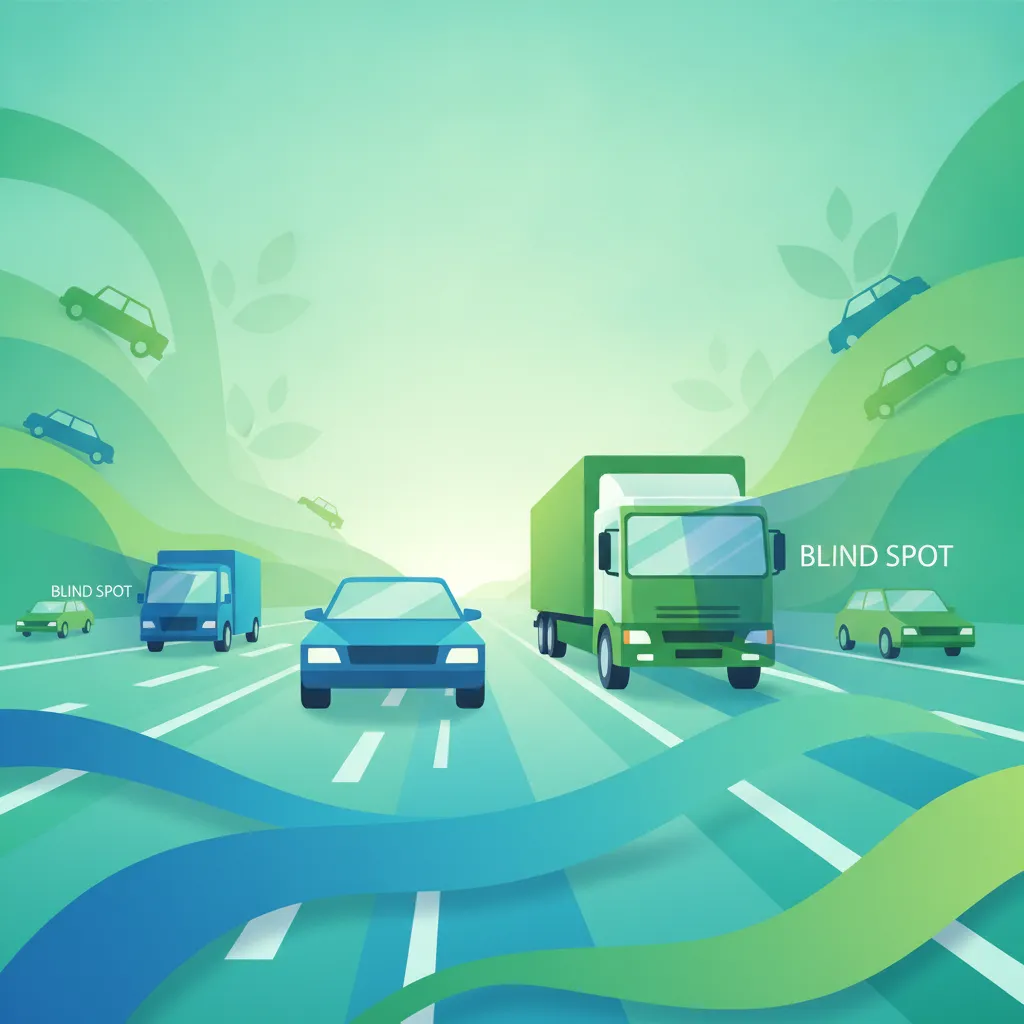
This lesson focuses on recognizing and staying out of the blind spots of other vehicles, especially large trucks and buses where 'no-zones' are significant. It provides practical strategies for managing your position on the road to ensure you remain visible to other drivers at all times. You will learn to anticipate lane changes and other maneuvers from vehicles that may not be aware of your presence.
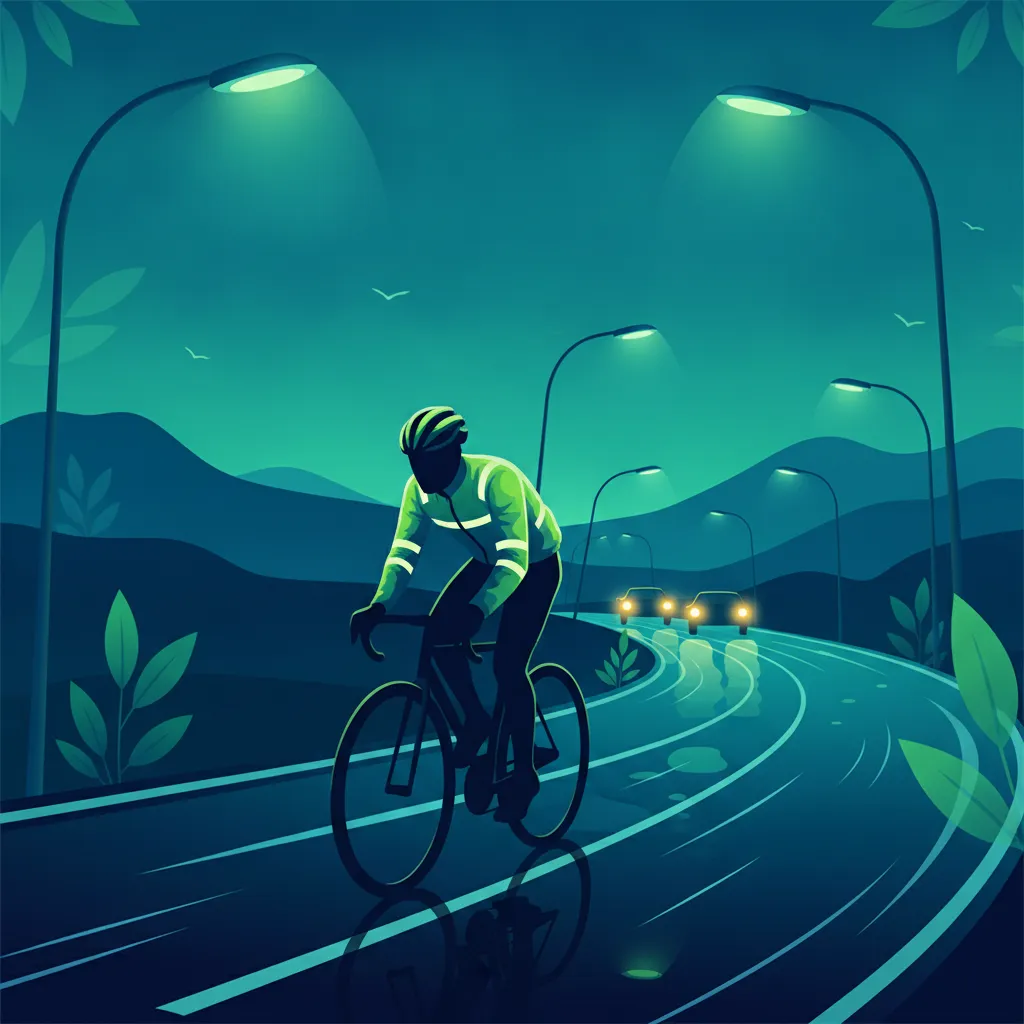
This lesson focuses on the unique hazards associated with riding after dark. It emphasizes the importance of a fully functional lighting system and the use of reflective gear to be seen by others. The content explains how darkness affects depth perception and peripheral vision, requiring riders to reduce their speed to compensate for shorter sight distances and potential fatigue.

This lesson provides a comprehensive overview of the mandatory lighting systems for all Category AM vehicles under Belgian law. It details the required functions of headlamps, rear lights, brake lights, and turn signals, explaining their importance for communication and visibility. Learners will understand the legal standards for this equipment and how to perform simple pre-ride checks to ensure all lights are functioning correctly.

This lesson explains how clothing choices significantly enhance a rider's visibility to other road users. It details the benefits of wearing bright, fluorescent colors for daytime conspicuity and the function of retro-reflective materials for nighttime safety. The content provides practical guidance on selecting appropriate apparel and maintaining its reflective properties to ensure maximum effectiveness.

This lesson focuses on the specific challenges of riding in adverse conditions such as rain, fog, and darkness, which severely reduce visibility. It provides practical strategies for riders to increase their own conspicuity through the use of lights and reflective gear. The content also explains how to adapt riding behavior, such as reducing speed and increasing following distance, to safely manage these high-risk situations.
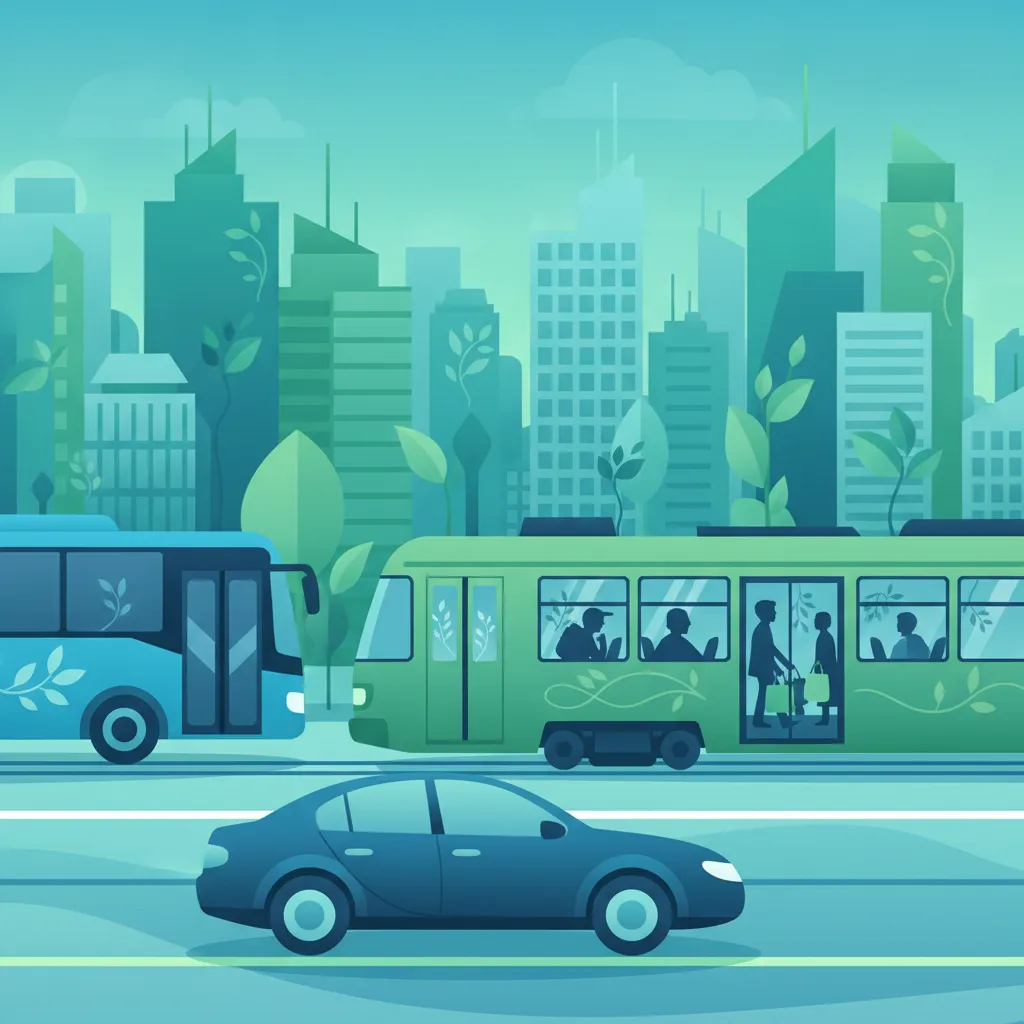
This lesson teaches motorcyclists how to safely navigate mixed traffic environments that include cars, buses, and trams. It highlights the significant blind spots of larger vehicles and explains the absolute priority of trams on their tracks. You will learn the rules for sharing space with public transport and how to maintain safe distances when following or overtaking buses.

This lesson focuses on techniques and equipment designed to enhance a rider's visibility on the road. It covers the effective use of reflective materials on clothing and the motorcycle itself, as well as the legal requirements for lighting under Belgian law. You will learn strategies to improve your conspicuity during the day, at night, and in adverse weather conditions.
This lesson provides a step-by-step guide to executing turns and lane changes safely and efficiently. It covers the critical sequence of checking mirrors, signaling intent, and performing a head check for blind spots before any maneuver. Learners will also understand how to manage their speed and balance during cornering to maintain full control of the vehicle.
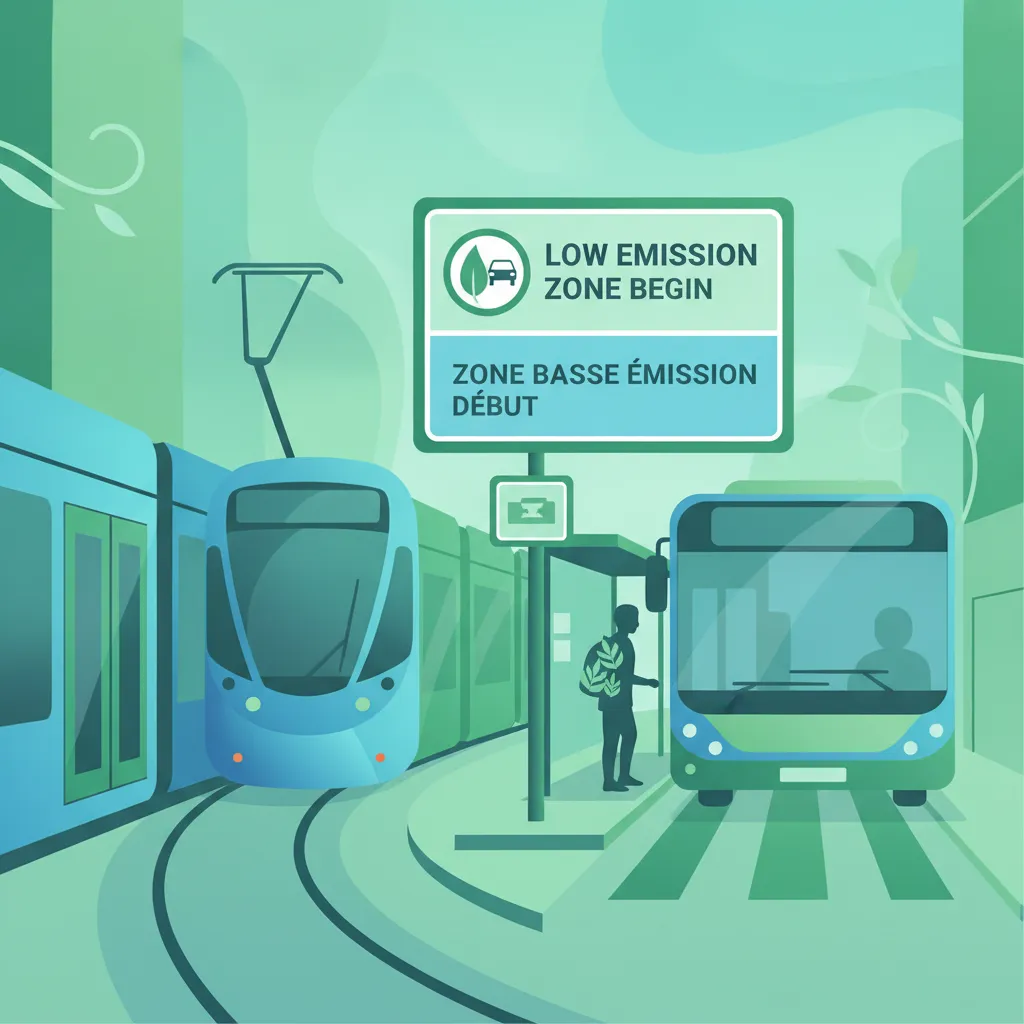
This lesson addresses unique traffic environments and special zones commonly found in Belgian urban areas. It clarifies the specific regulations concerning tramways, including where trams have absolute priority, and the conditions under which motorcycles may use bus lanes. The lesson also explains how to identify and comply with restrictions in low-emission zones.
Find clear answers to common questions learners have about Road Positioning and Blind Spot Management. Learn how the lesson is structured, which driving theory objectives it supports, and how it fits into the overall learning path of units and curriculum progression in Belgium. These explanations help you understand key concepts, lesson flow, and exam focused study goals.
You should generally ride in the middle of your lane or slightly to the right to remain visible without encouraging unsafe overtaking. Avoid riding too close to the gutter, as this can trap you or tempt drivers to squeeze past you in the same lane.
A good rule of thumb is that if you cannot see the driver's mirrors, they likely cannot see you. Avoid sitting directly beside or behind heavy vehicles; always aim to stay ahead of them or fall back until you are clearly visible in their side mirrors.
Yes, it is crucial. You must position yourself clearly in the lane to show your intention and prevent vehicles from trying to pass you while you are maneuvering. Proper positioning helps maintain your space and keeps you visible to all other entries.
The exam assesses your ability to anticipate danger. By choosing the right position, you demonstrate that you understand how to minimize risk and avoid hazards before they occur, which is a core requirement for a safe rider in Belgium.
Ready to focus your Belgian driving theory revision? Utilize our powerful search tool to pinpoint exact topics, road signs, or difficulty levels. Engage with practice questions that directly address your learning needs and solidify your understanding of Belgian traffic laws for your upcoming exam.