
This lesson teaches you the essential techniques for approaching and safely navigating intersections, a core component of your Belgian motorcycle theory exam. You will build upon your knowledge of road signs and priority rules to handle complex junction scenarios with confidence as an A, A1, or A2 rider.
Lesson content overview
This lesson covers essential intersection navigation skills for Belgian motorcycle theory learners, focusing on the critical Voorrang van Rechts (priority from the right) rule that governs all uncontrolled intersections. Key skills include proactive visual scanning with head checks, appropriate speed reduction before junctions, and strategic lane positioning to maximize visibility and prepare for maneuvers. The lesson details specific Belgian road signs (B1 priority road, B5 yield, B7 stop, F23 pedestrian crossing) and emphasizes special considerations for vulnerable road users, trams, and buses. Common mistakes include misapplying priority rules, rolling through stop signs, and developing tunnel vision. Adapting approach speed and observation distance to weather, light conditions, and road type is also emphasized for safe real-world riding.
A short set of high-value points that capture the most important learning from this lesson.
At uncontrolled Belgian intersections, always yield to traffic approaching from your right (Voorrang van Rechts)
Approach every intersection with reduced speed to allow time for observation, decision-making, and safe reaction
Maintain continuous visual scanning including mirrors, ahead, and peripheral areas, with head checks before turning or changing lanes
Position yourself strategically within your lane to maximize visibility and prepare for your intended maneuver
Always yield to pedestrians at marked crossings (Zebrapad) and exercise extra caution around cyclists and other vulnerable road users
Explore all units and lessons included in this driving theory course.
Priority from the right (Voorrang van Rechts) applies at ALL uncontrolled intersections unless specific signs override it
B1 = Priority Road (you have priority), B5 = Yield sign (give way, stop only if necessary), B7 = Stop sign (complete stop mandatory)
Never enter an intersection unless you can clear it completely—blocking the intersection is illegal
Trams and buses in Belgium have priority over general traffic unless otherwise indicated
At zebra crossings (F23 sign), pedestrians have priority even if you have a green light or are on a priority road
Assuming wider roads have automatic priority over narrower roads from the right—this is incorrect, priority from the right applies regardless of road size
Rolling through stop signs instead of making a complete mandatory stop before the stop line
Tunnel vision—focusing only on the intended path and missing critical traffic, pedestrians, or cyclists from other directions
Blocking the intersection by entering when the exit is not clear, even with a green light
Failing to yield to buses and trams which have priority in Belgium when pulling away from stops or crossing your path
Lesson content overview
A short set of high-value points that capture the most important learning from this lesson.
At uncontrolled Belgian intersections, always yield to traffic approaching from your right (Voorrang van Rechts)
Approach every intersection with reduced speed to allow time for observation, decision-making, and safe reaction
Maintain continuous visual scanning including mirrors, ahead, and peripheral areas, with head checks before turning or changing lanes
Position yourself strategically within your lane to maximize visibility and prepare for your intended maneuver
Always yield to pedestrians at marked crossings (Zebrapad) and exercise extra caution around cyclists and other vulnerable road users
Explore all units and lessons included in this driving theory course.
Priority from the right (Voorrang van Rechts) applies at ALL uncontrolled intersections unless specific signs override it
B1 = Priority Road (you have priority), B5 = Yield sign (give way, stop only if necessary), B7 = Stop sign (complete stop mandatory)
Never enter an intersection unless you can clear it completely—blocking the intersection is illegal
Trams and buses in Belgium have priority over general traffic unless otherwise indicated
At zebra crossings (F23 sign), pedestrians have priority even if you have a green light or are on a priority road
Assuming wider roads have automatic priority over narrower roads from the right—this is incorrect, priority from the right applies regardless of road size
Rolling through stop signs instead of making a complete mandatory stop before the stop line
Tunnel vision—focusing only on the intended path and missing critical traffic, pedestrians, or cyclists from other directions
Blocking the intersection by entering when the exit is not clear, even with a green light
Failing to yield to buses and trams which have priority in Belgium when pulling away from stops or crossing your path
Explore search topics learners often look for when studying Approaching and Navigating Intersections Safely. These topics reflect common questions about road rules, driving situations, safety guidance, and lesson level theory preparation for learners in Belgium.
Browse additional driving theory lessons that cover connected traffic rules, road signs, and common driving situations related to this topic. Improve your understanding of how different rules interact across everyday traffic scenarios.
Explore advanced and specific priority rules applicable to intersections in Belgium, including trams, buses, and unique junction layouts. Deepen your understanding beyond basic priority from the right for safer urban and rural riding.
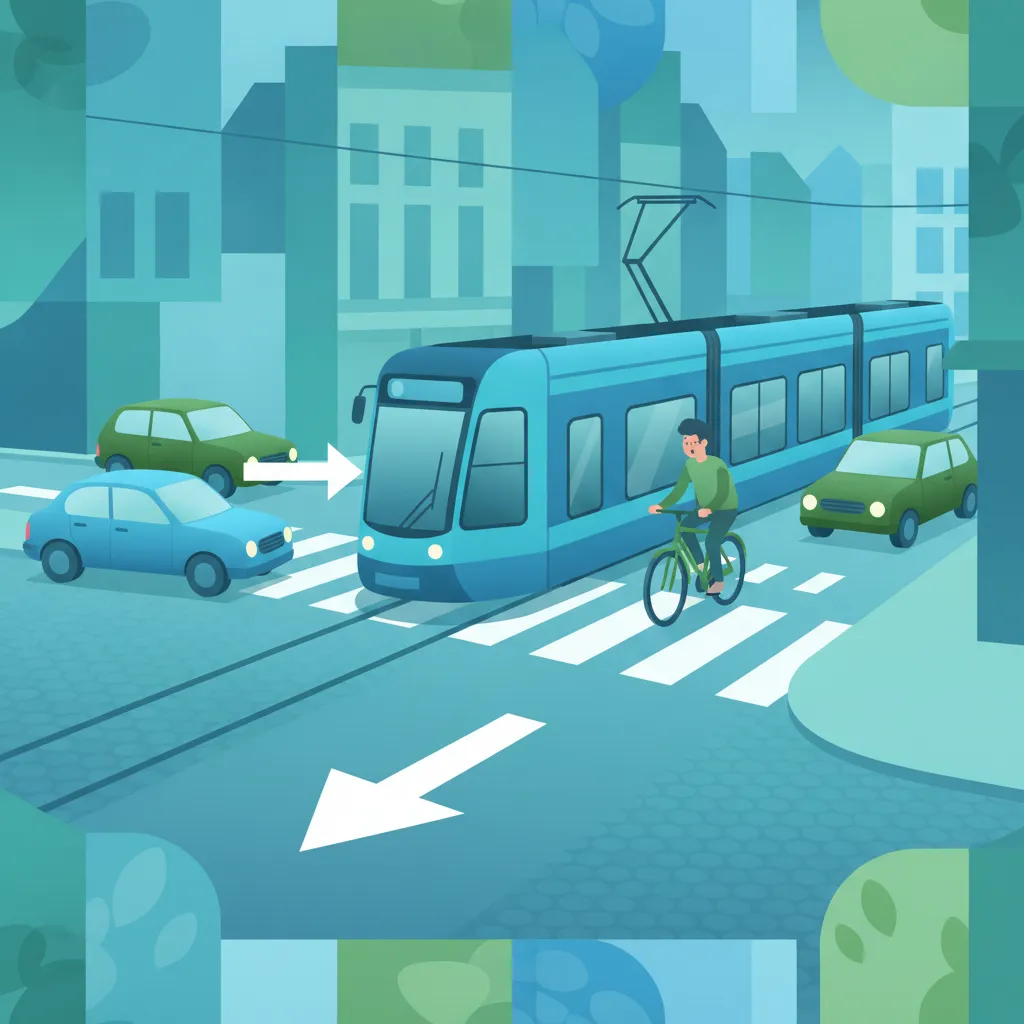
This lesson delves into the complex priority rules that govern Belgian roadways, with a strong focus on the default 'priority from the right' principle. It explains how to interpret priority signs, such as 'give way' and 'stop', and apply the correct right-of-way at various types of junctions. You will learn the hierarchy of road users and the specific rules for yielding in different traffic scenarios.
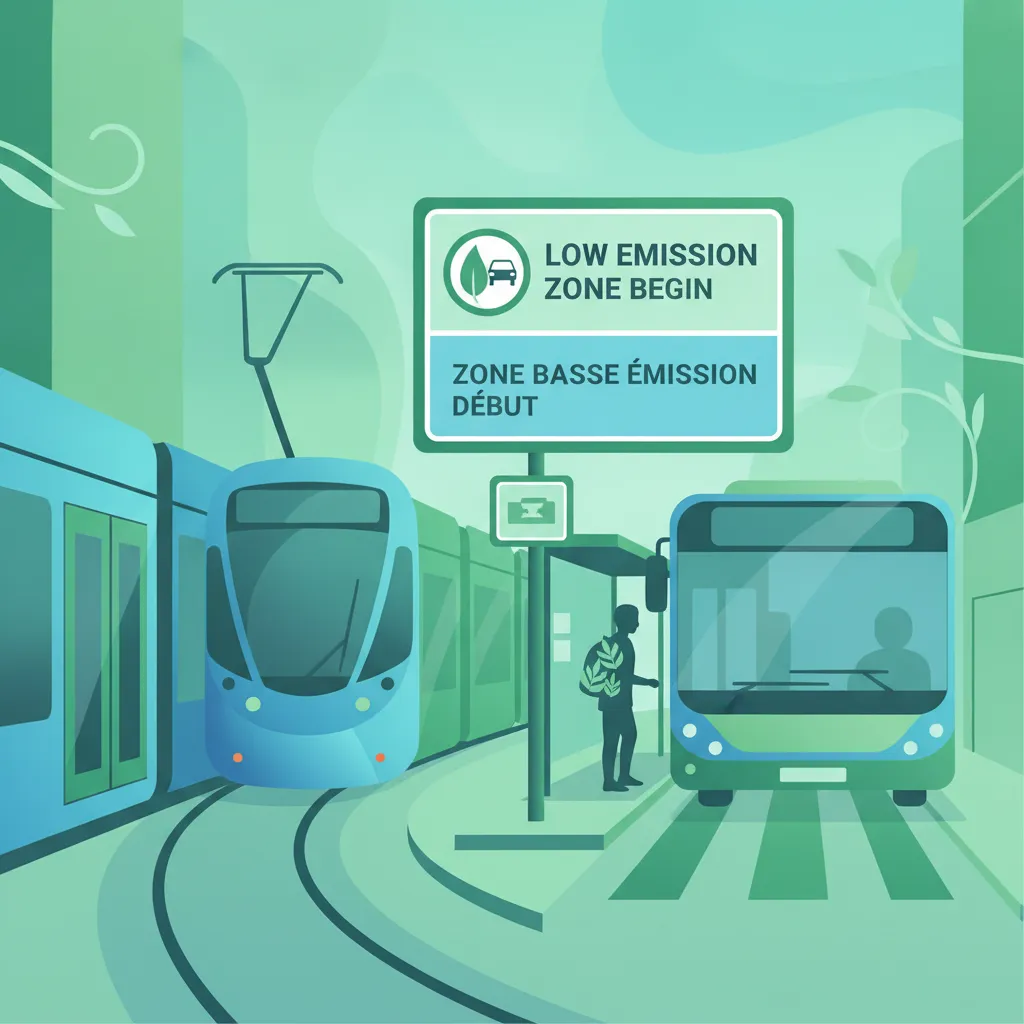
This lesson addresses unique traffic environments and special zones commonly found in Belgian urban areas. It clarifies the specific regulations concerning tramways, including where trams have absolute priority, and the conditions under which motorcycles may use bus lanes. The lesson also explains how to identify and comply with restrictions in low-emission zones.
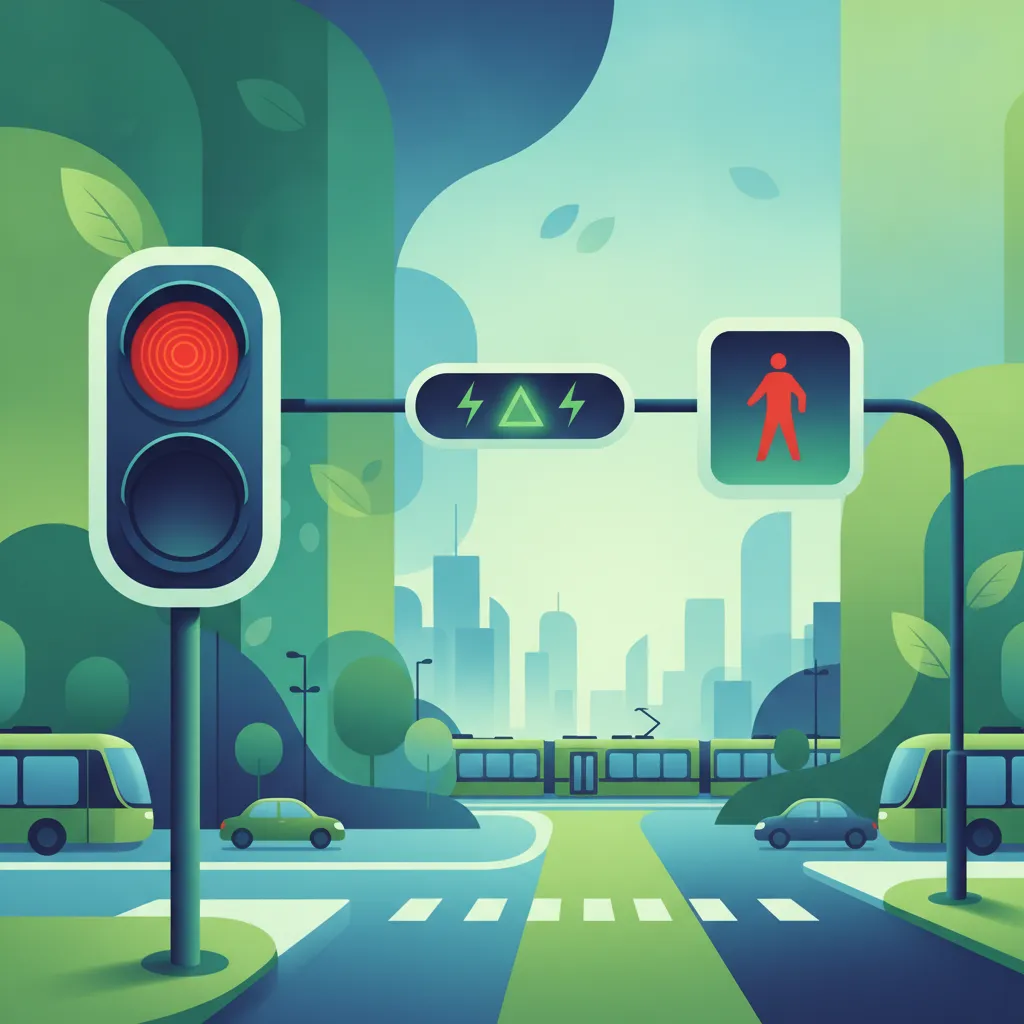
This lesson examines the operation of traffic light systems in Belgium, clarifying the meaning of red, amber, and green signals, including flashing lights and directional arrows. It details a motorcyclist's legal obligations when approaching and navigating signal-controlled intersections. The content also addresses specialized signals for pedestrians and trams that riders must recognize and respond to correctly.
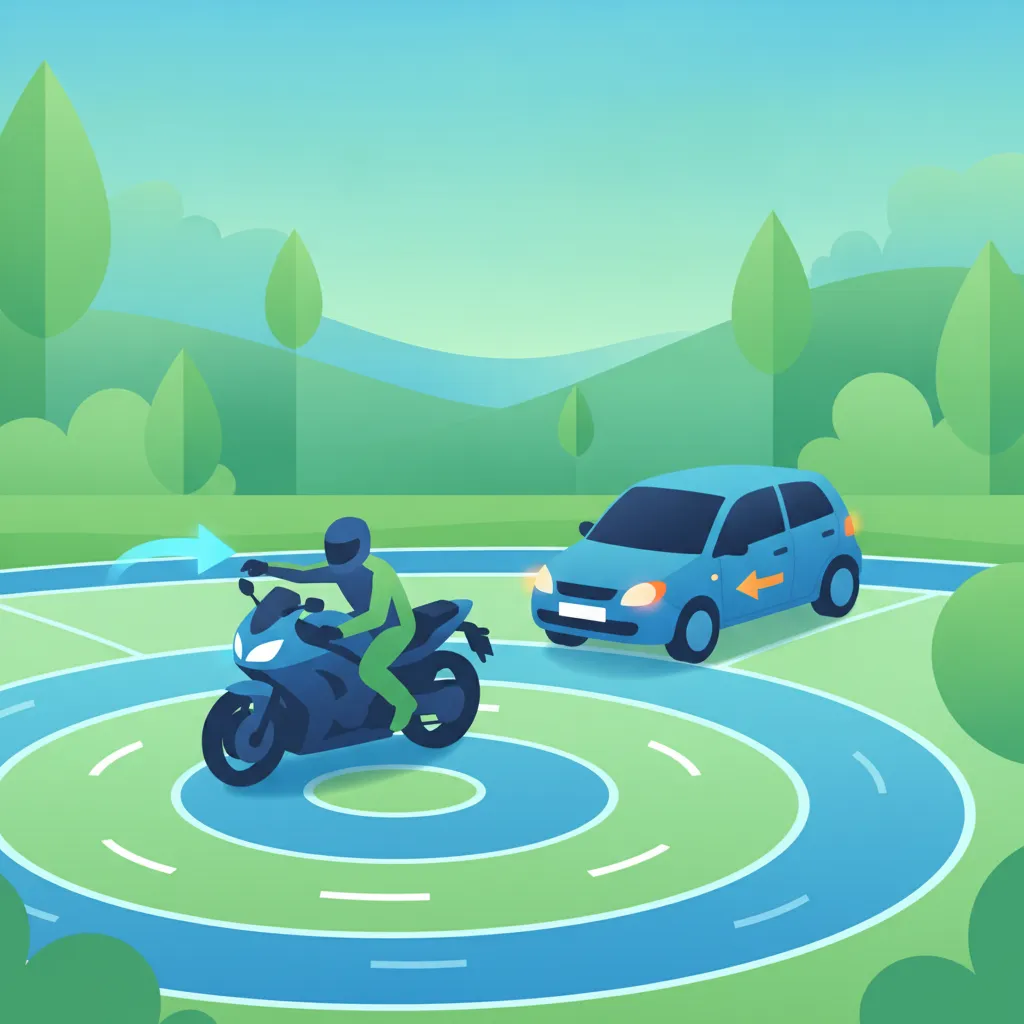
This lesson offers specific strategies for motorcyclists navigating roundabouts in Belgium. It covers the rules for entering the roundabout, including yielding to circulating traffic, and how to choose the correct lane for your intended exit. The content stresses the importance of clear signaling and maintaining awareness of other vehicles during entry and exit maneuvers.

This lesson details the safe and systematic approach to different types of intersections, both signal-controlled and uncontrolled. It explains how to use road signs and markings to determine right-of-way and when to stop or yield. The importance of comprehensive scanning for traffic from all directions and adjusting approach speed is emphasized to ensure safe passage.
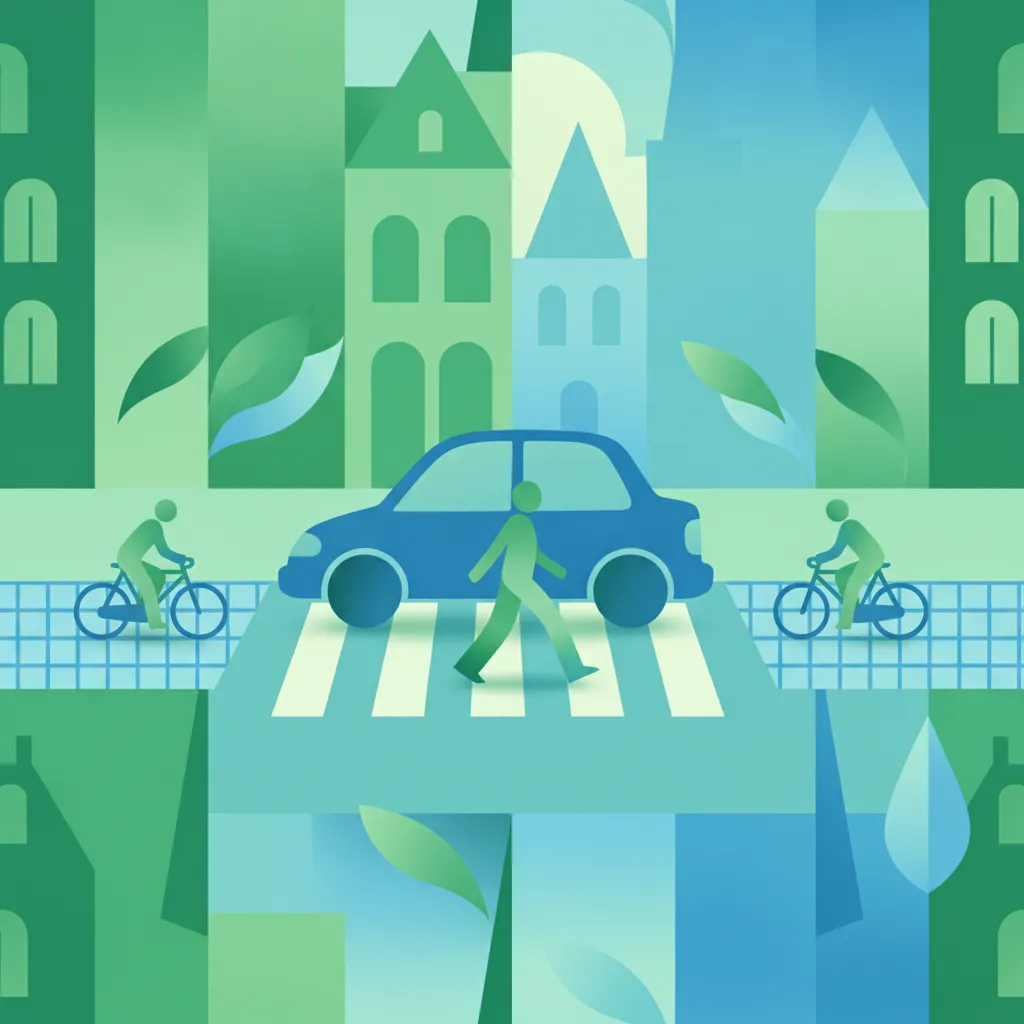
This lesson details a motorcyclist's obligations when approaching various types of crossings, including marked pedestrian and bicycle lanes. It emphasizes the legal requirement to yield to vulnerable road users and the importance of thorough visual checks before proceeding. You will learn how to maintain a safe distance and anticipate the movements of pedestrians and cyclists in urban areas.
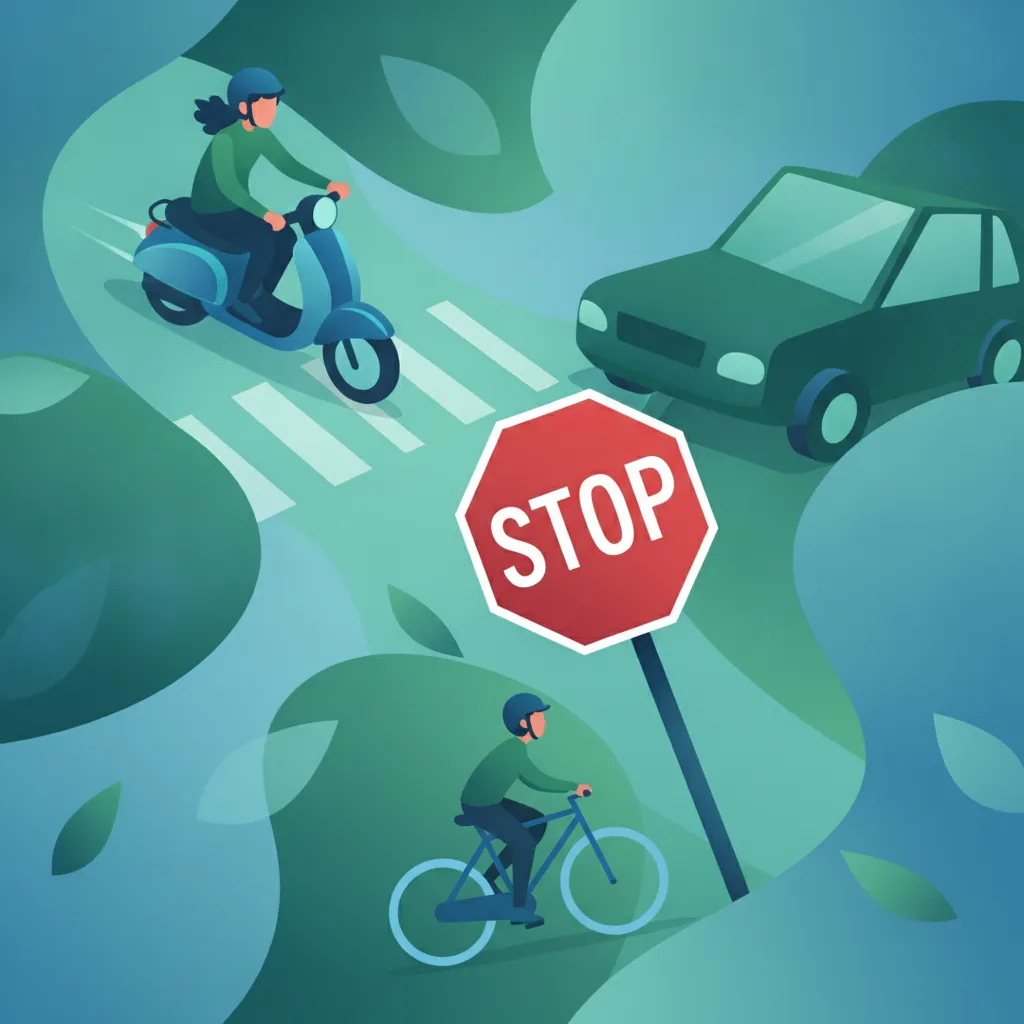
This lesson introduces the core principles of priority that govern traffic flow in Belgium, with a primary focus on the 'priority from the right' rule. It explains how to identify priority roads indicated by signs and how to act at uncontrolled intersections where the default rule applies. Understanding these rules is critical for AM riders to navigate junctions, intersections, and roundabouts safely and without conflict.
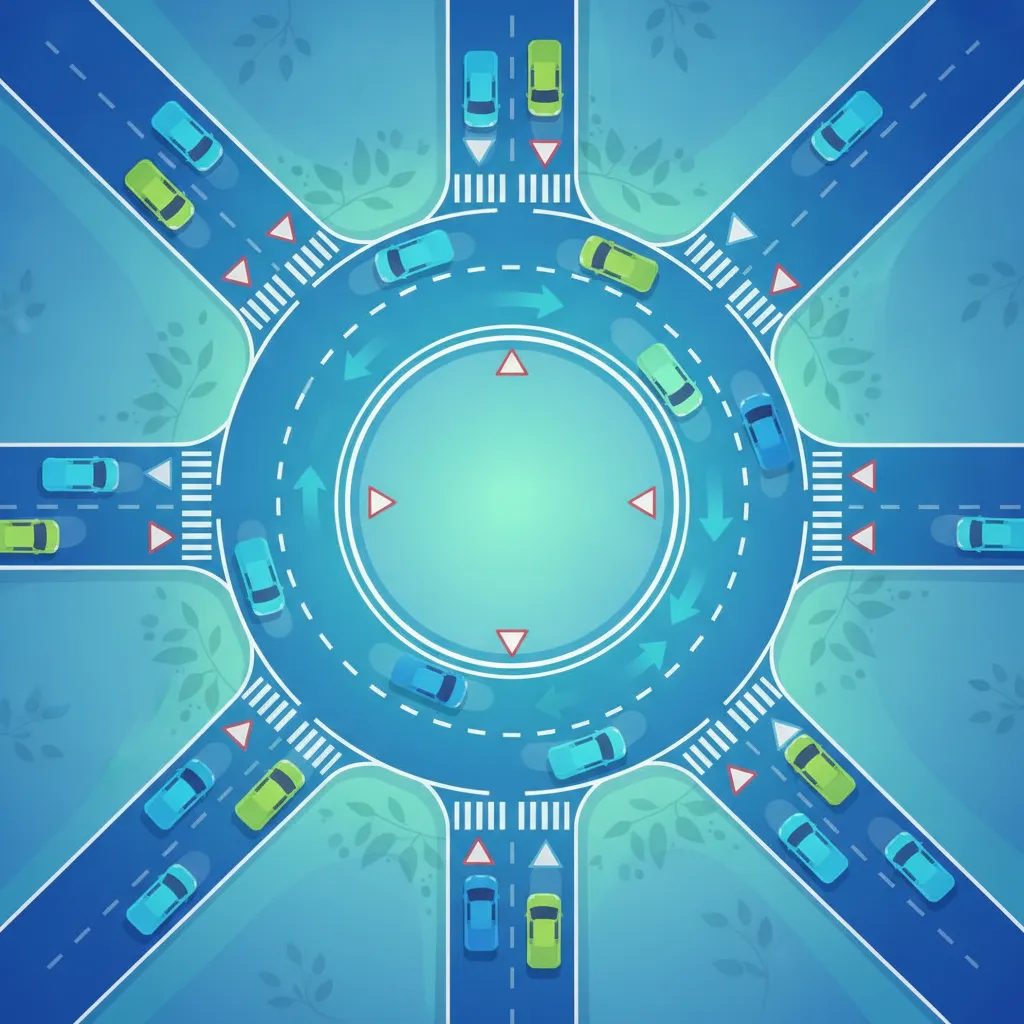
Roundabouts are a key feature of Belgian traffic management. This lesson explains how to approach, enter, navigate, and exit a roundabout safely, with a focus on yielding priority to traffic already circulating. Learners will also study correct lane positioning on multi-lane roundabouts and the appropriate use of signals.
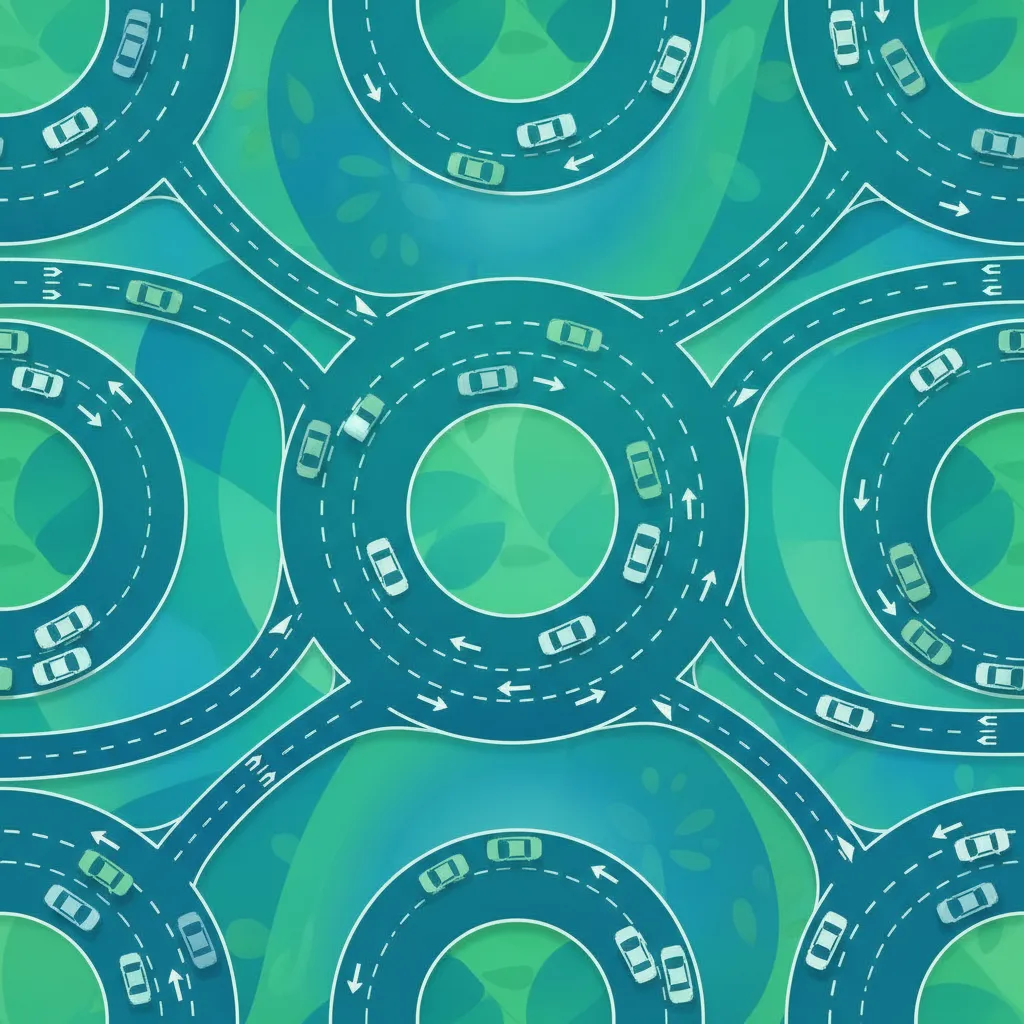
This lesson provides specific instructions for navigating roundabouts, a common feature on Belgian roads. It covers the rules of priority upon entry, the correct lane choice based on the intended exit, and the proper use of signals. Learners will understand how to safely circulate and exit, while being mindful of other vehicles, particularly larger ones with significant blind spots.
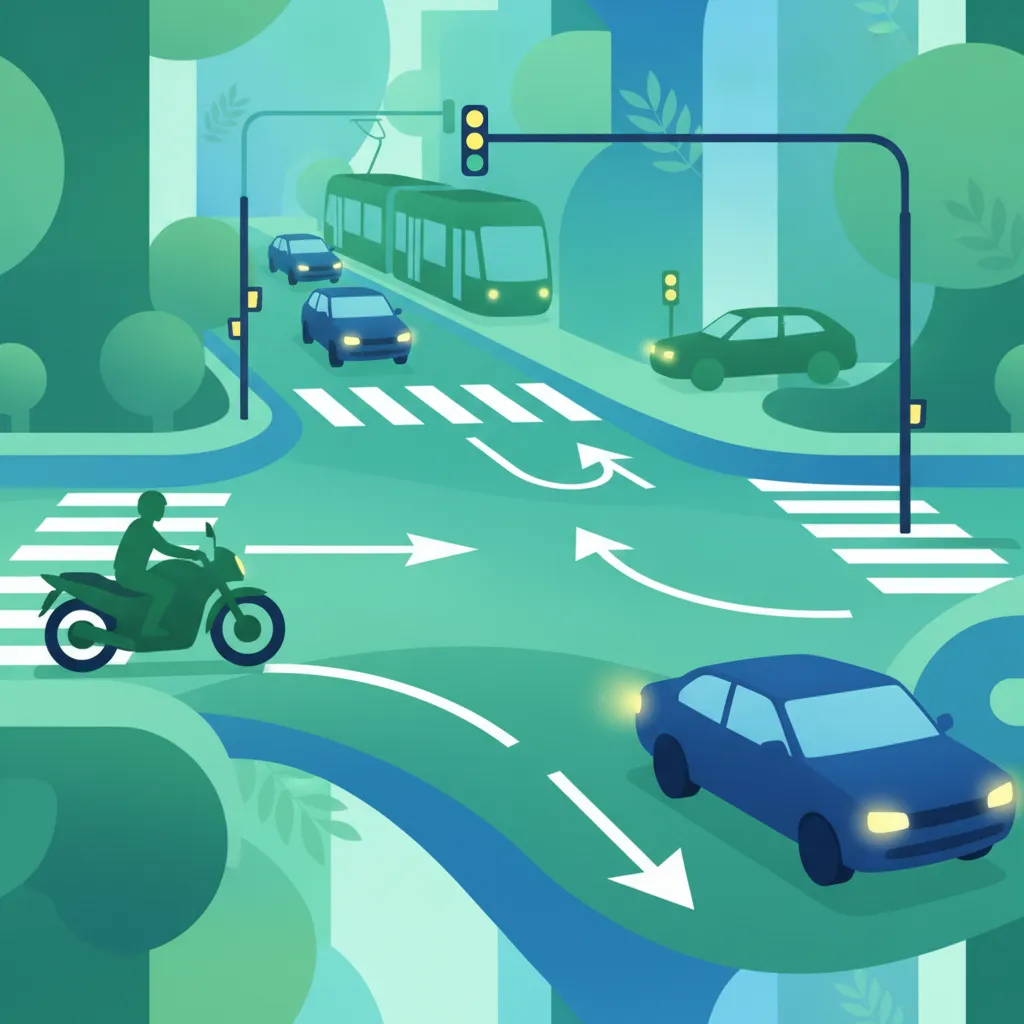
In this lesson, learners will examine the fundamental priority rules that dictate traffic flow at unmarked intersections. The lesson focuses on the principle of priority from the right, the hierarchy of traffic signs and signals, and situations requiring yielding or stopping. Understanding these principles is crucial for safe and lawful navigation of Belgian road networks.
Understand the most frequent errors and critical hazards motorcyclists face at Belgian intersections. Learn how to identify risks and avoid dangerous situations, improving your defensive riding and overall safety knowledge.
This lesson details a motorcyclist's obligations when approaching various types of crossings, including marked pedestrian and bicycle lanes. It emphasizes the legal requirement to yield to vulnerable road users and the importance of thorough visual checks before proceeding. You will learn how to maintain a safe distance and anticipate the movements of pedestrians and cyclists in urban areas.
This lesson offers specific strategies for motorcyclists navigating roundabouts in Belgium. It covers the rules for entering the roundabout, including yielding to circulating traffic, and how to choose the correct lane for your intended exit. The content stresses the importance of clear signaling and maintaining awareness of other vehicles during entry and exit maneuvers.
This lesson details the safe and systematic approach to different types of intersections, both signal-controlled and uncontrolled. It explains how to use road signs and markings to determine right-of-way and when to stop or yield. The importance of comprehensive scanning for traffic from all directions and adjusting approach speed is emphasized to ensure safe passage.
This lesson examines the operation of traffic light systems in Belgium, clarifying the meaning of red, amber, and green signals, including flashing lights and directional arrows. It details a motorcyclist's legal obligations when approaching and navigating signal-controlled intersections. The content also addresses specialized signals for pedestrians and trams that riders must recognize and respond to correctly.
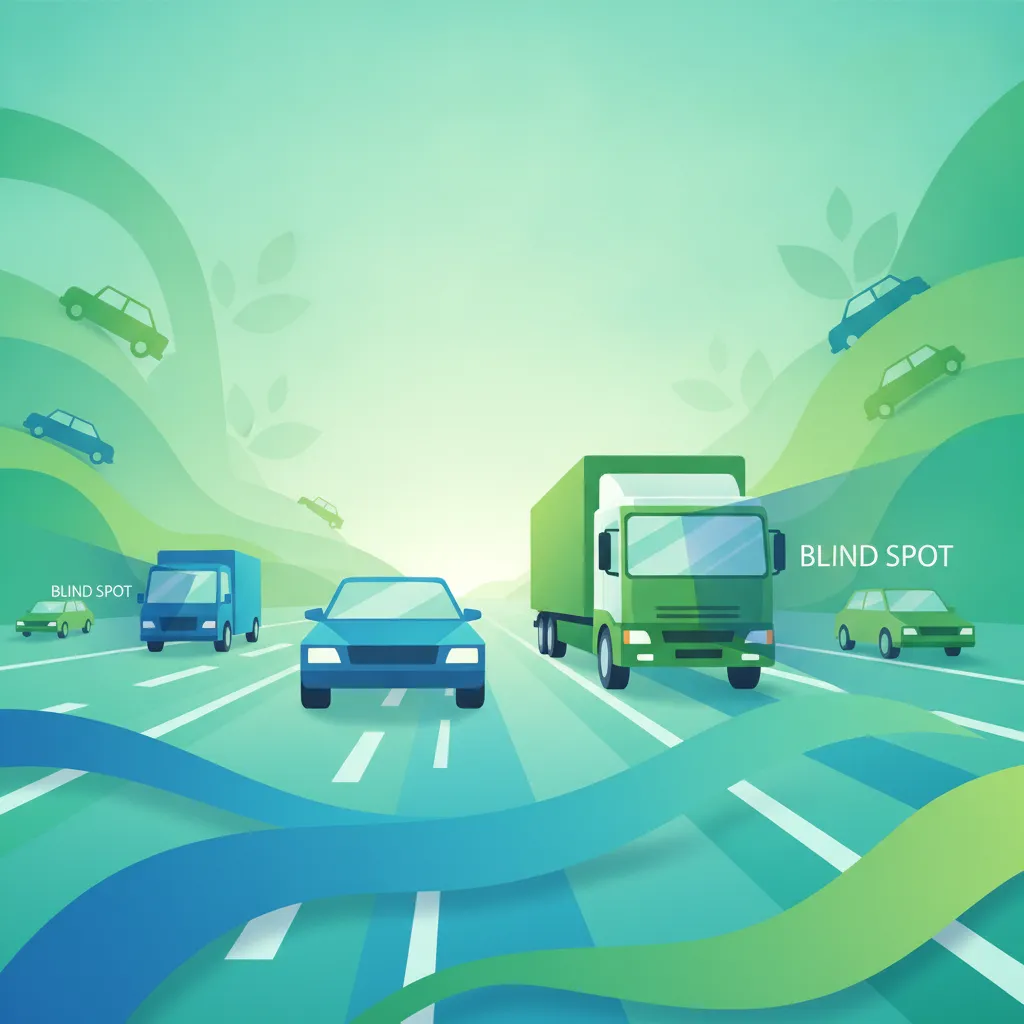
This lesson focuses on recognizing and staying out of the blind spots of other vehicles, especially large trucks and buses where 'no-zones' are significant. It provides practical strategies for managing your position on the road to ensure you remain visible to other drivers at all times. You will learn to anticipate lane changes and other maneuvers from vehicles that may not be aware of your presence.
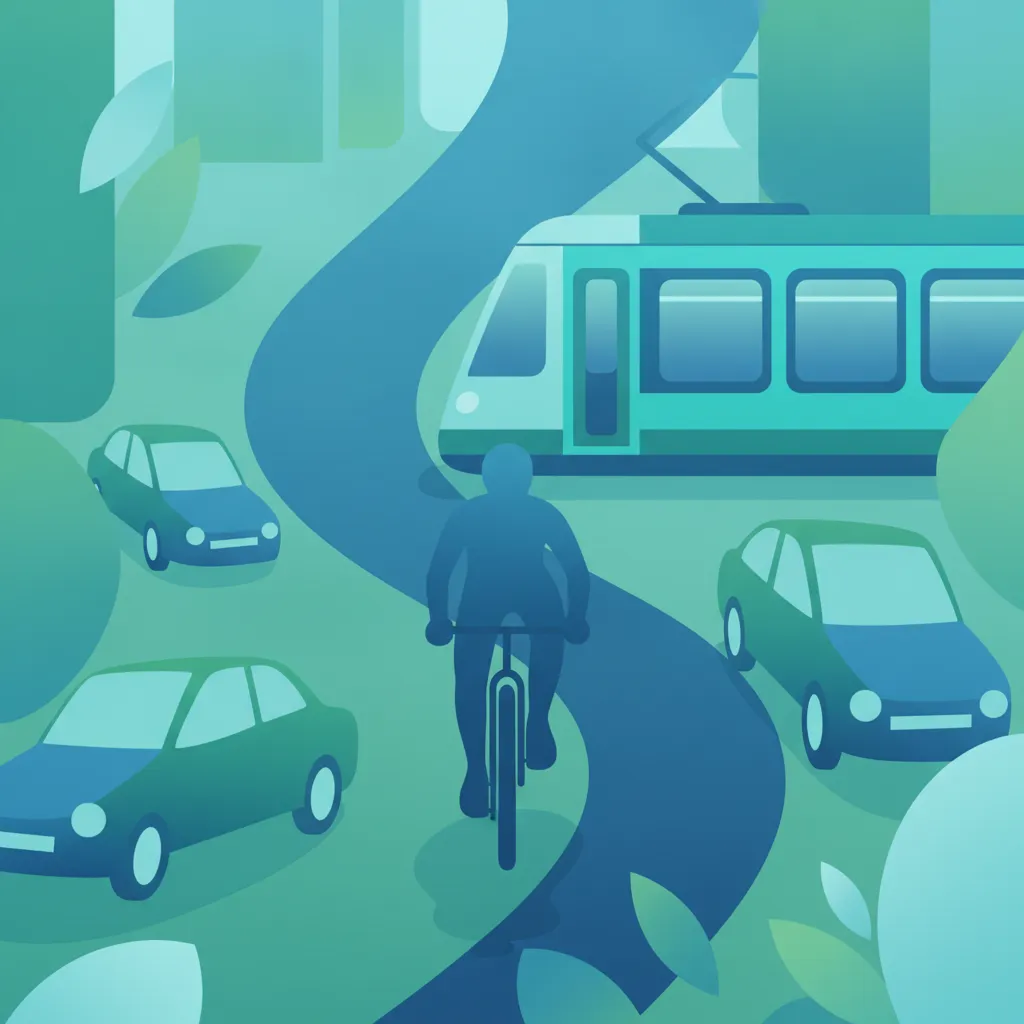
This lesson explores the unique challenges presented by dense urban environments, including riding in heavy traffic and navigating narrow streets. It provides strategies for positioning your motorcycle to avoid the 'dooring zone' of parked cars and to maintain visibility. You will learn defensive riding techniques to anticipate sudden actions from other drivers in congested conditions.
This lesson provides specific instructions for navigating roundabouts, a common feature on Belgian roads. It covers the rules of priority upon entry, the correct lane choice based on the intended exit, and the proper use of signals. Learners will understand how to safely circulate and exit, while being mindful of other vehicles, particularly larger ones with significant blind spots.
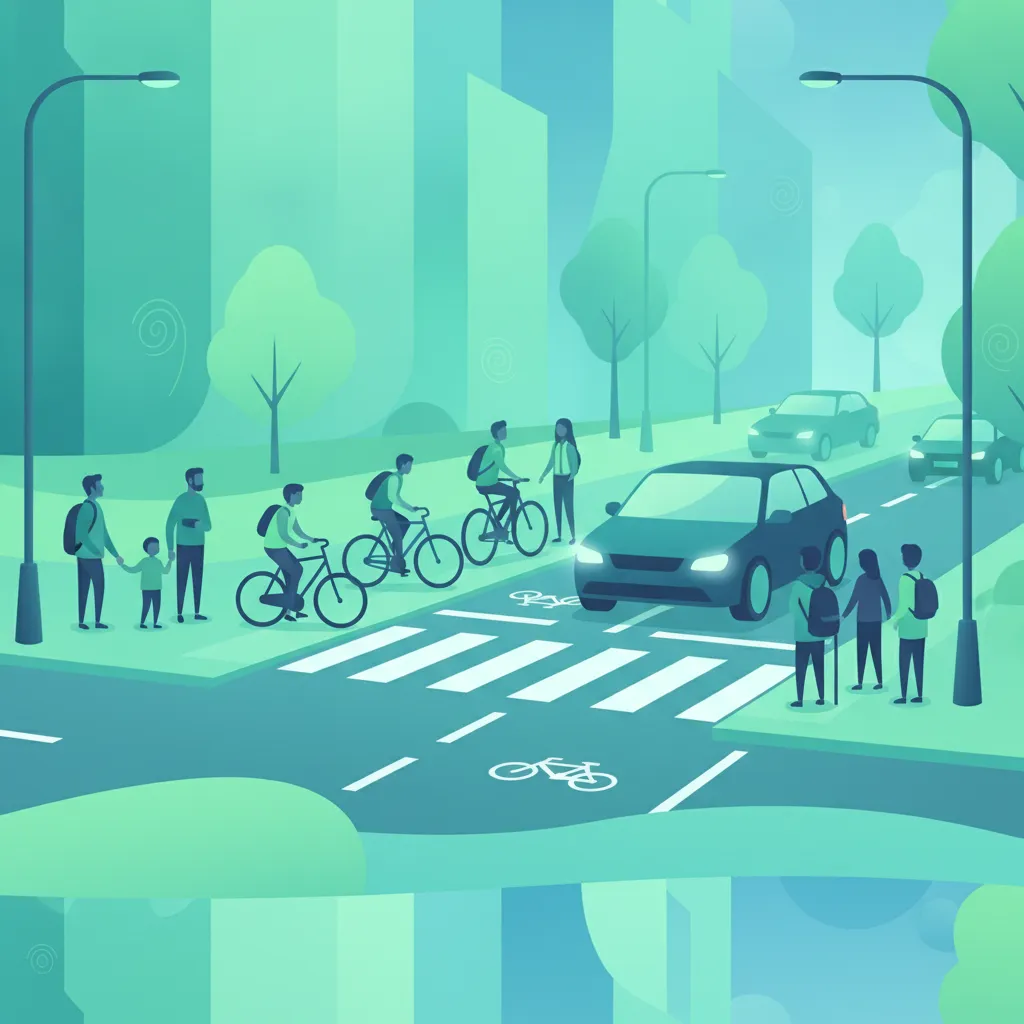
This lesson focuses on the heightened awareness required when approaching and traversing pedestrian and cyclist crossings. It clarifies the legal rules, including the absolute priority of pedestrians on zebra crossings, and the importance of reducing speed. Riders will learn how to anticipate the movements of these vulnerable road users and position their vehicle to ensure a safe interaction.
This lesson delves into the complex priority rules that govern Belgian roadways, with a strong focus on the default 'priority from the right' principle. It explains how to interpret priority signs, such as 'give way' and 'stop', and apply the correct right-of-way at various types of junctions. You will learn the hierarchy of road users and the specific rules for yielding in different traffic scenarios.
Roundabouts are a key feature of Belgian traffic management. This lesson explains how to approach, enter, navigate, and exit a roundabout safely, with a focus on yielding priority to traffic already circulating. Learners will also study correct lane positioning on multi-lane roundabouts and the appropriate use of signals.
Find clear answers to common questions learners have about Approaching and Navigating Intersections Safely. Learn how the lesson is structured, which driving theory objectives it supports, and how it fits into the overall learning path of units and curriculum progression in Belgium. These explanations help you understand key concepts, lesson flow, and exam focused study goals.
Generally, yes, unless there is a traffic sign (like a yield sign or stop sign) or traffic lights indicating otherwise. Always scan for these signs early to determine if the standard rule is modified.
Correct lane positioning makes you more visible to other road users and helps you signal your intentions clearly. It also creates a safety buffer, ensuring you are not 'squeezed' by other vehicles in tight spaces.
Always err on the side of caution. Slow down, perform a thorough observation, and prepare to stop. In the Belgian theory exam, if you are unsure of the situation, the safest answer is always to yield and proceed only when it is safe to do so.
While the basic traffic rules are the same for all vehicles, motorcyclists must be extra diligent about visibility. Using your lights and keeping a safe, prominent position in the lane is crucial to ensure car drivers see you clearly.
Ready to focus your Belgian driving theory revision? Utilize our powerful search tool to pinpoint exact topics, road signs, or difficulty levels. Engage with practice questions that directly address your learning needs and solidify your understanding of Belgian traffic laws for your upcoming exam.