
This lesson provides a critical guide for handling unexpected situations like mechanical breakdowns or traffic accidents while operating your AM-licensed vehicle. You will learn the exact sequence of safety actions required by Belgian law to protect yourself and other road users.
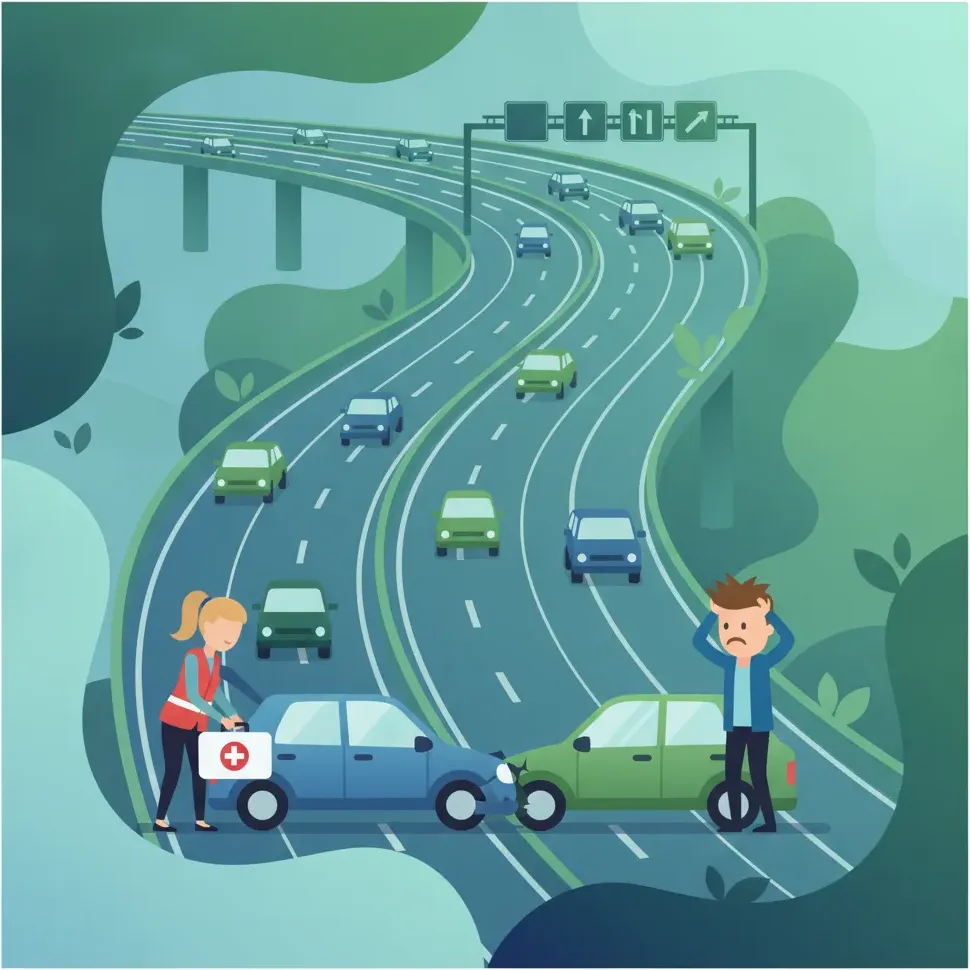
Lesson content overview
Operating a Category AM vehicle, such as a moped or speed pedelec, involves unique risks due to your reduced visibility and protection compared to larger vehicles. Therefore, it is crucial for every rider to understand how to react effectively and safely in the event of an emergency or an accident on the road. This lesson provides a structured guide to managing such situations in Belgium, ensuring your safety, compliance with legal obligations, and the well-being of others.
The knowledge gained here is not only vital for passing your official Belgian driving theory course for Category AM license but also for practical application throughout your riding career. Mastering these procedures can prevent further accidents, minimize injuries, and facilitate a swift response from emergency services.
The very first priority after any incident, whether it's a mechanical breakdown or a collision, is to secure the scene. This action is paramount to prevent secondary accidents and protect yourself, other road users, and potential emergency responders. Failing to properly secure an accident site can lead to more serious consequences.
Your personal safety is always the highest priority. Before taking any action, assess the immediate surroundings for dangers such as oncoming traffic, fire, or hazardous spills. Only act if it is safe to do so.
Upon experiencing a breakdown or being involved in an accident, your initial responses are critical. First, if your vehicle is still mobile and it is safe to do so, try to move it to the side of the road or a designated emergency stopping area. This clears the main carriageway and reduces the risk of obstructing traffic. Immediately activate your vehicle's hazard warning lights, also known as emergency flashers. These flashing lights signal to other drivers that there is a potential hazard ahead, increasing your visibility.
After stopping your vehicle, you must ensure your own safety and that of any passengers. Exit the vehicle carefully, making sure you are not stepping into the path of oncoming traffic. Move to a safe location away from the flow of traffic, such as behind a safety barrier, on the verge, or as far as possible from the road. This reduces your risk of being struck by passing vehicles.
Belgian traffic law mandates the use of specific equipment to signal a breakdown or accident, making your vehicle and yourself visible to others. These items are indispensable tools for scene securing.
A warning triangle is a reflective, portable device that must be carried in your vehicle at all times. Its purpose is to alert approaching traffic to a stationary vehicle that may pose a hazard. Proper placement is crucial for its effectiveness.
Retrieve the warning triangle from your vehicle.
Walk carefully, facing oncoming traffic, to the appropriate distance behind your vehicle.
Place the triangle firmly on the ground, ensuring it is stable and clearly visible to approaching drivers.
Return to a safe location off the road.
The distance at which you place the warning triangle depends on the type of road:
Another mandatory piece of equipment for all drivers in Belgium is a high-visibility (reflective) vest. This vest significantly increases your visibility to other road users, especially in low light conditions or bad weather, when you need to leave your vehicle on the roadway or hard shoulder.
Always keep your high-visibility vest accessible, ideally within the driver's compartment, so you can put it on before exiting the vehicle if you stop on a busy road.
As mentioned, your vehicle's hazard warning lights should be activated immediately when your vehicle is immobilized and presents a danger to other traffic. These lights flash all your turn indicators simultaneously, signaling an emergency or a stopped vehicle. They are a critical initial warning system, especially before you can deploy the warning triangle.
Once the scene is as secure as possible, and you have ensured your personal safety, the next crucial step is to contact emergency services if the situation warrants it. In Belgium, the universal emergency number for all services (police, fire brigade, ambulance) is 112.
You should call 112 immediately in the following situations:
Even if you are unsure whether an injury is serious, it is always better to call 112 and let the professionals assess the situation. Delaying a call could have severe consequences.
When you call 112, remain calm and speak clearly. The operator will ask for specific information to dispatch the correct services quickly. Be prepared to provide:
It is vital to stay on the line until the operator tells you it is okay to hang up. They may need to ask additional questions or provide instructions.
As a driver, you have a legal and moral obligation to provide assistance to anyone injured in an accident you are involved in or witness. While you are not expected to be a medical professional, knowing basic first aid can make a critical difference.
Your actions should focus on stabilizing the injured person and preventing their condition from worsening while awaiting professional medical help. Remember the "DRABC" approach:
A crucial rule in first aid is to never move a seriously injured person unless they are in immediate danger (e.g., from fire, drowning, or further collision). Moving someone with potential spinal injuries could cause permanent damage. If a person is unconscious but breathing, place them in the recovery position only if there is no suspected spinal injury. Otherwise, support their head and neck.
Do not attempt to remove a helmet from an injured motorcyclist or moped rider unless absolutely necessary for airway management and you have been trained to do so. This could exacerbate neck or spinal injuries.
Your role is to provide basic, immediate care and comfort until paramedics arrive, not to perform complex medical procedures.
Beyond moral duties, Belgian law imposes several strict obligations on drivers involved in or witnessing an accident. Non-compliance can lead to severe penalties, including fines, driving bans, and even imprisonment, depending on the severity of the offense.
Every driver involved in an accident, no matter how minor, has a legal duty to stop their vehicle immediately and remain at the scene. You must not leave until all necessary information has been exchanged or, in case of serious injury or death, police have given permission.
You have a duty to assist anyone injured in the accident. This includes providing basic first aid and contacting emergency services (112) if there are injuries or significant damage. For accidents resulting in injury or death, you are legally obliged to report the incident to the police. Even for minor accidents without injuries, if the parties cannot agree or exchange information, police involvement may be necessary.
In accidents involving only property damage and no injuries, drivers must exchange contact details, vehicle registration numbers, insurance information, and details of the incident. It is advisable to fill out a European Accident Statement form (constat amiable/aanrijdingsformulier), which can expedite insurance claims.
Understanding potential pitfalls can help you react more effectively and avoid worsening an already difficult situation.
The appropriate response to an emergency can vary based on external factors. Adapting your actions to the specific conditions is key to effective incident management.
If your incident involves vulnerable road users like pedestrians, cyclists, or other moped riders, exercise additional caution. Prioritize their safety and well-being, providing immediate first aid and calling 112 without delay. Remember that AM vehicles themselves make you a vulnerable road user, so always consider your own safety first too.
Responding to a road emergency or accident effectively is a fundamental skill for all Category AM license holders. Key actions include:
By internalizing these procedures, you not only protect yourself and others but also contribute to overall road safety in Belgium.
This lesson covers essential emergency procedures for Belgian Category AM drivers, including scene securing with hazard lights, warning triangle deployment, and high-visibility vest use. It details when and how to call 112 with precise location information, and explains the DRABC first aid approach for assessing and assisting injured persons. Key legal obligations include stopping at every accident, providing assistance, and exchanging details, while the warning triangle must be placed at least 100m on highways and 30-100m on other roads. Learners must also remember never to move seriously injured persons or remove a motorcyclist's helmet unless absolutely necessary for airway access.
A short set of high-value points that capture the most important learning from this lesson.
Scene securing takes absolute priority: activate hazard lights immediately, then deploy the warning triangle at the correct distance before any other action.
The 112 emergency number connects you to police, fire brigade, and ambulance services throughout Belgium.
First aid follows the DRABC sequence: check Danger, then Response, Airway, Breathing, and Circulation.
Never remove a helmet from an injured motorcyclist or moped rider unless absolutely necessary for airway management.
Belgian law obligates you to stop, assist the injured, and exchange information at every accident, regardless of severity.
Explore all units and lessons included in this driving theory course.
Warning triangle placement: minimum 100 meters on highways, 30 to 100 meters on other roads depending on conditions.
DRABC is the life-saving first aid priority: Danger, Response, Airway, Breathing, Circulation.
Do not move a seriously injured person unless they face immediate danger from fire, drowning, or further collision.
Wear your high-visibility vest before exiting the vehicle on any road where traffic is passing.
When calling 112, provide exact location using street names, landmarks, or GPS coordinates.
Placing the warning triangle too close to the vehicle, especially on high-speed roads where drivers need more reaction time.
Exiting the vehicle on a busy road without first putting on the high-visibility vest.
Providing vague or inaccurate location details when calling 112, which delays emergency response.
Moving an injured person unnecessarily, particularly someone with potential spinal injuries.
Leaving the scene prematurely in minor incidents without securing the scene, exchanging information, or calling emergency services if required.
Lesson content overview
A short set of high-value points that capture the most important learning from this lesson.
Scene securing takes absolute priority: activate hazard lights immediately, then deploy the warning triangle at the correct distance before any other action.
The 112 emergency number connects you to police, fire brigade, and ambulance services throughout Belgium.
First aid follows the DRABC sequence: check Danger, then Response, Airway, Breathing, and Circulation.
Never remove a helmet from an injured motorcyclist or moped rider unless absolutely necessary for airway management.
Belgian law obligates you to stop, assist the injured, and exchange information at every accident, regardless of severity.
Explore all units and lessons included in this driving theory course.
Warning triangle placement: minimum 100 meters on highways, 30 to 100 meters on other roads depending on conditions.
DRABC is the life-saving first aid priority: Danger, Response, Airway, Breathing, Circulation.
Do not move a seriously injured person unless they face immediate danger from fire, drowning, or further collision.
Wear your high-visibility vest before exiting the vehicle on any road where traffic is passing.
When calling 112, provide exact location using street names, landmarks, or GPS coordinates.
Placing the warning triangle too close to the vehicle, especially on high-speed roads where drivers need more reaction time.
Exiting the vehicle on a busy road without first putting on the high-visibility vest.
Providing vague or inaccurate location details when calling 112, which delays emergency response.
Moving an injured person unnecessarily, particularly someone with potential spinal injuries.
Leaving the scene prematurely in minor incidents without securing the scene, exchanging information, or calling emergency services if required.
Explore search topics learners often look for when studying Emergency Procedures and Accident Response. These topics reflect common questions about road rules, driving situations, safety guidance, and lesson level theory preparation for learners in Belgium.
Browse additional driving theory lessons that cover connected traffic rules, road signs, and common driving situations related to this topic. Improve your understanding of how different rules interact across everyday traffic scenarios.
Understand your legal responsibilities following a traffic incident. This driving theory lesson covers the mandatory duty to stop, assist injured persons, report accidents, and exchange information as per Belgian law for AM license holders.
This lesson details the spectrum of obligations that apply to drivers, from basic compliance with traffic signs to responsibilities like vehicle upkeep and accident reporting. Learners will understand the importance of maintaining a vehicle in a roadworthy condition. It also covers the legal expectations for safe driving practices, including the use of safety equipment.
This lesson focuses on the legal duties and responsibilities that an AM vehicle operator must uphold on Belgian roads. It covers critical rules such as adhering to speed limits, correctly applying right-of-way principles, and following regulations for overtaking other vehicles. The lesson also explains the system of fines and penalty points for traffic violations, emphasizing the legal consequences of non-compliance to foster responsible driving habits.
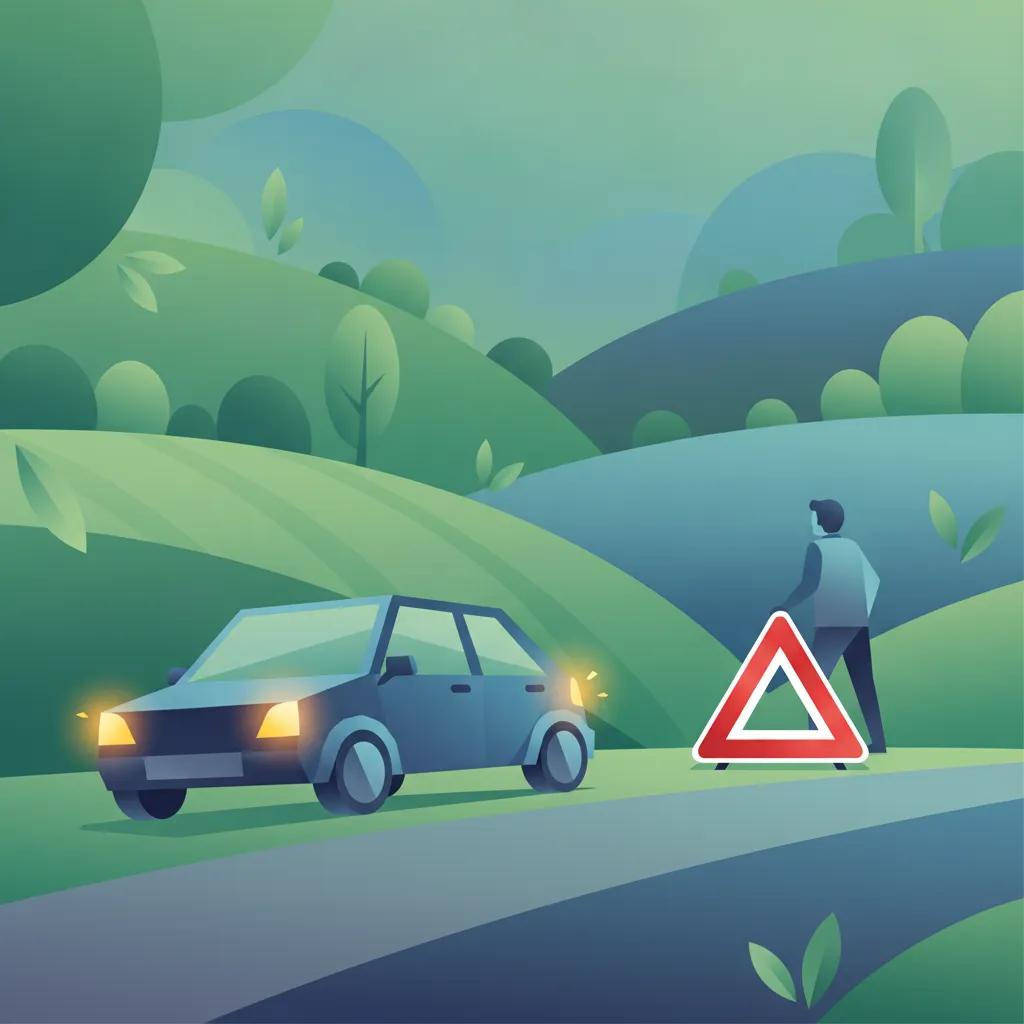
This lesson provides essential guidance on the correct procedures to follow in the event of a breakdown or a crash. It covers how to secure the scene to prevent further incidents, the legal obligations to assist if you are involved or witness an accident, and how to effectively contact emergency services. The content also reviews the legally required emergency equipment, such as a high-visibility vest.
This lesson focuses on the legal responsibilities mandated for all motorcyclists in Belgium, emphasizing strict adherence to the traffic code. It details a rider's obligation to conduct risk assessments, comply with speed limits, and maintain high safety standards. The content also clarifies the legal liability associated with traffic infractions and the importance of carrying correct documentation at all times.
This lesson outlines the legal penalties for traffic offences, including fines and potential licence suspension. It also covers correct emergency protocols, such as what to do at an accident scene, how to call 112, and the basics of first aid. The lesson concludes by emphasizing the importance of responsible driving to foster a safer road safety culture for everyone.
This lesson outlines the system of penalties for traffic violations in Belgium, ensuring riders are fully aware of the consequences of illegal behavior. It covers common offenses like speeding and explains the structure of fines and the demerit point system that can lead to license suspension. The content emphasizes the significant financial and legal repercussions of non-compliance, reinforcing the importance of lawful and responsible riding.
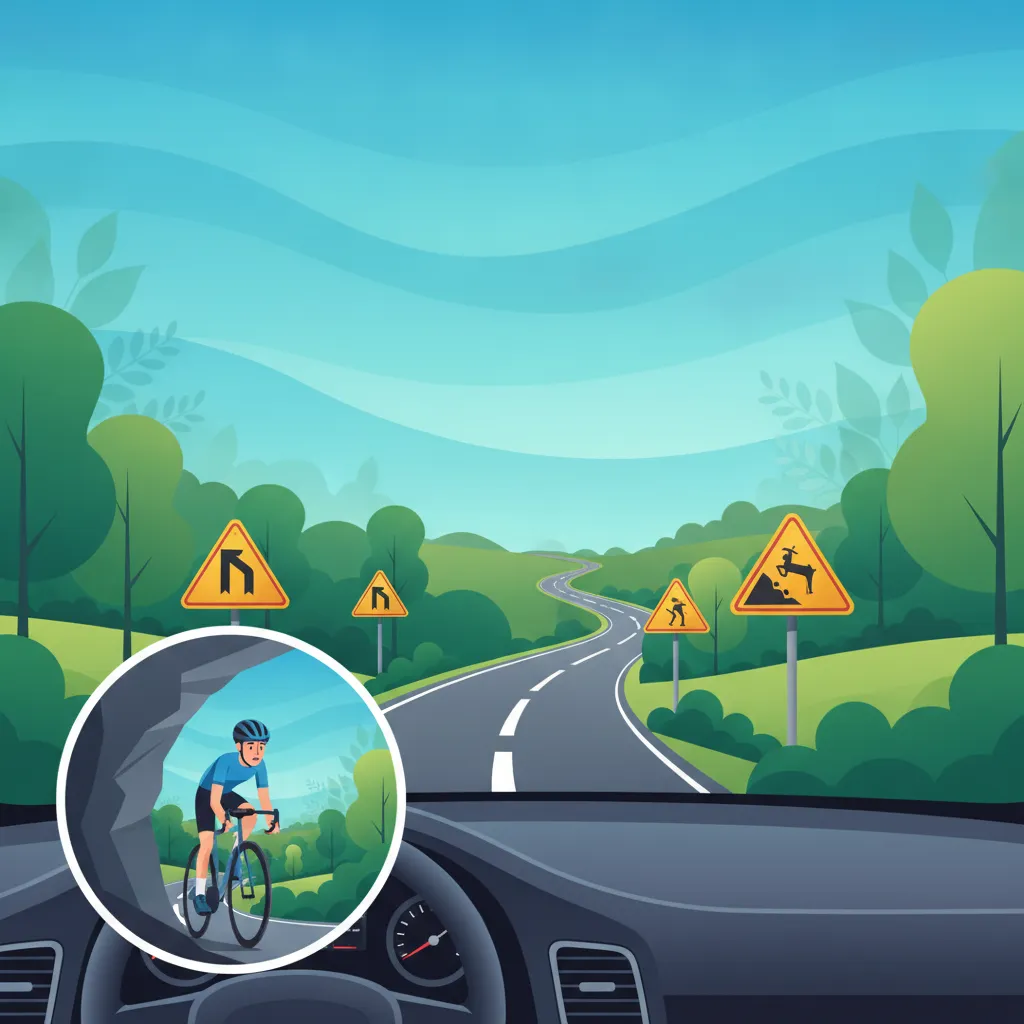
This lesson is dedicated to warning signs, which are designed to alert drivers to potential dangers ahead. It covers the interpretation of signs indicating sharp curves, steep gradients, slippery surfaces, and the presence of pedestrians or animals. By understanding these warnings, riders can anticipate potential hazards and adjust their speed and position proactively for safer travel.
This lesson covers the absolute legal requirement for all Category AM vehicle operators in Belgium to wear a safety helmet. It explains the specific safety standards and certifications that helmets must meet to be legally compliant. Learners will be taught how to select the correct size, achieve a secure fit, and conduct regular inspections to ensure the helmet's protective integrity is maintained.

This lesson focuses on the rules governing pedestrian crossings, including marked zebra crossings and signal-controlled crossings. Special attention is given to school zones and residential areas where pedestrian activity is high. Learners will understand how to recognize and respect pedestrian priority in various crossing scenarios to ensure their safety.
Explore the critical role of AM drivers in protecting vulnerable road users like pedestrians and cyclists. This lesson covers safety protocols and emergency response considerations specific to their interactions on Belgian roads.
This lesson focuses on the heightened awareness required when approaching and traversing pedestrian and cyclist crossings. It clarifies the legal rules, including the absolute priority of pedestrians on zebra crossings, and the importance of reducing speed. Riders will learn how to anticipate the movements of these vulnerable road users and position their vehicle to ensure a safe interaction.
This lesson details a motorcyclist's obligations when approaching various types of crossings, including marked pedestrian and bicycle lanes. It emphasizes the legal requirement to yield to vulnerable road users and the importance of thorough visual checks before proceeding. You will learn how to maintain a safe distance and anticipate the movements of pedestrians and cyclists in urban areas.

This lesson explains the concept of strategic road positioning to enhance safety and visibility. It teaches riders how to select the best position within a lane to be seen by other drivers and to have a good view of the road ahead. A key focus is on identifying and staying out of the large blind spots of cars, vans, and trucks to prevent dangerous situations.
This lesson focuses on the legal duties and responsibilities that an AM vehicle operator must uphold on Belgian roads. It covers critical rules such as adhering to speed limits, correctly applying right-of-way principles, and following regulations for overtaking other vehicles. The lesson also explains the system of fines and penalty points for traffic violations, emphasizing the legal consequences of non-compliance to foster responsible driving habits.
This lesson covers the absolute legal requirement for all Category AM vehicle operators in Belgium to wear a safety helmet. It explains the specific safety standards and certifications that helmets must meet to be legally compliant. Learners will be taught how to select the correct size, achieve a secure fit, and conduct regular inspections to ensure the helmet's protective integrity is maintained.
This lesson provides essential guidance on the correct procedures to follow in the event of a breakdown or a crash. It covers how to secure the scene to prevent further incidents, the legal obligations to assist if you are involved or witness an accident, and how to effectively contact emergency services. The content also reviews the legally required emergency equipment, such as a high-visibility vest.
This lesson is dedicated to warning signs, which are designed to alert drivers to potential dangers ahead. It covers the interpretation of signs indicating sharp curves, steep gradients, slippery surfaces, and the presence of pedestrians or animals. By understanding these warnings, riders can anticipate potential hazards and adjust their speed and position proactively for safer travel.
Beyond the mandatory helmet, this lesson explores other forms of personal protective equipment that significantly reduce the risk of injury. It explains the functions of specialized gloves, jackets, trousers, and boots, focusing on their abrasion resistance and impact protection qualities. Learners will understand how to choose gear that provides a balance of safety, weather protection, and comfort for different riding conditions.
This lesson details the spectrum of obligations that apply to drivers, from basic compliance with traffic signs to responsibilities like vehicle upkeep and accident reporting. Learners will understand the importance of maintaining a vehicle in a roadworthy condition. It also covers the legal expectations for safe driving practices, including the use of safety equipment.
This lesson details the safe and systematic approach to different types of intersections, both signal-controlled and uncontrolled. It explains how to use road signs and markings to determine right-of-way and when to stop or yield. The importance of comprehensive scanning for traffic from all directions and adjusting approach speed is emphasized to ensure safe passage.
Find clear answers to common questions learners have about Emergency Procedures and Accident Response. Learn how the lesson is structured, which driving theory objectives it supports, and how it fits into the overall learning path of units and curriculum progression in Belgium. These explanations help you understand key concepts, lesson flow, and exam focused study goals.
You must call 112 immediately if there are any injuries, if the road is blocked creating a safety hazard, or if there is a risk of fire or fuel leakage after an accident.
The warning triangle must be placed at a sufficient distance behind your vehicle to give oncoming traffic enough time to slow down, typically at least 30 meters on normal roads and 100 meters on motorways.
While not always legally mandated to be carried on the bike itself like a car, it is highly recommended and considered best practice to have one accessible for use during emergencies to ensure you remain visible to other traffic.
Only move your vehicle if it is obstructing traffic and causing an immediate safety risk. If there are injuries, leave the scene undisturbed unless you are in imminent danger.
Ready to focus your Belgian driving theory revision? Utilize our powerful search tool to pinpoint exact topics, road signs, or difficulty levels. Engage with practice questions that directly address your learning needs and solidify your understanding of Belgian traffic laws for your upcoming exam.