
This lesson provides a foundational understanding of the Danish Category B driving licence. We will cover the specific vehicle types you are legally permitted to operate, weight limitations, and the key regulatory differences between manual and automatic transmission licences.
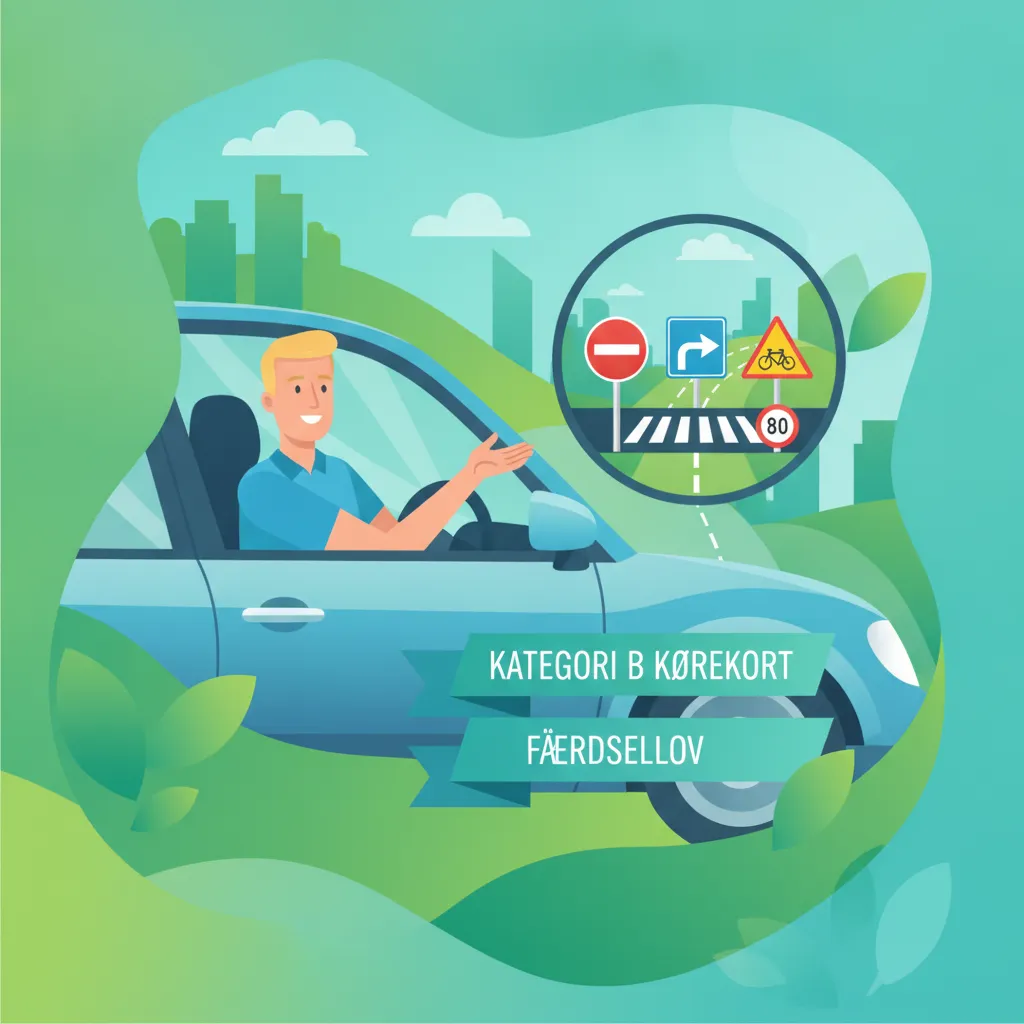
Lesson content overview
The Category B driving licence is fundamental for operating a wide range of vehicles in Denmark, primarily designed for personal and light commercial use. This lesson provides a comprehensive overview of what the Category B licence permits you to drive, outlining the crucial legal parameters and restrictions you must adhere to. Understanding these regulations is not just about compliance; it's about ensuring your safety and the safety of others on Danish roads.
We will explore key concepts such as Maximum Authorised Mass (MAM), passenger capacity, and specific rules for towing trailers. Additionally, a critical distinction between automatic and manual transmission licences will be detailed, highlighting their practical implications for drivers. This foundational knowledge is essential for every aspiring driver in the Danish Driving License Theory Course: Category B Preparation, setting the stage for more advanced topics in traffic law and vehicle operation.
The Category B licence is the standard qualification for driving a car in Denmark. It authorises you to operate a motor vehicle under specific conditions relating to its size, weight, and passenger capacity. Familiarity with these parameters is vital to avoid unintentional violations and to safely manage your vehicle.
The Maximum Authorised Mass (MAM), often referred to as permissible maximum weight, is a critical limit for Category B licence holders. It represents the total weight a vehicle is designed to carry, including its own weight (kerb weight), fuel, passengers, and any cargo. In Denmark, the Category B licence permits you to operate a motor vehicle with a MAM of up to 3,500 kg. This limit applies to the vehicle itself, regardless of whether it is towing a trailer or not.
Adhering to the MAM ensures that the vehicle's braking system, suspension, and overall handling characteristics remain within safe operating parameters. Exceeding this limit can severely compromise vehicle performance, increase stopping distances, and make the vehicle difficult to control, particularly in emergency situations.
Another crucial aspect of the Category B licence is the restriction on passenger capacity. The licence permits you to drive a motor vehicle designed and constructed for the carriage of up to 8 passengers in addition to the driver. This means the vehicle can have a maximum of 9 seats in total (driver + 8 passengers).
This limit ensures that Category B drivers operate vehicles whose size and complexity are appropriate for their licence category. Larger vehicles, such as minibuses designed for 10 or more people, fall under different licence categories (e.g., Category D1 or D). Overloading a vehicle beyond its designated passenger capacity is not only illegal but also creates significant safety risks, including compromised handling and reduced emergency egress options.
The Category B licence allows you to tow a trailer, but strict rules govern the combined weight of the towing vehicle and the trailer. These regulations are designed to prevent overloading, which can severely impact vehicle stability, braking efficiency, and overall control.
When towing a trailer with a Category B licence, the combined MAM of the towing vehicle and the trailer must not exceed 3,500 kg. This means you must consider both the MAM of your car and the MAM of the trailer you intend to tow. It is not enough for the car's MAM to be within limits; the total weight of the entire setup is what matters.
If the combined MAM of the vehicle and trailer exceeds 3,500 kg, even if the vehicle itself is within Category B limits, you would require an extended licence such as a Category B/E licence. Understanding these towing limits is crucial for planning your journey and selecting appropriate vehicles and trailers.
In Denmark, as in many other countries, your driving licence is specific to the type of transmission system you used during your driving test. This distinction has significant practical and legal implications.
If you complete your driving test in a vehicle equipped with an automatic transmission, your Category B licence will typically be restricted to automatic vehicles only. This means you are legally permitted to drive only cars that have an automatic gearbox. If you wish to drive a manual transmission vehicle, you would need to undertake additional training and pass a further practical driving test in a manual car. This would then remove the automatic-only restriction from your licence, allowing you to operate both types of vehicles.
Conversely, if you pass your driving test in a manual transmission vehicle, your Category B licence will automatically qualify you to drive both manual and automatic vehicles. This is because proficiency in operating a manual gearbox is generally considered to encompass the skills needed for an automatic one. It is essential to be aware of this distinction to ensure you are compliant with the law and capable of safely operating the vehicle you choose to drive.
The Category B licence is underpinned by specific rules and regulations derived from Danish legislation, primarily the Road Traffic Act (Færdselsloven). Adherence to these rules is mandatory for all licence holders.
The primary rule dictates that a Category B licence holder may drive a vehicle with a MAM of up to 3,500 kg. This limit is absolute for the vehicle itself. The rationale behind this rule is to ensure that drivers operate vehicles they can safely control given their training and experience. Vehicles exceeding this mass are typically heavier and more complex to handle, requiring specialised training and different licence categories.
Example: You can drive a standard passenger car or a small delivery van with a MAM of 2,800 kg. However, a larger commercial truck with a MAM of 4,000 kg would be outside the scope of your Category B licence, even if it has an empty load.
A Category B licence restricts vehicles to a maximum of 9 seats, including the driver's seat. This means your vehicle can accommodate up to 8 passengers. This regulation is aligned with vehicle design and safety standards. Vehicles designed for more than 9 occupants are considered minibuses or buses and require different licence categories, as operating them involves a higher degree of responsibility and specific driving skills.
Example: Driving a family car with 5 seats is perfectly within your licence scope. However, driving a minibus specifically designed to carry 12 people (11 passengers plus driver) would be illegal with a Category B licence.
When you choose to tow a trailer, the combined MAM of your towing vehicle and the trailer must not exceed 3,500 kg. This rule is crucial for maintaining vehicle stability and braking performance. It prevents situations where a relatively light car might attempt to tow an excessively heavy trailer, leading to dangerous driving conditions.
Example: If your car has a MAM of 2,500 kg, you can tow a trailer with a MAM of up to 1,000 kg, as the combined MAM would be 3,500 kg (2,500 kg + 1,000 kg). However, if your car has a MAM of 2,800 kg, you could only tow a trailer with a MAM of up to 700 kg to stay within the 3,500 kg combined limit.
If your driving test was taken in an automatic vehicle, your Category B licence will carry a specific code (e.g., '78' in the EU) indicating that you are restricted to driving automatic transmission vehicles. This restriction is legally binding and is in place to ensure that drivers are competent with the specific operational characteristics of the vehicle they are driving. Operating a manual vehicle with an automatic-only licence is a violation of traffic law.
Example: If you hold an automatic-only Category B licence and borrow a friend's manual car, driving it would be illegal, regardless of your perceived ability to operate a manual gearbox. To drive a manual car legally, you would need to pass a practical driving test in a manual vehicle to remove the restriction.
Misinterpreting the scope of your Category B licence can lead to serious safety risks and significant legal penalties. Understanding these common pitfalls is crucial for responsible driving.
One of the most frequent misunderstandings relates to the Maximum Authorised Mass (MAM) and passenger limits. Drivers may mistakenly believe that as long as the vehicle looks like a car, it falls under Category B, or they might not accurately calculate the combined MAM when towing.
Exceeding MAM: Driving a vehicle with a MAM higher than 3,500 kg, or exceeding the combined MAM limit when towing, results in driving an illegally overloaded vehicle. This can lead to:
Ignoring Passenger Limits: Transporting more than 8 passengers (plus the driver) in a Category B vehicle also carries substantial risks:
Driving a manual transmission vehicle with an automatic-only Category B licence is a direct violation of your licence conditions. This is not a minor infraction; it is treated as driving without a valid licence for that specific vehicle type.
Adhering to Category B licence limits is paramount under all driving conditions, but certain contextual factors further amplify the importance of compliance.
Wet, icy, or snow-covered roads significantly reduce tyre grip and increase stopping distances. If your vehicle is already at its MAM limit or, worse, overloaded, these effects are dramatically amplified. The margin for error diminishes rapidly, making control incredibly challenging. Similarly, strong crosswinds can dangerously destabilise an overloaded or improperly loaded vehicle, especially when towing a trailer. Always consider how current weather conditions might affect your vehicle's performance and adjust your driving accordingly, ensuring you are well within your licence's weight limits.
While staying within the Maximum Authorised Mass (MAM) is a legal requirement, how that load is distributed within the vehicle or on a trailer is equally critical for safety. Improper load distribution can create unstable handling characteristics, regardless of whether the total weight is within limits.
For example, placing heavy items too high can raise the vehicle's centre of gravity, increasing the risk of rollover. Placing too much weight at the very front or rear of a trailer can cause severe instability, leading to "snaking" or loss of control at speed. Always aim for an even distribution, with heavier items placed low and centrally, and ensure all cargo is securely fastened to prevent shifting during transit.
Understanding the specific terminology used in Danish driving theory and legislation is crucial for proper comprehension and compliance.
To solidify your understanding of the Category B licence scope, let's consider a few real-world examples.
Scenario 1: Family Holiday with a Caravan You own a family car with a MAM of 2,200 kg. You plan to tow a caravan with a MAM of 1,200 kg.
Scenario 2: Driving a Large Van You need to drive a large rental van for moving furniture. The van's Maximum Authorised Mass (MAM) is 3,800 kg.
Scenario 3: Changing from Automatic to Manual You passed your Category B test in an automatic car and have an automatic-only licence. You now want to buy a manual car.
The legal framework surrounding the Danish Category B driving licence is not merely a set of bureaucratic rules; it is fundamentally designed to ensure road safety for all participants. By thoroughly understanding and consistently adhering to the limits on Maximum Authorised Mass, passenger capacity, and towing regulations, you contribute directly to reducing the risk of accidents.
Proper compliance ensures that your vehicle's design capabilities are not exceeded, preventing issues with braking, handling, and stability. Furthermore, respecting the distinction between automatic and manual transmission licences guarantees that drivers are operating vehicles with a transmission type they are proven to be proficient with. As you progress through your Danish Driving License Theory Course, remember that these foundational rules are the bedrock of responsible and safe driving.
The Danish Category B licence governs vehicles up to 3,500 kg MAM carrying up to 8 passengers, with specific rules for towing trailers requiring the combined vehicle and trailer MAM to stay within this limit. A critical distinction exists between automatic-only licences (obtained by passing in an automatic car) and full licences (obtained in a manual car), with automatic-only holders needing an additional test to drive manuals. Exceeding mass limits, passenger capacity, or operating outside transmission restrictions carries serious safety risks and legal consequences including fines, licence suspension, and insurance invalidity.
A short set of high-value points that capture the most important learning from this lesson.
A Danish Category B licence permits driving vehicles up to 3,500 kg Maximum Authorised Mass (MAM) and carrying up to 8 passengers in addition to the driver.
When towing a trailer, the combined MAM of the towing vehicle and trailer must not exceed 3,500 kg total.
Passing your driving test in an automatic vehicle restricts your licence to automatic vehicles only; passing in a manual vehicle allows you to drive both types.
Exceeding the MAM limit severely compromises braking efficiency, handling, and stability, creating dangerous driving conditions.
Operating a vehicle outside your licence conditions invalidates insurance and can result in fines, licence suspension, or criminal charges.
Explore all units and lessons included in this driving theory course.
MAM includes the vehicle's kerb weight plus fuel, passengers, and cargo combined.
Combined MAM when towing = vehicle MAM + trailer MAM; both must fit within the 3,500 kg limit.
Automatic-only licences carry a specific restriction code and require a separate manual test to remove.
Vehicles designed for more than 9 occupants (driver + 8 passengers) fall under higher licence categories.
Always verify MAM values from registration certificates before driving or towing.
Assuming any car-like vehicle is automatically Category B without checking its MAM exceeds 3,500 kg.
Only checking the car's MAM when towing, forgetting that the trailer's weight also counts toward the combined limit.
Believing an automatic-only licence holder can legally drive a friend's manual car with their current licence.
Overloading a vehicle beyond passenger capacity because it 'looks like it could fit more people'.
Assuming insurance will cover an accident when driving outside licence conditions.
Lesson content overview
A short set of high-value points that capture the most important learning from this lesson.
A Danish Category B licence permits driving vehicles up to 3,500 kg Maximum Authorised Mass (MAM) and carrying up to 8 passengers in addition to the driver.
When towing a trailer, the combined MAM of the towing vehicle and trailer must not exceed 3,500 kg total.
Passing your driving test in an automatic vehicle restricts your licence to automatic vehicles only; passing in a manual vehicle allows you to drive both types.
Exceeding the MAM limit severely compromises braking efficiency, handling, and stability, creating dangerous driving conditions.
Operating a vehicle outside your licence conditions invalidates insurance and can result in fines, licence suspension, or criminal charges.
Explore all units and lessons included in this driving theory course.
MAM includes the vehicle's kerb weight plus fuel, passengers, and cargo combined.
Combined MAM when towing = vehicle MAM + trailer MAM; both must fit within the 3,500 kg limit.
Automatic-only licences carry a specific restriction code and require a separate manual test to remove.
Vehicles designed for more than 9 occupants (driver + 8 passengers) fall under higher licence categories.
Always verify MAM values from registration certificates before driving or towing.
Assuming any car-like vehicle is automatically Category B without checking its MAM exceeds 3,500 kg.
Only checking the car's MAM when towing, forgetting that the trailer's weight also counts toward the combined limit.
Believing an automatic-only licence holder can legally drive a friend's manual car with their current licence.
Overloading a vehicle beyond passenger capacity because it 'looks like it could fit more people'.
Assuming insurance will cover an accident when driving outside licence conditions.
Explore search topics learners often look for when studying Category B Licence Scope and Legal Framework. These topics reflect common questions about road rules, driving situations, safety guidance, and lesson level theory preparation for learners in Denmark.
Browse additional driving theory lessons that cover connected traffic rules, road signs, and common driving situations related to this topic. Improve your understanding of how different rules interact across everyday traffic scenarios.
Understand the precise Danish regulations for towing trailers with a Category B licence. Learn about Maximum Authorised Mass (MAM) for vehicles and combined towing limits to ensure legal and safe operation.
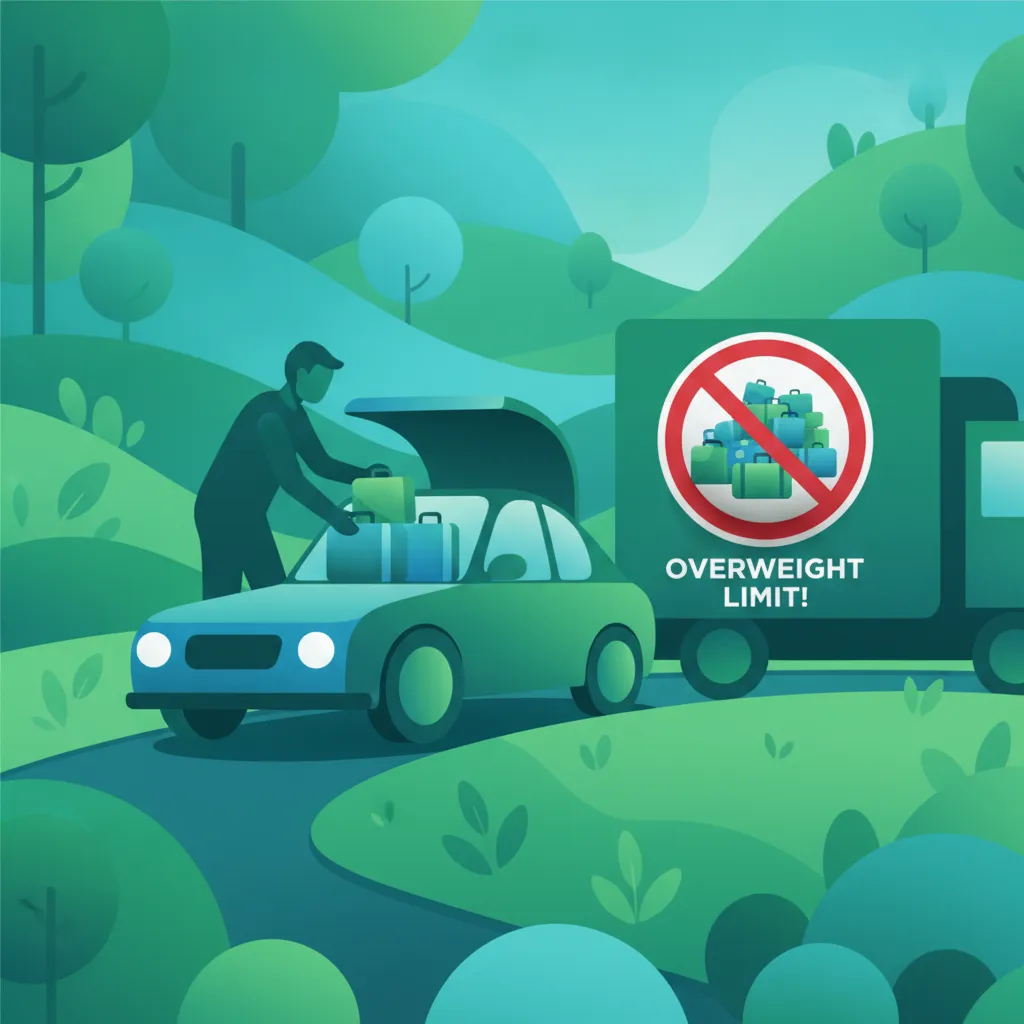
This lesson introduces the fundamental concepts of vehicle mass, clarifying the legal distinctions between total weight, actual weight, and loaded weight under Danish law. It emphasizes the importance of strictly adhering to these limits to ensure safe vehicle operation and handling characteristics. The content also details the significant safety risks and legal penalties associated with exceeding weight limits, such as fines and vehicle impoundment.
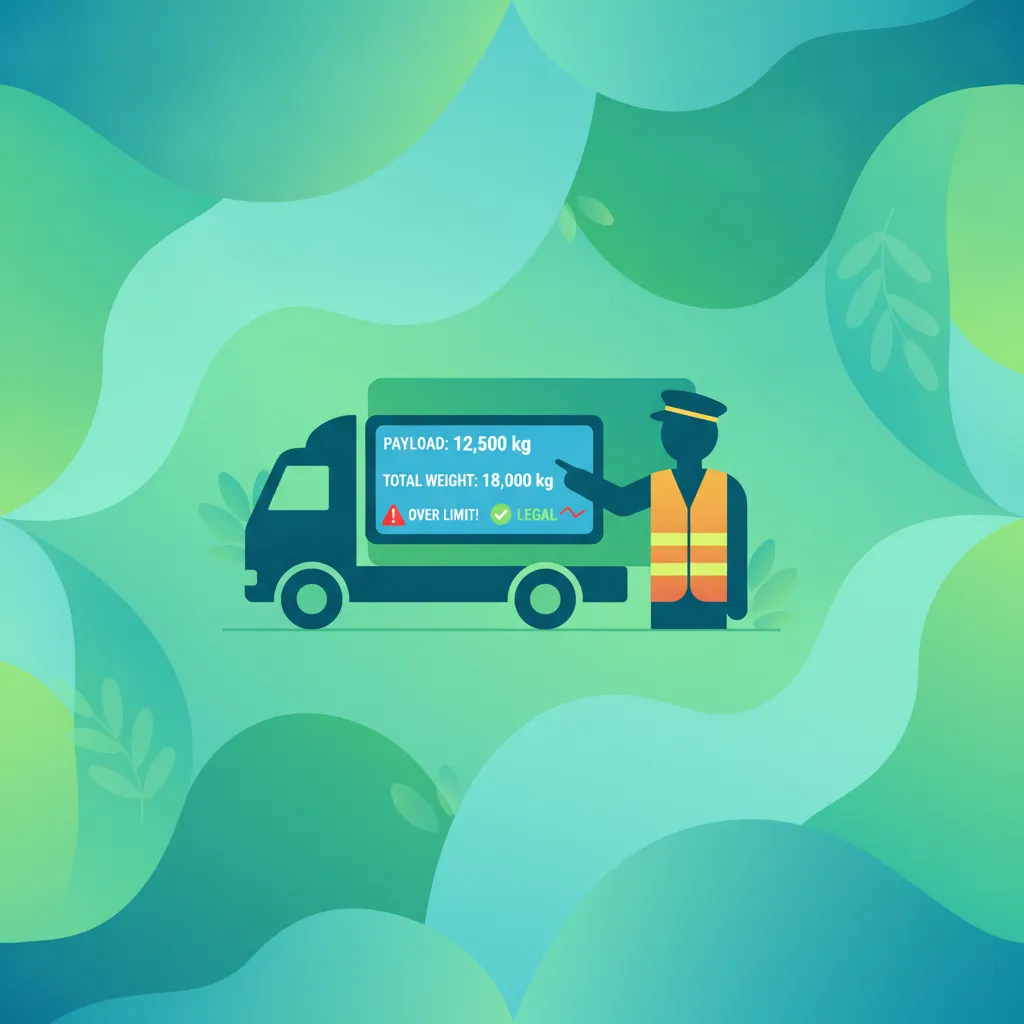
This lesson teaches the essential skill of calculating a heavy vehicle's payload capacity, taking into account both its design specifications and legal restrictions. It explains the relationship between unladen weight, gross vehicle mass, and the resulting legal payload. The content emphasizes the critical role of accurate load planning to prevent overloading, which poses significant safety risks and leads to legal penalties.
Proper axle load distribution is crucial for the safety and legality of heavy vehicle operations. This lesson explains how axle pressure is defined and regulated, highlighting the importance of distributing weight correctly across all axles. It covers how imbalanced loads can negatively affect braking performance, steering control, and overall vehicle stability, while also explaining the Danish regulations for maximum axle loads.
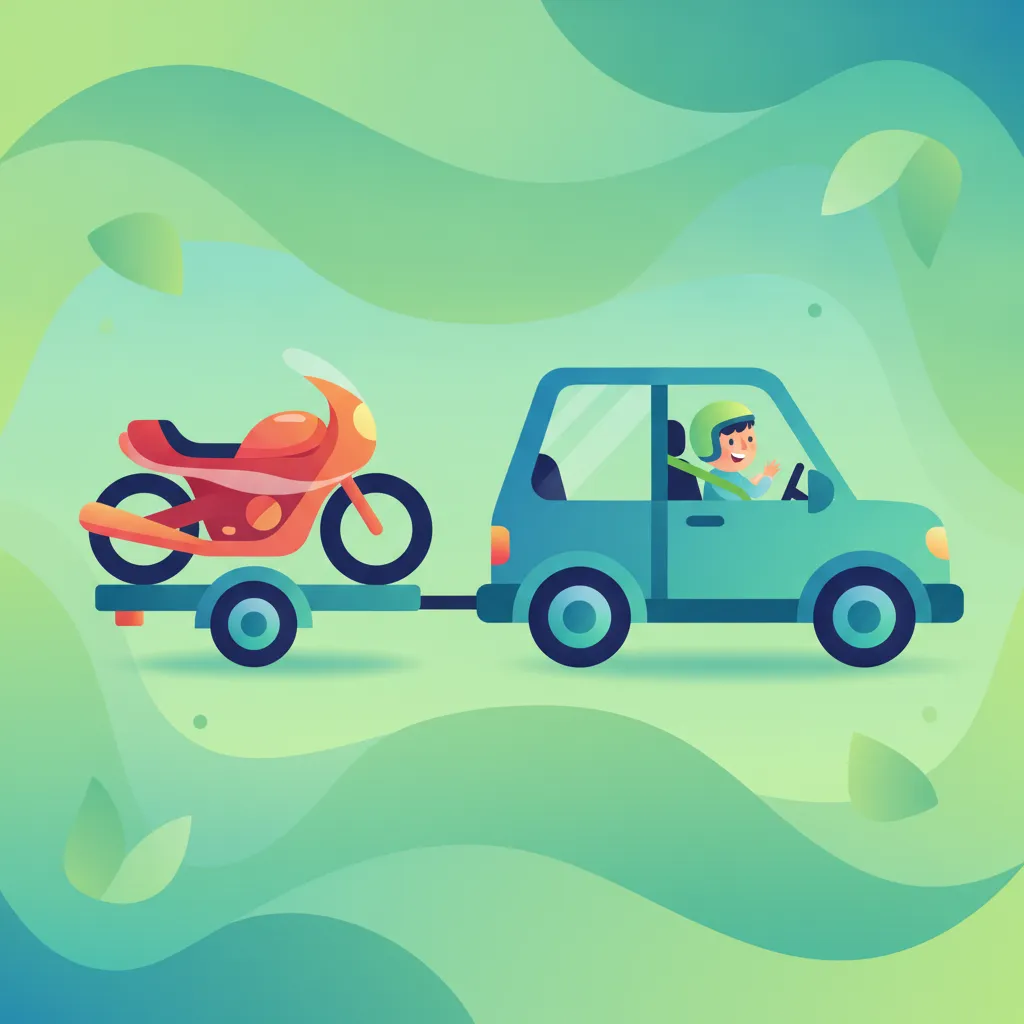
This lesson covers the safe and correct method for attaching a trailer to your vehicle, including all necessary safety checks. It explains the importance of proper load distribution to maintain trailer stability and prevent dangerous swaying. The content also revisits the critical rules for passenger safety, with a focus on selecting and using the correct child restraint systems according to Danish law.
This lesson focuses on the rules and best practices for operating heavy vehicles on motorways and interchanges. It details Danish regulations regarding lane usage and speed limits for lorries, and explains safe techniques for merging into and exiting high-speed traffic. Maintaining a safe and appropriate following distance to allow for longer stopping distances is a key focus of the content.

This lesson introduces the various types of trailers and semitrailers used in commercial transport, from rigid drawbar trailers to articulated semitrailers. It explains their distinct characteristics, including legal dimensional limits, typical axle configurations, and maximum loading capacities as defined by Danish regulations. Understanding these differences is fundamental for selecting the right combination for a given load and ensuring legal operation.
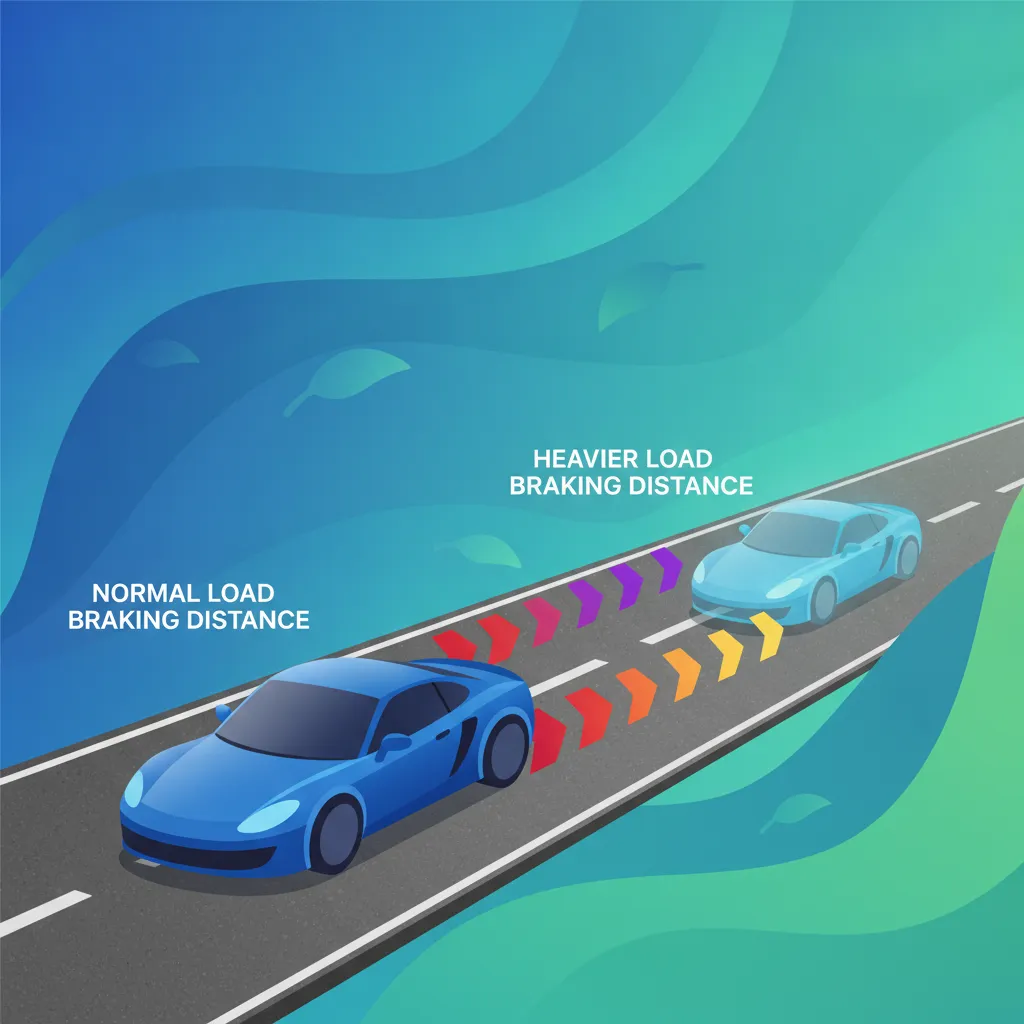
This lesson explores the direct relationship between a vehicle's mass, its speed, and the distance required to stop. It explains how increased load significantly lengthens the braking distance and details how road conditions like gradient and surface friction further affect this calculation. Learners will understand the importance of anticipating stops and maintaining a greater following distance to ensure safety.
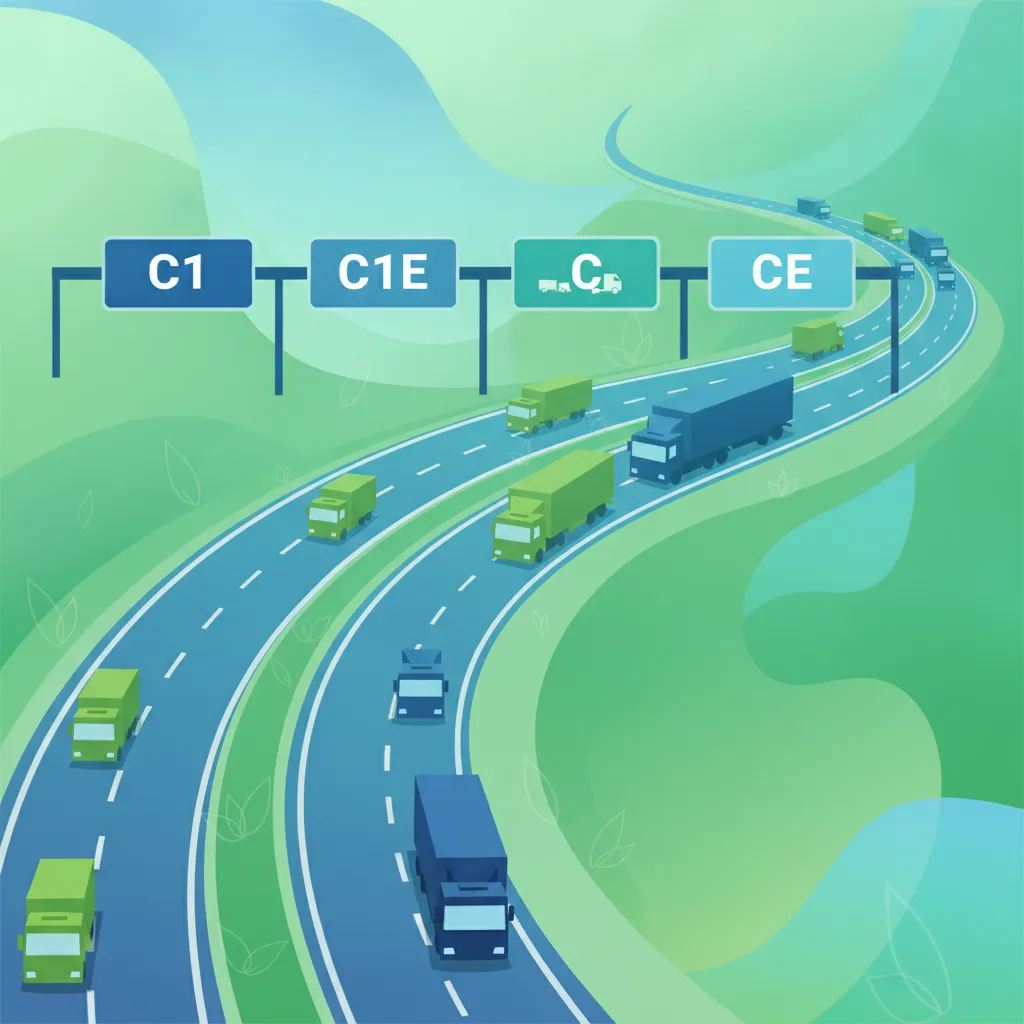
This lesson provides a detailed breakdown of the Danish C-category licenses, explaining the specific vehicle types and combinations allowed under each classification. It clarifies the legal definitions of mass limits for C1 and C vehicles, and how the addition of trailers creates the C1E and CE categories. The content focuses on the operational implications of these distinctions, helping you identify the correct license for different professional driving roles.
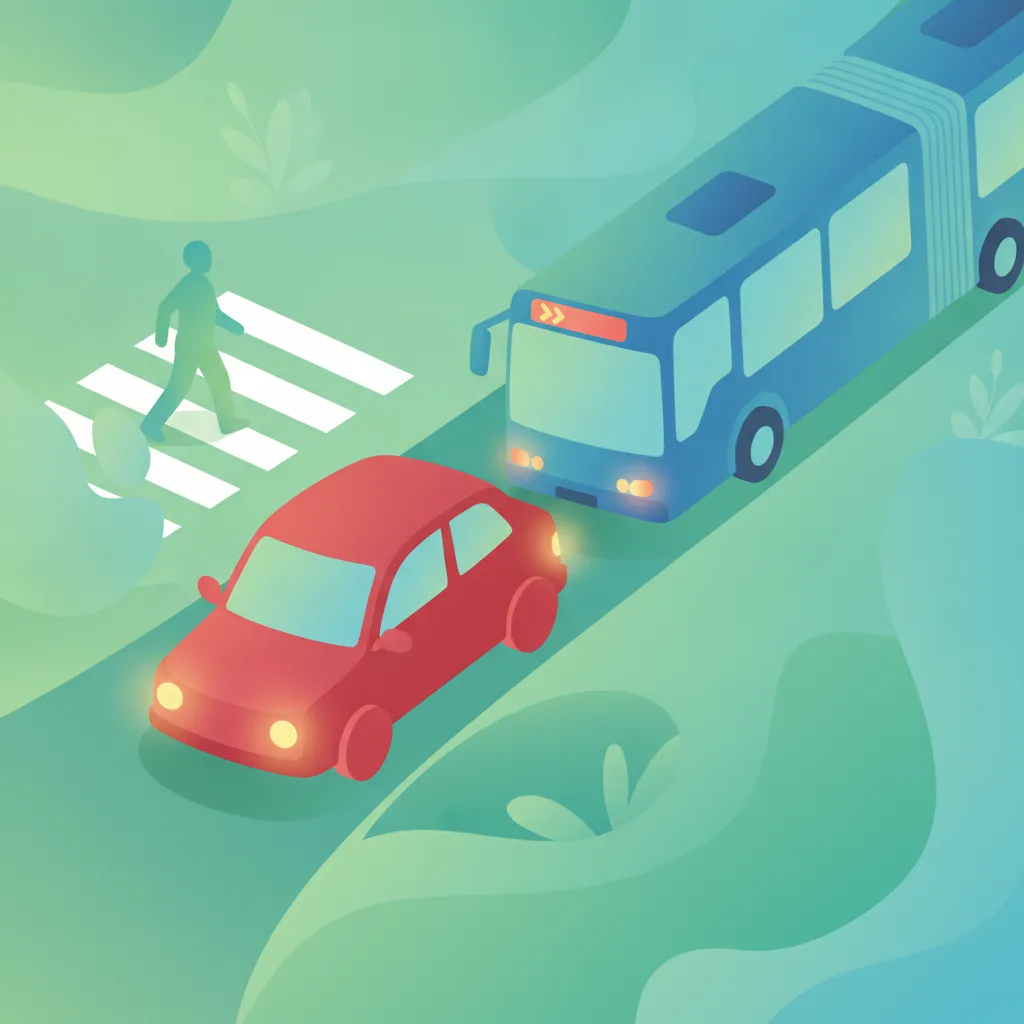
This lesson addresses the specific skills required to navigate around public transport and heavy goods vehicles safely. You will learn the rules for bus lanes, recognize when buses have priority at stops, and understand the unique challenges posed by large vehicles, such as wider turning circles and larger blind spots. The material also provides clear protocols for overtaking these vehicles while maintaining adequate safety margins.
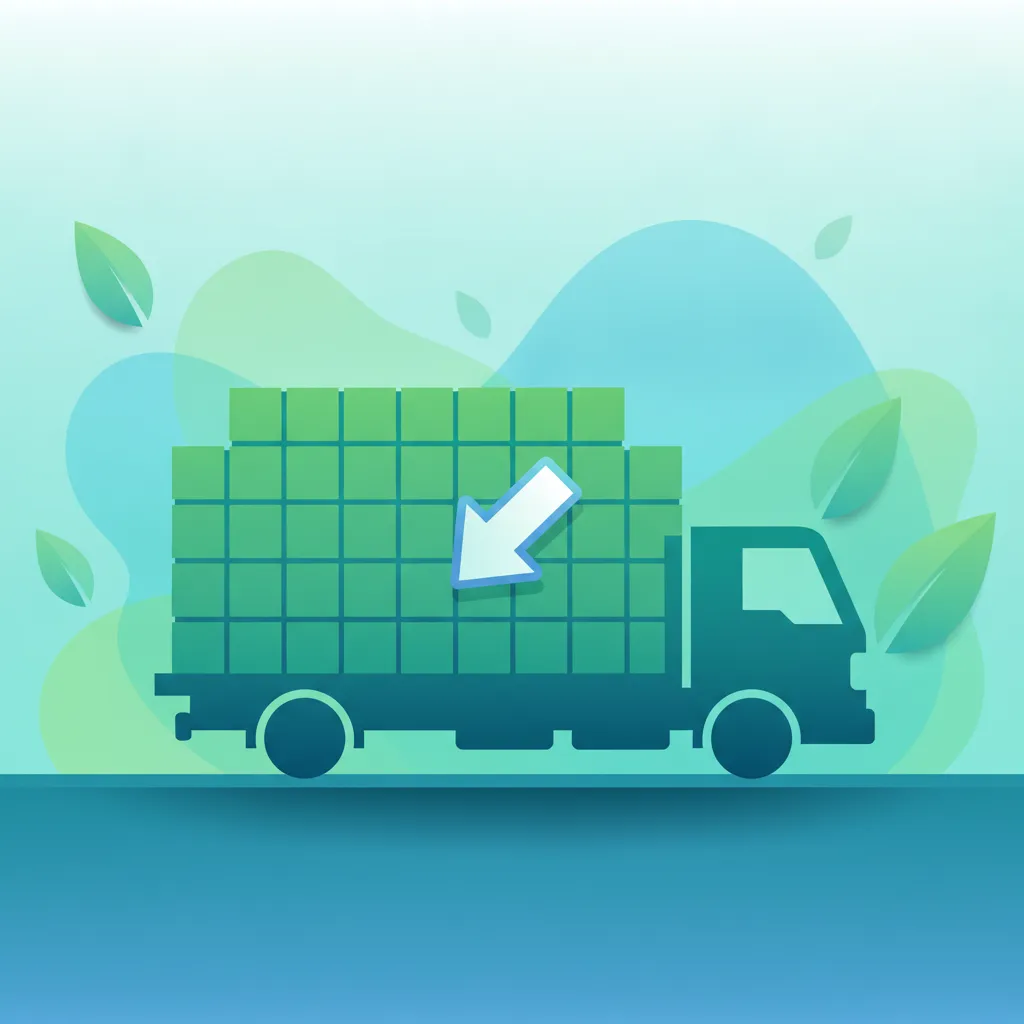
This lesson explains the fundamental physics of load distribution and its direct impact on a heavy vehicle's centre of gravity. It details how the positioning of cargo—whether high, low, forward, or back—alters handling characteristics and overall stability. The content emphasizes the importance of achieving a balanced load to minimize rollover risk and comply with Danish regulations for safe weight distribution.
Clarify the implications of passing your Category B driving test in an automatic or manual vehicle. Learn about licence restrictions and how they affect your legal right to drive different transmission types in Denmark.
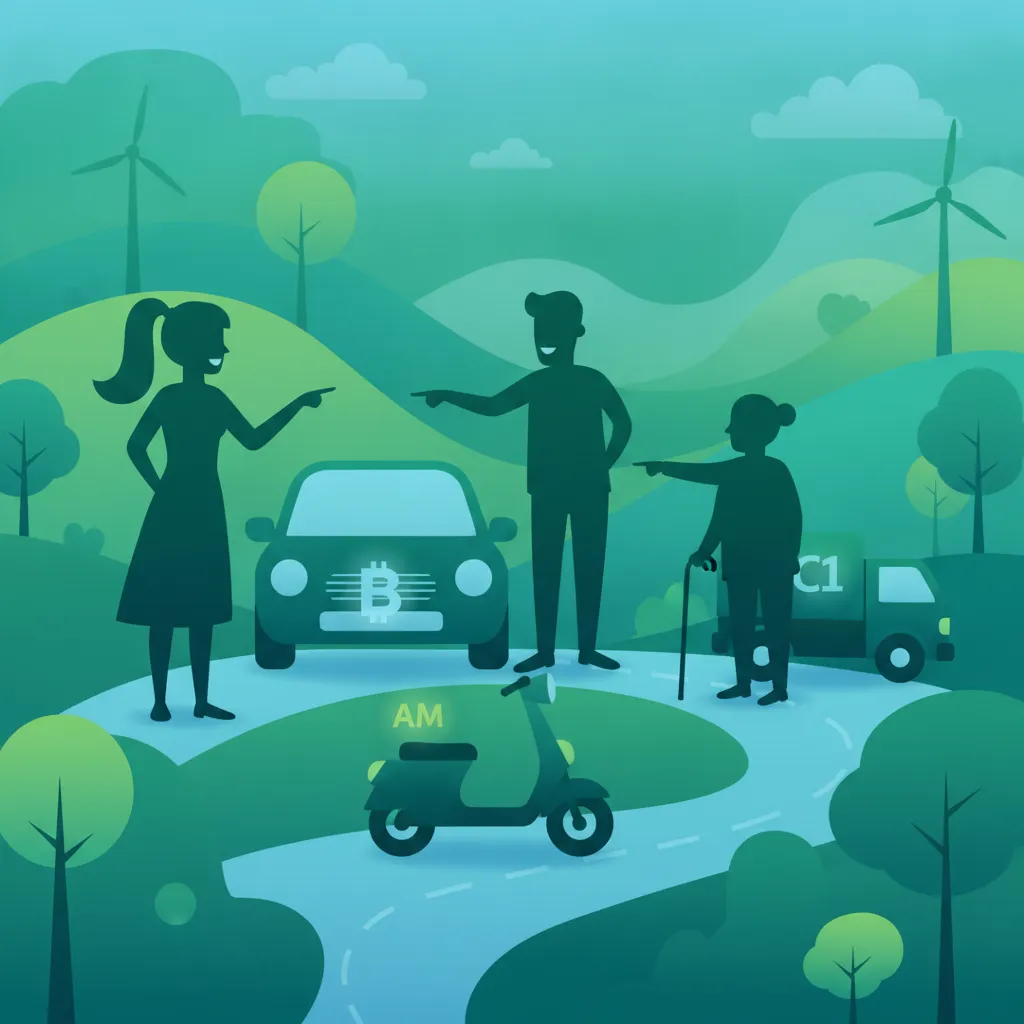
This lesson provides a detailed breakdown of the Danish licence categories for passenger transport. It explains the differences between D1, D1E, D, and DE licences based on passenger capacity, vehicle size, and permitted combinations. The content clarifies the legal definitions and professional qualifications necessary for obtaining each licence, ensuring drivers operate within the correct regulatory framework.
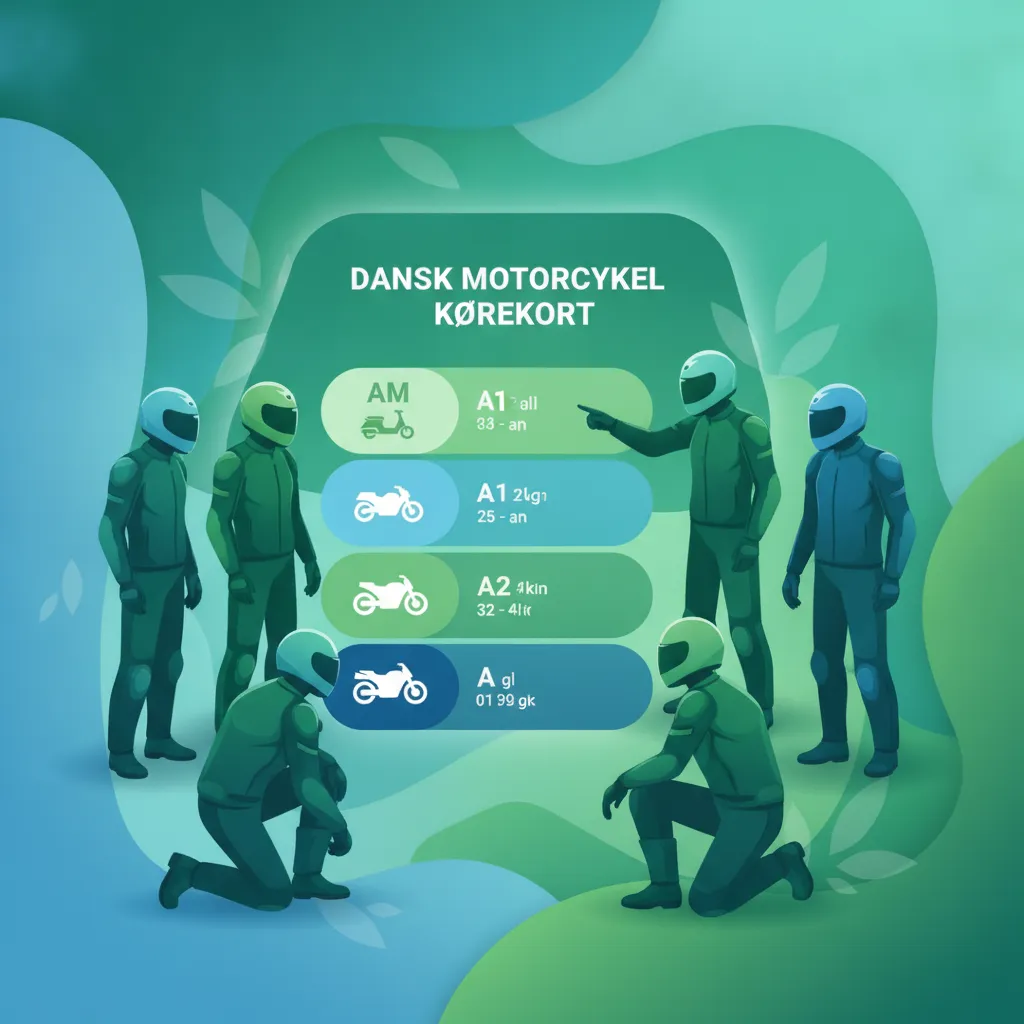
This lesson details the structure of the Danish motorcycle licensing system, covering categories A1, A2, and A. It outlines the specific age limits, engine displacement restrictions, and power-to-weight ratios for each category. Understanding these requirements provides a clear pathway for progressive skill development and legal operation.
This lesson focuses on the rules and best practices for operating heavy vehicles on motorways and interchanges. It details Danish regulations regarding lane usage and speed limits for lorries, and explains safe techniques for merging into and exiting high-speed traffic. Maintaining a safe and appropriate following distance to allow for longer stopping distances is a key focus of the content.
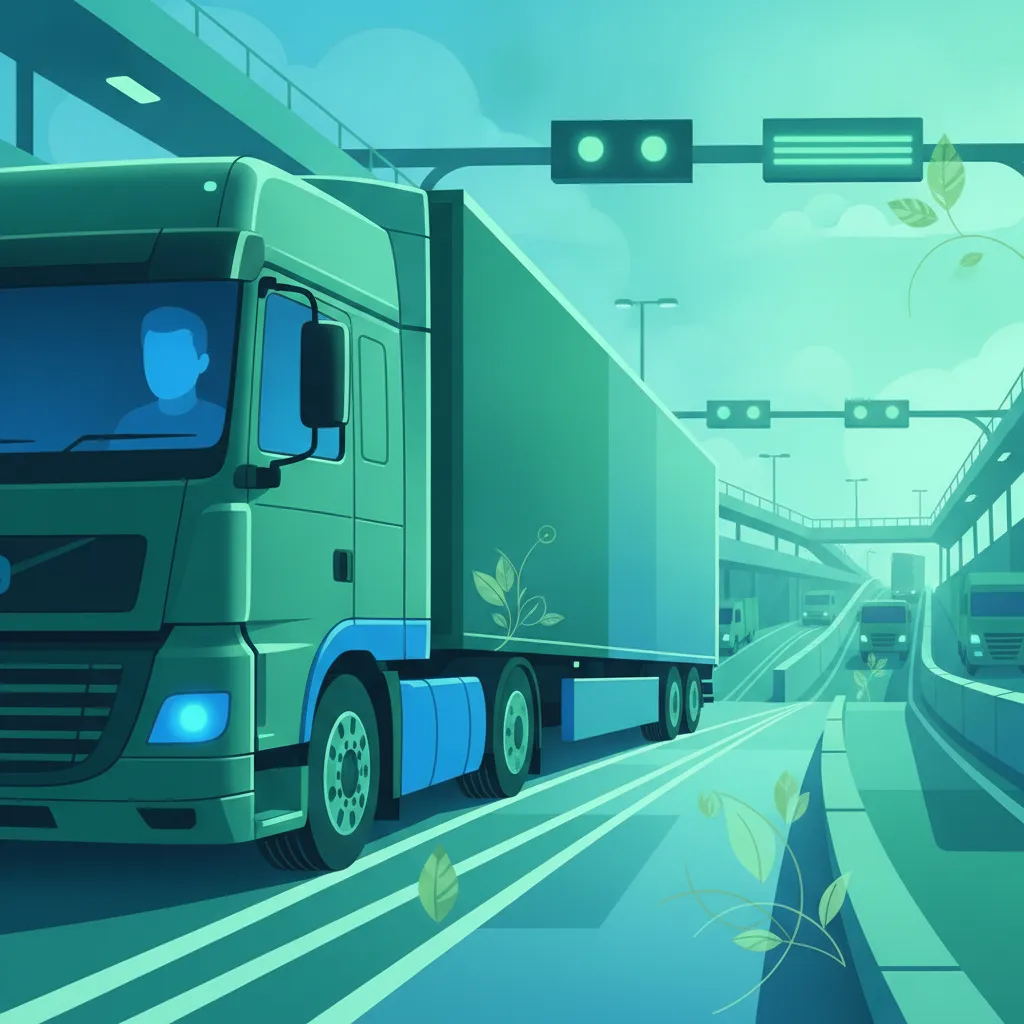
This lesson addresses the unique environment of bus terminals, focusing on safe, low-speed maneuvering around other vehicles and pedestrians. It also introduces the theory for combination vehicles (Category DE), including the principles of coupling and uncoupling trailers. The content emphasizes the different handling characteristics and increased turning radius associated with articulated buses or buses with trailers.
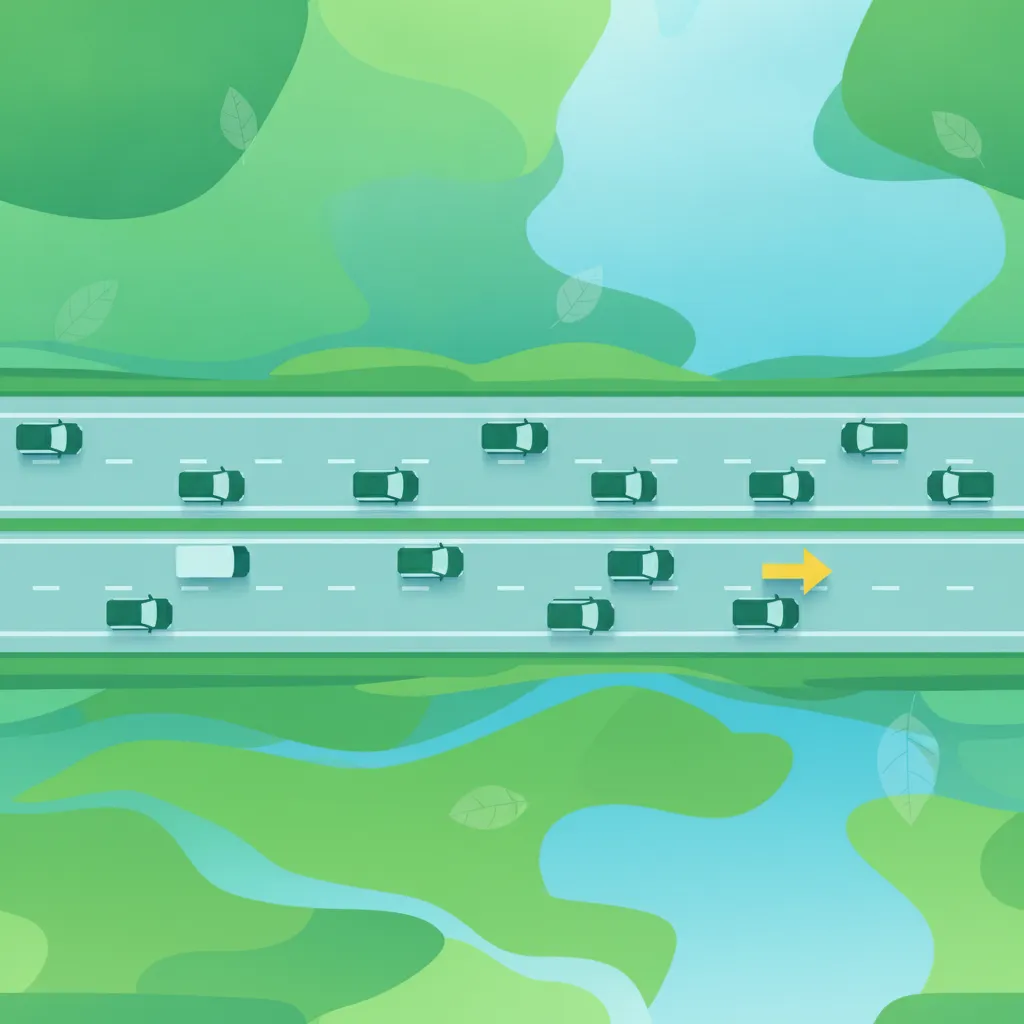
This lesson provides essential training for driving on motorways. It details the correct procedure for using acceleration lanes to merge safely into fast-moving traffic, maintaining proper lane discipline, and executing safe overtaking manoeuvres. You will also learn the importance of keeping a safe following distance and planning for your exit well in advance.
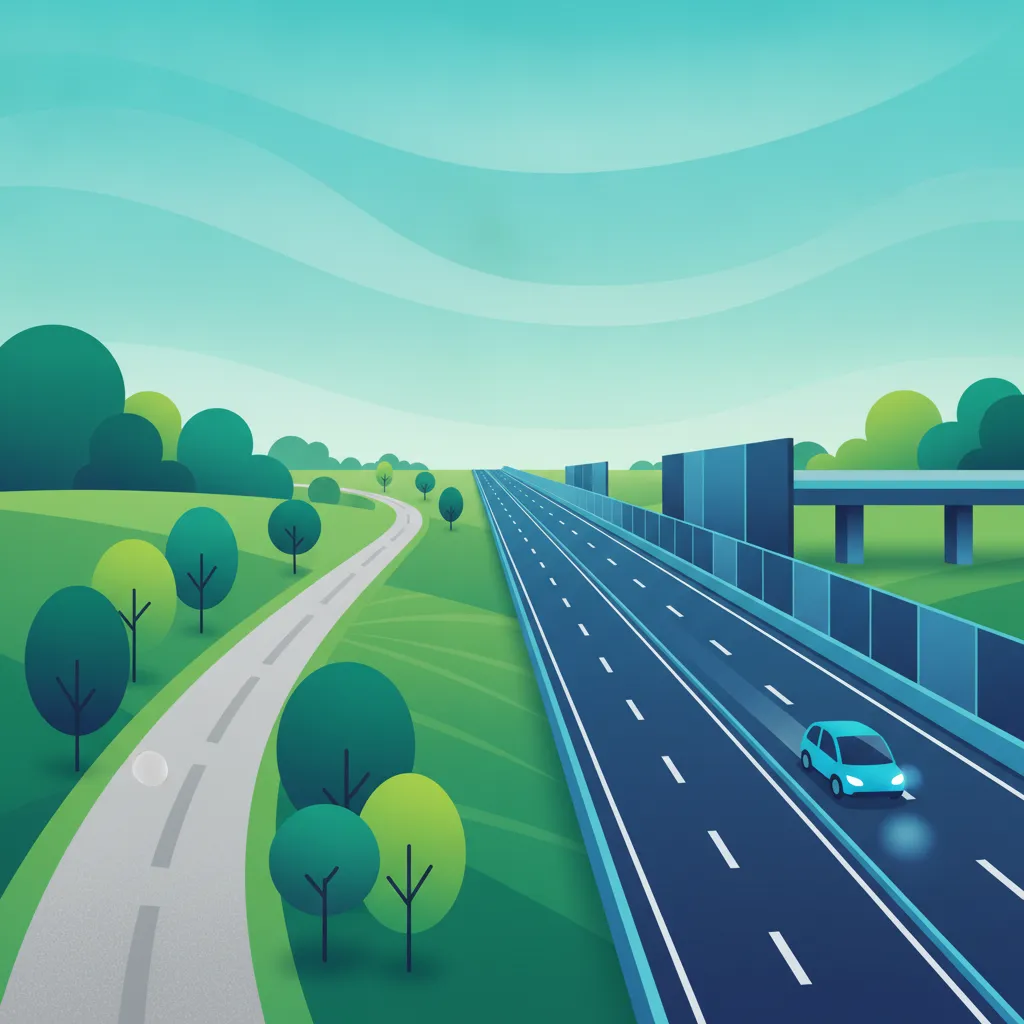
This lesson contrasts the driving techniques required for rural roads and motorways. It covers managing speed on narrow, winding lanes with potential hazards like farm machinery or animals. The content also explains the principles of safe motorway driving, including maintaining lane discipline, managing high-speed stability, and executing safe overtaking maneuvers.
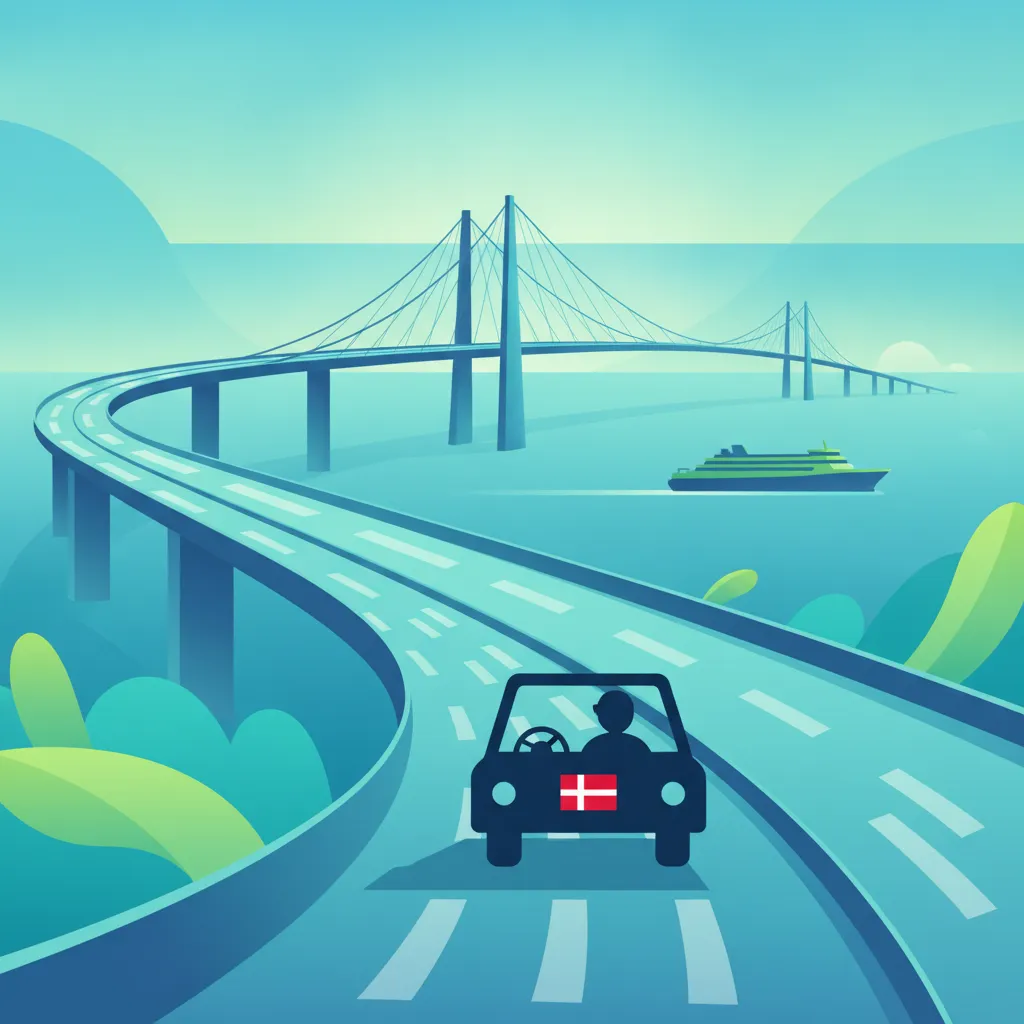
This lesson addresses the unique driving situations presented by bridges, tunnels, and ferries. It explains the need for speed adjustments, awareness of changing light conditions in tunnels, and following lane controls on long bridges. The material also provides practical guidance for safely boarding and disembarking from a vehicle ferry, including following crew instructions for parking.
This lesson addresses the specific skills required to navigate around public transport and heavy goods vehicles safely. You will learn the rules for bus lanes, recognize when buses have priority at stops, and understand the unique challenges posed by large vehicles, such as wider turning circles and larger blind spots. The material also provides clear protocols for overtaking these vehicles while maintaining adequate safety margins.
This lesson covers the correct techniques for various turning manoeuvres, including how to signal, position your vehicle, and judge gaps in traffic. It also details the legal and safety protocols for overtaking, emphasizing the importance of assessing speed, distance, and oncoming traffic. A thorough understanding of these procedures is crucial for navigating intersections and two-lane roads safely.

This lesson outlines the entire journey to obtaining a Danish driving license, from initial theory studies to the final practical examination. It explains the different stages of competency assessment and the specific criteria used to evaluate your driving skills and knowledge. The content covers all necessary prerequisites for taking each test, as well as the procedures and consequences related to failing and re-testing.
Find clear answers to common questions learners have about Category B Licence Scope and Legal Framework. Learn how the lesson is structured, which driving theory objectives it supports, and how it fits into the overall learning path of units and curriculum progression in Denmark. These explanations help you understand key concepts, lesson flow, and exam focused study goals.
A Category B licence in Denmark allows you to drive a vehicle with a maximum authorized mass of up to 3,500 kg, designed and constructed to carry no more than 8 passengers excluding the driver.
Yes, you can tow a small trailer (up to 750 kg). Towing a heavier trailer depends on the combined authorized mass of the car and trailer, which may require a B+ or BE licence depending on the total weight combination.
No, if you pass your practical driving test in an automatic car, your licence is restricted to automatic transmission vehicles only. You must take an additional test in a manual vehicle to remove this restriction.
Yes, the vehicle must be designed and constructed to carry a maximum of 8 passengers plus the driver. Anything beyond this typically falls into higher licence categories like D.
Use our powerful search tool to pinpoint specific Danish driving theory topics, road signs, or traffic situations you need to review. Start exploring relevant practice sets now to reinforce your knowledge and build confidence for your upcoming driving licence exam.