
As electric mobility becomes more prominent on Spanish motorways and urban roads, understanding how vehicle technology impacts driving behavior is increasingly important for your theoretical training. This guide explains the essentials of battery capacity, range management, and the practicalities of using ultra-fast charging networks in Spain. By mastering these concepts, you will be better prepared for both the DGT exam and the real-world demands of navigating modern, energy-efficient vehicles.
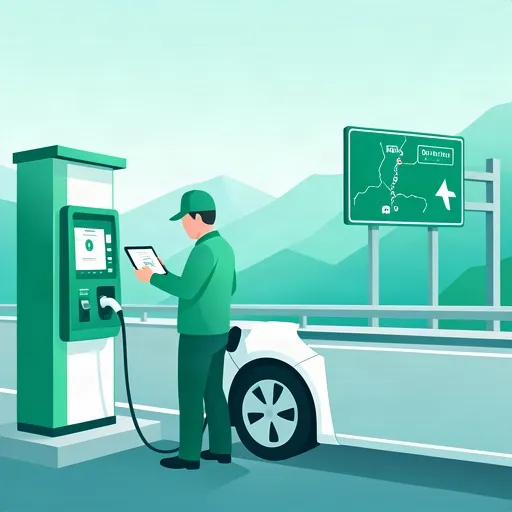
Article content overview
The rapid transformation of the automotive sector is changing how we approach the DGT theory exam and, more importantly, how we plan our journeys on Spanish roads. As electric vehicles (EVs) become increasingly common on our motorways and urban routes, the theoretical knowledge required to operate them safely has evolved. Understanding how battery capacity, energy efficiency, and charging infrastructure work together is no longer just a technical luxury; it is a fundamental part of being a responsible and informed driver in modern Spain.
When studying for your driving theory, you are likely familiar with fuel consumption and the mechanics of internal combustion engines. However, with EVs, the central focus shifts to battery capacity, typically measured in kilowatt-hours (kWh). A higher kWh rating generally indicates a larger battery, which directly correlates to the vehicle's potential range. Nevertheless, external factors such as topography, speed, and the use of auxiliary systems like air conditioning play a significant role in how quickly this stored energy is depleted.
Refers to the relationship between the electrical energy consumed from the battery and the distance traveled, heavily influenced by driving style and road conditions.
On the DGT exam, you might encounter questions related to ecological driving, which applies equally to electric vehicles. Maintaining a steady speed, using regenerative braking, and avoiding aggressive acceleration are key habits that extend your range, ensuring you reach your destination without needing an unexpected stop at a charging station.
Planning a long-distance trip in an electric vehicle requires a strategic approach to route management. Unlike traditional refueling, which takes only a few minutes at any petrol station, EV charging requires you to consider the location of high-power charging points. With the expansion of ultra-fast charging networks across Spanish autovías and autopistas, the time required to regain significant range has decreased dramatically.
It is vital for drivers to recognize that the last 20-30% of a battery charge often takes longer to complete due to battery management systems designed to preserve longevity. Therefore, "topping up" frequently at high-speed stations is often more efficient than attempting to reach 100% at every stop.
The infrastructure in Spain is undergoing a significant transition to accommodate faster charging times. As new technologies like "Flash Charging" emerge, the industry is moving toward standards that allow vehicles to recover 10% to 70% of their capacity in just a few minutes. This evolution directly impacts driver behavior, as it reduces the "range anxiety" that previously hindered the adoption of electric mobility for inter-city travel.
While the infrastructure is improving, you must always be aware of your surroundings when entering service areas. Charging zones are clearly marked and reserved exclusively for vehicles in the process of charging. Parking in these areas without charging is a common violation that disrupts the flow of sustainable mobility and can lead to penalties from local authorities.
Always pay attention to road markings near service stations. Just because a spot is marked for electric vehicles does not grant you the right to park there unless you are actively using the charging equipment.
As the network of charging stations grows, you will encounter new informational signs on motorways and in urban environments. It is essential to recognize these to plan your stops effectively.
This article bridges traditional ecological driving concepts with modern EV technology for Spanish drivers. It explains how battery capacity, measured in kWh, determines range but is affected by external factors such as speed and climate control use. Learners should understand that ultra-fast charging on Spanish motorways has reduced range anxiety, but charging efficiency decreases as batteries approach full capacity. Route planning requires checking state of charge, locating compatible charging points, and coordinating rest stops with charging sessions. The article also introduces new road signs and terminology that form part of the DGT theory syllabus for electric mobility.
A short set of high-value points that capture the most important ideas from this article.
Battery capacity measured in kWh directly affects EV range, but real-world distance depends on speed, terrain, and auxiliary system use.
Ecological driving habits like steady speeds and regenerative braking extend EV range just as they reduce fuel consumption in combustion vehicles.
Ultra-fast charging networks on Spanish autovías and autopistas have reduced charging times significantly for long-distance travel.
Charging speed slows down in the final 20-30% of battery capacity due to management systems designed to protect battery longevity.
New road signs like S-110 indicate charging station availability and are part of the official Spanish traffic signalling system.
Higher kWh rating means larger battery and greater potential range, but actual range varies with driving conditions.
Plan charging stops before the battery is critically low; frequent top-ups at high-speed stations are more efficient than waiting for 100%.
Regenerative braking recovers energy during deceleration and recharges the battery while slowing the vehicle.
Charging zones at service areas are reserved exclusively for actively charging vehicles; parking there without charging is a traffic violation.
The S-110 sign indicates services including EV charging facilities at motorway service areas.
Assuming a vehicle's full battery capacity translates directly to maximum range without accounting for driving conditions.
Attempting to charge to 100% at every stop, which wastes time since the final charge阶段 charges slower.
Parking in designated EV charging bays without actually connecting to the charging equipment.
Overlooking connector compatibility when locating charging stations, leading to unusable stops.
Ignoring the S-17 lane ending sign when approaching motorway exits where charging stations are often located.
Article content overview
A short set of high-value points that capture the most important ideas from this article.
Battery capacity measured in kWh directly affects EV range, but real-world distance depends on speed, terrain, and auxiliary system use.
Ecological driving habits like steady speeds and regenerative braking extend EV range just as they reduce fuel consumption in combustion vehicles.
Ultra-fast charging networks on Spanish autovías and autopistas have reduced charging times significantly for long-distance travel.
Charging speed slows down in the final 20-30% of battery capacity due to management systems designed to protect battery longevity.
New road signs like S-110 indicate charging station availability and are part of the official Spanish traffic signalling system.
Higher kWh rating means larger battery and greater potential range, but actual range varies with driving conditions.
Plan charging stops before the battery is critically low; frequent top-ups at high-speed stations are more efficient than waiting for 100%.
Regenerative braking recovers energy during deceleration and recharges the battery while slowing the vehicle.
Charging zones at service areas are reserved exclusively for actively charging vehicles; parking there without charging is a traffic violation.
The S-110 sign indicates services including EV charging facilities at motorway service areas.
Assuming a vehicle's full battery capacity translates directly to maximum range without accounting for driving conditions.
Attempting to charge to 100% at every stop, which wastes time since the final charge阶段 charges slower.
Parking in designated EV charging bays without actually connecting to the charging equipment.
Overlooking connector compatibility when locating charging stations, leading to unusable stops.
Ignoring the S-17 lane ending sign when approaching motorway exits where charging stations are often located.
Explore related topics, search based questions, and concepts that learners often look up when studying EV Technology and Charging in Spain. These themes reflect real search intent and help you understand how this topic connects to wider driving theory knowledge in Spain.
Find clear and practical answers to common questions learners often have about EV Technology and Charging in Spain. This section helps explain difficult points, remove confusion, and reinforce the key driving theory concepts that matter for learners in Spain.
While you do not need to memorize manufacturer-specific technical specs, you should understand the fundamental concepts of electric range, energy consumption, and the importance of planning stops based on available charging infrastructure.
Electric vehicles require proactive planning for charging stops during long trips because charging takes longer than refueling a traditional vehicle and depends on the availability of fast-charging stations along your route.
The Spanish government and private providers are increasingly investing in ultra-fast charging stations on major autovías and autopistas to reduce charging times and facilitate longer distance travel for electric vehicles.
Now that you have found specific articles, continue to deepen your understanding by exploring related DGT regulations or other driving theory topics. Strengthen your knowledge of road signs, traffic scenarios, and essential Spanish driving procedures to prepare for your official driving license exam.