
Welcome to the 'Legal Requirements for Motorcyclists' lesson, part of the 'Licensing & Motorcycle Fundamentals' unit. Understanding and complying with Spanish traffic law is crucial for all riders, and this lesson covers the essential legal framework you must know for your A, A1, and A2 licence theory exam.
Lesson content overview
Motorcycle riding in Spain offers freedom and excitement, but it comes with a strict set of legal obligations designed to ensure the safety of riders, passengers, and other road users, as well as to protect the environment. Adhering to these regulations, mandated by the Dirección General de Tráfico (DGT) and other Spanish authorities, is not just about avoiding penalties; it's about fostering a culture of responsible and safe riding. This comprehensive lesson, part of your preparation for the Spanish Motorcycle Theory Exam for A, A1, and A2 licences, will detail all the mandatory legal requirements you must understand and comply with.
Understanding and respecting Spanish motorcycle law is fundamental for several reasons. Firstly, it ensures you pass the theory exam, which is a prerequisite for obtaining your licence. Beyond the test, compliance is crucial for daily riding: it helps you avoid significant fines, the accumulation of penalty points on your licence, and even the impoundment of your motorcycle. More importantly, these laws are rooted in road safety principles, aiming to reduce accident risks and their severity. For instance, mandatory helmet use drastically cuts the risk of head injury, while vehicle inspections confirm your motorcycle is mechanically sound and environmentally compliant.
All motorcycles operating on public roads in Spain must be officially registered. This process, overseen by the DGT, assigns a unique registration number and issues license plates, establishing the vehicle's legal identity and ownership. Registration ensures traceability, supports tax collection, and is a prerequisite for obtaining compulsory insurance.
When you purchase a new motorcycle, the dealership typically handles the initial registration process. For a used motorcycle, transferring ownership and re-registering the vehicle in your name is a mandatory step that must be completed within a specific timeframe, usually 30 days from the purchase date. This involves presenting proof of ownership, valid identification, and payment of the applicable registration tax. Failure to correctly register a motorcycle means it is not legally recognized for road use.
Once registered, your motorcycle will be issued official Spanish license plates (matrículas), which must be clearly displayed on both the front and rear of the vehicle. These plates serve as the primary identifier for your motorcycle. Along with the physical plates, you will receive a registration certificate, known as the Ficha Técnica or Permiso de Circulación, which contains crucial vehicle data. This document is a fundamental part of the mandatory documentation you must carry while riding.
One of the most critical legal requirements for any motor vehicle in Spain, including motorcycles, is compulsory civil liability insurance, known as Seguro Obligatorio. This insurance is designed to provide financial protection for third parties who may suffer injury or property damage in an accident caused by your motorcycle.
The Seguro Obligatorio covers damages caused to other people or their property in the event of an accident where you are at fault. It is the minimum legal requirement and does not cover damages to your own motorcycle or injuries to yourself as the rider, unless you have additional optional coverage. This protection is vital for all road users, ensuring that victims of accidents receive necessary compensation. Without valid insurance, you are personally liable for any damages caused, which can be financially devastating.
Motorcycle insurance policies are typically renewed annually. It is your responsibility to ensure your policy remains active and covers the technical specifications of your vehicle. You must always carry proof of insurance (such as an insurance card or certificate) on your motorcycle and be prepared to present it to authorities upon request. Riding with an expired or non-existent insurance policy can lead to substantial fines, penalty points, and potentially the impoundment of your vehicle.
The Technical Vehicle Inspection, or Inspección Técnica de Vehículos (ITV), is a periodic and mandatory examination for all motor vehicles in Spain, including motorcycles. Its primary purpose is to ensure that vehicles remain roadworthy, meet safety standards, and comply with environmental regulations regarding emissions and noise.
The ITV system acts as a systematic safety net, preventing unsafe or environmentally damaging vehicles from operating on public roads. For motorcycles, the frequency of inspections varies based on the vehicle's age and, in some cases, its engine displacement and the rider's licence category:
During an ITV appointment, technicians will rigorously check various aspects of your motorcycle, including:
Upon passing the ITV, you will receive an ITV certificate and a distinctive sticker, which must be displayed on the motorcycle's windshield or a visible part of the vehicle.
Riding a motorcycle with an expired ITV is a serious violation that carries a significant fine and can lead to the vehicle being impounded. If your motorcycle fails the ITV, you will be given a limited period (usually 30 days) to rectify the identified defects and present the vehicle for a re-inspection. During this period, you are generally only permitted to drive the motorcycle to and from the repair shop and the ITV station.
The single most critical piece of safety equipment for any motorcyclist is the helmet. In Spain, the use of a homologated helmet is not optional; it is a strict legal requirement for both the rider and any passenger. This rule is paramount for reducing the risk and severity of head injuries in the event of an accident.
A "homologated" helmet means it has met specific safety standards and undergone rigorous testing to ensure it provides adequate protection. In Spain, helmets must conform to European safety standards, primarily identified by the UNE-EN 1078 or UNE-EN 15579 markings (though ECE R22.05/06 is the primary motorcycle helmet standard across Europe). These markings, usually found on a label sewn into the helmet's chin strap or interior, indicate that the helmet has passed tests for impact absorption, penetration resistance, retention system effectiveness, and peripheral vision.
It's not enough to simply wear a helmet; it must be worn correctly. This means:
Riding without a homologated helmet, or with a helmet that is not properly fastened, is a severe offence leading to substantial fines and penalty points on your driving licence.
Motorcyclists are inherently more vulnerable than occupants of larger vehicles. Enhancing visibility is therefore a crucial aspect of rider safety, and Spanish law mandates the use of reflective and high-visibility gear under certain conditions. This aims to ensure that motorcyclists are easily seen by other road users, especially in challenging light conditions.
Motorcycles present a smaller frontal area than cars, making them harder to spot, particularly in complex traffic situations or at dawn/dusk. Reflective materials and bright colours significantly increase the distance at which a motorcyclist can be detected, giving other drivers more time to react and reducing the likelihood of a collision. Studies consistently show that high-visibility clothing dramatically improves a rider's safety profile.
While all riders benefit from high-visibility gear, specific mandates apply. For holders of A2 and A licences, it is compulsory to wear at least one reflective element when riding at night or in low-visibility conditions. This can include:
Ignoring these requirements can lead to fines, as it directly compromises your safety and that of others.
Spanish law, in alignment with European directives, sets strict limits on the noise levels and exhaust emissions produced by motorcycles. These regulations are crucial for protecting the environment, reducing air pollution, and mitigating noise pollution, especially in urban areas.
Motorcycles must comply with specific sound pressure level limits, measured in decibels (dB), which vary depending on the engine displacement and the motorcycle's date of manufacture. These limits are rigorously checked during the ITV. Aftermarket exhaust systems are a common modification, but it is illegal to install an exhaust that causes your motorcycle to exceed the legally permitted noise levels. Such modifications can lead to fines and necessitate the replacement of the non-compliant exhaust system.
In addition to noise, your motorcycle's exhaust emissions are also tested during the ITV. Vehicles must comply with emission standards, often categorised by "Euro" classes (e.g., Euro 3, Euro 4, Euro 5), which regulate the maximum permissible levels of pollutants like carbon monoxide (CO), hydrocarbons (HC), and nitrogen oxides (NOx). Regular maintenance and proper engine tuning are essential to ensure your motorcycle meets these environmental benchmarks. Failing the emissions test will require corrective action before you can pass your ITV.
When operating a motorcycle on public roads in Spain, you are legally obligated to carry and be able to present several key documents to traffic authorities upon request. This enables quick verification of your compliance with all legal requirements.
The mandatory documents you must have with you at all times include:
While digital copies on a mobile phone might be accepted in some contexts, it is generally safer and recommended to carry physical copies of these essential documents.
Failure to produce any of the required documents upon demand during a traffic stop can result in immediate fines and, in some cases, the vehicle being impounded until the documentation can be verified or produced. It is a simple but critical aspect of legal compliance that can prevent significant inconvenience and penalties.
Non-compliance with Spanish motorcycle laws carries specific consequences, ranging from monetary fines to penalty points on your licence, and potentially the seizure of your vehicle. Understanding these common violations helps you to actively avoid them.
Here are some of the most frequently encountered violations and their associated penalties:
Being vigilant about these aspects of compliance is crucial for safe and legal riding.
Certain legal requirements for motorcyclists in Spain can vary or become more critical depending on prevailing conditions or the specific context of your ride.
These contextual variations highlight the importance of being aware and adaptable to maintain full legal compliance and ensure safety.
Every legal requirement for motorcyclists in Spain is intrinsically linked to rider safety, the safety of other road users, and environmental protection.
Adhering to these legal requirements is more than just following rules; it's about embracing a mindset of responsibility. It forms the foundation for advanced riding techniques, hazard perception, and defensive riding, topics covered in later units of this Spanish Motorcycle Theory Exam course. By understanding and internalising these legal obligations, you are not only preparing to pass your exam but also equipping yourself to be a safe, responsible, and compliant motorcyclist on Spanish roads.
This lesson covers the essential legal framework for motorcyclists in Spain governed by the DGT. Key requirements include official vehicle registration, compulsory third-party insurance, periodic ITV inspections (with frequencies varying by licence category), and mandatory use of homologated helmets and reflective gear. Motorcycles must comply with strict noise and emission standards verified during ITV, and riders must carry four essential documents: driving licence, Ficha Técnica, ITV certificate, and insurance proof. Non-compliance can result in fines, penalty points, and vehicle impoundment. The content also explains contextual variations such as enhanced visibility requirements in adverse weather and differences between licence categories.
A short set of high-value points that capture the most important learning from this lesson.
All motorcycles in Spain must be registered and display official licence plates, with used vehicle ownership transfer required within 30 days.
Compulsory third-party insurance (Seguro Obligatorio) is mandatory and must be carried as proof while riding.
ITV inspections are mandatory: new motorcycles exempt for 4 years, then every 2 years for A1 category, annually for A2 and A category motorcycles.
Helmets must be homologated to European standards (ECE R22.05/06) and always be securely fastened with the chinstrap.
A2 and A licence holders must wear reflective elements on helmets and clothing when riding at night or in low-visibility conditions.
Explore all units and lessons included in this driving theory course.
ITV frequencies by age: first 4 years exempt, then A1 motorcycles every 2 years, A2/A motorcycles every year.
Homologated helmets display ECE R22.05/06 or UNE-EN markings on an interior label sewn into the chinstrap.
The four mandatory documents to carry are: driving licence, Ficha Técnica, ITV certificate, and proof of insurance.
Aftermarket exhaust modifications that exceed legal noise limits are illegal and will cause ITV failure.
Rain and fog make high-visibility gear mandatory regardless of time of day, with headlights required at dipped beam.
Assuming all motorcycle licence categories have the same ITV frequency - A1 bikes have biennial inspections while A2/A bikes require annual inspections.
Believing that carrying a digital copy of insurance on a phone is universally accepted - physical documents are recommended.
Overlooking that helmets lose protective capability after any significant impact even without visible damage.
Confusing helmet homologation marks - the ECE standard (E-mark with 05/06) is the primary motorcycle helmet standard across Europe, not CE marking alone.
Forgetting that reflective helmet bands are specifically required for A2/A licence holders under low-visibility conditions, not just any reflective clothing.
Lesson content overview
A short set of high-value points that capture the most important learning from this lesson.
All motorcycles in Spain must be registered and display official licence plates, with used vehicle ownership transfer required within 30 days.
Compulsory third-party insurance (Seguro Obligatorio) is mandatory and must be carried as proof while riding.
ITV inspections are mandatory: new motorcycles exempt for 4 years, then every 2 years for A1 category, annually for A2 and A category motorcycles.
Helmets must be homologated to European standards (ECE R22.05/06) and always be securely fastened with the chinstrap.
A2 and A licence holders must wear reflective elements on helmets and clothing when riding at night or in low-visibility conditions.
Explore all units and lessons included in this driving theory course.
ITV frequencies by age: first 4 years exempt, then A1 motorcycles every 2 years, A2/A motorcycles every year.
Homologated helmets display ECE R22.05/06 or UNE-EN markings on an interior label sewn into the chinstrap.
The four mandatory documents to carry are: driving licence, Ficha Técnica, ITV certificate, and proof of insurance.
Aftermarket exhaust modifications that exceed legal noise limits are illegal and will cause ITV failure.
Rain and fog make high-visibility gear mandatory regardless of time of day, with headlights required at dipped beam.
Assuming all motorcycle licence categories have the same ITV frequency - A1 bikes have biennial inspections while A2/A bikes require annual inspections.
Believing that carrying a digital copy of insurance on a phone is universally accepted - physical documents are recommended.
Overlooking that helmets lose protective capability after any significant impact even without visible damage.
Confusing helmet homologation marks - the ECE standard (E-mark with 05/06) is the primary motorcycle helmet standard across Europe, not CE marking alone.
Forgetting that reflective helmet bands are specifically required for A2/A licence holders under low-visibility conditions, not just any reflective clothing.
Explore search topics learners often look for when studying Legal Requirements for Motorcyclists. These topics reflect common questions about road rules, driving situations, safety guidance, and lesson level theory preparation for learners in Spain.
Browse additional driving theory lessons that cover connected traffic rules, road signs, and common driving situations related to this topic. Improve your understanding of how different rules interact across everyday traffic scenarios.
Understand all mandatory legal obligations for motorcyclists in Spain. This lesson covers DGT rules on vehicle registration, compulsory insurance, ITV inspections, and essential documentation for riders.
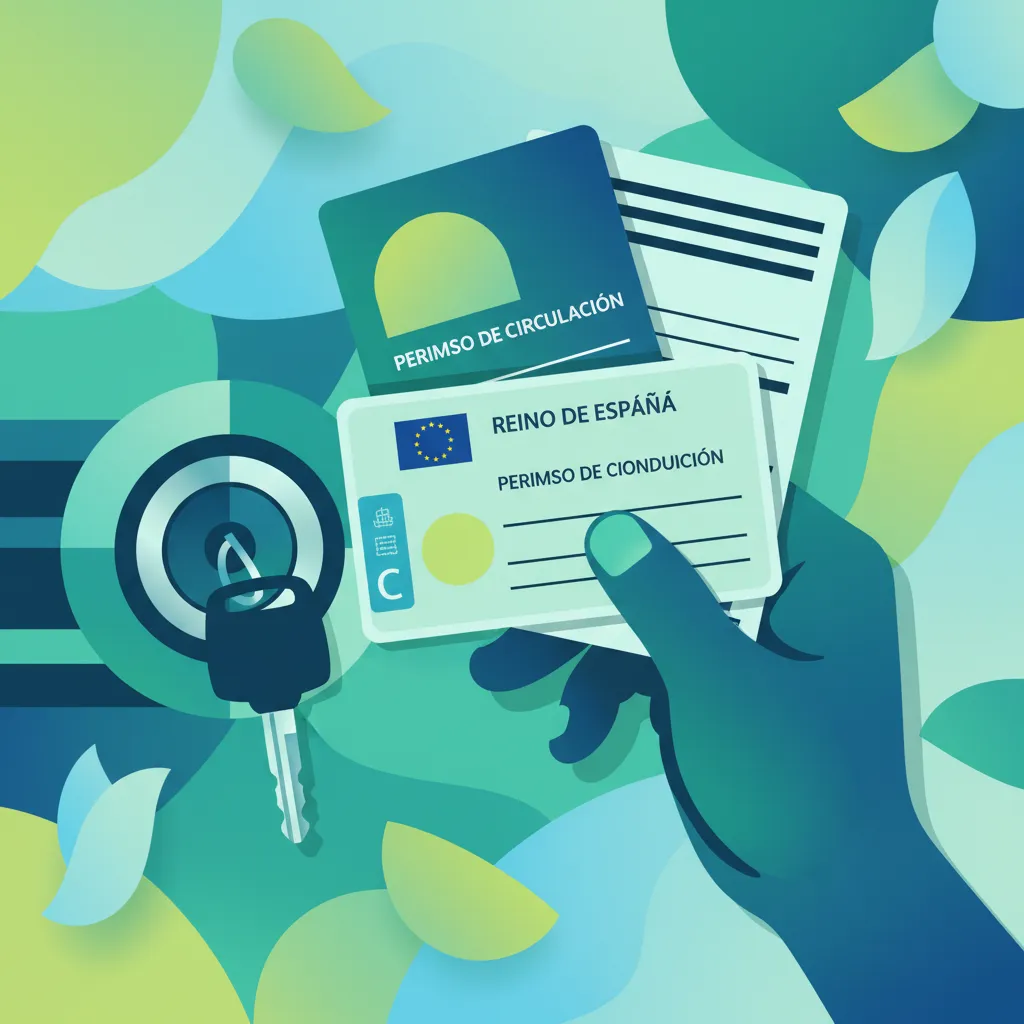
This lesson outlines the compulsory equipment and documentation required for an AM-class vehicle. It emphasizes the legal mandate for an approved helmet, a valid insurance policy, and a vehicle registration plate. Learners will also understand the requirements for the roadworthiness certificate (ITV) and other essential documents needed to prove compliance with DGT safety and legal standards during a traffic stop.
This lesson presents a systematic pre-ride safety checklist covering tire pressure, brake fluid levels, lighting operation, and chain tension to ensure the motorcycle is road-ready. It also emphasizes personal checks such as helmet strap security and appropriate gear for weather conditions. Integrating DGT-recommended inspection procedures helps minimize equipment-related failures.

This lesson examines the specific documents needed to start the Spanish license acquisition process, including personal identification, proof of residence, and a valid medical certificate (psicotécnico). It outlines the official DGT application form, associated fees, and the sequential steps for successful registration. The content also clarifies the age thresholds for categories B and BE and the conditions for license renewal.

This lesson explores the specifications of DGT-approved protective clothing, focusing on abrasion-resistant jackets and CE-rated armor for limbs. It covers the importance of gloves and boots with protective padding and the role of reflective strips for visibility. Attention is given to material choices that balance durability, breathability, and weather protection.
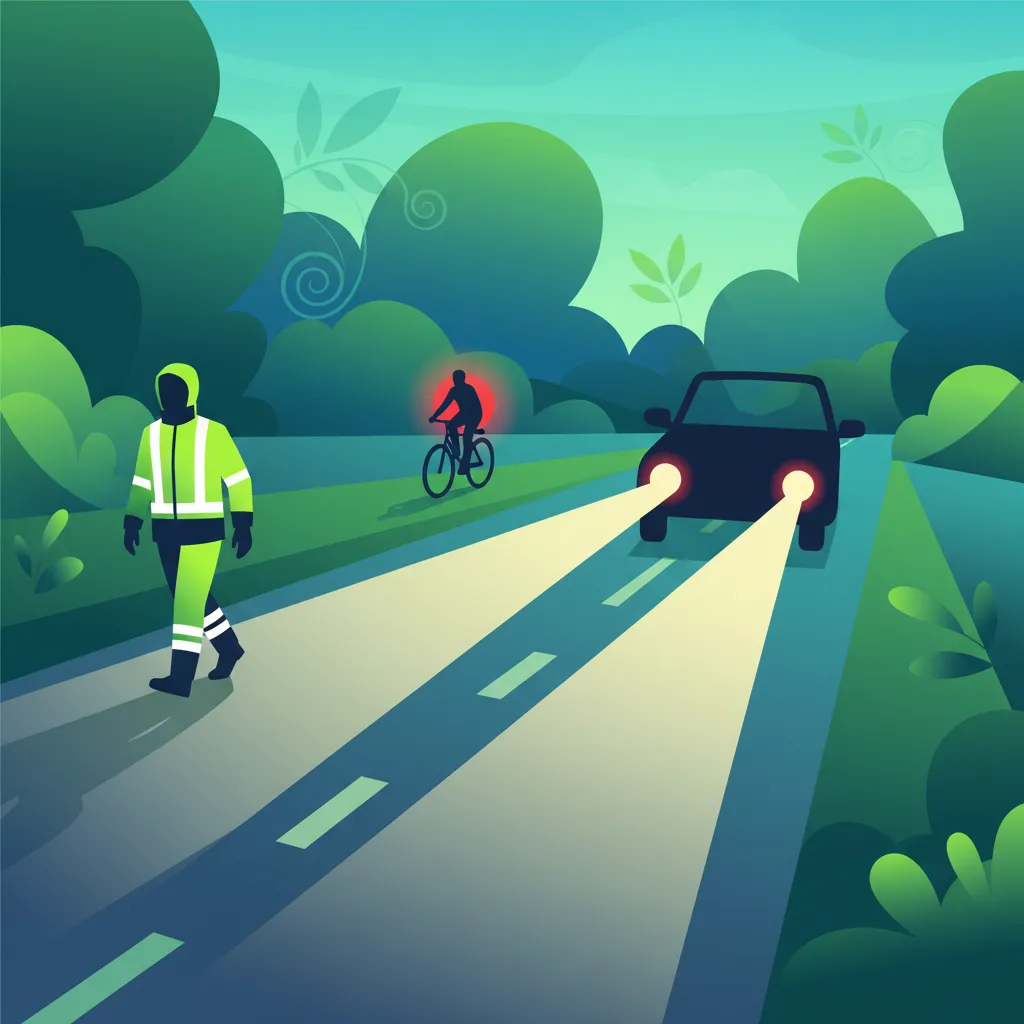
This lesson outlines the mandatory lighting and visibility equipment as per DGT regulations. It covers the correct use of headlights (low and high beams), taillights, and turn signals, ensuring the moped is visible to others, especially at night or in poor weather. The importance of wearing high-visibility or reflective clothing is also emphasized as a critical measure to enhance personal safety by making the rider more conspicuous.

This lesson outlines procedures for handling emergency situations and accidents. It covers emergency braking techniques, hazard avoidance strategies, and the DGT emergency protocol for accident reporting. Emphasis is placed on rider protective actions, post-crash first aid, roadside safety, and legal obligations after an incident.

This lesson focuses on safe nighttime riding, covering headlight alignment, rear-light visibility, and the use of reflective gear to enhance conspicuity. It explains DGT night riding requirements, including mandatory lighting standards. Topics also include managing glare from oncoming vehicles and mitigating rider fatigue during low-light conditions.

This lesson examines the European ECE homologation process that validates helmet safety, detailing required impact resistance tests, retention systems, and visor criteria. Learners will understand the differences between full-face, modular, and integral helmets. The lesson also provides guidance on proper sizing, regular maintenance, and legal obligations for helmet replacement.

This lesson details the specific prerequisites for obtaining an AM licence, starting with the minimum age of fifteen and the mandatory medical fitness certificate. It guides learners through the administrative process at the DGT, including required identification, proof of residence, and parental consent for minors. The content explains the role of driving schools and the necessary steps for exam registration, ensuring a clear understanding of the entire application procedure.
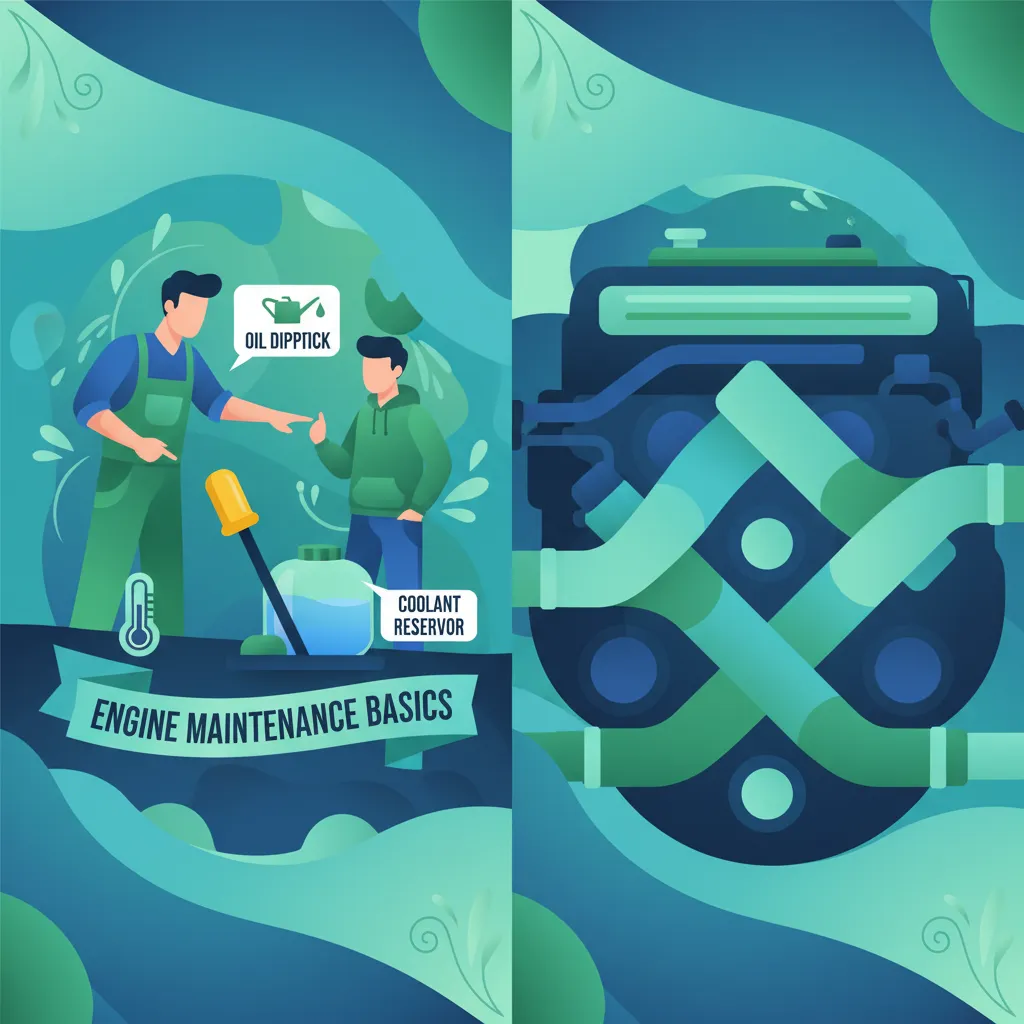
This lesson introduces essential mechanical checks to ensure motorcycle reliability and safety. Topics include monitoring engine oil and coolant levels, chain lubrication procedures, and tire pressure verification. By establishing a routine maintenance schedule, riders can proactively address issues and comply with DGT guidelines.
Learn about the legal standards for protective gear in Spain. Covers mandatory homologated helmets, requirements for reflective clothing, and compliance with noise and emission regulations.
This lesson examines the European ECE homologation process that validates helmet safety, detailing required impact resistance tests, retention systems, and visor criteria. Learners will understand the differences between full-face, modular, and integral helmets. The lesson also provides guidance on proper sizing, regular maintenance, and legal obligations for helmet replacement.
This lesson outlines the mandatory lighting and visibility equipment as per DGT regulations. It covers the correct use of headlights (low and high beams), taillights, and turn signals, ensuring the moped is visible to others, especially at night or in poor weather. The importance of wearing high-visibility or reflective clothing is also emphasized as a critical measure to enhance personal safety by making the rider more conspicuous.
This lesson explores the specifications of DGT-approved protective clothing, focusing on abrasion-resistant jackets and CE-rated armor for limbs. It covers the importance of gloves and boots with protective padding and the role of reflective strips for visibility. Attention is given to material choices that balance durability, breathability, and weather protection.
This lesson focuses on safe nighttime riding, covering headlight alignment, rear-light visibility, and the use of reflective gear to enhance conspicuity. It explains DGT night riding requirements, including mandatory lighting standards. Topics also include managing glare from oncoming vehicles and mitigating rider fatigue during low-light conditions.
This lesson focuses on strategies for maximizing rider visibility in daylight and nighttime conditions, covering high-visibility apparel, reflective vests, and LED accessories. It delves into rider posture and lane positioning that improve sightlines and reduce collision risk. The content aligns with DGT regulations for illumination levels on motorcycles.
Find clear answers to common questions learners have about Legal Requirements for Motorcyclists. Learn how the lesson is structured, which driving theory objectives it supports, and how it fits into the overall learning path of units and curriculum progression in Spain. These explanations help you understand key concepts, lesson flow, and exam focused study goals.
According to DGT regulations, you must carry your valid driving licence (appropriate for your motorcycle category), the vehicle's registration document (permiso de circulación), and proof of valid compulsory insurance (seguro obligatorio). It is also advisable to carry your ITV (technical inspection) card if applicable.
All helmets worn by motorcycle riders in Spain must be homologated, meaning they meet specific safety standards (currently ECE 22.05 or the newer ECE 22.06). Helmets must fit properly and be securely fastened. Using a helmet that is not homologated or is damaged can lead to fines and points deductions.
While not explicitly stated as mandatory 'clothing' for all times, the DGT strongly recommends and requires the use of approved reflective elements, especially when riding at night or in poor visibility conditions. The motorcycle itself must also have adequate reflective markings. Failing to be visible can be considered a safety lapse during certain exam scenarios.
The ITV (Inspección Técnica de Vehículos) is a mandatory technical inspection that motorcycles must pass periodically, similar to cars. It ensures the vehicle meets safety and environmental standards. Motorcycles over a certain age are required to undergo regular ITV checks to remain road legal.
Riding a motorcycle without compulsory insurance in Spain is a serious offense. Penalties can include substantial fines, impoundment of the vehicle, and potential driving licence sanctions. It is absolutely essential to ensure your insurance is current and valid for your motorcycle.
Use our powerful search functionality to pinpoint specific Spanish DGT driving theory practice sets. Filter by road sign categories, traffic law topics, or question difficulty to build custom study sessions and reinforce your knowledge precisely where it matters for your official exam.