
This lesson details the vital pre-ride safety checks mandated by the DGT for all A, A1, and A2 motorcycle licence holders. You will learn systematic inspections for your motorcycle's key components and your personal protective gear. Mastering these checks is crucial for safe riding, minimizing equipment-related failures, and confidently answering theory exam questions related to motorcycle readiness. It builds on previous units by applying knowledge of controls and gear to practical safety routines.
Lesson content overview
Before embarking on any journey, a thorough pre-ride inspection of your motorcycle is paramount. This systematic safety checklist is crucial not only for your personal well-being but also for ensuring compliance with Spanish DGT (Dirección General de Tráfico) regulations. By meticulously checking key mechanical components and your personal protective equipment, you can significantly reduce the risk of equipment-related failures and contribute to a safer riding experience, preparing you effectively for your Spanish Motorcycle Theory Exam for A, A1, and A2 licences.
A disciplined pre-ride inspection routine integrates technical, legal, and human factors to guarantee safe operation every time you use your motorcycle. This comprehensive approach is not merely a recommendation; it forms the bedrock of responsible motorcycling.
Mechanical roadworthiness means that all critical systems of your motorcycle, such as tires, brakes, lights, and the drive chain, must function within manufacturer-specified tolerances before each ride. The primary purpose is to prevent mechanical failures that could lead to accidents. Any deficiency discovered during these checks necessitates immediate correction or, if unfixable, the postponement of your ride.
Compliance with personal protective equipment (PPE) standards involves the mandatory use of certified helmets, gloves, jackets, and boots, along with gear appropriate for the prevailing weather. This equipment dramatically reduces the severity of injuries in a crash and fulfills legal obligations. Riders must verify the proper fit and condition of all PPE before setting off.
Environmental adaptation refers to adjusting both your equipment and your inspection focus according to current weather, lighting, and road conditions. This improves visibility, traction, and overall comfort, thereby decreasing cognitive load and allowing you to concentrate better on the road. For instance, you might need a rain suit in wet weather or extra tire tread scrutiny.
Adherence to DGT regulations concerning vehicle condition, PPE, and operational checks is non-negotiable. This prevents fines, loss of licence points, and potential legal liability in the event of an incident. All pre-ride checks must align with the minimum legal standards stipulated in the Spanish traffic code (Código de Tráfico). Furthermore, essential documentation like the ITV (Inspección Técnica de Vehículos) certificate must be current.
Using a standardized, repeatable pre-ride checklist is a proven method to reduce omission errors caused by memory lapses. This systematic approach ensures that no critical item is overlooked, fostering a habit of thoroughness that is essential for safe riding. Whether printed or digital, a checklist provides a robust framework for your pre-ride routine.
A systematic inspection of your motorcycle’s vital components is fundamental. These checks ensure your bike responds predictably and safely to your inputs.
The tires are your motorcycle's only contact with the road, making their condition paramount.
The measurement of the air pressure inside each tire, which must match the manufacturer’s recommended PSI (pounds per square inch) for the specific load and riding conditions.
Before every ride, especially when the tires are "cold" (at ambient temperature and not warmed up from recent riding), verify the pressure using a reliable gauge. Incorrect pressure — whether under- or over-inflation — leads to reduced traction, uneven wear, and can increase the risk of a dangerous blow-out, particularly at high speeds.
Always check tire pressure when the tires are cold. Riding, even for a short distance, generates heat that increases internal pressure, leading to inaccurate readings.
Beyond pressure, visually inspect the tread depth. Spanish DGT regulations mandate a minimum legal tread depth of 1.6 millimetres for safe grip. Low tread severely compromises grip, especially in wet conditions, increasing the risk of hydroplaning. Also, examine the tire sidewalls for any cracks, bulges, cuts, or embedded foreign objects that could indicate damage or impending failure.
Your motorcycle's braking system is its most critical safety feature. A functional and well-maintained brake system ensures you can stop effectively and predictably.
The amount of hydraulic fluid present in the master cylinder reservoir, which must always be maintained between the "minimum" and "maximum" marks.
Visually check the brake fluid level in the master cylinder reservoir. Low or contaminated brake fluid reduces braking efficiency and can significantly increase your stopping distance. Brake fluid should appear clear and free of particles; any discoloration or presence of bubbles might indicate contamination or the need for a fluid flush, as per your motorcycle's service manual.
Next, inspect the brake pads. They should have adequate material remaining, typically more than 2 millimetres thick. Worn brake pads lead to longer stopping distances and can damage the brake discs. Also, test the brake levers and pedal for proper resistance and feel. They should feel firm and provide consistent braking action without excessive travel or a spongy sensation.
Properly functioning lights and signals are vital for your visibility to other road users and for communicating your intentions.
The primary headlight setting for normal night driving, designed to illuminate the road ahead without causing excessive glare for oncoming traffic.
Check the functionality of all lighting and signalling components:
Never assume automatic lights are sufficient. Always manually verify all lighting before riding, especially in changing light conditions or before entering tunnels.
The drive chain is responsible for transmitting power from the engine to the rear wheel. Its proper condition is essential for smooth operation and safety.
The amount of upward and downward movement permitted in the drive chain when manually pushed and pulled at its midpoint, typically measured at the rear swingarm.
Measure the chain's "free play" at the midpoint of the rear swingarm. This measurement, usually between 20-30 millimetres, is specific to your motorcycle model and can be found in your owner's manual. A chain that is too loose can slip off the sprockets, leading to a sudden loss of power or wheel lock-up, which is extremely dangerous. An overly tight chain, conversely, can cause premature wear on bearings and reduce the effectiveness of your suspension.
In addition to tension, ensure the chain is adequately lubricated. Proper lubrication reduces friction, prevents rust, and extends chain life. Lubricate your chain after each significant ride, especially in dusty or wet conditions, and check for any stiff links or excessive rust, which indicate the need for cleaning or replacement.
Your personal protective equipment is your last line of defense. Proper fit and condition are just as critical as your motorcycle's mechanical state.
The helmet is the single most important piece of protective gear. Its effectiveness hinges on correct fit and secure fastening.
The process of certifying that a helmet meets specific safety standards, such as UNE-EN-1078 or ECE-22.05, indicating its legality and protective capacity.
In Spain, DGT regulations mandate that all riders and passengers wear helmets that conform to approved European (UNE-EN-1078) or international (ECE-22.05) standards. The helmet should sit level on your head, with the top of the eye-port just above your eyebrows. It should fit snugly without being uncomfortably tight, and when you gently shake your head, the helmet should move with your skin, not independently.
Crucially, the chin strap must always be securely fastened. For helmets with a double-D clasp, ensure it is snug, allowing only about one finger's width between the strap and your chin. An improperly fitted or unsecured helmet offers significantly reduced protection in a crash, as it can easily come off.
For A, A1, and A2 licences, specific helmet homologation standards (e.g., ECE-22.05) are required. Always verify your helmet meets the necessary legal criteria.
While specific protective clothing is strongly recommended rather than legally mandatory (except for helmets) by the DGT, it is essential for minimizing injury severity and maintaining rider comfort and concentration.
Select garments designed for abrasion resistance, such as those made from leather, Cordura, or reinforced with Kevlar, featuring CE-approved armor at impact points (shoulders, elbows, back, knees). These materials offer crucial protection against impacts and abrasion in the event of a fall.
Beyond crash protection, consider weather-specific gear:
Adopting a systematic pre-ride checklist is the most effective way to ensure nothing is overlooked. A structured approach helps internalize the routine, making it second nature.
Tires & Wheels: Check pressure (cold), tread depth (minimum 1.6 mm), and condition (no cuts, cracks, or foreign objects). Inspect wheel rims for damage and spokes for tightness.
Controls: Ensure smooth operation of the throttle (snaps back freely), clutch (correct free play, engages smoothly), and brakes (firm levers/pedal, no drag). Check mirrors for proper adjustment and clarity.
Lights & Electrics: Verify headlights (low/high beam), taillight, brake light, and turn signals (front/rear, left/right) are functioning and clean. Check horn operation and dashboard warning lights.
Oil & Fluids: Check engine oil level, brake fluid level (front and rear), and coolant level (if applicable). Look for any leaks under the motorcycle.
Chassis: Inspect the frame for any visible damage. Check chain tension (20-30 mm free play), lubrication, and sprocket condition. Examine suspension for leaks and smooth operation.
Stands: Ensure side stand and center stand (if present) operate freely and retract fully.
Personal Protective Equipment (PPE): Helmet (fit, strap security, visor condition), gloves (condition, fit), jacket and pants (armor in place, abrasion resistance), and boots (ankle protection, good grip).
Documentation: Confirm you have your driving licence, ITV certificate, and insurance documents readily available.
Performing this checklist, even when in a hurry, drastically reduces the chance of missing critical faults that could lead to an incident.
Compliance with DGT regulations is not just about avoiding penalties; it's about adhering to the legal framework designed to ensure safety for all road users.
| Rule | Applicability | Legal Status | Rationale | Correct Example | Incorrect Example |
|---|---|---|---|---|---|
| Helmet must be worn at all times | Rider and passenger; all road types, day/night | Mandatory (Article 39 of the Spanish Traffic Code) | Protects the head from severe injury in a crash. | Rider wears a certified helmet, strap securely fastened. | Rider rides without a helmet or with a loose strap. |
| Headlights on during low visibility | Night, fog, heavy rain, tunnels, or when visibility < 150 m | Mandatory (Article 9) | Ensures the motorcycle is clearly seen by other vehicles. | Rider activates low beam at dusk or in a tunnel. | Rider rides without lights in fog or heavy rain. |
| Motorcycle must be road-worthy | Before each ride, irrespective of location | Mandatory (Periodic ITV inspection) | Prevents mechanical failures that endanger the rider and others. | Rider checks tire pressure, brake fluid, lights before departure. | Rider departs with low tire pressure and worn brake pads. |
| Brake lights must function when brakes applied | All riding conditions, day and night | Mandatory (Article 12) | Alerts following traffic of deceleration, preventing rear-end collisions. | Rider confirms brake lights illuminate when either brake lever/pedal is used. | Rider's brake light is burnt out or non-functional. |
| Chain must be properly tensioned | During routine checks, before any ride | Recommended (Technical standards) | Guarantees efficient power transmission and prevents chain-related incidents. | Rider measures free play within manufacturer's specifications. | Rider rides with excessive chain slack causing skipping or derailment. |
| Protective clothing is strongly recommended | All riding situations, especially high-speed or adverse weather | Recommended (DGT Guidelines, not directly penalized) | Significantly reduces injury severity in a fall. | Rider wears a CE-approved jacket, gloves, and protective boots. | Rider wears a regular jacket and trainers without abrasion resistance. |
| Vehicle must have up-to-date ITV certification | All motorcycles > 4 years old (or as defined by law) | Mandatory | Confirms the vehicle complies with Spanish safety and environmental standards. | Rider carries a valid ITV certificate. | Rider rides with an expired ITV document. |
Ignoring pre-ride checks, even seemingly minor ones, can have significant consequences. Awareness of common violations helps to reinforce best practices.
The specifics of your pre-ride checks should be dynamically adjusted based on the context of your ride.
When riding in areas with pedestrians or cyclists, visibility and signalling become even more critical. Ensure all lights and reflective gear are highly functional to maximize your presence and communicate your intentions clearly.
Each pre-ride check is rooted in fundamental physics and has direct implications for safety.
Setting: City streets, light rain, 10 °C, during a typical morning commute.
Rule/Decision: The rider must adjust tire pressure to compensate for cold and wet conditions, verify all lights are highly visible, ensure brakes are responsive, and don appropriate waterproof gear.
Correct Behavior: Before departure, the rider uses a pressure gauge to confirm front tire at 2.0 bar (approx. 29 psi) and rear at 2.4 bar (approx. 35 psi) (manufacturer's spec). They check the brake fluid is between the min/max marks, activate the low beam headlight, and confirm the brake light illuminates correctly. Donning a waterproof jacket and over-pants ensures comfort and prevents distraction, allowing for safe navigation through city traffic and wet roads.
Incorrect Behavior: The rider, in a hurry, skips the tire pressure check, rides on slightly under-inflated tires, and forgets their rain jacket. The under-inflated tires lead to reduced traction and stability on wet surfaces, increasing the risk of slipping. Discomfort from the rain also distracts the rider, impairing their ability to react quickly to urban hazards.
Setting: A clear night on a motorway, sustained speed of 100 km/h.
Rule/Decision: Critical checks include optimal tire pressure for high speeds, secure chain tension, fully functional lighting for maximum visibility, and reflective personal gear.
Correct Behavior: Prior to starting, the rider confirms tire pressures are at the higher end of the manufacturer's recommendations for sustained speed. They check the drive chain for 25 mm of free play and applies fresh lubricant. Ensuring the low beam headlight is active and aligned, and confirming the brake light works, they also don a high-visibility reflective vest over their jacket. These steps maximize visibility and mechanical reliability for high-speed travel.
Incorrect Behavior: The rider neglects to check the chain, which is excessively loose. On the motorway, under acceleration, the chain slips, causing a sudden and dangerous loss of power. Additionally, forgetting to wear reflective gear reduces their visibility to other drivers, increasing collision risk on a dark highway.
Setting: A dry, winding country road, 80 km/h, with a passenger on board.
Rule/Decision: Specific checks are needed for increased load, including adjusted tire pressure, secure passenger gear, and overall vehicle stability.
Correct Behavior: The rider consults the owner's manual and inflates the rear tire to 2.3 bar (approx. 33 psi) to accommodate the passenger's weight. They carefully check both their own and the passenger's helmets for proper fit and securely fasten both chin straps. Confirming the passenger's footpegs are correctly deployed and that the passenger is comfortable, the rider proceeds, knowing the motorcycle is set up for the additional load.
Incorrect Behavior: The rider assumes the passenger's helmet is fine without checking, and fails to adjust the rear tire pressure for the extra weight. During a sudden cornering maneuver, the under-inflated rear tire combined with the increased load leads to reduced stability and compromised handling, potentially causing a loss of control.
This lesson teaches systematic pre-ride safety inspections essential for Spanish A, A1, A2 motorcycle licence holders, covering mechanical checks for tires, brakes, lights, and chain using the T-CLOCS method alongside personal protective equipment verification. Key requirements include minimum 1.6mm tire tread depth, brake fluid between marks, 2mm minimum brake pad thickness, and helmets meeting ECE-22.05 or UNE-EN-1078 standards. The content emphasises that DGT mandates headlight use during low visibility conditions and requires current ITV certification, while also explaining the physics behind each check to help learners understand why they matter for safety.
A short set of high-value points that capture the most important learning from this lesson.
Use the T-CLOCS method (Tires, Controls, Lights, Oil/Fluids, Chassis, Stands, PPE) as your systematic pre-ride checklist framework
Tire pressure must always be checked when tires are cold, with a legal minimum tread depth of 1.6mm required by Spanish DGT regulations
Brake system checks require fluid levels between min/max marks, brake pads exceeding 2mm thickness, and firm, responsive levers
Low beam headlights are mandatory in Spain during darkness, tunnels, poor visibility conditions, or when visibility drops below 150 metres
Helmets must be homologated to ECE-22.05 or UNE-EN-1078 standards, sit level on your head, and have the double-D clasp securely fastened
Explore all units and lessons included in this driving theory course.
Chain free play should measure 20-30mm at the swingarm midpoint; too loose risks derailment, too tight damages bearings
Check brake fluid appears clear and free of particles; any discoloration indicates contamination requiring service
Adjust tire pressure and inspection focus for weather conditions—rain demands extra tread scrutiny, cold weather may lower PSI
ITV (Inspección Técnica de Vehículos) certification must be current for motorcycles over 4 years old
Clothing with CE-approved armor and abrasion-resistant materials (leather, Cordura, Kevlar) dramatically reduces injury severity
Skipping tire pressure check due to time pressure, leading to reduced traction or dangerous high-speed blow-outs
Riding with a loosely fastened helmet strap, which allows the helmet to detach and lose all protective function
Forgetting to activate headlights during twilight, fog, or rain, drastically reducing visibility to other road users
Failing to recheck chain tension after carrying a passenger or cargo, risking chain skip or sudden power loss
Not verifying brake lights function before departure, leaving following traffic unaware of your deceleration
Lesson content overview
A short set of high-value points that capture the most important learning from this lesson.
Use the T-CLOCS method (Tires, Controls, Lights, Oil/Fluids, Chassis, Stands, PPE) as your systematic pre-ride checklist framework
Tire pressure must always be checked when tires are cold, with a legal minimum tread depth of 1.6mm required by Spanish DGT regulations
Brake system checks require fluid levels between min/max marks, brake pads exceeding 2mm thickness, and firm, responsive levers
Low beam headlights are mandatory in Spain during darkness, tunnels, poor visibility conditions, or when visibility drops below 150 metres
Helmets must be homologated to ECE-22.05 or UNE-EN-1078 standards, sit level on your head, and have the double-D clasp securely fastened
Explore all units and lessons included in this driving theory course.
Chain free play should measure 20-30mm at the swingarm midpoint; too loose risks derailment, too tight damages bearings
Check brake fluid appears clear and free of particles; any discoloration indicates contamination requiring service
Adjust tire pressure and inspection focus for weather conditions—rain demands extra tread scrutiny, cold weather may lower PSI
ITV (Inspección Técnica de Vehículos) certification must be current for motorcycles over 4 years old
Clothing with CE-approved armor and abrasion-resistant materials (leather, Cordura, Kevlar) dramatically reduces injury severity
Skipping tire pressure check due to time pressure, leading to reduced traction or dangerous high-speed blow-outs
Riding with a loosely fastened helmet strap, which allows the helmet to detach and lose all protective function
Forgetting to activate headlights during twilight, fog, or rain, drastically reducing visibility to other road users
Failing to recheck chain tension after carrying a passenger or cargo, risking chain skip or sudden power loss
Not verifying brake lights function before departure, leaving following traffic unaware of your deceleration
Explore search topics learners often look for when studying Personal Safety Checks before Riding. These topics reflect common questions about road rules, driving situations, safety guidance, and lesson level theory preparation for learners in Spain.
Browse additional driving theory lessons that cover connected traffic rules, road signs, and common driving situations related to this topic. Improve your understanding of how different rules interact across everyday traffic scenarios.
Learn essential checks for your helmet, gloves, jacket, and boots before riding. Ensures your protective gear meets Spanish DGT standards for rider safety and compliance on all journeys.
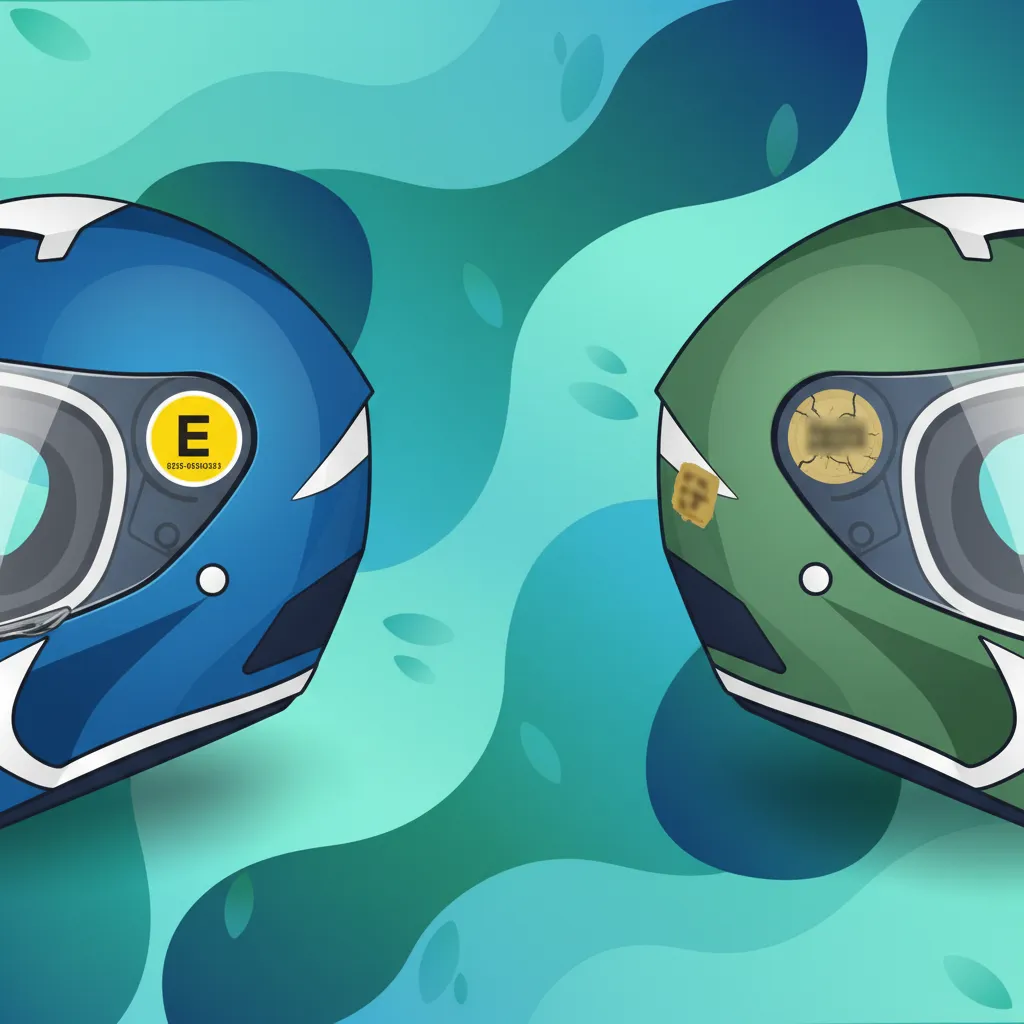
This lesson examines the European ECE homologation process that validates helmet safety, detailing required impact resistance tests, retention systems, and visor criteria. Learners will understand the differences between full-face, modular, and integral helmets. The lesson also provides guidance on proper sizing, regular maintenance, and legal obligations for helmet replacement.

This lesson explores the specifications of DGT-approved protective clothing, focusing on abrasion-resistant jackets and CE-rated armor for limbs. It covers the importance of gloves and boots with protective padding and the role of reflective strips for visibility. Attention is given to material choices that balance durability, breathability, and weather protection.
This lesson examines the legal framework for motorcyclists in Spain, including mandatory registration, compulsory insurance, and equipment standards enforced by the DGT. It covers the legal necessity of a homologated helmet, reflective clothing, and compliance with noise and emission standards. Learners also review documentation checks, vehicle inspections, and penalties for non-compliance.
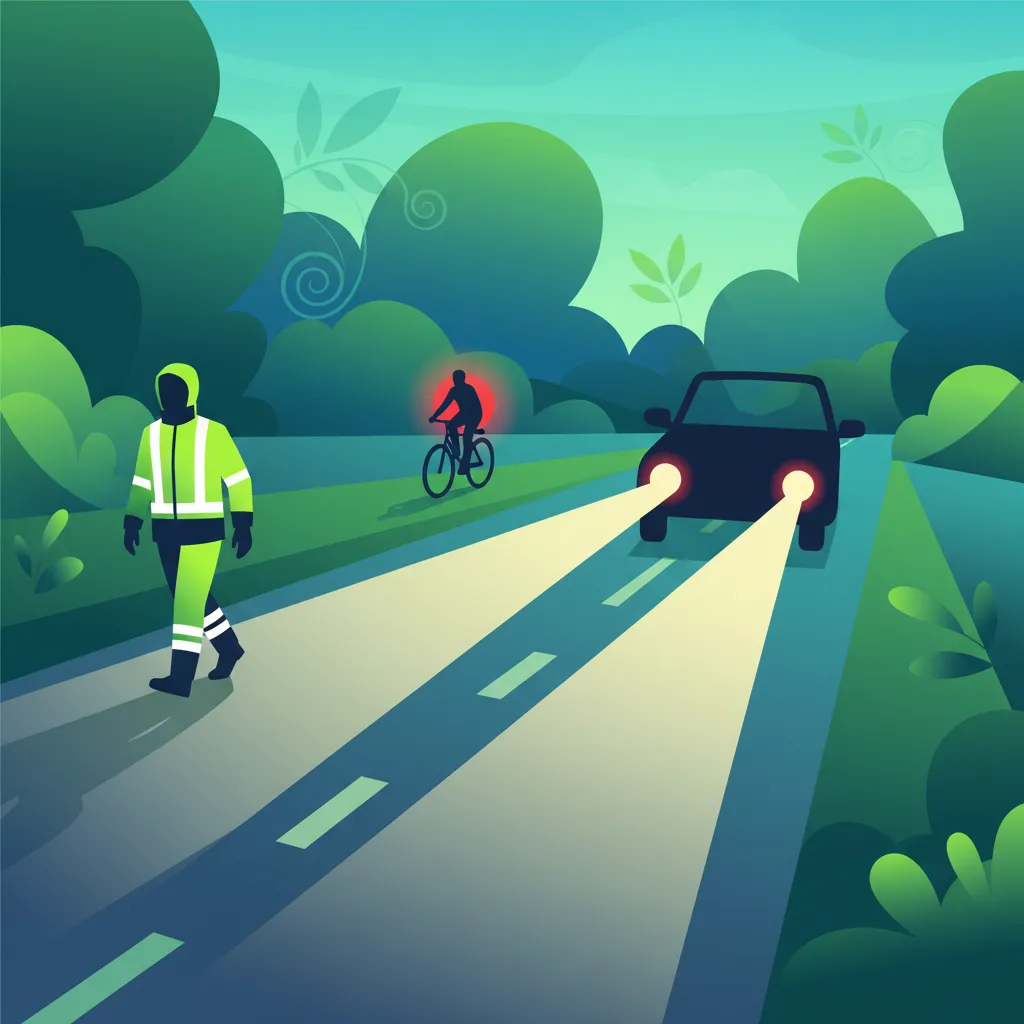
This lesson outlines the mandatory lighting and visibility equipment as per DGT regulations. It covers the correct use of headlights (low and high beams), taillights, and turn signals, ensuring the moped is visible to others, especially at night or in poor weather. The importance of wearing high-visibility or reflective clothing is also emphasized as a critical measure to enhance personal safety by making the rider more conspicuous.

This lesson outlines the compulsory equipment and documentation required for an AM-class vehicle. It emphasizes the legal mandate for an approved helmet, a valid insurance policy, and a vehicle registration plate. Learners will also understand the requirements for the roadworthiness certificate (ITV) and other essential documents needed to prove compliance with DGT safety and legal standards during a traffic stop.
Understand critical checks for tires, brakes, lights, and chain tension to ensure your motorcycle is mechanically sound and road-legal according to Spanish DGT requirements.
This lesson introduces essential mechanical checks to ensure motorcycle reliability and safety. Topics include monitoring engine oil and coolant levels, chain lubrication procedures, and tire pressure verification. By establishing a routine maintenance schedule, riders can proactively address issues and comply with DGT guidelines.
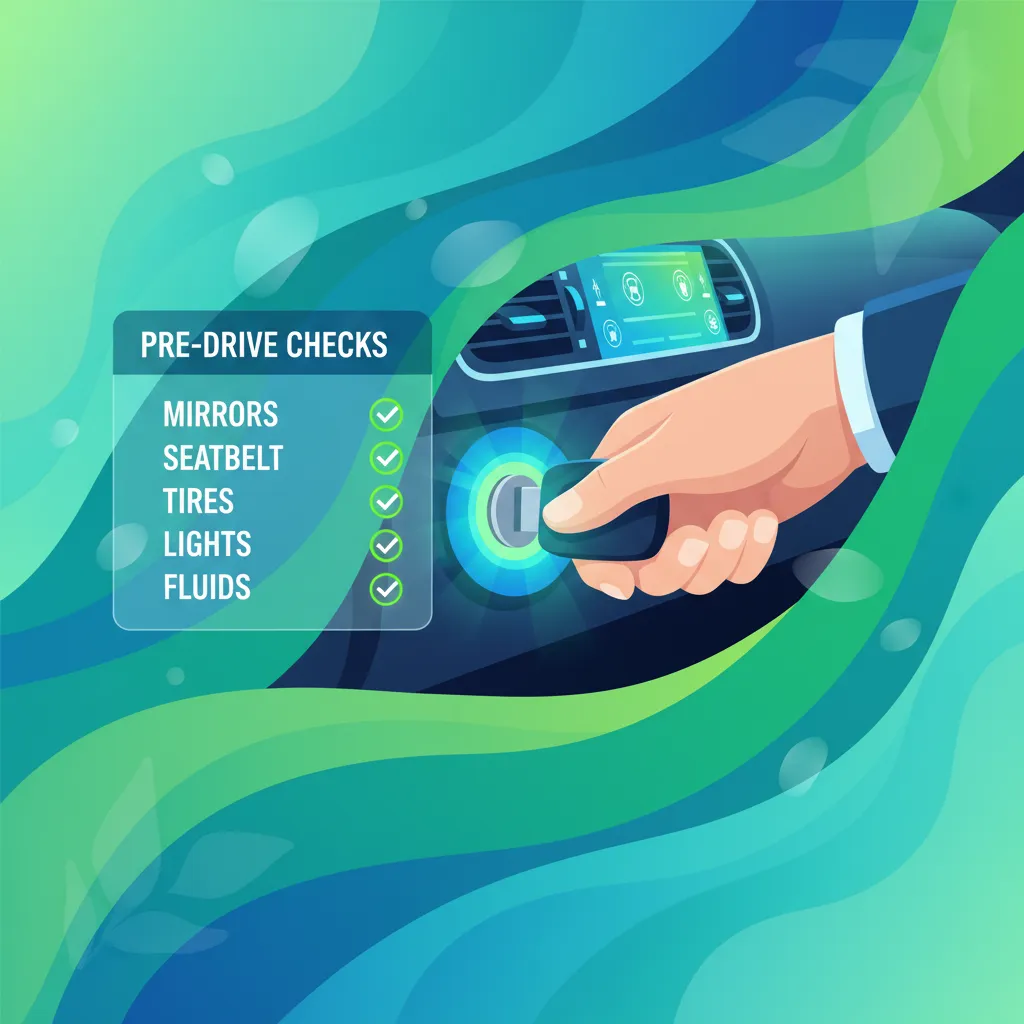
This lesson details the systematic steps required to start a vehicle safely and prepare it for motion. It describes the ignition sequence and confirmation of dashboard indicators before starting the engine. The content also outlines essential pre-drive checks, including verification of fluid levels, tire pressure, mirror adjustment, and seat position.

This lesson focuses on adapting braking techniques for wet and slippery roads. Topics include hydroplaning risk, reduced tire friction, and how ABS assists in preventing wheel lock-up. Learners are taught to employ progressive braking, reduce speed, and assess tire tread depth to maintain adequate grip.

This lesson covers the importance of proper air brake maintenance for ensuring optimal stopping power and safety. It explains the process of checking and adjusting slack adjusters to compensate for brake lining wear. Learners will understand how to perform routine pre-trip inspections, including checking for air leaks and ensuring the system is balanced for even braking performance.
Find clear answers to common questions learners have about Personal Safety Checks before Riding. Learn how the lesson is structured, which driving theory objectives it supports, and how it fits into the overall learning path of units and curriculum progression in Spain. These explanations help you understand key concepts, lesson flow, and exam focused study goals.
A full pre-ride check, often referred to as a T-CLOCK inspection (Tires, Controls, Lights, Oil, Chassis, Kickstand), should ideally be done before every ride. While some checks like chain tension might be less frequent, a quick visual and functional check before setting off is crucial for safety and DGT compliance for A, A1, A2 licence holders.
Many exam questions focus on easily overlooked items like correct tire pressure (including spare if applicable), brake fluid levels, proper function of all lights (headlight, tail light, indicators), and ensuring the helmet strap is securely fastened. Neglecting these could lead to points deducted in the practical or incorrect answers in the theory exam.
While you don't need to check the homologation label every day, you should always ensure your gear is in good condition and suitable for the ride. The initial purchase should confirm homologation (e.g., ECE 22.05/06 for helmets). Daily checks involve looking for damage, ensuring proper fit, and verifying functionality like visor clarity or glove integrity.
Weather significantly impacts your gear and motorcycle's readiness. For instance, in rain, check tire tread depth more closely and ensure rain gear is accessible. In heat, confirm fluid levels are adequate. Always adjust tire pressure according to load and manufacturer recommendations, which can also be influenced by ambient temperature, as tested in DGT exams.
Use our powerful search functionality to pinpoint specific Spanish DGT driving theory practice sets. Filter by road sign categories, traffic law topics, or question difficulty to build custom study sessions and reinforce your knowledge precisely where it matters for your official exam.