
This lesson introduces the fundamental mechanical checks every Spanish motorcyclist needs to know, crucial for safe operation and DGT theory exam success. As part of the 'Motorcycle Controls & Mechanics' unit, it builds on basic operation knowledge and prepares you for understanding more complex systems. Understanding these basic checks is vital for rider safety and vehicle reliability.
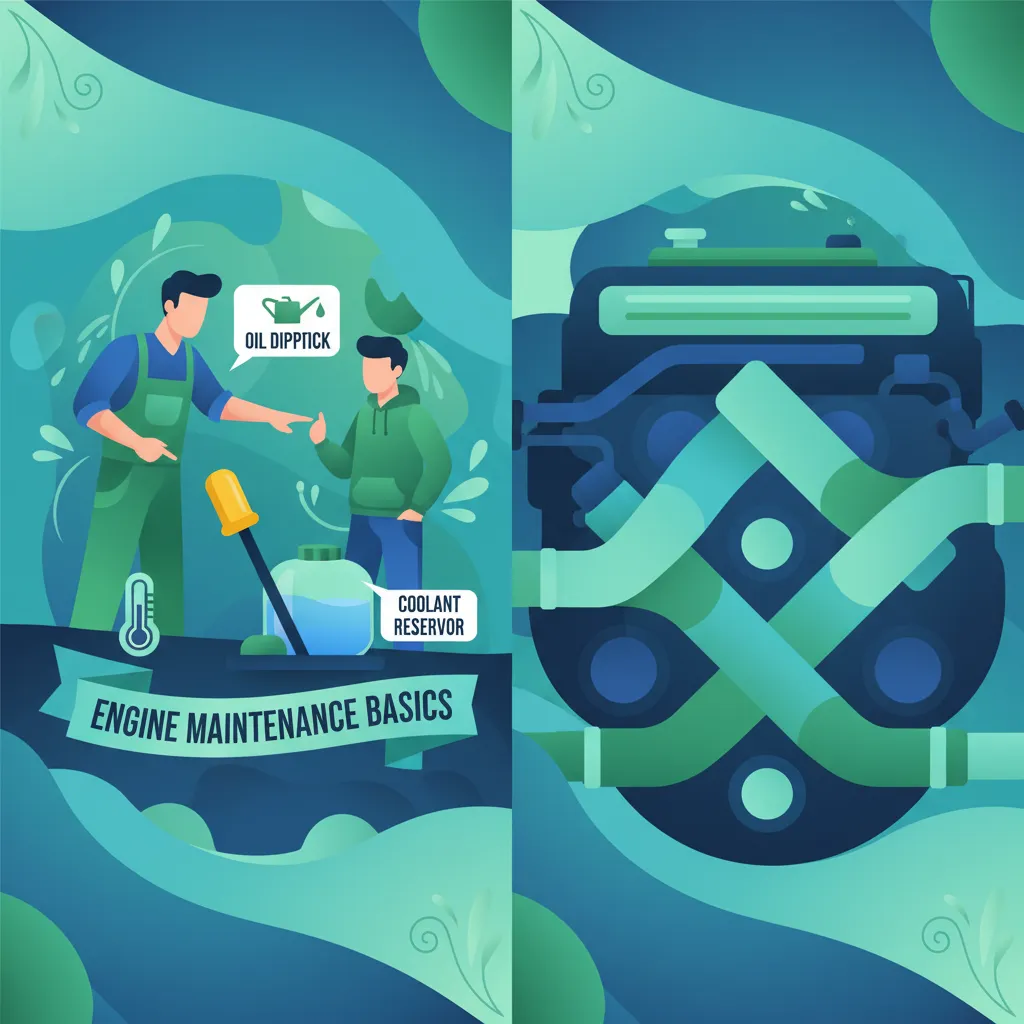
Lesson content overview
Mastering the mechanics of your motorcycle is as vital as mastering its controls, particularly for riders preparing for the Spanish Motorcycle Theory Exam for A, A1, and A2 licences. This lesson introduces the fundamental mechanical checks and routine maintenance tasks necessary to ensure your motorcycle's reliability, safety, and compliance with DGT (Dirección General de Tráfico) guidelines. Understanding and performing these checks proactively can prevent breakdowns, enhance your riding confidence, and mitigate hazards stemming from faulty equipment, directly impacting your safety and legal compliance on Spanish roads.
A well-maintained motorcycle is a safe motorcycle. Proactive mechanical awareness isn't merely about prolonging your vehicle's lifespan; it's a critical component of rider safety and a legal obligation in Spain. By regularly inspecting your motorcycle's vital systems, you preempt component failures that could lead to dangerous situations, from engine seizure to sudden brake failure or loss of control due to incorrect tire pressure.
Scheduled inspections and servicing significantly reduce the risk of unexpected breakdowns, which can leave you stranded or, worse, lead to accidents. Routine checks, such as monitoring fluid levels and ensuring proper chain tension, guarantee that each mechanical subsystem operates within manufacturer specifications. This vigilance ensures optimal performance, predictable handling, and durability, fostering greater confidence in your machine.
Adhering to DGT regulations regarding vehicle maintenance is mandatory for all motorcycles on public roads. Spain's technical inspection system, known as ITV (Inspección Técnica de Vehículos), requires motorcycles to undergo periodic checks to ensure they meet minimum safety and environmental standards. Failure to comply can result in fines, the vehicle being impounded, or even the revocation of your licence. Maintaining components like tires, brakes, and lights within legal limits is not only smart practice but a direct legal requirement.
Your motorcycle relies on several specialized fluids to operate safely and efficiently. Regularly checking and maintaining the correct levels of engine oil, coolant, and brake fluid is paramount for preventing damage, ensuring proper function, and maintaining peak performance.
Engine oil is the lifeblood of your motorcycle's engine. It performs multiple critical functions: reducing friction between moving parts, preventing wear, dissipating heat, and cleaning internal components by suspending contaminants. Without adequate lubrication, an engine can quickly overheat and seize, leading to catastrophic failure.
The primary role of engine oil is to create a protective film between rapidly moving metal parts, such as pistons, crankshafts, and camshafts. This film minimizes friction and wear, allowing the engine to run smoothly. Additionally, oil helps to cool the engine by carrying heat away from hot components and transferring it to the engine's external surfaces or oil cooler. It also helps seal piston rings and protects against corrosion.
Checking your engine oil level is a simple, yet essential, pre-ride check. Most motorcycles have either a dipstick or a sight glass for this purpose.
Position the Motorcycle: Ensure the motorcycle is on level ground and upright, not leaning on its side stand, unless the manufacturer specifically instructs otherwise (some models require checking on the side stand).
Warm Up the Engine (Optional but Recommended): For the most accurate reading, warm up the engine for a few minutes and then turn it off. Wait another 2-3 minutes to allow the oil to settle back into the crankcase.
Locate Dipstick or Sight Glass: If your motorcycle has a dipstick, unscrew it, wipe it clean, reinsert it fully (without screwing it in for some models, check your manual), then remove it again to read the level. If it has a sight glass, you'll see a window on the crankcase.
Verify Level: The oil level should be between the "MIN" and "MAX" marks on the dipstick or within the visible range of the sight glass.
Top Up if Necessary: If the level is low, carefully add the recommended type of engine oil in small increments, rechecking the level until it's within the acceptable range. Do not overfill.
Motorcycle engines typically use synthetic, semi-synthetic, or mineral oils. Viscosity grades, like 10W-40, indicate how the oil performs at different temperatures. "10W" refers to the oil's viscosity in cold weather (Winter), and "40" refers to its viscosity at operating temperature. Always use the oil type and viscosity grade specified in your motorcycle's owner's manual. Using the incorrect oil can lead to engine damage.
While the DGT does not specify mileage intervals for oil changes, it mandates that riders ensure their oil level is within the recommended range before every ride. Manufacturer guidelines typically recommend oil changes every 6,000 km or 12 months, whichever comes first. Regular oil changes, along with filter replacements, are crucial for maintaining engine health.
For liquid-cooled engines, coolant (also known as antifreeze) is essential for maintaining optimal engine temperature. It absorbs excess heat from the engine and dissipates it through the radiator, preventing overheating and potential engine damage.
Coolant is a mixture of water and anti-freeze agents, typically ethylene glycol or propylene glycol, often in a 50/50 concentration. This mixture has a higher boiling point than water, preventing it from turning to steam at high engine temperatures, and a lower freezing point, protecting the engine in cold weather. It also contains corrosion inhibitors to protect the cooling system components.
A visual check of the coolant reservoir is a mandatory pre-ride inspection for liquid-cooled motorcycles. The reservoir usually has "MIN" and "MAX" lines, and the coolant level should always be between these marks when the engine is cold. A sudden drop in coolant level can indicate a leak in the system, which should be investigated immediately.
Like engine oil, coolant comes in various types. Always use the specific type recommended by your motorcycle manufacturer to avoid compatibility issues and potential damage to the cooling system. Manufacturer servicing schedules commonly recommend a full coolant system flush and refill every two years to ensure the inhibitors remain effective and to remove any accumulated debris.
Brake fluid is a non-compressible hydraulic fluid that transmits the force from your brake lever or pedal to the brake calipers, engaging the brake pads against the discs. A correct brake fluid level is critical for effective and responsive braking.
When you squeeze your brake lever or press the pedal, the master cylinder pressurizes the brake fluid. This pressure is then transmitted through the brake lines to the calipers, which in turn push the brake pads onto the brake discs, creating friction and slowing the motorcycle. If the brake fluid level is too low, air can enter the system, leading to a "spongy" feel in the brakes and significantly reduced braking efficiency.
Brake fluid is categorized by DOT (Department of Transportation) ratings, such as DOT 3, DOT 4, and DOT 5.1, which denote their boiling points and chemical composition. Some specialized ABS systems may use mineral oil. It is crucial to use only the type of brake fluid specified by your manufacturer, as mixing incompatible fluids can damage the braking system.
Brake fluid reservoirs, typically located on the handlebars for the front brake and near the rear brake pedal for the rear brake, have clear "MIN" and "MAX" lines. The fluid level should always be between these marks. A clear window on the reservoir allows for easy visual inspection. If the level is consistently dropping, it could indicate worn brake pads or a leak in the system, which requires immediate attention.
Beyond low fluid levels, other signs of brake fluid problems include:
The DGT mandates that brakes must be fully functional before riding, making proper brake fluid levels and system integrity a legal necessity.
The drive chain is responsible for transmitting power from your engine to the rear wheel. Proper lubrication and tension are essential for its longevity, efficiency, and your safety. Neglecting chain maintenance can lead to premature wear, reduced power transfer, or even a snapped chain, which can cause a sudden loss of propulsion and a dangerous situation.
A well-lubricated and correctly tensioned chain ensures smooth power delivery to the rear wheel, reduces friction and wear on both the chain and sprockets, and minimizes noise. Conversely, a dry or overly tight/loose chain will wear out quickly, consume more power, and dramatically increase the risk of failure.
Chain lubrication should be performed regularly, especially after riding in wet or dusty conditions, or approximately every 500 km.
Clean the Chain: Before lubricating, clean the chain thoroughly with a chain cleaner and a brush to remove old grease, dirt, and grime. This prevents abrasive particles from being trapped by new lubricant.
Apply Lubricant: With the motorcycle on a stand, slowly rotate the rear wheel by hand (or use the engine in first gear at very low idle, with extreme caution). Apply a thin, even coat of specialized chain lubricant (spray or oil) to the inside of the chain, where it contacts the sprocket teeth and O-rings.
Allow to Set: Let the lubricant penetrate for 10-15 minutes before riding. This allows it to adhere and reduces "fling-off."
Wipe Excess: Wipe off any excess lubricant with a clean cloth. Excessive lubricant can attract dirt and, more dangerously, can fling onto your rear tire or brake disc, severely compromising grip or braking performance.
Correct chain tension is crucial. A chain that is too tight can put excessive strain on engine and wheel bearings, while a chain that is too loose can jump off the sprockets, cause erratic power delivery, and wear out quickly. The manufacturer's manual will specify the correct amount of slack, typically measured as the vertical movement of the chain midpoint (commonly 20-30 mm).
To check tension, place the motorcycle on its side stand (or center stand if available) with no load. Push the chain up and down at its loosest point (usually halfway between the sprockets) and measure the total vertical travel. Adjust the tension using the adjusters at the rear axle, ensuring the rear wheel remains properly aligned.
Chains stretch over time. An overly stretched chain will not only be difficult to keep tensioned but can also damage sprockets and eventually break. Most manufacturers provide a wear limit (e.g., a specific elongation over a number of links). If your chain has tight spots, visible kinks, or exceeds the wear limit, it's time for replacement, often along with the sprockets. While the DGT doesn't specify chain maintenance intervals, it's an industry standard to check tension and lubrication weekly or every 500 km.
Your motorcycle's tires are its only contact with the road, making correct tire pressure paramount for safety, handling, braking, and tire longevity. Incorrect tire pressure is a common cause of accidents and poor motorcycle performance.
Always check tire pressure when the tires are "cold," meaning before you've ridden the motorcycle or at least an hour after riding. Riding heats the tires, causing the air inside to expand and pressure to increase, leading to an inaccurate reading.
Obtain a Reliable Gauge: Use an accurate tire pressure gauge. Digital gauges are often preferred for precision.
Find Recommended Pressures: Consult your motorcycle's owner's manual or the sticker usually located on the swingarm or near the chain guard. This will provide specific front and rear tire pressures, often listed in PSI (pounds per square inch) and kPa (kilopascals).
Check Pressure: Remove the valve cap, press the gauge firmly onto the valve stem, and read the pressure.
Adjust if Necessary: If the pressure is low, add air using a compressor until the recommended value is reached. If it's too high, release air by pressing the small pin in the center of the valve stem. Recheck the pressure after each adjustment.
Replace Valve Cap: Always replace the valve cap to prevent dirt and moisture from entering the valve.
If you regularly carry a passenger or luggage, your motorcycle manufacturer may recommend higher tire pressures for the rear tire to accommodate the increased load. Always consult your owner's manual for specific load-adjusted pressure values. Failing to adjust for load can lead to poor handling and increased tire wear.
The DGT mandates that motorcycles must not operate with tires whose pressure is below the minimum indicated on the tire sidewall, or below the recommended pressure in the owner's manual. Furthermore, tires must have adequate tread depth. The minimum legal tread depth for motorcycles in Spain is 1 mm across at least three-quarters of the width of the tread pattern. Worn tires significantly reduce grip, especially in wet conditions, and are a serious safety hazard.
A thorough visual inspection, often called a "pre-ride walk-around," is one of the simplest yet most effective ways to identify potential problems before they lead to breakdowns or accidents. This systematic check should be performed before every ride.
During your visual inspection, examine all critical components for any signs of damage, wear, or leaks.
Make it a habit to walk around your motorcycle before each ride, systematically checking these items. This quick routine takes only a few minutes but can prevent major issues. Pay attention to anything that looks unusual, feels loose, or has changed since your last ride. The DGT specifies that motorcycles must be free from dangerous faults, and any visible defect must be repaired before use.
Look for any puddles or drips under your motorcycle, which could indicate fluid leaks (oil, coolant, brake fluid). A leak from any of these systems requires immediate investigation. Also, inspect for signs of corrosion on metal parts, electrical connections, and fasteners. While minor surface rust may be cosmetic, extensive corrosion can compromise structural integrity or electrical function.
In Spain, road safety is paramount, and a significant part of this is ensuring vehicles are roadworthy. The DGT sets clear regulations regarding vehicle maintenance and inspections, which all riders must adhere to.
All motorcycles operating on public roads in Spain are subject to periodic technical inspections, known as ITV. For motorcycles over 125 cc, the first ITV is required four years after its initial registration, and subsequent inspections are every two years. During the ITV, all safety-critical components, including brakes, tires, lights, suspension, and emissions, are thoroughly checked to ensure they are in serviceable condition and comply with legal standards. Passing the ITV is mandatory for legal road use.
Operating a motorcycle that fails to meet DGT roadworthiness standards or has an expired ITV can lead to significant penalties. These can include substantial fines, the immobilization of your vehicle, and even legal action in cases of severe negligence leading to an accident. Regular maintenance is not just about avoiding penalties but primarily about ensuring your safety and the safety of other road users.
Even experienced riders can sometimes overlook simple maintenance steps or fall victim to common misunderstandings. Being aware of these pitfalls can help you maintain your motorcycle more effectively and safely.
Motorcycle maintenance isn't a one-size-fits-all approach; it needs to be adapted based on various external factors. Environmental conditions, how you use your motorcycle, and the loads it carries should all influence your maintenance schedule.
Carrying a passenger or a heavy load (e.g., full luggage rack for a tour) significantly alters the motorcycle's dynamics and stresses its components.
By considering these conditional variations, you can tailor your maintenance routine, ensuring your motorcycle remains safe and reliable under all circumstances.
Basic mechanical awareness and routine maintenance are fundamental responsibilities for every motorcyclist. They are not merely suggestions but crucial aspects of ensuring your safety, the safety of others, and compliance with DGT regulations for your A, A1, or A2 licence. By consistently performing pre-ride checks and adhering to maintenance schedules, you build a deeper understanding of your motorcycle, enhance your riding confidence, and proactively mitigate risks. This vigilance translates directly into a safer, more enjoyable, and legally compliant riding experience on Spanish roads.
This lesson covers essential pre-ride mechanical checks required for Spanish motorcycle theory exams (A, A1, A2 licences), focusing on fluid levels (engine oil, coolant, brake fluid), drive chain maintenance (lubrication every 500km, correct tension of 20-30mm), and tire pressure verification using a gauge when cold. The DGT mandates ITV inspections every two years for motorcycles over 125cc, with specific requirements including minimum 1.6mm tread depth and fully functional brakes. Understanding these maintenance fundamentals helps riders ensure roadworthiness, pass the DGT theory exam, and most importantly, prevent mechanical failures that could lead to accidents on Spanish roads.
A short set of high-value points that capture the most important learning from this lesson.
Engine oil is your engine's lifeblood - it reduces friction, dissipates heat, and prevents wear; always check levels before riding
Coolant prevents both freezing and overheating in liquid-cooled engines - maintain levels between MIN and MAX marks
Brake fluid (DOT 3, 4, or 5.1) transmits braking force; never mix different types as they are chemically incompatible
A properly tensioned chain (typically 20-30mm slack) with regular lubrication every 500km ensures smooth power delivery and prevents chain failure
Tire pressure must be measured when cold using a gauge; the contact patch is your only connection to the road
Explore all units and lessons included in this driving theory course.
ITV (Inspección Técnica de Vehículos) is mandatory: first inspection at 4 years for motorcycles over 125cc, then every 2 years thereafter
DGT requires minimum 1mm tread depth across three-quarters of tire width; tires below this are illegal and dangerous
Use only the oil viscosity grade (e.g., 10W-40) specified in your owner's manual - incorrect oil can cause engine damage
Chain adjustment is essential even for new chains during their break-in period; check tension weekly or every 500km
Brake fluid reservoirs have visible MIN/MAX lines on handlebars and near rear brake pedal - check both front and rear systems
Assuming clear oil is still good - oil degrades over time and mileage regardless of appearance; follow manufacturer intervals
Checking tire pressure after riding when tires are hot gives falsely high readings; always check cold
Neglecting chain tension on new motorcycles - new chains stretch significantly during break-in and need frequent adjustment
Mixing incompatible brake fluids (e.g., DOT 4 with DOT 5.1) which can damage seals and compromise braking performance
Relying on visual inspection alone for tire pressure - a tire can appear fully inflated while still being significantly under-pressured
Lesson content overview
A short set of high-value points that capture the most important learning from this lesson.
Engine oil is your engine's lifeblood - it reduces friction, dissipates heat, and prevents wear; always check levels before riding
Coolant prevents both freezing and overheating in liquid-cooled engines - maintain levels between MIN and MAX marks
Brake fluid (DOT 3, 4, or 5.1) transmits braking force; never mix different types as they are chemically incompatible
A properly tensioned chain (typically 20-30mm slack) with regular lubrication every 500km ensures smooth power delivery and prevents chain failure
Tire pressure must be measured when cold using a gauge; the contact patch is your only connection to the road
Explore all units and lessons included in this driving theory course.
ITV (Inspección Técnica de Vehículos) is mandatory: first inspection at 4 years for motorcycles over 125cc, then every 2 years thereafter
DGT requires minimum 1mm tread depth across three-quarters of tire width; tires below this are illegal and dangerous
Use only the oil viscosity grade (e.g., 10W-40) specified in your owner's manual - incorrect oil can cause engine damage
Chain adjustment is essential even for new chains during their break-in period; check tension weekly or every 500km
Brake fluid reservoirs have visible MIN/MAX lines on handlebars and near rear brake pedal - check both front and rear systems
Assuming clear oil is still good - oil degrades over time and mileage regardless of appearance; follow manufacturer intervals
Checking tire pressure after riding when tires are hot gives falsely high readings; always check cold
Neglecting chain tension on new motorcycles - new chains stretch significantly during break-in and need frequent adjustment
Mixing incompatible brake fluids (e.g., DOT 4 with DOT 5.1) which can damage seals and compromise braking performance
Relying on visual inspection alone for tire pressure - a tire can appear fully inflated while still being significantly under-pressured
Explore search topics learners often look for when studying Basic Mechanical Awareness and Maintenance. These topics reflect common questions about road rules, driving situations, safety guidance, and lesson level theory preparation for learners in Spain.
Browse additional driving theory lessons that cover connected traffic rules, road signs, and common driving situations related to this topic. Improve your understanding of how different rules interact across everyday traffic scenarios.
Learn essential checks for engine oil, coolant, and brake fluid levels, along with verifying correct tire pressure. This lesson focuses on the critical maintenance aspects required for safe riding and DGT compliance in Spain.
This lesson presents a systematic pre-ride safety checklist covering tire pressure, brake fluid levels, lighting operation, and chain tension to ensure the motorcycle is road-ready. It also emphasizes personal checks such as helmet strap security and appropriate gear for weather conditions. Integrating DGT-recommended inspection procedures helps minimize equipment-related failures.
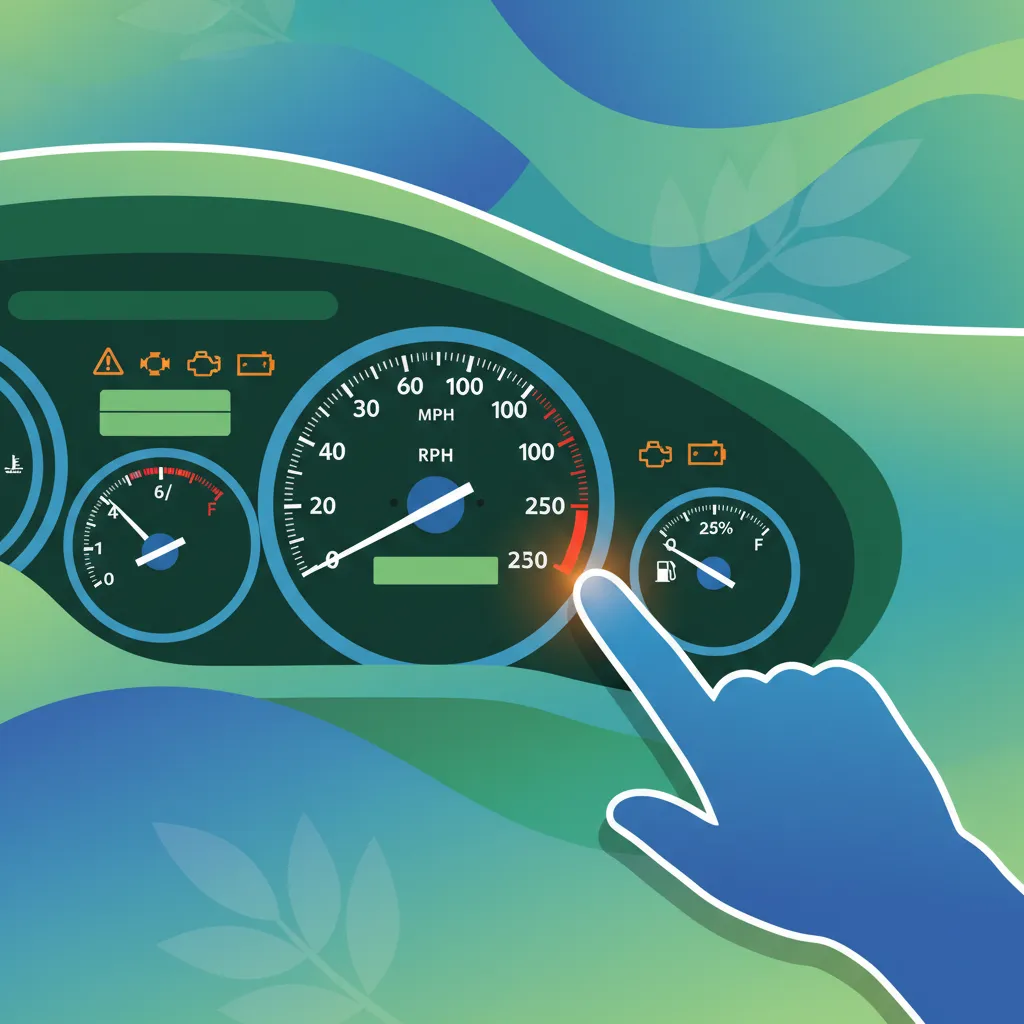
This lesson focuses on the primary components displayed on a vehicle's dashboard and their functional significance. Learners will identify instruments like the speedometer and fuel gauge and understand the meaning of key warning lights, including ABS, oil pressure, and check engine. The lesson explains how to interpret these signals while driving and the immediate actions required upon their illumination.

This lesson focuses on adapting braking techniques for wet and slippery roads. Topics include hydroplaning risk, reduced tire friction, and how ABS assists in preventing wheel lock-up. Learners are taught to employ progressive braking, reduce speed, and assess tire tread depth to maintain adequate grip.
This lesson explores static balance techniques essential when the motorcycle is stationary or moving at extremely low speeds. The content covers optimal foot placement, body posture, and centre of gravity control to maintain stability. Emphasis is placed on weight distribution between the bike and rider and practical balance drills.

This lesson outlines procedures for handling emergency situations and accidents. It covers emergency braking techniques, hazard avoidance strategies, and the DGT emergency protocol for accident reporting. Emphasis is placed on rider protective actions, post-crash first aid, roadside safety, and legal obligations after an incident.

This lesson focuses on identifying blind spot zones created by larger vehicles and the rider’s own positioning. It covers effective mirror usage, lateral awareness techniques, and the importance of head checks before lane changes. DGT blind spot guidelines are referenced, emphasizing situational scanning to maintain safety in traffic.

This lesson focuses on safe nighttime riding, covering headlight alignment, rear-light visibility, and the use of reflective gear to enhance conspicuity. It explains DGT night riding requirements, including mandatory lighting standards. Topics also include managing glare from oncoming vehicles and mitigating rider fatigue during low-light conditions.
This lesson explores proper lane positioning, emphasizing strategic selection of traffic lanes for optimal visibility. It explains the importance of rider line of sight and peripheral vision in maintaining situational awareness. The content also covers legal aspects of lane splitting and correct usage of road shoulders, abiding by DGT regulations.
This lesson details the systematic steps required to start a vehicle safely and prepare it for motion. It describes the ignition sequence and confirmation of dashboard indicators before starting the engine. The content also outlines essential pre-drive checks, including verification of fluid levels, tire pressure, mirror adjustment, and seat position.

This lesson examines the impact of rain, wind, and heat on motorcycle dynamics and rider comfort. It discusses wet road grip, hydroplaning risk, and appropriate speed adaptation to maintain traction. Wind gust compensation techniques are presented, along with methods for managing heat-related tyre pressure changes and rider cooling.
Understand the importance of drive chain lubrication and tension adjustment. Learn to perform a comprehensive pre-ride visual inspection to identify potential hazards and ensure roadworthiness according to Spanish DGT standards.
This lesson presents a systematic pre-ride safety checklist covering tire pressure, brake fluid levels, lighting operation, and chain tension to ensure the motorcycle is road-ready. It also emphasizes personal checks such as helmet strap security and appropriate gear for weather conditions. Integrating DGT-recommended inspection procedures helps minimize equipment-related failures.
This lesson details the systematic steps required to start a vehicle safely and prepare it for motion. It describes the ignition sequence and confirmation of dashboard indicators before starting the engine. The content also outlines essential pre-drive checks, including verification of fluid levels, tire pressure, mirror adjustment, and seat position.

This lesson explains the operation of a typical four-stroke motorcycle engine, describing each phase of the combustion cycle. It contrasts fuel injection systems with carburetors and details how fuel is mixed with air for efficient combustion. Topics also cover emissions control, cooling strategies, and oil circulation for a comprehensive overview of engine performance.
This lesson focuses on safe nighttime riding, covering headlight alignment, rear-light visibility, and the use of reflective gear to enhance conspicuity. It explains DGT night riding requirements, including mandatory lighting standards. Topics also include managing glare from oncoming vehicles and mitigating rider fatigue during low-light conditions.
This lesson focuses on identifying blind spot zones created by larger vehicles and the rider’s own positioning. It covers effective mirror usage, lateral awareness techniques, and the importance of head checks before lane changes. DGT blind spot guidelines are referenced, emphasizing situational scanning to maintain safety in traffic.

This lesson focuses on strategies for maximizing rider visibility in daylight and nighttime conditions, covering high-visibility apparel, reflective vests, and LED accessories. It delves into rider posture and lane positioning that improve sightlines and reduce collision risk. The content aligns with DGT regulations for illumination levels on motorcycles.
This lesson explores proper lane positioning, emphasizing strategic selection of traffic lanes for optimal visibility. It explains the importance of rider line of sight and peripheral vision in maintaining situational awareness. The content also covers legal aspects of lane splitting and correct usage of road shoulders, abiding by DGT regulations.
This lesson outlines procedures for handling emergency situations and accidents. It covers emergency braking techniques, hazard avoidance strategies, and the DGT emergency protocol for accident reporting. Emphasis is placed on rider protective actions, post-crash first aid, roadside safety, and legal obligations after an incident.
This lesson explores static balance techniques essential when the motorcycle is stationary or moving at extremely low speeds. The content covers optimal foot placement, body posture, and centre of gravity control to maintain stability. Emphasis is placed on weight distribution between the bike and rider and practical balance drills.

This lesson breaks down the structure of the DGT theoretical exam for motorcycles, describing the number of multiple-choice questions and the required passing score. It provides study strategies such as revision schedules and the use of official question banks to improve recall. Learners are also advised on managing time allocation per question to align with DGT’s scoring algorithm.
Find clear answers to common questions learners have about Basic Mechanical Awareness and Maintenance. Learn how the lesson is structured, which driving theory objectives it supports, and how it fits into the overall learning path of units and curriculum progression in Spain. These explanations help you understand key concepts, lesson flow, and exam focused study goals.
For optimal safety and reliability, it's recommended to perform visual checks of tyres, fluids, and lights before every ride. More in-depth checks like chain lubrication and pressure verification should be done weekly or every few hundred kilometers, depending on your riding frequency and conditions. Always consult your motorcycle's manual for specific DGT-recommended intervals.
Low engine oil can lead to increased friction, overheating, and severe internal engine damage. If you notice the oil level is below the minimum mark on the dipstick or sight glass, you must add the correct type of oil as specified in your motorcycle's manual before riding. Regular checks prevent this critical issue.
Correct tyre pressure is crucial for safe handling, braking, and stability. Under-inflated tyres can overheat, wear unevenly, and affect cornering stability, while over-inflated tyres reduce grip and can lead to a harsher ride. Always check pressures when tyres are cold and adjust them according to your motorcycle's specifications for solo or passenger riding.
A dry or dirty chain will look dull and may make a grinding noise. It should be lubricated regularly. If the chain has too much slack, you'll feel excessive looseness when you try to move it up and down or side to side. Conversely, a chain that is too tight can cause premature wear on sprockets and bearings. Both lubrication and adjustment are vital for smooth operation and safety.
The fundamental mechanical checks for oil, tyres, and chain apply to all motorcycle categories (A1, A2, A) in Spain. The DGT theory exam tests this core knowledge for all riders. However, the specific maintenance intervals or types of issues might vary slightly based on the engine size and design of the motorcycle you are licensed to ride.
Use our powerful search functionality to pinpoint specific Spanish DGT driving theory practice sets. Filter by road sign categories, traffic law topics, or question difficulty to build custom study sessions and reinforce your knowledge precisely where it matters for your official exam.