
This lesson guides you through the essential observation techniques required for safe driving on Swiss roads. By mastering mirror usage and blind spot checks, you will develop the awareness needed to navigate complex traffic situations safely and pass your Category B theory exam with confidence.

Lesson content overview
Safe driving is fundamentally about awareness. As a driver preparing for your Swiss Category B license, mastering observation techniques is paramount. This lesson delves into the systematic use of your vehicle's mirrors and the critical importance of checking blind spots. By integrating these skills, you will significantly enhance your situational awareness, reduce collision risks, and navigate Swiss roads with greater confidence and safety.
Driving safely demands continuous and proactive observation of your surroundings. Your vehicle's mirrors provide extended views of traffic behind and to the sides, but they do not offer a complete picture. Certain areas, known as blind spots, remain hidden due to the vehicle's structure or the limitations of mirror angles. A failure to detect vehicles or vulnerable road users in these blind spots is a common cause of collisions, particularly during maneuvers like lane changes, turns, and merging.
Effective observation is a cornerstone of defensive driving. It allows you to anticipate potential hazards, react appropriately to the actions of other road users, and maintain a safe space around your vehicle. This systematic approach to observation reduces cognitive load by making essential checks a routine, allowing you to focus on decision-making and safe vehicle control.
Modern vehicles are equipped with a combination of mirrors, each designed to provide specific views around the car. Understanding the function and limitations of each mirror is the first step towards comprehensive observation.
The interior rearview mirror is positioned on the windshield, providing a direct view of the road behind your vehicle. This mirror is crucial for monitoring following traffic, especially on motorways (Autobahns) or when preparing to slow down or stop. It helps you keep track of vehicles approaching from directly behind and assess traffic density.
Many modern rearview mirrors feature an auto-dimming function, which automatically reduces glare from the headlights of vehicles following you at night. While this enhances comfort, it does not replace the need for active observation. Always ensure your rearview mirror is clean and unobstructed to maintain a clear line of sight.
The exterior side mirrors are mounted on the doors or pillars, providing views of traffic alongside and slightly behind your vehicle on each side. These mirrors are vital for monitoring adjacent lanes, observing traffic that is overtaking you, and preparing for lateral maneuvers such as lane changes or turns.
The driver's side mirror (left in Switzerland) and the passenger's side mirror (right) are both indispensable. They extend your field of vision significantly, allowing you to detect vehicles that may be in the process of overtaking or simply driving parallel to you. Proper adjustment of these mirrors is key to minimizing blind spots.
Before you start driving, it is mandatory to adjust all your mirrors correctly. Proper mirror adjustment maximizes your field of view and minimizes blind spots, directly contributing to safer driving. The goal is to create overlapping fields of vision between your mirrors and your peripheral vision, eliminating as many hidden zones as possible.
Your interior rearview mirror should be adjusted so that it frames the entire rear window. When seated in your normal driving position, you should be able to see clearly through the rear window, covering the road directly behind your vehicle, without having to move your head significantly. This ensures you have a consistent view of following traffic.
The driver's side exterior mirror should be adjusted so that you can just barely see the side of your own vehicle. A common technique is to lean your head slightly towards the driver's side window and adjust the mirror until the very edge of your vehicle's bodywork is visible. When you return to your normal driving position, the side of your car should just disappear from view, or be barely visible. This wide angle allows you to see vehicles in the adjacent lane and those approaching from behind on your left.
Similarly, the passenger's side exterior mirror should be adjusted to show as little of your own vehicle's side as possible. Lean slightly towards the center of the car and adjust the mirror until the edge of your car's bodywork is just visible. Returning to your normal driving position, the side of your car should disappear or be just out of view. This wide setting is crucial for monitoring the lane to your right and detecting vehicles, especially vulnerable road users like cyclists, who might be approaching from that side.
Mirror Adjustment Tip: Before starting your journey, take a moment to confirm that your mirrors are correctly adjusted for your specific seating position. Small adjustments can significantly improve your overall visibility and safety.
Despite optimal mirror adjustment, every vehicle has areas that remain hidden from the driver's direct view and mirror coverage. These are known as blind spots or blind zones. Recognizing and actively checking these areas is one of the most critical observation skills for any driver.
There are primarily two types of blind spots you must be aware of:
The danger of blind spots lies in their ability to conceal other road users. A vehicle driving parallel to you, a motorcyclist preparing to overtake, or a cyclist riding alongside your car can easily become invisible if they are positioned within one of your blind spots. Failure to check these areas before changing lanes, turning, or merging can lead to severe collisions. Always assume that if you can't see it, it might be there.
To compensate for the inherent limitations of mirrors and to eliminate blind spots, drivers must perform a head check, often referred to as a shoulder check. This direct visual check is a mandatory component of safe driving, particularly before any lateral movement.
A head check involves a quick, yet thorough, rotation of your head and upper body to directly look over your shoulder into the blind spot area. It is not just a quick glance; it requires turning your head sufficiently to see the lane directly beside your vehicle and behind it, ensuring no other road user is hidden.
Head checks are crucial in several driving situations:
Never initiate a lateral movement without first performing a thorough head check. Assuming a blind spot is clear based solely on mirror views is a dangerous and common mistake.
Observation should not be a sporadic action but a continuous, systematic process. A well-developed scanning routine ensures you maintain constant awareness of your surroundings, allowing you to react proactively to changing traffic conditions.
This widely taught principle integrates observation into the sequence of vehicle control:
While MSM is a great framework, remember that the head check is a critical, integrated step within or just before the "Maneuver" phase, specifically after mirror checks and signaling, but before turning the wheel.
Rearview Mirror: A quick glance to assess traffic directly behind you.
Left Exterior Side Mirror: A quick glance to check the lane to your left.
Right Exterior Side Mirror: A quick glance to check the lane to your right.
Road Ahead: Return your focus to the road ahead to scan for immediate hazards.
Repeat: Continuously repeat this pattern. Incorporate head checks when planning any lateral movement.
The frequency of your scanning routine should adapt to driving conditions.
Applying systematic observation is crucial for the safe execution of various driving maneuvers.
Changing lanes requires a precise sequence of observation:
Observation for turns focuses on clearing your intended path and checking for road users who might be hidden:
Merging typically involves entering high-speed traffic, making observation critical:
Overtaking requires careful observation to ensure the maneuver can be completed safely:
Vulnerable road users, such as pedestrians, cyclists, and motorcyclists, present a unique challenge for observation due to their smaller size and unpredictable movements. They are far more likely to be hidden in blind spots.
When driving in areas with many cyclists or motorcyclists, exaggerate your head checks slightly to ensure a full view, and always assume they might be in a blind spot.
Swiss road traffic laws, primarily the Road Traffic Act (SVG) and the Road Traffic Ordinance (VRV), mandate specific requirements for vehicle mirrors and driver observation. Adhering to these regulations is not only a legal obligation but also fundamental for road safety.
| Regulation | Rule Statement | Applicability | Rationale | Correct Example |
|---|---|---|---|---|
| SVG – Article X (Mirror Adjustment) | Mirrors must be adjusted to provide a clear and unobstructed view of traffic behind and beside the vehicle. | All vehicles with mirrors; before vehicle movement. | Ensures drivers can detect approaching traffic to react safely. | A driver adjusts all three mirrors before driving to achieve optimal rear and side visibility. |
| SVG – Article Y (Lane Changes) | Before changing lanes, a driver must check all relevant mirrors and perform a head check for blind spots to ensure the maneuver is safe. | During any lateral maneuver. | Prevents collisions caused by vehicles hidden from mirror view. | The driver signals, checks rearview and side mirror, performs a shoulder check, then changes lane. |
| SVG – Article Z (Turning) | When turning at an intersection or roundabout, the driver must verify that the path into which they are turning is clear, using mirrors and head checks. | Turning at any intersection or roundabout. | Avoids collisions with hidden road users, especially vulnerable ones like cyclists. | A driver checks side mirrors and performs a head check before turning right at an intersection, looking for cyclists. |
| SVG – Article A (Merging) | When merging onto a main road or motorway, the driver must ensure the absence of traffic in the merging lane via mirrors and head checks. | Merging maneuvers. | Prevents high-speed collisions when entering traffic. | A driver accelerates on the merge lane, checks mirrors, performs a head check for a safe gap, then merges. |
| VRV – Article B (Mirror Maintenance) | Mirrors must be kept clean and functional at all times to ensure clear visibility. | Continuous maintenance. | Clear mirrors are essential for proper observation. | Before a trip, the driver wipes dirt and water from all mirrors. |
| VRV – Annex C (Vehicle Visibility) | Obstructions, such as objects hanging from the rearview mirror, must not impair a driver's field of view. | Vehicle equipped state. | Prevents blocked views of rear traffic, ensuring maximum visibility. | The driver keeps the rearview mirror area clear of any hanging objects or decorations. |
Violating these regulations can lead to fines, penalties, and, more importantly, put yourself and other road users at severe risk of collision.
Even experienced drivers can fall into bad habits regarding observation. Recognizing these common mistakes is the first step to correcting them.
Complacency kills. Never assume a blind spot is clear. Always take the extra second for a thorough head check to confirm your path is safe.
Driving conditions are rarely static. Your observation techniques must adapt to changes in the environment, road type, and even your vehicle's state.
Mastering observation techniques—the systematic use of mirrors combined with essential head checks—is a fundamental skill for obtaining and maintaining a Swiss Category B driver's license. It transforms you from a reactive driver to a proactive one, constantly aware of your surroundings and ready to anticipate and respond to evolving traffic situations.
By integrating mirror adjustments, frequent scanning, precise head checks, and an acute awareness of vulnerable road users into your daily driving habits, you will not only comply with Swiss traffic laws but also significantly enhance your personal safety and the safety of everyone sharing the road. Remember, what you don't see can hurt you and others. Make comprehensive observation your second nature.
This lesson teaches the systematic use of interior rearview and exterior side mirrors combined with mandatory head checks to eliminate blind spots for complete situational awareness. Key skills include proper mirror adjustment to minimize hidden zones, performing quick but thorough shoulder checks before any lateral maneuver, and developing a continuous scanning routine that adapts to traffic density. The content emphasizes that mirrors never provide full coverage and that head checks are legally required before lane changes, turns, merging, and overtaking. Special attention is given to detecting vulnerable road users—cyclists and motorcyclists—who can easily hide in blind spots, particularly before right turns. Mastering these observation techniques is essential for both safe driving and passing Swiss Category B hazard perception questions.
A short set of high-value points that capture the most important learning from this lesson.
Mirrors extend your view but never provide complete coverage—blind spots always exist and must be actively checked.
Proper mirror adjustment creates overlapping fields of vision that minimize hidden zones, requiring you to barely see your own vehicle's edge.
A head check is a mandatory, physical rotation of your head and shoulders to directly view blind spots, not just a mirror glance.
The Mirror-Signal-Maneuver sequence requires a head check integrated just before moving your vehicle laterally.
Vulnerable road users like cyclists and motorcyclists are particularly dangerous in blind spots due to their smaller size and ability to ride alongside your vehicle unnoticed.
Explore all units and lessons included in this driving theory course.
Check mirrors every 5-8 seconds in normal conditions, increasing frequency in dense traffic or urban environments.
Before any lateral movement—changing lanes, merging, turning, or pulling from the curb—always perform a head check over the shoulder on that side.
For right turns specifically, check mirrors and perform a head check to detect cyclists or motorcyclists positioned in your right blind spot.
Larger vehicles, trailers, and heavy loads significantly extend blind spots, requiring more thorough and frequent observation.
Keep mirrors clean and unobstructed; items hanging from the rearview mirror can legally impair your field of view under Swiss regulations.
Relying solely on mirrors without performing head checks, assuming blind spots are clear based on mirror views alone.
Improper mirror adjustment set for a different seating position, creating larger-than-necessary blind spots.
Giving only superficial, unfocused glances at mirrors without actively processing the position and speed of surrounding vehicles.
Checking mirrors while distracted by phone, passengers, or infotainment systems, failing to process critical information.
Failing to increase scanning frequency in poor visibility conditions such as rain, fog, or night driving where mirror effectiveness is reduced.
Lesson content overview
A short set of high-value points that capture the most important learning from this lesson.
Mirrors extend your view but never provide complete coverage—blind spots always exist and must be actively checked.
Proper mirror adjustment creates overlapping fields of vision that minimize hidden zones, requiring you to barely see your own vehicle's edge.
A head check is a mandatory, physical rotation of your head and shoulders to directly view blind spots, not just a mirror glance.
The Mirror-Signal-Maneuver sequence requires a head check integrated just before moving your vehicle laterally.
Vulnerable road users like cyclists and motorcyclists are particularly dangerous in blind spots due to their smaller size and ability to ride alongside your vehicle unnoticed.
Explore all units and lessons included in this driving theory course.
Check mirrors every 5-8 seconds in normal conditions, increasing frequency in dense traffic or urban environments.
Before any lateral movement—changing lanes, merging, turning, or pulling from the curb—always perform a head check over the shoulder on that side.
For right turns specifically, check mirrors and perform a head check to detect cyclists or motorcyclists positioned in your right blind spot.
Larger vehicles, trailers, and heavy loads significantly extend blind spots, requiring more thorough and frequent observation.
Keep mirrors clean and unobstructed; items hanging from the rearview mirror can legally impair your field of view under Swiss regulations.
Relying solely on mirrors without performing head checks, assuming blind spots are clear based on mirror views alone.
Improper mirror adjustment set for a different seating position, creating larger-than-necessary blind spots.
Giving only superficial, unfocused glances at mirrors without actively processing the position and speed of surrounding vehicles.
Checking mirrors while distracted by phone, passengers, or infotainment systems, failing to process critical information.
Failing to increase scanning frequency in poor visibility conditions such as rain, fog, or night driving where mirror effectiveness is reduced.
Explore search topics learners often look for when studying Observation Techniques: Mirrors and Blind Spots. These topics reflect common questions about road rules, driving situations, safety guidance, and lesson level theory preparation for learners in Switzerland.
Browse additional driving theory lessons that cover connected traffic rules, road signs, and common driving situations related to this topic. Improve your understanding of how different rules interact across everyday traffic scenarios.
Understand how to adapt mirror checks and blind spot awareness for various driving scenarios, including urban traffic, motorways, and weather conditions, to ensure safety and compliance with Swiss regulations.

Rural roads present challenges like narrow lanes, poor surfaces, sharp bends, and limited visibility. This lesson teaches drivers how to position their large vehicle to maximize space and visibility, anticipate oncoming traffic at blind corners, and be aware of specific rural hazards. These hazards include slow-moving agricultural vehicles, animals on the road, and concealed farm entrances.

This lesson focuses on general driving safety in areas with a high concentration of children. It stresses the importance of significantly reducing speed, being prepared for unexpected events, and scanning for children between parked cars. The driver must exhibit maximum vigilance in these high-risk environments at all times.
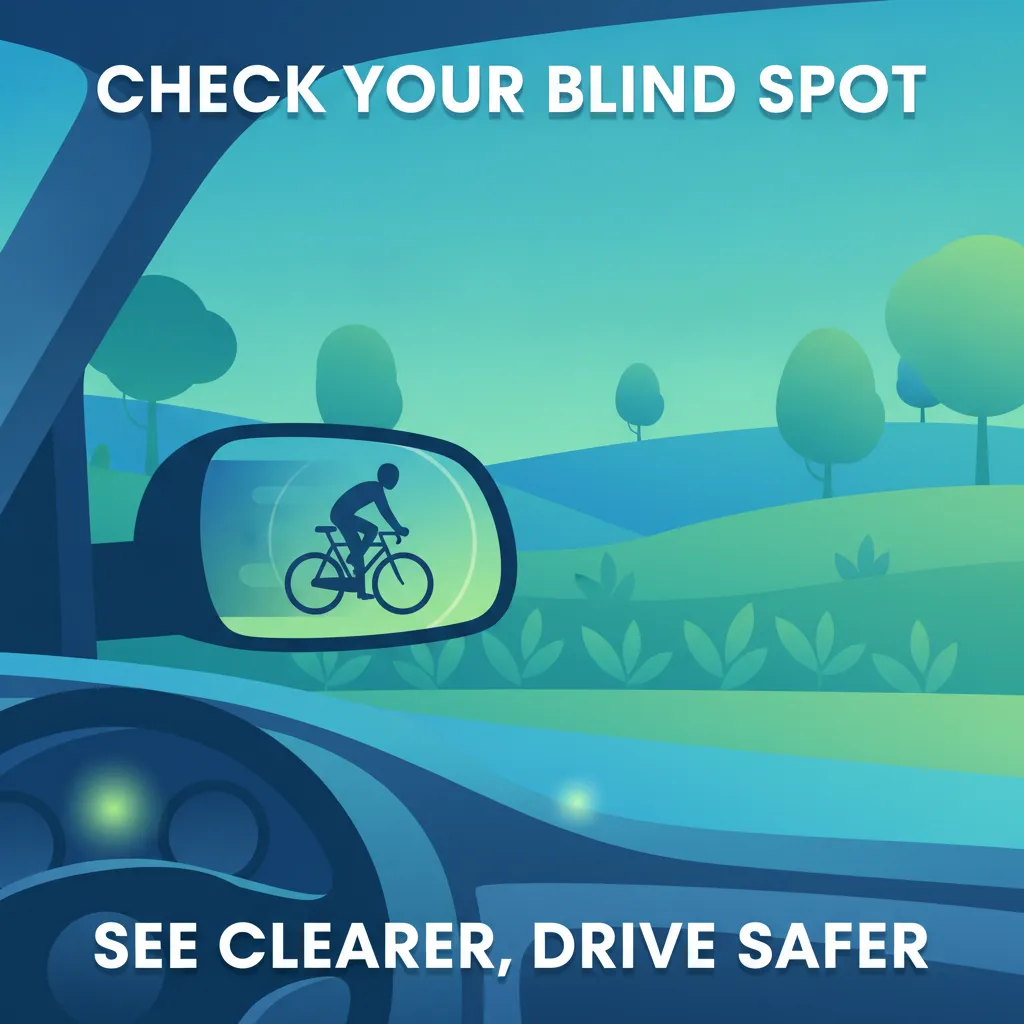
This lesson teaches the correct techniques for positioning and using mirrors to maintain situational awareness. It emphasizes that mirrors alone are insufficient and must be supplemented with physical shoulder and head checks to cover blind spots. Combining these observation methods is essential for making safe lane changes and maneuvers in traffic.

This lesson focuses on driving on mountain roads, addressing steep gradients, hairpin bends, and altitude-related challenges. You will learn proper techniques for climbing ascents and using engine braking on descents. The content also covers the use of snow chains, recognizing avalanche risks, and interpreting mountain road signs for safe alpine navigation.

Rural driving requires a different mindset from urban driving. This lesson covers how to position your vehicle on narrow roads, how to use passing places effectively, and how to anticipate hazards like slow-moving farm machinery, animals, and concealed junctions. Managing vehicle width and height is a key focus.

This lesson explores the typical features of rural and alpine roads, such as narrow lanes, sharp bends, and significant elevation changes. It discusses the need for heightened awareness due to limited sight distances and the potential for unexpected hazards like wildlife or agricultural vehicles. Riders will learn to adapt their speed and positioning for these challenging conditions.

Motorway driving requires constant concentration due to high speeds. This lesson emphasizes the importance of staying in the right-hand lane unless overtaking and the specific restrictions on lorry overtaking in Switzerland. It reinforces the need for a following distance of at least four seconds to compensate for the vehicle's long stopping distance and provides guidance on safely merging and exiting.

This lesson focuses on warning signs that alert drivers to potential hazards ahead, such as curves, steep descents, and roadwork zones. You will understand how these signs prompt anticipatory driving behavior, allowing for adjustments in speed and position. The content also discusses the typical placement of warning signs to help you react safely to changing conditions.

Driving a large vehicle on mountain passes is a demanding skill. This lesson covers selecting the correct gear for both ascents and descents to maintain control and avoid overheating the brakes. It also explains the specific priority rules that apply on mountain roads and the importance of being aware of sudden weather changes.

This lesson trains drivers to look beyond other vehicles and actively search for pedestrians, cyclists, and motorcyclists, especially those who may be distracted or unaware. It covers common behavioral patterns of different VRU groups. The goal is to see potential hazards developing early and create time and space to react safely.
Learn about frequent mistakes drivers make with mirror usage and blind spot checks. Understand how to prevent these errors to improve situational awareness and safety on Swiss roads, as required by theory.
This lesson teaches the correct techniques for positioning and using mirrors to maintain situational awareness. It emphasizes that mirrors alone are insufficient and must be supplemented with physical shoulder and head checks to cover blind spots. Combining these observation methods is essential for making safe lane changes and maneuvers in traffic.
Find clear answers to common questions learners have about Observation Techniques: Mirrors and Blind Spots. Learn how the lesson is structured, which driving theory objectives it supports, and how it fits into the overall learning path of units and curriculum progression in Switzerland. These explanations help you understand key concepts, lesson flow, and exam focused study goals.
Even with perfectly adjusted mirrors, there are areas around the vehicle that are not visible to the driver, known as blind spots. A shoulder check is the only way to ensure the area beside your vehicle is clear before changing lanes or turning.
You should check your mirrors frequently, especially before any change in speed or direction, such as braking, turning, or lane changing. Maintaining a constant flow of information helps you stay aware of the traffic situation around you.
Yes, the Swiss theory exam often presents scenarios that test your understanding of proper observation. You may be asked which steps to take before executing a maneuver, and identifying the need for a blind spot check is frequently part of these questions.
While the principle of observation remains the same, your focus shifts during parking maneuvers. You must use your mirrors and direct vision to monitor the proximity to curbs and other vehicles, often requiring more frequent scanning of your immediate surroundings.
Pinpoint specific Swiss traffic rules, road signs, or driving situations you need to master. Use the practice search to start a focused revision session now and build confidence for your official driving theory exam.