
This lesson details the critical driver responsibility of ensuring all passenger belongings, mobility aids, and prams are securely stowed for transit. By understanding these safety protocols, you will be prepared for both the Swiss Category D theory exam and the practical realities of managing a safe, professional bus environment.

Lesson content overview
As a professional driver holding a Swiss Category D driving license, your duty extends far beyond merely operating the vehicle. A critical aspect of passenger safety and operational responsibility involves ensuring that all passenger belongings – including luggage, prams (strollers), and mobility aids – are securely stowed before and during every journey. Unsecured items transform into dangerous projectiles during sudden stops, collisions, or even abrupt manoeuvres, posing severe risks to occupants, the driver, and other road users. This comprehensive lesson details the principles, rules, and best practices for secure stowage, ensuring compliance with legal obligations and upholding the highest standards of safety.
The primary responsibility for overseeing the secure stowage of all items within a passenger vehicle rests squarely with the driver. This is not a task that can be fully delegated to passengers, as their understanding of safety protocols or vehicle dynamics may be limited. Your legal and ethical duty of care requires you to mitigate any risks that might arise from unsecured objects, protecting passengers from potential injury and preventing vehicle instability. This includes a thorough understanding of designated storage locations, proper securing methods, and the continuous vigilance required before and during transit.
The legal and ethical obligation of a driver to ensure the safety and well-being of passengers and other road users. For passenger transport, this specifically includes securing all items to prevent injury and maintain vehicle stability.
Modern buses and coaches are equipped with various storage solutions designed to accommodate different types of passenger belongings safely. Knowing where and how to store items is fundamental to preventing hazards.
Underfloor luggage compartments, often referred to as lower deck or belly compartments, are dedicated storage areas located beneath the passenger floor. These are typically found on coaches and larger city buses, accessed via external doors or hatches. They are designed for suitcases, large bags, and other substantial items.
The key principle for using these compartments is to place items fully inside. No part of a bag or suitcase should protrude or hang over the edge of the compartment opening once the door is closed. Such overhangs might seem stable, but they can easily shift during acceleration or braking, potentially falling out when the compartment is next opened, or even preventing the door from closing securely, which could lead to items falling onto the road. Placing heavier items towards the centre of the vehicle, low to the ground, also significantly contributes to maintaining overall vehicle stability.
Inside the passenger cabin, overhead racks provide storage for smaller, lighter items such as backpacks, coats, and carry-on bags. These racks often feature horizontal bars or, more commonly, a system of netting or barriers to hold items in place.
When advising passengers on using overhead racks, emphasize that items must be placed fully beneath the netting or within the rack's dimensions. Crucially, netting or bars are designed to contain items, not to support significant weight. Placing heavy objects here raises the vehicle's centre of gravity, which negatively impacts stability, particularly on turns. Furthermore, items placed on top of netting, rather than beneath it, are prone to sliding off during even minor vehicle movements, posing a risk to passengers below.
Prams (strollers) and various mobility aids (wheelchairs, walkers, rollators) require specific attention due to their size, weight, and the unique needs of their users. Proper stowage ensures both their stability and the accessibility of the vehicle.
Many city buses and some coaches are equipped with designated areas for prams. These spaces are usually larger, multi-purpose areas, often near the front or middle of the vehicle, and are typically equipped with securing straps or belts. Prams must be folded if possible and positioned within these designated zones. If folding is not an option, they must be securely strapped in place to prevent them from rolling or sliding, especially during braking or cornering.
It is paramount that prams do not obstruct aisles, doors, or emergency exits. Even small prams can become significant hazards if left unsecured or in a pathway. As the driver, you must guide passengers to use these designated areas and assist them in securing their prams properly.
Passengers using wheelchairs or other mobility aids like rollators require extra care. Modern passenger vehicles often feature specific wheelchair bays, typically at the front or rear, identifiable by international accessibility symbols. These bays are equipped with robust securing systems, including floor anchor points and sturdy straps, to keep the wheelchair firmly in place.
A dedicated, accessible area within a passenger vehicle designed to safely accommodate a wheelchair, equipped with specific securing mechanisms (e.g., floor anchor points, straps) to prevent movement.
Position the Wheelchair: Guide the passenger to position the wheelchair facing forward or backward, depending on the vehicle's design and securing system.
Engage Brakes: Instruct the passenger to engage the wheelchair's brakes.
Use Restraints: Attach all designated straps and belts from the vehicle's securing system to the appropriate points on the wheelchair frame, ensuring they are taut. Some systems also include a seatbelt for the wheelchair occupant.
Confirm Security: Gently rock the wheelchair to ensure it is firmly secured and cannot move independently.
For rollators and walkers, if they cannot be used by the passenger throughout the journey, they should ideally be folded and stowed in an underfloor compartment or a designated overhead rack if lightweight enough and secure. Never allow these aids to remain unsecured in the aisle or seat areas where they could become tripping hazards or slide.
A fundamental safety requirement in all passenger vehicles is the maintenance of clear and unobstructed aisles and emergency egress routes. This ensures that passengers can move safely within the vehicle and, crucially, can evacuate quickly and efficiently in an emergency.
Swiss regulations, like many European standards, mandate a minimum clear aisle width (typically at least 30 cm) that must be maintained at all times. This means no luggage, prams, mobility aids, or any other items should ever be placed in the aisle. Even if the bus is not crowded, obstructing an aisle creates a dangerous tripping hazard and can significantly impede emergency services or other passengers needing to move through the vehicle. Always check that all emergency exits, including windows and doors, are clear of any obstructions.
The placement of luggage and other heavy items directly influences the vehicle's centre of gravity and, consequently, its stability and handling characteristics. Proper load distribution is vital for safe operation, particularly with heavy passenger vehicles like buses and coaches.
When heavy items are placed high up (e.g., on a roof rack, if present, or improperly on overhead racks), the vehicle's centre of gravity (COG) rises. A higher COG reduces stability and makes the vehicle more prone to swaying and rolling, especially during turns or when encountering strong side winds. It can also adversely affect braking performance, increasing stopping distances and making the vehicle harder to control during emergency braking.
Placing heavy items towards one side of the vehicle can create an imbalanced load, affecting steering and making the vehicle pull to one side. This increases tyre wear and places undue stress on the suspension system.
The most severe consequence of a high and unbalanced load is an increased risk of rollover. This is particularly relevant on winding roads, steep inclines, or during sharp evasive manoeuvres. As a Category D driver, you must always be mindful of where heavy luggage is stored. The rule of thumb is: heavy items low and central. Underfloor compartments are ideal for heavy suitcases as they keep the weight close to the road and distributed evenly across the vehicle's wheelbase.
The hypothetical point where the total weight of a vehicle and its contents is considered to act. A higher COG reduces vehicle stability, increasing the risk of swaying or rollover.
Your final safety measure before setting the vehicle in motion is a systematic verification of all storage areas. This pre-departure check serves as a critical last safeguard against any oversight.
Walk-Through: After all passengers have boarded and stored their belongings, perform a quick walk-through of the passenger cabin.
Visual Scan: Visually inspect overhead racks to ensure items are under netting and not overflowing.
Aisle Clearance: Confirm that all aisles, doorways, and emergency exits are completely clear and unobstructed.
Designated Areas: Check designated pram and wheelchair bays to ensure these aids are correctly positioned and securely strapped.
Underfloor Compartments: Ensure that all underfloor luggage compartment doors are securely closed and latched, with no items protruding.
This final inspection should become a routine part of your pre-departure procedure, ensuring that no unsecured item is overlooked.
Understanding common mistakes is crucial for preventing them. Here are typical violations and their potential repercussions:
Partial Overhang of Luggage:
Obstructed Aisle:
Improper Securing of Prams/Mobility Aids:
Heavy Items Stored High:
Neglecting Final Check:
The best practices for secure stowage can vary slightly depending on the driving context and environmental conditions.
For a deeper understanding of passenger safety and vehicle dynamics, consider exploring these related topics.
Strengthen your understanding of these critical safety procedures with targeted practice questions.
This lesson covers the driver's legal duty to ensure all passenger belongings, prams, and mobility aids are securely stowed in Category D vehicles. Underfloor compartments should hold heavy luggage low and central, while overhead racks are for lightweight items only. Wheelchairs and prams require designated securing zones and proper strapping procedures. Maintaining a minimum 30 cm clear aisle width is mandatory to ensure emergency egress, and a systematic pre-departure walk-through is essential to verify all items are secured before travel. Environmental conditions such as wet roads, strong winds, and mountainous routes demand heightened vigilance due to increased forces on unsecured loads.
A short set of high-value points that capture the most important learning from this lesson.
Driver bears primary legal and ethical duty of care to ensure all items are securely stowed, not passengers.
Heavy items must be placed low and centrally in underfloor compartments to maintain vehicle stability and prevent rollover risk.
Wheelchair bays require systematic securing: position correctly, engage brakes, attach all straps taut, then confirm stability.
A minimum clear aisle width of 30 cm must be maintained at all times; no items may obstruct aisles or emergency exits.
A pre-departure walk-through inspection of all storage areas and securing points is mandatory before moving the vehicle.
Explore all units and lessons included in this driving theory course.
Underfloor compartments: place items fully inside with no overhang, heavier items toward centre and low.
Overhead racks use netting to contain lightweight items only; heavy objects raise the centre of gravity and compromise stability.
Prams must be folded and secured in designated areas with straps; never left in aisles or blocking doors.
A high or unbalanced load increases braking distance, causes sway, and raises rollover risk on curves and steep roads.
Environmental factors like wet roads, strong winds, and mountain routes intensify the danger of unsecured items.
Leaving luggage partially protruding from underfloor compartments, risking it falling onto the road or shifting during travel.
Placing heavy items on overhead racks or failing to secure them under netting, raising the vehicle's centre of gravity.
Positioning a wheelchair in a designated bay without engaging its brakes or attaching the securing straps.
Allowing passengers to leave bags, prams, or walkers in the aisle, creating tripping hazards and obstructing emergency egress.
Skipping the pre-departure walk-through inspection, allowing unsecured items to go undetected until the vehicle is in motion.
Lesson content overview
A short set of high-value points that capture the most important learning from this lesson.
Driver bears primary legal and ethical duty of care to ensure all items are securely stowed, not passengers.
Heavy items must be placed low and centrally in underfloor compartments to maintain vehicle stability and prevent rollover risk.
Wheelchair bays require systematic securing: position correctly, engage brakes, attach all straps taut, then confirm stability.
A minimum clear aisle width of 30 cm must be maintained at all times; no items may obstruct aisles or emergency exits.
A pre-departure walk-through inspection of all storage areas and securing points is mandatory before moving the vehicle.
Explore all units and lessons included in this driving theory course.
Underfloor compartments: place items fully inside with no overhang, heavier items toward centre and low.
Overhead racks use netting to contain lightweight items only; heavy objects raise the centre of gravity and compromise stability.
Prams must be folded and secured in designated areas with straps; never left in aisles or blocking doors.
A high or unbalanced load increases braking distance, causes sway, and raises rollover risk on curves and steep roads.
Environmental factors like wet roads, strong winds, and mountain routes intensify the danger of unsecured items.
Leaving luggage partially protruding from underfloor compartments, risking it falling onto the road or shifting during travel.
Placing heavy items on overhead racks or failing to secure them under netting, raising the vehicle's centre of gravity.
Positioning a wheelchair in a designated bay without engaging its brakes or attaching the securing straps.
Allowing passengers to leave bags, prams, or walkers in the aisle, creating tripping hazards and obstructing emergency egress.
Skipping the pre-departure walk-through inspection, allowing unsecured items to go undetected until the vehicle is in motion.
Explore search topics learners often look for when studying Securely Stowing Luggage, Prams, and Mobility Aids. These topics reflect common questions about road rules, driving situations, safety guidance, and lesson level theory preparation for learners in Switzerland.
Browse additional driving theory lessons that cover connected traffic rules, road signs, and common driving situations related to this topic. Improve your understanding of how different rules interact across everyday traffic scenarios.
Learn the specific procedures for safely stowing prams, wheelchairs, and other mobility aids in Swiss Category D vehicles. Understand driver responsibilities for passenger accessibility and safety.

Transporting children carries the highest level of responsibility. This lesson covers the specific legal requirements for school buses in Switzerland, including the use of special signs and warning lights. It details the safe procedures for stopping, boarding, and alighting, and the driver's role in supervising children.

This lesson provides step-by-step instructions on how to safely deploy, operate, and stow wheelchair ramps and lifts. It covers pre-operation checks, correct positioning of the vehicle, and the procedures for safely securing a wheelchair inside the bus. Proper use of this equipment is vital for the safety of both the passenger and the driver.

This lesson focuses on the legally required safety equipment that must be on board every passenger vehicle. You will learn how to locate and check the fire extinguisher, first aid kit, and emergency hammers. It also covers the inspection of emergency exits to ensure they are unobstructed and functional.

Departing from a bus stop is a high-risk manoeuvre. This lesson details the critical sequence of actions: checking all passengers are clear of the doors, performing a comprehensive mirror and blind spot check, signalling, and waiting for a safe gap in traffic. This systematic approach is essential for preventing collisions with overtaking vehicles, cyclists, or pedestrians.
The driver must ensure all boarding passengers are safely on board and stable before moving off. This lesson covers managing the flow of passengers, dealing with fares or tickets efficiently, and encouraging people to move away from the doorway. The primary goal is to prevent falls that can occur if the vehicle moves prematurely.

This lesson focuses on general driving safety in areas with a high concentration of children. It stresses the importance of significantly reducing speed, being prepared for unexpected events, and scanning for children between parked cars. The driver must exhibit maximum vigilance in these high-risk environments at all times.

Standing passengers are particularly vulnerable to sudden vehicle movements. This lesson covers the driver's responsibility to adapt their driving style when people are standing. It emphasizes even smoother control, heightened awareness, and clear communication to minimize the risk of falls and injuries.
Professional drivers play a crucial role in ensuring public transport is accessible to everyone. This lesson provides guidance on how to communicate with and offer assistance to passengers with various needs. It covers best practices for helping elderly passengers, people with visual impairments, and other disabilities, always with a focus on dignity and respect.

Sharing road space with trams presents unique challenges, including different priority rules and physical hazards like tracks. This lesson covers the Swiss regulations regarding tram priority at junctions and stops. It also provides practical advice on crossing tram tracks safely and maintaining awareness of tram movements.

The approach to a stop sets the stage for a safe passenger exchange. This lesson covers signalling in good time, decelerating smoothly, and aiming for a final position that is close and parallel to the kerb. Proper positioning minimizes the step for passengers and prevents them from having to step into traffic.
Understand how securely stowing luggage affects vehicle stability and handling. Learn about safe loading practices for underfloor compartments and overhead racks in Swiss Category D buses.
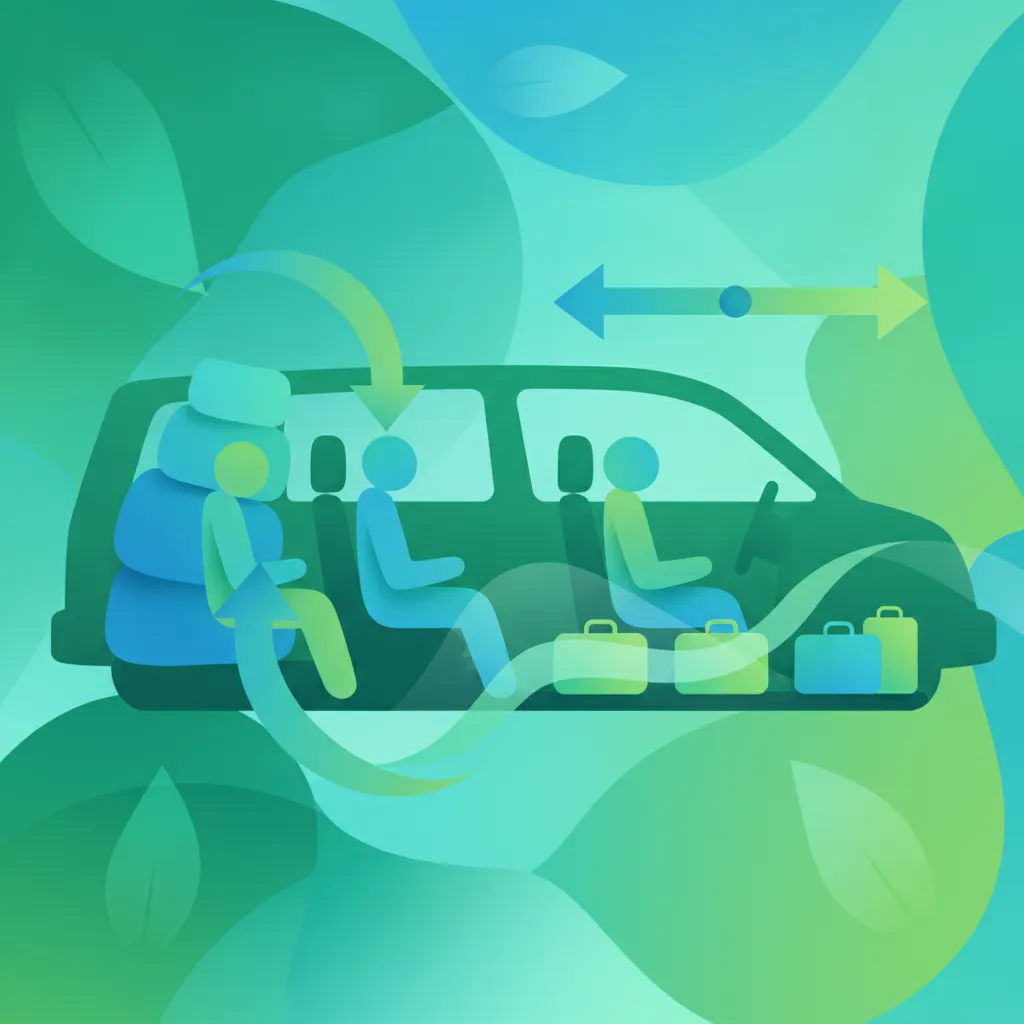
Correct load distribution is essential for safe handling and braking. This lesson explains that loads should be placed as low as possible and distributed evenly to maintain a low centre of gravity and comply with axle weight limits. A high or poorly positioned centre of gravity dramatically increases the risk of rollover, especially when cornering or in an emergency manoeuvre.

Buses have a high centre of gravity, making them susceptible to rollover forces. This lesson explains how factors like passenger load, luggage placement, and speed affect vehicle stability. Understanding these principles is essential for safe cornering, navigating roundabouts, and handling the vehicle in strong crosswinds.

This lesson explores the correct use of seat belts, the installation of child restraints, and the importance of securing loads. It covers weight distribution guidelines, maximum load limits, and conditions for towing a trailer. Guidance is also provided for safely transporting animals and ensuring all loads are properly secured to prevent movement.

While others may have loaded the vehicle, the driver holds the final legal responsibility for the security of the load once on the public highway. This lesson clarifies this crucial point of law, explaining that the driver must inspect the load and its securing arrangements before departure and re-check them during the journey. The consequences of a load shifting or falling can be catastrophic and result in severe legal penalties for the driver.

The total weight of a vehicle is supported by its axles, and Swiss regulations set strict limits on the load each axle can bear. This lesson explains how to correctly distribute a load to comply with maximum axle load (Achslast) limits, which is vital for vehicle stability, steering control, and braking efficiency. Incorrect distribution can lead to dangerous handling characteristics and cause significant damage to road surfaces.

Heavy vehicles, especially those with a high centre ofgravity, are susceptible to rolling over. This lesson examines the primary causes, including excessive speed on bends or roundabouts, sudden steering manoeuvres, and the 'sloshing' effect of liquid loads in tankers. It reinforces that maintaining a sensible speed and driving smoothly are the best ways to mitigate this serious risk.
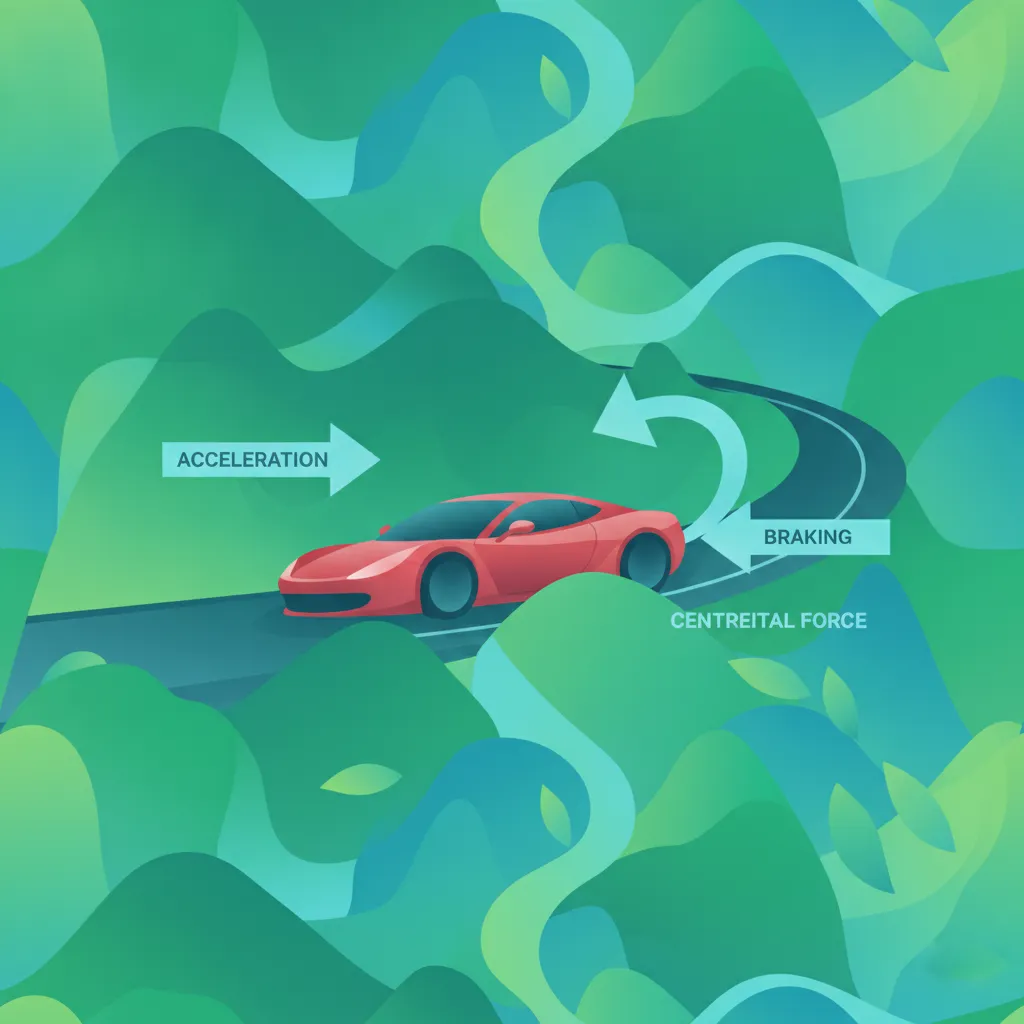
A load is not static; it is subjected to significant forces during transport. This lesson explains how acceleration, braking (deceleration), and cornering create powerful inertial forces that try to move the cargo. Load securing systems must be strong enough to counteract these forces to prevent the load from sliding forward during braking, backward during acceleration, or sideways when turning.
Transporting children carries the highest level of responsibility. This lesson covers the specific legal requirements for school buses in Switzerland, including the use of special signs and warning lights. It details the safe procedures for stopping, boarding, and alighting, and the driver's role in supervising children.

The condition of tyres and wheels is paramount to safety. This lesson details how to check tyre pressures, tread depth, and sidewalls for any damage or defects. You will also learn to inspect wheel nuts for security and look for signs of issues with the suspension system.
Standing passengers are particularly vulnerable to sudden vehicle movements. This lesson covers the driver's responsibility to adapt their driving style when people are standing. It emphasizes even smoother control, heightened awareness, and clear communication to minimize the risk of falls and injuries.
Find clear answers to common questions learners have about Securely Stowing Luggage, Prams, and Mobility Aids. Learn how the lesson is structured, which driving theory objectives it supports, and how it fits into the overall learning path of units and curriculum progression in Switzerland. These explanations help you understand key concepts, lesson flow, and exam focused study goals.
Unsecured prams and mobility aids can move during acceleration, braking, or cornering, posing a direct threat to the passenger using them and other passengers. For the theory exam, it is vital to understand that the driver is legally responsible for ensuring these are parked in designated areas and secured using the available equipment.
Yes. On a city bus, the focus is on quick access and safety within the passenger compartment, often involving dedicated spaces for prams and mobility aids. On a long-distance coach, most luggage is stowed in external lockers, and the priority is ensuring those compartments are locked and the load is balanced to maintain vehicle stability.
The exam often presents hazard perception or situational judgment questions where you must identify the correct action to take when a passenger boards with large luggage or a mobility aid, ensuring you prioritize safety and compliance with vehicle layout constraints.
In the event of a sudden stop, an unsecured item becomes a dangerous projectile. This can cause severe injury to passengers or the driver and potentially damage the vehicle interior, which is why Swiss regulations emphasize strict compliance with stowage procedures.
Pinpoint specific Swiss traffic rules, road signs, or driving situations you need to master. Use the practice search to start a focused revision session now and build confidence for your official driving theory exam.