
This lesson focuses on the critical soft skills needed to handle difficult or disruptive passengers as a professional driver. It is an essential component of the Passenger Safety and Conduct unit within the Swiss Category D curriculum, preparing you to maintain a professional environment during your daily routes.

Lesson content overview
As a professional driver holding a Swiss Category D Driving License, you are responsible for the safe and comfortable transport of numerous passengers daily. While most journeys are uneventful, situations can arise where passengers become difficult, disruptive, or even aggressive. Mastering de-escalation techniques is a critical skill for managing these conflicts, ensuring the safety of everyone on board, and maintaining a professional environment.
This lesson provides comprehensive strategies for recognizing, preventing, and de-escalating potential conflicts through calm communication, professional conduct, and the judicious use of your authority. We will explore your legal obligations under Swiss traffic law and practical methods for managing challenging passenger interactions effectively.
Managing passenger behavior is not merely about maintaining order; it is a fundamental aspect of your duty of care as a professional bus or coach driver. Your ability to calmly resolve disputes protects not only yourself and your passengers but also other road users who could be affected by distractions or incidents originating inside the vehicle. This responsibility is explicitly covered under the Swiss Road Traffic Act (SVG) and forms a core part of your professional obligations.
Effective conflict management directly contributes to accident prevention and ensures compliance with Swiss legal responsibilities regarding passenger safety.
Proactive conflict resolution involves anticipating potential issues before they escalate into serious problems. This approach minimises disruptions, reduces stress for both drivers and passengers, and upholds the reputation of public transport services. Ignoring early warning signs can lead to more severe incidents, ranging from verbal abuse to physical altercations or even situations that compromise road safety.
Successful de-escalation relies on a deep understanding of human behavior and the psychological factors that can trigger aggression under stressful conditions. By applying structured calming techniques and adhering to established protocols, drivers can maintain control of their vehicle and the situation, preventing incidents that could lead to accidents or legal liabilities.
Under Swiss law, specifically the Swiss Road Traffic Act (SVG) § 19 Abs. 1, drivers have a clear legal duty to ensure the safety of their passengers and to take measures to prevent any endangerment. This includes intervening when passenger behaviour threatens safety or causes a disturbance. Failing to act when required can lead to legal consequences for the driver. Your role extends beyond just driving; it encompasses active management of the on-board environment.
Effective de-escalation is built upon several foundational principles that guide a driver's actions and responses in challenging situations. Adhering to these principles ensures that conflicts are managed professionally and safely.
Professional conduct is the cornerstone of effective de-escalation. Regardless of how provoked you might feel, maintaining a calm, respectful, and composed demeanor is crucial. Your attitude sets the tone for the interaction and can significantly influence a passenger's response. Responding with aggression or losing your composure can quickly escalate a situation and undermine your authority.
This includes both verbal etiquette, such as using polite and clear language, and non-verbal body language, like maintaining an open posture and avoiding confrontational gestures. A driver who calmly and courteously addresses concerns, even difficult ones, conveys authority without aggression, which is more likely to elicit cooperation. For example, greeting passengers politely and maintaining eye contact can establish a positive rapport from the outset.
Situational awareness involves the continuous monitoring of passenger behavior, the vehicle's environment, and the overall context of the journey. It is about being alert to potential issues before they fully develop into conflicts. Early identification of tension allows for timely intervention, often preventing a situation from escalating beyond control.
This vigilance includes visual scanning of the bus interior, auditory monitoring for raised voices or arguments, and detecting non-verbal cues such as clenched fists, agitated movements, or individuals isolating themselves. For instance, noticing a passenger muttering angrily to themselves or observing a tense interaction between two passengers are vital early warning signs. By recognising these signals, you can prepare to intervene before a full confrontation erupts.
Clear communication is vital for de-escalation. It involves using simple, polite, and assertive language to convey expectations, explain rules, and manage passenger behaviour. Vague or ambiguous instructions can lead to misunderstandings, which in turn can exacerbate a tense situation. Precision and directness are key.
Assertive communication means expressing your needs and boundaries firmly but respectfully, without being aggressive or passive. For example, saying, “Please remain seated while the bus is in motion, for your safety,” in a calm but firm tone is more effective than shouting or making a vague request. Active listening, where you fully concentrate on understanding the passenger's concerns, and tone modulation, where you control the pitch and volume of your voice, are also critical components of clear communication. By explaining the reason behind a rule, such as a no-smoking policy, you can often reduce resistance and improve compliance.
The escalation threshold is the critical point at which a driver recognises that a situation is transitioning from merely disruptive or frustrating to potentially dangerous or violent. Recognising this threshold is paramount for deciding when and how to intervene decisively. Signs that a conflict may be spiralling include raised voices, insults, threats, increased physical tension, or disregard for safety instructions.
Examples of reaching the escalation threshold include a passenger shouting aggressively at fellow passengers, or repeatedly ignoring safety warnings about standing in the aisle while the bus is moving. Mistaking a passenger’s growing frustration for normal chatter can be a dangerous oversight. Your legal duty to act becomes particularly relevant once this threshold is crossed, requiring prompt and effective intervention to prevent harm.
As a professional driver in Switzerland, you are endowed with specific legal authority to maintain order and ensure safety on your vehicle. This authority includes the right to enforce regulations, stop the vehicle, and, when necessary, involve law enforcement. However, this power must be exercised proportionally and responsibly.
Under Swiss law, particularly SVG §§ 73 and 74, you have the right to stop the vehicle for safety reasons, including passenger disturbance, and may even order a passenger to leave if their behaviour threatens safety. For instance, informing a disruptive passenger that they will be required to alight at the next safe stop, or issuing a clear verbal warning about the consequences of violent behaviour, are examples of exercising this authority. It is important to avoid excessive or abusive use of authority, which can lead to legal challenges or complaints.
De-escalation involves structured communication strategies designed to calm tense situations and reduce aggression. These techniques are often verbal, focusing on re-establishing a sense of calm and control without resorting to confrontation.
Active Listening: Fully concentrate on what the passenger is saying, reflecting their concerns to show you understand. This demonstrates respect and helps the passenger feel heard.
Empathy: Acknowledge and validate the passenger's feelings or perspective, even if you don't agree with their actions. Phrases like "I understand you're upset" can diffuse tension.
Setting Limits: Clearly state non-negotiable safety rules and behavioural expectations. This should be done calmly and firmly. For example, "For everyone's safety, I need you to stay seated."
Offering Agreeable Solutions: Where possible, provide alternatives or solutions. This empowers the passenger and shows willingness to resolve the issue constructively. For instance, offering a disruptive passenger a specific seat or the option to alight at the next stop if they cannot comply.
These techniques require practice and composure. The goal is always to decrease passenger aggression and maintain safety, avoiding the common misunderstanding that confrontation is the only way to assert authority. Often, a calm, structured dialogue is far more effective.
There will be situations where a driver cannot safely manage a conflict alone. In such cases, seeking external assistance is not only permissible but often obligatory to ensure the safety of all occupants. This process involves contacting your control center, security personnel, or the police.
Do not hesitate to contact external assistance if a situation escalates beyond your ability to manage it safely, especially if physical threats or violence are involved. Your safety and the safety of your passengers are paramount.
This might involve a phone call to dispatch to request police presence at an upcoming stop, or using the bus's internal emergency communication system to alert authorities about a violent passenger. Prompt and clear communication with external assistance is crucial, providing precise details about the location, the nature of the disturbance, and the number of people involved. Under Swiss law, specifically SVG § 19 Abs. 1, you are obliged to act when safety is compromised beyond your control, making external help a necessary measure.
Understanding the specific legal framework is essential for professional drivers in Switzerland. These regulations empower you to act decisively while also setting boundaries for your conduct.
The Swiss Road Traffic Act (SVG) outlines the primary legal responsibilities for drivers in Switzerland. Several articles are particularly relevant to managing passenger conflict:
When dealing with conflicts and potentially reporting incidents, drivers must also consider the Swiss Federal Act on Data Protection (LPD – Datenschutzgesetz). While you have a duty to ensure safety and report serious incidents, you must also respect passenger privacy. This means:
Proper documentation of incidents, following company policy and LPD guidelines, is crucial for legal protection and future reference, without infringing on individual privacy rights.
The Swiss Transport Ordinance and other accessibility regulations ensure that drivers provide assistance to passengers with reduced mobility and disabilities. During a conflict, it is crucial not to neglect these duties. If a passenger with reduced mobility becomes disruptive, the driver must balance the need for de-escalation with the ongoing responsibility to ensure their safety and accessibility. For example, if a passenger in a wheelchair becomes agitated, you must continue to ensure their securement and safety while simultaneously attempting to de-escalate the situation through calm communication. Ignoring their specific needs in favour of purely conflict management could lead to discrimination claims and further safety violations.
Understanding the theoretical principles is vital, but applying them effectively in real-world scenarios requires practical insight.
Here are some common conflict scenarios and the recommended professional responses:
Scenario 1: A passenger refuses to sit while the bus is in motion.
Scenario 2: Passenger becomes verbally aggressive towards another passenger or the driver.
Scenario 3: Passenger attempts to exit while the bus is moving.
Scenario 4: A passenger with reduced mobility becomes disruptive during boarding or while on board.
Scenario 5: Driver feels fatigued and a passenger dispute arises.
The approach to de-escalation must be flexible and adapted to the specific conditions of the journey.
The benefits of mastering de-escalation techniques extend far beyond merely resolving immediate incidents; they foster a safer, more professional public transport environment.
Understanding the psychology behind aggression is key to effective de-escalation. When individuals are stressed, angry, or fearful, their rational thinking often diminishes, and their emotional responses become heightened. This physiological reaction can lead to increased heart rate, a fight-or-flight response, and a reduced capacity to process information calmly.
As a driver, your ability to remain calm, use soothing language, and maintain a non-threatening posture can help to lower the passenger’s physiological arousal. This in turn allows their rational brain to re-engage, making them more receptive to your instructions and more likely to comply. Clear, concise language is crucial, as passengers in an agitated state may misinterpret vague commands, especially in a noisy, moving environment.
Proactive and effective de-escalation offers significant legal and operational advantages:
For further study and to reinforce your understanding of passenger safety and professional driving responsibilities in Switzerland, consider these related topics:
Practice applying these de-escalation principles to various scenarios to enhance your readiness for the Swiss Category D driving license theory exam and real-world situations.
This lesson teaches Swiss Category D drivers how to manage passenger conflicts professionally using structured de-escalation techniques including active listening, empathy, setting clear limits, and offering solutions—all while maintaining calm composure. Drivers must recognize the escalation threshold where situations shift from manageable disruption to potential danger, and understand their legal obligations under Swiss Road Traffic Act (SVG) § 19 Abs. 1 to ensure passenger safety, including the authority to stop the vehicle (§ 73) and order disruptive passengers to alight (§ 74). When de-escalation fails, drivers are legally obligated to seek external assistance from dispatch or police. Applying these techniques prevents accidents, reduces legal liability, and maintains a safe environment for all passengers while preserving schedule integrity.
A short set of high-value points that capture the most important learning from this lesson.
Swiss law (SVG § 19 Abs. 1) legally obligates drivers to ensure passenger safety and intervene when behavior threatens safety
Effective de-escalation uses four core techniques: active listening, empathy, setting limits, and offering agreeable solutions
Recognizing the escalation threshold early—raised voices, threats, physical tension—enables timely intervention before situations become dangerous
Drivers have legal authority under SVG § 73 to stop the vehicle and under SVG § 74 to order disruptive passengers to leave when safety cannot be ensured
External assistance from dispatch or police is obligatory when a situation exceeds the driver's ability to manage it safely
Explore all units and lessons included in this driving theory course.
SVG § 19 Abs. 1 establishes the driver's duty to prevent any endangerment to passengers—this is a legal obligation, not optional
The escalation threshold marks when a situation transitions from disruptive to potentially dangerous; early warning signs include clenched fists, raised voices, and ignoring safety instructions
Professional conduct means maintaining calm, respectful demeanor and using polite, clear language regardless of provocation
De-escalation techniques should de-escalate tension without confrontation—a calm structured dialogue is more effective than asserting authority aggressively
SVG § 73 allows stopping for safety reasons; SVG § 74 permits ordering a passenger to alight—both require proportional and judicious use
Responding to aggression with aggression or losing composure, which escalates conflict and undermines driver authority
Mistaking early warning signs of tension (muttering, agitated movements) for normal passenger behavior
Continuing to drive when a passenger refuses to sit or remains unsafe rather than stopping at the next safe location
Failing to act when the escalation threshold is crossed, thinking the situation will resolve itself
Using vague or ambiguous instructions during conflict, leading to misunderstandings that worsen tension
Lesson content overview
A short set of high-value points that capture the most important learning from this lesson.
Swiss law (SVG § 19 Abs. 1) legally obligates drivers to ensure passenger safety and intervene when behavior threatens safety
Effective de-escalation uses four core techniques: active listening, empathy, setting limits, and offering agreeable solutions
Recognizing the escalation threshold early—raised voices, threats, physical tension—enables timely intervention before situations become dangerous
Drivers have legal authority under SVG § 73 to stop the vehicle and under SVG § 74 to order disruptive passengers to leave when safety cannot be ensured
External assistance from dispatch or police is obligatory when a situation exceeds the driver's ability to manage it safely
Explore all units and lessons included in this driving theory course.
SVG § 19 Abs. 1 establishes the driver's duty to prevent any endangerment to passengers—this is a legal obligation, not optional
The escalation threshold marks when a situation transitions from disruptive to potentially dangerous; early warning signs include clenched fists, raised voices, and ignoring safety instructions
Professional conduct means maintaining calm, respectful demeanor and using polite, clear language regardless of provocation
De-escalation techniques should de-escalate tension without confrontation—a calm structured dialogue is more effective than asserting authority aggressively
SVG § 73 allows stopping for safety reasons; SVG § 74 permits ordering a passenger to alight—both require proportional and judicious use
Responding to aggression with aggression or losing composure, which escalates conflict and undermines driver authority
Mistaking early warning signs of tension (muttering, agitated movements) for normal passenger behavior
Continuing to drive when a passenger refuses to sit or remains unsafe rather than stopping at the next safe location
Failing to act when the escalation threshold is crossed, thinking the situation will resolve itself
Using vague or ambiguous instructions during conflict, leading to misunderstandings that worsen tension
Explore search topics learners often look for when studying De-escalation Techniques for Managing Passenger Conflict. These topics reflect common questions about road rules, driving situations, safety guidance, and lesson level theory preparation for learners in Switzerland.
Browse additional driving theory lessons that cover connected traffic rules, road signs, and common driving situations related to this topic. Improve your understanding of how different rules interact across everyday traffic scenarios.
Explore practical scenarios and detailed responses for handling disruptive passengers on Swiss Category D routes. Learn how to apply de-escalation techniques effectively in diverse traffic and environmental conditions to ensure safety and professionalism.

Tourists are often unfamiliar with local traffic rules and may be distracted by sightseeing, leading to unpredictable behavior. This lesson teaches drivers to be extra cautious in these zones. It focuses on anticipating sudden crossings, being aware of other tour vehicles, and maintaining a large safety bubble around the bus.

This lesson focuses on general driving safety in areas with a high concentration of children. It stresses the importance of significantly reducing speed, being prepared for unexpected events, and scanning for children between parked cars. The driver must exhibit maximum vigilance in these high-risk environments at all times.

This lesson trains drivers to look beyond other vehicles and actively search for pedestrians, cyclists, and motorcyclists, especially those who may be distracted or unaware. It covers common behavioral patterns of different VRU groups. The goal is to see potential hazards developing early and create time and space to react safely.
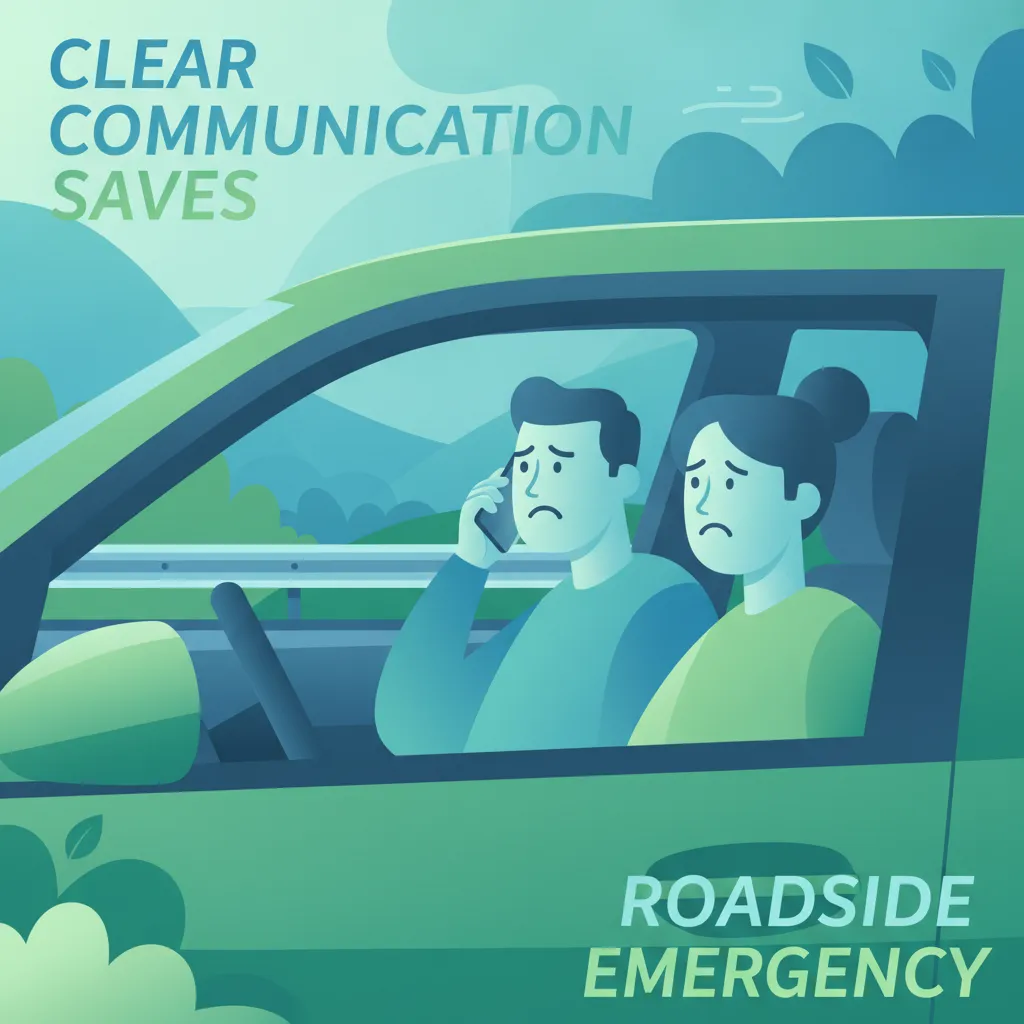
Effective communication is vital during an emergency. This lesson teaches you what critical information to provide when calling emergency services, including precise location and the nature of the incident. It also covers techniques for communicating with passengers to provide reassurance and instruction, helping to maintain calm and order.

Standing passengers are particularly vulnerable to sudden vehicle movements. This lesson covers the driver's responsibility to adapt their driving style when people are standing. It emphasizes even smoother control, heightened awareness, and clear communication to minimize the risk of falls and injuries.

Clear communication is key to a smooth and pleasant passenger experience. This lesson covers best practices for making announcements, answering questions, and providing information about the route or delays. It also introduces basic techniques for calmly managing difficult situations and maintaining a professional demeanor with all passengers.
The driver must ensure all boarding passengers are safely on board and stable before moving off. This lesson covers managing the flow of passengers, dealing with fares or tickets efficiently, and encouraging people to move away from the doorway. The primary goal is to prevent falls that can occur if the vehicle moves prematurely.
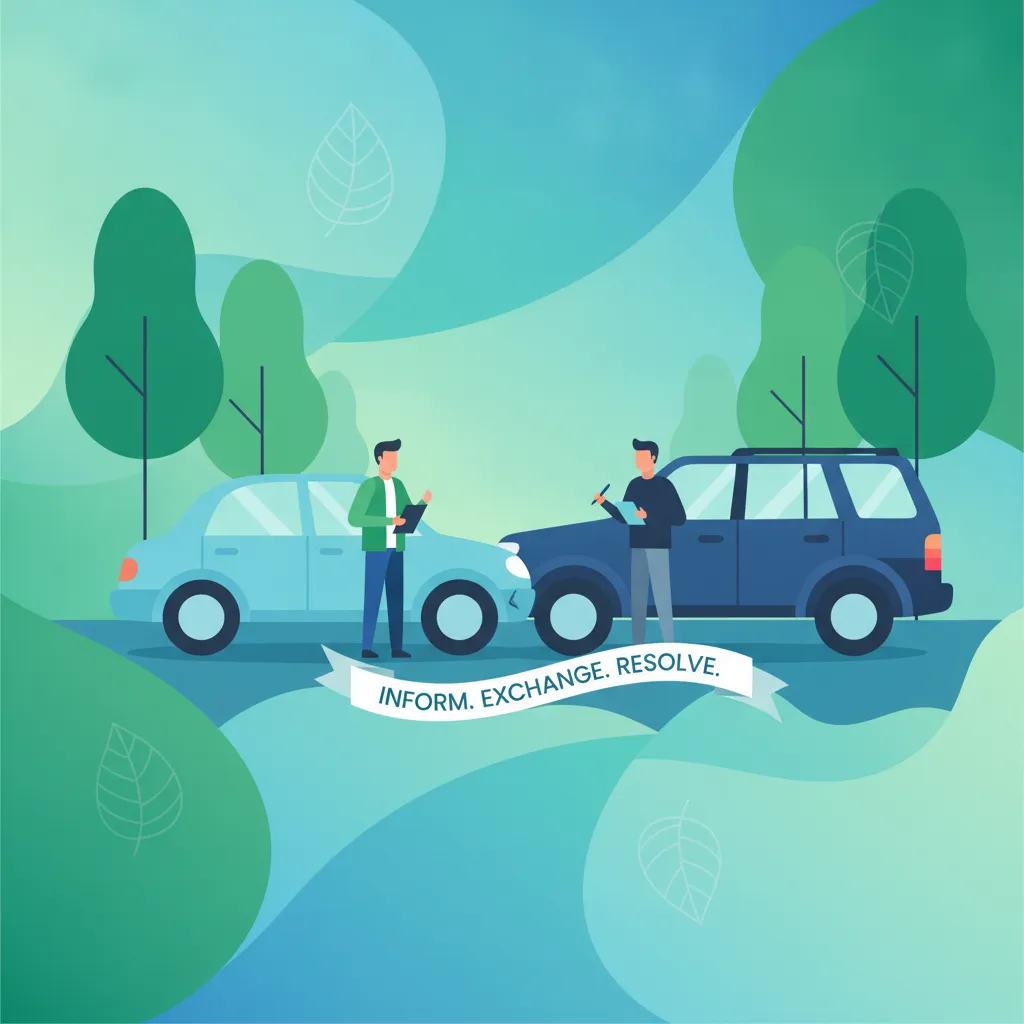
This lesson covers the immediate actions to take following a collision. The priorities are to prevent further incidents by securing the scene, to assess the situation for injuries, and to alert the emergency services. You will learn the correct procedures for making the area safe for yourself, your passengers, and other road users.
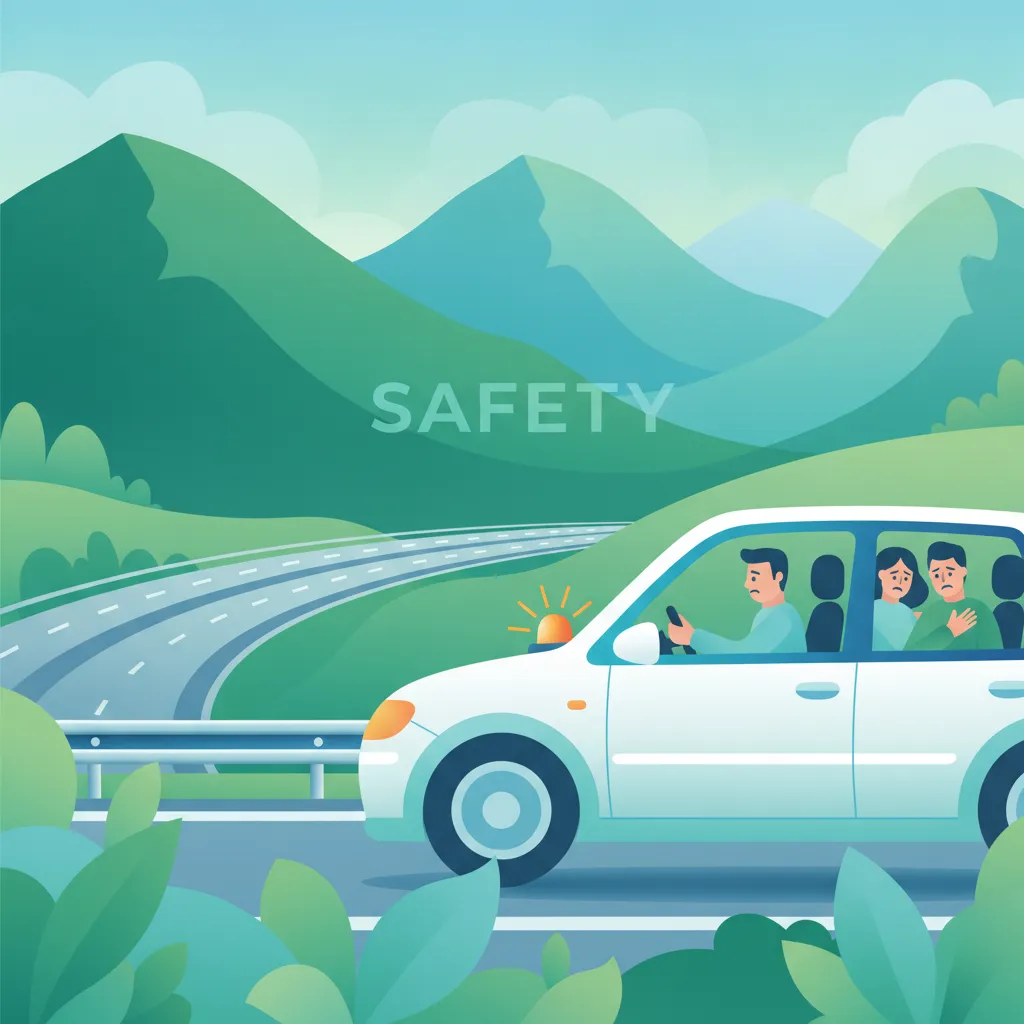
This lesson outlines the steps a driver should take when a passenger becomes ill or requires medical attention. It covers safely stopping the vehicle, making an emergency call to the correct number (144/112), and providing basic assistance until professional help arrives. The focus is on a calm, systematic response to a stressful situation.

Driving a large vehicle on mountain passes is a demanding skill. This lesson covers selecting the correct gear for both ascents and descents to maintain control and avoid overheating the brakes. It also explains the specific priority rules that apply on mountain roads and the importance of being aware of sudden weather changes.
Understand the legal framework governing driver's authority and passenger responsibilities under Swiss law. Learn about your duty of care, intervention rights, and data protection compliance when managing passenger behavior.

A professional driver is a representative of their company and the public transport system. This lesson covers the standards of conduct, communication, and appearance expected of a bus or coach driver. It emphasizes how a calm, courteous, and professional attitude contributes to passenger confidence and overall service quality.
Transporting children carries the highest level of responsibility. This lesson covers the specific legal requirements for school buses in Switzerland, including the use of special signs and warning lights. It details the safe procedures for stopping, boarding, and alighting, and the driver's role in supervising children.

This lesson focuses on the heightened legal and ethical responsibilities a driver holds when carrying passengers. It explains the concept of duty of care, covering the obligation to ensure passenger safety from boarding to alighting. You will understand the potential consequences of negligence and the importance of upholding professional standards to protect every individual on board.
Standing passengers are particularly vulnerable to sudden vehicle movements. This lesson covers the driver's responsibility to adapt their driving style when people are standing. It emphasizes even smoother control, heightened awareness, and clear communication to minimize the risk of falls and injuries.
Professional drivers play a crucial role in ensuring public transport is accessible to everyone. This lesson provides guidance on how to communicate with and offer assistance to passengers with various needs. It covers best practices for helping elderly passengers, people with visual impairments, and other disabilities, always with a focus on dignity and respect.

This lesson details the specific documents that must be present in the vehicle and on the driver's person during service. It covers the driving license, OACP card, vehicle registration, and tachograph records. You will learn the importance of ensuring all paperwork is current and correct to ensure legal compliance at all times.

This lesson focuses on the rules governing interactions with public transport vehicles like buses and trams. It explains the priority given to these vehicles at stops and the use of dedicated lanes. Additionally, the content covers tram track crossing procedures and correct vehicle positioning near public transport stops to ensure safety.
This lesson emphasizes the broad responsibilities of holding a driver's licence in Switzerland, including adherence to traffic laws and maintaining vehicle roadworthiness. It covers legal obligations related to insurance, registration, and reporting accidents, as well as the consequences of violations. The content reinforces the duty of care drivers owe to all other road users.
The driver must ensure all boarding passengers are safely on board and stable before moving off. This lesson covers managing the flow of passengers, dealing with fares or tickets efficiently, and encouraging people to move away from the doorway. The primary goal is to prevent falls that can occur if the vehicle moves prematurely.

This lesson explores the priority given to public transport vehicles, especially trams and buses, in Swiss traffic. It explains how to recognize dedicated public transport lanes and the requirement to yield to trams at intersections. The content also covers procedures when a bus is stopping for passengers and how to ensure safe interactions.
Find clear answers to common questions learners have about De-escalation Techniques for Managing Passenger Conflict. Learn how the lesson is structured, which driving theory objectives it supports, and how it fits into the overall learning path of units and curriculum progression in Switzerland. These explanations help you understand key concepts, lesson flow, and exam focused study goals.
Always prioritize the safety of the vehicle and passengers. If a conflict becomes disruptive or dangerous, bring the vehicle to a safe stop at the next available bus stop or secure location before attempting to address the situation further.
Stay calm and remain professional. Avoid retaliating or escalating the tone. Use clear, simple language to communicate expectations, and if the situation persists, follow your company's safety protocol for requesting external assistance from the police or central dispatch.
Yes, the Swiss Category D exam often includes scenarios that test your decision-making and duty of care toward passengers. You are expected to demonstrate that you can remain in control of the vehicle while managing the interior environment professionally.
You should call the police immediately if there is a threat to the physical safety of you or your passengers, if there is criminal behavior, or if a disruptive passenger refuses to leave the vehicle when requested to do so for safety reasons.
Pinpoint specific Swiss traffic rules, road signs, or driving situations you need to master. Use the practice search to start a focused revision session now and build confidence for your official driving theory exam.