
This lesson explores the physics and practical techniques of motorcycle braking required for the Belgian motorcycle theory exam. You will learn how to effectively balance front and rear brake application to maintain control and reduce your stopping distance safely. This foundational knowledge is critical for both passing your exam and ensuring your long-term safety on Belgian roads.
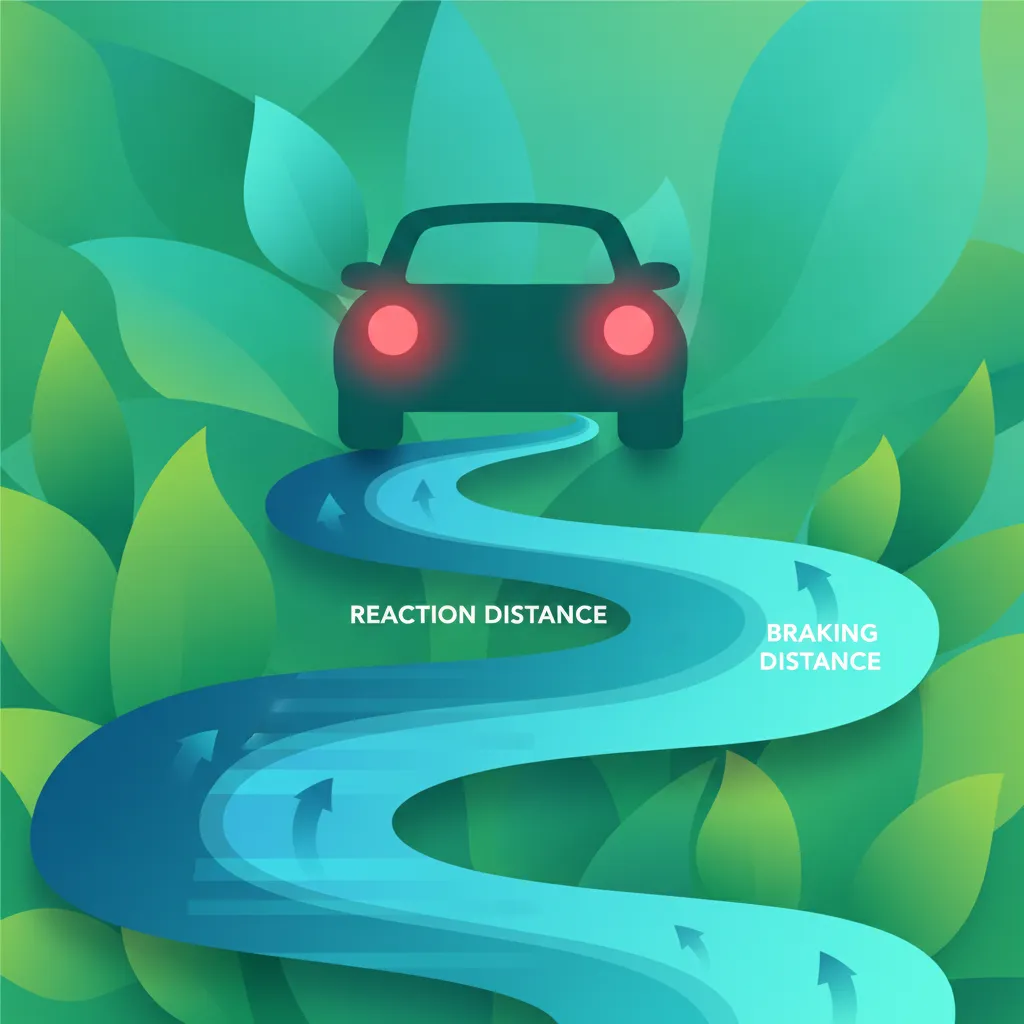
Lesson content overview
Mastering the art of braking is fundamental to safe and confident motorcycle riding. This lesson provides a comprehensive guide to understanding how motorcycles stop, focusing on the distinct functions of the front and rear brakes, the crucial technique of progressive brake application, and the vital role of Anti-lock Braking Systems (ABS). We will also delve into the factors that determine total stopping distance, equipping you with the knowledge to adapt your braking strategies to various road conditions and situations. This knowledge is essential for all riders seeking a Belgian motorcycle theory licence (A, A1, A2), as effective braking directly contributes to accident prevention and overall road safety.
Motorcycle braking is a delicate balance of physics, technique, and anticipation. Unlike cars, motorcycles rely on two independent braking systems – one for the front wheel and one for the rear – which must be used in conjunction to achieve optimal stopping power and stability. The key to effective braking lies in understanding how weight transfer impacts tire grip and how to apply brake pressure smoothly and progressively.
The front brake is your primary tool for deceleration. During braking, the motorcycle's weight rapidly shifts forward. This phenomenon, known as weight transfer, significantly increases the load on the front tire, enhancing its grip and ability to generate stopping force. Consequently, the front brake alone can provide approximately 70% to 80% of the motorcycle's total stopping power.
Riders should prioritize the front brake for maximum deceleration, applying it with increasing pressure as the weight transfers forward. Under-utilising the front brake can dangerously extend stopping distances, especially in emergency situations. However, caution is advised; sudden, harsh application of the front brake, particularly at low speeds or on slippery surfaces, can lead to the front wheel locking up and a potential loss of control.
While the front brake handles the majority of the stopping force, the rear brake plays a critical supporting role. It contributes approximately 20% to 30% of the total braking power and is vital for maintaining stability, especially during initial brake application or when modulating speed through turns. As weight transfers forward during braking, the load on the rear wheel decreases, reducing its traction capabilities. This means the rear wheel is more susceptible to locking up with excessive brake pressure, particularly on loose or wet surfaces.
The rear brake is best used for gentle speed adjustments, stabilizing the motorcycle at low speeds, or to complement the front brake during normal deceleration. It helps to settle the motorcycle's chassis and allows for finer control over speed, especially when approaching junctions or executing slow manoeuvres.
Progressive brake application is the technique of gradually increasing brake pressure rather than applying it abruptly. This smooth approach is essential for preventing sudden weight shifts, avoiding wheel lock-up, and maintaining the motorcycle's stability throughout the deceleration process.
Here's how to apply brakes progressively:
Initial Light Squeeze: Begin with a gentle squeeze of both brake levers/pedals to take up any slack in the system and allow the motorcycle's suspension to compress. This initial pressure helps the tires settle onto the road surface and prepares for the weight transfer.
Increase Pressure Steadily: As the motorcycle's weight shifts forward and the front suspension compresses, gradually increase pressure on both the front and rear brakes. Focus on the front brake, increasing its pressure proportionally more than the rear.
Modulate for Grip: Continuously assess the motorcycle's stability and the available grip from the tires. If you feel a wheel beginning to lock up (a sensation of skidding or loss of control), slightly ease off the brake pressure, then reapply progressively.
Smooth Release: As you come to a stop or reach your desired speed, gradually release the brake pressure, avoiding an abrupt release that could upset the motorcycle's balance.
This methodical approach ensures maximum stopping power while keeping the motorcycle stable and under control, reducing the risk of skidding or a fall.
Many modern motorcycles are equipped with an Anti-lock Braking System (ABS), a crucial safety feature designed to prevent wheel lock-up during hard braking. ABS works by continuously monitoring the speed of both wheels. If it detects that a wheel is about to lock up, it rapidly modulates (releases and reapplies) the brake pressure to that wheel multiple times per second.
Even with ABS, it's vital to practice progressive braking. ABS is a safety net, not an excuse for poor technique. In an emergency, apply both brakes firmly and progressively. If ABS activates, you will feel a pulsing sensation in the brake levers or pedal. This is normal and indicates the system is working. Continue to apply firm pressure and trust the system to do its job, while maintaining your line of sight and steering input.
Do not pump the brakes if your motorcycle has ABS. Allow the system to work automatically. Pumping the brakes overrides the ABS's ability to modulate pressure effectively.
The total distance a motorcycle travels from the moment a hazard is perceived until it comes to a complete stop is called total stopping distance. This distance is comprised of two distinct components: thinking distance and braking distance.
Thinking distance is the distance traveled during the rider's reaction time. This is the interval from when a rider first perceives a hazard to the moment they actually begin to apply the brakes.
Several factors influence thinking distance:
Braking distance is the distance covered from the moment the brakes are first applied until the motorcycle comes to a complete stop.
This distance is influenced by a multitude of factors:
Remember the quadratic effect of speed on braking distance: At 60 km/h, your braking distance is four times longer than at 30 km/h. At 90 km/h, it is nine times longer. This highlights the immense importance of maintaining appropriate speeds.
Effective braking is not a one-size-fits-all technique. Riders must constantly adapt their braking strategy based on the prevailing conditions.
When carrying a passenger (pillion) or heavy luggage, the motorcycle's overall weight increases. This impacts stopping distance and handling:
When riding near pedestrians, cyclists, or other vulnerable road users, maintaining a safe following distance and being prepared to brake is paramount. Their unpredictable movements and lack of protection mean that any collision can have severe consequences. Brake earlier and more smoothly to avoid startling them and to allow for any unexpected changes in their path.
Adhering to safety principles for braking is non-negotiable for all motorcyclists.
Effective motorcycle braking is a crucial skill for safe riding. It requires a nuanced understanding of:
By mastering these principles, you will enhance your control over the motorcycle, significantly reduce the risk of accidents, and become a more competent and safer rider on Belgian roads.
This lesson covers the physics and technique of effective motorcycle braking for Belgian roads, emphasizing that the front brake provides 70-80% of stopping power through weight transfer while the rear brake adds stability. Progressive brake application—gradually increasing pressure in stages—is essential to prevent wheel lock-up and maintain control. Anti-lock Braking Systems serve as a safety net by automatically modulating brake pressure to prevent skids while preserving steering ability. The lesson also explains that total stopping distance combines thinking distance (reaction-time dependent) with braking distance (which increases quadratically with speed), making speed management critical. Riders must adapt their braking approach for wet roads, low-traction surfaces, ice, and additional weight by braking earlier and more gently.
A short set of high-value points that capture the most important learning from this lesson.
The front brake provides approximately 70-80% of total stopping power due to weight transfer during deceleration, making it the primary braking tool.
Progressive brake application—gradually increasing pressure rather than grabbing brakes abruptly—prevents wheel lock-up and maintains stability.
Anti-lock Braking Systems (ABS) prevent wheel lock-up during hard braking, preserving steering control and allowing you to avoid obstacles in emergencies.
Total stopping distance equals thinking distance plus braking distance, with braking distance increasing quadratically (not linearly) as speed increases.
Braking technique must be adapted for conditions: wet roads, gravel, ice, and additional weight all require earlier and gentler application.
Explore all units and lessons included in this driving theory course.
Weight transfer shifts load forward onto the front wheel during braking, dramatically increasing front tire grip and stopping capability.
Speed doubles thinking distance proportionally but quadruples braking distance—managing speed is the single most effective way to reduce stopping distance.
Always use both front and rear brakes together; the rear brake contributes stability and fine speed control even though it provides less stopping force.
Do not pump the brakes if your motorcycle has ABS—the system modulates pressure automatically, and manual pumping interferes with its operation.
On low-traction surfaces (wet, gravel, ice), reduce speed well in advance and use extremely gentle, progressive braking with reliance on engine braking where possible.
Applying the rear brake first or excessively in an emergency, which can cause rear wheel lock-up and instability before weight transfer occurs.
Using abrupt, harsh brake application instead of progressive technique, risking wheel lock-up and loss of control especially on slippery surfaces.
Under-utilising the front brake due to fear of lock-up, dangerously extending stopping distance when maximum deceleration is needed.
Pumping the brakes when riding an ABS-equipped motorcycle, which overrides the system's ability to modulate pressure effectively.
Failing to adjust braking for conditions—braking at the same intensity on wet or loose surfaces as on dry asphalt.
Lesson content overview
A short set of high-value points that capture the most important learning from this lesson.
The front brake provides approximately 70-80% of total stopping power due to weight transfer during deceleration, making it the primary braking tool.
Progressive brake application—gradually increasing pressure rather than grabbing brakes abruptly—prevents wheel lock-up and maintains stability.
Anti-lock Braking Systems (ABS) prevent wheel lock-up during hard braking, preserving steering control and allowing you to avoid obstacles in emergencies.
Total stopping distance equals thinking distance plus braking distance, with braking distance increasing quadratically (not linearly) as speed increases.
Braking technique must be adapted for conditions: wet roads, gravel, ice, and additional weight all require earlier and gentler application.
Explore all units and lessons included in this driving theory course.
Weight transfer shifts load forward onto the front wheel during braking, dramatically increasing front tire grip and stopping capability.
Speed doubles thinking distance proportionally but quadruples braking distance—managing speed is the single most effective way to reduce stopping distance.
Always use both front and rear brakes together; the rear brake contributes stability and fine speed control even though it provides less stopping force.
Do not pump the brakes if your motorcycle has ABS—the system modulates pressure automatically, and manual pumping interferes with its operation.
On low-traction surfaces (wet, gravel, ice), reduce speed well in advance and use extremely gentle, progressive braking with reliance on engine braking where possible.
Applying the rear brake first or excessively in an emergency, which can cause rear wheel lock-up and instability before weight transfer occurs.
Using abrupt, harsh brake application instead of progressive technique, risking wheel lock-up and loss of control especially on slippery surfaces.
Under-utilising the front brake due to fear of lock-up, dangerously extending stopping distance when maximum deceleration is needed.
Pumping the brakes when riding an ABS-equipped motorcycle, which overrides the system's ability to modulate pressure effectively.
Failing to adjust braking for conditions—braking at the same intensity on wet or loose surfaces as on dry asphalt.
Explore search topics learners often look for when studying Principles of Braking and Stopping Distances. These topics reflect common questions about road rules, driving situations, safety guidance, and lesson level theory preparation for learners in Belgium.
Browse additional driving theory lessons that cover connected traffic rules, road signs, and common driving situations related to this topic. Improve your understanding of how different rules interact across everyday traffic scenarios.
Understand how speed, road surface, weather, and vehicle load affect your motorcycle's braking distance. Essential theory for safe riding and Belgian licence success.
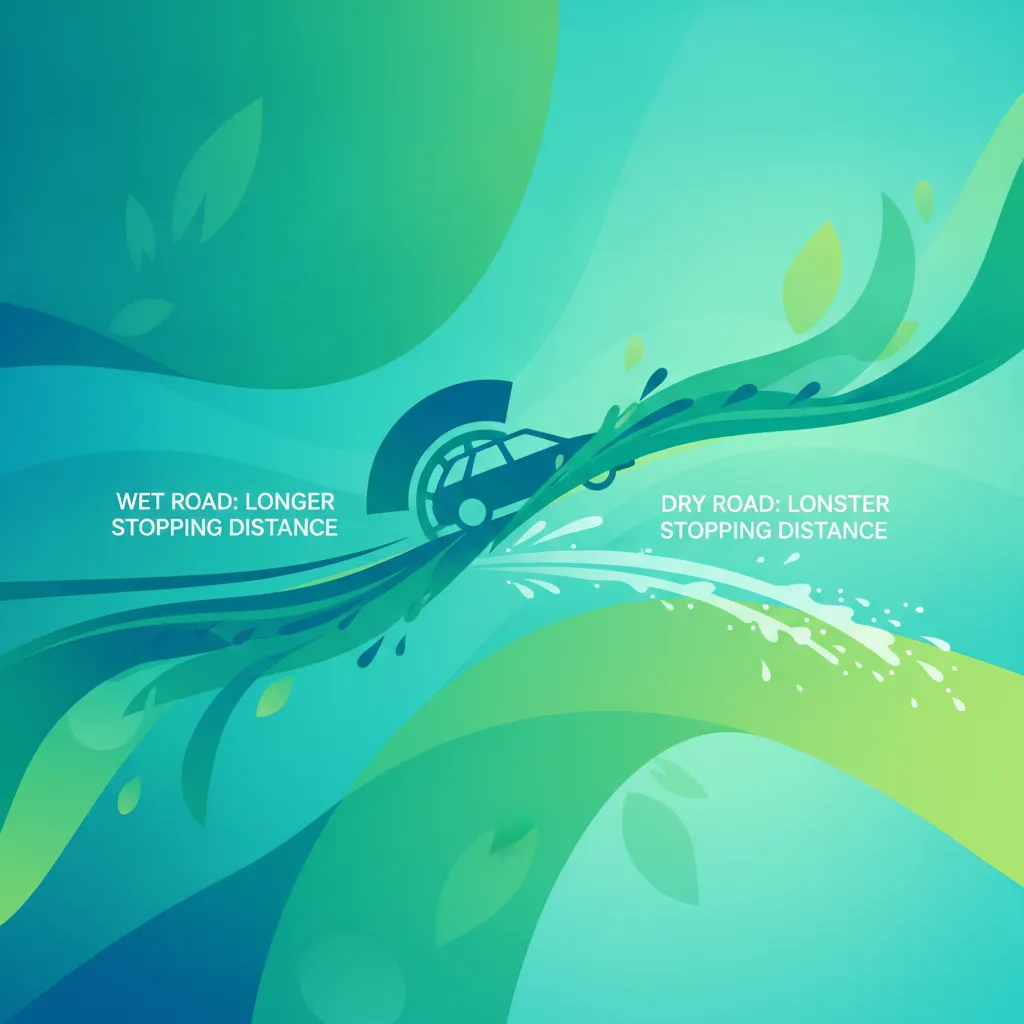
This lesson covers the principles of effective braking, distinguishing between controlled, progressive braking and emergency braking techniques. It breaks down the total stopping distance into reaction distance and braking distance, explaining how speed and road surface conditions dramatically affect the latter. Learners will understand how to use both front and rear brakes correctly to stop quickly and safely without losing control.
This lesson covers the principles of effective speed management, which involves more than just adhering to the posted limit. It explains how to choose a speed that is appropriate for the prevailing traffic, road, and weather conditions. The content details the legal speed limits for different types of roads in Belgium and the severe consequences of speeding.
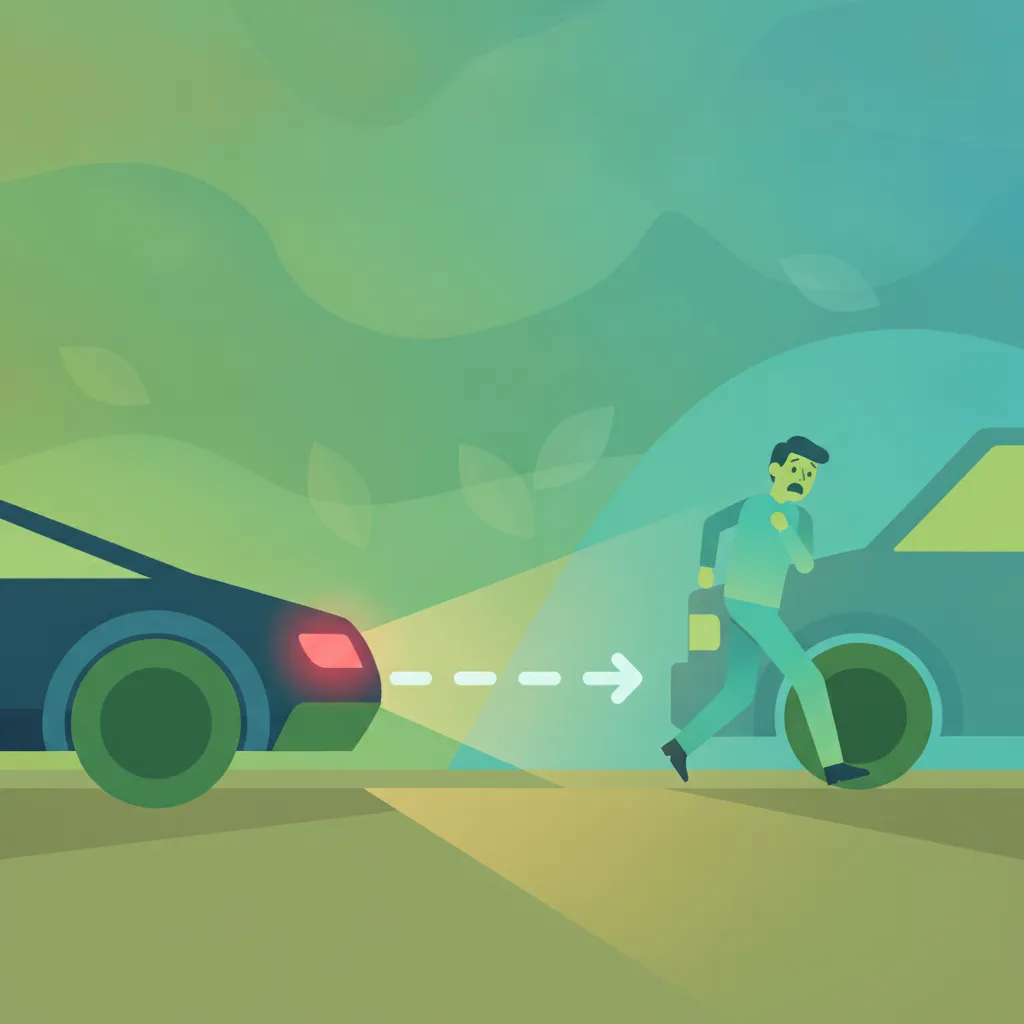
In this lesson, learners will explore the concept of a safe following distance, primarily through the application of the two-second rule. It also breaks down the components of total stopping distance: perception-reaction time and braking distance. Learners will understand how to adjust these distances based on their speed, vehicle, and current road conditions.

This lesson provides instruction on how to react in an emergency situation, covering techniques for performing a rapid, controlled stop. It explains how to apply maximum braking force without locking the wheels and how to manage a skid if one occurs. You will also learn about avoidance maneuvers, such as swerving, and the psychological challenge of overcoming target fixation.

This lesson details the specific precautions and techniques required for riding in rain and fog. It explains how water on the road affects tyre grip and braking distances, and how to avoid aquaplaning. You will learn the correct use of lights to be seen in low visibility and how to adjust your speed and following distance accordingly.
This lesson provides a detailed explanation of the various road markings found on Belgian roads and their specific significance for motorcyclists. It covers the rules associated with solid and broken lane lines, stop lines at junctions, and markings for pedestrian and bicycle crossings. Understanding these markings is essential for correct lane positioning and safe navigation.
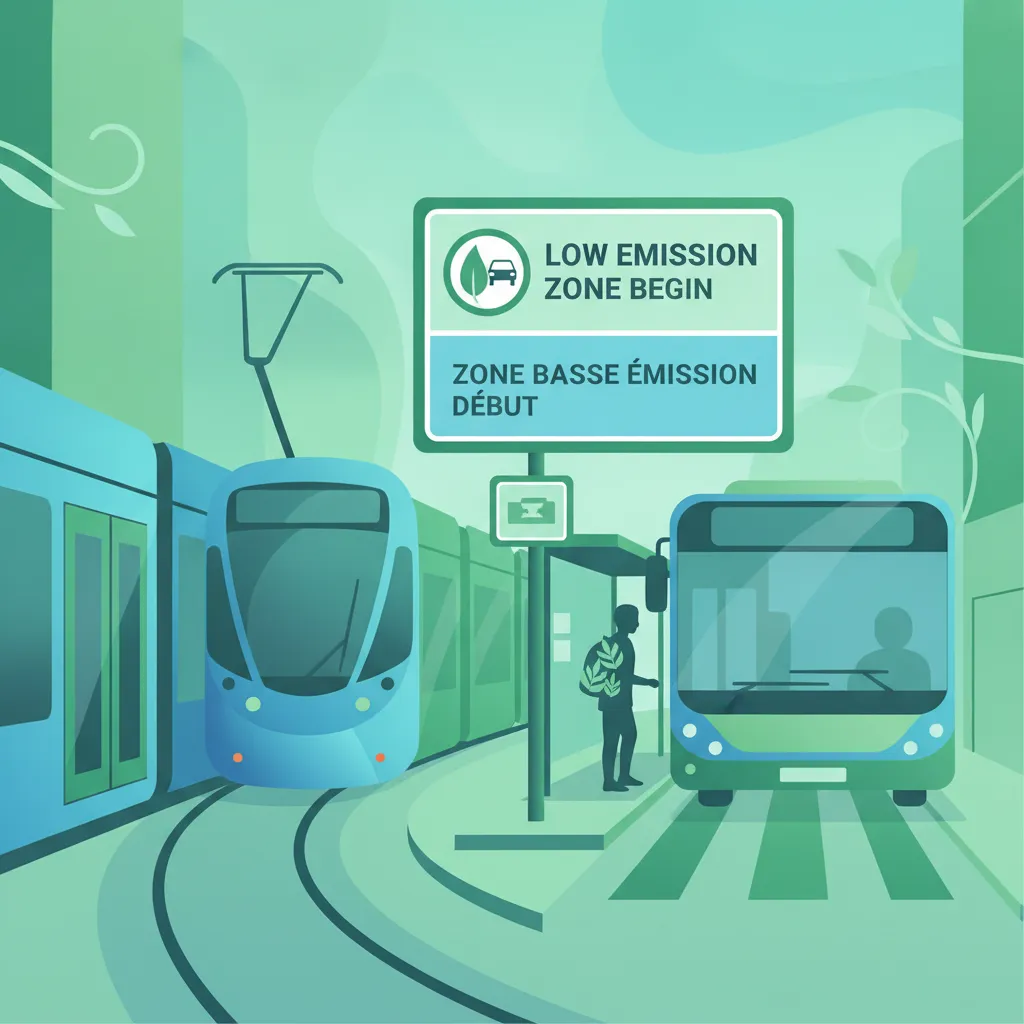
This lesson addresses unique traffic environments and special zones commonly found in Belgian urban areas. It clarifies the specific regulations concerning tramways, including where trams have absolute priority, and the conditions under which motorcycles may use bus lanes. The lesson also explains how to identify and comply with restrictions in low-emission zones.
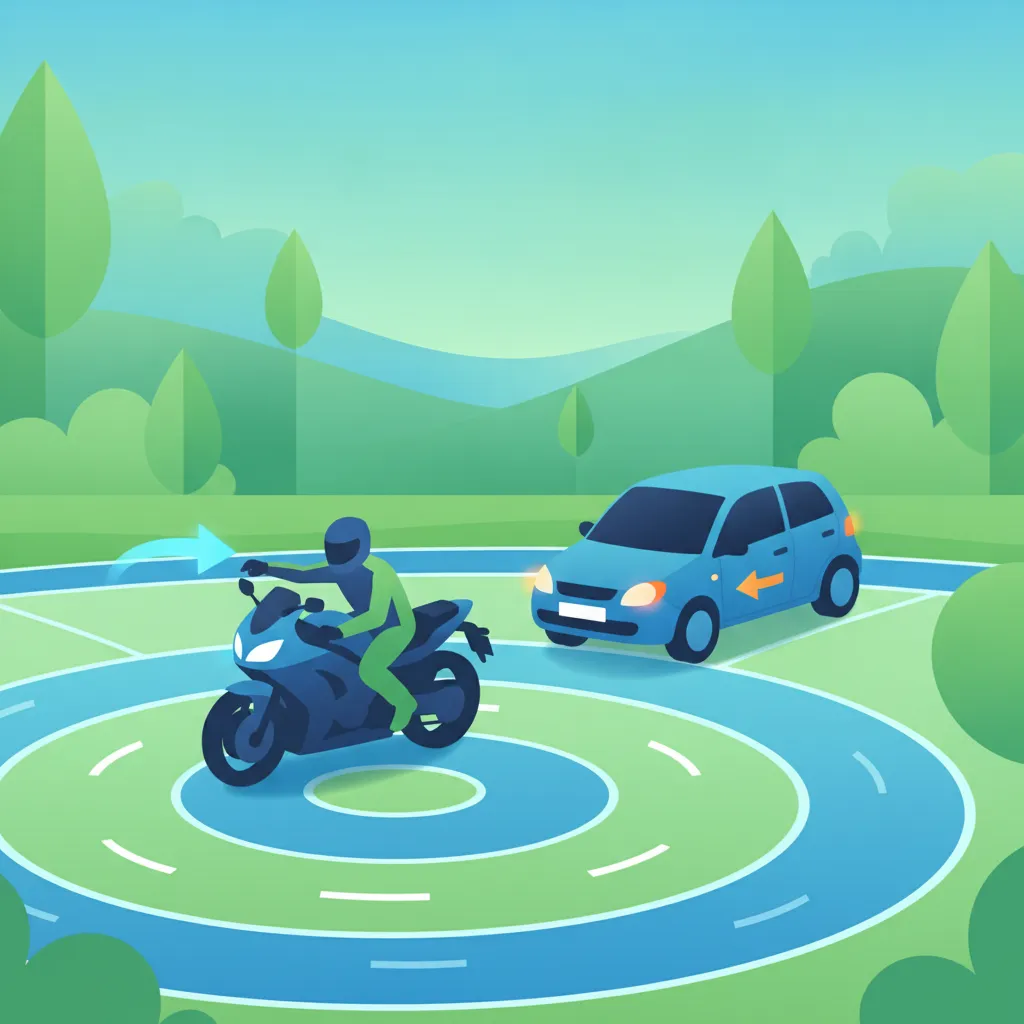
This lesson offers specific strategies for motorcyclists navigating roundabouts in Belgium. It covers the rules for entering the roundabout, including yielding to circulating traffic, and how to choose the correct lane for your intended exit. The content stresses the importance of clear signaling and maintaining awareness of other vehicles during entry and exit maneuvers.
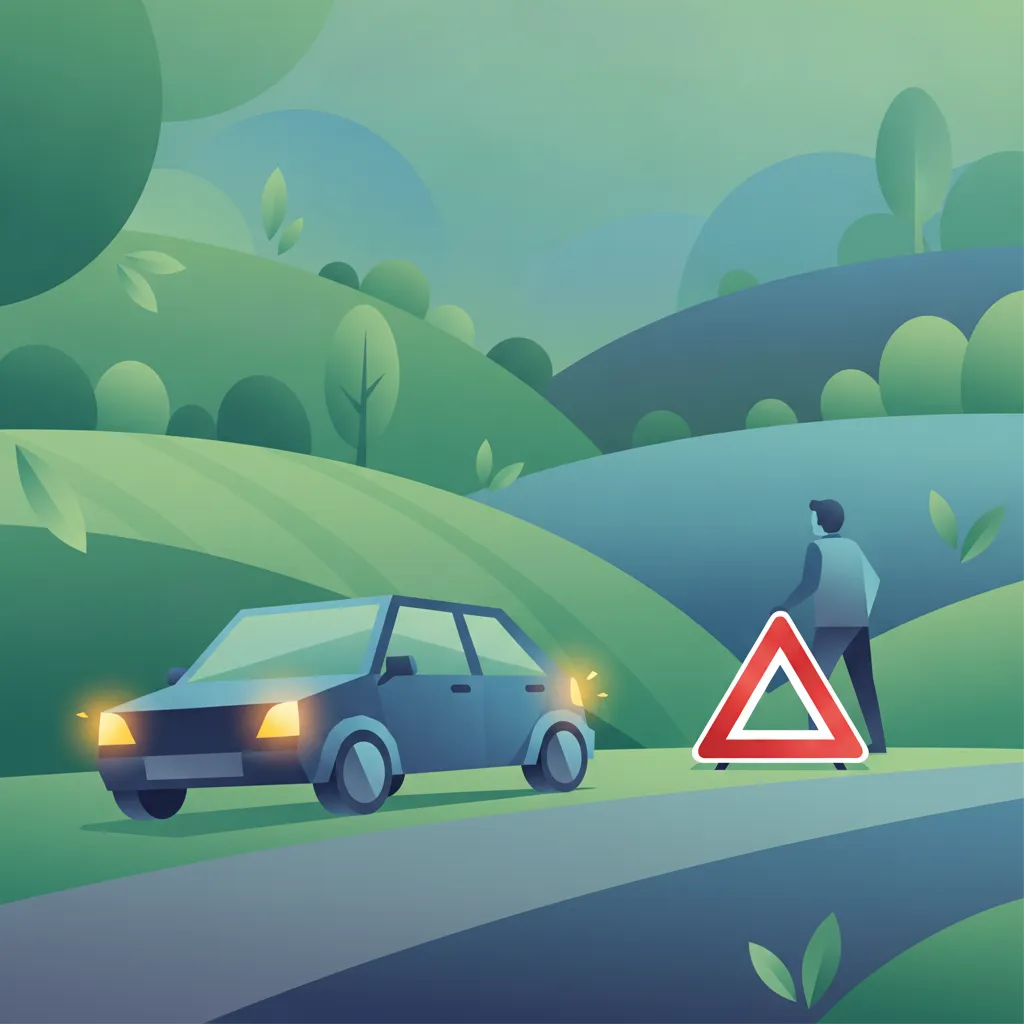
This lesson provides essential guidance on the correct procedures to follow in the event of a breakdown or a crash. It covers how to secure the scene to prevent further incidents, the legal obligations to assist if you are involved or witness an accident, and how to effectively contact emergency services. The content also reviews the legally required emergency equipment, such as a high-visibility vest.
This lesson focuses on the correct identification and interpretation of regulatory and informative road signs that are particularly relevant to motorcyclists. It covers signs that dictate speed limits, prohibit overtaking, and indicate compulsory routes or turns. You will learn to recognize different sign categories based on their distinct shapes and colors as defined by Belgian traffic law.
Explore advanced braking techniques, the role of front vs. rear brakes, and how ABS enhances safety. Crucial theory for mastering motorcycle control in Belgium.
This lesson provides instruction on how to react in an emergency situation, covering techniques for performing a rapid, controlled stop. It explains how to apply maximum braking force without locking the wheels and how to manage a skid if one occurs. You will also learn about avoidance maneuvers, such as swerving, and the psychological challenge of overcoming target fixation.
This lesson covers the principles of effective braking, distinguishing between controlled, progressive braking and emergency braking techniques. It breaks down the total stopping distance into reaction distance and braking distance, explaining how speed and road surface conditions dramatically affect the latter. Learners will understand how to use both front and rear brakes correctly to stop quickly and safely without losing control.

This lesson explains the essential and often misunderstood principle of counter-steering, the primary method for initiating turns on a motorcycle at speed. It details how to apply this technique for precise and responsive directional control. You will also learn techniques for maintaining balance and stability, particularly during challenging low-speed maneuvers.
This lesson provides essential guidance on the correct procedures to follow in the event of a breakdown or a crash. It covers how to secure the scene to prevent further incidents, the legal obligations to assist if you are involved or witness an accident, and how to effectively contact emergency services. The content also reviews the legally required emergency equipment, such as a high-visibility vest.

This lesson focuses on the critical skill of managing traction by understanding how tyres interact with different road surfaces. It teaches you to identify and react to low-grip surfaces such as wet roads, gravel, painted markings, and manhole covers. You will learn how to adjust your speed, braking, and cornering to prevent loss of traction and maintain control.
This lesson synthesizes key safety concepts into the practice of defensive riding, a proactive mindset focused on anticipation and risk reduction. It teaches you to continuously scan for potential hazards, predict the actions of other road users, and always maintain an escape path. By mastering these strategies, you learn to manage the space around you and take control of your own safety.
This lesson breaks down the art of cornering into distinct phases: approach, entry, and exit. It explains how to select the correct line through a bend, manage your speed before entry, and use the throttle to stabilize the motorcycle on exit. You will learn the relationship between speed, lean angle, and radius of the turn for safe and efficient cornering.
This lesson provides a clear and structured guide for responding to on-road emergencies such as a mechanical breakdown or a traffic accident. It details the steps for securing the scene safely, including the use of a warning triangle and high-visibility vest. Learners will understand how and when to contact emergency services via the 112 number and the basic principles of assisting anyone who may be injured.
This lesson teaches the importance of smooth control over the vehicle's speed. It covers how to apply the throttle for gentle acceleration and how to decelerate smoothly using both the brakes and engine braking. The content encourages riders to look ahead and anticipate changes in traffic flow, allowing for gradual speed adjustments that enhance safety, comfort, and control.
This lesson offers specific strategies for motorcyclists navigating roundabouts in Belgium. It covers the rules for entering the roundabout, including yielding to circulating traffic, and how to choose the correct lane for your intended exit. The content stresses the importance of clear signaling and maintaining awareness of other vehicles during entry and exit maneuvers.
Find clear answers to common questions learners have about Principles of Braking and Stopping Distances. Learn how the lesson is structured, which driving theory objectives it supports, and how it fits into the overall learning path of units and curriculum progression in Belgium. These explanations help you understand key concepts, lesson flow, and exam focused study goals.
Yes. On most motorcycles, the front brake provides the majority of your stopping power, but using both brakes in a coordinated, progressive manner ensures maximum control and stability, especially during urgent stops.
The theory exam often tests your knowledge of how safety systems like ABS prevent wheel lock-up during hard braking. Understanding that ABS allows you to maintain steering control while braking is a key concept for both the test and real-world safety.
Your total stopping distance is the sum of reaction distance and braking distance. It is increased by higher speeds, rider fatigue, poor weather conditions, wet or oily road surfaces, and improperly maintained tyres.
Progressive braking means applying the brakes lightly at first to shift the motorcycle's weight and settle the suspension, then gradually increasing pressure. This prevents the tyres from losing grip and keeps the bike balanced.
Ready to focus your Belgian driving theory revision? Utilize our powerful search tool to pinpoint exact topics, road signs, or difficulty levels. Engage with practice questions that directly address your learning needs and solidify your understanding of Belgian traffic laws for your upcoming exam.