
This lesson guides you through the critical steps to take if you are involved in or encounter a road accident or vehicle breakdown on Belgian roads. It is a vital part of your safety training, ensuring you understand your legal responsibilities as a motorcyclist and how to keep yourself and others secure in an emergency.
Lesson content overview
Navigating the roads safely is the primary goal for every motorcyclist. However, unforeseen events such as breakdowns or accidents can occur. Knowing how to react calmly, safely, and legally in such emergencies is crucial, not only for your own well-being but also for the safety of other road users. This comprehensive lesson, tailored for the Belgian Motorcycle Theory Course (Licence A, A1 & A2), provides essential guidance on the correct procedures to follow in the event of a breakdown or a crash, ensuring you are prepared to manage incidents efficiently and responsibly.
Our discussion will cover securing the scene to prevent further incidents, understanding your legal obligations to assist if you are involved or witness an accident, and how to effectively contact emergency services. We will also review the legally required emergency equipment, such as the high-visibility vest and warning triangle, which are indispensable tools for managing roadside emergencies.
The immediate aftermath of a crash or breakdown can be chaotic and dangerous. Your first priority must always be the safety of yourself and others. Securing the incident scene rapidly and effectively is paramount to prevent secondary accidents and protect all involved parties.
Upon encountering a breakdown or being involved in a crash, your initial response should focus on assessing immediate dangers. Check for hazards such as oncoming traffic, spilled fuel, or debris. If your vehicle is still operational and it is safe to do so, move it to the hard shoulder or off the main carriageway to a safe location.
Never put yourself in unnecessary danger. If the situation is too risky, such as on a busy motorway with no immediate safe refuge, prioritize your personal safety by moving away from the immediate danger zone, even if it means leaving your vehicle briefly.
Once you've identified a safer spot, position your motorcycle as far to the right as possible, ideally on the hard shoulder if on a motorway or main road. If you cannot move your bike, leave it where it is but immediately activate your hazard warning lights to alert other drivers. Ensure the vehicle is stable and won't roll or fall, which is particularly important for motorcycles.
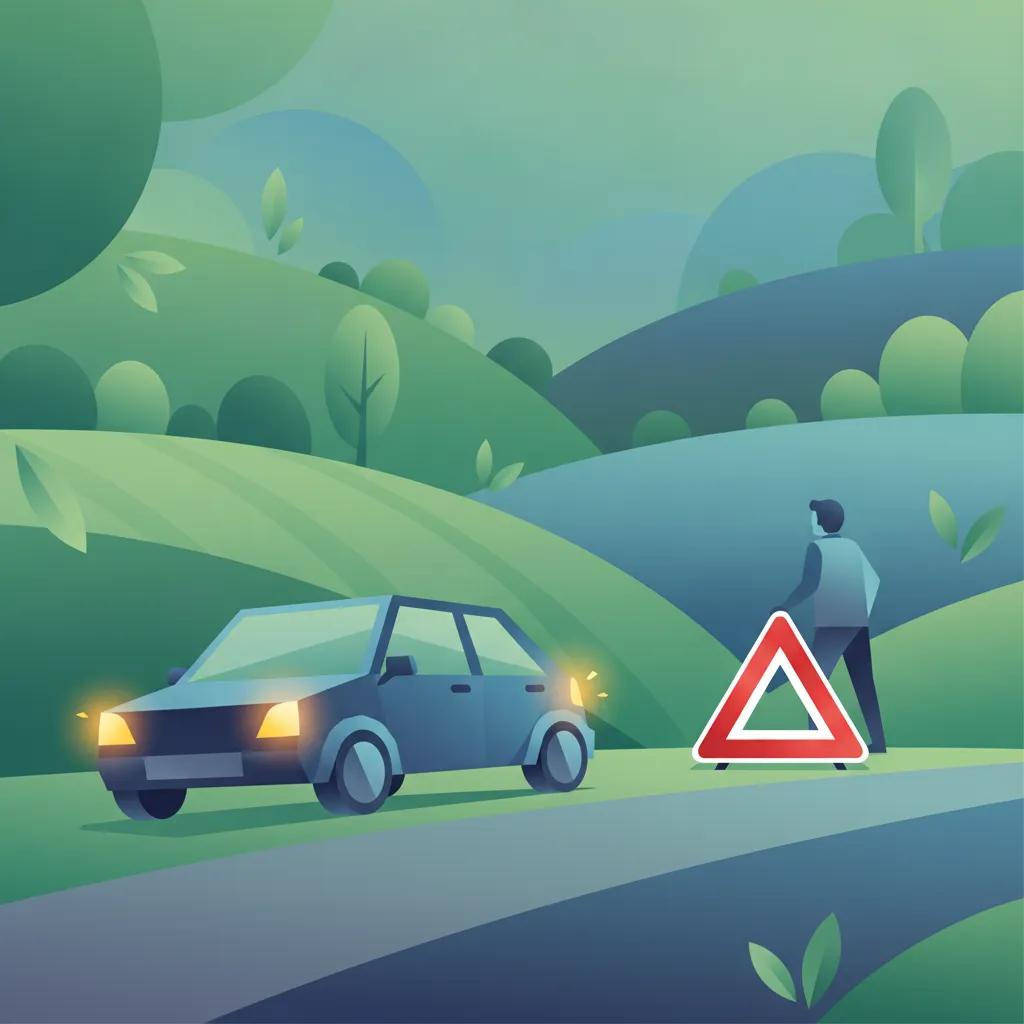
Activating your motorcycle's hazard warning lights (all four indicators flashing simultaneously) is the first step to alert approaching traffic to a stationary hazard. Following this, you must deploy a warning triangle if your vehicle is obstructing the road or poses a danger.
A reflective, collapsible triangle used to warn other road users of a stationary vehicle or obstruction on the road, indicating a hazard ahead.
The placement of the warning triangle is crucial and depends on the type of road:
When placing the warning triangle, walk facing oncoming traffic, remaining vigilant for your own safety. Ensure it is clearly visible and not obstructed.
Before you exit your vehicle or motorcycle on a road where you could be at risk from moving traffic, you must wear a high-visibility vest. This vest, typically fluorescent yellow, orange, or green with reflective stripes, makes you significantly more visible to other road users, especially in low light conditions or adverse weather.
A reflective jacket designed to be worn by drivers or passengers when exiting their vehicle in dangerous conditions, such as on a roadside, to enhance their visibility to other traffic.
In Belgium, at least one high-visibility vest must be present in your vehicle for the rider, and one for any passenger, to be worn if exiting the vehicle in dangerous conditions. For motorcyclists, this means you should always have one easily accessible on your bike.
Belgian traffic law imposes strict obligations on drivers involved in or witnessing an accident. Failing to adhere to these rules can result in severe penalties, including hefty fines and loss of points on your license.
The fundamental principle is the "duty to stop and render aid." This means that if you are involved in a collision, or if you witness one on a road without a divided median, you are legally required to stop and provide assistance.
The legal obligation for drivers involved in an incident or witnessing a crash to stop their vehicle, ensure the safety of the scene, and provide appropriate assistance to any injured parties, as well as to contact emergency services if necessary.
If you are directly involved in an accident, even a minor one, you must:
Even if you are not directly involved, witnessing a serious accident on a road without a divided median also carries obligations:
Failure to comply with the duty to stop and render aid can lead to severe consequences. These range from significant fines to imprisonment, especially in cases of hit-and-run where injuries or fatalities occur.
Incorrect placement of a warning triangle or failure to use a high-visibility vest can also result in fines and points.
Knowing how to effectively communicate with emergency services is critical for a swift and appropriate response. In Belgium, as in most of Europe, the universal emergency number is 112.
The universal European emergency telephone number that connects callers to police, fire, and medical services, used for reporting accidents, fires, and medical emergencies.
Dialing 112 will connect you to the appropriate emergency service operator who can dispatch police, fire brigades, or medical teams. In certain vehicles, an eCall system might automatically contact emergency services after a serious collision.
When you call 112, remain calm and provide clear, concise information. Follow the operator's instructions carefully.
Exact Location: This is the most crucial piece of information. Provide the road name, number, kilometre marker (if on a motorway), nearest town, and any identifiable landmarks. Be as specific as possible.
Nature of the Incident: Clearly state what has happened (e.g., "motorcycle crash," "car breakdown," "fire," "medical emergency").
Number of Injured Persons: Report how many people appear to be injured and, if possible, the nature of their injuries (e.g., "one motorcyclist unconscious," "two people with minor cuts").
Hazards: Mention any additional dangers, such as spilled fuel, smoke, or traffic obstruction.
Your Contact Details: Provide your name and the phone number you are calling from, and be prepared to stay on the line until the operator ends the call.
Making false emergency calls or misusing the 112 service can have serious legal consequences. Only call 112 for genuine emergencies. For non-emergencies, such as reporting a stolen vehicle with no immediate danger or asking for general information, use local police non-emergency numbers.
Being prepared with the correct emergency equipment is a legal requirement and a cornerstone of road safety. These items are designed to make you and your vehicle visible, and to assist in securing an incident scene.
As discussed, high-visibility vests are mandatory and critical for personal safety when exiting a vehicle on dangerous roads. For motorcyclists, ensure your vest is easily accessible, perhaps stored in a tank bag, top box, or under the seat. It is a small investment that can prevent serious injury.
The warning triangle is your primary tool for alerting oncoming traffic to a stationary hazard. Correct placement is vital:
Always store your warning triangle securely in your motorcycle, ensuring it can be quickly deployed when needed.
While specific requirements can vary slightly depending on the vehicle type, some other items are generally recommended or legally required in certain contexts:
Regularly check your emergency equipment to ensure it is present, in good condition, and easily accessible. A damaged vest or missing triangle is useless in an emergency.
Different road types and incident severities demand varied responses. Understanding these nuances will help you react effectively in any situation.
If an accident involves vulnerable road users such as pedestrians, cyclists, or other motorcyclists, extra caution is needed. They are more exposed and likely to sustain serious injuries. Prioritise their safety, assess their condition, and ensure they are protected from further harm while awaiting emergency services. Always assume injuries are more severe than they appear for vulnerable road users.
Responding to crashes, breakdowns, and emergencies is a critical skill for every motorcyclist in Belgium. By understanding and diligently following the procedures for securing the scene, fulfilling your legal obligations, effectively contacting emergency services, and using your required safety equipment, you not only protect yourself and others but also contribute to overall road safety. Always remember that your actions in an emergency can significantly impact the outcome, potentially saving lives and preventing further incidents. Stay prepared, stay vigilant, and ride safely.
This lesson teaches Belgian motorcycle theory learners how to respond safely and legally to crashes and breakdowns. Key procedures include securing the scene with hazard lights, correctly positioned warning triangles (100m on motorways, 30m on other roads), and mandatory high-visibility vests. Belgian law requires you to stop and render aid whether involved in or witnessing an accident, with specific obligations to exchange details, use the European Accident Statement form, and call 112 for emergencies. The lesson covers essential emergency equipment, how to communicate effectively with 112, and how to handle different scenarios from minor collisions to serious accidents involving vulnerable road users, ensuring you are prepared for both your theory exam and real-world emergencies.
A short set of high-value points that capture the most important learning from this lesson.
Secure the accident scene immediately using hazard lights, warning triangle, and high-visibility vest as your first priority.
The legal duty to stop and render aid applies whether you are involved in or witnessing a crash on roads without a divided median.
When calling 112, provide exact location, nature of incident, number of injured persons, any hazards, and your contact details.
High-visibility vest and warning triangle are legally mandatory equipment that must be easily accessible on your motorcycle.
Only move injured persons if they face immediate danger; otherwise, leaving them still prevents worsening their injuries.
Explore all units and lessons included in this driving theory course.
On motorways and dual carriageways, place the warning triangle at least 100 metres behind your vehicle; on other roads, at least 30 metres.
The universal European emergency number 112 connects you to police, fire, and medical services across Belgium.
Always don your high-visibility vest before exiting your motorcycle on any road where traffic poses a danger.
You must stop if involved in a collision or if you witness one on a road without a divided median.
Use the European Accident Statement form (constat amiable/Europees aanrijdingsformulier) for minor collisions without injuries.
Driving away after an accident, which is illegal and carries severe penalties including potential imprisonment.
Failing to use hazard lights, warning triangle, and high-visibility vest, putting yourself and others at risk of secondary accidents.
Moving injured persons unnecessarily when they are not in immediate danger, which can worsen their injuries.
Not calling 112 when injuries, significant damage, or disputes over fault exist, even for seemingly minor incidents.
Placing the warning triangle at incorrect distances, particularly forgetting the 100-metre requirement on motorways.
Lesson content overview
A short set of high-value points that capture the most important learning from this lesson.
Secure the accident scene immediately using hazard lights, warning triangle, and high-visibility vest as your first priority.
The legal duty to stop and render aid applies whether you are involved in or witnessing a crash on roads without a divided median.
When calling 112, provide exact location, nature of incident, number of injured persons, any hazards, and your contact details.
High-visibility vest and warning triangle are legally mandatory equipment that must be easily accessible on your motorcycle.
Only move injured persons if they face immediate danger; otherwise, leaving them still prevents worsening their injuries.
Explore all units and lessons included in this driving theory course.
On motorways and dual carriageways, place the warning triangle at least 100 metres behind your vehicle; on other roads, at least 30 metres.
The universal European emergency number 112 connects you to police, fire, and medical services across Belgium.
Always don your high-visibility vest before exiting your motorcycle on any road where traffic poses a danger.
You must stop if involved in a collision or if you witness one on a road without a divided median.
Use the European Accident Statement form (constat amiable/Europees aanrijdingsformulier) for minor collisions without injuries.
Driving away after an accident, which is illegal and carries severe penalties including potential imprisonment.
Failing to use hazard lights, warning triangle, and high-visibility vest, putting yourself and others at risk of secondary accidents.
Moving injured persons unnecessarily when they are not in immediate danger, which can worsen their injuries.
Not calling 112 when injuries, significant damage, or disputes over fault exist, even for seemingly minor incidents.
Placing the warning triangle at incorrect distances, particularly forgetting the 100-metre requirement on motorways.
Explore search topics learners often look for when studying Responding to Crashes, Breakdowns, and Emergencies. These topics reflect common questions about road rules, driving situations, safety guidance, and lesson level theory preparation for learners in Belgium.
Browse additional driving theory lessons that cover connected traffic rules, road signs, and common driving situations related to this topic. Improve your understanding of how different rules interact across everyday traffic scenarios.
Understand your legal obligations to stop, assist, and report after a road accident in Belgium. This lesson covers crucial duties for motorcyclists and drivers, detailing consequences of non-compliance under Belgian traffic law.
This lesson focuses on the legal responsibilities mandated for all motorcyclists in Belgium, emphasizing strict adherence to the traffic code. It details a rider's obligation to conduct risk assessments, comply with speed limits, and maintain high safety standards. The content also clarifies the legal liability associated with traffic infractions and the importance of carrying correct documentation at all times.
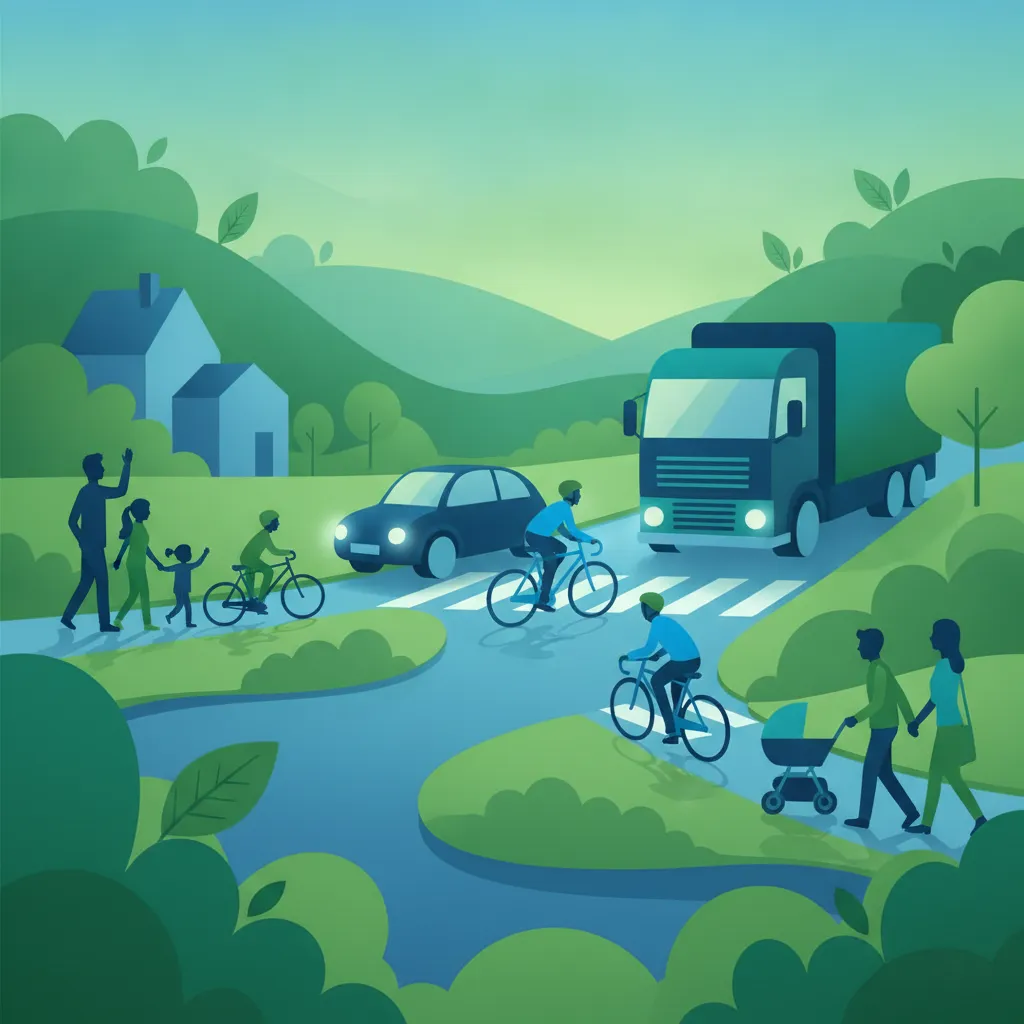
This lesson details the spectrum of obligations that apply to drivers, from basic compliance with traffic signs to responsibilities like vehicle upkeep and accident reporting. Learners will understand the importance of maintaining a vehicle in a roadworthy condition. It also covers the legal expectations for safe driving practices, including the use of safety equipment.

This lesson details the specific rights and responsibilities of motorcyclists within the Belgian road system, focusing on the correct application of priority rules and safe overtaking. It covers the legal requirements for signaling intentions and adhering to proper road etiquette to ensure smooth traffic flow. The content emphasizes how riders must balance their rights with their safety obligations toward all other road users.
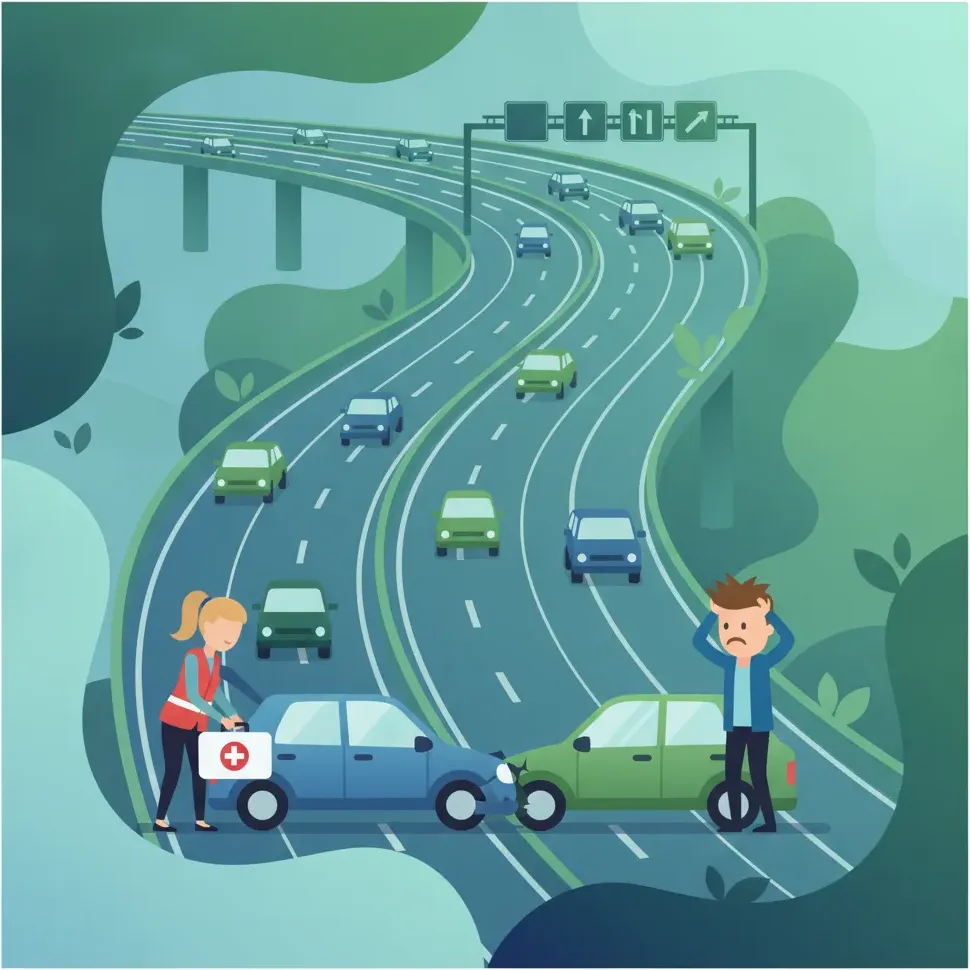
This lesson provides a clear and structured guide for responding to on-road emergencies such as a mechanical breakdown or a traffic accident. It details the steps for securing the scene safely, including the use of a warning triangle and high-visibility vest. Learners will understand how and when to contact emergency services via the 112 number and the basic principles of assisting anyone who may be injured.
This lesson details a motorcyclist's obligations when approaching various types of crossings, including marked pedestrian and bicycle lanes. It emphasizes the legal requirement to yield to vulnerable road users and the importance of thorough visual checks before proceeding. You will learn how to maintain a safe distance and anticipate the movements of pedestrians and cyclists in urban areas.
This lesson focuses on the legal duties and responsibilities that an AM vehicle operator must uphold on Belgian roads. It covers critical rules such as adhering to speed limits, correctly applying right-of-way principles, and following regulations for overtaking other vehicles. The lesson also explains the system of fines and penalty points for traffic violations, emphasizing the legal consequences of non-compliance to foster responsible driving habits.
This lesson covers the legal and safety requirements for motorcycle helmets in Belgium, with a focus on ECE certification standards. It explains the critical importance of a proper fit and how to correctly secure helmet straps for optimal effectiveness. You will also learn procedures for regular maintenance and how to inspect a helmet for damage that could compromise its protective capabilities.
Learn essential procedures for securing an accident or breakdown scene on Belgian roads. This guide covers hazard lights, warning triangles, high-visibility vests, and critical safety assessments to prevent further incidents.
This lesson focuses on the legal responsibilities mandated for all motorcyclists in Belgium, emphasizing strict adherence to the traffic code. It details a rider's obligation to conduct risk assessments, comply with speed limits, and maintain high safety standards. The content also clarifies the legal liability associated with traffic infractions and the importance of carrying correct documentation at all times.
This lesson covers the legal and safety requirements for motorcycle helmets in Belgium, with a focus on ECE certification standards. It explains the critical importance of a proper fit and how to correctly secure helmet straps for optimal effectiveness. You will also learn procedures for regular maintenance and how to inspect a helmet for damage that could compromise its protective capabilities.
This lesson provides a clear and structured guide for responding to on-road emergencies such as a mechanical breakdown or a traffic accident. It details the steps for securing the scene safely, including the use of a warning triangle and high-visibility vest. Learners will understand how and when to contact emergency services via the 112 number and the basic principles of assisting anyone who may be injured.
This lesson provides instruction on how to react in an emergency situation, covering techniques for performing a rapid, controlled stop. It explains how to apply maximum braking force without locking the wheels and how to manage a skid if one occurs. You will also learn about avoidance maneuvers, such as swerving, and the psychological challenge of overcoming target fixation.
This lesson provides a detailed explanation of the various road markings found on Belgian roads and their specific significance for motorcyclists. It covers the rules associated with solid and broken lane lines, stop lines at junctions, and markings for pedestrian and bicycle crossings. Understanding these markings is essential for correct lane positioning and safe navigation.

This lesson provides a step-by-step guide to executing a safe overtaking maneuver in compliance with Belgian law. It covers the necessary pre-maneuver checks, proper signaling, and how to accurately judge the speed and distance of oncoming traffic. You will learn the correct procedure for passing a vehicle and safely returning to your original lane.
This lesson delves into the complex priority rules that govern Belgian roadways, with a strong focus on the default 'priority from the right' principle. It explains how to interpret priority signs, such as 'give way' and 'stop', and apply the correct right-of-way at various types of junctions. You will learn the hierarchy of road users and the specific rules for yielding in different traffic scenarios.
This lesson details a motorcyclist's obligations when approaching various types of crossings, including marked pedestrian and bicycle lanes. It emphasizes the legal requirement to yield to vulnerable road users and the importance of thorough visual checks before proceeding. You will learn how to maintain a safe distance and anticipate the movements of pedestrians and cyclists in urban areas.
This lesson focuses on the correct identification and interpretation of regulatory and informative road signs that are particularly relevant to motorcyclists. It covers signs that dictate speed limits, prohibit overtaking, and indicate compulsory routes or turns. You will learn to recognize different sign categories based on their distinct shapes and colors as defined by Belgian traffic law.
This lesson details the specific rights and responsibilities of motorcyclists within the Belgian road system, focusing on the correct application of priority rules and safe overtaking. It covers the legal requirements for signaling intentions and adhering to proper road etiquette to ensure smooth traffic flow. The content emphasizes how riders must balance their rights with their safety obligations toward all other road users.
Find clear answers to common questions learners have about Responding to Crashes, Breakdowns, and Emergencies. Learn how the lesson is structured, which driving theory objectives it supports, and how it fits into the overall learning path of units and curriculum progression in Belgium. These explanations help you understand key concepts, lesson flow, and exam focused study goals.
Your first priority is to secure the scene to prevent further collisions. Use your hazard lights, move to a safe position, and if possible, use reflective clothing before assessing if it is safe to approach the victims and call emergency services.
Yes, in Belgium, you are legally obliged to provide assistance to anyone in immediate danger, provided that doing so does not put your own life or the lives of others at significant risk.
While specific requirements can vary, it is highly recommended to carry a high-visibility vest and a basic first-aid kit. Knowing how to use these items is a frequent topic in the Belgian motorcycle theory exam.
If your bike breaks down on a motorway, move to the hard shoulder immediately, wear your high-visibility vest, and move behind the safety barrier. Never stay on or near the vehicle in the flow of traffic.
Ready to focus your Belgian driving theory revision? Utilize our powerful search tool to pinpoint exact topics, road signs, or difficulty levels. Engage with practice questions that directly address your learning needs and solidify your understanding of Belgian traffic laws for your upcoming exam.