
This lesson guides you through the legal speed limits and the vital skill of dynamic speed management on Belgian roads. You will learn how to adapt your speed to varying traffic conditions, ensuring you meet safety standards and pass your motorcycle theory exam.
Lesson content overview
Effective speed management is a critical skill for every motorcyclist in Belgium, extending far beyond simply observing the posted speed limits. It involves a dynamic assessment of numerous factors—including traffic, road characteristics, and weather conditions—to determine a safe and appropriate speed. This comprehensive lesson will explore the principles of adaptive speed management, detail the legal speed limits applicable across Belgian roads, and highlight the severe consequences of failing to manage your speed responsibly. Understanding these concepts is fundamental to safe riding and successful navigation of the Belgian motorcycle theory exam for Licence A, A1, and A2.
Speed management is the continuous process of adjusting your motorcycle's speed to the prevailing environment, ensuring you can maintain control and react safely to unexpected situations. While legal speed limits provide a maximum threshold, they do not always represent a safe speed under all conditions. A skilled rider constantly evaluates the situation to choose a speed that allows for safe stopping and maneuvering.
The fundamental principle of adaptive speed management is to always ride at a speed that allows you to stop safely within the distance you can see to be clear. This concept, often referred to as "critical speed," is paramount for safety. It means that on a foggy night, your critical speed might be significantly lower than the legal speed limit, requiring you to slow down accordingly. This proactive approach minimizes risk and enhances your ability to respond to hazards effectively.
Numerous factors dictate what constitutes a safe and appropriate speed for a motorcyclist. Ignoring any of these can dramatically increase the risk of an accident.
The amount of traffic on the road directly influences safe speed. In heavy traffic, a lower speed is necessary to maintain a safe following distance and allow adequate time to react to sudden braking or erratic movements by other vehicles. Anticipating traffic flow and being prepared to slow down or stop are key.
Different road types are designed for varying speeds, and their characteristics profoundly impact safe speed. Urban roads with frequent intersections and pedestrian crossings demand lower speeds than open rural roads or motorways. The presence of sharp bends, blind crests, or poor road surfaces also necessitates reduced speed.
Adverse weather conditions are among the most significant factors requiring speed reduction. Rain, snow, ice, fog, or strong winds can severely reduce tire grip, visibility, and vehicle stability. Even a light drizzle can make road markings and certain surfaces slippery. At night, reduced natural light inherently limits visibility, demanding a slower pace.
The load your motorcycle carries, as well as its mechanical condition, affects its handling and braking performance. A heavily loaded motorcycle will have a longer stopping distance and handle differently in corners. Worn tires, faulty brakes, or suspension issues also necessitate a reduction in speed to maintain control.
Your personal riding skill level and physical/mental state are crucial. Inexperienced riders should ride at speeds well within their comfort zone. Factors like fatigue, distraction, illness, or the influence of medication can impair judgment and reaction time, requiring a significant reduction in speed for safety.
Belgian traffic law defines specific maximum speed limits for different road categories under normal conditions. It is imperative for all motorcyclists to know and strictly adhere to these legal limits. However, remember that these are maximums, and conditions may always warrant a lower speed.
The standard legal speed limits in Belgium are as follows:
Within built-up areas (zones agglomérées / bebouwde kommen), indicated by specific road signs, the general speed limit is 50 km/h. These areas are characterized by higher pedestrian activity, numerous intersections, and potential for parked vehicles and sudden hazards.
Special zones, such as residential areas (zones résidentielles / woonerven) or school zones, often have reduced speed limits, typically 30 km/h, or even 20 km/h in some woonerf areas. These limits are implemented to protect vulnerable road users and ensure a safe environment. Always be vigilant for specific signage indicating these zones.
Outside built-up areas, the default speed limit on rural roads is generally 70 km/h in Flanders and Wallonia. However, on roads with at least two lanes in the same direction, separated by a median or physical barrier, the limit can be 90 km/h. On expressways (voies express / expresswegen) that are not motorways, the limit is typically 90 km/h or sometimes 100 km/h where specifically indicated. Always check road signs, as local authorities can impose different limits.
On Belgian motorways (autosnelwegen / autoroutes), the general maximum speed limit for motorcycles is 120 km/h. These roads are designed for high-speed travel with limited access and no pedestrian activity, but maintaining vigilance and adapting to traffic flow are still crucial.
Certain sections of motorways or major roads in Belgium may feature variable speed limits. These are displayed on electronic signs above the lanes and can change based on real-time conditions such as traffic congestion, roadworks, or adverse weather. It is mandatory to obey these variable limits, which are designed to improve safety and traffic flow. Additionally, temporary speed limits are often imposed in construction zones or during specific events. These must be strictly observed, as these areas often present unique hazards to riders and workers.
Speed limits are primarily communicated through circular speed limit signs with a red border and black numbers on a white background. These signs indicate the maximum speed permissible from the point of the sign until superseded by another speed limit sign, a different zone sign (e.g., end of built-up area), or an "end of all prohibitions" sign.
While legal speed limits are enforceable maximums, critical speed is a dynamic safety concept that every rider must understand. It is the absolute maximum speed at which you can safely control your motorcycle under specific, prevailing conditions, ensuring you can stop within the distance you can clearly see ahead.
Critical speed is not a fixed number; it is a judgment call made continuously by the rider. Factors like reduced visibility due to fog, rain, or night; slippery road surfaces from ice or spilled fuel; or even unexpected curves can drastically lower your critical speed compared to the posted legal limit. For instance, on a winding country road with many blind bends, your critical speed should be low enough to react to any obstacle or traffic around the bend.
Adhering to the legal speed limit does not absolve you of responsibility if an accident occurs due to inappropriate speed for the conditions. If you are travelling at 90 km/h on a rural road with a 90 km/h limit, but heavy rain makes the road dangerously slick, and you lose control, you are still at fault for not adapting your speed. The legal limit is the absolute maximum; your critical speed is the safe maximum. Always prioritize your critical speed for safety.
Understanding the physical principles behind stopping a motorcycle is crucial for effective speed management. Higher speeds dramatically increase the distance required to bring your motorcycle to a complete halt, making quick reactions essential.
Before you can even begin to brake, you must perceive a hazard, process the information, decide to act, and then initiate the braking action. This entire process is your reaction time, which for an alert rider is typically around 1 to 1.5 seconds. During this time, your motorcycle continues to travel at its current speed, covering a significant distance known as the reaction distance. The faster you ride, the further you travel before you even apply the brakes.
Once you apply the brakes, the motorcycle needs a certain distance to decelerate and stop. This is the braking distance. It is influenced by:
The principle of inertia means that a moving object resists changes in its state of motion. The faster and heavier your motorcycle, the more inertia it has, and thus the more force and distance are required to bring it to a stop.
The total stopping distance is the sum of your reaction distance and your braking distance. This is the entire distance your motorcycle travels from the moment you detect a hazard until it comes to a complete stop.
Exceeding speed limits or failing to adapt your speed to conditions carries severe consequences, impacting both your safety and your legal standing as a motorcyclist.
Speed is a major contributing factor in a significant percentage of road accidents. Higher speeds:
Belgian traffic law (primarily the Royal Decree of 1 December 1975 bearing the general regulations on the police of road traffic and the use of public roads, often referred to as RVV 1990 in a broader sense) imposes strict penalties for speeding. These can vary based on the degree of the infraction, the location (e.g., built-up area vs. motorway), and whether it's a repeat offense.
Minor speeding offenses typically result in administrative fines. The amount of the fine increases progressively with the amount by which the speed limit was exceeded. For example, exceeding the limit by a small margin in a built-up area will incur a higher penalty than the same excess on a motorway.
More severe speeding violations, or repeat offenses, can lead to more significant penalties, including:
Effective speed management is a skill that develops with practice and conscious effort. It requires a combination of observation, anticipation, and sound judgment.
Constantly scan the road ahead, to the sides, and behind you. Look for potential hazards like pedestrians, cyclists, changing road surfaces, approaching intersections, and traffic signs. The more information you gather, the better you can assess your critical speed and adjust accordingly.
Learn to anticipate potential dangers. For example, approaching a queue of cars, a sharp bend, or an area with children playing should prompt you to reduce your speed proactively, even before the hazard becomes immediate. Use your brakes smoothly and progressively, and select the appropriate gear for the reduced speed.
One of the simplest yet most effective speed management techniques is maintaining a safe following distance. The "two-second rule" (or "three-second rule" in adverse conditions) is a good guideline: pick a fixed point ahead (e.g., a sign or tree) and ensure that you don't reach it until at least two seconds after the vehicle in front of you passed it. This provides crucial reaction and braking time.
Always remember that the posted speed limit is a maximum, not a target. Your primary responsibility as a motorcyclist is to choose a speed that is safe for the current conditions and allows you to react to any situation without endangering yourself or other road users. Embrace defensive riding principles, prioritize safety over speed, and continuously hone your observational and decision-making skills.
This lesson teaches Belgian motorcycle theory students the essential skill of adaptive speed management, which requires constantly adjusting speed based on traffic, road conditions, and weather rather than simply following posted limits. Key legal limits are covered: 50 km/h in built-up areas, 30/20 km/h in residential zones, 70-90 km/h on rural roads, and 120 km/h on motorways. The critical speed concept emphasizes that riders must always be able to stop within their visible distance, which often requires speeds below the legal maximum. Understanding stopping distance physics—where reaction distance plus braking distance determines total stopping capability—is fundamental to safe speed choices. The consequences of speeding include increased accident severity, legal fines, licence suspension, and insurance impacts, making proper speed management both a safety and legal requirement.
A short set of high-value points that capture the most important learning from this lesson.
Legal speed limits in Belgium are maximums, not targets, and conditions often require lower speeds
Critical speed is the dynamic safety threshold based on visibility and conditions, which may be lower than the posted limit
Stopping distance increases quadratically with speed, making reaction time and braking distance critical factors
Speed limits vary by road type: 50 km/h in built-up areas, 30/20 km/h in residential zones, 70-90 km/h on rural roads, and 120 km/h on motorways
Exceeding the legal limit or failing to adapt speed to conditions can result in legal penalties and increased accident severity
Explore all units and lessons included in this driving theory course.
Built-up areas (zones agglomérées) are limited to 50 km/h, residential zones to 30 or 20 km/h
The two-second rule provides a minimum safe following distance under normal conditions
Doubling your speed quadruples your braking distance
Critical speed must always be lower than or equal to the legal limit and is determined by visible distance ahead
Variable speed limits on electronic signs must be obeyed as they reflect real-time conditions
Assuming the legal limit is always a safe speed for the current conditions
Underestimating stopping distance by not accounting for reaction time before brakes are applied
Failing to reduce speed in adverse weather despite the limit remaining unchanged
Using the same following distance regardless of speed or weather conditions
Believing that driving at the posted limit absolves responsibility if conditions cause an accident
Lesson content overview
A short set of high-value points that capture the most important learning from this lesson.
Legal speed limits in Belgium are maximums, not targets, and conditions often require lower speeds
Critical speed is the dynamic safety threshold based on visibility and conditions, which may be lower than the posted limit
Stopping distance increases quadratically with speed, making reaction time and braking distance critical factors
Speed limits vary by road type: 50 km/h in built-up areas, 30/20 km/h in residential zones, 70-90 km/h on rural roads, and 120 km/h on motorways
Exceeding the legal limit or failing to adapt speed to conditions can result in legal penalties and increased accident severity
Explore all units and lessons included in this driving theory course.
Built-up areas (zones agglomérées) are limited to 50 km/h, residential zones to 30 or 20 km/h
The two-second rule provides a minimum safe following distance under normal conditions
Doubling your speed quadruples your braking distance
Critical speed must always be lower than or equal to the legal limit and is determined by visible distance ahead
Variable speed limits on electronic signs must be obeyed as they reflect real-time conditions
Assuming the legal limit is always a safe speed for the current conditions
Underestimating stopping distance by not accounting for reaction time before brakes are applied
Failing to reduce speed in adverse weather despite the limit remaining unchanged
Using the same following distance regardless of speed or weather conditions
Believing that driving at the posted limit absolves responsibility if conditions cause an accident
Explore search topics learners often look for when studying Speed Management and Legal Speed Limits. These topics reflect common questions about road rules, driving situations, safety guidance, and lesson level theory preparation for learners in Belgium.
Browse additional driving theory lessons that cover connected traffic rules, road signs, and common driving situations related to this topic. Improve your understanding of how different rules interact across everyday traffic scenarios.
Understand the severe safety and legal repercussions of speeding for motorcyclists in Belgium. Learn how excessive speed increases accident risk, magnifies impact severity, and leads to fines and licence suspension.
This lesson focuses on the legal responsibilities mandated for all motorcyclists in Belgium, emphasizing strict adherence to the traffic code. It details a rider's obligation to conduct risk assessments, comply with speed limits, and maintain high safety standards. The content also clarifies the legal liability associated with traffic infractions and the importance of carrying correct documentation at all times.
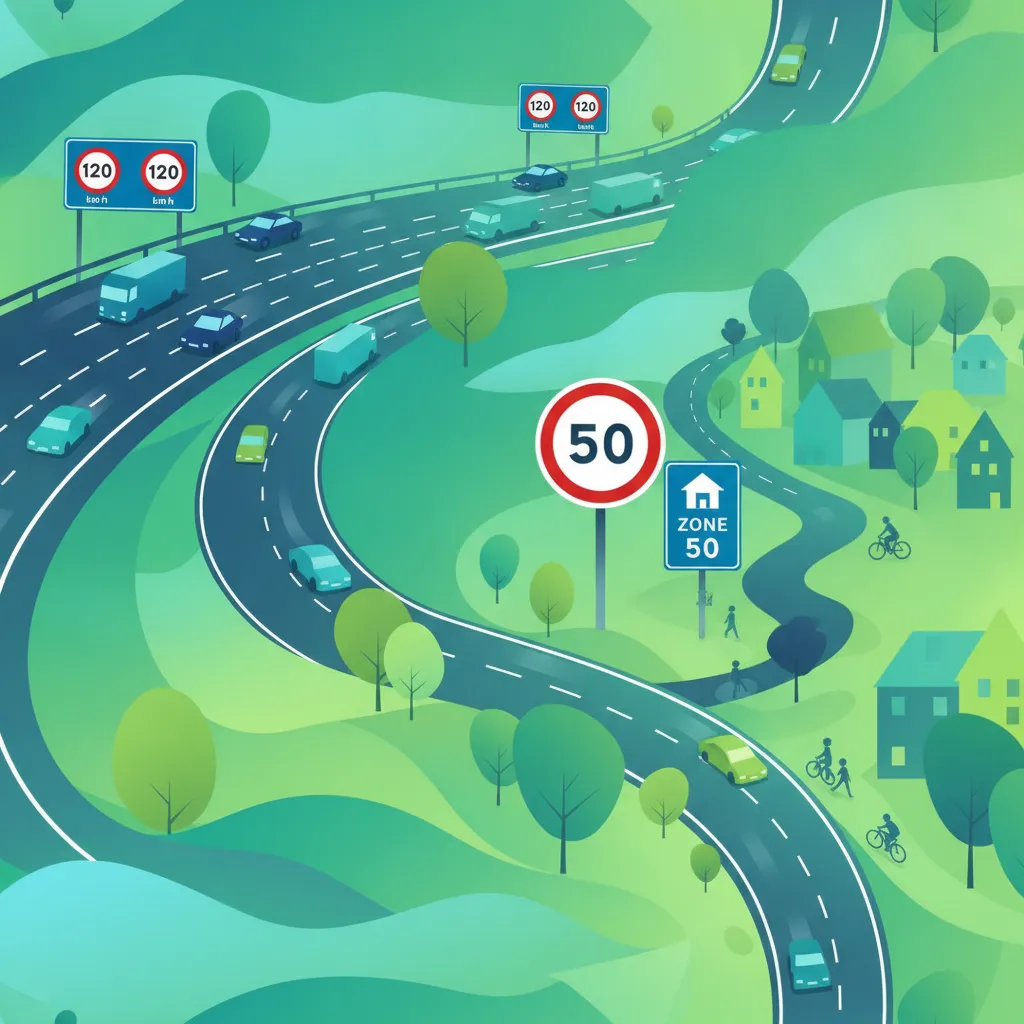
This lesson details the various legal speed limits applicable in Belgium, including those for urban, residential, and school zones. It explains the underlying safety rationale for these limits, linking speed to the severity of accidents and the time available to react to hazards. Learners will understand the difference between the maximum legal speed and a safe, appropriate speed for the prevailing conditions.

This lesson details the specific rights and responsibilities of motorcyclists within the Belgian road system, focusing on the correct application of priority rules and safe overtaking. It covers the legal requirements for signaling intentions and adhering to proper road etiquette to ensure smooth traffic flow. The content emphasizes how riders must balance their rights with their safety obligations toward all other road users.
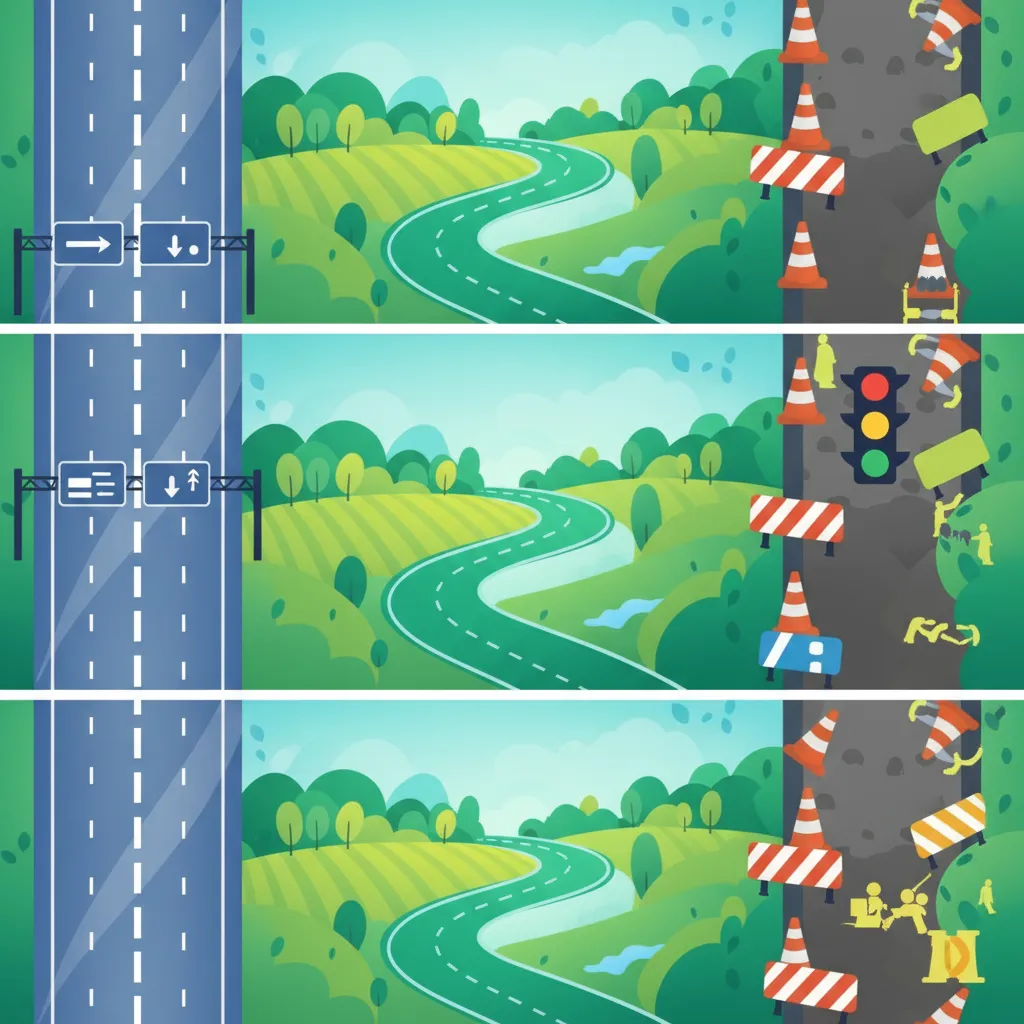
This lesson covers the specific challenges of driving on motorways, rural roads, and navigating roadworks. Learners will review lane discipline on high-speed roads and identify hazards common to rural roads, such as sharp bends and wildlife. It also explains the importance of adjusting speed and following temporary signage in construction zones.
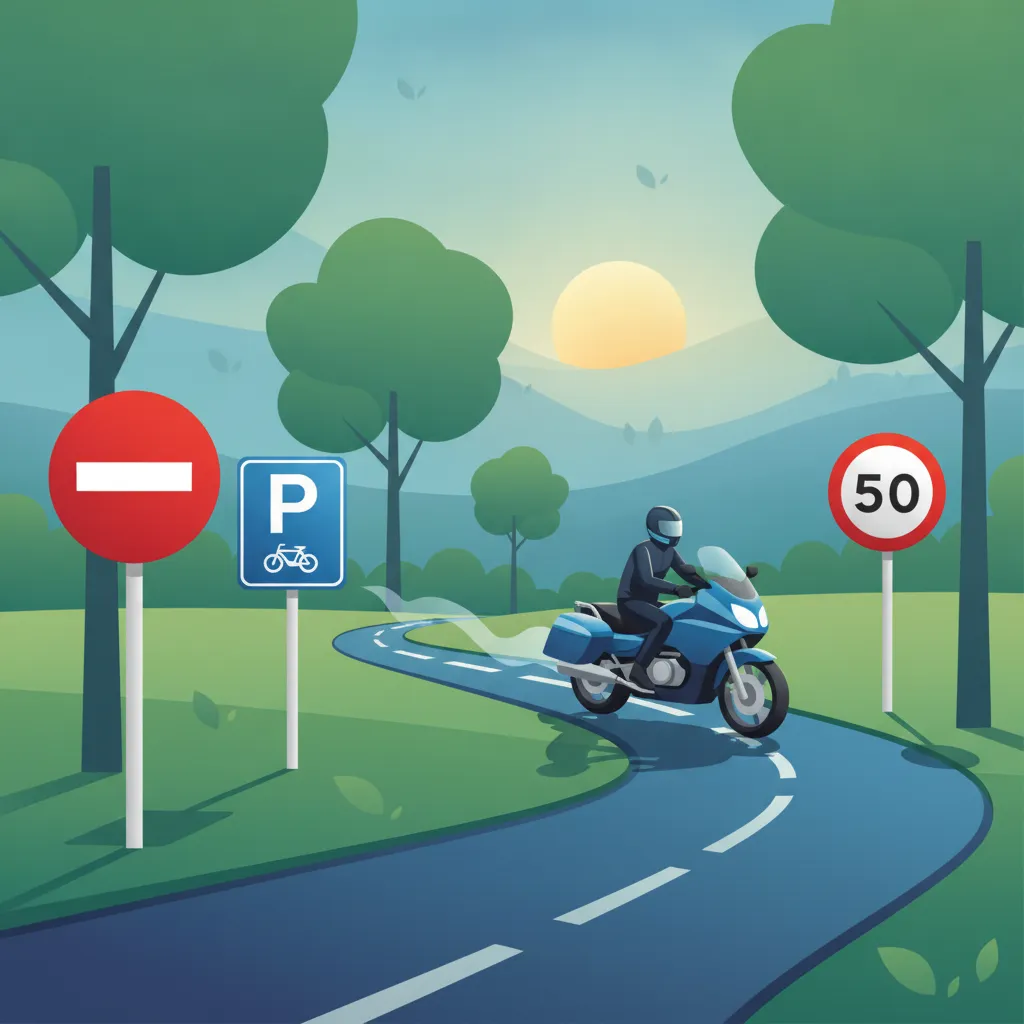
This lesson focuses on the correct identification and interpretation of regulatory and informative road signs that are particularly relevant to motorcyclists. It covers signs that dictate speed limits, prohibit overtaking, and indicate compulsory routes or turns. You will learn to recognize different sign categories based on their distinct shapes and colors as defined by Belgian traffic law.

This lesson provides a step-by-step guide to executing a safe overtaking maneuver in compliance with Belgian law. It covers the necessary pre-maneuver checks, proper signaling, and how to accurately judge the speed and distance of oncoming traffic. You will learn the correct procedure for passing a vehicle and safely returning to your original lane.

This lesson provides a comprehensive guide to motorway riding, starting with the procedure for safely merging into high-speed traffic from a slip road. It details the importance of strict lane discipline, including the rules for overtaking and the proper use of lanes. You will also learn the correct technique for planning and executing a safe exit from the motorway.
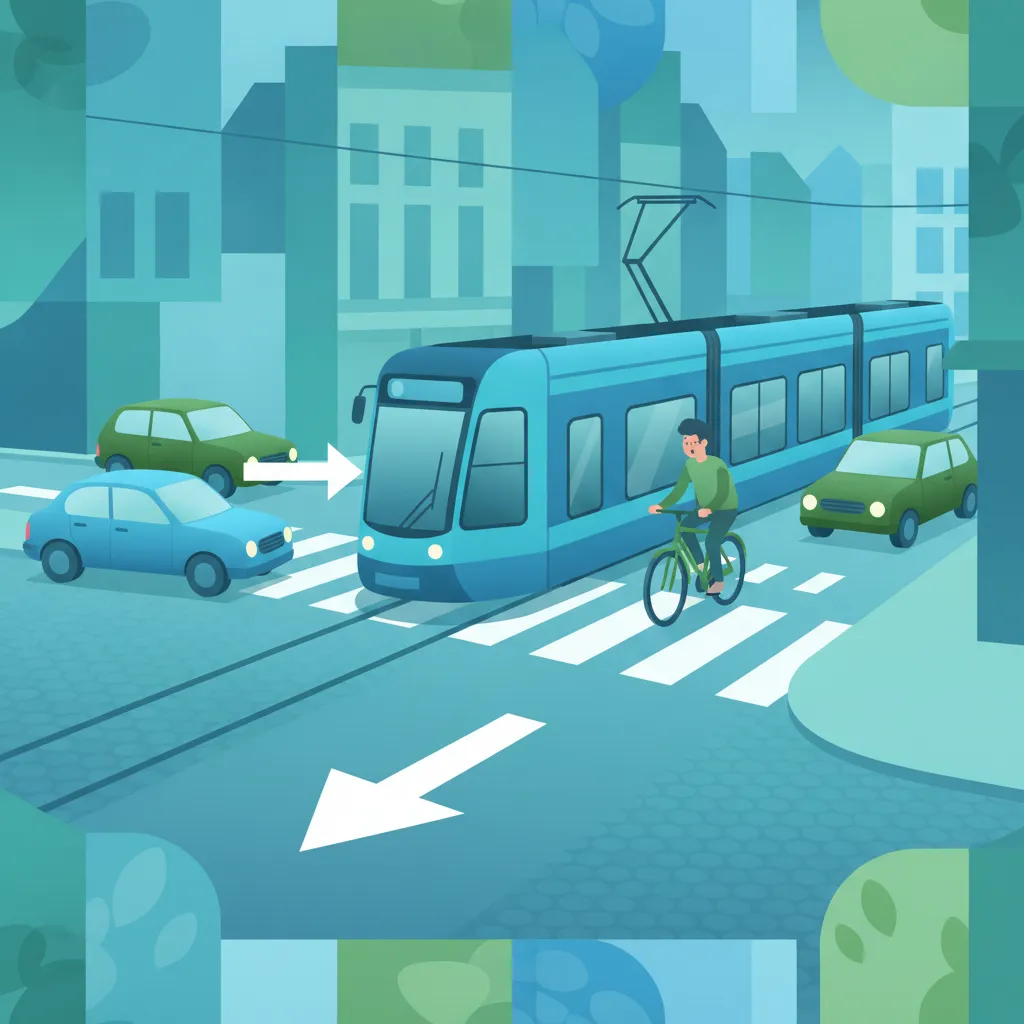
This lesson delves into the complex priority rules that govern Belgian roadways, with a strong focus on the default 'priority from the right' principle. It explains how to interpret priority signs, such as 'give way' and 'stop', and apply the correct right-of-way at various types of junctions. You will learn the hierarchy of road users and the specific rules for yielding in different traffic scenarios.

This lesson outlines the system of penalties for traffic violations in Belgium, ensuring riders are fully aware of the consequences of illegal behavior. It covers common offenses like speeding and explains the structure of fines and the demerit point system that can lead to license suspension. The content emphasizes the significant financial and legal repercussions of non-compliance, reinforcing the importance of lawful and responsible riding.

This lesson focuses on the legal duties and responsibilities that an AM vehicle operator must uphold on Belgian roads. It covers critical rules such as adhering to speed limits, correctly applying right-of-way principles, and following regulations for overtaking other vehicles. The lesson also explains the system of fines and penalty points for traffic violations, emphasizing the legal consequences of non-compliance to foster responsible driving habits.
Learn essential theory on how to adjust your motorcycle speed based on traffic density, road type, weather, visibility, and your own condition. Essential for safe riding beyond legal limits.

This lesson teaches riders how to modify their technique and preparation in response to various weather conditions beyond just rain. It covers how to handle strong crosswinds, the effects of extreme heat on both the rider and the motorcycle, and the precautions for riding in cold temperatures. The focus is on proactive adaptation to ensure safety and comfort regardless of the weather.

This lesson details the specific precautions and techniques required for riding in rain and fog. It explains how water on the road affects tyre grip and braking distances, and how to avoid aquaplaning. You will learn the correct use of lights to be seen in low visibility and how to adjust your speed and following distance accordingly.

This lesson provides crucial advice for riding in rainy conditions, a frequent occurrence in Belgium. It explains how water on the road surface dramatically reduces tire grip, extends stopping distances, and creates a risk of hydroplaning. Riders will learn how to adjust their speed, increase following distances, and manage reduced visibility from rain and road spray to maintain safety.

This lesson focuses on driving safely in adverse weather like rain, fog, and low sun glare, which affects road friction and visibility. It provides guidelines on speed adaptation, maintaining a safe following distance, and the proper use of vehicle equipment like lights and wipers. Learners will understand how to reduce risks like hydroplaning and skidding.
This lesson covers the specific challenges of driving on motorways, rural roads, and navigating roadworks. Learners will review lane discipline on high-speed roads and identify hazards common to rural roads, such as sharp bends and wildlife. It also explains the importance of adjusting speed and following temporary signage in construction zones.
This lesson provides a comprehensive guide to motorway riding, starting with the procedure for safely merging into high-speed traffic from a slip road. It details the importance of strict lane discipline, including the rules for overtaking and the proper use of lanes. You will also learn the correct technique for planning and executing a safe exit from the motorway.
This lesson focuses on the correct identification and interpretation of regulatory and informative road signs that are particularly relevant to motorcyclists. It covers signs that dictate speed limits, prohibit overtaking, and indicate compulsory routes or turns. You will learn to recognize different sign categories based on their distinct shapes and colors as defined by Belgian traffic law.

This lesson focuses on the critical skill of managing traction by understanding how tyres interact with different road surfaces. It teaches you to identify and react to low-grip surfaces such as wet roads, gravel, painted markings, and manhole covers. You will learn how to adjust your speed, braking, and cornering to prevent loss of traction and maintain control.
This lesson details the various legal speed limits applicable in Belgium, including those for urban, residential, and school zones. It explains the underlying safety rationale for these limits, linking speed to the severity of accidents and the time available to react to hazards. Learners will understand the difference between the maximum legal speed and a safe, appropriate speed for the prevailing conditions.

This lesson focuses on the specific challenges of riding in adverse conditions such as rain, fog, and darkness, which severely reduce visibility. It provides practical strategies for riders to increase their own conspicuity through the use of lights and reflective gear. The content also explains how to adapt riding behavior, such as reducing speed and increasing following distance, to safely manage these high-risk situations.
Find clear answers to common questions learners have about Speed Management and Legal Speed Limits. Learn how the lesson is structured, which driving theory objectives it supports, and how it fits into the overall learning path of units and curriculum progression in Belgium. These explanations help you understand key concepts, lesson flow, and exam focused study goals.
Generally, motorcycles in Belgium are subject to the same speed limits as cars. However, always pay close attention to road signs, as specific local regulations or dynamic signals may apply differently to motorcycles in certain high-risk areas.
It means you must adjust your speed based on weather, road surface, visibility, and traffic volume. In the exam, if a question shows rain or low visibility, the correct answer usually involves reducing your speed below the maximum posted limit.
Yes, while the legal road limits are generally the same, understanding the capabilities of your motorcycle category (A1, A2, or A) helps you better anticipate safe stopping distances and reaction times, which are often tested in theory scenarios.
No, speeding is a serious traffic violation in Belgium. Theory exam questions often highlight the severe penalties associated with speeding to emphasize rider responsibility and the high risk of injury during motorcycle collisions.
Ready to focus your Belgian driving theory revision? Utilize our powerful search tool to pinpoint exact topics, road signs, or difficulty levels. Engage with practice questions that directly address your learning needs and solidify your understanding of Belgian traffic laws for your upcoming exam.