
This lesson details the essential legal rights and responsibilities you hold as a motorcyclist in Belgium. It helps you navigate the complex balance between your rights as a road user and your duty to ensure the safety of everyone around you. By understanding these rules, you will be well-prepared to handle real-world traffic scenarios and excel on your A, A1, or A2 theory exam.

Lesson content overview
Motorcycling on Belgian roads comes with a unique set of freedoms and responsibilities. As a rider, understanding your legal rights and obligations is fundamental not only for passing your licence exam but, more importantly, for ensuring your safety and the smooth flow of traffic. This lesson delves into the specific rules that govern motorcyclists, focusing on how to correctly apply priority rules, execute safe overtaking maneuvers, signal your intentions effectively, and interact responsibly with all other road users, especially the most vulnerable.
Adhering to these principles is crucial for preventing accidents, maintaining legal compliance, and fostering a harmonious environment for everyone on the road. It builds upon your general understanding of traffic laws and sets the stage for advanced riding techniques covered in later modules of this Comprehensive Belgian Motorcycle Theory Course: Licence A, A1 & A2.
Every motorcyclist holds specific entitlements and duties within the Belgian traffic system. These aren't merely suggestions but legal requirements designed to ensure predictability and safety for all participants. At its core, safe riding involves a constant balance between asserting your rights and fulfilling your obligations.
Motorcycles, by law, have the right to access and use most public roads where other motor vehicles are permitted. This entitlement extends across various road categories, including motorways, dual carriageways, urban streets, and rural routes. Your right to passage means you can legally travel on designated roads, provided you meet any specific requirements, such as minimum speed limits on motorways or adhering to specific lane usage regulations.
It's important to remember that this right comes with the duty to follow all associated rules, including speed limits, lane discipline, and vehicle-type specific regulations. For instance, while you are permitted on a dual carriageway, you must remain within the marked lanes and observe speed restrictions. Riding on sidewalks, pedestrian zones, or designated bicycle paths is strictly prohibited unless specifically signed otherwise.
Beyond simply following rules, every motorcyclist has a fundamental "duty of care." This is the legal obligation to act with reasonable caution and foresight to avoid endangering other road users. It means you must proactively anticipate potential hazards, adjust your speed and riding style to suit current conditions, and always communicate your intentions clearly.
The duty of care is a cornerstone of defensive riding. It encourages you to think ahead, be prepared for unexpected actions from others, and take measures to prevent collisions. This responsibility is amplified for motorcyclists due to their inherent vulnerability compared to larger vehicles.
Priority rules are critical for preventing conflicts and accidents at junctions. As a motorcyclist, you must have a thorough understanding of who has the right-of-way in various situations to ensure safe passage and avoid dangerous encounters.
In Belgium, the default rule at uncontrolled intersections (those without traffic lights or explicit signs) is to yield to traffic approaching from your right. This fundamental rule applies equally to motorcyclists. Always be prepared to stop or slow down significantly if there is a vehicle approaching from your right at an uncontrolled junction.
When you encounter a B1 yield sign, you are legally obliged to give way to all traffic on the road you are joining or crossing. This means decelerating and stopping if necessary, only proceeding when the way is clear and safe to do so, without forcing other vehicles to change their speed or direction.
At intersections controlled by traffic lights, the lights dictate the right-of-way. Motorcyclists must obey the signals precisely. Red means stop behind the stop line, green means proceed if safe, and amber (yellow) means stop unless you are too close to do so safely. Never assume that because you are a motorcyclist, you can filter through red lights or ignore signals; this is a serious violation.
The general rule for roundabouts in Belgium is that vehicles already circulating within the roundabout have priority over vehicles entering it. As a motorcyclist approaching a roundabout, you must yield to traffic already inside. Always signal your intentions clearly when entering and exiting a roundabout. Use your left indicator if turning left or going straight (initially), and your right indicator before exiting.
When approaching a roundabout, scan for vehicles already inside and be prepared to stop. Signal your exit clearly to inform other drivers of your intentions.
Overtaking is a common maneuver that, when done incorrectly, can be extremely dangerous. Motorcyclists must adhere to strict procedures to ensure they pass other vehicles safely, without endangering themselves or others.
In Belgium, you must generally overtake other vehicles on their left side. Before initiating an overtake, you must:
While overtaking on the left is the standard, there are specific, limited situations where overtaking on the right is permitted:
Always ensure there is a safe lateral distance between your motorcycle and the vehicle you are overtaking. Do not squeeze past vehicles, especially large trucks or buses, which have significant blind spots. Maintain sufficient longitudinal distance before and after the maneuver. Never overtake if visibility is poor (e.g., sharp bends, hillcrests) or in areas where overtaking is explicitly prohibited by signs or road markings (e.g., solid white lines).
Clear communication of your intentions is paramount for road safety. Signaling allows other road users to anticipate your maneuvers and react accordingly, significantly reducing the risk of collisions.
You must use your motorcycle's turn signals (indicators) for all lane changes and turns. Activate them well in advance of your maneuver to give ample warning to others.
In addition to electric turn signals, motorcyclists are legally required to use hand signals, especially if the electric signals are not clearly visible, or if there is any doubt about your intentions. Belgian regulations specify:
Forgetting to signal or using signals incorrectly can lead to misinterpretations by other drivers, potentially causing accidents. Always ensure your signals are clear and timely.
Your motorcycle's brake light automatically illuminates when you apply the brakes, signaling your deceleration to vehicles behind you. However, you should also be prepared to use the hand signal for slowing/stopping, especially in poor visibility or if you need to slow down rapidly.
Ensuring your own visibility is part of your signaling responsibility. Wear bright clothing, especially during the day, and use reflective gear at night. This makes your hand signals more effective and your presence on the road more noticeable.
Motorcyclists, while smaller than cars, are still powerful vehicles that can cause significant harm to pedestrians and cyclists. Therefore, you have a heightened duty of care towards these vulnerable road users.
You must always yield to pedestrians who are crossing or intending to cross at a marked zebra crossing. Slow down well in advance and be prepared to stop completely. Do not proceed until the pedestrian has safely cleared your path. Even if a pedestrian is not on a marked crossing but appears to be attempting to cross the road, exercise caution and be ready to yield.
Cyclists, like pedestrians, are vulnerable and less protected. When riding near cyclists, always:
Never assume that because of your motorcycle's smaller size, you are exempt from yielding to vulnerable users. Ignoring these rules is not only illegal but also unethical and extremely dangerous.
Understanding common mistakes can help you avoid them and enhance your safety.
Failure to Yield at Yield Signs or Uncontrolled Intersections:
B1) is present without decelerating or stopping for priority traffic.Improper or Absent Signaling:
Cutting Across an Intersection Without Clear Path:
Overtaking in Prohibited Zones:
C35 no overtaking sign) prohibit it, such as near pedestrian crossings, blind bends, or intersections.Not Yielding to Pedestrians at Zebra Crossings:
Your obligations and how you execute them must adapt to varying road and environmental conditions.
A motorcycle that is heavily loaded with luggage or a passenger will handle differently. Braking distances will increase, acceleration will be slower, and cornering dynamics will change. You must adjust your speed, following distance, and overtaking maneuvers accordingly, allowing for longer distances and more conservative actions.
The various rules and obligations discussed here are interconnected through clear cause-and-effect relationships:
This lesson builds directly on the foundational knowledge of general legal responsibilities for motorcyclists (Lesson 1.2) and is crucial for understanding advanced topics like lane positioning, blind spots, and comprehensive overtaking strategies (Lesson 5). Furthermore, your understanding of visibility from protective equipment and rider condition (Lesson 2) directly impacts how effectively your signals are perceived and how well you can observe priority.
Mastering your rights and obligations as a motorcyclist in Belgium is about more than just avoiding fines; it's about safeguarding lives and contributing to a safer road environment for everyone.
By consistently applying these principles, you demonstrate competence and responsibility, becoming a safer, more predictable, and more respected rider on Belgian roads.
This lesson covers the essential rights and responsibilities of motorcyclists in Belgium, emphasizing that your right to road access comes with strict obligations toward other users. Key topics include priority rules (especially yielding to the right at uncontrolled intersections), proper signaling using both electrical indicators and standard hand signals, and safe overtaking procedures primarily on the left side. The lesson highlights your heightened duty of care toward vulnerable road users like pedestrians and cyclists, and explains how your obligations adapt to weather conditions, visibility, road type, and vehicle load. Understanding these principles will help you navigate Belgian traffic safely and answer scenario-based exam questions correctly.
A short set of high-value points that capture the most important learning from this lesson.
Motorcycles have legal access to most public roads alongside other motor vehicles, but this right requires adherence to all associated rules including speed limits and lane discipline.
At uncontrolled intersections without signs or lights, you must yield to traffic approaching from your right—this is Belgium's default priority rule.
Standard overtaking is always on the left; right-side overtaking is only permitted in dense traffic, dedicated right-turn lanes, or when a vehicle signals a left turn.
Both turn signals AND hand signals are legally required for all turns and lane changes to ensure other road users can anticipate your maneuvers.
You have a heightened duty of care toward vulnerable road users—always yield to pedestrians at zebra crossings and cyclists in bike lanes.
Explore all units and lessons included in this driving theory course.
B1 yield sign means you must give way to all traffic on the intersecting road and only proceed when the path is completely clear.
Roundabout rule: vehicles already circulating inside always have priority over vehicles entering.
Hand signals for motorcyclists: left arm horizontal for left turn/lane change, left arm bent upward for right turn, left arm downward with palm back for slowing or stopping.
Never overtake in prohibited zones marked by solid white lines, C35 signs, or near pedestrian crossings, blind bends, and intersections.
Adapt your riding to conditions: reduce speed and increase following distance in rain, use dipped beams in fog, and adjust for loaded vehicles or passengers.
Failing to yield at yield signs or uncontrolled intersections by riding through without decelerating, risking severe collisions and legal penalties.
Changing lanes or turning without activating turn signals or using incorrect hand signals, causing confusion for other road users.
Entering an intersection when your exit is blocked or visibility is poor, potentially causing gridlock and blocking traffic.
Overtaking where prohibited by solid white lines or C35 signs near pedestrian crossings, blind bends, or intersections.
Proceeding through a zebra crossing while pedestrians are present or clearly intending to cross, endangering vulnerable road users.
Lesson content overview
A short set of high-value points that capture the most important learning from this lesson.
Motorcycles have legal access to most public roads alongside other motor vehicles, but this right requires adherence to all associated rules including speed limits and lane discipline.
At uncontrolled intersections without signs or lights, you must yield to traffic approaching from your right—this is Belgium's default priority rule.
Standard overtaking is always on the left; right-side overtaking is only permitted in dense traffic, dedicated right-turn lanes, or when a vehicle signals a left turn.
Both turn signals AND hand signals are legally required for all turns and lane changes to ensure other road users can anticipate your maneuvers.
You have a heightened duty of care toward vulnerable road users—always yield to pedestrians at zebra crossings and cyclists in bike lanes.
Explore all units and lessons included in this driving theory course.
B1 yield sign means you must give way to all traffic on the intersecting road and only proceed when the path is completely clear.
Roundabout rule: vehicles already circulating inside always have priority over vehicles entering.
Hand signals for motorcyclists: left arm horizontal for left turn/lane change, left arm bent upward for right turn, left arm downward with palm back for slowing or stopping.
Never overtake in prohibited zones marked by solid white lines, C35 signs, or near pedestrian crossings, blind bends, and intersections.
Adapt your riding to conditions: reduce speed and increase following distance in rain, use dipped beams in fog, and adjust for loaded vehicles or passengers.
Failing to yield at yield signs or uncontrolled intersections by riding through without decelerating, risking severe collisions and legal penalties.
Changing lanes or turning without activating turn signals or using incorrect hand signals, causing confusion for other road users.
Entering an intersection when your exit is blocked or visibility is poor, potentially causing gridlock and blocking traffic.
Overtaking where prohibited by solid white lines or C35 signs near pedestrian crossings, blind bends, or intersections.
Proceeding through a zebra crossing while pedestrians are present or clearly intending to cross, endangering vulnerable road users.
Explore search topics learners often look for when studying Rider Rights and Obligations on the Road. These topics reflect common questions about road rules, driving situations, safety guidance, and lesson level theory preparation for learners in Belgium.
Browse additional driving theory lessons that cover connected traffic rules, road signs, and common driving situations related to this topic. Improve your understanding of how different rules interact across everyday traffic scenarios.
Explore specific rules for motorcyclists interacting with trams, buses, and navigating low-emission zones in Belgium. Understand how to safely manage these complex urban traffic situations and their unique priority requirements beyond basic rules.
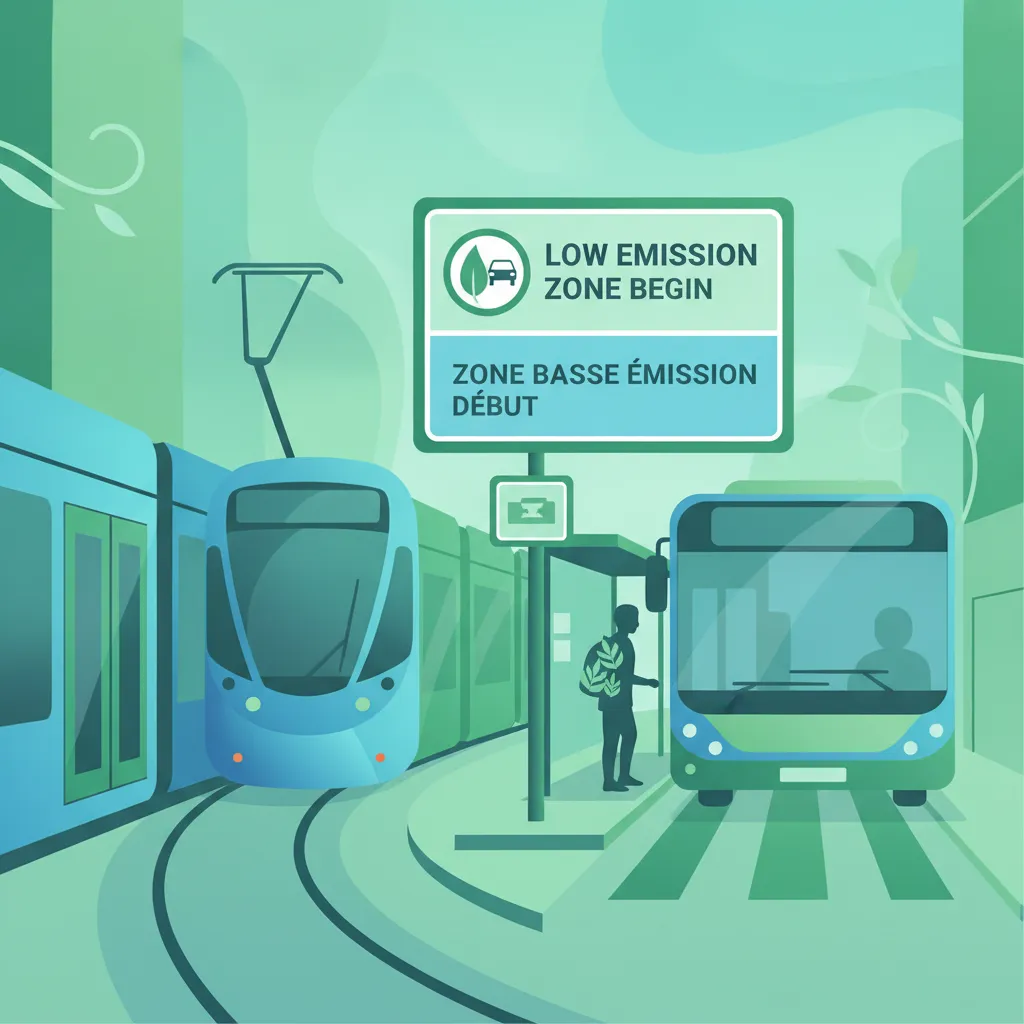
This lesson addresses unique traffic environments and special zones commonly found in Belgian urban areas. It clarifies the specific regulations concerning tramways, including where trams have absolute priority, and the conditions under which motorcycles may use bus lanes. The lesson also explains how to identify and comply with restrictions in low-emission zones.
This lesson examines the interactions between private vehicles and public transport, focusing on buses and trams. Learners will understand the priority rules for these vehicles, recognizing dedicated lanes and stopping positions. Special considerations for motorcyclists, school buses, and other vulnerable users are also discussed to ensure safe coexistence.
This lesson teaches motorcyclists how to safely navigate mixed traffic environments that include cars, buses, and trams. It highlights the significant blind spots of larger vehicles and explains the absolute priority of trams on their tracks. You will learn the rules for sharing space with public transport and how to maintain safe distances when following or overtaking buses.
This lesson details a motorcyclist's obligations when approaching various types of crossings, including marked pedestrian and bicycle lanes. It emphasizes the legal requirement to yield to vulnerable road users and the importance of thorough visual checks before proceeding. You will learn how to maintain a safe distance and anticipate the movements of pedestrians and cyclists in urban areas.
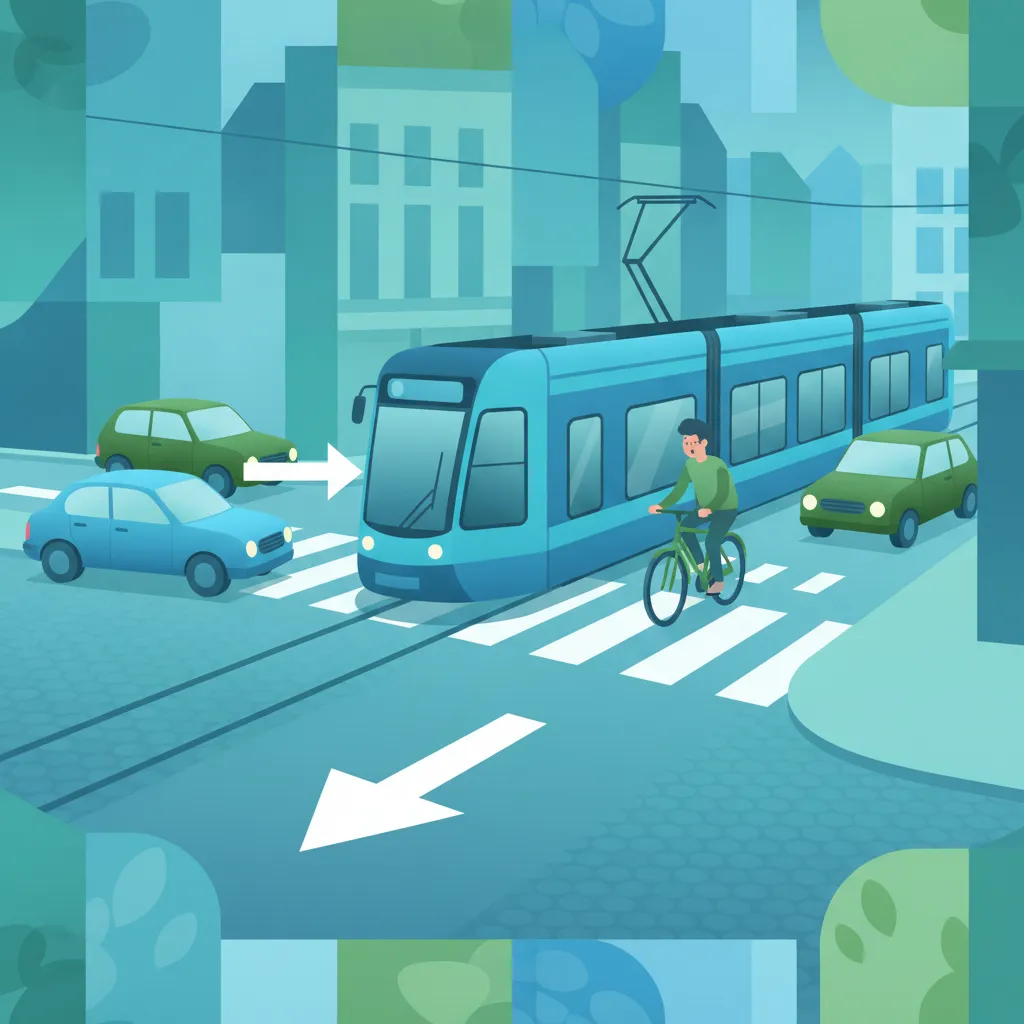
This lesson delves into the complex priority rules that govern Belgian roadways, with a strong focus on the default 'priority from the right' principle. It explains how to interpret priority signs, such as 'give way' and 'stop', and apply the correct right-of-way at various types of junctions. You will learn the hierarchy of road users and the specific rules for yielding in different traffic scenarios.
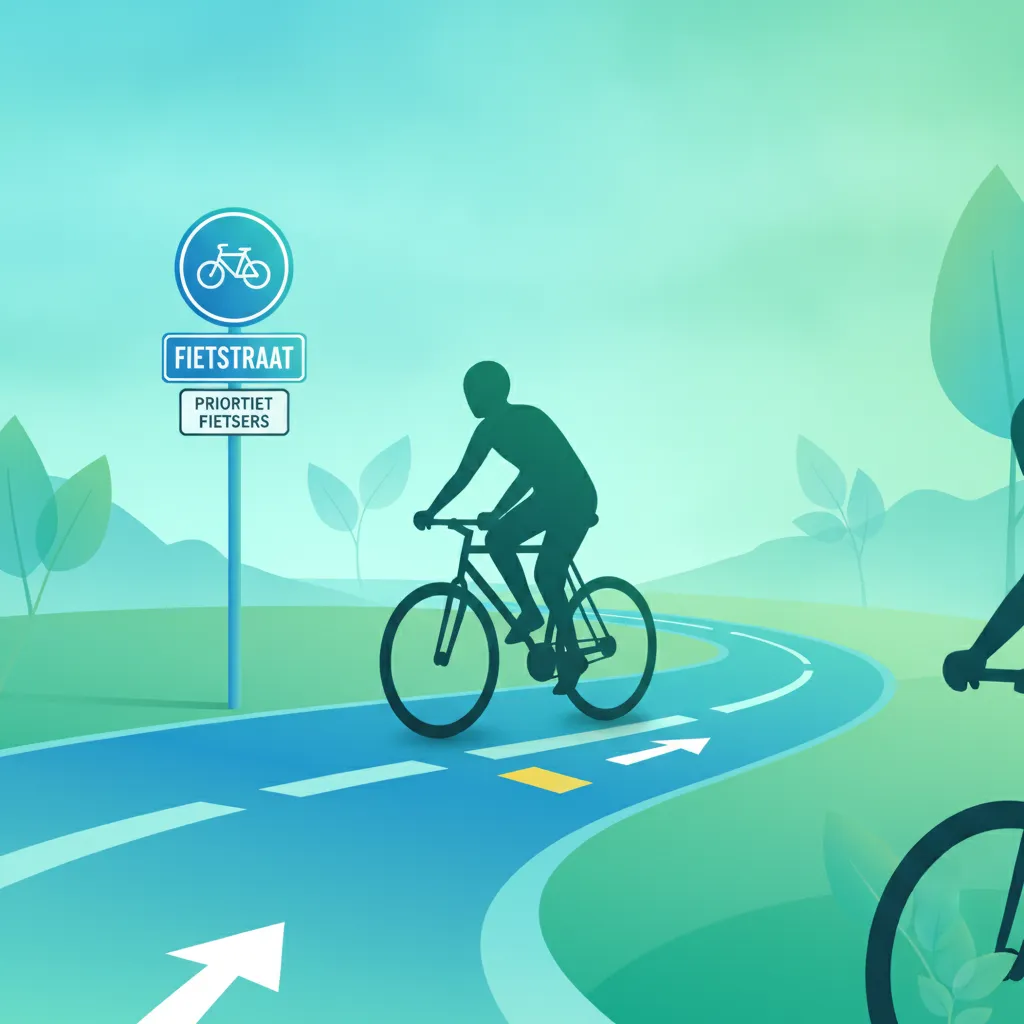
Cyclists are a significant part of Belgian traffic, and this lesson explores the rules and infrastructure that support safe cycling. Learners will study dedicated bicycle lanes, bicycle streets, and where cyclists have priority. The lesson also covers safe overtaking distances and the importance of anticipating cyclist movements.
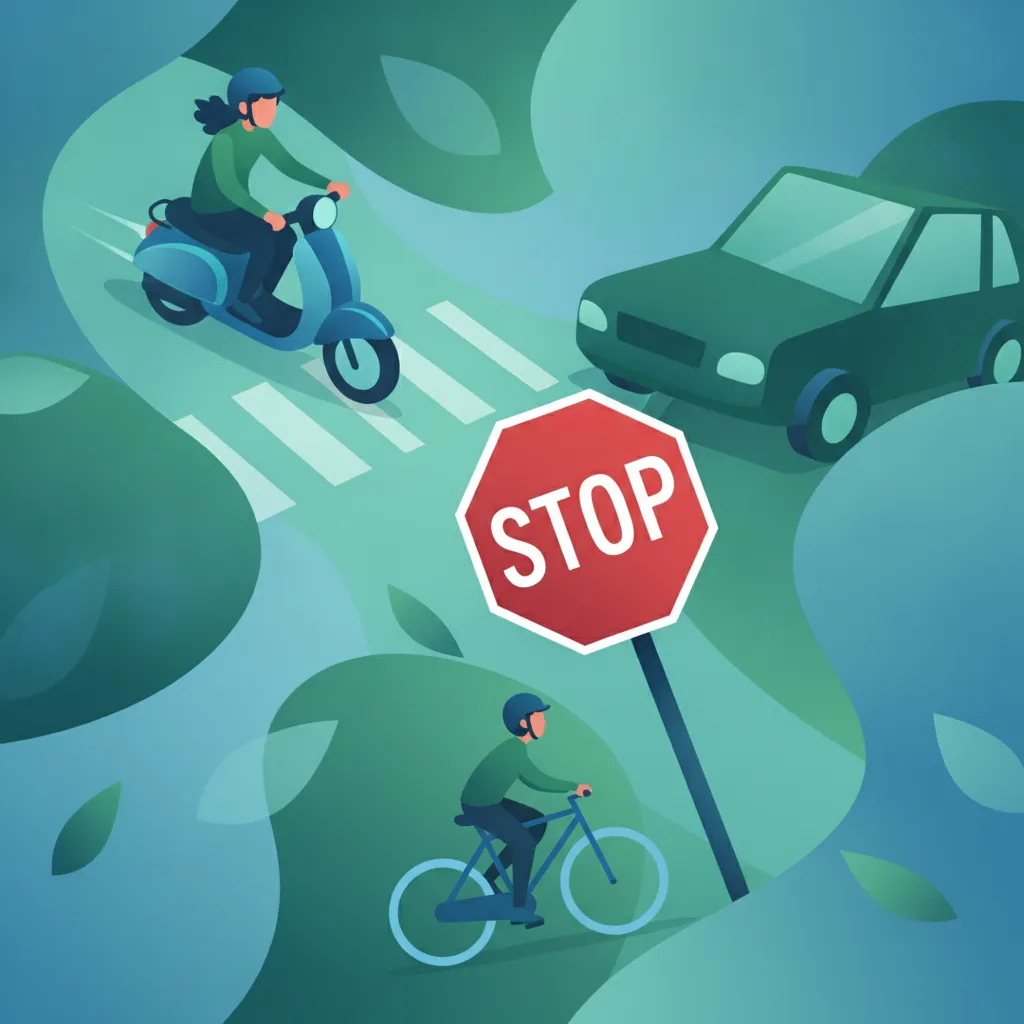
This lesson introduces the core principles of priority that govern traffic flow in Belgium, with a primary focus on the 'priority from the right' rule. It explains how to identify priority roads indicated by signs and how to act at uncontrolled intersections where the default rule applies. Understanding these rules is critical for AM riders to navigate junctions, intersections, and roundabouts safely and without conflict.
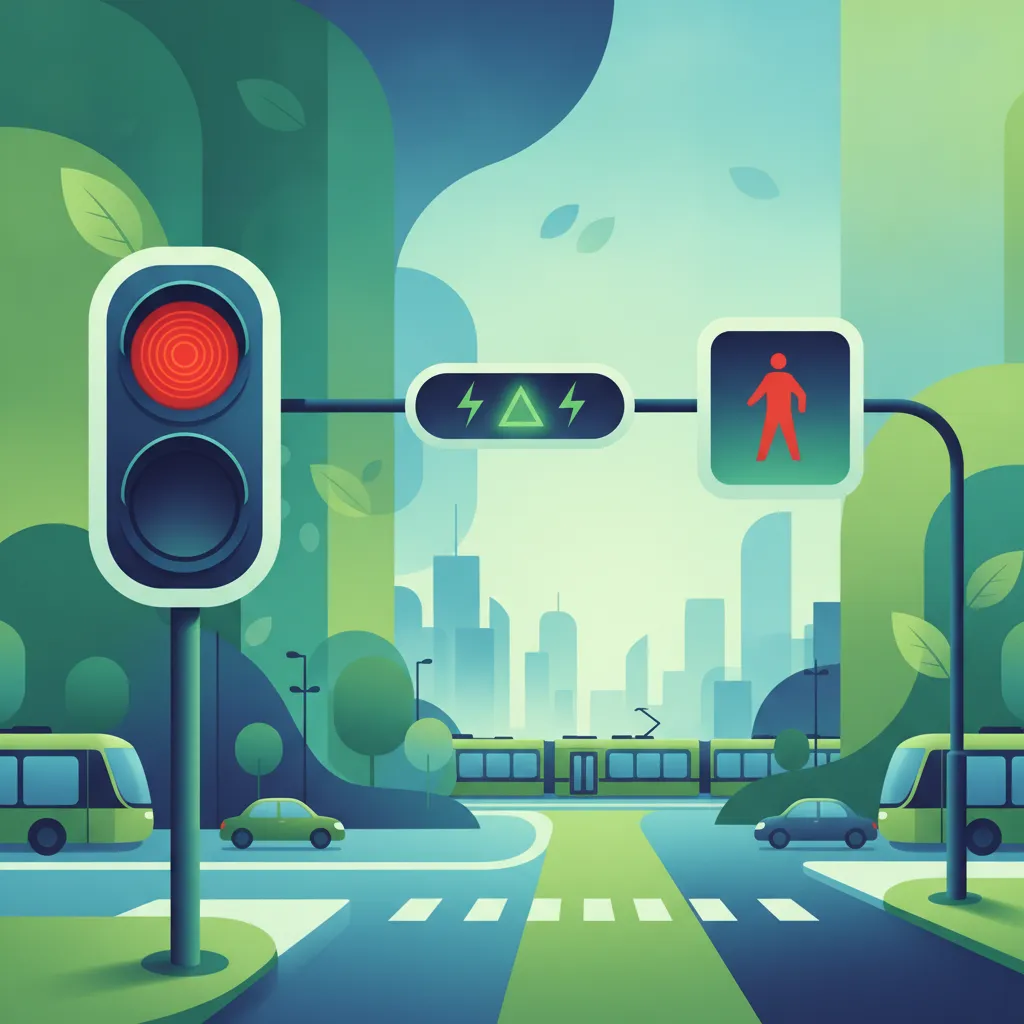
This lesson examines the operation of traffic light systems in Belgium, clarifying the meaning of red, amber, and green signals, including flashing lights and directional arrows. It details a motorcyclist's legal obligations when approaching and navigating signal-controlled intersections. The content also addresses specialized signals for pedestrians and trams that riders must recognize and respond to correctly.
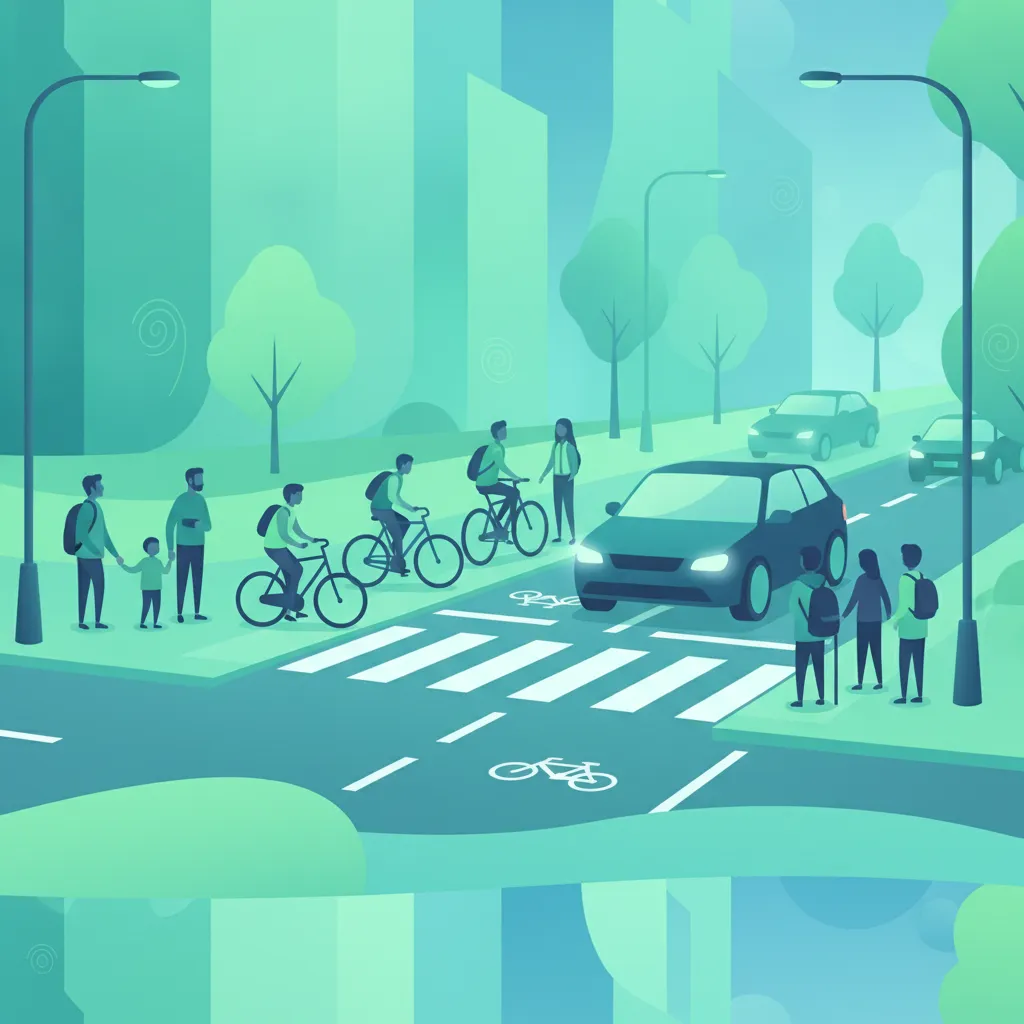
This lesson focuses on the heightened awareness required when approaching and traversing pedestrian and cyclist crossings. It clarifies the legal rules, including the absolute priority of pedestrians on zebra crossings, and the importance of reducing speed. Riders will learn how to anticipate the movements of these vulnerable road users and position their vehicle to ensure a safe interaction.
Learn about frequent errors Belgian motorcyclists make concerning rights and obligations, including misunderstanding priority rules, improper signaling, and unsafe overtaking. Understand how to avoid these mistakes to ensure safety and legal compliance.

This lesson provides a step-by-step guide to executing a safe overtaking maneuver in compliance with Belgian law. It covers the necessary pre-maneuver checks, proper signaling, and how to accurately judge the speed and distance of oncoming traffic. You will learn the correct procedure for passing a vehicle and safely returning to your original lane.
This lesson delves into the complex priority rules that govern Belgian roadways, with a strong focus on the default 'priority from the right' principle. It explains how to interpret priority signs, such as 'give way' and 'stop', and apply the correct right-of-way at various types of junctions. You will learn the hierarchy of road users and the specific rules for yielding in different traffic scenarios.
This lesson introduces the core principles of priority that govern traffic flow in Belgium, with a primary focus on the 'priority from the right' rule. It explains how to identify priority roads indicated by signs and how to act at uncontrolled intersections where the default rule applies. Understanding these rules is critical for AM riders to navigate junctions, intersections, and roundabouts safely and without conflict.
This lesson examines the operation of traffic light systems in Belgium, clarifying the meaning of red, amber, and green signals, including flashing lights and directional arrows. It details a motorcyclist's legal obligations when approaching and navigating signal-controlled intersections. The content also addresses specialized signals for pedestrians and trams that riders must recognize and respond to correctly.
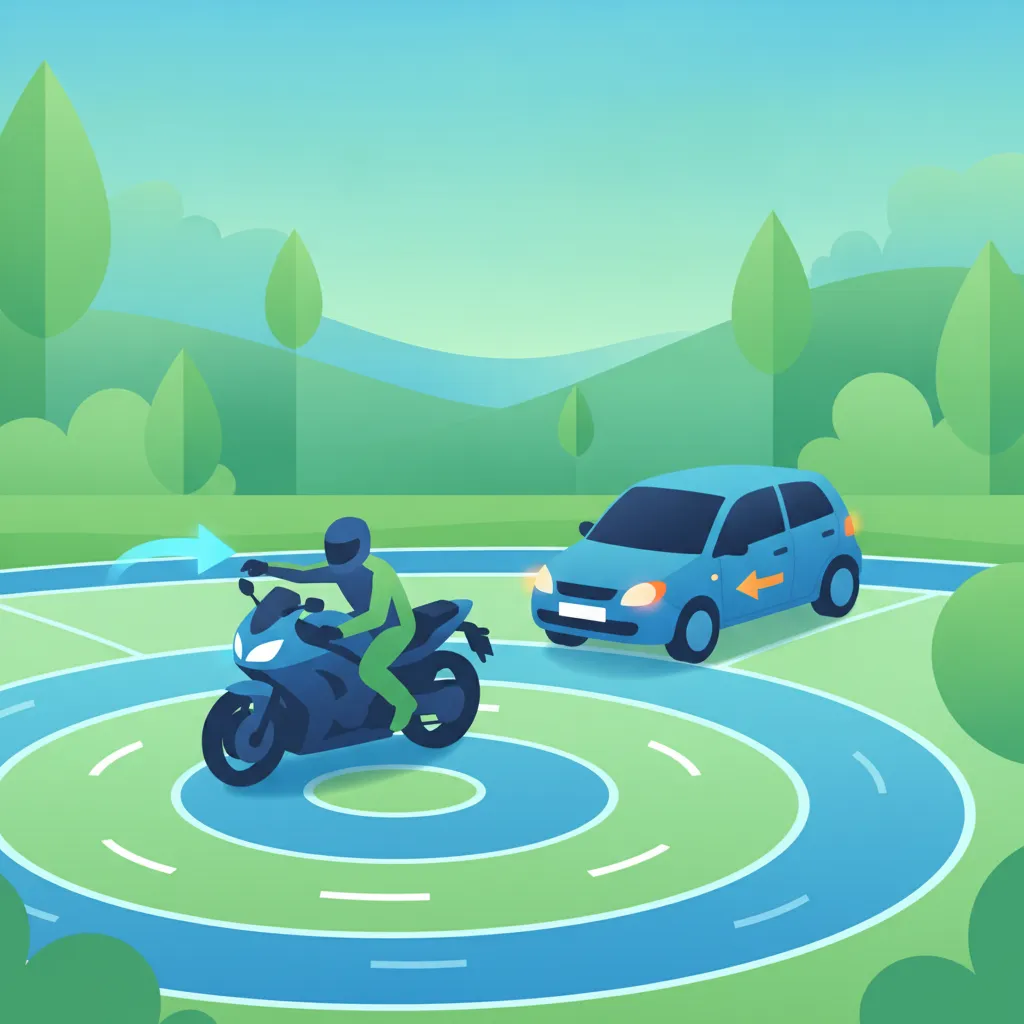
This lesson offers specific strategies for motorcyclists navigating roundabouts in Belgium. It covers the rules for entering the roundabout, including yielding to circulating traffic, and how to choose the correct lane for your intended exit. The content stresses the importance of clear signaling and maintaining awareness of other vehicles during entry and exit maneuvers.
This lesson details a motorcyclist's obligations when approaching various types of crossings, including marked pedestrian and bicycle lanes. It emphasizes the legal requirement to yield to vulnerable road users and the importance of thorough visual checks before proceeding. You will learn how to maintain a safe distance and anticipate the movements of pedestrians and cyclists in urban areas.
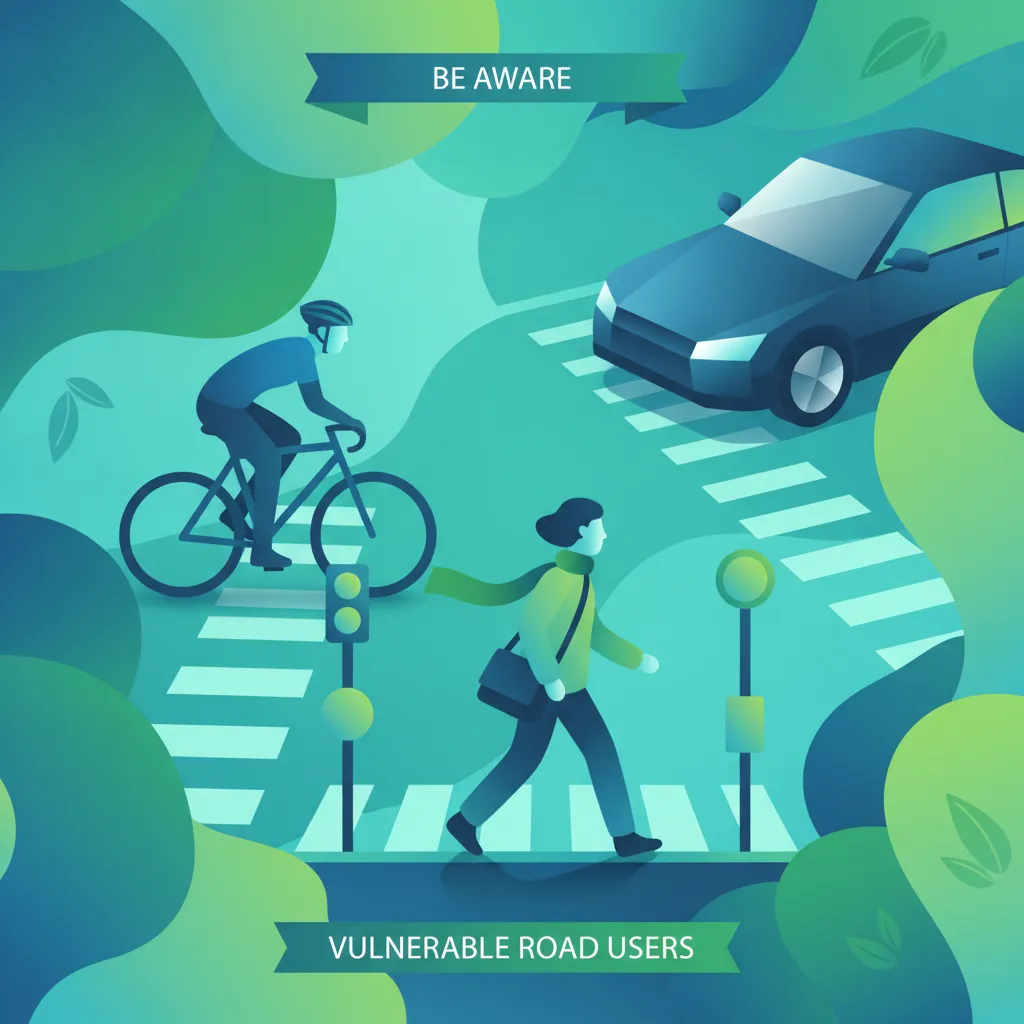
This lesson provides a systematic approach to navigating intersections, emphasizing the importance of observation, speed control, and correct positioning. It reinforces the application of priority-from-the-right and other right-of-way rules in real-world junction scenarios. You will learn effective visual scanning techniques to anticipate the actions of other road users and ensure a safe passage.
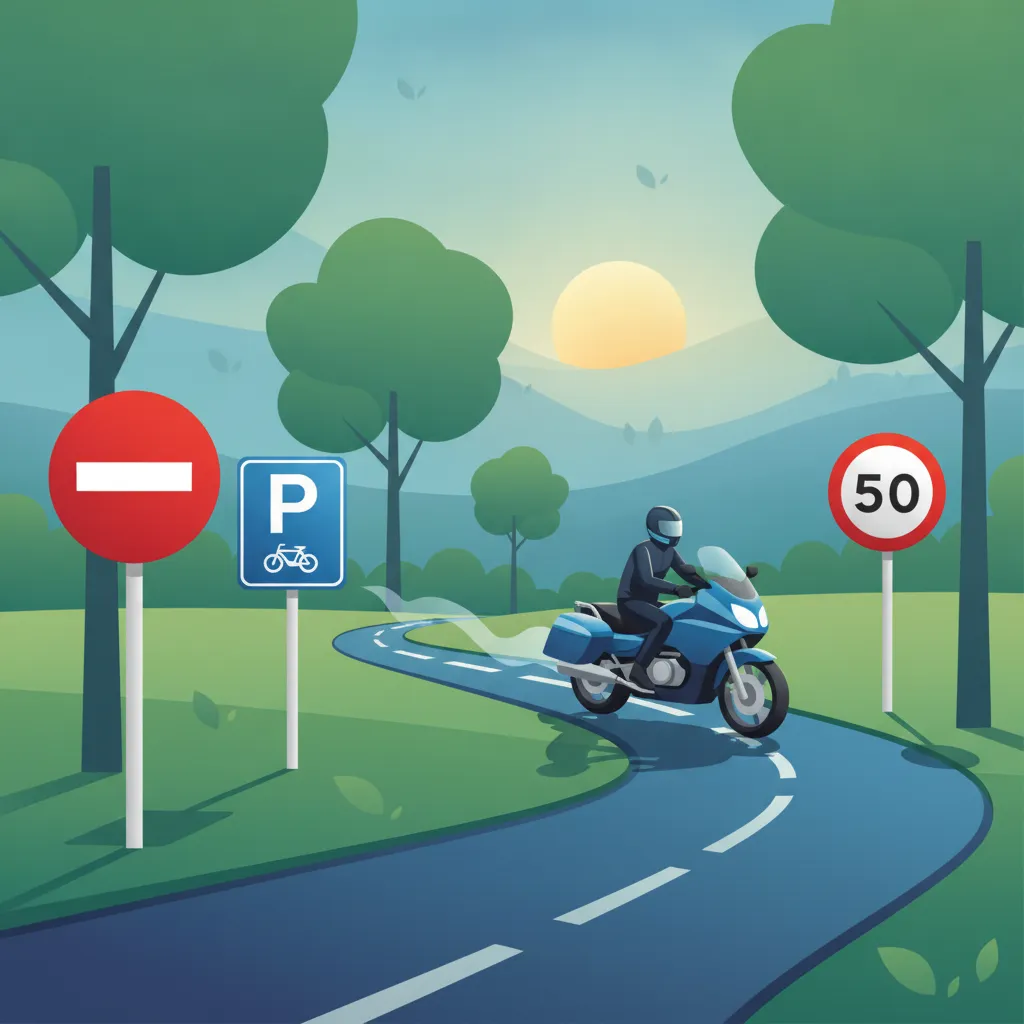
This lesson focuses on the correct identification and interpretation of regulatory and informative road signs that are particularly relevant to motorcyclists. It covers signs that dictate speed limits, prohibit overtaking, and indicate compulsory routes or turns. You will learn to recognize different sign categories based on their distinct shapes and colors as defined by Belgian traffic law.
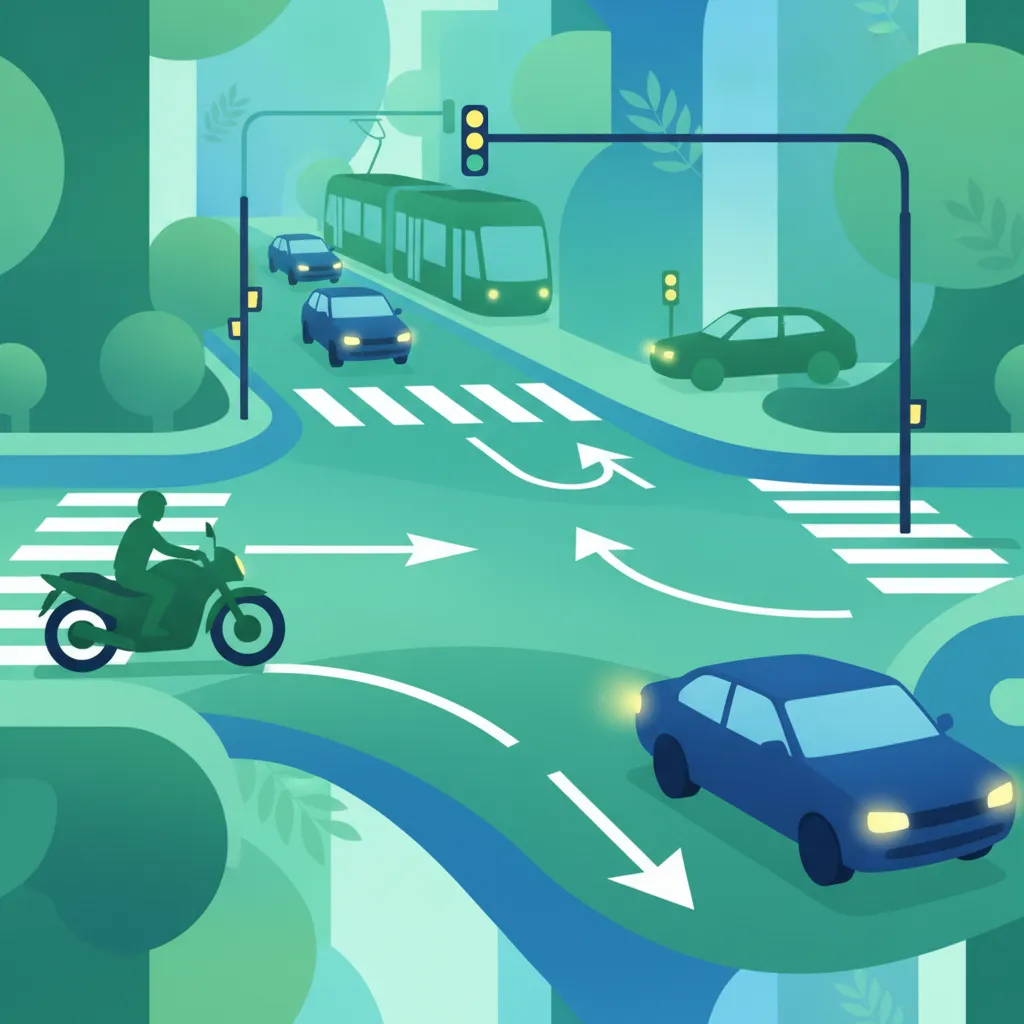
In this lesson, learners will examine the fundamental priority rules that dictate traffic flow at unmarked intersections. The lesson focuses on the principle of priority from the right, the hierarchy of traffic signs and signals, and situations requiring yielding or stopping. Understanding these principles is crucial for safe and lawful navigation of Belgian road networks.

Overtaking safely is a critical driving skill. This lesson explains where and how overtaking is permitted in Belgium, the importance of correct signaling, and maintaining a sufficient speed differential. Learners will understand the rules for passing on motorways and single-carriageway roads, and how to identify zones where overtaking is prohibited.
Find clear answers to common questions learners have about Rider Rights and Obligations on the Road. Learn how the lesson is structured, which driving theory objectives it supports, and how it fits into the overall learning path of units and curriculum progression in Belgium. These explanations help you understand key concepts, lesson flow, and exam focused study goals.
No, motorcyclists generally follow the same priority rules as car drivers under the Belgian traffic code. You must adhere to priority from the right unless signs, signals, or road markings indicate otherwise.
Filtering or lane splitting is a complex topic in Belgian law. While not explicitly prohibited under certain conditions, it must be done with extreme caution, respecting the rights of other road users and maintaining a safe speed, which is a common focus in theory exam scenarios.
Your primary obligation is safety. You must ensure you have enough space, correctly signal your intentions well in advance, and verify that the manoeuvre does not force other road users to take evasive action or brake unexpectedly.
Always approach junctions with the assumption that you must yield to traffic coming from your right unless you see clear signage or markings that grant you priority. Being prepared to stop is a core defensive riding obligation for your exam.
Ready to focus your Belgian driving theory revision? Utilize our powerful search tool to pinpoint exact topics, road signs, or difficulty levels. Engage with practice questions that directly address your learning needs and solidify your understanding of Belgian traffic laws for your upcoming exam.