
Traveling with children requires strict adherence to safety protocols set by the DGT. This guide explains when a child may legally occupy the front seat, the necessity of correct airbag configuration, and the importance of appropriate child restraint systems (SRI) to protect young passengers.
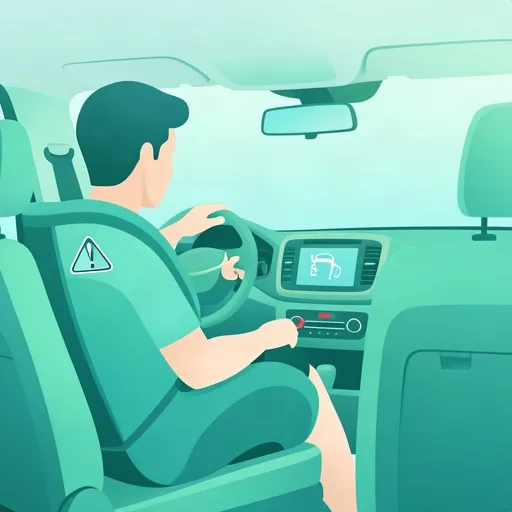
Article content overview
Ensuring the safety of minor passengers is a cornerstone of the Dirección General de Tráfico (DGT) regulations in Spain. While the general rule is that children must travel in the rear seats of a vehicle using an appropriate System of Child Restraint (SRI), there are specific circumstances where they may occupy the front passenger seat. Understanding these legal nuances is vital not only for passing your theory exam but for ensuring the absolute safety of children in real-world driving conditions.
Under Spanish traffic law, any minor who is 135 centimeters or shorter must use a homologated Child Restraint System (SRI) that is properly adapted to their height and weight. The DGT strongly recommends that this practice continues until the child reaches 150 centimeters, as this provides a superior level of protection. In vehicles with nine seats or fewer, the law dictates that these systems must be installed in the rear seats to maximize protection during a collision.
While rear-seat positioning is the standard, the DGT recognizes that certain vehicular constraints or situations require flexibility. A child may legally travel in the front passenger seat only when one of the following three conditions is met:
If you are asked about these conditions in your theory exam, remember that these are the only three valid exemptions. Situations like "the child wants to see the road better" or "the rear seat is dirty" do not constitute legal grounds for placing a child in the front.
When a child must legally occupy the front seat, the vehicle’s safety systems—specifically the front passenger airbag—must be managed with extreme caution. If the child is traveling in a rear-facing SRI, the front airbag must be manually deactivated. The rapid deployment of an airbag in the event of an accident can strike the back of a rear-facing seat with lethal force, causing severe injury to the child.
If the child is using a forward-facing seat or an elevated booster, it is recommended that you slide the passenger seat as far back as possible. This distance creates a buffer zone between the child and the dashboard, further reducing the risk of impact from a deploying airbag or dashboard debris.
Always verify your vehicle's manual before attempting to deactivate the passenger airbag. Some modern vehicles may require a specialized key or a visit to an authorized workshop to ensure the deactivation process is performed correctly and safely.
The landscape of automotive safety is evolving rapidly. By 2026, many new vehicle models are equipped with advanced sensors capable of detecting the presence of a child in a seat. These "anti-abandonment" systems are designed to alert the driver via a smartphone notification or an audible alarm if the engine is turned off while a child is still detected in a restraint system. Integrating these technologies with mandatory SRI usage represents the next step in reducing infant mortality in road accidents.
Spanish traffic law requires all children 135 cm or shorter to use a homologated Child Restraint System (SRI) in rear seats, with DGT recommending continued use until 150 cm. Front seat travel is permitted only under three narrow conditions: the vehicle lacks rear seats, all rear seats are occupied by other children in SRIs, or rear SRI installation is physically impossible. Critical safety procedures include mandatory airbag deactivation for rear-facing SRIs in the front and positioning the seat as far back as possible for forward-facing systems. Height, not age, is the legal determinant for SRI requirement, and emerging anti-abandonment technology in 2026 vehicles represents the next evolution in child passenger safety.
A short set of high-value points that capture the most important ideas from this article.
Children measuring 135 cm or shorter must use a homologated Child Restraint System (SRI) in rear seats by law, with DGT recommending continued use until 150 cm for optimal protection.
Front seat travel for children is permitted only under exactly three conditions: no rear seats exist, all rear seats are occupied by other children in SRIs, or SRI installation in rear is physically impossible.
When a rear-facing SRI is placed in the front passenger seat, the front airbag MUST be manually deactivated to prevent lethal injury from airbag deployment.
Forward-facing or booster seats in the front require sliding the passenger seat as far back as possible to maximize the buffer zone from the dashboard.
Anti-abandonment sensor systems are becoming standard in new 2026 vehicle models to alert drivers if a child remains in the seat after parking.
The 135 cm height threshold is the legal limit below which SRI use is mandatory; 150 cm is the DGT-recommended extended limit.
The three front seat exceptions are narrow and specific: no rear seats, rear seats occupied by other children in SRIs, or physical impossibility of rear installation.
Rear-facing SRI in front seat = airbag must be deactivated; forward-facing SRI in front seat = seat pushed back as far as possible.
Height, not age, is the legal criterion for determining when a child no longer requires an SRI in Spain.
ISOFIX is the international standard for child seat attachment points; Top Tether is the third anchor strap preventing seat tilt.
Assuming convenience reasons like a dirty rear seat or a child wanting to see the road legally permit front seat travel.
Forgetting to deactivate the front airbag when using a rear-facing child seat in the passenger seat.
Believing age alone determines when a child can sit in front without checking the 135 cm height requirement.
Placing a rear-facing SRI in the front without checking the vehicle manual for the correct airbag deactivation procedure.
Confusing the three specific legal exceptions with any situation where rear seating seems impractical.
Article content overview
A short set of high-value points that capture the most important ideas from this article.
Children measuring 135 cm or shorter must use a homologated Child Restraint System (SRI) in rear seats by law, with DGT recommending continued use until 150 cm for optimal protection.
Front seat travel for children is permitted only under exactly three conditions: no rear seats exist, all rear seats are occupied by other children in SRIs, or SRI installation in rear is physically impossible.
When a rear-facing SRI is placed in the front passenger seat, the front airbag MUST be manually deactivated to prevent lethal injury from airbag deployment.
Forward-facing or booster seats in the front require sliding the passenger seat as far back as possible to maximize the buffer zone from the dashboard.
Anti-abandonment sensor systems are becoming standard in new 2026 vehicle models to alert drivers if a child remains in the seat after parking.
The 135 cm height threshold is the legal limit below which SRI use is mandatory; 150 cm is the DGT-recommended extended limit.
The three front seat exceptions are narrow and specific: no rear seats, rear seats occupied by other children in SRIs, or physical impossibility of rear installation.
Rear-facing SRI in front seat = airbag must be deactivated; forward-facing SRI in front seat = seat pushed back as far as possible.
Height, not age, is the legal criterion for determining when a child no longer requires an SRI in Spain.
ISOFIX is the international standard for child seat attachment points; Top Tether is the third anchor strap preventing seat tilt.
Assuming convenience reasons like a dirty rear seat or a child wanting to see the road legally permit front seat travel.
Forgetting to deactivate the front airbag when using a rear-facing child seat in the passenger seat.
Believing age alone determines when a child can sit in front without checking the 135 cm height requirement.
Placing a rear-facing SRI in the front without checking the vehicle manual for the correct airbag deactivation procedure.
Confusing the three specific legal exceptions with any situation where rear seating seems impractical.
Explore related topics, search based questions, and concepts that learners often look up when studying Children in Front Seat Rules. These themes reflect real search intent and help you understand how this topic connects to wider driving theory knowledge in Spain.
Find clear and practical answers to common questions learners often have about Children in Front Seat Rules. This section helps explain difficult points, remove confusion, and reinforce the key driving theory concepts that matter for learners in Spain.
A child may sit in the front seat if the vehicle has no rear seats, if all rear seats are already occupied by other children using child restraint systems, or if it is physically impossible to install a child restraint system in any of the rear seats.
If the front passenger seat is occupied by a rear-facing child restraint system, the front passenger airbag must be deactivated; otherwise, the child is at extreme risk of injury from airbag deployment.
If a forward-facing child seat must be used in the front seat due to an exception, the seat should be moved as far back as possible to maximize the distance between the child and the dashboard or airbag.
Now that you have found specific articles, continue to deepen your understanding by exploring related DGT regulations or other driving theory topics. Strengthen your knowledge of road signs, traffic scenarios, and essential Spanish driving procedures to prepare for your official driving license exam.