
Welcome to the 'Documentation and Compliance' lesson for your Professional Bus and Coach Theory course. This module focuses on the essential paperwork required for operating passenger transport vehicles legally in Spain, ensuring you are fully compliant with DGT regulations and prepared for potential inspections.

Lesson content overview
Operating a bus or coach (Category D & D1) for passenger transport in Spain demands meticulous attention to a comprehensive array of legal documentation. This lesson provides a detailed guide to the essential documents, certificates, and records required for both the vehicle and the driver, ensuring compliance with Spanish transport legislation. Understanding these requirements is not merely a formality; it is fundamental for legal operation, ensuring passenger safety, facilitating smooth audits, and avoiding severe penalties that could impact your professional career and the operating company.
Proper documentation forms the legal backbone of professional passenger transport. It serves as verifiable proof that a vehicle is roadworthy, a driver is competent and fit, and the operation itself complies with stringent public transport regulations set by the DGT (Dirección General de Tráfico) and other relevant authorities in Spain. Failing to present valid documents can lead to immediate fines, vehicle immobilization, and even the revocation of operating licenses, severely disrupting service and jeopardizing safety.
The legal framework governing passenger transport relies on this documentation to establish a clear chain of responsibility from the vehicle owner to the operating company and the driver. This ensures accountability and traceability in case of incidents or regulatory checks.
Several fundamental principles underpin the requirement for comprehensive documentation in professional passenger transport:
Operating a bus or coach requires a specific set of documents for the vehicle itself, verifying its legal status and roadworthiness.
The Permiso de Circulación is the official vehicle registration document, equivalent to a road license. It assigns a unique license plate and registration number to the vehicle, recording vital information such as the vehicle's make, model, chassis number, maximum authorized mass (MMA), and passenger capacity (Capacidad Máxima de Pasajeros – CMP). This document is stored in the Spanish Central Vehicle Registry (Registro Central de Vehículos).
Seguro Obligatorio is a mandatory insurance policy that covers damages to third parties (individuals and property) caused by the vehicle. For passenger transport vehicles, this typically involves extended coverage to account for the higher risks and potential liabilities associated with carrying multiple passengers.
The ITV certificate is an official document confirming that the bus or coach has successfully passed its periodic technical inspection. This inspection evaluates the vehicle's safety, mechanical condition, and environmental compliance.
Beyond the vehicle, the professional bus or coach driver must carry specific personal documentation proving their legal right to drive, their health status, and their professional competence.
The Permiso de Conducir de Categoría D authorizes the holder to drive buses with more than eight passenger seats, in addition to the driver's seat. Category D1 authorizes driving minibuses with up to 16 passenger seats (plus the driver) and a maximum length of 8 meters.
The CAP is a mandatory certificate for drivers of public transport vehicles, confirming they have completed specific professional training and passed the required theoretical and practical exams. It demonstrates advanced knowledge in areas such as safety, emergency procedures, defensive driving, and legal responsibilities specific to passenger transport.
The tarjeta sanitaria (or more formally, the Certificado Médico de Aptitud Psicofísica para la Conducción) is an official medical certificate confirming that a driver meets the specific health requirements for operating a passenger transport vehicle. This ensures drivers are physically and psychologically fit to safely handle large vehicles and manage passenger safety, especially given the stresses of professional driving.
Beyond individual vehicle and driver documents, the daily operation of passenger transport services requires specific records and broader authorizations for the operating company.
The Libro de Registro del Conductor is an official record where professional drivers log their daily activities, including driving times, rest periods, other work, and periods of availability. In modern vehicles, this is largely replaced by data recorded by a tachograph, an electronic device that automatically monitors vehicle speed, distance, and driver activity.
The Autorización de Transporte Público is a permit issued by relevant regional authorities (e.g., the Comunidad Autónoma or local municipal transport authorities) that allows a company to operate passenger transport services. This is distinct from vehicle registration.
Adherence to Spanish and European regulations is non-negotiable for professional bus and coach drivers. Here are some critical rules:
Rule 1: Valid ITV Certificate: All Category D/D1 vehicles must carry a valid ITV certificate displaying the next inspection date. This is mandatory before each inspection expiry. It guarantees roadworthiness and passenger safety.
Rule 2: Valid Driving Licence and Health Card: Every driver operating a Category D/D1 vehicle must possess a valid driving licence and an up-to-date health card. This ensures driver competence and fitness.
Rule 3: Compulsory Third-Party Insurance: A Compulsory Third-Party Insurance policy must be active and its proof (e.g., insurance card) displayed in the vehicle at all times. This provides financial protection for third parties.
Rule 4: Driver Logbook / Tachograph Records: Professional drivers must maintain a driver logbook or electronic tachograph record for each journey, logging start/end times, mileage, passenger count, and rest periods. This is mandatory under EU Regulation 165/2014 to prevent driver fatigue and allow auditing.
Rule 5: Operational Authorization: Operating a public transport service requires an operational authorization (e.g., urban bus licence) issued by the relevant autonomous community authority. This ensures service quality and regulatory compliance.
Rule 6: Vehicle Registration Documents: All vehicle registration documents (Permiso de Circulación) must be carried in the vehicle and presented on demand. This serves as legal proof of ownership and compliance.
Always carry original documents or certified copies. Digital versions are increasingly accepted, but it's crucial to confirm local regulations regarding electronic proof.
Failure to comply with documentation requirements can lead to serious legal and operational issues for professional drivers and transport companies.
The importance and specific requirements of documentation can be influenced by various operational contexts:
Effective documentation management is a critical aspect of risk management in professional passenger transport. Each document contributes to a safer operating environment by formalizing verification steps and ensuring compliance.
Cause-and-Effect:
Concept Dependencies:
Ultimately, a diligent approach to documentation fosters a safety-first mindset among professional drivers. Studies consistently show a correlation between regularly inspected and well-maintained vehicles, backed by accurate records, and a lower incidence of accidents. For bus and coach drivers in Spain, mastering documentation and compliance is not just about passing an exam; it's about upholding the highest standards of safety and professionalism every single day.
This lesson covers the mandatory documentation required for legal operation of Category D and D1 passenger transport vehicles in Spain. Key documents include the Permiso de Circulación (vehicle registration), ITV certificate (technical inspection), Compulsory Third-Party Insurance (Seguro Obligatorio), and driver-specific documents such as the Category D/D1 license, professional competence certificate (CAP), and health card. The lesson emphasizes that professional bus and coach drivers must maintain accurate tachograph records, carry all documents while driving, and ensure operational authorization exists for public transport services. Non-compliance can result in fines, vehicle immobilization, license suspension, and potential criminal liability.
A short set of high-value points that capture the most important learning from this lesson.
A Category D or D1 vehicle requires six core documents: registration, ITV, insurance, driver's license, health card, and CAP certificate.
The ITV certificate for buses and coaches must be renewed more frequently than for private cars and displays its expiry date as a windshield sticker.
The CAP (Certificado de Aptitud Profesional) is a separate mandatory qualification beyond holding a Category D/D1 driving license.
Operational authorization (Autorización de Transporte Público) from regional authorities is required separately from vehicle registration.
Driver logbooks and tachograph records are mandatory under EU Regulation 165/2014 to prevent fatigue-related incidents.
Explore all units and lessons included in this driving theory course.
Temporary registration plates cannot permanently replace official ones; they are for short-term use only.
Compulsory third-party insurance (Seguro Obligatorio) requires a visible green card (tarjeta verde) in the vehicle at all times.
The maximum passenger capacity (CMP) is defined in the vehicle's registration document and overloading invalidates insurance.
A standard Category B car license does not extend to operating a fully-laden bus; Category D is required.
Health card renewals for professional drivers occur every five years for Category D/D1 license holders.
Assuming a Category D license alone is sufficient for professional driving, without obtaining the separate CAP certificate.
Believing an ITV inspection is permanent; the certificate expires after a set period and must be renewed before operation continues.
Treating the driver logbook or tachograph as optional paperwork; they are mandatory and missing or inaccurate records result in severe penalties.
Thinking that a general doctor's note can replace the official health card (tarjeta sanitaria) required for professional driving.
Operating a commercial passenger service believing vehicle registration alone suffices, without obtaining the required operational authorization from regional authorities.
Lesson content overview
A short set of high-value points that capture the most important learning from this lesson.
A Category D or D1 vehicle requires six core documents: registration, ITV, insurance, driver's license, health card, and CAP certificate.
The ITV certificate for buses and coaches must be renewed more frequently than for private cars and displays its expiry date as a windshield sticker.
The CAP (Certificado de Aptitud Profesional) is a separate mandatory qualification beyond holding a Category D/D1 driving license.
Operational authorization (Autorización de Transporte Público) from regional authorities is required separately from vehicle registration.
Driver logbooks and tachograph records are mandatory under EU Regulation 165/2014 to prevent fatigue-related incidents.
Explore all units and lessons included in this driving theory course.
Temporary registration plates cannot permanently replace official ones; they are for short-term use only.
Compulsory third-party insurance (Seguro Obligatorio) requires a visible green card (tarjeta verde) in the vehicle at all times.
The maximum passenger capacity (CMP) is defined in the vehicle's registration document and overloading invalidates insurance.
A standard Category B car license does not extend to operating a fully-laden bus; Category D is required.
Health card renewals for professional drivers occur every five years for Category D/D1 license holders.
Assuming a Category D license alone is sufficient for professional driving, without obtaining the separate CAP certificate.
Believing an ITV inspection is permanent; the certificate expires after a set period and must be renewed before operation continues.
Treating the driver logbook or tachograph as optional paperwork; they are mandatory and missing or inaccurate records result in severe penalties.
Thinking that a general doctor's note can replace the official health card (tarjeta sanitaria) required for professional driving.
Operating a commercial passenger service believing vehicle registration alone suffices, without obtaining the required operational authorization from regional authorities.
Explore search topics learners often look for when studying Documentation and Compliance. These topics reflect common questions about road rules, driving situations, safety guidance, and lesson level theory preparation for learners in Spain.
Browse additional driving theory lessons that cover connected traffic rules, road signs, and common driving situations related to this topic. Improve your understanding of how different rules interact across everyday traffic scenarios.
Understand the core Spanish legal framework and DGT regulations governing documentation for Category D and D1 bus and coach drivers. Essential for proving compliance and legal operation in Spain.
This lesson focuses on the legal duty of care that professional bus drivers owe to their passengers, emphasizing the obligation to ensure safe transport. It examines the specific traffic laws applicable to heavy vehicles and the consequences of violations, such as fines and license sanctions. The content also details the mandatory procedures for reporting incidents and the essential insurance coverage required by the DGT.
This lesson explains the fundamental DGT regulations that govern public transport services, including requirements for operational permits and route authorizations. It covers the mandatory schedules for vehicle inspections, standards for emissions, and the legal importance of adhering to timetables and service quality. Learners will also understand the nature of regulatory audits and compliance checks that operators must undergo.

This lesson examines the overarching legal framework that governs professional drivers in Spain, focusing on the Reglamento General de Circulación. It details the statutory obligations of a driver, such as maintaining mandatory insurance, ensuring vehicle roadworthiness, and carrying all required documentation. Learners will understand their legal responsibilities and the importance of compliance with DGT regulations to operate lawfully.
This lesson details the legal requirements for the use of seatbelts and child restraint systems in buses and coaches, as stipulated by DGT regulations. It specifies the age and size limits for various restraint devices and explains the verification checks drivers must perform. Learners will also review safety statistics that highlight the importance of correct usage and understand the legal penalties associated with non-compliance.

This lesson provides a detailed outline of the legal framework that governs driver duty hours in Spain, specifying the maximum continuous driving time and mandatory rest periods defined by the DGT. Learners will understand the limits on cumulative work hours, the necessity of meticulous record-keeping, and methods for monitoring compliance with these regulations. The module also discusses the penalties for violations and reinforces the safety imperative of adherence.

This lesson provides a detailed breakdown of the D and D1 license categories, defining the vehicle dimensions and passenger capacities for each. It explains the DGT's eligibility requirements, including minimum age, medical certification, and mandatory psychological assessments for professional drivers. Learners will understand the complete procedural path to obtaining a professional bus or coach license in Spain.
Learn about essential driver records like logbooks and tachographs, alongside required operational authorizations for running bus and coach services legally in Spain. Key for audits and smooth operations.
This lesson provides a detailed outline of the legal framework that governs driver duty hours in Spain, specifying the maximum continuous driving time and mandatory rest periods defined by the DGT. Learners will understand the limits on cumulative work hours, the necessity of meticulous record-keeping, and methods for monitoring compliance with these regulations. The module also discusses the penalties for violations and reinforces the safety imperative of adherence.
This lesson focuses on the legal duty of care that professional bus drivers owe to their passengers, emphasizing the obligation to ensure safe transport. It examines the specific traffic laws applicable to heavy vehicles and the consequences of violations, such as fines and license sanctions. The content also details the mandatory procedures for reporting incidents and the essential insurance coverage required by the DGT.
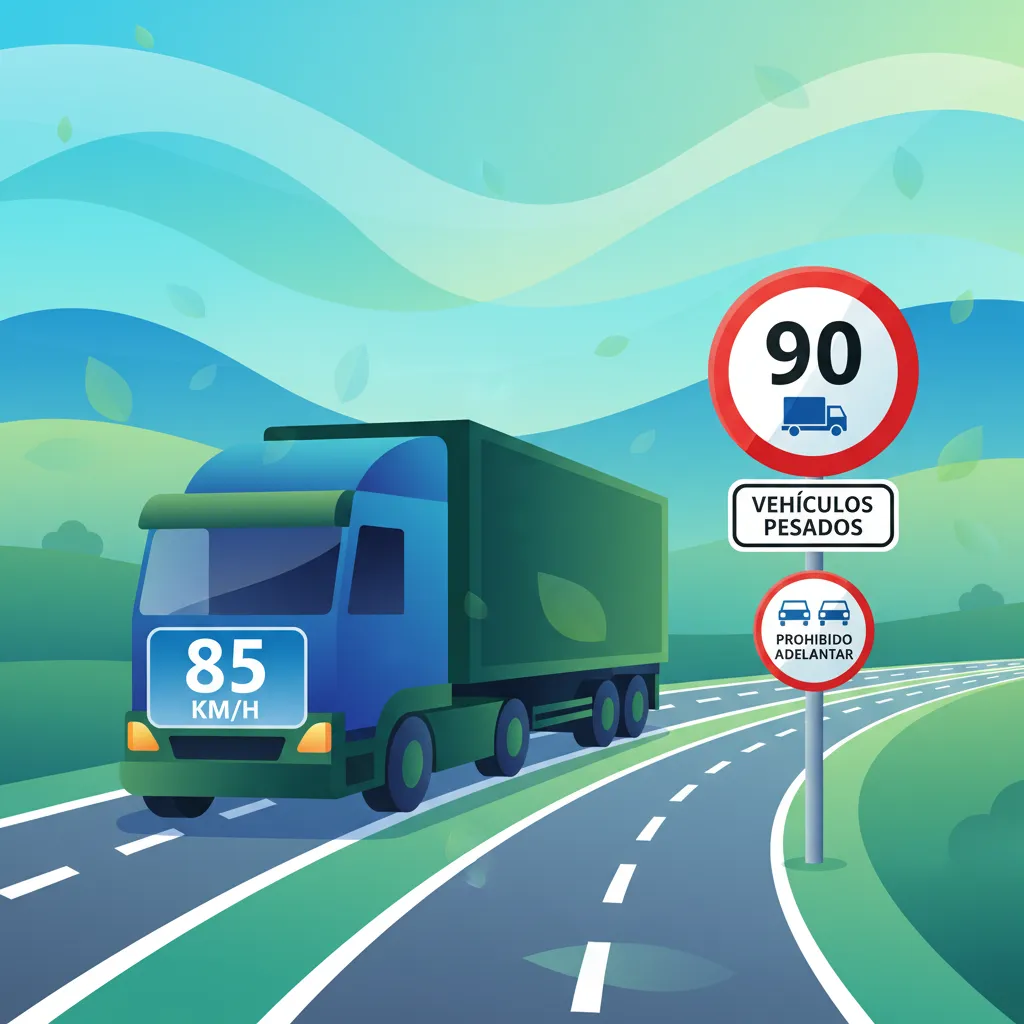
This lesson details the specific legal speed limits that apply to heavy passenger vehicles on Spanish highways, including variable speed zones that adjust based on traffic and weather conditions. Learners will understand the methods for speed monitoring, the function of speed control devices, and the legal consequences of non-compliance. The content also provides guidance on calculating a safe operating speed based on vehicle load and road conditions.
This lesson explains the fundamental DGT regulations that govern public transport services, including requirements for operational permits and route authorizations. It covers the mandatory schedules for vehicle inspections, standards for emissions, and the legal importance of adhering to timetables and service quality. Learners will also understand the nature of regulatory audits and compliance checks that operators must undergo.
This lesson provides a detailed breakdown of the D and D1 license categories, defining the vehicle dimensions and passenger capacities for each. It explains the DGT's eligibility requirements, including minimum age, medical certification, and mandatory psychological assessments for professional drivers. Learners will understand the complete procedural path to obtaining a professional bus or coach license in Spain.
This lesson details the legal requirements for the use of seatbelts and child restraint systems in buses and coaches, as stipulated by DGT regulations. It specifies the age and size limits for various restraint devices and explains the verification checks drivers must perform. Learners will also review safety statistics that highlight the importance of correct usage and understand the legal penalties associated with non-compliance.
Find clear answers to common questions learners have about Documentation and Compliance. Learn how the lesson is structured, which driving theory objectives it supports, and how it fits into the overall learning path of units and curriculum progression in Spain. These explanations help you understand key concepts, lesson flow, and exam focused study goals.
In Spain, professional bus drivers must always carry their valid driver's license (Category D or D1), the vehicle's registration document (permiso de circulación), the technical inspection certificate (ITV) that proves the vehicle has passed its mandatory safety checks, and proof of valid third-party liability insurance. Depending on the type of service, additional permits or documentation may also be required.
The frequency of the technical inspection (ITV) for buses and coaches in Spain depends on the vehicle's age. Newly registered vehicles have a grace period, after which inspections become more frequent. Generally, older vehicles require annual checks, while newer ones might have slightly longer intervals between inspections. Always check the official DGT guidelines or your vehicle's documentation for exact periods.
The driver's logbook, often a digital tachograph, is mandatory for professional drivers in Spain and the EU. Its primary purpose is to record driving times, rest periods, and any periods of work or availability. This ensures compliance with legal driving hour regulations, helps prevent driver fatigue, and is used for compliance checks by authorities.
Operating a passenger transport vehicle without the correct and valid documentation in Spain can lead to serious consequences. This can include hefty fines, temporary suspension of the vehicle's operation, and potential demerit points on the driver's license. In severe cases, it could even lead to the driver losing their professional license or facing charges related to operating an unsafe vehicle.
While the core documents like license, registration, ITV, and insurance are universal for all buses, specific operating permits or regional certifications might differ. For instance, coaches operating international routes will have different documentation needs than local city buses. However, the fundamental requirement to have all safety and legal documents in order remains the same for all categories.
Use our powerful search functionality to pinpoint specific Spanish DGT driving theory practice sets. Filter by road sign categories, traffic law topics, or question difficulty to build custom study sessions and reinforce your knowledge precisely where it matters for your official exam.