
Welcome to the unit on Motorcycle Controls & Mechanics! This lesson focuses on the essential, coordinated use of your throttle, clutch, and gear shifter, crucial for managing power delivery and achieving smooth riding. Mastering these controls is fundamental for safe urban manoeuvring and for passing your Spanish A, A1, or A2 licence theory exam.
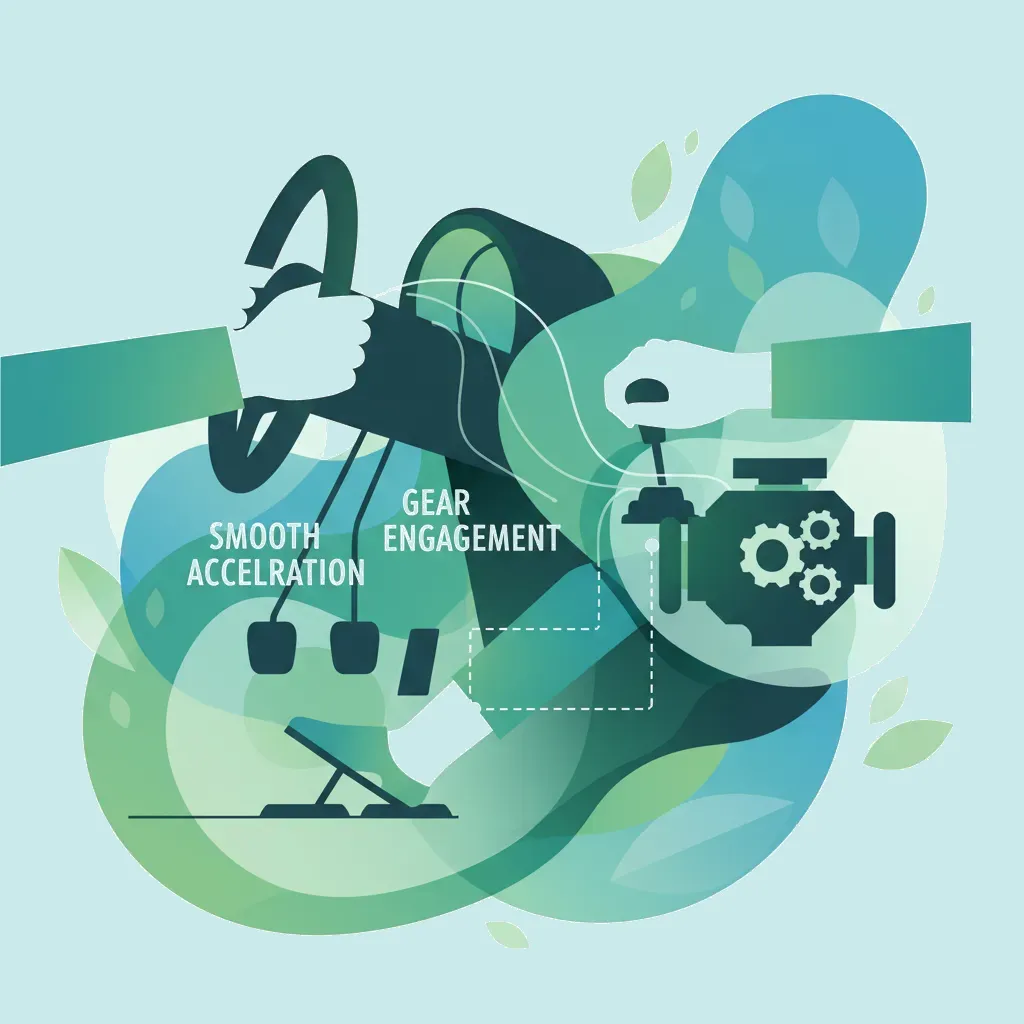
Lesson content overview
Operating a motorcycle safely and effectively relies on the synchronized control of three fundamental components: the throttle, the clutch, and the gear selector. These controls allow the rider to manage engine power, modulate speed, and adapt to varying road conditions. Mastery of their combined use is critical for smooth acceleration, controlled deceleration, fuel efficiency, and overall riding confidence, forming a cornerstone of the Spanish Motorcycle Theory Exam: A, A1, A2 Licence Prep Course.
This lesson will delve into the precise function of each control, explain their coordinated operation, and outline the best practices for seamless power delivery and effective engine braking. Understanding these principles is not just about passing an exam; it's about developing the intuitive feel required for safe and responsive motorcycle riding in any scenario.
The harmonious interaction between the throttle, clutch, and gear selector is paramount for the rider's safety and the motorcycle's longevity. Incorrect coordination can lead to abrupt and unpredictable vehicle behavior, such as engine stalling, loss of traction, or excessive wear on mechanical components. In critical situations, a lack of smooth control can endanger both the rider and other road users.
By learning to precisely synchronize these inputs, riders can execute smooth starts, accelerate confidently, slow down safely using engine braking, and navigate challenging terrain with greater stability. This coordination translates directly into enhanced control, reduced fatigue, and a more enjoyable riding experience. Ultimately, it ensures compliance with traffic regulations that require continuous control of the vehicle at all times.
The throttle is your primary interface for controlling the motorcycle's engine speed (RPM) and, consequently, its power output and acceleration. It is typically a twist-grip mechanism located on the right handlebar.
Twisting the throttle grip rotates a mechanism that opens or closes a valve within the engine's intake system, typically a butterfly valve in carbureted systems or a throttle body in fuel-injected engines. This action regulates the amount of air-fuel mixture that enters the combustion chambers. More air-fuel mixture means more combustion, leading to higher engine RPM and greater power. Conversely, closing the throttle reduces the air-fuel supply, causing the engine speed to decrease.
Motorcycles primarily use a range of throttle positions:
Abrupt or jerky throttle inputs can upset the motorcycle's balance and potentially lead to a loss of traction, particularly on slippery surfaces or in corners. Smooth and progressive throttle application is crucial for maintaining stability and control. When accelerating, gradually roll on the throttle rather than snapping it open. When decelerating, gently roll off the throttle. This smooth modulation prevents sudden weight transfers, making the ride more comfortable and safer for both the rider and any passengers.
The clutch is a critical mechanical device that allows you to temporarily disconnect the engine from the transmission (gearbox) and, by extension, the rear wheel. This disconnection is essential for changing gears without damaging the transmission and for bringing the motorcycle to a stop without stalling the engine.
On most motorcycles, the clutch is operated by a lever on the left handlebar. When the lever is pulled fully towards the grip, the clutch plates separate, disengaging the engine from the transmission. This means the engine can run freely, regardless of which gear is selected, and no power is transferred to the rear wheel. When the lever is released, the clutch plates come together, gradually or fully engaging the engine with the transmission, thereby transferring power to the rear wheel.
The "bite point" (also known as the friction point or engagement point) is the specific position of the clutch lever where the clutch plates begin to make contact and transfer power to the rear wheel. Identifying and understanding your motorcycle's bite point is fundamental for smooth starts and gear changes. It's often found relatively close to the grip when releasing the lever. Practicing finding this point with the engine running at idle in first gear will help you develop the necessary muscle memory.
When starting from a standstill, you pull the clutch in fully, select first gear, and then slowly release the clutch lever while simultaneously adding a small amount of throttle. As you feel the clutch plates begin to engage at the bite point, the motorcycle will start to move forward. Continue to smoothly release the clutch fully as you increase throttle.
For changing gears while moving (upshifting or downshifting), the clutch lever must be pulled in fully and swiftly to disengage the engine from the transmission. This allows the gear selector to move freely between gears without grinding. Once the new gear is selected, the clutch is then smoothly released in coordination with throttle adjustments.
"Clutch riding," or holding the clutch lever partially engaged while riding, is a common but detrimental habit, especially in slow-moving traffic. While it might feel like it provides smoother control at very low speeds, it causes unnecessary friction and wear on the clutch plates. This premature wear can lead to costly repairs and reduced performance. Instead, fully engage or disengage the clutch. For slow speeds, use first gear with minimal throttle, or briefly disengage the clutch, roll a short distance, and re-engage if necessary, rather than continuously slipping the clutch.
Riding the clutch (maintaining partial engagement) causes excessive heat and wear on the clutch plates, leading to premature failure. Always aim for full engagement or full disengagement.
The gear selector, or gearshift lever, is typically located on the left side of the motorcycle, operated by the rider's left foot. Its purpose is to change the gear ratio between the engine and the rear wheel, allowing the motorcycle to operate efficiently across a wide range of speeds and loads.
Most motorcycles follow a standard "one down, four or five up" gear pattern:
Upshifting involves moving to a higher gear (e.g., from 2nd to 3rd). This is done as the motorcycle gains speed and the engine RPMs increase. Upshifting allows the engine to operate at a lower RPM for a given road speed, leading to better fuel efficiency, reduced engine wear, and a smoother, quieter ride. The general procedure for upshifting is:
Accelerate in the current gear until the engine reaches the appropriate RPM range (typically 3,000-5,000 RPM for most motorcycles).
Briefly roll off the throttle.
Pull in the clutch lever swiftly and fully.
Lift the gear selector lever firmly to engage the next higher gear.
Smoothly release the clutch lever while simultaneously rolling on the throttle.
Downshifting involves moving to a lower gear (e.g., from 5th to 4th). This is performed when you need more torque (e.g., climbing a hill), when slowing down, or to prepare for acceleration. Downshifting is also crucial for utilizing engine braking, which helps slow the motorcycle without relying solely on the friction brakes. The technique for downshifting is more complex and often involves "rev-matching."
Neutral (N) is a specific gear position where the engine remains running, but no power is transmitted to the rear wheel, allowing it to spin freely.
Never ride a motorcycle in neutral while moving. This practice severely compromises your control over the vehicle and eliminates engine braking, increasing the risk of an accident.
The true art of riding a motorcycle lies in the seamless synchronization of the throttle, clutch, and gear selector. This coordination ensures smooth power delivery, efficient speed changes, and stable handling.
Smooth acceleration begins with a controlled start. From a standstill, with the bike in first gear, the rider must gradually release the clutch lever while simultaneously applying gentle throttle. As the clutch reaches its bite point and the motorcycle begins to move, the throttle is progressively increased while the clutch is fully released. This prevents sudden jerks or stalling and maintains traction. After starting, upshifts should follow a similar pattern of coordinated throttle reduction, clutch pull, gear change, clutch release, and throttle reapplication.
Downshifting smoothly, especially during deceleration, requires a technique called "rev-matching" (also known as a "throttle blip").
Begin to roll off the throttle, initiating deceleration.
Pull in the clutch lever fully.
Briefly and sharply "blip" the throttle (open and close it quickly) to momentarily increase engine RPM.
Simultaneously select the lower gear with the gear selector. The throttle blip helps match the higher engine RPM required for the lower gear, preventing a sudden lurch.
Smoothly release the clutch lever. If the RPMs were matched correctly, the engagement will be seamless.
Rev-matching is essential for preventing the rear wheel from locking up or skipping due to sudden engine braking, particularly on slippery surfaces or when entering a corner. It also reduces wear on the transmission.
Engine braking is the resistance created by the engine when the throttle is closed while in gear. Instead of relying solely on the friction brakes, engine braking uses the engine's internal resistance to slow the motorcycle. This technique is especially useful for:
To engage engine braking, simply close the throttle while remaining in gear. For more significant deceleration, progressively downshift through the gears, using rev-matching to ensure smooth transitions.
Knowing when to shift gears is often indicated by the engine's RPM (Revolutions Per Minute), displayed on the tachometer. While specific RPMs vary between motorcycle models, general guidelines apply:
Adhering to established rules and best practices ensures not only the longevity of your motorcycle but, more importantly, your safety and compliance with traffic laws in Spain and elsewhere.
According to traffic regulations, a rider must always maintain continuous control over their vehicle's speed and direction. This encompasses the appropriate use of throttle, clutch, and gear inputs. Correct gear selection allows the rider to react effectively to traffic changes, emergency situations, and varying road conditions. For instance, being in an appropriate gear provides immediate power for evasive maneuvers or acceleration to match traffic flow.
It is strictly prohibited to ride a motorcycle with the gear selector in neutral while the vehicle is in motion. This practice, sometimes mistakenly believed to save fuel, eliminates engine braking entirely. Without engine braking, the motorcycle relies solely on its friction brakes for deceleration, which can lead to overheating (brake fade), especially on long descents, and reduces the rider's overall control and stability. Always keep the motorcycle in gear when moving.
The engine redline, marked on your tachometer, signifies the maximum safe RPM for your motorcycle's engine. Exceeding this limit can cause severe internal damage, such as bent valves, damaged pistons, or bearing failure. Always upshift before your engine reaches its redline. This is a crucial aspect of responsible vehicle operation and can be subject to regulatory oversight under general vehicle safety regulations.
Your gear selection should always be dynamic, adapting to various riding contexts:
Novice and even experienced riders can sometimes develop habits that compromise safety, motorcycle longevity, or both. Being aware of these common pitfalls can help you refine your riding technique.
Effective throttle, clutch, and gear operation extends beyond basic mechanics; it involves adapting your technique to dynamic external factors.
The weight carried by your motorcycle significantly impacts its performance and how you should manage the controls:
These conditional adjustments highlight the importance of developing a feel for your motorcycle and adapting your riding style to the situation at hand.
Mastering the synchronized operation of the throttle, clutch, and gear selector is not merely a technical skill but a fundamental aspect of safe and proficient motorcycle riding. This coordination allows you to control power delivery, modulate speed, and maintain stability in a wide array of riding conditions.
By internalizing the principles discussed—understanding each control's function, practicing smooth transitions, utilizing rev-matching for downshifts, and employing engine braking effectively—you develop the intuitive feel necessary for responsive and controlled riding. Always remember to respect the engine's limits, avoid riding in neutral while moving, and adapt your control inputs to external factors like weather, road type, and vehicle load. These skills are interconnected with broader riding techniques, such as braking, cornering, and hazard perception, forming the foundation for comprehensive motorcycle safety on the road.
This lesson covers the synchronized operation of motorcycle throttle, clutch, and gear selector essential for the Spanish A, A1, and A2 licence theory exam. The throttle controls engine power via a twist-grip that regulates air-fuel mixture, while the clutch enables temporary disconnection of the engine from the transmission for smooth gear changes. Proper coordination involves finding the clutch bite point, upshifting within 3,000-5,000 RPM, and using rev-matching when downshifting to prevent wheel lock-up. Engine braking supplements friction brakes on descents, and riders must never ride in neutral while moving as it eliminates critical control and engine braking capability. The lesson also covers adapting control techniques to weather conditions, road surfaces, and vehicle load.
A short set of high-value points that capture the most important learning from this lesson.
Smooth, progressive throttle application maintains traction and stability; abrupt inputs risk losing control, especially on slippery surfaces.
The clutch bite point is where power transfer begins; mastering its feel is essential for smooth starts and seamless gear changes.
Engine braking uses the engine's natural resistance to slow the motorcycle while keeping the drivetrain engaged for better stability.
The standard motorcycle gear pattern is 'one down, four or five up' with neutral located between first and second gear.
Rev-matching (blipping the throttle) during downshifts matches engine RPM to road speed, preventing rear wheel lock-up and ensuring smooth deceleration.
Explore all units and lessons included in this driving theory course.
Upshift between 3,000-5,000 RPM for optimal balance of power and fuel efficiency; downshift before the engine lugs, around 1,500-2,500 RPM.
Never ride in neutral while moving in Spain; this eliminates engine braking, strains brakes on descents, and critically reduces your ability to control the motorcycle.
The clutch bite point is found close to the grip when releasing the lever; practice identifying it at idle with first gear selected.
Briefly roll off the throttle before pulling the clutch for any gear change; full throttle during shifts stresses the gearbox and causes harsh transitions.
Complete all downshifts before entering a curve; downshifting mid-corner can cause sudden engine braking that destabilizes the bike.
Riding in neutral downhill eliminates engine braking, putting excessive strain on friction brakes and risking brake fade.
Clutch riding (maintaining partial lever engagement while moving) causes rapid wear on clutch plates, leading to costly premature failure.
Downshifting too early in a curve creates sudden engine braking that can destabilize the motorcycle, especially on wet surfaces.
Neglecting to rev-match on downshifts results in abrupt deceleration, rear wheel hop, and accelerated transmission wear.
Starting from a standstill in higher gears (2nd or 3rd) causes the engine to stall or lug heavily due to insufficient torque.
Lesson content overview
A short set of high-value points that capture the most important learning from this lesson.
Smooth, progressive throttle application maintains traction and stability; abrupt inputs risk losing control, especially on slippery surfaces.
The clutch bite point is where power transfer begins; mastering its feel is essential for smooth starts and seamless gear changes.
Engine braking uses the engine's natural resistance to slow the motorcycle while keeping the drivetrain engaged for better stability.
The standard motorcycle gear pattern is 'one down, four or five up' with neutral located between first and second gear.
Rev-matching (blipping the throttle) during downshifts matches engine RPM to road speed, preventing rear wheel lock-up and ensuring smooth deceleration.
Explore all units and lessons included in this driving theory course.
Upshift between 3,000-5,000 RPM for optimal balance of power and fuel efficiency; downshift before the engine lugs, around 1,500-2,500 RPM.
Never ride in neutral while moving in Spain; this eliminates engine braking, strains brakes on descents, and critically reduces your ability to control the motorcycle.
The clutch bite point is found close to the grip when releasing the lever; practice identifying it at idle with first gear selected.
Briefly roll off the throttle before pulling the clutch for any gear change; full throttle during shifts stresses the gearbox and causes harsh transitions.
Complete all downshifts before entering a curve; downshifting mid-corner can cause sudden engine braking that destabilizes the bike.
Riding in neutral downhill eliminates engine braking, putting excessive strain on friction brakes and risking brake fade.
Clutch riding (maintaining partial lever engagement while moving) causes rapid wear on clutch plates, leading to costly premature failure.
Downshifting too early in a curve creates sudden engine braking that can destabilize the motorcycle, especially on wet surfaces.
Neglecting to rev-match on downshifts results in abrupt deceleration, rear wheel hop, and accelerated transmission wear.
Starting from a standstill in higher gears (2nd or 3rd) causes the engine to stall or lug heavily due to insufficient torque.
Explore search topics learners often look for when studying Throttle, Clutch, and Gear Operation. These topics reflect common questions about road rules, driving situations, safety guidance, and lesson level theory preparation for learners in Spain.
Browse additional driving theory lessons that cover connected traffic rules, road signs, and common driving situations related to this topic. Improve your understanding of how different rules interact across everyday traffic scenarios.
Explore advanced techniques for coordinating throttle, clutch, and gears. Learn smooth power modulation, effective downshifting with rev-matching, and engine braking for optimal control in Spanish driving theory.
This lesson explains the concept of engine braking and how down-shifting can be used to control vehicle speed without relying solely on the foot brake. It describes the appropriate RPM range for down-shifts and the benefits of engine braking on downhill sections. Learners will understand how to select the correct gear to assist the vehicle's deceleration process, enhancing safety.

This lesson explores the mechanics of clutch operation and fundamental gear shifting techniques for manual transmissions. It describes the function of the clutch pedal, identifying the engagement point, and how to facilitate smooth gear changes. The content explains the gear lever pattern and the process of up-shifting and down-shifting while maintaining engine speed.

This lesson breaks down the structure of the DGT theoretical exam for motorcycles, describing the number of multiple-choice questions and the required passing score. It provides study strategies such as revision schedules and the use of official question banks to improve recall. Learners are also advised on managing time allocation per question to align with DGT’s scoring algorithm.

This lesson presents advanced cornering scenarios common on Spanish roads, such as mountain hairpins and high-speed autovía exits. It outlines specific techniques for descent control, ascent maneuvers, and safely merging into traffic after cornering. Interaction with cyclists and emergency cornering strategies are also covered in accordance with DGT regulations.

This lesson introduces anticipation techniques that improve a rider’s ability to predict potential hazards before they manifest. It covers scanning ahead, evaluating traffic patterns, and applying DGT risk assessment criteria. Emphasis is placed on developing a defensive riding mindset and maintaining safety margins to reduce accident likelihood.

This lesson focuses on counter-steering at higher speeds, highlighting how pre-steer torque initiates a lean. It outlines the rider input timing required for effective torque steer and discusses how speed affects the front-wheel angle necessary for stable cornering. The content includes dynamic lean initiation techniques and DGT guidelines for fast turns.

This lesson outlines procedures for handling emergency situations and accidents. It covers emergency braking techniques, hazard avoidance strategies, and the DGT emergency protocol for accident reporting. Emphasis is placed on rider protective actions, post-crash first aid, roadside safety, and legal obligations after an incident.

This lesson details the protocol for performing an emergency stop, emphasizing full-force application of both front and rear brakes while maintaining optimal rider posture. It covers the importance of visual fixation and the role of ABS in stabilizing the bike under panic conditions. Learners also study the calculation of stopping distances based on speed and road conditions.

This lesson explores the specifications of DGT-approved protective clothing, focusing on abrasion-resistant jackets and CE-rated armor for limbs. It covers the importance of gloves and boots with protective padding and the role of reflective strips for visibility. Attention is given to material choices that balance durability, breathability, and weather protection.
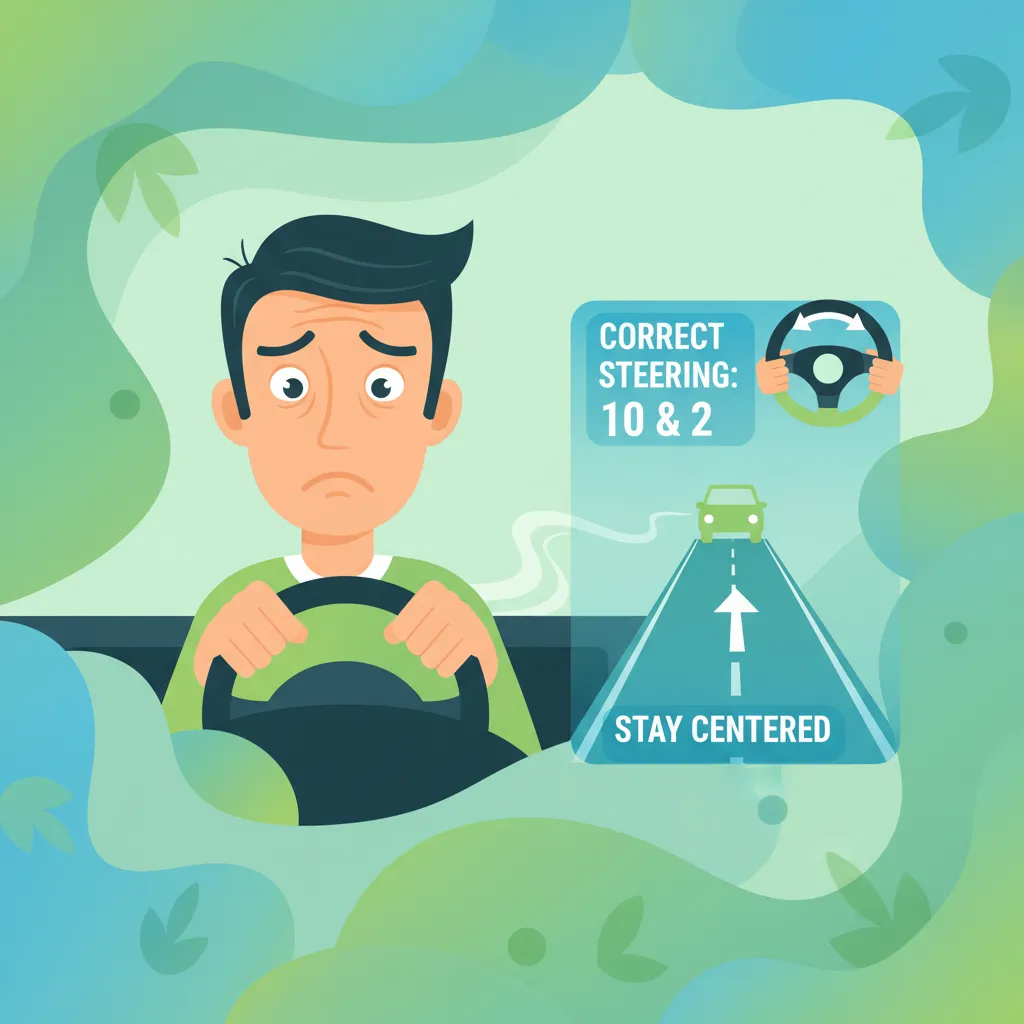
This lesson identifies frequent beginner errors such as over-application of throttle, misuse of the clutch, and improper braking timing. It analyzes the underlying causes of these mistakes and offers corrective techniques to develop safe riding habits. By referencing DGT exam examples, learners gain insight into how to avoid these common pitfalls.
Identify and correct common errors in throttle, clutch, and gear operation. This lesson covers avoiding clutch riding, improper downshifting, and neutral use for safer motorcycle control according to Spanish DGT theory.
This lesson identifies frequent beginner errors such as over-application of throttle, misuse of the clutch, and improper braking timing. It analyzes the underlying causes of these mistakes and offers corrective techniques to develop safe riding habits. By referencing DGT exam examples, learners gain insight into how to avoid these common pitfalls.
This lesson explores the mechanics of clutch operation and fundamental gear shifting techniques for manual transmissions. It describes the function of the clutch pedal, identifying the engagement point, and how to facilitate smooth gear changes. The content explains the gear lever pattern and the process of up-shifting and down-shifting while maintaining engine speed.
This lesson outlines procedures for handling emergency situations and accidents. It covers emergency braking techniques, hazard avoidance strategies, and the DGT emergency protocol for accident reporting. Emphasis is placed on rider protective actions, post-crash first aid, roadside safety, and legal obligations after an incident.
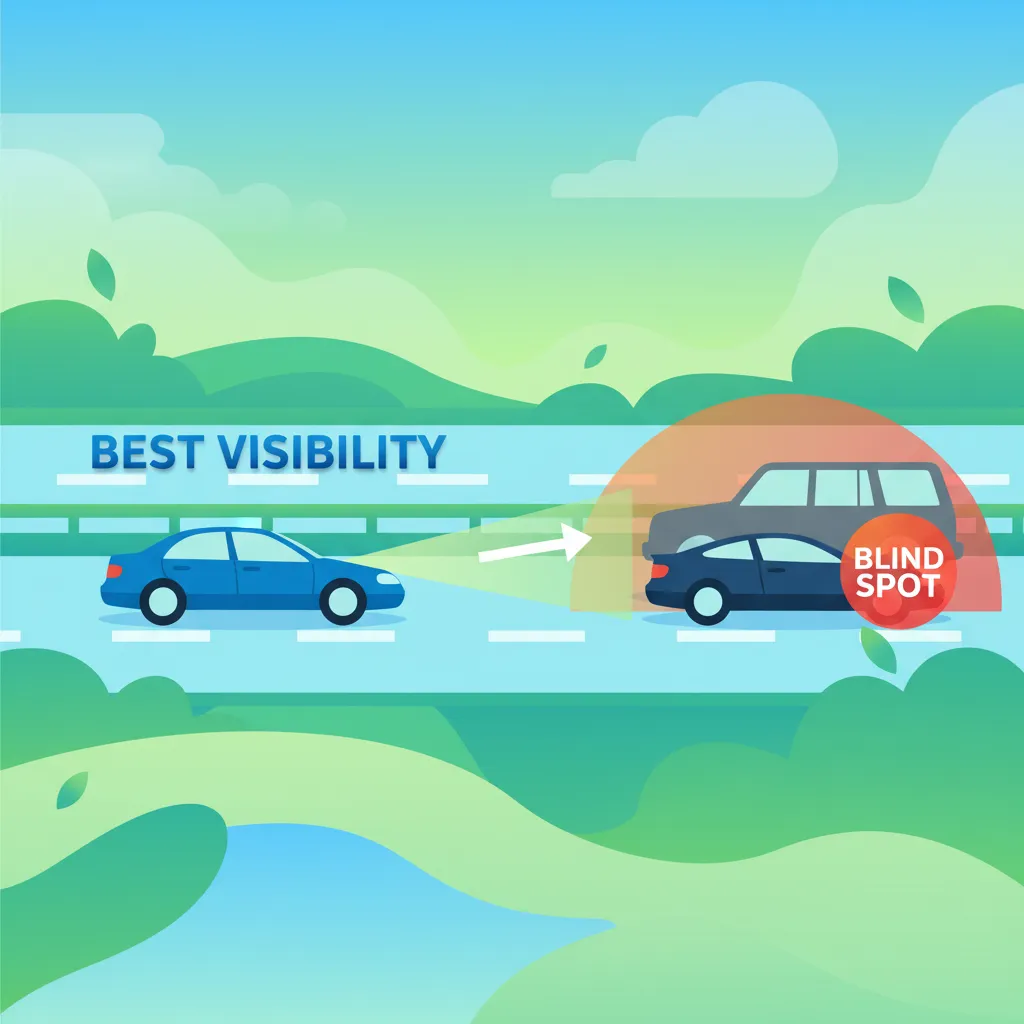
This lesson explores proper lane positioning, emphasizing strategic selection of traffic lanes for optimal visibility. It explains the importance of rider line of sight and peripheral vision in maintaining situational awareness. The content also covers legal aspects of lane splitting and correct usage of road shoulders, abiding by DGT regulations.
This lesson introduces essential mechanical checks to ensure motorcycle reliability and safety. Topics include monitoring engine oil and coolant levels, chain lubrication procedures, and tire pressure verification. By establishing a routine maintenance schedule, riders can proactively address issues and comply with DGT guidelines.

This lesson focuses on identifying blind spot zones created by larger vehicles and the rider’s own positioning. It covers effective mirror usage, lateral awareness techniques, and the importance of head checks before lane changes. DGT blind spot guidelines are referenced, emphasizing situational scanning to maintain safety in traffic.

This lesson details overtaking rules specific to motorcyclists, covering safe zones, required visibility distance, and assessment of oncoming traffic. It emphasizes the importance of speed matching and correct timing of lane changes. The module references DGT regulations, including conditions for passing on the left or right in various environments.

This lesson focuses on defensive maneuvers in mixed traffic environments where various vehicles share the road. It outlines lane discipline, appropriate overtaking safety measures, and strategies for maintaining a safety corridor. The content incorporates DGT defensive guidelines, teaching riders to manage space and anticipate unpredictable driver behavior.
This lesson presents advanced cornering scenarios common on Spanish roads, such as mountain hairpins and high-speed autovía exits. It outlines specific techniques for descent control, ascent maneuvers, and safely merging into traffic after cornering. Interaction with cyclists and emergency cornering strategies are also covered in accordance with DGT regulations.
This lesson explains the concept of engine braking and how down-shifting can be used to control vehicle speed without relying solely on the foot brake. It describes the appropriate RPM range for down-shifts and the benefits of engine braking on downhill sections. Learners will understand how to select the correct gear to assist the vehicle's deceleration process, enhancing safety.
Find clear answers to common questions learners have about Throttle, Clutch, and Gear Operation. Learn how the lesson is structured, which driving theory objectives it supports, and how it fits into the overall learning path of units and curriculum progression in Spain. These explanations help you understand key concepts, lesson flow, and exam focused study goals.
The neutral gear disconnects the engine from the rear wheel, allowing the engine to run while the motorcycle is stationary or at very low speeds without stalling. It's typically engaged when stopped at traffic lights or when parking.
Smooth gear changes require coordinated action. Gently roll off the throttle as you slightly pull in the clutch lever, select the next gear, and then smoothly reapply the throttle as you release the clutch. Practicing this timing is key to a fluid transition.
Engine braking is useful for slowing down gradually, especially when descending hills or preparing to stop without heavy brake use. Downshifting to a lower gear increases engine RPM, providing a braking effect on the drivetrain. It’s best used in conjunction with, or as a precursor to, using the brakes, especially in Spanish traffic.
While specific RPMs vary by motorcycle model, generally upshifts are performed in the mid-range RPMs for efficient cruising, avoiding overly high revs. Downshifts are often done at slightly higher RPMs to gain braking effect or prepare for acceleration out of a corner. The Spanish DGT theory exam might ask about optimal ranges for fuel economy and engine wear.
Yes, prolonged partial clutch engagement, often called 'riding the clutch,' causes excessive wear on the clutch plates due to friction. This can lead to premature clutch failure. It's best to fully engage or disengage the clutch for smooth operation and longevity.
Use our powerful search functionality to pinpoint specific Spanish DGT driving theory practice sets. Filter by road sign categories, traffic law topics, or question difficulty to build custom study sessions and reinforce your knowledge precisely where it matters for your official exam.