
Logo
Street Logic

Spanish One-Way and Two-Way Streets: Rules, Turns & Parking for DGT Exam

Navigate Spanish urban environments with confidence for your DGT driving theory exam. This practice set focuses on the critical distinctions between one-way and two-way streets, covering correct turning maneuvers, legal parking positions, and interpreting essential road signs like R-101 'Entry Prohibited'. Prepare thoroughly with practical, Spanish-specific scenarios.

urban drivingone-way streettwo-way streetturnsparkingroad signsDGT rulesmaneuvers
Spanish One-Way and Two-Way Streets: Rules, Turns & Parking for DGT Exam

Mastering One-Way and Two-Way Street Rules for Your Spanish Theory Test

This practice set helps you revise essential DGT traffic rules for urban driving in Spain, covering correct vehicle positioning for turns, legal parking, and interpreting crucial road signs. Sharpen your understanding of one-way and two-way street logic to avoid common mistakes and confidently prepare for your Spanish driving theory test.

This practice set delves into the specific rules governing one-way and two-way streets in Spanish urban environments. You'll learn correct vehicle positioning for left turns, where and how to park legally, and the meaning of prohibition signs, ensuring you're prepared for tricky exam questions and safe driving.

Example Questions in One-Way vs Two-Way Streets

Preview sample questions from the One-Way vs Two-Way Streets practice set to see how they help you prepare for the driving theory exam in Spain.

Left turn on two-way, three-lane streetMeaning of R-101 signParking on two-way street near obstacleParking on a two-way streetLeft turn on one-way streetIdentifying one-way streetOne-way street parking flexibilityIllegal parking on two-way streetLeft turn on two-way streetTurning from two-way into one-wayIdentifying a one-way streetParking on a one-way streetR-101 allows opposite trafficR-101 and opposite trafficIncorrect left turn positioning

Why Learners Search for One-Way vs Two-Way Streets When Preparing for the Theory Exam

Learners choose One-Way vs Two-Way Streets to improve accuracy and understanding of key exam themes in Spain. It offers realistic driving theory questions and targeted revision for effective preparation.

spanish driving theory one-way street left turn positioningparking rules two-way street spain DGT examR-101 entry prohibited sign meaning DGTurban maneuvering rules spain driving test questionshow to distinguish one-way two-way streets DGTleft turn rules one-way vs two-way spanish traffic

Questions Learners Have About One-Way vs Two-Way Streets

Find answers to the most common queries learners have when practising One-Way vs Two-Way Streets, including how questions match the official theory exam in Spain, how scoring works, and how this practice improves exam readiness.

What are the main differences between one-way and two-way street rules in Spain?

The main differences in Spain lie in vehicle positioning for turns, allowed parking sides, and the meaning of specific entry prohibition signs. One-way streets generally offer more flexibility for parking and turning, while two-way streets require strict adherence to rules preventing invasion of the opposite lane.

How should I position my vehicle for a left turn on a one-way street in Spain?

In a one-way street, when making a left turn, you should position your vehicle as close as possible to the left edge of the roadway. This allows for a safe and correct maneuver without obstructing other traffic.

Is it permitted to park on both sides of a one-way street in Spanish urban areas?

Yes, in Spanish urban areas, if the street is one-way and there are no specific signs or markings prohibiting it, you can generally park on both the right and left sides of the street. On two-way streets, parking is typically only allowed on the right side.

What does the 'Entry Prohibited' (R-101) sign mean in Spain?

The R-101 'Entrada prohibida' (Entry Prohibited) sign in Spain prohibits access to all types of vehicles from the point where the sign is located. It indicates that you cannot enter that street or section, though traffic might be permitted to flow in the opposite direction.

Why is correct positioning for turns crucial on two-way streets in Spain?

On two-way streets, correct positioning for turns, especially left turns, is crucial to avoid invading the opposing lane of traffic, which is a serious traffic violation and highly dangerous. You must position your vehicle near the longitudinal axis without crossing into oncoming traffic.

Skills You Will Build for the Driving Theory Exam

By completing One-Way vs Two-Way Streets, you will gain stronger rule knowledge, faster recognition of signs and situations, better decision making in traffic scenarios, and increased accuracy on exam style questions used in Spain. These outcomes directly support higher scoring exam performance.

Understand the correct vehicle positioning for left turns on both one-way and two-way streets in Spain.
Recognize legal parking regulations for one-way and two-way urban roads according to DGT rules.
Interpret the 'Entry Prohibited' (R-101) sign and its implications for street access.
Differentiate between one-way and two-way street rules to avoid common traffic violations.
Apply Spanish traffic regulations related to street direction in various urban driving situations.

Reinforce Spanish Street Logic: Related Practice for DGT Success

Continuing with related practice questions ensures you fully grasp essential Spanish urban traffic rules beyond one-way and two-way street logic. This broadens your theory test preparation by covering varied scenarios critical for your DGT exam success.

Correct Positioning for Turns in Spanish Traffic

Turn Positioning

Navigate Intersections with Precision: Essential for Your Spanish Driving Exam
turnsmaneuverspositioning
15 questionsView details
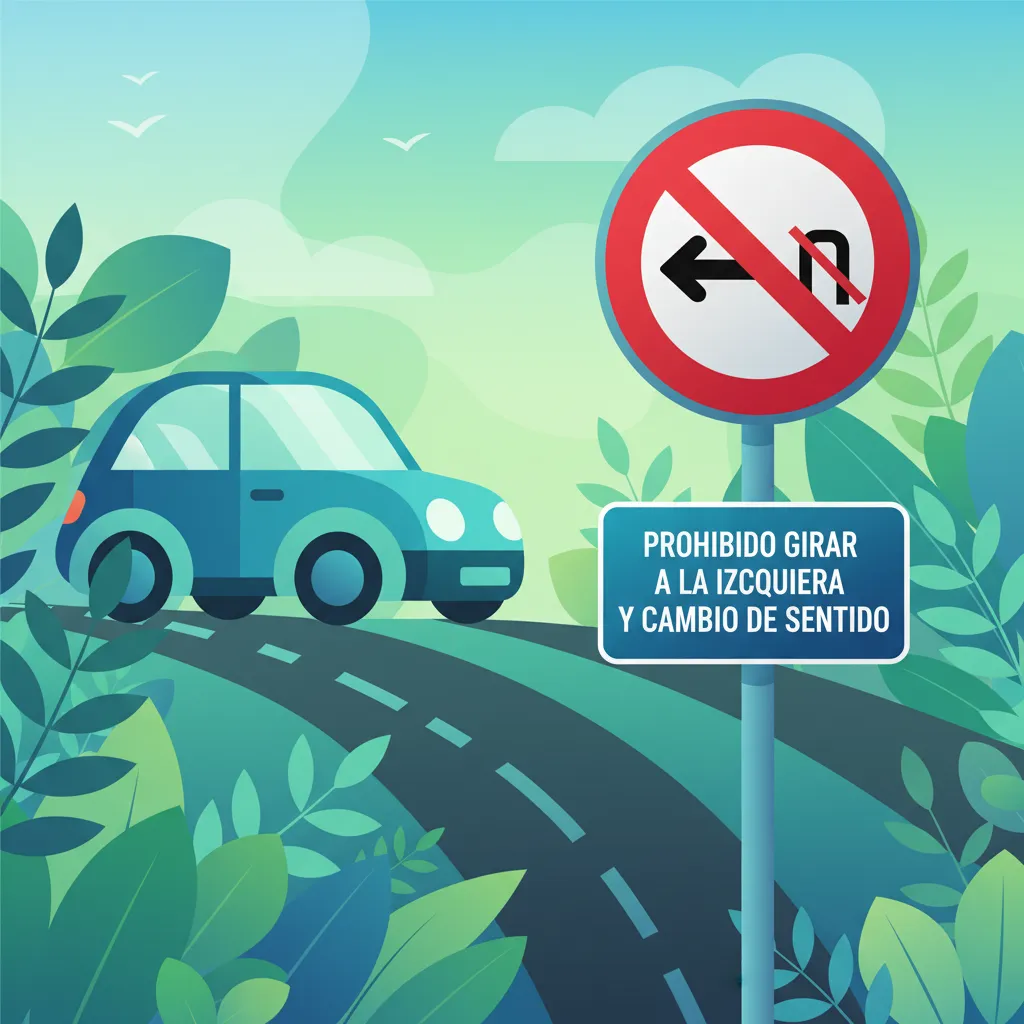
Restricted Turns and U-Turns in Spanish Traffic

Restricted Turns & U-Turns

Master the DGT rules on turning and U-turn prohibitions to avoid common exam pitfalls.
traffic signsmaneuversprohibitions
15 questionsView details
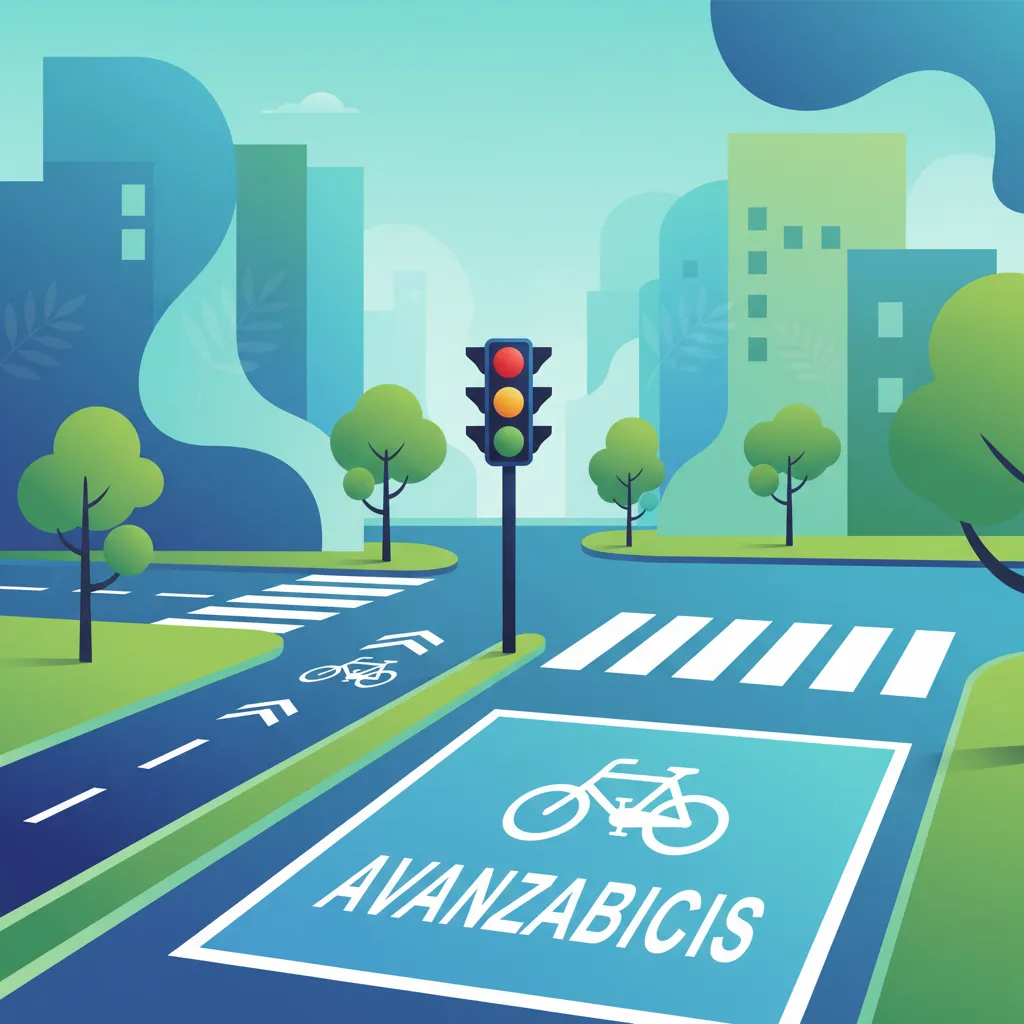
Special Urban Road Markings: Avanzabicis, Cycle Lanes & Sharrows in Spain

Special Cycle Markings

Navigate Spanish City Streets Confidently: Master Vulnerable User Markings for Your DGT Exam!

road markingscyclistsmotorcyclists
12 questionsView details
U-Turn Execution and Signaling in Spanish Traffic

U-Turn Rules

Master the U-Turn: Navigate Spanish Roads Confidently and Safely
U-turnCambio de SentidoManeuvers
12 questionsView details
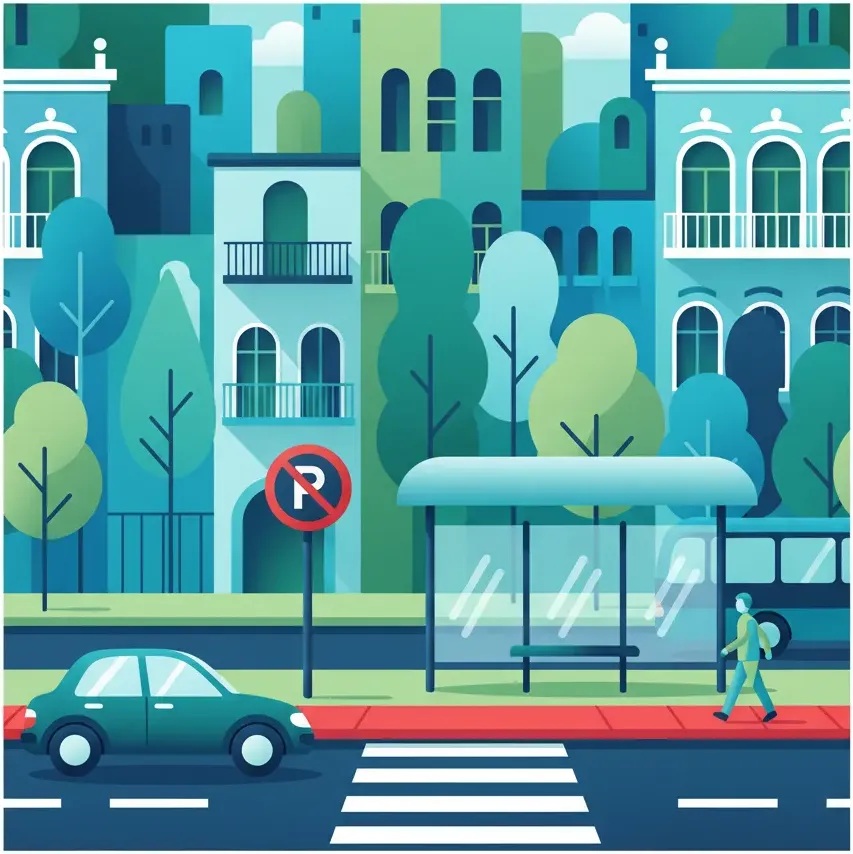
Absolute Prohibitions: Where You Can Never Park in Spain

Absolute Parking Bans

Master Spanish DGT Rules: Avoid Critical Mistakes in Stopping and Parking Zones.
parkingstoppingprohibitions
20 questionsView details
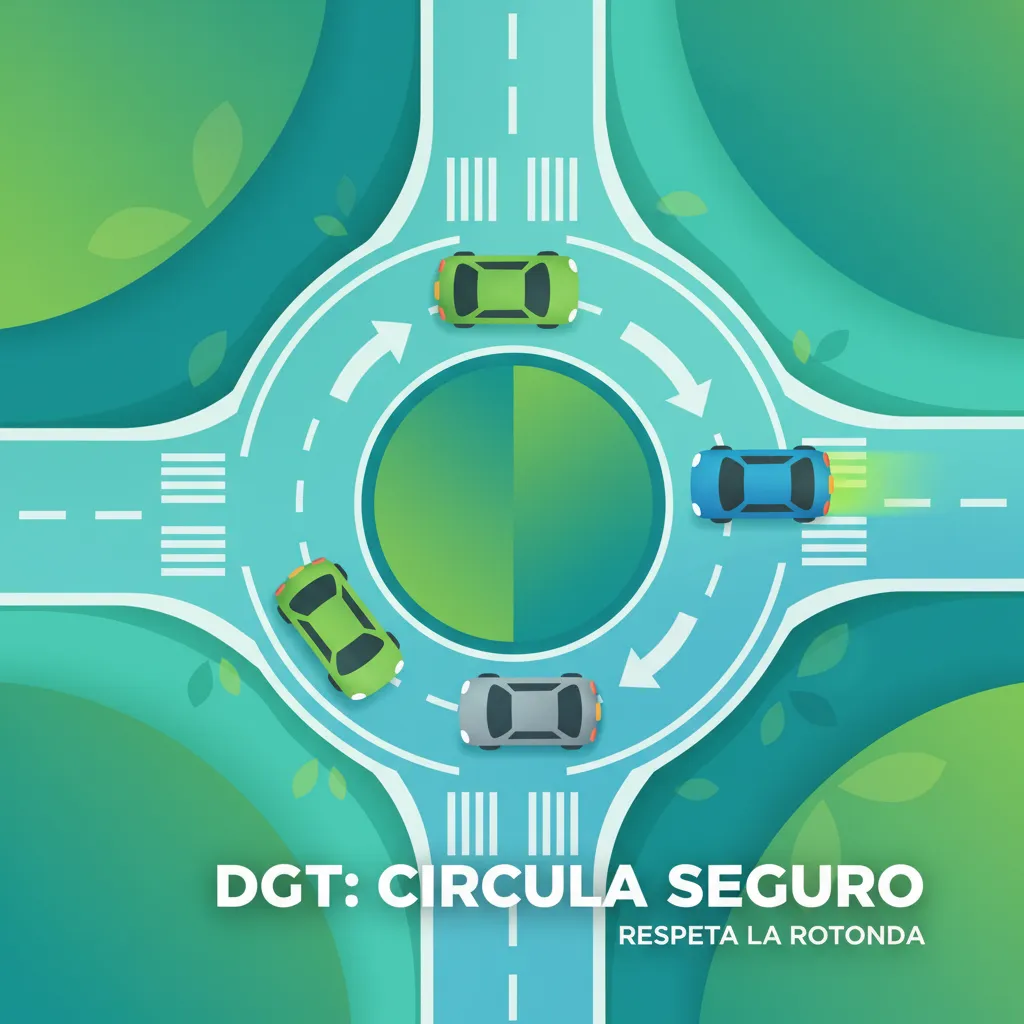
Mastering Roundabout Lane Usage and Safe Exits in Spain

Roundabout Lane & Exit

Avoid costly mistakes: Navigate Spanish roundabouts with precision and confidence.

roundaboutslane usageexiting
21 questionsView details

Questions in One-Way vs Two-Way Streets

Exam focused questionss

0

Difficulty Level

How This Driving Theory Practice Helps You Pass Faster

One-Way vs Two-Way Streets offers quick, focused exam style practice to boost your Spanish knowledge for the driving theory exam in Spain.

Improve your ability to correctly position your vehicle for turns in Spanish urban settings.
Gain confidence in parking legally on both one-way and two-way streets under DGT rules.
Reduce the likelihood of making common DGT exam mistakes related to street direction.
Better understand Spanish traffic signs and their specific application to street access.
Enhance your overall knowledge of urban driving rules and practical maneuvers in Spain.

Who Should Practise One-Way vs Two-Way Streets?

One-Way vs Two-Way Streets helps learners in Spain with clear explanations and targeted Spanish practice to improve essential driving theory topics.

This practice set is ideal for intermediate learners preparing for their Spanish driving license theory exam who often confuse rules for different street types. It helps clarify common misunderstandings regarding turns, parking, and street access, providing a solid foundation for safe urban driving and better exam performance.

Start Practice

Ready to Start Practicing? Choose Your Theory Category

Dive deeper into your Spanish DGT driving theory preparation by selecting a specific practice category. Whether you need to review road signs, master traffic priority rules, or understand vehicle safety, pick a topic to begin targeted exercises and reinforce your knowledge for the official exam.

Explore Practice Categories

CTA Decorative Squares

Practice Spanish driving theory questions

Spanish road signsSpanish article topicsSearch Spanish road signsSpanish driving theory homeSpanish road sign categoriesSpanish driving theory topicsSpanish Moped Theory AM courseSearch Spanish theory articlesSpanish driving theory coursesSpanish driving theory articlesSpanish driving theory practiceSpanish driving licence proceduresSpanish Driving Theory D & D1 courseSpanish Driving Theory B & BE courseLane Signs Spanish road sign categoryOther Signs Spanish road sign categorySpanish Truck Driving Theory C/C1 courseService Signs Spanish road sign categoryPriority Signs Spanish road sign categoryLocation Signs Spanish road sign categoryMandatory Signs Spanish road sign categoryDirection Signs Spanish road sign categorySpanish Motorcycle Theory (A, A1, A2) courseRestriction Signs Spanish road sign categoryAdditional Panels Spanish road sign categoryRoute Number Signs Spanish road sign categoryConfirmation Signs Spanish road sign categoryPre-signaling Signs Spanish road sign categoryGeneral Danger Signs Spanish road sign categoryDe-restriction Signs Spanish road sign categoryEntry Prohibition Signs Spanish road sign categoryGeneral Indication Signs Spanish road sign categoryConstruction Warning Signs Spanish road sign categoryConstruction Indication Signs Spanish road sign categoryConstruction Speed Limit Signs Spanish road sign categoryConstruction De-restriction Signs Spanish road sign categoryConstruction Reflective Marking Signs Spanish road sign categoryOther Prohibition or Restriction Signs Spanish road sign categorySigns for Specific Use in Built-up Areas Spanish road sign categoryConstruction Regulation and Priority Signs Spanish road sign category