
This set prepares you for the Spanish DGT driving theory exam by focusing on the 'Human Factor' in road safety. You'll practice questions about how stress, depression, and other intense emotions impact your ability to drive safely, including reaction times, concentration, and risk perception. Master these vital topics to become a safer driver and confidently pass your exam.

This practice set helps you revise critical topics on how your psychological state affects driving ability, essential for your DGT exam preparation. Master questions on stress, road rage (conducción agresiva), and other emotional challenges that impact road safety in Spain. Effective driving theory practice ensures you understand human factors for a safe driving licence process.
Examine the critical link between your psychological state and road safety. This set covers common emotional challenges like stress, depression, and road rage (conducción agresiva), explaining how they impair driving abilities, from affecting your field of vision to increasing accident risk. Prepare for the DGT exam by understanding the human factor in accidents.
Preview sample questions from the Psychological State & Driving practice set to see how they help you prepare for the driving theory exam in Spain.
Learners choose Psychological State & Driving to improve accuracy and understanding of key exam themes in Spain. It offers realistic driving theory questions and targeted revision for effective preparation.
Find answers to the most common queries learners have when practising Psychological State & Driving, including how questions match the official theory exam in Spain, how scoring works, and how this practice improves exam readiness.
Stress can severely impair your driving by increasing aggressiveness, making decisions slower, reducing concentration, causing tunnel vision, and making you more prone to distraction and fatigue. It can also lead to a higher tendency to disregard traffic rules.
'Conducción agresiva' (aggressive driving) is a common behavior driven by stress and hostility. It involves reckless actions, higher risk-taking, and can manifest as road rage, significantly increasing the probability of traffic accidents.
Yes, depression can be very dangerous for driving. It leads to increased distractions, difficulty maintaining concentration, a loss of awareness of the traffic environment, greater insecurity, and slower, more uncertain decision-making, increasing the risk of errors and unexpected behaviors.
Tunnel vision is a narrowing of your field of view, where you focus intensely on one point and lose awareness of your peripheral surroundings. Stress can cause this by overstimulating your attention, making it harder to perceive potential hazards outside your immediate focus.
The 'Human Factor' refers to human errors and behaviors as the primary cause of traffic accidents. Psychological states like stress, fatigue, distraction, and emotional driving are significant components of this factor, often contributing to 70-90% of accidents.
Practicing self-regulation is key. If you are experiencing high levels of stress, anger, or sadness, it's advisable to avoid driving until you feel calmer and more focused. Consider delaying your trip, finding alternative transport, or taking a break to compose yourself before getting behind the wheel.
By completing Psychological State & Driving, you will gain stronger rule knowledge, faster recognition of signs and situations, better decision making in traffic scenarios, and increased accuracy on exam style questions used in Spain. These outcomes directly support higher scoring exam performance.
Exploring related practice questions helps reinforce concepts around psychological states and road safety, vital for your Spanish driving licence theory exam. These additional sets offer comprehensive topic revision, ensuring you are fully prepared for DGT test scenarios.
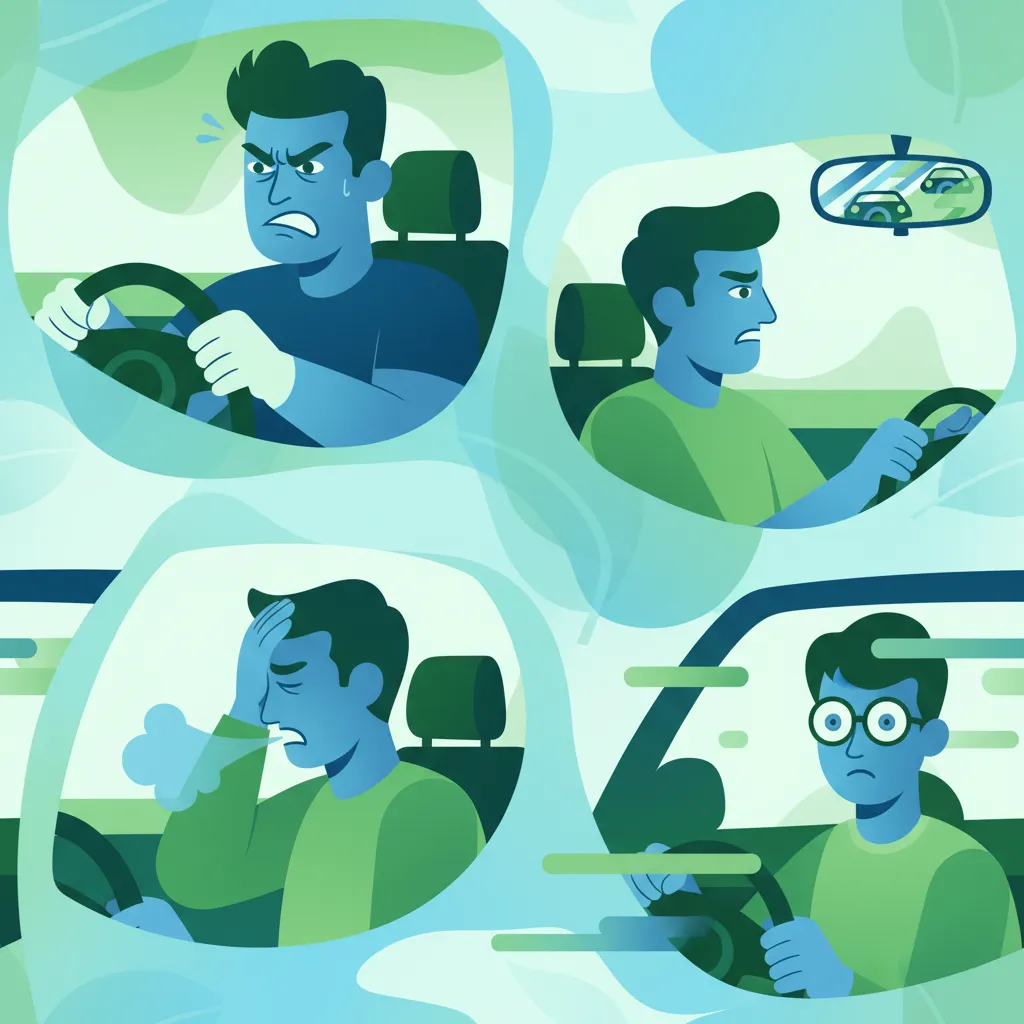
Master the mental game: Understand how emotions impact your driving and exam performance.

Conquer Your Driving Nerves: Master the Human Factor for a Safer Drive

Don't let fatigue compromise your safety or your exam score. Learn to drive alert and responsible.
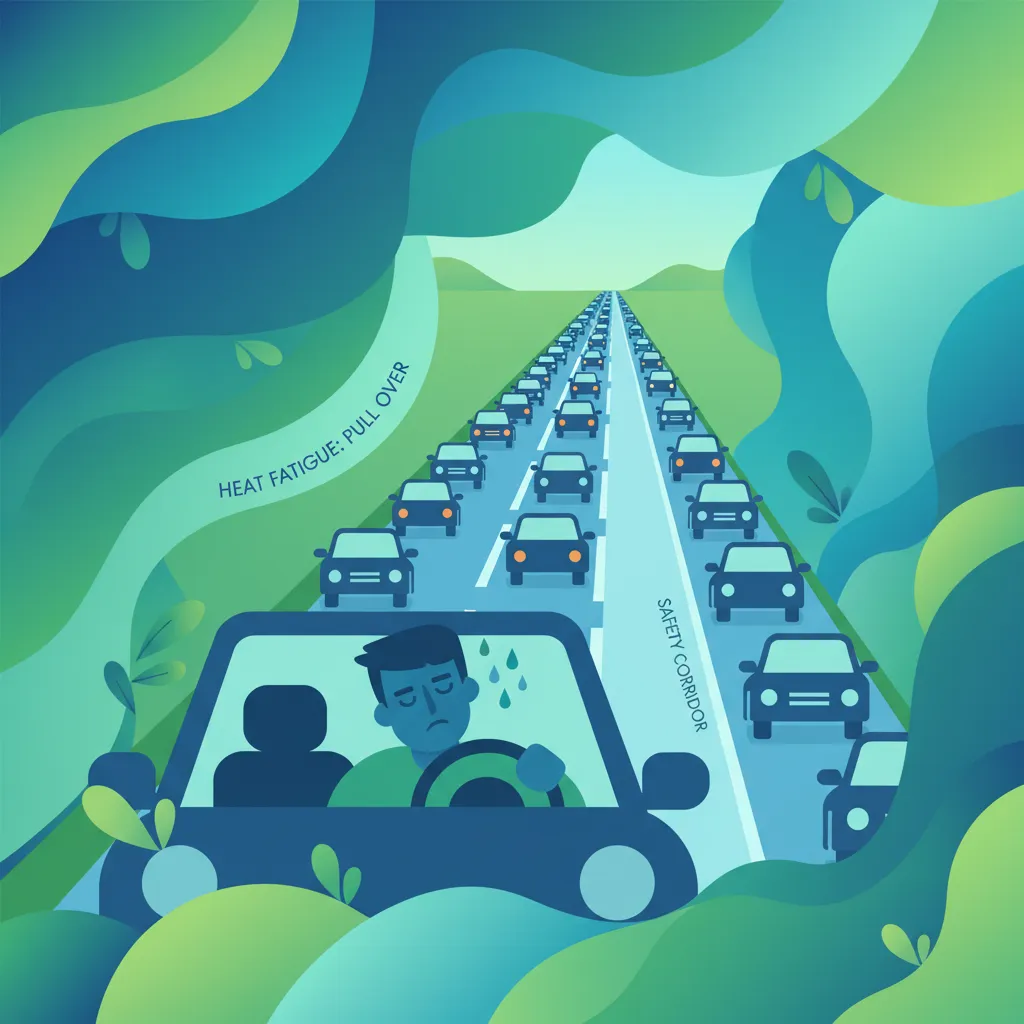
Master Spain's Summer Road Hazards to Ensure a Safe Journey During Peak Travel Season.
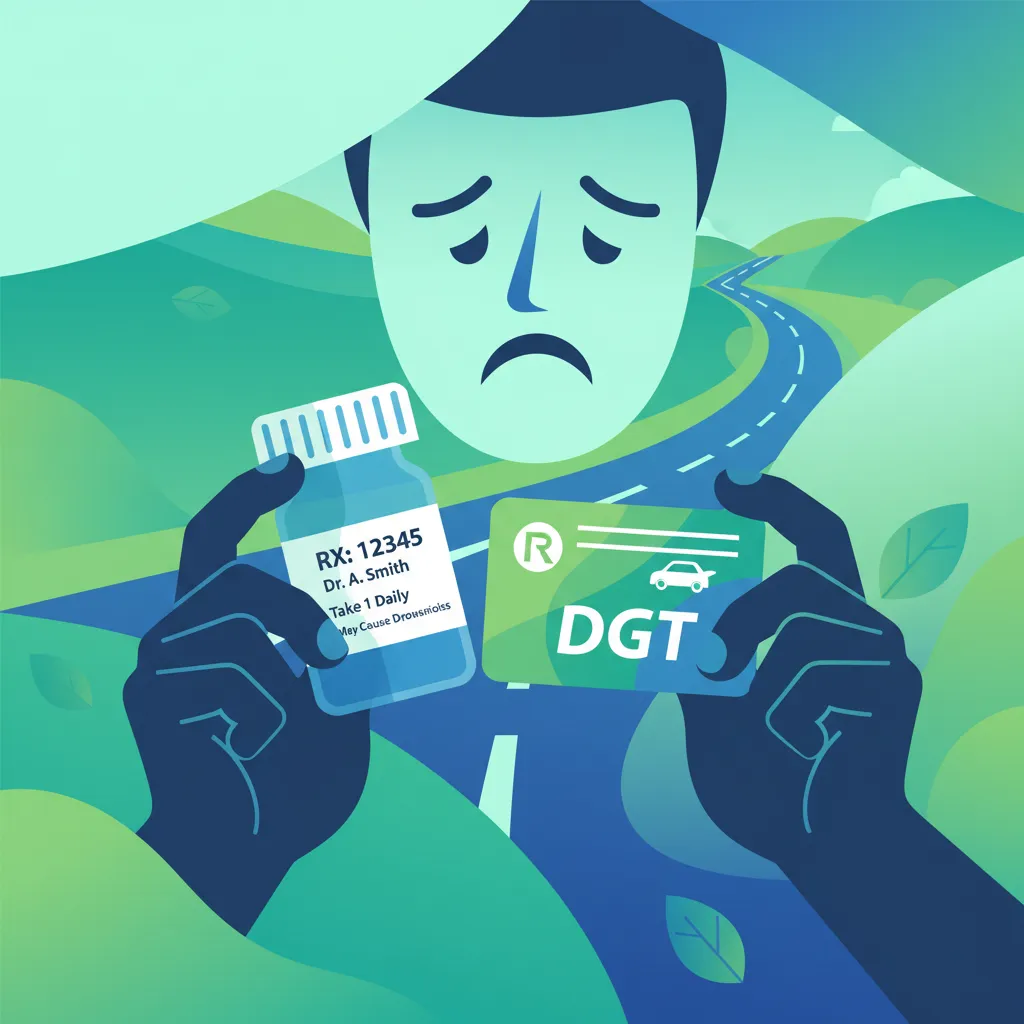
Understand the Critical Impact of Medications on Driving for Your Spanish Theory Test.
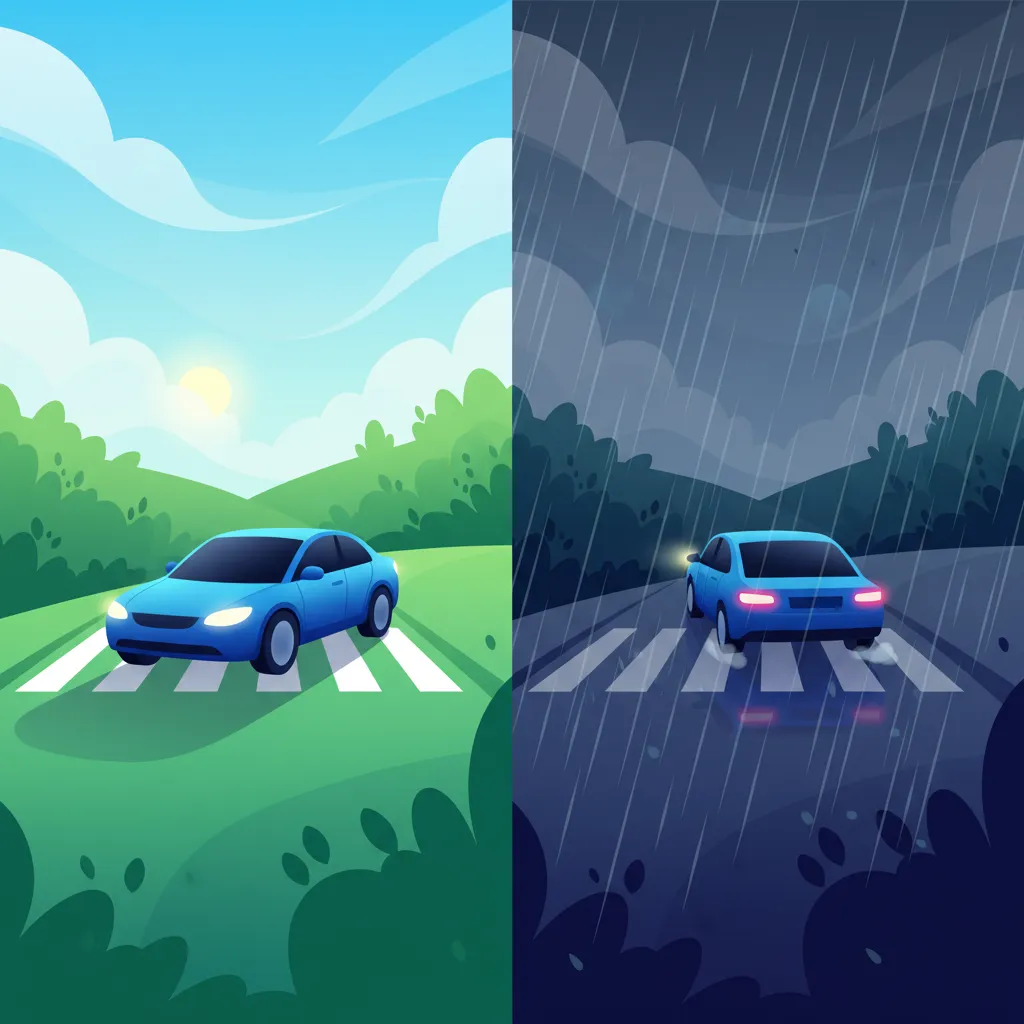
Beyond the Obvious: Train Your Eyes to See Real Hazards on Spanish Roads.
Questions in Psychological State & Driving
Exam focused questionss
Psychological State & Driving offers quick, focused exam style practice to boost your Spanish knowledge for the driving theory exam in Spain.
Psychological State & Driving helps learners in Spain with clear explanations and targeted Spanish practice to improve essential driving theory topics.
This set is for all learners preparing for the Spanish driving theory exam, especially those who want to understand the psychological aspects of driving. It addresses how personal emotions and mental states can lead to common mistakes and unsafe behaviors, helping you avoid these pitfalls for a more confident and responsible driving experience.
Explore more topics for the Spanish driving theory exam in Spain.
Dive deeper into your Spanish DGT driving theory preparation by selecting a specific practice category. Whether you need to review road signs, master traffic priority rules, or understand vehicle safety, pick a topic to begin targeted exercises and reinforce your knowledge for the official exam.
Explore Practice Categories