
The P-5 'Opening Bridge' sign is a general danger warning sign used in Spain to alert you to a hazard ahead. It means you should slow down early, observe the road environment carefully, and be ready to adapt your speed and position before reaching the bridge. This sign is crucial for anticipating potential changes in road conditions and ensuring safe passage over or around the bridge.
This P-5 warning sign alerts you to an upcoming opening bridge, requiring early speed reduction and heightened observation. Understanding this sign's traffic sign explanation is crucial for theory test revision and safe navigation in Spain.
The sign for opening bridge belongs to the general danger signs group used in Spain to alert drivers to risks before they reach them. It does not normally create a stand-alone prohibition, but it tells you that the road ahead requires more caution, lower speed, and better observation. You should read the symbol together with the visible road environment and with any distance or supplementary panels that refine the warning. In practice, this sign is there to give you time to adapt before the hazard starts rather than after it is already in front of you.
This warning sign warns drivers about opening bridge ahead. Slow down early, look well ahead, and be ready to adapt your position and speed before reaching the hazard.
Get clear, practical answers to the most common questions about the P-5 - Opening bridge road sign. Learn how the sign works, what rules it represents, and how it affects real driving situations. This FAQ strengthens your understanding and supports accurate decision making for the Spanish driving theory exam in Spain.
The P-5 sign warns drivers that an opening bridge is ahead. It's a general danger sign that requires you to be extra cautious and prepared to slow down or stop. You should anticipate this hazard well in advance and adjust your driving accordingly.
Upon seeing the P-5 'Opening Bridge' sign, you must reduce your speed early, observe your surroundings thoroughly, and be ready to adjust your position and speed. This sign is a cue to prepare for potential traffic disruptions or changes in the road ahead.
While the P-5 sign itself doesn't issue a direct prohibition, the implicit rule is to never ignore the warning. You must not maintain your speed if conditions ahead require more caution, and you should avoid waiting until the hazard is directly in front of you before reacting.
A common mistake is underestimating the need to prepare early. Learners might think they only need to react when they see the bridge itself, rather than preparing from the moment they see the P-5 sign. Always remember that warning signs require proactive anticipation.
No, the P-5 sign itself does not automatically require you to stop. It's a warning to prepare for a potential situation where stopping might be necessary, such as when the bridge is actually opening. Your reaction should be based on the current traffic conditions and any other signals you encounter.
A clear reference image of the P-5 - Opening bridge road sign used in Spain.
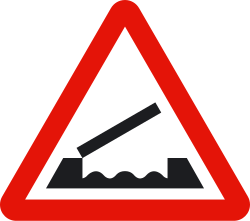
The P-5 - Opening bridge road sign may also be known by these alternative names or terms.
The P-5 - Opening bridge road sign is part of the General Danger Signs category, which groups together signs with similar rules and functions.
Mastering similar road signs is key to effective theory test revision. Comparing P-5 'Opening bridge' with related warning signs helps cement your understanding and ensures accurate recognition, reducing errors during your exam preparation.
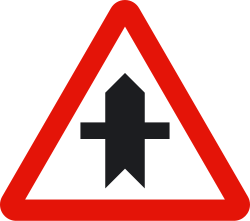
Prepare for intersections with priority ahead using the P-1 warning sign.

Prepare for a level crossing or moving bridge ahead with the P-10a warning sign.

Prepare for a level crossing or moving bridge on your left with the P-10b warning sign.

Prepare for a level crossing or moving bridge ahead on the left with the P-10c warning sign.

Prepare for the P-11 Level Crossing (Single Track) warning sign.

Prepare for Level Crossings with Multiple Tracks Ahead: Sign P-11a
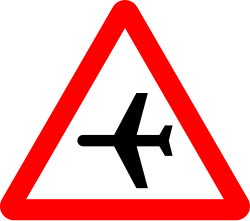
Prepare for Low-Flying Aircraft with the P-12 Warning Sign
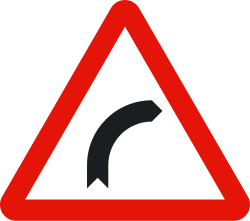
Prepare for the dangerous curve to the right ahead with the P-13a warning sign.
Connect visual signage with the specific Spanish traffic laws and priority rules required to pass your theory test. Explore detailed articles and practice sets that explain how these regulatory markers influence daily driving on local roads.
Understanding how to effectively communicate with emergency services is a core requirement of Spanish traffic law and a common topic in the driving theory exam. This guide clarifies the correct steps for calling 112, the critical data points required by operators, and the role of automated eCall technology in modern vehicles. You will learn the exact sequence of actions to take to ensure rapid response and compliance with safety regulations.
Master the A and S of PAS: Your crucial role in accident response and legal obligations for the Spanish DGT exam.
Master the crucial first steps after a traffic accident according to Spanish DGT rules.
Learn essential first-aid mistakes to avoid when dealing with burn victims or individuals in shock after a traffic incident in Spain. This knowledge is crucial for safe driving practices and is a key area assessed in the DGT theory exams, focusing on correct theoretical responses in emergencies.
The sign for proximity of a level crossing or a moving bridge (left side) belongs to the general danger signs group used in Spain to alert drivers to risks before they reach them. It does not normally create a stand-alone prohibition, but it tells you that the road ahead requires more caution, lower speed, and better observation. You should read the symbol together with the visible road environment and with any distance or supplementary panels that refine the warning. In practice, this sign is there to give you time to adapt before the hazard starts rather than after it is already in front of you.
The sign for approach of a level crossing or a moving bridge (left side) belongs to the general danger signs group used in Spain to alert drivers to risks before they reach them. It does not normally create a stand-alone prohibition, but it tells you that the road ahead requires more caution, lower speed, and better observation. You should read the symbol together with the visible road environment and with any distance or supplementary panels that refine the warning. In practice, this sign is there to give you time to adapt before the hazard starts rather than after it is already in front of you.
You've explored the complete list of Spanish road signs. Now, deepen your understanding by reviewing specific sign groups or testing your knowledge with practice questions. Fully prepare for your DGT driving theory exam and confidently navigate Spanish roads.
Browse All Spanish Road Signs