
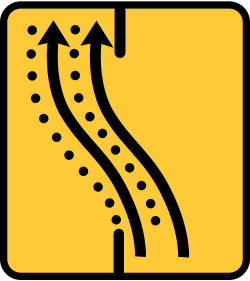
The TS-210 sign, indicating a sketch of a detour at work, is an essential information sign in Spain. It guides you through temporary changes in the road layout due to construction or maintenance. Unlike prohibitory signs, it provides crucial route and lane information to help you choose the correct path. Always pay close attention to these temporary signs, as they override any permanent road arrangements you might be familiar with.
This guidance sign indicates a temporary detour due to road works, helping you choose the correct route. Proper interpretation is crucial for safe driving and successful theory test revision.
The sign for sketch of detour at work belongs to the Spanish information and guidance system that helps road users understand where they are, where to go, or how a section of road is organized. Unlike a prohibition sign, it mainly provides route, lane, service, location, or access information so the driver can make the correct decision in time. Its practical effect depends on the symbol, arrows, road names, route numbers, and any extra panels shown with it. For safe driving, read it early and combine it with the current lane layout, road markings, and any nearby regulatory signs.
This guidance sign indicates sketch of detour at work. It helps road users choose the correct route, lane, access point, or destination in time.
Get clear, practical answers to the most common questions about the TS-210 - Sketch of detour at work road sign. Learn how the sign works, what rules it represents, and how it affects real driving situations. This FAQ strengthens your understanding and supports accurate decision making for the Spanish driving theory exam in Spain.
The TS-210 sign informs you that there is a detour or temporary route change ahead due to roadworks. It's designed to help you find the correct path or lane to follow during these temporary conditions. It's crucial to read it early and understand its instructions to navigate safely.
When you see the TS-210 sign, you must follow the indicated detour route. This might involve changing lanes, taking a specific exit, or using an alternative road. Always confirm the sign's instruction with the actual road layout, arrows, and any temporary markings you see.
Yes, signs indicating detours due to work are typically temporary. The 'Additional notes' section reminds you that work-zone signs can change. You should always follow the temporary layout on site, even if you know the permanent road layout well, as conditions can change frequently.
A common mistake is ignoring the sign or applying old knowledge of the road, assuming the detour isn't necessary. Another error is making a sudden or late maneuver. The TS-210 sign requires early recognition and a calm, planned response to ensure safety and avoid disrupting traffic flow.
The key difference is that the TS-210 sign specifically relates to a detour or altered route due to ongoing work, making it temporary. Permanent route signs provide general guidance for routes or destinations that are not subject to immediate, short-term changes. Always prioritize the information from temporary work-zone signs.
A clear reference image of the TS-210 - Sketch of detour at work road sign used in Spain.
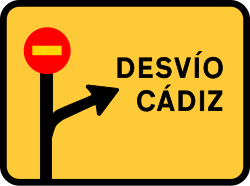
The TS-210 - Sketch of detour at work road sign may also be known by these alternative names or terms.
The TS-210 - Sketch of detour at work road sign is part of the Construction Indication Signs category, which groups together signs with similar rules and functions.
Reviewing similar road signs, like TS-210, alongside related construction indication signs aids memory and reduces confusion. This targeted traffic sign comparison sharpens your recognition skills, crucial for passing your theory test revision.
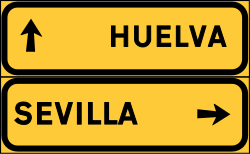
TS-220: Prepare for your route with the Address Pre-Signaling traffic sign.
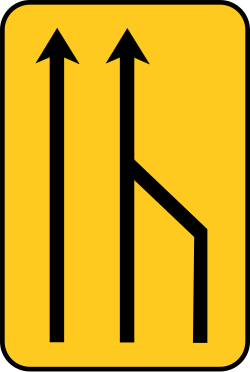
Lane Reduction Ahead: Understand the Convergence of a Lane on the Right Sign (TS-52)
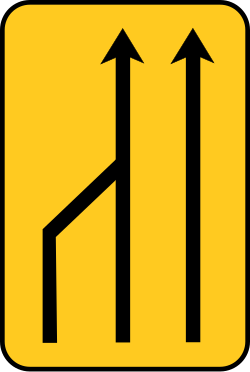
TS-53: Understand the Left Lane Convergence (3 to 2) Guidance Sign
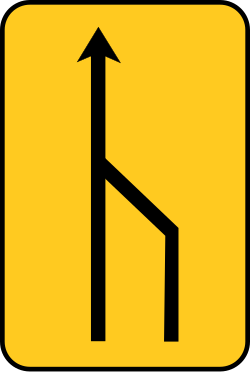
TS-54: Lane Narrows Ahead on the Right (from 2 to 1)
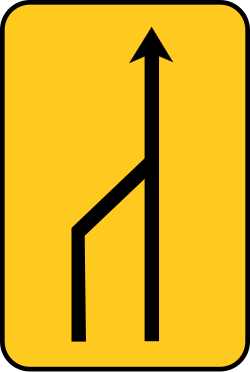
Prepare for Lane Convergence: Understand the TS-55 Sign on Spanish Roads
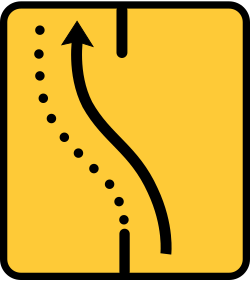
TS-60: Detour of One Lane onto Opposite Road Sign in Spain
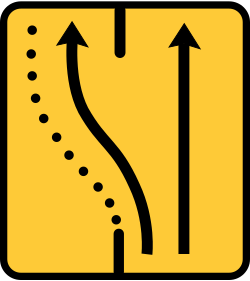
Understand the TS-61 Detour Sign: Lane Diversion in Roadworks
Understand the TS-62 Sign for Detouring Two Lanes on the Opposite Road
Connect visual signage with the specific Spanish traffic laws and priority rules required to pass your theory test. Explore detailed articles and practice sets that explain how these regulatory markers influence daily driving on local roads.
Learners will discover the legal hierarchy of road surfaces and why the standard priority-to-the-right rule does not apply when transitioning from a dirt path to a paved street. This guide clarifies the responsibilities of both the driver on the main road and the driver entering from an unpaved area to ensure safe traffic flow. Mastering these nuances is essential for passing the DGT theory exam and maintaining hazard perception skills in rural and semi-rural Spanish environments.
Traffic lights in Spain go well beyond the standard red, yellow, and green circular signals. This article covers the specific legal requirements for lane-control lights, cycle signals, and public transport indicators, providing the necessary clarity for your theory exam preparation and real-world driving. You will learn the exact behavior required for flashing yellow lights and how to interpret specialized directional arrows to ensure you navigate intersections safely and in full compliance with the General Traffic Regulations.
Master the 'Alphabet' of Spanish Driving Permits for Your Theory Exam
Navigate Spain's Strict Drug Laws: Any Trace Can Lead to Serious Consequences.
The sign for pre-signaling of directions on a highway or dual carriageway to any road belongs to the Spanish information and guidance system that helps road users understand where they are, where to go, or how a section of road is organized. Unlike a prohibition sign, it mainly provides route, lane, service, location, or access information so the driver can make the correct decision in time. Its practical effect depends on the symbol, arrows, road names, route numbers, and any extra panels shown with it. For safe driving, read it early and combine it with the current lane layout, road markings, and any nearby regulatory signs.
The sign for advance sign with side panel on a conventional or multi-lane road toward a conventional or multi-lane road and the current direction belongs to the Spanish information and guidance system that helps road users understand where they are, where to go, or how a section of road is organized. Unlike a prohibition sign, it mainly provides route, lane, service, location, or access information so the driver can make the correct decision in time. Its practical effect depends on the symbol, arrows, road names, route numbers, and any extra panels shown with it. For safe driving, read it early and combine it with the current lane layout, road markings, and any nearby regulatory signs.
You've explored the complete list of Spanish road signs. Now, deepen your understanding by reviewing specific sign groups or testing your knowledge with practice questions. Fully prepare for your DGT driving theory exam and confidently navigate Spanish roads.
Browse All Spanish Road Signs