
As a professional bus or coach driver in Switzerland, you are the face of the public transport system. This lesson explores the vital standards of conduct, communication, and professional appearance required to maintain passenger confidence and service quality. It is a critical foundation within our Category D curriculum for building your role as a responsible transport professional.

Lesson content overview
Becoming a professional bus or coach driver in Switzerland involves more than mastering vehicle operation. It requires adopting a high standard of professionalism, exemplary conduct, and a strong awareness of one's public image. As a Category D driver, you are the visible face of your transport company and, by extension, the entire public transport system. Your actions, demeanor, and appearance directly influence passenger confidence, safety, and the overall perception of the service you provide.
This lesson, part of your Swiss Category D Driving License Theory Course (Bus & Coach), delves into the core principles that define professional conduct in passenger transport. It highlights how a calm, courteous, and responsible attitude is fundamental to ensuring passenger well-being and maintaining the high-quality service expected in Switzerland.
A Category D driver carries a significant responsibility. Every journey places the safety and comfort of numerous individuals in their hands. This role extends beyond simply driving; it encompasses customer service, safety management, and representing the values of precision and reliability that define Swiss public transport. Upholding professional standards helps to build trust, reduce potential conflicts, and ensure a smooth, secure experience for all passengers. It underpins effective communication and compliance with essential legal and ethical obligations.
At the heart of professional driving is the Duty of Care. This is the overarching legal and ethical obligation for every Category D driver to act reasonably and prudently to safeguard passengers, staff, and other road users throughout the entire journey. It is a continuous responsibility that begins before passengers even board and extends until they have safely alighted.
This duty encompasses both physical and psychological safety. Physical safety involves ensuring the vehicle is roadworthy, that passengers are properly secured, and that all safety equipment functions correctly. Psychological safety, equally important, means creating a calm, respectful, and harassment-free environment where all passengers feel secure and valued. Practical applications include meticulously performing pre-trip vehicle inspections, ensuring all doors function safely, clearly enforcing seatbelt use where required, and providing concise emergency instructions when necessary. The Swiss Road Traffic Act (SVG) outlines specific obligations for passenger safety, requiring strict compliance with all safety equipment regulations.
Remember that your duty of care does not end once passengers are seated; it persists for the entire duration of the journey, requiring constant vigilance and proactive safety measures.
Professional Conduct defines the expected behavior of a Category D driver. It is characterized by courtesy, integrity, responsibility, and unwavering adherence to company policies and legal standards. This includes both your attitude and your specific actions while on duty.
A professional attitude means remaining calm, courteous, and patient, even in challenging situations such as traffic delays or passenger complaints. Specific behaviors include punctuality, consistent compliance with all traffic laws, and treating all passengers equally without discrimination. Greeting passengers, responding politely to inquiries, announcing stops clearly, and refraining from personal activities like smoking or using mobile devices while driving are all examples of professional conduct. The Swiss professional qualification for public transport drivers (OACP – Ordonnance réglant l'admission des chauffeurs / Verordnung über die Zulassung der Fahrer), often reinforced by company-specific customer service guidelines, provides frameworks for these expectations.
Your Public Image is the collective perception held by passengers and the broader public regarding the professionalism and reliability of the transport service and its personnel. For a Category D driver, this image is shaped by both visual cues and behavioral aspects.
A positive public image is crucial for influencing public transport usage, reflecting company values, and promoting a general culture of road safety. It reinforces trust and encourages confidence in the service. This involves more than just a clean uniform; it extends to your communication style, punctuality, and the overall impression of competence and care you project. Maintaining a clean uniform, displaying the company logo or name tag, and consistently projecting confidence and helpfulness are key to cultivating this positive image.
Uniform Appearance refers to the mandatory visual standards for a driver's clothing and personal grooming while on duty. This is a fundamental aspect of professional conduct and directly contributes to a positive public image.
Wearing the prescribed uniform enhances your authority, ensures immediate identification by passengers and colleagues, and promotes uniform company standards. It signifies that you are on duty and prepared to serve. This typically includes specific shirts, trousers, and jackets, along with clean and appropriate footwear. Personal grooming, such as tidy hair, clean facial hair (if applicable), and clean hands and nails, is equally important. Your name badge should always be visible. Allowing casual clothing or neglecting personal hygiene while on duty can undermine your authority and detract from the professional image of the transport service.
Communication Etiquette outlines the guidelines for both verbal and non-verbal interactions with passengers, staff, and other road users. Clear and polite communication is essential for managing expectations, providing necessary information, and preventing misunderstandings.
Verbal communication should be clear, concise, and polite, delivered in an appropriate tone. This includes making clear announcements about stops, delays, or safety instructions. Avoiding slang, harsh language, or speaking too softly are important considerations. Non-verbal communication, such as maintaining appropriate eye contact, using respectful gestures, and adopting an open posture, also plays a significant role in conveying professionalism and approachability. For instance, announcing "We will be arriving at Bern Hauptbahnhof in approximately five minutes. Please prepare your belongings for alighting" with a clear and friendly tone demonstrates excellent communication etiquette.
Effective communication is a two-way street. Listen actively to passenger inquiries and concerns, responding with empathy and clarity.
Conflict Management involves the systematic approach to handling passenger disputes, disruptive behavior, or minor emergencies in a calm and controlled manner. The primary goal is to preserve safety, avoid physical altercations, and maintain service continuity.
As a Category D driver, you will inevitably encounter challenging situations. Your ability to de-escalate potential conflicts is paramount. This begins with maintaining a calm tone of voice, using active listening skills to understand the passenger's concern, and clearly but politely stating the rules or limits. If a passenger is being noisy or disruptive, a firm but gentle warning should be issued first. If the situation escalates or threatens the safety of others, you must follow established company procedures, which may include contacting a supervisor or security personnel. Reacting aggressively or ignoring disruptive behavior are common mistakes that can worsen a situation and potentially lead to legal repercussions.
Maintain a calm demeanor and voice, even if the passenger is agitated.
Listen actively to understand the passenger's perspective or complaint.
Clearly and politely explain the relevant rule or policy.
Offer a reasonable solution or alternative if possible.
If the behavior persists or escalates, issue a firm but non-threatening warning.
If safety is compromised, follow company protocols for contacting security or emergency services.
Adherence to specific rules and regulations is mandatory for all professional drivers in Switzerland. These guidelines are designed to ensure safety, promote professionalism, and maintain the efficiency of the public transport system.
Professional Category D drivers may encounter various scenarios that test their adherence to professional standards. Understanding common pitfalls can help in avoiding violations and maintaining high-quality service.
Professional conduct is not static; it requires adaptation based on prevailing conditions and specific passenger needs.
The principles of professionalism are not just abstract ideals; they have direct and tangible consequences for the safety, efficiency, and reputation of the public transport service.
By consciously embodying these professional qualities, Category D drivers not only fulfill their job requirements but also actively contribute to a safer, more pleasant, and highly reputable public transport experience in Switzerland.
Understanding professional principles is best solidified through practical application. Here are several scenarios illustrating correct and incorrect behavior for a Category D driver.
Urban Stop Announcement
Uniform Compliance
Conflict Management During an Overcrowded Journey
No-Smoking Enforcement
Emergency Communication During a Vehicle Breakdown
To deepen your understanding of professional responsibilities and reinforce effective communication, explore the following resources.
This lesson covers the essential professional standards for Swiss Category D bus and coach drivers, emphasizing that the duty of care is a continuous legal obligation requiring constant vigilance for both physical and psychological passenger safety. Key standards include wearing the complete prescribed uniform with visible identification, maintaining clear and polite communication including mandatory stop announcements, and following a systematic six-step de-escalation process for conflict management. Swiss regulations under OACP and the Swiss Road Traffic Act (SVG) establish specific mandatory requirements including prohibitions on smoking and mobile phone use while the vehicle is in operation. Professional conduct directly shapes passenger trust, compliance with safety instructions, and the overall reputation of Swiss public transport.
A short set of high-value points that capture the most important learning from this lesson.
The duty of care is a continuous legal and ethical obligation that encompasses both physical safety and psychological well-being of passengers throughout the entire journey
Professional conduct requires balancing authority with courtesy, maintaining calm and respectful interactions even in challenging situations
Clear, complete stop announcements and safety communications are mandatory and directly impact passenger safety during boarding and alighting
A clean, complete uniform with visible name badge projects authority and reinforces passenger trust in the transport service
Effective conflict de-escalation follows a systematic 6-step process that prioritizes calm dialogue over confrontation
Explore all units and lessons included in this driving theory course.
The duty of care obligation persists from pre-trip inspection until all passengers have safely alighted, not just while the vehicle is moving
OACP (Ordonnance réglant l'admission des chauffeurs) is the Swiss professional qualification framework governing public transport driver standards
Mobile phone use is prohibited while the vehicle is in operation; only hands-free communication is permitted when essential
All prohibited activities including smoking (including e-cigarettes) must be firmly enforced regardless of passenger resistance
Passenger announcements are a mandatory legal requirement under Swiss transport safety regulations, not optional courtesies
Skipping or abbreviating stop announcements due to time pressure, which causes passengers to miss stops and creates safety risks
Wearing an incomplete uniform or neglecting visible name badge, which undermines professional authority and company image
Using a mobile phone even briefly while the vehicle is technically in operation at a stop or traffic light
Ignoring prohibited passenger behavior (smoking, alcohol) to avoid confrontation, which creates safety hazards and legal liability
Responding aggressively to disruptive passengers, which escalates conflicts and may result in physical altercations or legal consequences
Lesson content overview
A short set of high-value points that capture the most important learning from this lesson.
The duty of care is a continuous legal and ethical obligation that encompasses both physical safety and psychological well-being of passengers throughout the entire journey
Professional conduct requires balancing authority with courtesy, maintaining calm and respectful interactions even in challenging situations
Clear, complete stop announcements and safety communications are mandatory and directly impact passenger safety during boarding and alighting
A clean, complete uniform with visible name badge projects authority and reinforces passenger trust in the transport service
Effective conflict de-escalation follows a systematic 6-step process that prioritizes calm dialogue over confrontation
Explore all units and lessons included in this driving theory course.
The duty of care obligation persists from pre-trip inspection until all passengers have safely alighted, not just while the vehicle is moving
OACP (Ordonnance réglant l'admission des chauffeurs) is the Swiss professional qualification framework governing public transport driver standards
Mobile phone use is prohibited while the vehicle is in operation; only hands-free communication is permitted when essential
All prohibited activities including smoking (including e-cigarettes) must be firmly enforced regardless of passenger resistance
Passenger announcements are a mandatory legal requirement under Swiss transport safety regulations, not optional courtesies
Skipping or abbreviating stop announcements due to time pressure, which causes passengers to miss stops and creates safety risks
Wearing an incomplete uniform or neglecting visible name badge, which undermines professional authority and company image
Using a mobile phone even briefly while the vehicle is technically in operation at a stop or traffic light
Ignoring prohibited passenger behavior (smoking, alcohol) to avoid confrontation, which creates safety hazards and legal liability
Responding aggressively to disruptive passengers, which escalates conflicts and may result in physical altercations or legal consequences
Explore search topics learners often look for when studying Professionalism, Conduct, and Public Image. These topics reflect common questions about road rules, driving situations, safety guidance, and lesson level theory preparation for learners in Switzerland.
Browse additional driving theory lessons that cover connected traffic rules, road signs, and common driving situations related to this topic. Improve your understanding of how different rules interact across everyday traffic scenarios.
Understand the legal and ethical duty of care for Category D bus and coach drivers in Switzerland. This lesson covers passenger safety, vehicle compliance, and proactive measures to ensure a secure journey.

This lesson focuses on the heightened legal and ethical responsibilities a driver holds when carrying passengers. It explains the concept of duty of care, covering the obligation to ensure passenger safety from boarding to alighting. You will understand the potential consequences of negligence and the importance of upholding professional standards to protect every individual on board.

Transporting children carries the highest level of responsibility. This lesson covers the specific legal requirements for school buses in Switzerland, including the use of special signs and warning lights. It details the safe procedures for stopping, boarding, and alighting, and the driver's role in supervising children.
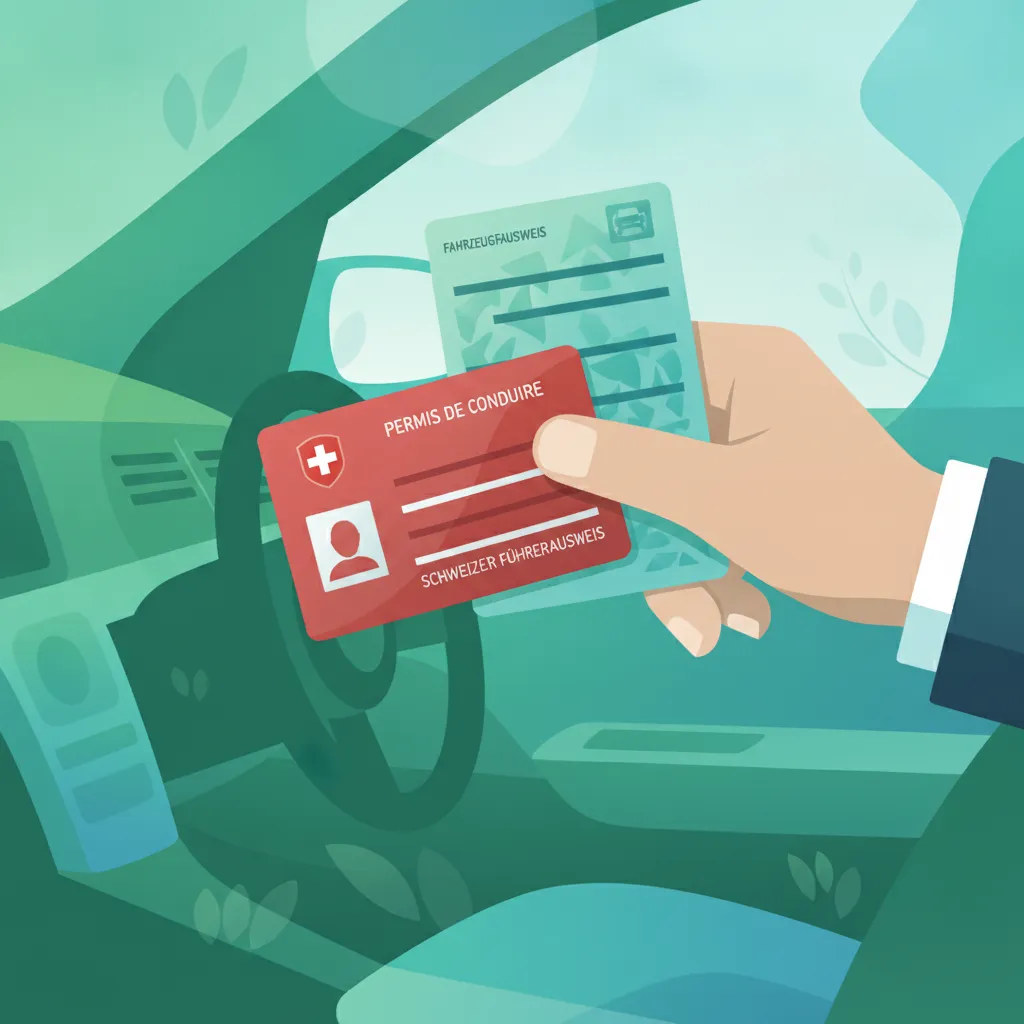
This lesson details the specific documents that must be present in the vehicle and on the driver's person during service. It covers the driving license, OACP card, vehicle registration, and tachograph records. You will learn the importance of ensuring all paperwork is current and correct to ensure legal compliance at all times.

Standing passengers are particularly vulnerable to sudden vehicle movements. This lesson covers the driver's responsibility to adapt their driving style when people are standing. It emphasizes even smoother control, heightened awareness, and clear communication to minimize the risk of falls and injuries.

Operating a heavy goods vehicle involves a significant responsibility for the safety of all road users. This lesson emphasizes the professional driver's enhanced duty of care due to the vehicle's size, mass, and potential impact in a collision. It covers the importance of a professional attitude, constant vigilance, and adherence to all traffic regulations to prevent incidents and maintain a high standard of road safety.
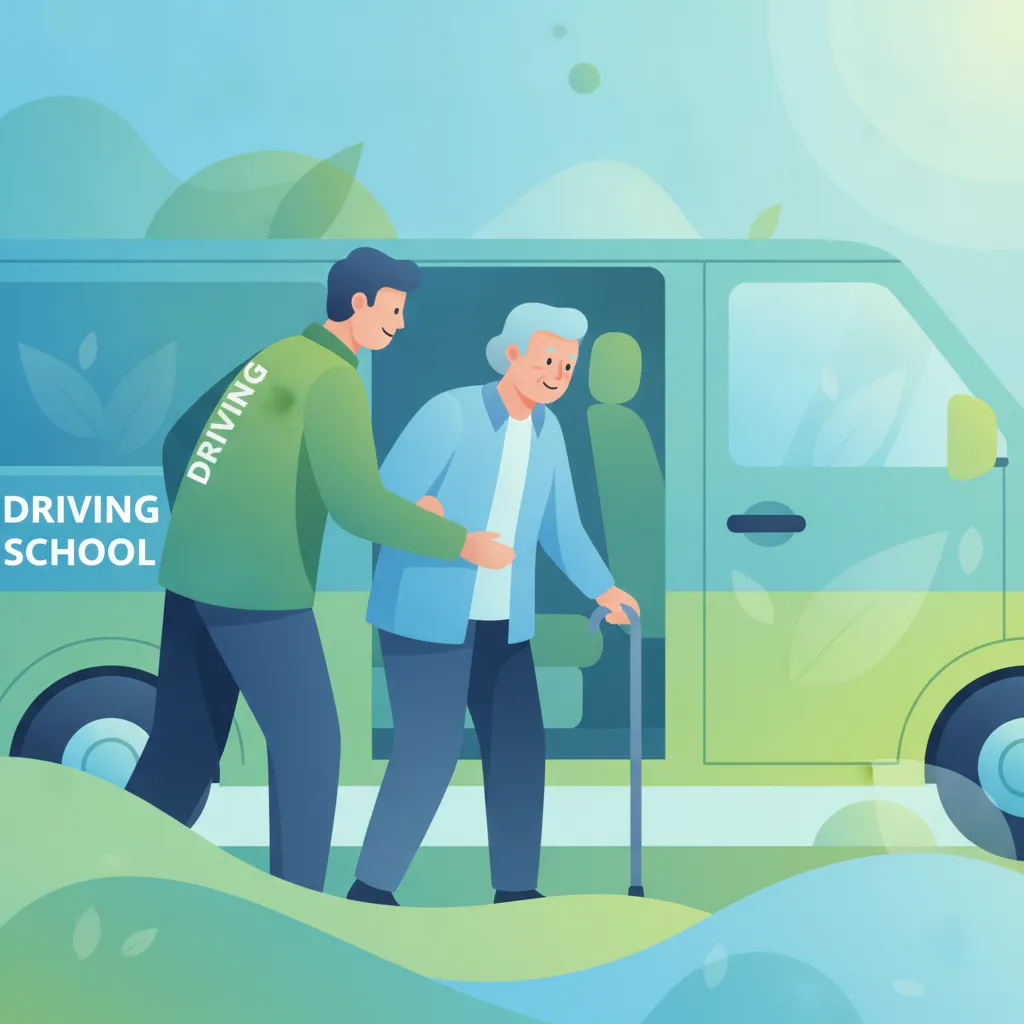
Professional drivers play a crucial role in ensuring public transport is accessible to everyone. This lesson provides guidance on how to communicate with and offer assistance to passengers with various needs. It covers best practices for helping elderly passengers, people with visual impairments, and other disabilities, always with a focus on dignity and respect.
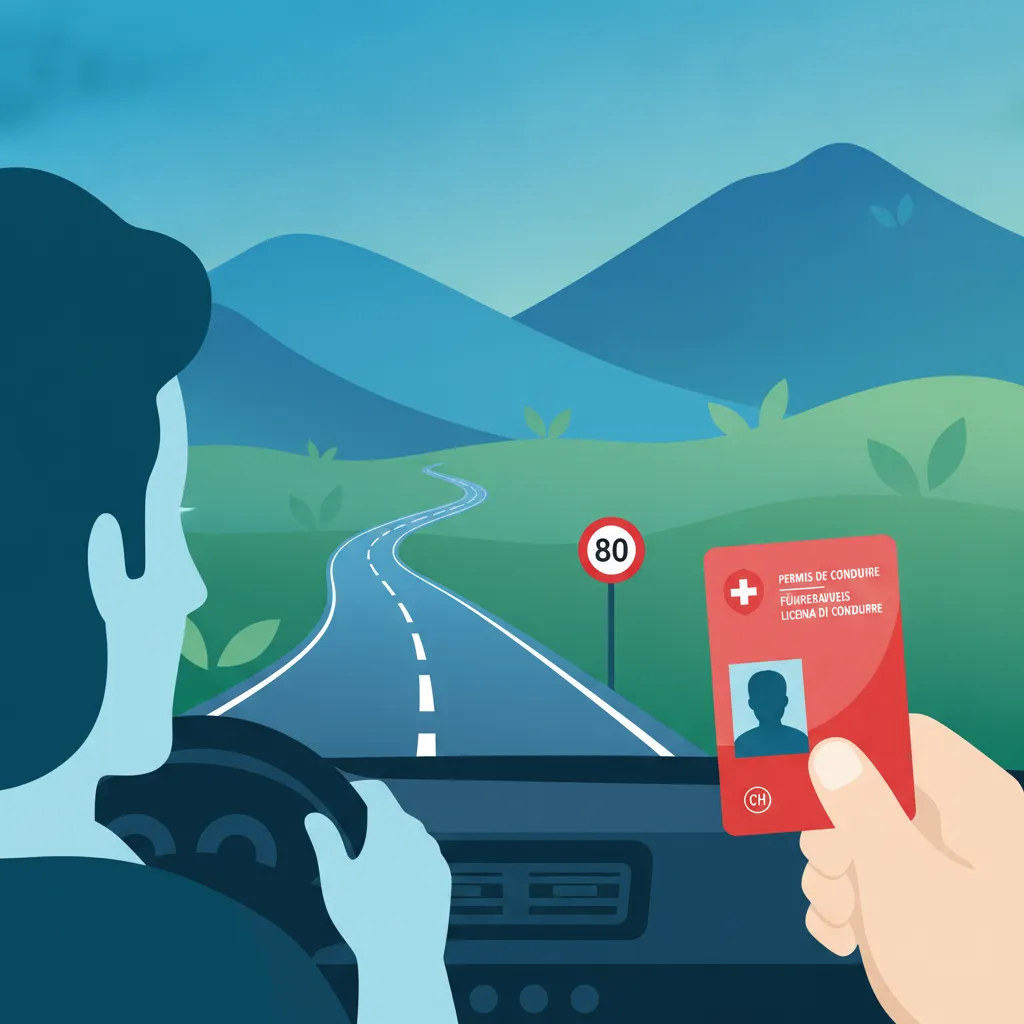
This lesson emphasizes the broad responsibilities of holding a driver's licence in Switzerland, including adherence to traffic laws and maintaining vehicle roadworthiness. It covers legal obligations related to insurance, registration, and reporting accidents, as well as the consequences of violations. The content reinforces the duty of care drivers owe to all other road users.
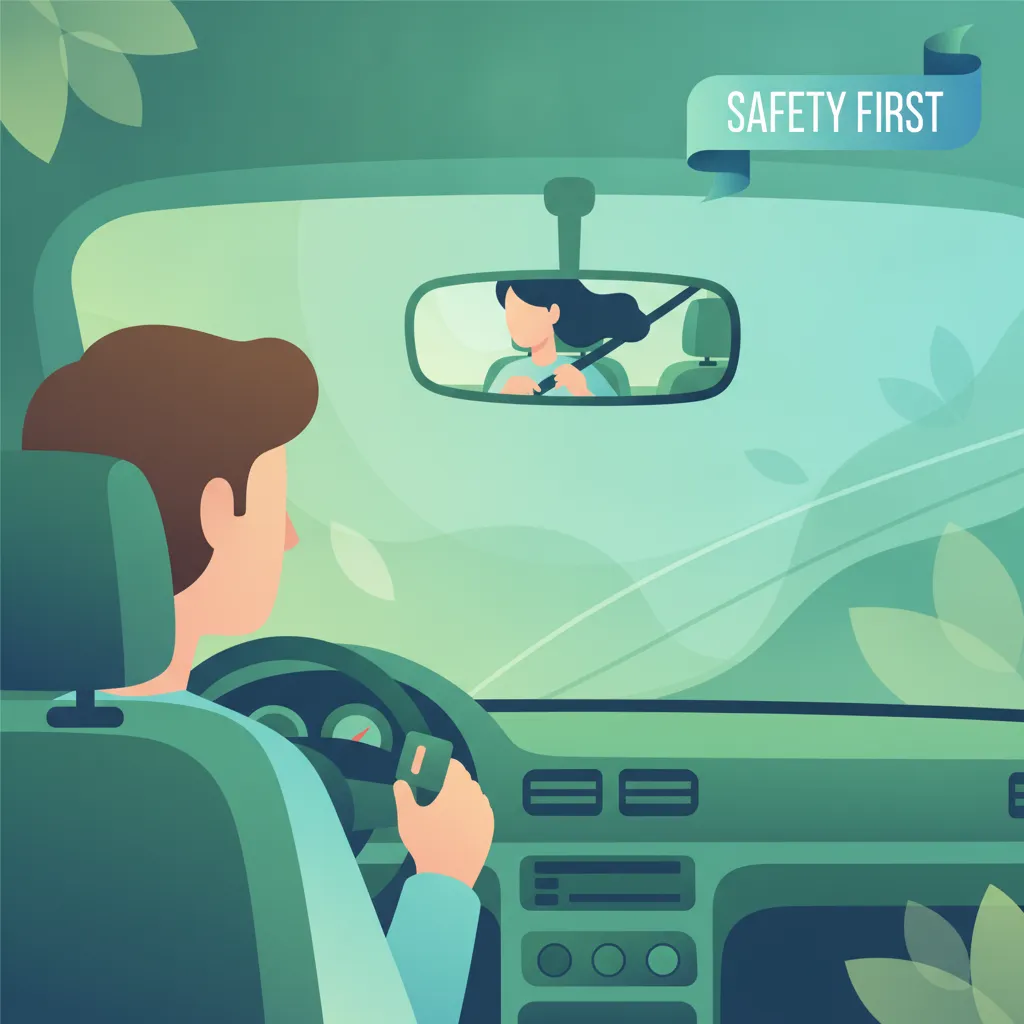
The driver must ensure all boarding passengers are safely on board and stable before moving off. This lesson covers managing the flow of passengers, dealing with fares or tickets efficiently, and encouraging people to move away from the doorway. The primary goal is to prevent falls that can occur if the vehicle moves prematurely.
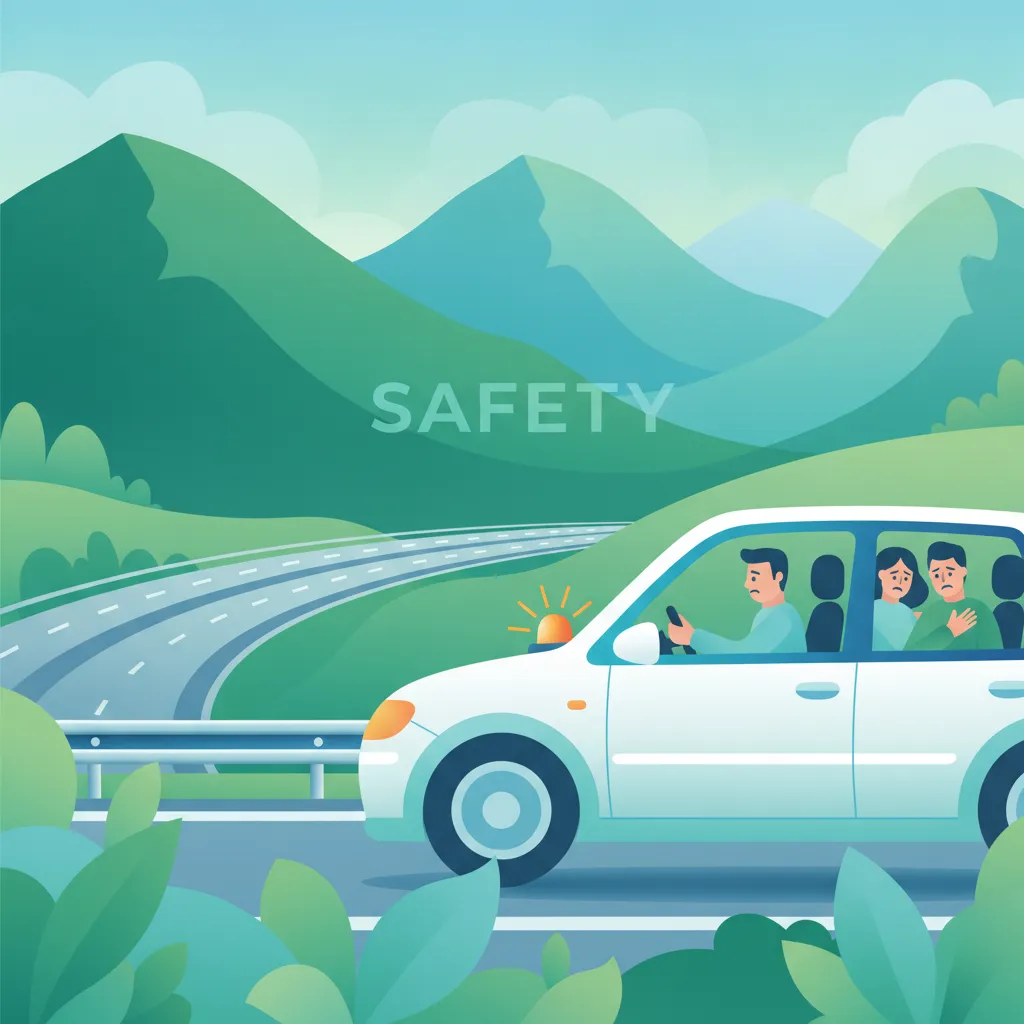
This lesson outlines the steps a driver should take when a passenger becomes ill or requires medical attention. It covers safely stopping the vehicle, making an emergency call to the correct number (144/112), and providing basic assistance until professional help arrives. The focus is on a calm, systematic response to a stressful situation.

Unsecured items can become dangerous projectiles in the event of a sudden stop or collision. This lesson covers the driver's responsibility for overseeing the secure stowage of passenger belongings. It includes rules for using luggage compartments on coaches and designated spaces for prams and mobility aids on city buses.
Master essential communication etiquette and conflict de-escalation techniques for Swiss Category D bus and coach drivers. Learn to handle challenging passenger interactions and maintain a professional public image.

Drivers may occasionally face difficult or disruptive passengers. This lesson introduces strategies for de-escalating potential conflicts through calm communication and professional conduct. The focus is on maintaining safety for all passengers and the driver, and knowing when and how to seek external assistance.

Clear communication is key to a smooth and pleasant passenger experience. This lesson covers best practices for making announcements, answering questions, and providing information about the route or delays. It also introduces basic techniques for calmly managing difficult situations and maintaining a professional demeanor with all passengers.

Bus lanes are a key tool for improving service reliability, but they come with specific rules. This lesson covers how to correctly interpret bus lane signs and markings. It also explains the regulations for entering and leaving the lane to make turns or avoid obstructions, and the priority rules associated with them.
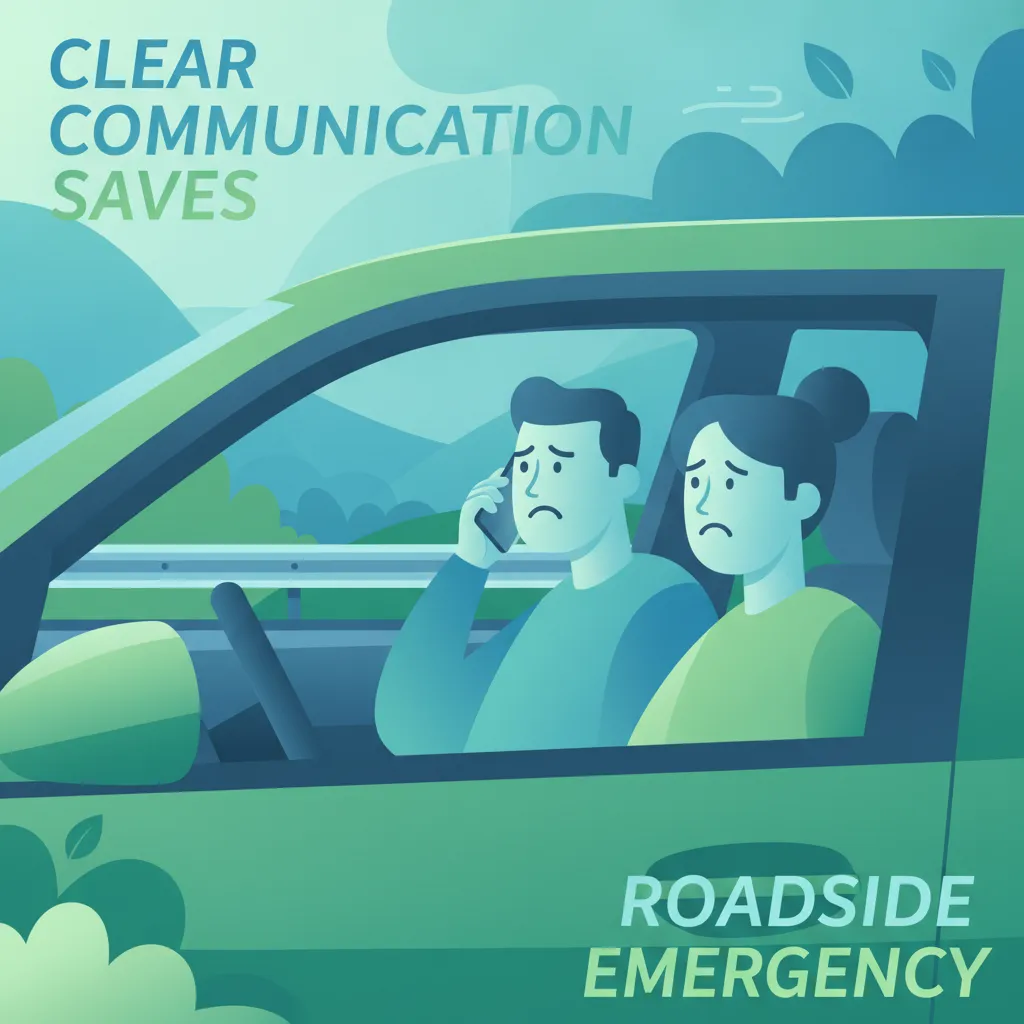
Effective communication is vital during an emergency. This lesson teaches you what critical information to provide when calling emergency services, including precise location and the nature of the incident. It also covers techniques for communicating with passengers to provide reassurance and instruction, helping to maintain calm and order.
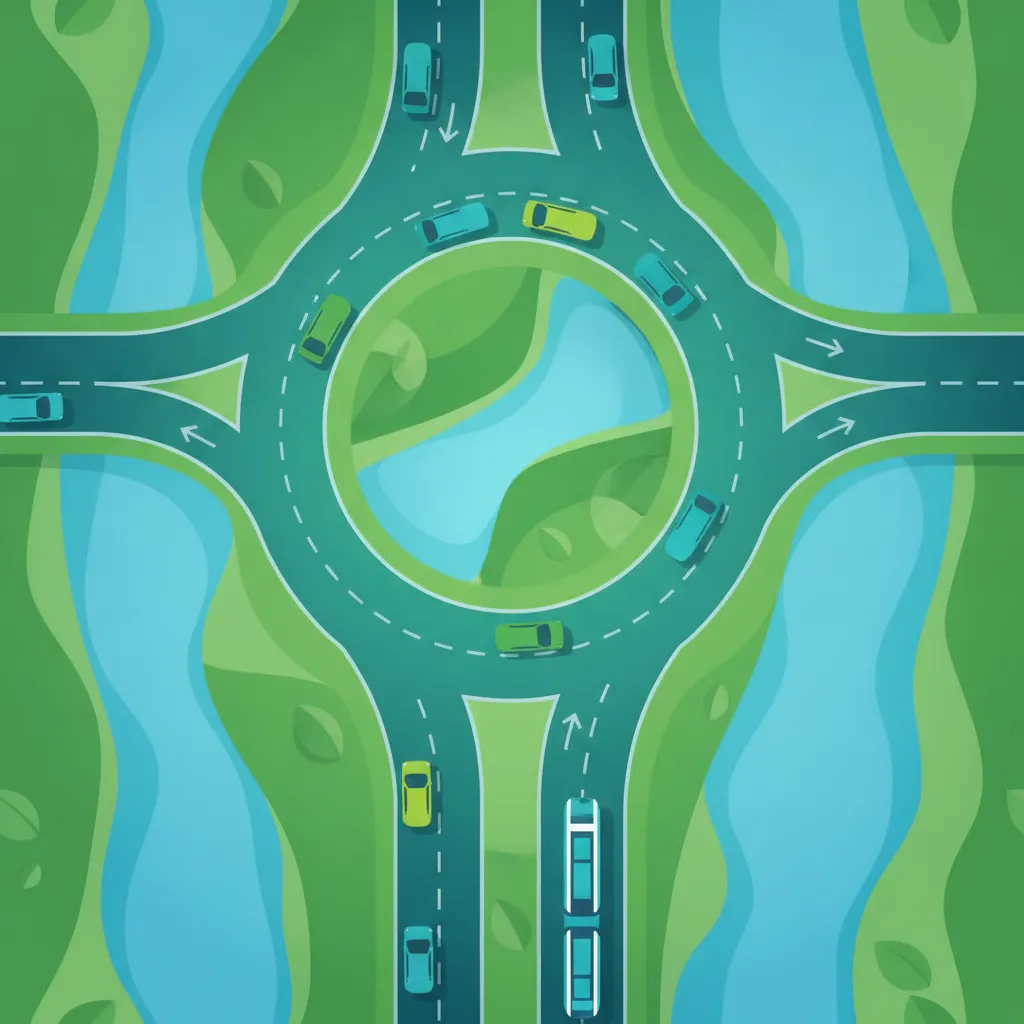
The size of a bus requires careful planning when negotiating complex intersections. This lesson teaches the importance of early lane selection, clear signalling, and comprehensive observation. It provides specific techniques for managing the vehicle's swept path through multi-lane roundabouts and other challenging urban junctions.

Sharing road space with trams presents unique challenges, including different priority rules and physical hazards like tracks. This lesson covers the Swiss regulations regarding tram priority at junctions and stops. It also provides practical advice on crossing tram tracks safely and maintaining awareness of tram movements.

Departing from a bus stop is a high-risk manoeuvre. This lesson details the critical sequence of actions: checking all passengers are clear of the doors, performing a comprehensive mirror and blind spot check, signalling, and waiting for a safe gap in traffic. This systematic approach is essential for preventing collisions with overtaking vehicles, cyclists, or pedestrians.

Motorway driving involves high speeds and requires constant concentration. This lesson covers correct lane discipline, safe procedures for joining and leaving the motorway, and techniques for overtaking other large vehicles. Maintaining appropriate speed and a safe following distance is emphasized throughout.

The approach to a stop sets the stage for a safe passenger exchange. This lesson covers signalling in good time, decelerating smoothly, and aiming for a final position that is close and parallel to the kerb. Proper positioning minimizes the step for passengers and prevents them from having to step into traffic.

Many Swiss cities use systems that give buses priority at traffic lights to improve punctuality. This lesson explains how these systems detect an approaching bus and alter the signal phasing. You will learn to recognize and correctly respond to the special white light signals that grant this priority.
Find clear answers to common questions learners have about Professionalism, Conduct, and Public Image. Learn how the lesson is structured, which driving theory objectives it supports, and how it fits into the overall learning path of units and curriculum progression in Switzerland. These explanations help you understand key concepts, lesson flow, and exam focused study goals.
Yes, the Swiss Category D theory exam includes questions on the professional duties and ethical obligations of a driver, as these are critical to safety and public trust.
Drivers are expected to remain calm, professional, and courteous, using de-escalation techniques rather than confrontation to maintain a safe environment for all passengers.
As a professional driver, you represent your company and the Swiss public transport network; your behavior directly impacts how the public perceives safety and reliability.
While individual company policies vary, professional appearance is a standard requirement that reflects the driver's role as a trusted representative of public transport.
Pinpoint specific Swiss traffic rules, road signs, or driving situations you need to master. Use the practice search to start a focused revision session now and build confidence for your official driving theory exam.