
This lesson offers a deep dive into the driver's cockpit of a passenger vehicle, covering everything from primary driving controls to complex warning systems. Understanding these components is essential for your Category D theory exam and vital for safe, professional bus operation in Switzerland.
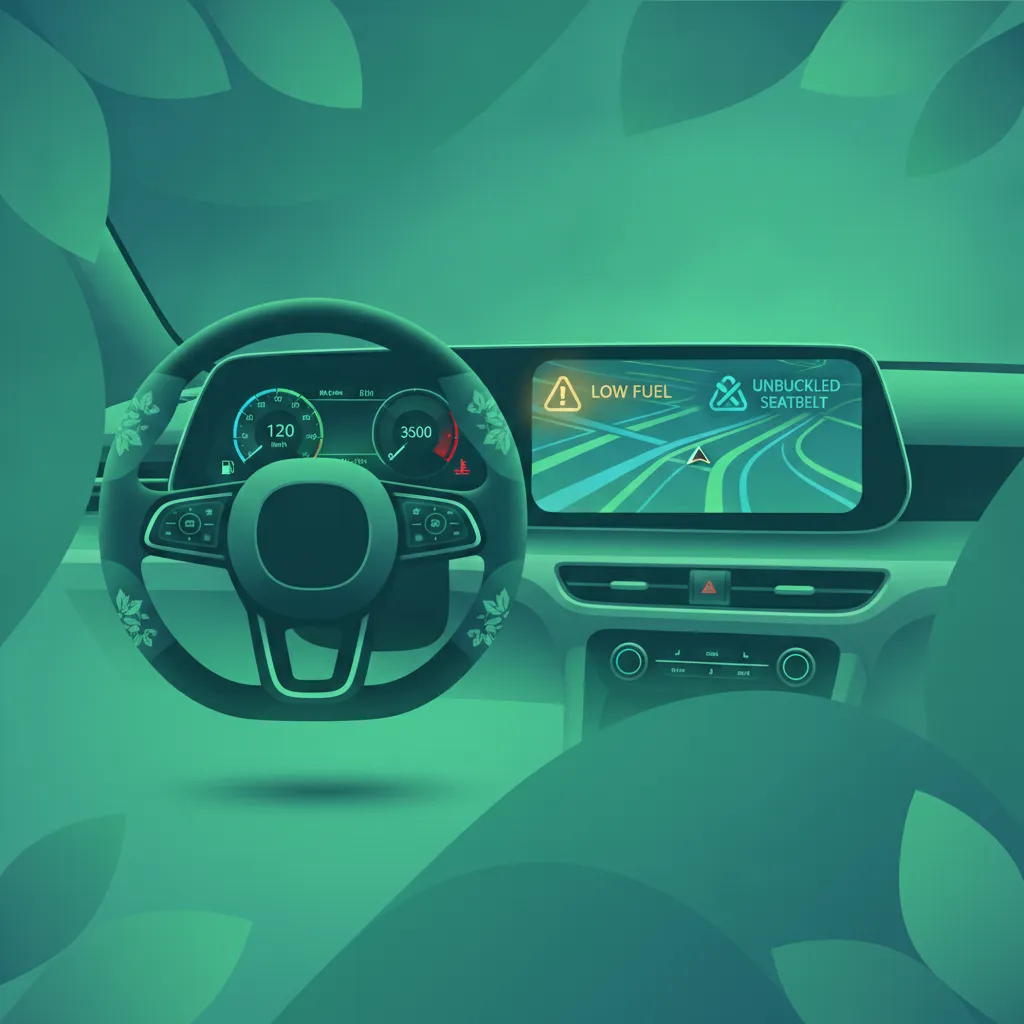
Lesson content overview
The driver's cockpit in a bus or coach is much more than just a seat; it is the sophisticated command center from which you manage a large passenger vehicle. Mastering every switch, lever, button, and indicator is fundamental not only for safe driving and passenger comfort but also for maintaining vehicle integrity and complying with stringent Swiss road traffic regulations. This lesson will provide a detailed tour, empowering you with the knowledge needed to operate a bus or coach confidently and professionally.
The cockpit of a professional passenger vehicle is meticulously designed to provide the driver with real-time information and immediate control over numerous complex systems. From propulsion and braking to passenger environment and safety features, every element serves a critical purpose in ensuring efficient and secure transport operations. A thorough understanding of this intricate environment is paramount for every Category D license holder.
For professional bus and coach drivers in Switzerland, mastery of the cockpit is not merely a convenience; it is a core competency directly influencing safety, efficiency, and legal compliance. Timely and accurate responses to vehicle warnings, precise control inputs, and effective management of passenger-related systems all rely on the driver's profound familiarity with their workstation. This knowledge is crucial for pre-trip inspections, handling emergencies, and ensuring passenger well-being throughout every journey.
The diverse systems within the cockpit can be broadly categorized into primary driving controls, the instrument panel, warning and indicator lights, and secondary controls for passenger management and vehicle systems. Each category plays a distinct yet interconnected role in the overall operation of the bus or coach. Understanding these interdependencies is key to holistic vehicle management and ensuring a smooth, safe, and comfortable ride for all passengers.
Primary driving controls are the fundamental devices that directly govern the motion and direction of the vehicle. These include the steering wheel, accelerator pedal, service brake pedal, clutch (if the vehicle has a manual transmission), gear selector, and parking brake. Proficient and coordinated use of these controls is essential for smooth acceleration, controlled braking, precise steering, and ensuring passenger comfort and safety.
The steering wheel is your primary interface for directional control. In modern buses and coaches, it often integrates various secondary controls, such as buttons for the headlamps, turn signals, cruise control, or even the horn, allowing the driver to keep their hands on the wheel and eyes on the road. Proper steering technique, such as the "hand-over-hand" method, is crucial for smooth and controlled turns, especially with the extended wheelbase of a bus or coach. Maintaining a firm but relaxed grip ensures responsiveness and reduces driver fatigue during long shifts.
The accelerator pedal, typically located on the right, regulates engine power and vehicle speed. Smooth and gradual application of the accelerator is vital for comfortable passenger transport, preventing jerky movements. The service brake pedal, situated to the left of the accelerator, activates the vehicle's primary braking system. Precise modulation of the service brake is necessary for smooth stops, preventing abrupt deceleration that could discomfort passengers or compromise their stability. For buses and coaches equipped with air brakes, understanding the feel and response of the pedal is especially important.
While many modern buses and coaches feature automatic transmissions, some may still be equipped with manual gearboxes, requiring a clutch pedal, usually located on the far left. The clutch disconnects the engine from the transmission, allowing for smooth gear changes. The gear selector, whether a floor-mounted lever or a column-mounted control, allows you to choose appropriate gear ranges (e.g., Reverse, Neutral, Drive, or specific gears 1-6). Correct gear selection, coordinated with the clutch and accelerator, optimizes fuel efficiency and engine performance, particularly on varying terrain.
The parking brake is a mechanical system designed to hold the vehicle stationary when parked. It is typically engaged via a lever or a foot pedal. This brake should be used whenever the vehicle is stopped, even for short durations, to prevent accidental rolling. Never rely solely on the service brake for holding a stationary vehicle, particularly on inclines. Engaging the parking brake properly and releasing it fully before moving is a fundamental safety practice.
The instrument panel, or dashboard, is the nerve center of vehicle information, providing critical real-time data about the operational status of the bus or coach. A professional driver must be adept at interpreting these gauges and indicators to monitor essential parameters and anticipate potential issues before they escalate.
The speedometer displays the current vehicle speed in kilometers per hour (km/h). It is vital for adhering to speed limits and adjusting to road conditions. The tachometer shows the engine's revolutions per minute (rpm). Monitoring the tachometer helps in selecting the optimal gear for efficiency and power, preventing the engine from over-revving or lugging, which can lead to increased wear and fuel consumption. For manual transmissions, matching RPMs during shifting is crucial for smooth operation.
The fuel gauge indicates the amount of fuel remaining in the tank. It typically includes a warning light that illuminates when the fuel level is low, signaling the need for immediate refueling. Ignoring this warning can lead to inconvenient and potentially hazardous vehicle stalls. The engine temperature gauge displays the coolant temperature. It is critical for preventing engine overheating, especially during sustained uphill climbs or in hot weather. An illuminated overheat warning light or a gauge entering the red zone demands immediate driver action.
The oil pressure gauge monitors the pressure within the engine's lubrication system. Proper oil pressure is crucial for engine health, and a drop can indicate a serious malfunction, requiring immediate attention. Similarly, the battery voltage gauge (or an indicator light) monitors the electrical system's health, ensuring the alternator is charging the battery correctly. A low voltage reading can signal an impending electrical system failure.
The odometer records the total distance the vehicle has traveled over its lifetime, while the trip meter tracks distance for individual journeys, which can be reset. These meters are essential for maintenance scheduling, tracking fuel consumption for specific routes, and for administrative purposes, such as logging kilometers for professional driving records.
Warning lights and indicator symbols are crucial communication tools from the vehicle's systems to the driver. They provide immediate visual alerts regarding the operational status or potential malfunctions. Recognizing and correctly interpreting these symbols is a cornerstone of safe and responsible professional driving.
These lights alert you to faults in critical vehicle systems. An illuminated engine warning light (often a stylized engine block) indicates an issue with the engine or its emission control system. The ABS (Anti-lock Braking System) warning light signifies a malfunction in the anti-lock braking system, meaning that while the brakes will still work, the ABS feature will not. Similarly, the ESP (Electronic Stability Program) or traction control warning light indicates a fault or activation of these stability systems. These warnings often require professional diagnosis and repair.
Beyond malfunctions, other lights provide operational information. The high beam indicator illuminates when your high beam headlamps are active. The door-open interlock warning light is critical for passenger safety, indicating that a passenger door is not fully closed or is attempting to open while the vehicle is in motion. The stop request indicator illuminates (and may be accompanied by an audible chime) when a passenger has pressed a stop request button, signaling their intention to alight.
According to Swiss law, specifically Swiss Traffic Code RVS, Article 112, a driver must not operate a vehicle if a critical warning light, such as a brake warning or low oil pressure indicator, is illuminated and the underlying issue is not resolved. Failure to comply can lead to severe penalties and poses a significant safety risk. Immediate action, such as safely stopping the vehicle and assessing the situation, is mandatory.
If a critical warning light (e.g., brake system, oil pressure, engine malfunction) illuminates while driving, you must safely stop the vehicle as soon as possible, assess the fault, and resolve it before continuing your journey. Ignoring these warnings can lead to serious breakdowns, accidents, or legal consequences.
While primary controls focus on vehicle motion, secondary controls manage other vital aspects of passenger transport, including comfort, safety, and driver visibility. These controls are often located on the dashboard, central console, or driver's side panel, and efficient operation is key to professional service.
Door operation controls, typically buttons or levers, allow the driver to open, close, and sometimes lock the passenger doors. Many buses feature power-operated doors, especially for rear access. A crucial safety feature is the door-open interlock system, which prevents the doors from being opened while the vehicle is moving and ensures they are fully closed before the vehicle can accelerate beyond a crawl. This system is a legal requirement in Switzerland, mandated by Swiss Road Traffic Act VI.2.1, to prevent passenger ejection or injury. Always verify door status before moving.
The stop request system allows passengers to signal their intention to alight. Passengers press a button, usually illuminated, which in turn activates a driver indicator on the dashboard (often a light and an audible alert). As per Swiss Road Traffic Ordinance RVS 33.2, the driver must respond promptly to a stop request by stopping the vehicle at the next safe and designated location suitable for passenger alighting. After passengers have alighted, remember to reset the stop request system if it doesn't do so automatically.
The climate control system (Heating, Ventilation, and Air Conditioning or HVAC) is essential for maintaining a comfortable and safe environment for passengers and the driver. Controls typically include knobs or buttons for temperature, fan speed, air distribution (e.g., floor, dashboard vents), and the defrost function. Proper use of the defrost system is crucial for maintaining clear visibility through the windshield and windows, especially in adverse weather conditions like rain, fog, or snow. The driver must adjust climate settings proactively to prevent windows from fogging up.
Controls for mirror adjustments (rear-view and side mirrors) are critical for ensuring optimal driver situational awareness. Most side mirrors in modern buses are electrically adjustable, often with heating elements for cold weather. Proper mirror alignment eliminates blind spots as much as possible and provides a clear view of surrounding traffic, vulnerable road users, and the sides of the vehicle during maneuvers. Always adjust mirrors during your pre-trip checks, before commencing a journey, and never while driving.
The dashboard illumination system provides adjustable backlighting for the instrument panel, making gauges and warning lights visible in low-light conditions, particularly during night driving. According to Swiss Road Traffic Ordinance RVS 45, the driver must ensure that all essential gauges are clearly readable at all times. Adjust the brightness to a comfortable level that allows you to read the instruments without causing glare or distraction, especially when driving in rural or unlit areas.
Adherence to specific Swiss road traffic regulations concerning cockpit controls and warnings is not just good practice but a legal obligation for all professional Category D drivers. These rules are designed to ensure maximum safety for both passengers and other road users.
A safety mechanism that electronically or mechanically prevents passenger doors from being opened while the vehicle is in motion, ensuring doors remain closed until the vehicle is safely stopped.
According to the Swiss Road Traffic Act VI.2.1, passenger doors on a public transport vehicle must not be opened while the vehicle is moving. This regulation mandates the presence and proper functioning of door interlock systems. Drivers must ensure these systems are active and functional and must never attempt to override them. Violation can lead to serious injury and legal penalties.
A system allowing passengers to signal the driver to stop the vehicle at the next designated stop, typically via illuminated buttons inside the passenger compartment activating an indicator in the cockpit.
Swiss Road Traffic Ordinance RVS 33.2 dictates that when a stop request is activated by a passenger, the driver is obliged to stop the vehicle at the next safe and suitable location for passenger alighting. This ensures accessibility and convenience for passengers. Ignoring a stop request is a breach of professional duty and can result in fines.
An illuminated symbol on the dashboard indicating a severe malfunction or unsafe condition in a vital vehicle system (e.g., brake system, oil pressure, engine management) that requires immediate driver action.
Swiss Traffic Code RVS, Article 112, clearly states that a vehicle deemed unsafe due to a critical fault, indicated by a warning light (such as for the brake system or engine oil pressure), must not be driven. The driver must halt the vehicle safely, identify the problem, and ensure it is resolved before continuing. Non-compliance is a serious offense that risks vehicle damage, accidents, and regulatory penalties.
Swiss Road Traffic Ordinance RVS 45 mandates that the driver must ensure all essential gauges, including the speedometer, tachometer, and fuel gauge, are clearly readable under all operational conditions, including night driving. This means adjusting dashboard illumination as necessary and ensuring no obstructions hinder visibility. Maintaining awareness of vehicle parameters is critical for safe and legal driving.
While not a cockpit control in itself, the operation of headlamps is managed from the cockpit. Swiss Highway Code, Article 12, governs the use of high beams. High beam headlamps must be dimmed or switched to low beam when approaching oncoming traffic within 150 meters, or when following another vehicle within 200 meters. This prevents dazzling other drivers, which can cause temporary blindness and significantly increase accident risk.
Even experienced drivers can make mistakes, but recognizing common pitfalls and adopting best practices can significantly enhance safety and efficiency in bus and coach operation.
A common violation is opening doors prematurely while the vehicle is still in motion, even if slowly. This often occurs when drivers misjudge stopping distances or are in a hurry. Best practice: Always ensure the vehicle is completely stationary, the parking brake is engaged, and the door interlock system is active before operating passenger doors. This protects passengers and complies with Swiss law.
Ignoring illuminated warning lights, especially critical ones like those for the brake system, engine oil pressure, or engine temperature, is extremely hazardous. Drivers might rationalize that the vehicle "feels fine" or that they are "almost there." Best practice: Treat every critical warning light as an immediate call to action. Safely stop the vehicle, investigate the cause, and resolve the issue as required by Swiss regulations. Never risk continuing with a critical fault.
Many cockpit-related issues can be identified and addressed during systematic daily walk-around checks. This includes verifying all lights, including dashboard illumination, checking mirror adjustments, and ensuring all gauges and indicators function correctly upon vehicle startup. Best practice: Integrate a thorough cockpit check into your daily routine. Proactive maintenance prevents unexpected breakdowns and enhances overall safety.
Effective use of cockpit controls varies significantly depending on external conditions and the driving environment. Professional drivers must adapt their approach to ensure safety and passenger comfort across diverse scenarios.
In areas with high pedestrian and cyclist traffic, meticulous use of mirrors and careful door operation are crucial. Before closing doors or pulling away from a stop, always check mirrors and physically verify that no vulnerable road users are in proximity to the vehicle, especially near the doors. This prevents potential collisions or entrapment.
This lesson covers the complete driver's cockpit in a bus or coach, from primary driving controls (steering, braking, acceleration, transmission) to the instrument panel gauges (speedometer, tachometer, fuel, temperature, oil pressure, battery) and warning light interpretation. It emphasizes Swiss legal requirements including door interlock systems (RVS VI.2.1), mandatory response to critical warnings (RVS Article 112), stop request obligations (RVS 33.2), and instrument visibility standards (RVS 45). Secondary systems for passenger door operation, climate control, mirror adjustment, and night driving illumination are explained with practical best practices. Common errors include premature door operation, ignored warnings, and inadequate pre-trip checks, all of which are preventable through systematic cockpit mastery essential for safe professional bus operation and the Category D theory exam.
A short set of high-value points that capture the most important learning from this lesson.
The cockpit is the command center where you manage all vehicle motion, passenger safety, and system monitoring in a bus or coach.
Primary driving controls (steering, accelerator, service brake, clutch, gear selector, parking brake) must be coordinated smoothly to ensure passenger comfort and safety.
The instrument panel provides real-time data on speed, engine RPM, fuel level, temperature, oil pressure, and battery voltage—all requiring regular monitoring.
Warning lights communicate critical system status; critical warnings (brake, oil pressure, engine) legally prohibit continued driving until resolved per Swiss Traffic Code RVS Article 112.
Secondary controls for doors, HVAC, mirrors, and lighting manage passenger comfort, safety access, and driver visibility—all requiring systematic operation.
Explore all units and lessons included in this driving theory course.
Never open passenger doors while the vehicle is moving—door-open interlock systems are legally required in Switzerland (RVS VI.2.1).
A illuminated critical warning light (brake system, oil pressure, engine malfunction) means you must stop immediately and resolve the issue before continuing—RVS Article 112.
The tachometer helps you select optimal gears and prevents engine over-revving or lugging, crucial for fuel efficiency and engine longevity.
Always respond promptly to passenger stop requests by stopping at the next safe, designated location per RVS 33.2.
Dashboard illumination must be adjusted for night driving to keep gauges readable without causing glare—RVS 45.
Opening doors before the vehicle is fully stationary and the parking brake is engaged, risking passenger injury.
Ignoring or delaying response to critical warning lights, assuming the vehicle 'feels fine' or that the destination is close.
Failing to adjust mirrors during pre-trip checks, leading to blind spots and reduced situational awareness.
Not monitoring the tachometer when driving a manual-transmission bus, causing inefficient gear changes or engine strain.
Neglecting to reset the stop request system after passengers alight, potentially missing subsequent stop requests.
Lesson content overview
A short set of high-value points that capture the most important learning from this lesson.
The cockpit is the command center where you manage all vehicle motion, passenger safety, and system monitoring in a bus or coach.
Primary driving controls (steering, accelerator, service brake, clutch, gear selector, parking brake) must be coordinated smoothly to ensure passenger comfort and safety.
The instrument panel provides real-time data on speed, engine RPM, fuel level, temperature, oil pressure, and battery voltage—all requiring regular monitoring.
Warning lights communicate critical system status; critical warnings (brake, oil pressure, engine) legally prohibit continued driving until resolved per Swiss Traffic Code RVS Article 112.
Secondary controls for doors, HVAC, mirrors, and lighting manage passenger comfort, safety access, and driver visibility—all requiring systematic operation.
Explore all units and lessons included in this driving theory course.
Never open passenger doors while the vehicle is moving—door-open interlock systems are legally required in Switzerland (RVS VI.2.1).
A illuminated critical warning light (brake system, oil pressure, engine malfunction) means you must stop immediately and resolve the issue before continuing—RVS Article 112.
The tachometer helps you select optimal gears and prevents engine over-revving or lugging, crucial for fuel efficiency and engine longevity.
Always respond promptly to passenger stop requests by stopping at the next safe, designated location per RVS 33.2.
Dashboard illumination must be adjusted for night driving to keep gauges readable without causing glare—RVS 45.
Opening doors before the vehicle is fully stationary and the parking brake is engaged, risking passenger injury.
Ignoring or delaying response to critical warning lights, assuming the vehicle 'feels fine' or that the destination is close.
Failing to adjust mirrors during pre-trip checks, leading to blind spots and reduced situational awareness.
Not monitoring the tachometer when driving a manual-transmission bus, causing inefficient gear changes or engine strain.
Neglecting to reset the stop request system after passengers alight, potentially missing subsequent stop requests.
Explore search topics learners often look for when studying The Driver's Cockpit: Controls, Instruments, and Warnings. These topics reflect common questions about road rules, driving situations, safety guidance, and lesson level theory preparation for learners in Switzerland.
Browse additional driving theory lessons that cover connected traffic rules, road signs, and common driving situations related to this topic. Improve your understanding of how different rules interact across everyday traffic scenarios.
Learn to identify and understand all primary controls, secondary switches, instrument panel gauges, and critical warning indicators within a professional bus or coach cockpit for Swiss Category D driving theory.
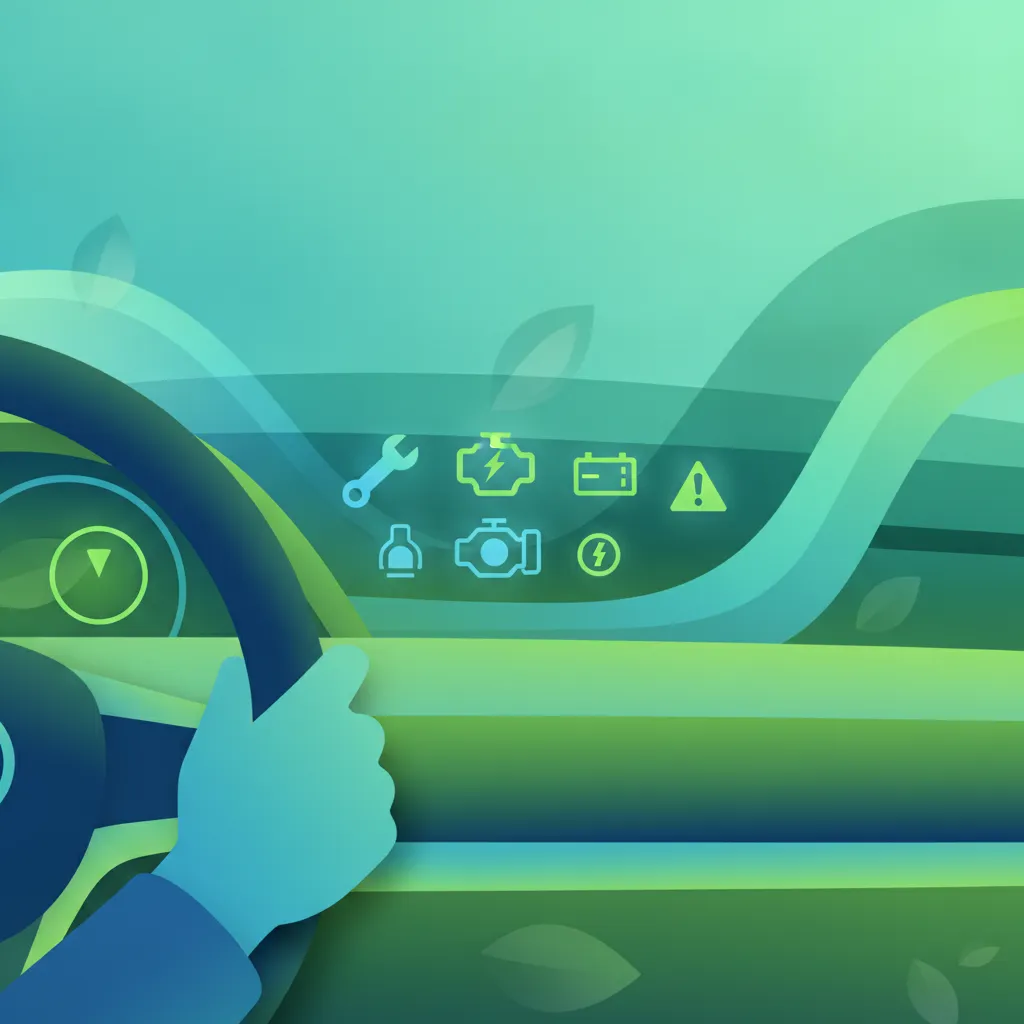
The dashboard is the vehicle's primary communication interface with the driver. This lesson explains how to read essential gauges, such as the air pressure gauges for the braking system, the tachometer, and the fuel level. It focuses on recognizing the meaning of different warning lights (red for urgent, amber for caution) and the importance of stopping safely to investigate any critical alerts immediately.

This lesson provides a foundational overview of a passenger vehicle's main components. You will learn to identify and understand the function of the engine, transmission, suspension, and electrical systems. This knowledge is essential for effective pre-trip checks and for communicating with maintenance staff about potential vehicle issues.
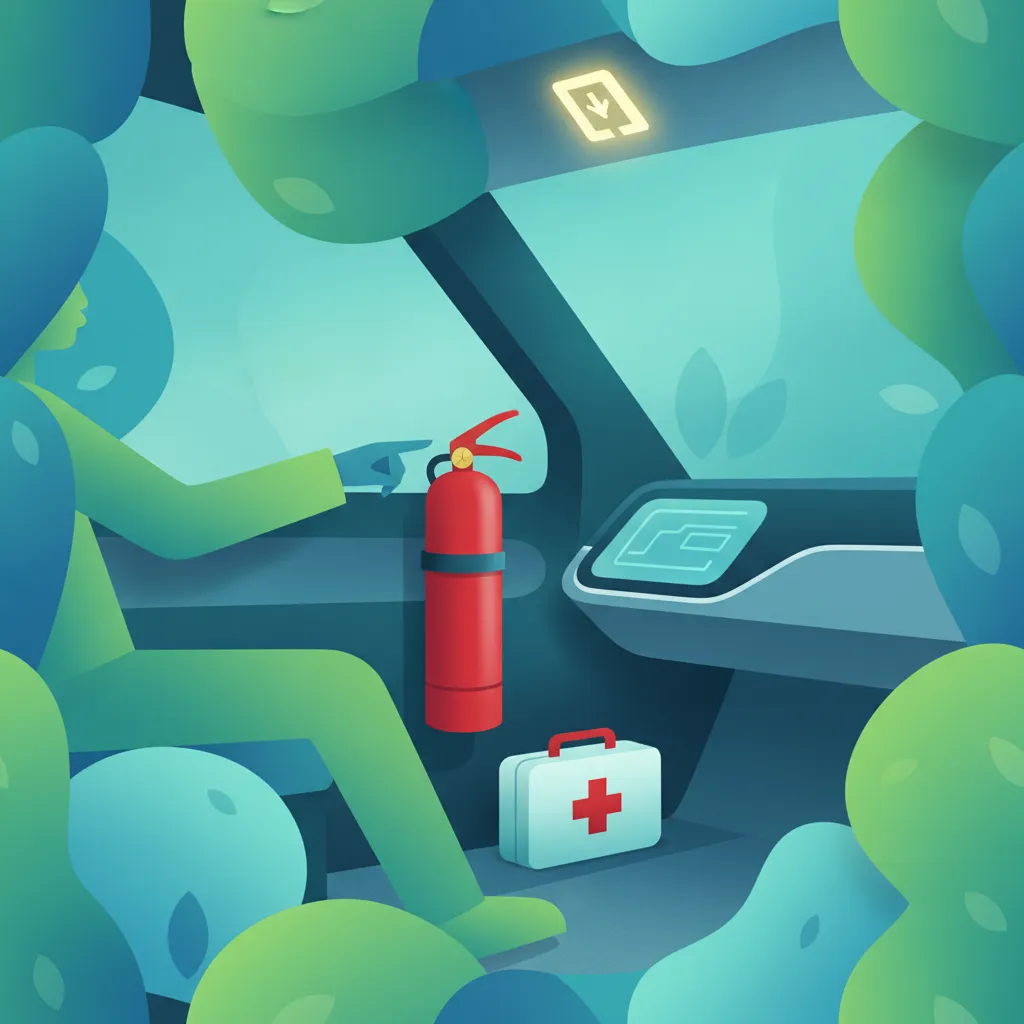
This lesson focuses on the legally required safety equipment that must be on board every passenger vehicle. You will learn how to locate and check the fire extinguisher, first aid kit, and emergency hammers. It also covers the inspection of emergency exits to ensure they are unobstructed and functional.

This lesson provides a clear breakdown of the different vehicle categories within the Swiss Category D license framework. You will learn to distinguish between a minibus (D1), a standard bus (D), and combinations with trailers (D1E, DE). The content covers the specific rules regarding passenger numbers, vehicle mass, and the legal requirements for operating each class of vehicle.

Being seen and being able to see are critical for safety. This lesson covers the systematic check of all exterior lights, including headlights, brake lights, and indicators. It also emphasizes the importance of ensuring all mirrors and camera lenses are clean, undamaged, and properly adjusted for maximum visibility.
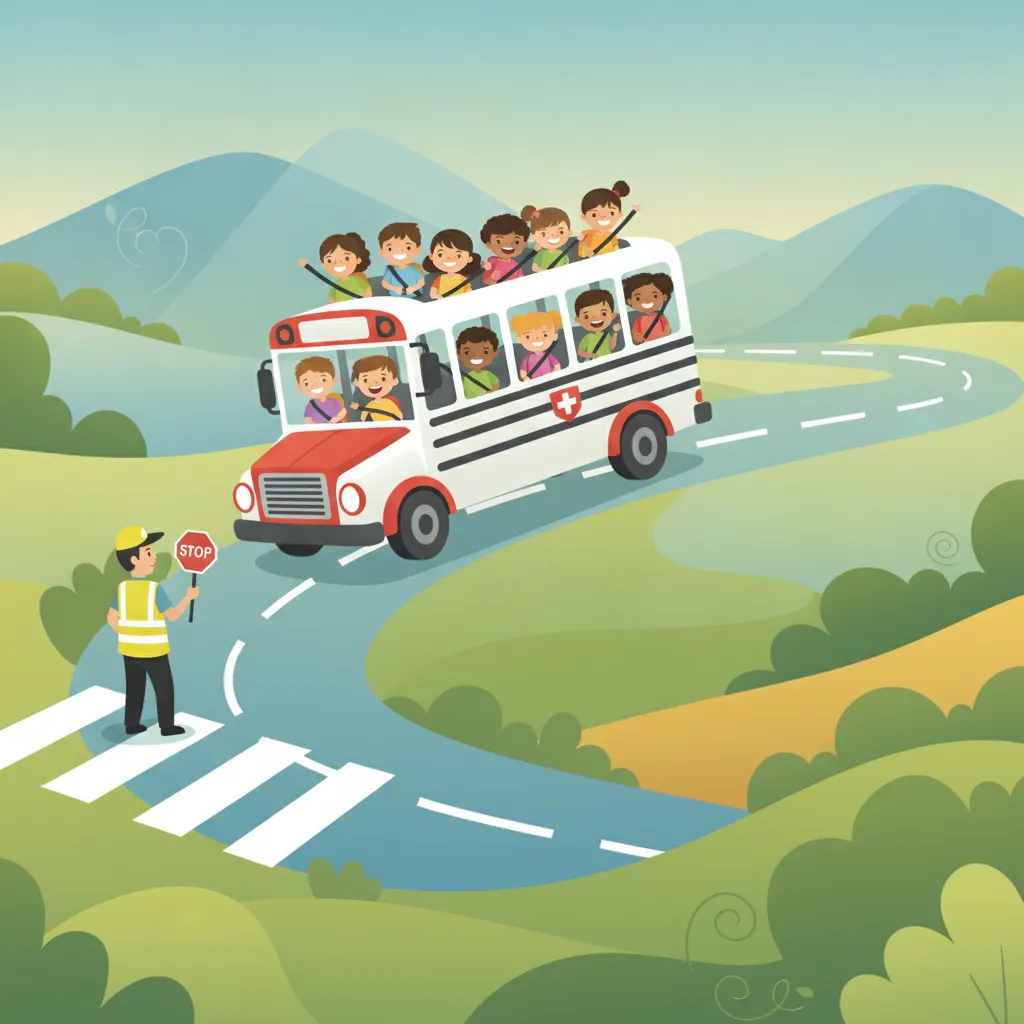
Transporting children carries the highest level of responsibility. This lesson covers the specific legal requirements for school buses in Switzerland, including the use of special signs and warning lights. It details the safe procedures for stopping, boarding, and alighting, and the driver's role in supervising children.
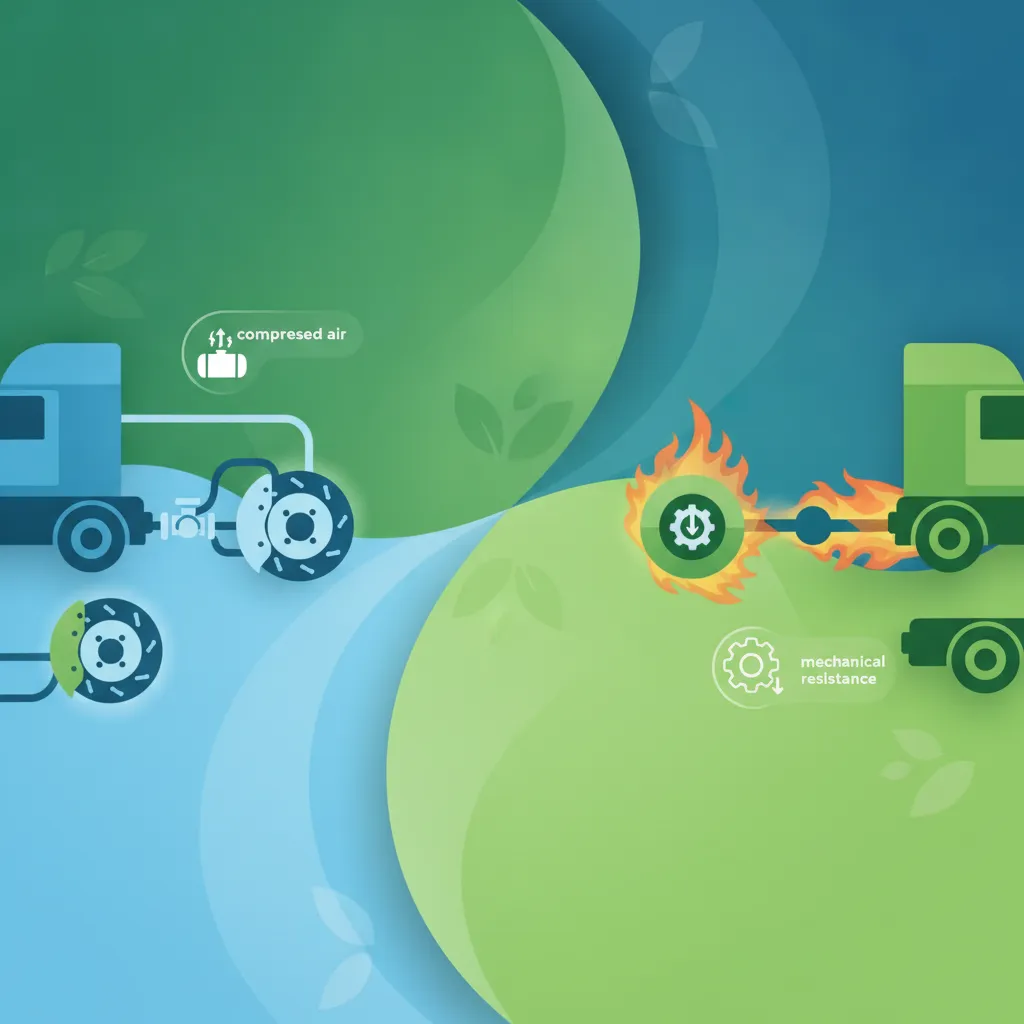
Large passenger vehicles rely on powerful air brake systems. This lesson explains how these systems work, including the importance of monitoring air pressure. It also details the function and proper use of auxiliary braking systems (retarders) to control speed on long descents and reduce wear on the service brakes.

Departing from a bus stop is a high-risk manoeuvre. This lesson details the critical sequence of actions: checking all passengers are clear of the doors, performing a comprehensive mirror and blind spot check, signalling, and waiting for a safe gap in traffic. This systematic approach is essential for preventing collisions with overtaking vehicles, cyclists, or pedestrians.

Bus lanes are a key tool for improving service reliability, but they come with specific rules. This lesson covers how to correctly interpret bus lane signs and markings. It also explains the regulations for entering and leaving the lane to make turns or avoid obstructions, and the priority rules associated with them.

Drivers may occasionally face difficult or disruptive passengers. This lesson introduces strategies for de-escalating potential conflicts through calm communication and professional conduct. The focus is on maintaining safety for all passengers and the driver, and knowing when and how to seek external assistance.
Understand mandatory Swiss road traffic regulations (RVS) concerning bus and coach cockpit controls, such as door interlock systems, stop request responses, and the legal obligations when critical warning lights illuminate.
Being seen and being able to see are critical for safety. This lesson covers the systematic check of all exterior lights, including headlights, brake lights, and indicators. It also emphasizes the importance of ensuring all mirrors and camera lenses are clean, undamaged, and properly adjusted for maximum visibility.

Modern bus doors are equipped with safety features, but the driver remains ultimately responsible. This lesson covers the correct procedures for opening and closing doors, emphasizing the need to check that no person or item is at risk of being trapped. It also explains how brake interlock systems work to prevent the bus from moving while doors are open.
Departing from a bus stop is a high-risk manoeuvre. This lesson details the critical sequence of actions: checking all passengers are clear of the doors, performing a comprehensive mirror and blind spot check, signalling, and waiting for a safe gap in traffic. This systematic approach is essential for preventing collisions with overtaking vehicles, cyclists, or pedestrians.
Transporting children carries the highest level of responsibility. This lesson covers the specific legal requirements for school buses in Switzerland, including the use of special signs and warning lights. It details the safe procedures for stopping, boarding, and alighting, and the driver's role in supervising children.

Motorway driving involves high speeds and requires constant concentration. This lesson covers correct lane discipline, safe procedures for joining and leaving the motorway, and techniques for overtaking other large vehicles. Maintaining appropriate speed and a safe following distance is emphasized throughout.
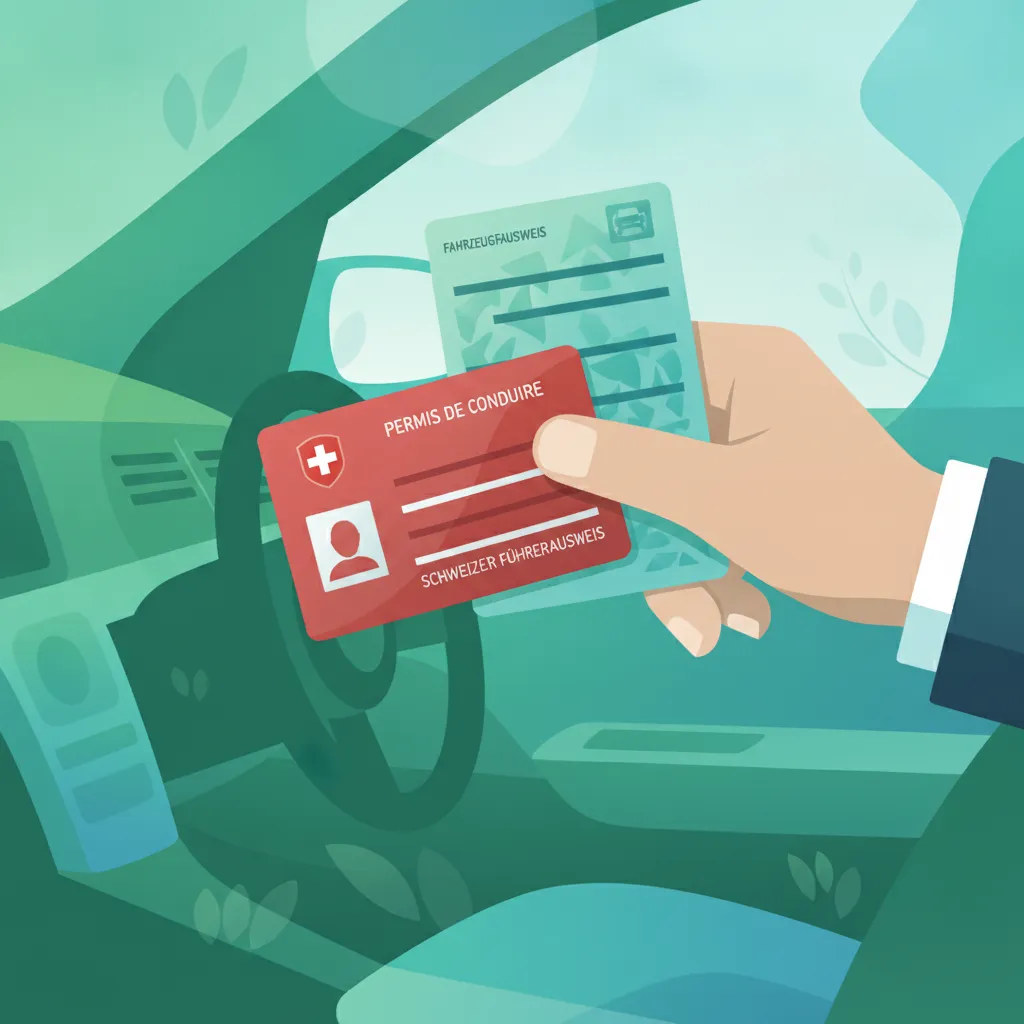
This lesson details the specific documents that must be present in the vehicle and on the driver's person during service. It covers the driving license, OACP card, vehicle registration, and tachograph records. You will learn the importance of ensuring all paperwork is current and correct to ensure legal compliance at all times.

Reversing is the most dangerous manoeuvre a large vehicle can perform and should be avoided whenever possible. This lesson details a safe system of work for when reversing is unavoidable. It covers the importance of a 360-degree check before starting, the use of a banksman, and how to interpret standard hand signals.

Buses and coaches have significant blind spots to the front, sides, and rear. This lesson maps out these 'no-zones' and teaches a continuous and active scanning process using all available mirrors and direct vision. The goal is to minimize the time any other road user spends undetected in a blind spot.

Even after checking exterior mirrors, a late-running passenger may approach the bus. This lesson emphasizes the final, critical glance in the interior mirror to check the passenger cabin and stop area just before the vehicle begins to move. This simple, final habit can prevent serious incidents involving passengers who are late or have fallen.

Rural driving requires a different mindset from urban driving. This lesson covers how to position your vehicle on narrow roads, how to use passing places effectively, and how to anticipate hazards like slow-moving farm machinery, animals, and concealed junctions. Managing vehicle width and height is a key focus.
Find clear answers to common questions learners have about The Driver's Cockpit: Controls, Instruments, and Warnings. Learn how the lesson is structured, which driving theory objectives it supports, and how it fits into the overall learning path of units and curriculum progression in Switzerland. These explanations help you understand key concepts, lesson flow, and exam focused study goals.
In the Swiss driving theory exam and practice, color-coding is vital: red lights typically indicate an immediate safety risk requiring you to stop the vehicle, while yellow or orange lights signify a need for attention or service at your earliest convenience.
While manufacturers differ, the theory exam focuses on universal symbols and standardized markings mandated by Swiss regulations. You must learn to recognize these standard icons regardless of the specific vehicle model.
As a professional driver, you must consult your vehicle's operation manual immediately. In an exam scenario, you are expected to prioritize passenger safety and follow the standard procedure of stopping safely if the warning implies a critical system failure.
Understanding your vehicle's interface is a core part of your duty of care. Proper monitoring of the cockpit is essential for the technical proficiency required under both standard theory and OACP qualification standards.
Pinpoint specific Swiss traffic rules, road signs, or driving situations you need to master. Use the practice search to start a focused revision session now and build confidence for your official driving theory exam.